


10 Worst Rated Scandinavian Semi-hard Cheeses

Last updated on May 22, 2026
01

Nøkkelost

3 ·

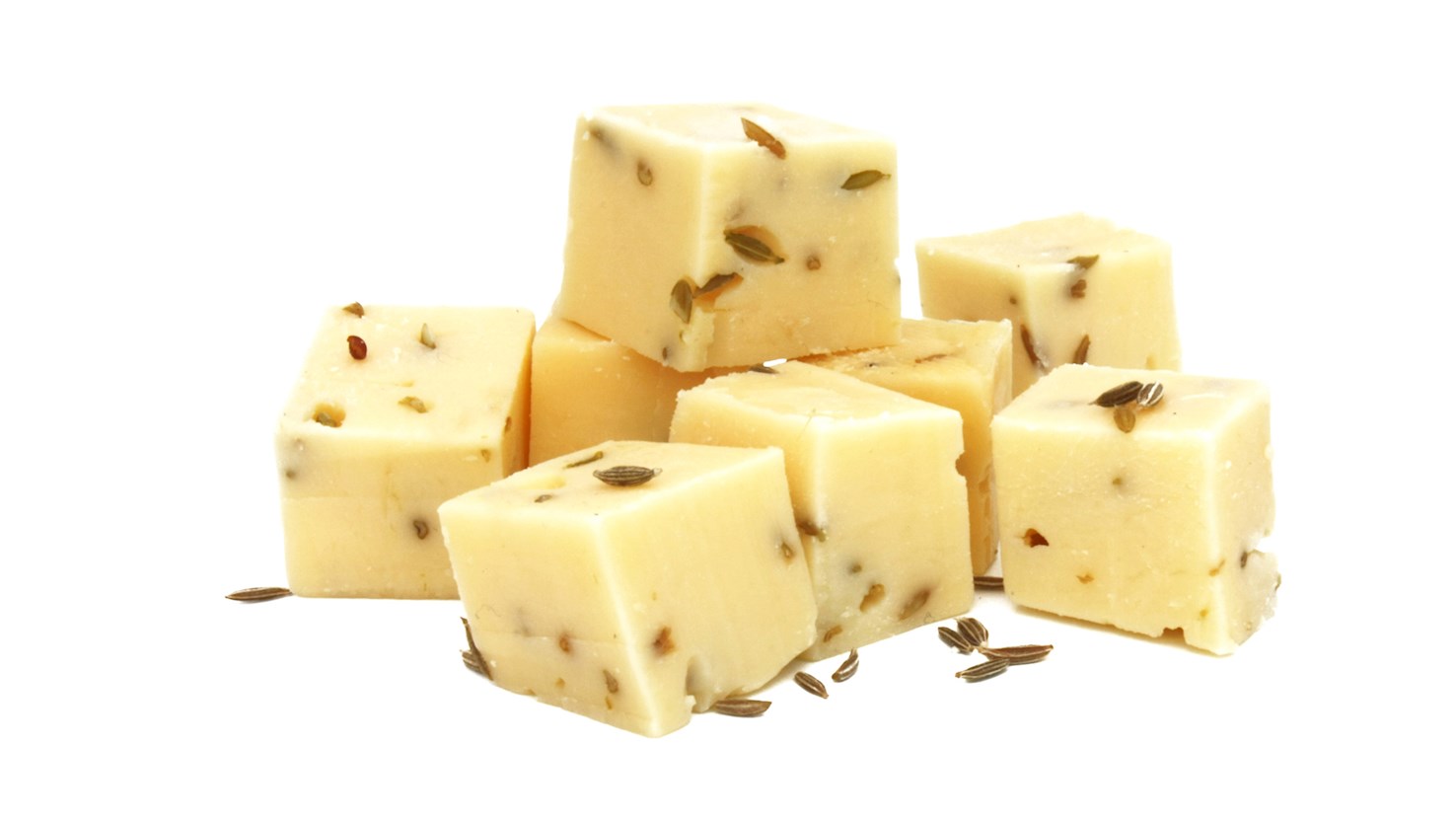
Nøkkelost is a traditional semi-hard cheese made from cow's milk. Also known as Kuminost, the cheese matures for 3 months and it's flavored with cumin, cloves, and caraway. It has a natural rind and a creamy texture, while the flavors are spicy, tangy, and nutty. It is recommended to melt Nøkkelost over meat or potatoes and pair it with a glass of red wine on the side.

02

Samsø

3.1 ·

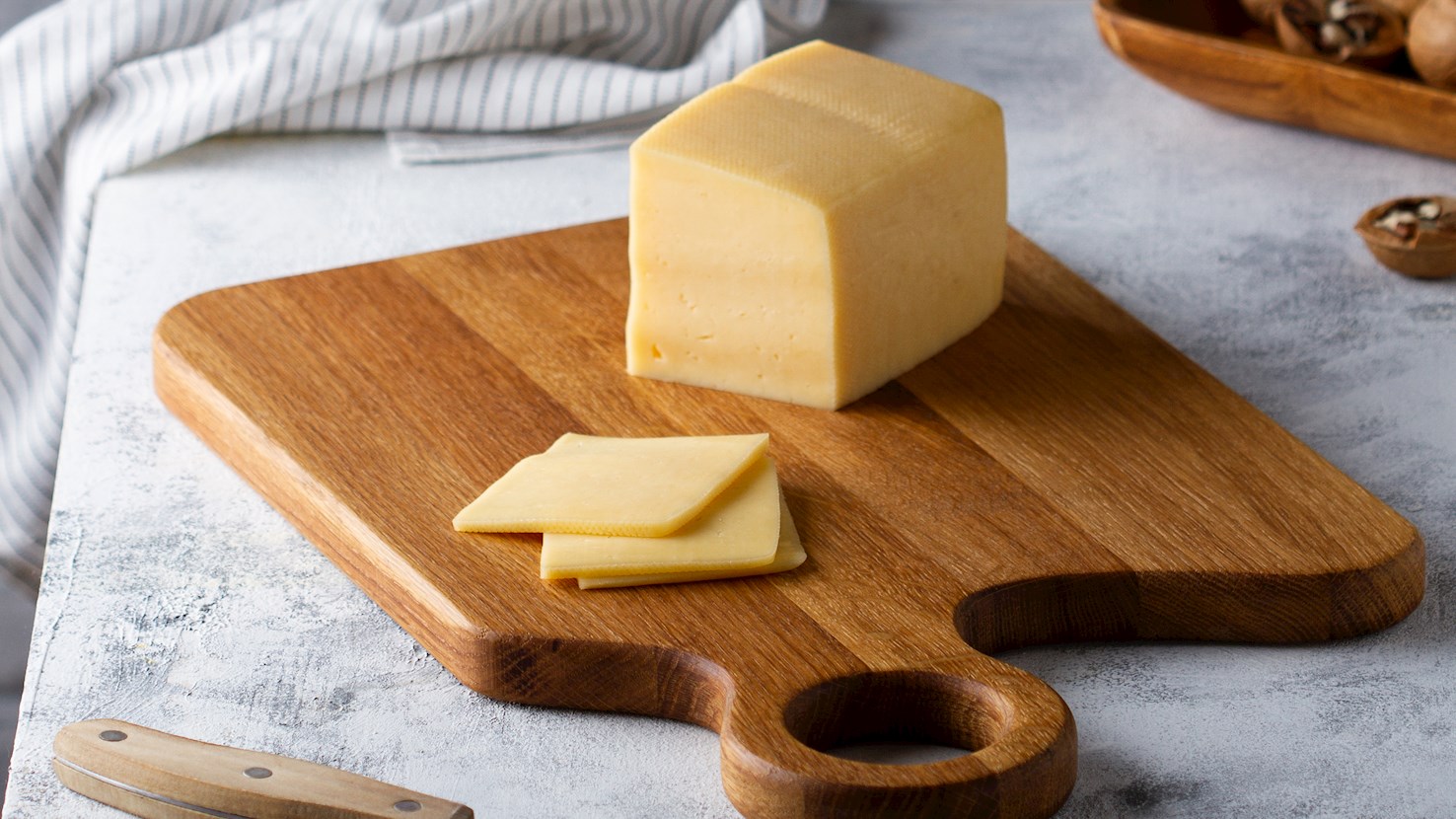
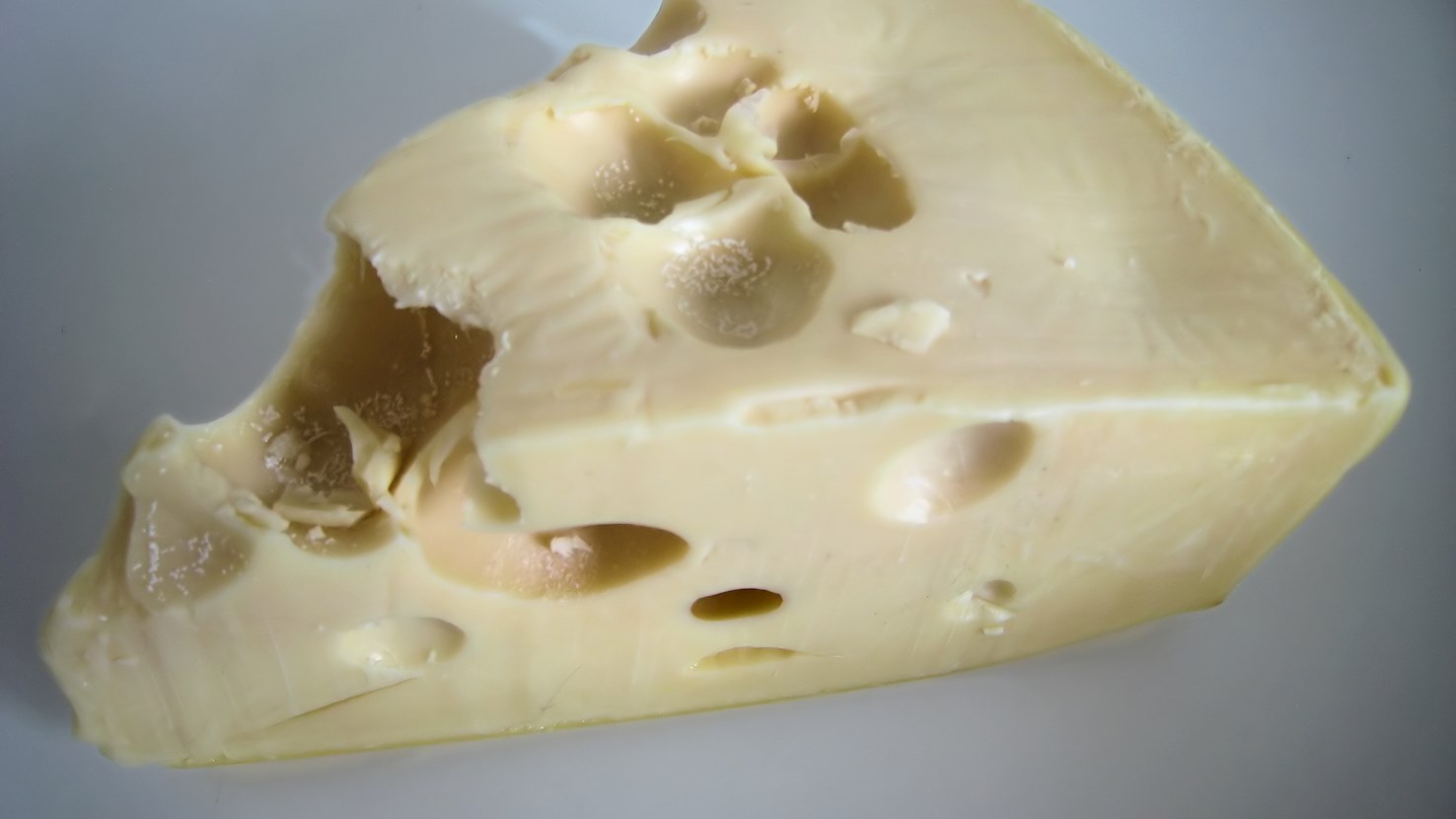
Named after its place of origin, Samsø is a Danish semi-hard cheese made from pasteurized cow’s milk. The cheese was invented in the early 19th century. Its texture is supple and elastic, while the body is filled with irregular eyes. The flavors are gentle, nutty, sour, and sweet. Although it was produced in circular shape with waxy rind in the past, nowadays almost every Samsø is made rindless in rectangular blocks. The cheese melts well, making it ideal for gratins, pizza, or sandwiches.

03

Ädelost

3.2 ·

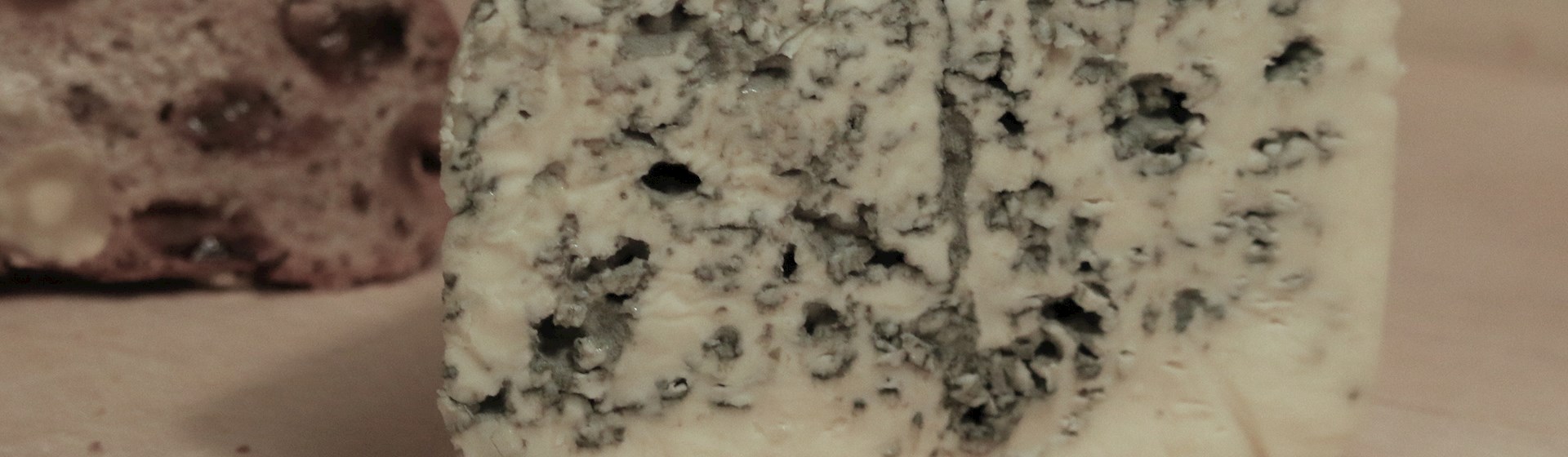
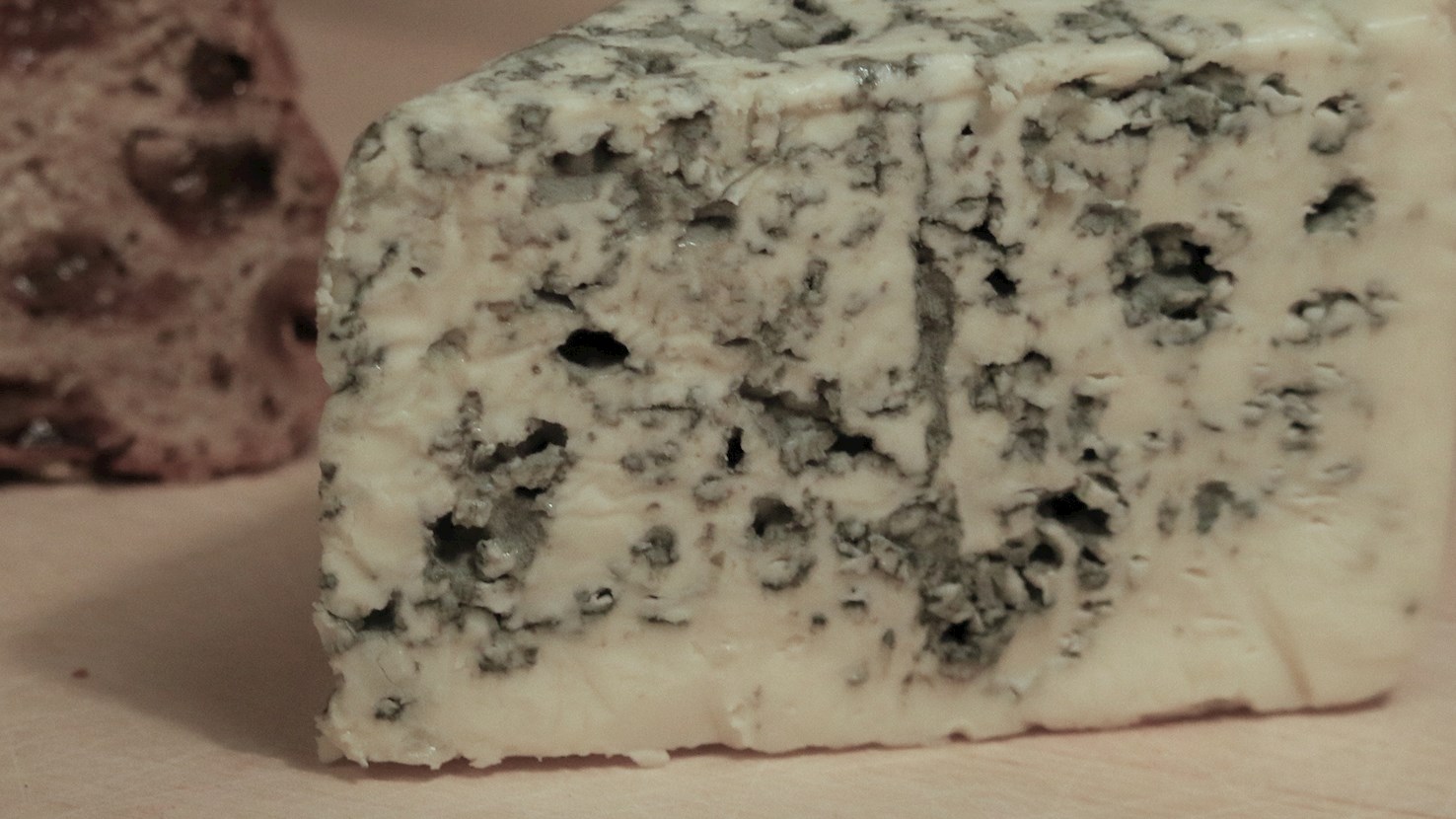
Ädelost is a Swedish blue cheese that was originally created as an alternative to the imported French blue cheeses. The cheese is made from cow's milk and it ages for 8-12 weeks. It has a thin, pale rind that's dusted with specks of grey, white, and blue mold. The interior is creamy in texture and pale in color, scattered with blue-grey pockets and broken veins. The flavors are sharp, spicy, salty, and tangy. Ädelost is usually crumbled over salads or used as a table cheese, but it can also be combined with balsamic vinegar and olive oil to create a piquant salad dressing. It's recommended to pair it with a glass of hoppy beer or local schnapps.

04

Hushållsost

3.6 ·

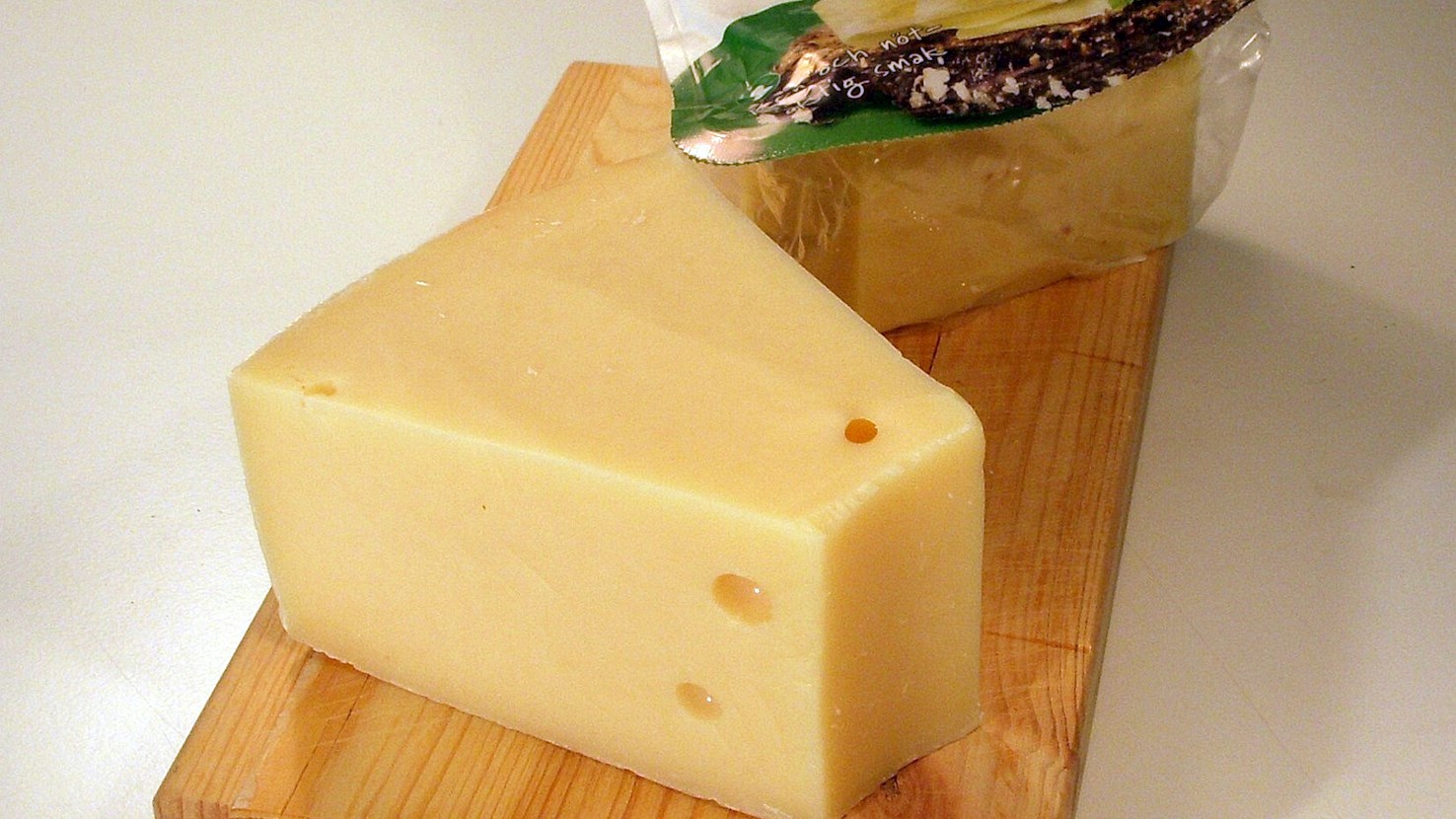
Hushållsost is a cylindrical, creamy, semi-hard, traditional cheese made from cows' whole milk on Swedish farms, literally translated as 'household cheese'. Consistent to its name, it is the most popular cheese in Sweden, with 15,000 tons of it consumed every year. It has small holes dispersed throughout its body, slices easily and has great melting properties. Hushållsost cheese weighs between one and two kilograms, gets wrapped in a plastic casing and is then matured for sixty days and develops a mild, yet sour flavor. Goes well in sandwiches, pizzas, casseroles or paired with fig jam.

05

Geitost (Brown Goat Cheese)

3.7 ·

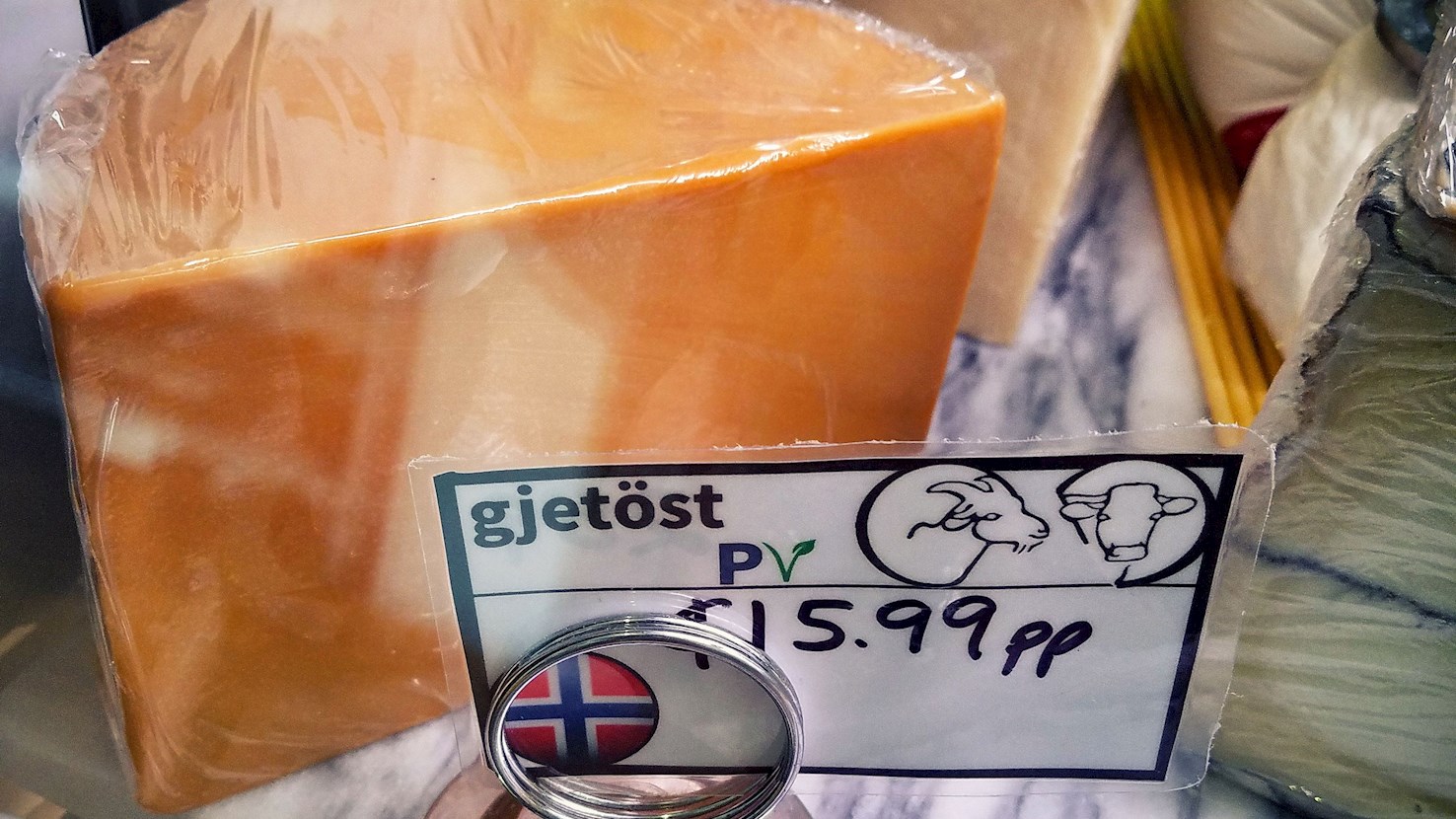
Produced on Norwegian mountain farms for 500 years, Geitost is a processed brown cheese made with whey and cream (goat's milk) that are slowly cooked for 8 to 10 hours. Technically, geitost is a type of brunost and it's not a cheese at all because it's made from a secondary product. Geitost is pressed into square molds and turns brown because of the lactose sugar. Its flavor is sweet with hints of burnt caramel, which is the reason why Norwegian children often eat it for breakfast. Geitost is traditionally sliced extra-thin, and it is typically served on Norwegian flatbread.

Best producers
06

Grevé

3.7 ·

Grevé is a traditional semi-hard cheese. It's made from pasteurized cow's milk and aged for about 10 months. This emmental-style cheese was first produced in Örnsköldsvik in 1964. Underneath its green waxed rind, the texture is smooth and creamy, with large, walnut-sized eyes dispersed throughout the body. The flavors are mild and nutty with a slightly sharp finish. It's recommended to use Grevé as a table cheese and pair it with a glass of beer or white wine. Grevé also melts well and it can be used in various baked dishes.

07

Vesterhavsost

3.8 ·

Vesterhavsost is a Danish semi-hard cheese made from pasteurized cow’s milk. It is sometimes called the Danish version of Gouda or North Sea cheese, referring to the fact that it is produced from the milk of West Jutlandic dairy cows and that it matures in the salty North Sea air for 26 weeks. As a result, it has a smooth, slightly sweet body with hints of saltiness and nuttiness. It is recommended to consume it thinly sliced on its own or use it as the key ingredient in grilled cheese sandwiches.

08

Herrgårdsost

3.8 ·

Herrgårdsost is a traditional cheese made from pasteurized cow's milk. The cheese has been produced since the 18th century in manor houses, hence its English name – Manorhouse cheese. When made from whole milk, it's aged for 6 months, and when it's made from skimmed milk, it's aged for 4 months. However, some cheeses are aged for up to a year or two. Underneath its waxed rind, the texture is semi-hard, smooth, and supple. The aromas are mild and grassy, while the flavors are milk, sweet, tangy, and nutty. It's recommended to serve Herrgårdsost with crackers or crusty bread and use it in salads or melt it in sandwiches. For the best experience, pair it with a glass of Merlot.

09

Kraftkar

3.8 ·

Norway probably isn't the first country that comes to mind when we think about great cheese. However, that might change as Norwegian producer Tingvollost won the main prize and the title of the world's best cheese at the 2016 World Cheese Awards in San Sebastian, Spain for its blue cheese called Kraftkar. More than a hundred judges assessed over 3,000 cheeses according to a number of qualities such as color, texture, and flavor before they came to the conclusion that Kraftkar is undoubtedly the champion. This blue cheese is produced from cow's milk from the family farm located in the village of Torjulvågen. It has an excellent texture that first crumbles, and then you get a soft creaminess, while the mould is nicely developed and distributed evenly throughout the body. The name of the cheese, translated to strongman, refers to the legendary farmhand Tore Nordbø and his extraordinary size and strength. The company's chairman Gunnar Waagen was totally stunned when he was presented with the award, expressing his gratitude and acknowledging what it means for a small family business like Tingvollost. All that is left is to book a ticket to Norway and indulge in Kraftkar, preferably paired with crackers, walnuts, figs, fruit jams – or eat it on its own – after all, it is the best cheese in the world!

10

Svecia

3.9 ·

Svecia is a cylindrical, semi-hard cheese made from cow's milk, with a waxed rind exterior and a light yellow to yellow interior with small holes dispersed throughout. It is left to mature for a minimum of two months, after which it develops a full-bodied, acidic flavor. Svecia is produced only in the low areas of Sweden and its name is derived from the old Latin word Suecia, which means 'Sweden'. It goes well on sandwiches, with figs and jam, or used in cooking because it has great melting properties and gives a nice color to the dishes.

Read more
View all
View map
About this ranking

TasteAtlas food rankings are based on the ratings of the TasteAtlas audience, with a series of mechanisms that recognize real users and that ignore bot, nationalist or local patriotic ratings, and give additional value to the ratings of users that the system recognizes as knowledgeable. For the “10 Worst Rated Scandinavian Semi-hard Cheeses” list until May 22, 2026, 325 ratings were recorded, of which 264 were recognized by the system as legitimate. TasteAtlas Rankings should not be seen as the final global conclusion about food. Their purpose is to promote excellent local foods, instill pride in traditional dishes, and arouse curiosity about dishes you haven’t tried.

Similar lists