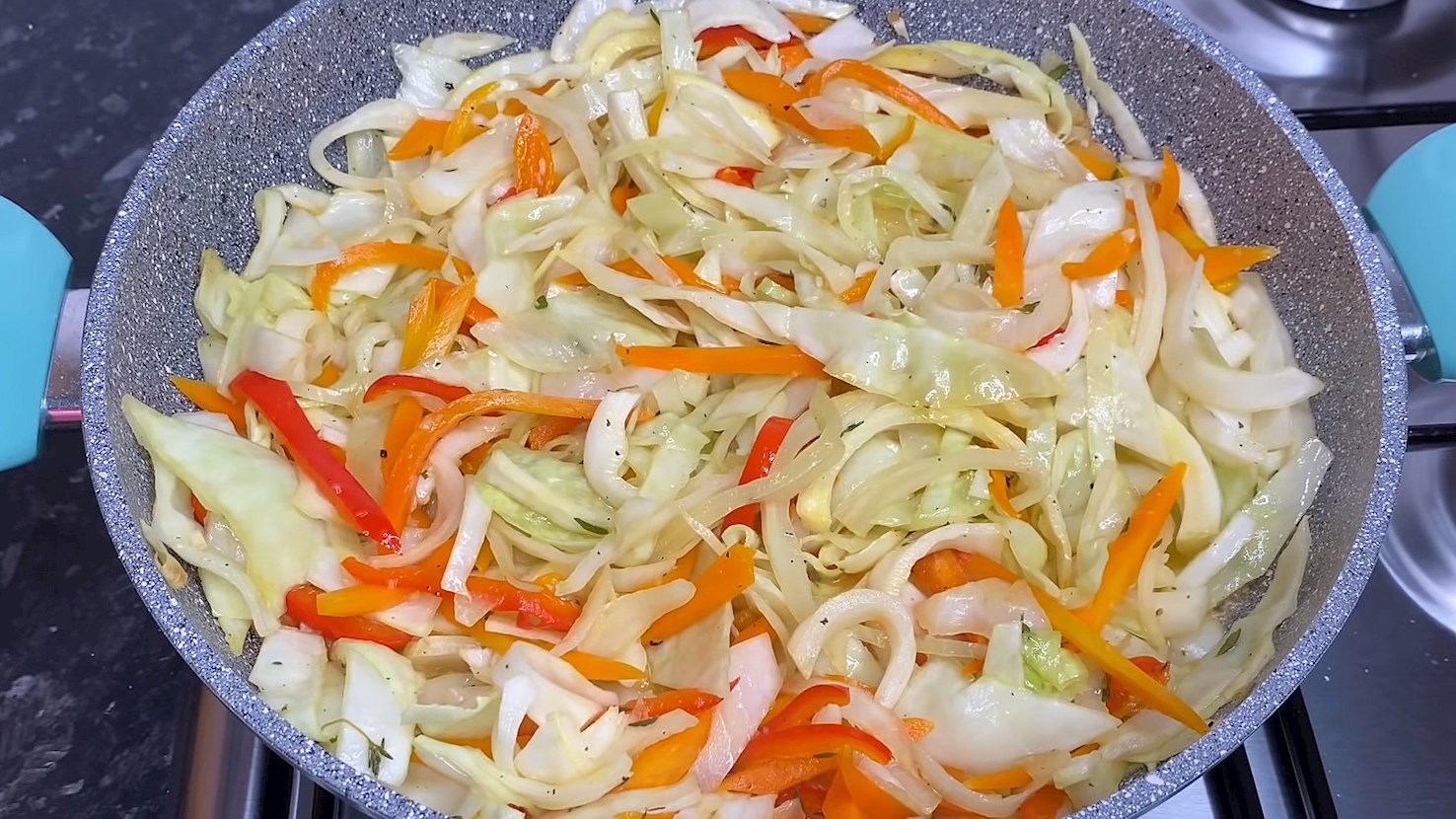
Steamed cabbage in Jamaica is a lightly cooked vegetable side dish prepared with green cabbage, aromatics, and seasonings such as thyme, scallion, black pepper, and a small amount of Scotch bonnet for heat. It is eaten throughout the island and appears in home kitchens, cookshops, and restaurant menus because it cooks quickly, uses widely available produce, and pairs easily with stews, fried foods, and rice-based dishes. The dish developed as cabbage became a consistent crop in Jamaica’s cooler upland areas and a regularly imported vegetable in coastal markets, making it a dependable ingredient in daily meals. As cooks incorporated it into Jamaican seasoning practices, built around thyme, pimento, scallion, onion, and occasional hot pepper, the preparation took on a form that is now recognized across the island as a common accompaniment to heavier main dishes. Preparation begins by slicing green cabbage into thin or medium-width strips and sautéing it briefly with onion, carrots, thyme, scallions, and either butter or a small amount of oil. The pot is then covered so the cabbage can steam in its own moisture, resulting in a texture that is soft around the edges but still slightly crisp at the core. Salt, pepper, and Scotch bonnet are added in controlled amounts to adjust flavor without overwhelming the vegetable. Some cooks include sweet peppers or tomatoes to add color and moisture, while others keep the mixture simple, relying on cabbage and the base aromatics alone. Steamed cabbage is eaten across Jamaica alongside dishes such as oxtail, curry goat, jerk chicken, fried chicken, and various stews. It also appears with breakfast plates that include saltfish, fried dumplings, and boiled ground provisions. Common beverage pairings include ginger beer, sorrel drink, fruit juices, or iced water, with the choice depending on the richness or spiciness of the accompanying main dish.
Bammy is a Jamaican cassava flatbread made from grated, pressed, and cooked cassava, usually shaped into small rounds and finished by frying, steaming, or soaking in milk or coconut milk. It is widely eaten in Jamaica, especially in coastal areas where it is commonly paired with fried or steamed fish. The flatbread is made from bitter cassava varieties that require grating and thorough pressing to remove the toxic liquid before cooking. Once pressed, the cassava meal is sieved, shaped, and cooked on a griddle or flat pan until firm. Its development is rooted in the food practices of the indigenous Taino people of the Caribbean, who processed cassava into flatbreads long before European arrival. Cassava was a staple crop that grew well in the region’s climate, and Taino communities produced flour-like meal from grated cassava that was baked on clay or stone griddles. When Africans were brought to Jamaica, they continued the use of cassava and flatbread preparation methods, merging them with other cooking approaches. Over time, communities in rural and fishing villages maintained cassava processing techniques, and bammy became a recognized Jamaican product sold in markets and produced commercially by small factories. Its persistence in Jamaican cooking reflects the continued importance of cassava in areas where wheat flour was less accessible or less preferred. Preparation begins by peeling and grating the cassava, then placing the pulp in a cloth or pressing device to remove liquid. The dried meal is passed through a sieve to create a consistent texture. A dry pan or griddle is heated, and the cassava meal is shaped into flat circles and cooked until firm and lightly browned on both sides. At this stage bammy can be stored or cooked again. Before serving, the rounds are often soaked briefly in coconut milk or water, which softens them and adds flavor, followed by frying or steaming. Some cooks simply toast the flatbread without soaking, which produces a firmer texture. Bammy is eaten throughout Jamaica, especially with seafood dishes. It is typically served with fried fish, escovitch fish, steamed fish, rundown, or saltfish preparations. It is also eaten with butter, cheese, or lightly sweet spreads in some households. Beverage pairings include ginger beer, lime water, iced tea, sorrel drink, coconut water, or cold beer, which complement the flatbread’s mild flavor and starchy texture.
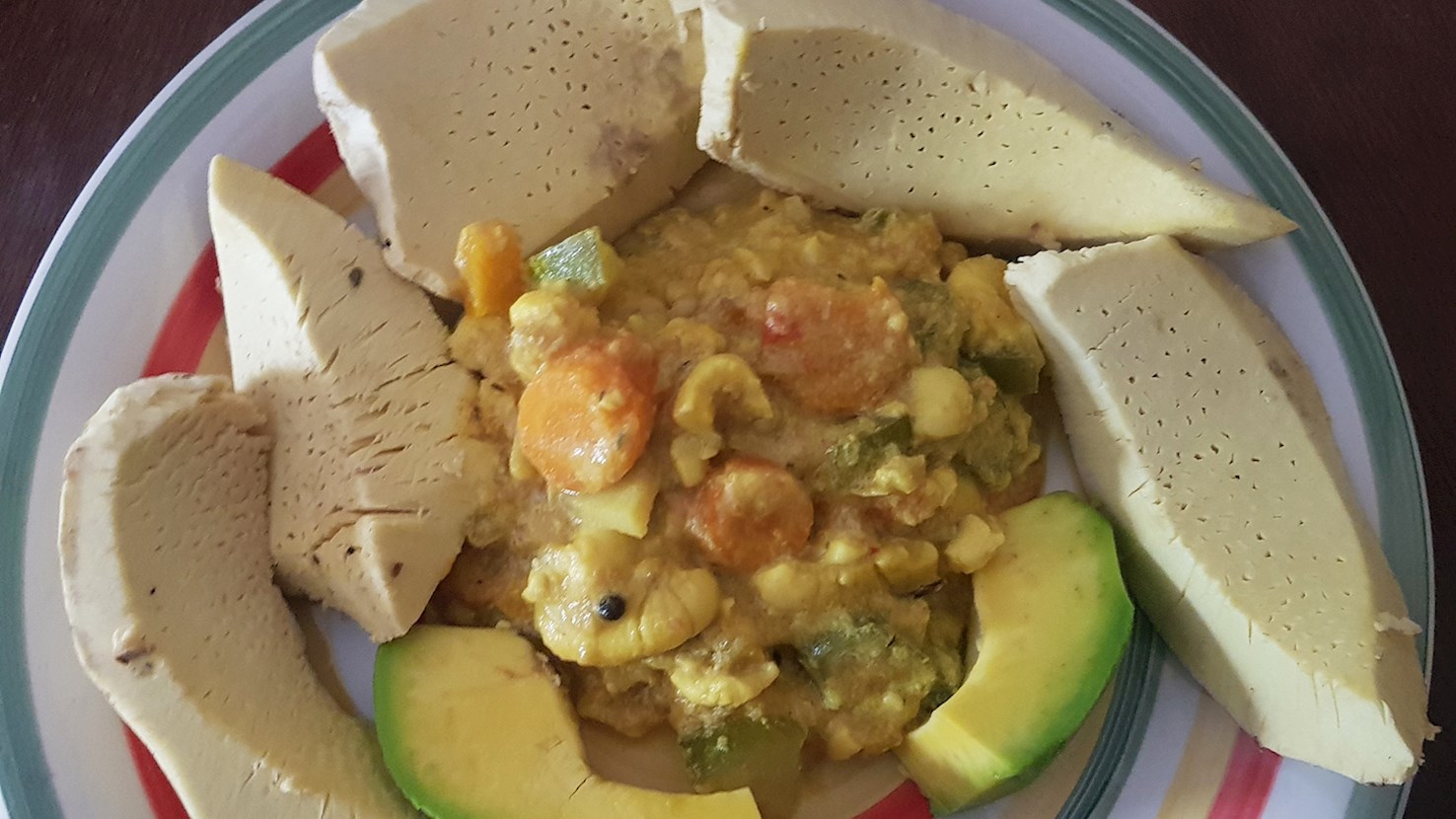
Jamaican roasted breadfruit is a starchy food prepared in Jamaica from the mature fruit of the breadfruit tree, Artocarpus altilis, and consumed as a staple rather than as a side dish or garnish, valued for its density, mild flavor, and ability to substitute for grains or tubers. Its presence in Jamaican cooking is tied to the introduction of breadfruit to the island in the late eighteenth century as a crop suited to tropical conditions and capable of producing large yields with minimal cultivation, after which it became integrated into everyday foodways, particularly in rural areas where open-fire cooking was common. Preparation involves roasting the whole unpeeled fruit directly over open flame, hot coals, or a stovetop burner, turning it repeatedly until the skin is charred and the interior becomes soft and fully cooked, after which the burnt exterior is scraped away and the flesh is cut into pieces, revealing a texture that ranges from bread-like to potato-like depending on ripeness. This method requires no added fat or seasoning during cooking and relies entirely on heat and timing, with doneness judged by softness and aroma rather than strict measurements. Roasted breadfruit is typically served hot, sometimes brushed with butter or coconut oil, and eaten plain or alongside other foods. It is commonly consumed at home, by roadside vendors, or at outdoor gatherings, paired with salted fish, ackee, fried plantain, or stewed meats, and it is often accompanied by simple beverages such as water, coconut water, or lightly sweetened drinks that do not compete with its neutral, filling character.
TasteAtlas food rankings are based on the ratings of the TasteAtlas audience, with a series of mechanisms that recognize real users and that ignore bot,
nationalist or local patriotic ratings, and give additional value to the ratings of users that the system recognizes as knowledgeable.
For the “3 Worst Rated Jamaican Side Dishes” list until June 16, 2026, 56 ratings were recorded, of which 42 were recognized by the system as legitimate.
TasteAtlas Rankings should not be seen as the final global conclusion about food. Their purpose is to promote excellent local foods,
instill pride in traditional dishes, and arouse curiosity about dishes you haven’t tried.