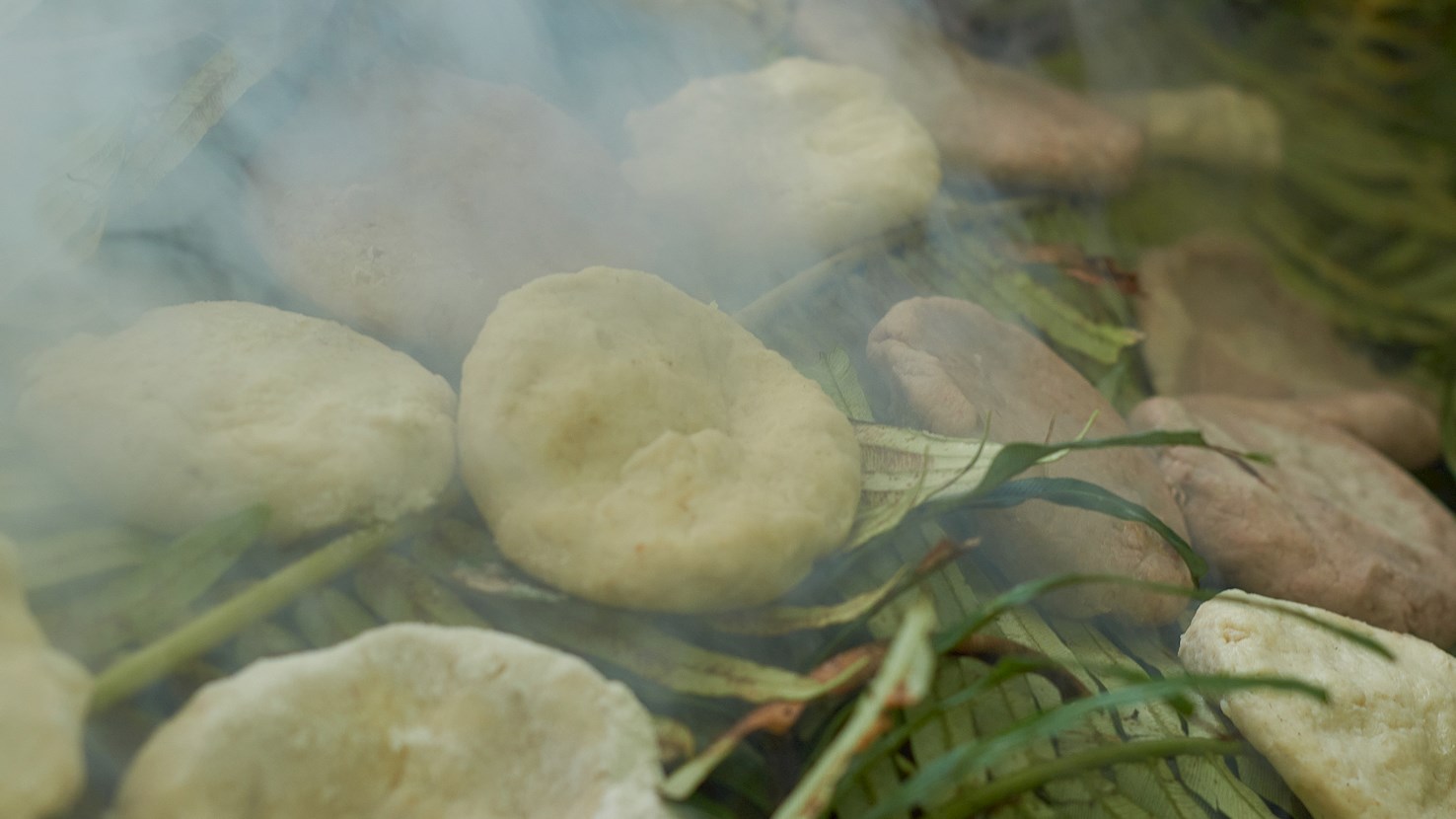
Milcao is a traditional dish originating from the Chiloé Archipelago. It consists of grated potatoes, mashed potatoes, and usually lard and seasonings, resulting in a type of potato pancake. Traditionally, only Chilotan potatoes should be used in the preparation of milcao. These potato pancakes are used as an important part of dishes reitimiento and curanto. Nowadays, there are many variations of milcaos – fried, oven-baked, steamed, boiled, sweetened, or enriched with chicharrones.
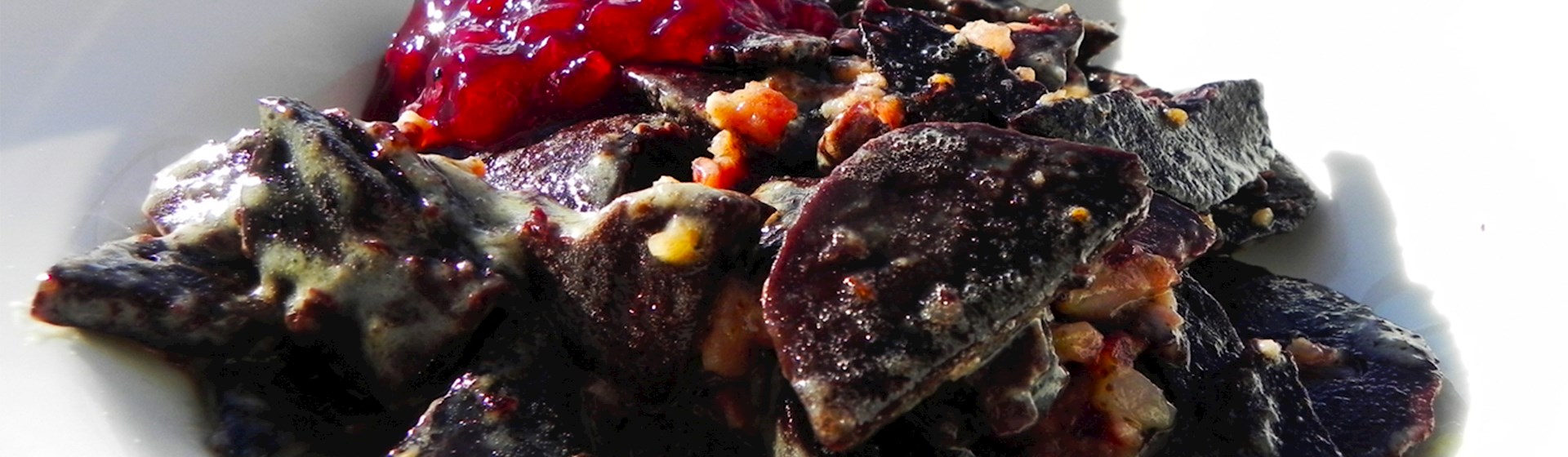
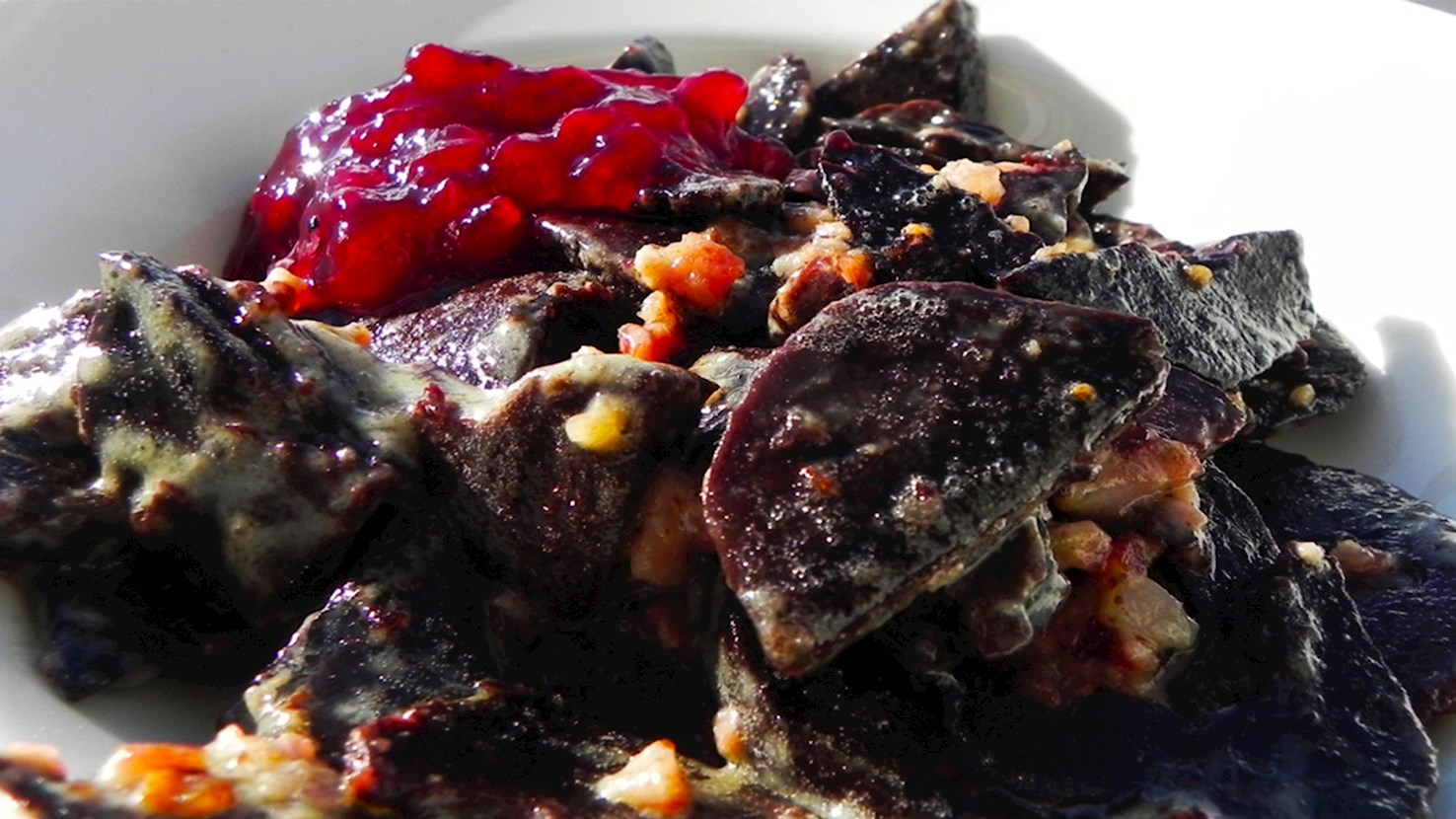
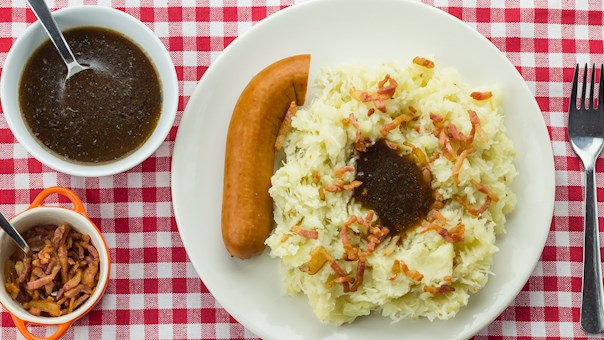
Traditionally associated with the northern parts of Sweden and the Finnish Lapland, blodpalt are the nutritious, dark-brown dumplings prepared with rye or barley flour and animal’s blood. Although they were traditionally made with reindeer’s blood, today they appear in numerous regional varieties which employ blood of various animals, different spices, and occasionally mashed potatoes. They are sometimes filled with a mixture of sautéed onions and diced bacon, and are commonly cooked in flavorful meat broths. Blodpalt dumplings are usually enjoyed as a side dish accompanied by fried bacon or pork, butter, and lingonberry jam.
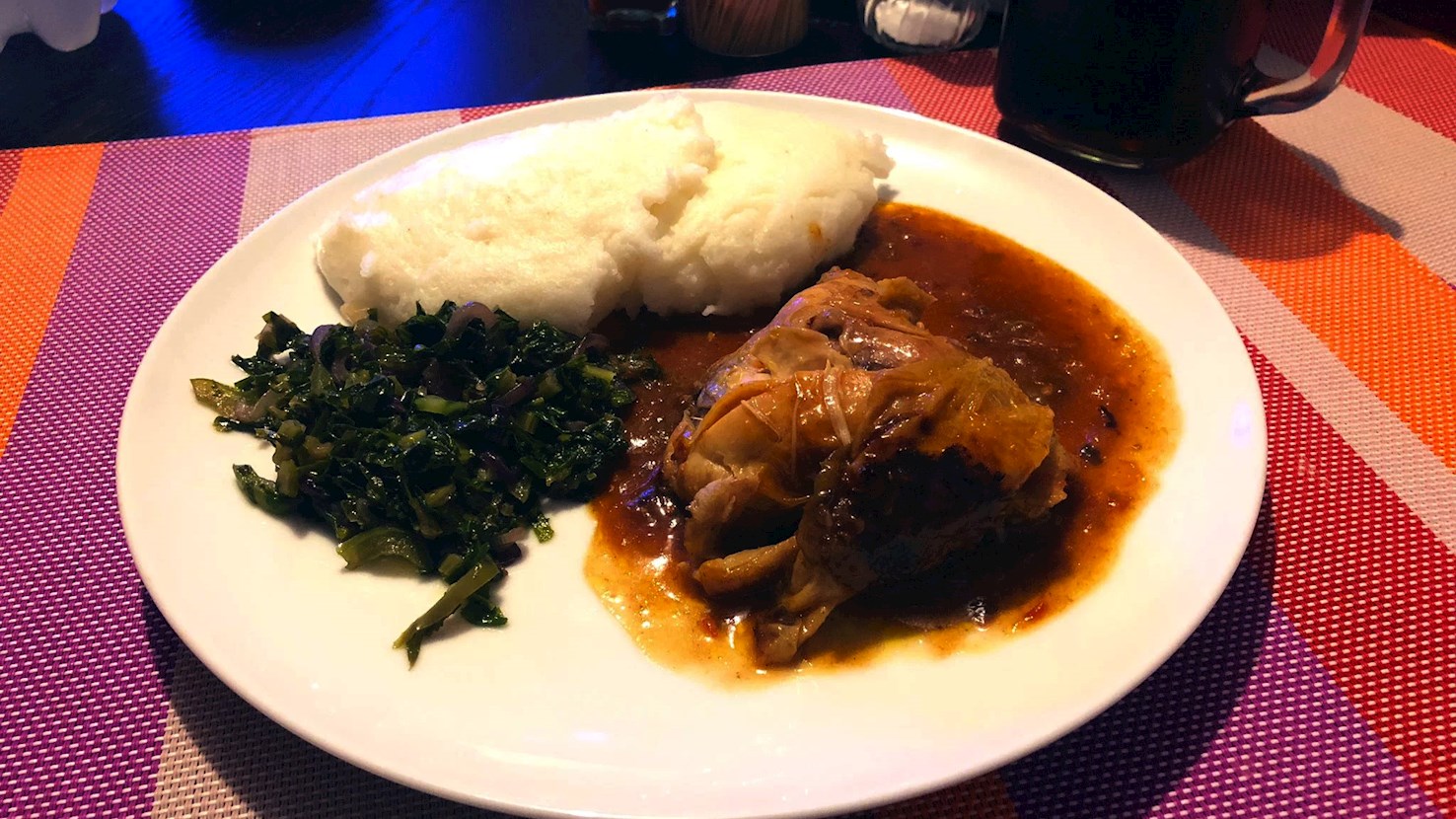
Sadza is a traditional swallow originating from Zimbabwe, consisting of cornmeal and water. The name sadza means meal, and, in accordance, it can be served at any time of the day, whether for breakfast, lunch, or dinner. The cornmeal is mixed with cold water until it becomes a smooth paste, and the combination is then cooked in boiling water. Sadza is usually served hot as a side dish accompanying meat or vegetable stews. Interestingly, sadza is one of the first foods given to babies in Zimbabwe.
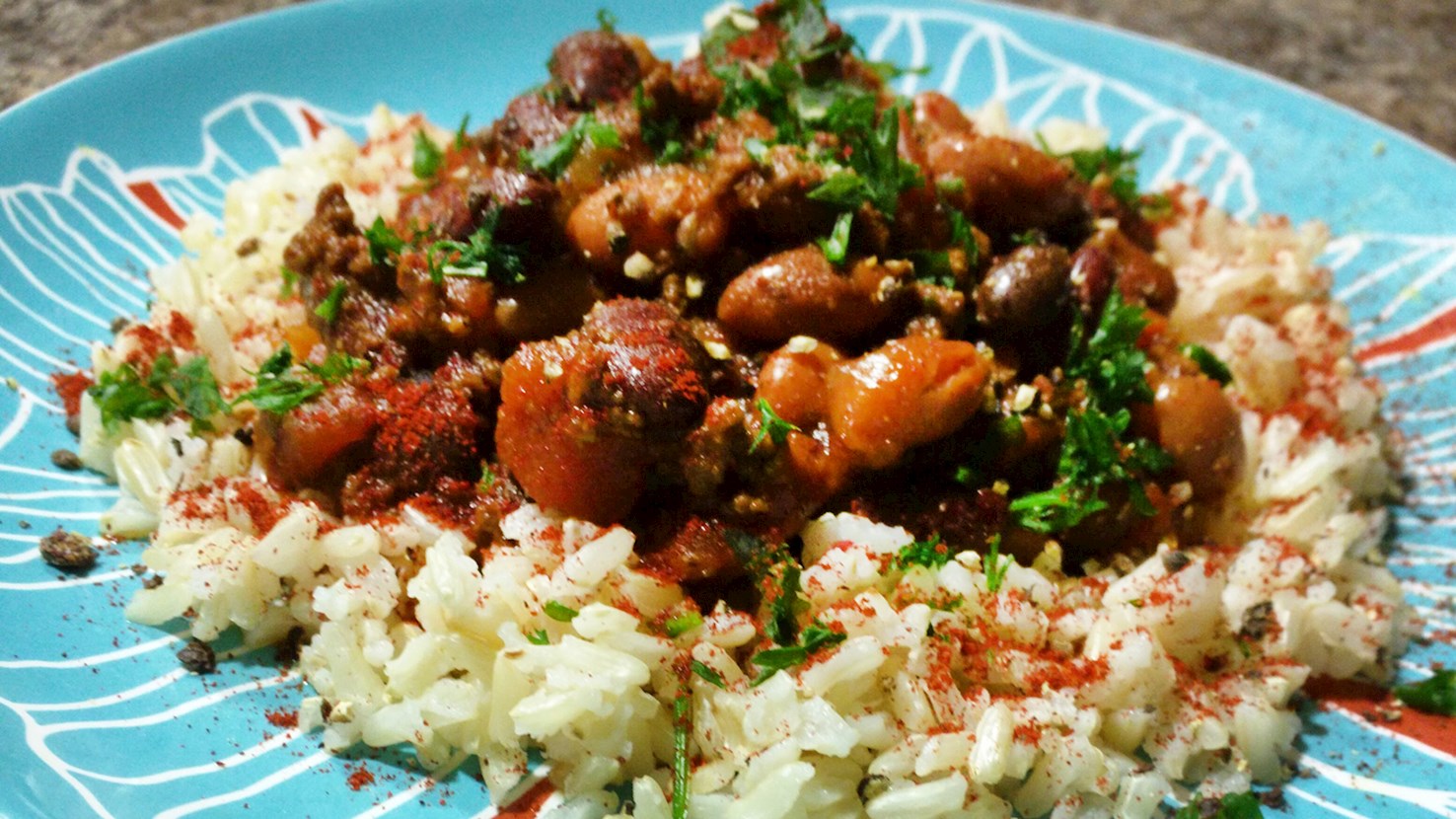
Orez shu’it is a rice-and-beans dish made with white rice, small white beans, tomato, and mild spices, widely eaten in Israeli homes and strongly associated with Jerusalem’s Mizrahi communities. Its roots lie in Jewish communities from Iraq, Egypt, and parts of the Levant, where rice dishes were central to everyday cooking and legumes provided an accessible source of protein. As these communities settled in Israel during the mid-twentieth century, their domestic cooking traditions were carried with them, and orez shu’it became one of the dishes that merged into the larger landscape of Israeli home cuisine. Preparation begins by soaking white beans, commonly navy beans or small local varieties, until they soften enough to cook evenly. They are then simmered with tomato paste or fresh tomato, onions, salt, and spices such as turmeric, cumin, or paprika, depending on regional style. The rice is added once the beans are partially cooked, and water is measured so that both rice and beans finish together, producing a cohesive pot where the grains remain separate but lightly coated in the tomato base. In some households the rice is cooked separately and mixed with the beans at the end, while others cook everything in a single pot. The texture ranges from light and fluffy to slightly saucier depending on the amount of tomato and liquid. Some versions include garlic, peppers, or small amounts of oil, but the core identity is the combination of rice, beans, and mild seasoning. Orez shu’it is eaten primarily in Israeli homes rather than in commercial settings and is common in households with roots in Iraq, Egypt, Yemen, and other Middle Eastern regions. It is served as a main or side dish, often accompanied by salads such as chopped vegetable salad, cabbage salad, or pickled vegetables. It pairs well with yogurt drinks, lemonade, and sparkling water, and it is frequently eaten alongside grilled meats, schnitzel, or vegetable stews, forming part of an everyday Israeli table.
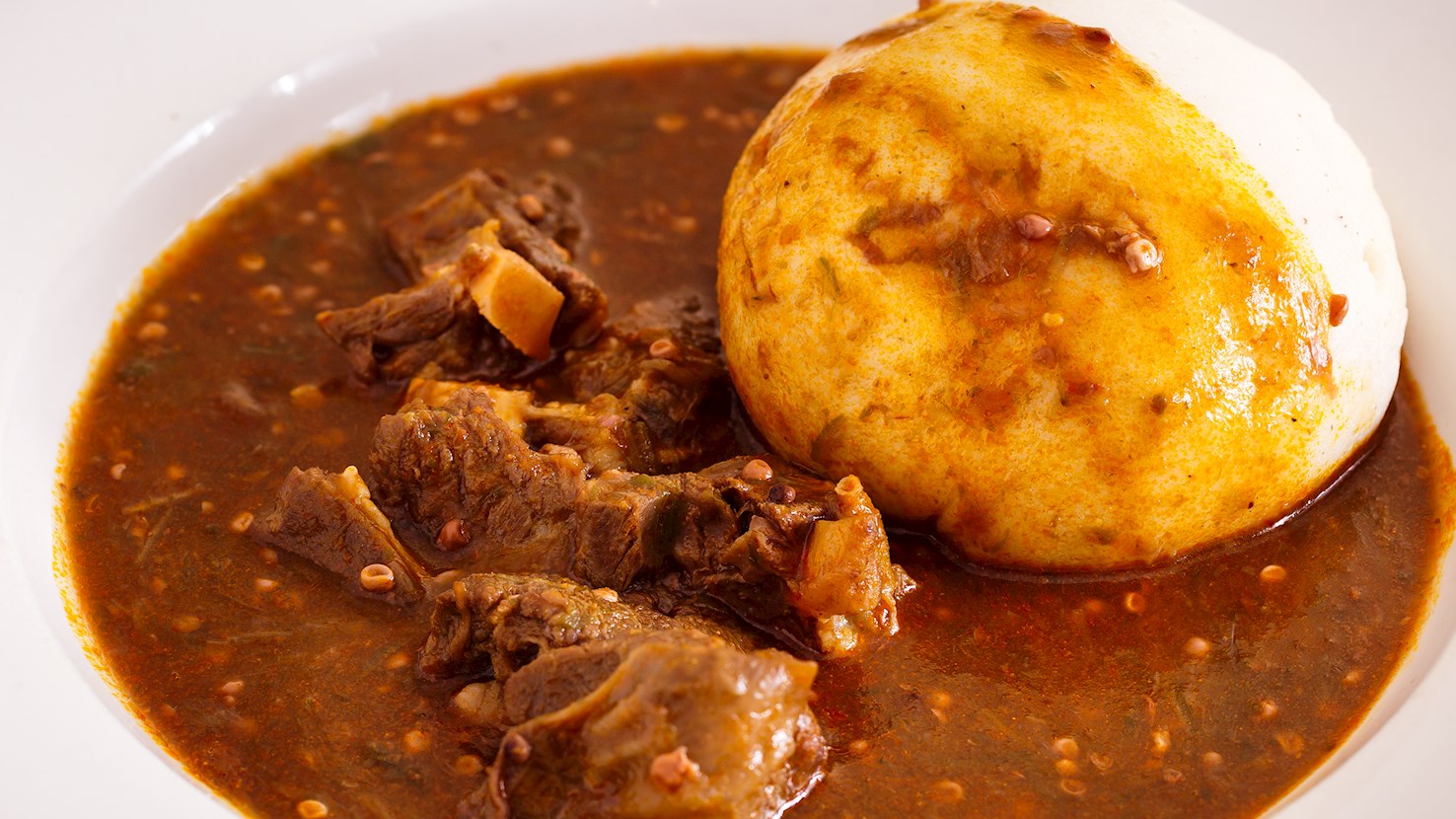
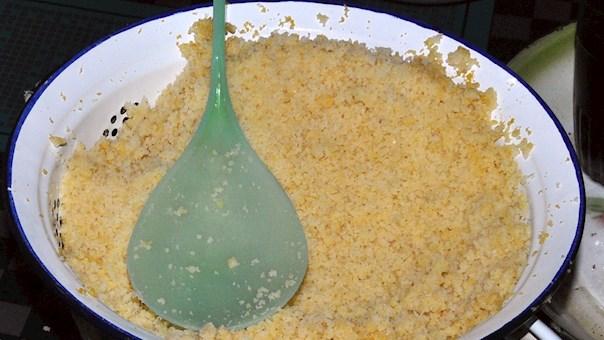
Banku is a dense, sour, steamed dough made by vigorously stirring a fermented mixture of milled corn and grated cassava over an open flame until it turns into a smooth, elastic mass. Its origins trace to the Ga-Dangme communities of the southeastern coastal plains of the African continent. During the 16th century, Portuguese merchants sailing along the Gulf of Guinea introduced maize and cassava from the Americas to local port cities. In the intense heat and humidity, coastal communities developed a careful fermentation process to keep raw maize from spoiling quickly. This process also created the sharp acidity that defines banku today. The first step in making banku is soaking raw corn kernels in water for up to five days to start lactic acid fermentation. Once softened, the kernels are milled into a wet paste together with freshly peeled and grated cassava root. The combined dough is then left in a warm place for another two days, allowing the sour flavor to become stronger. A measured block of the fermented dough is placed in a deep metal pot with a generous splash of water and a pinch of salt. As the mixture heats, it is beaten and folded forcefully against the sides of the pot with a sturdy wooden stick. This demanding stirring process removes lumps and fully cooks the raw starches, turning the loose slurry into a heavy, semi-solid white mass. Changing the ratio of corn to cassava has a major effect on the final texture. More cassava produces a softer, stickier ball, while more corn creates a firmer, stiffer bite. Once cooked, the hot paste is taken directly from the pot and shaped by hand into smooth, individual round portions. A thin plastic sheet or fresh cabbage leaf is often wrapped around each hot ball to trap steam and prevent the surface from drying out. Banku is usually served in a large, shallow bowl with deeply spiced okra stew, light peanut soup, or heavily seasoned grilled tilapia. It is eaten by tearing off small bite-sized pieces with bare fingers, rolling the dough into tight balls, and dipping them directly into hot stew or spicy red pepper sauce. Banku is consumed by almost all Ghanaian tribes, and can be traced back to the tribes in the Volta River region.
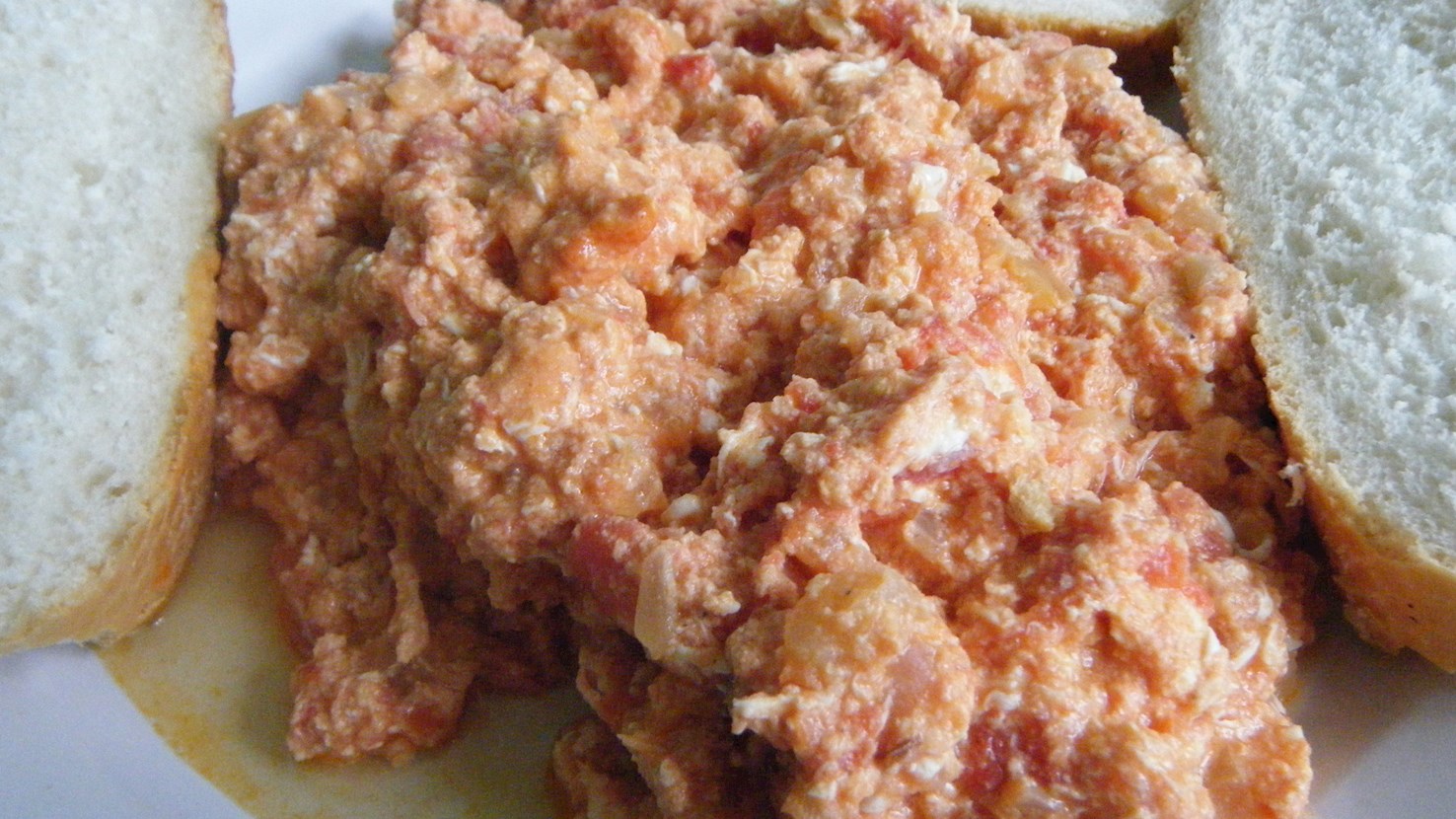
This Maltese version of scrambled eggs combines sautéed tomatoes and onions with whisked eggs. The combination is pan-fried and can be elevated with various additions such as meat, cheese, or spices. Buljubata is best served with crusty bread on the side, preferably the traditional Maltese bread variety called hobz tal-Malti. It is usually served for breakfast, lunch, or dinner, but it can also be consumed as a snack or a light main course.
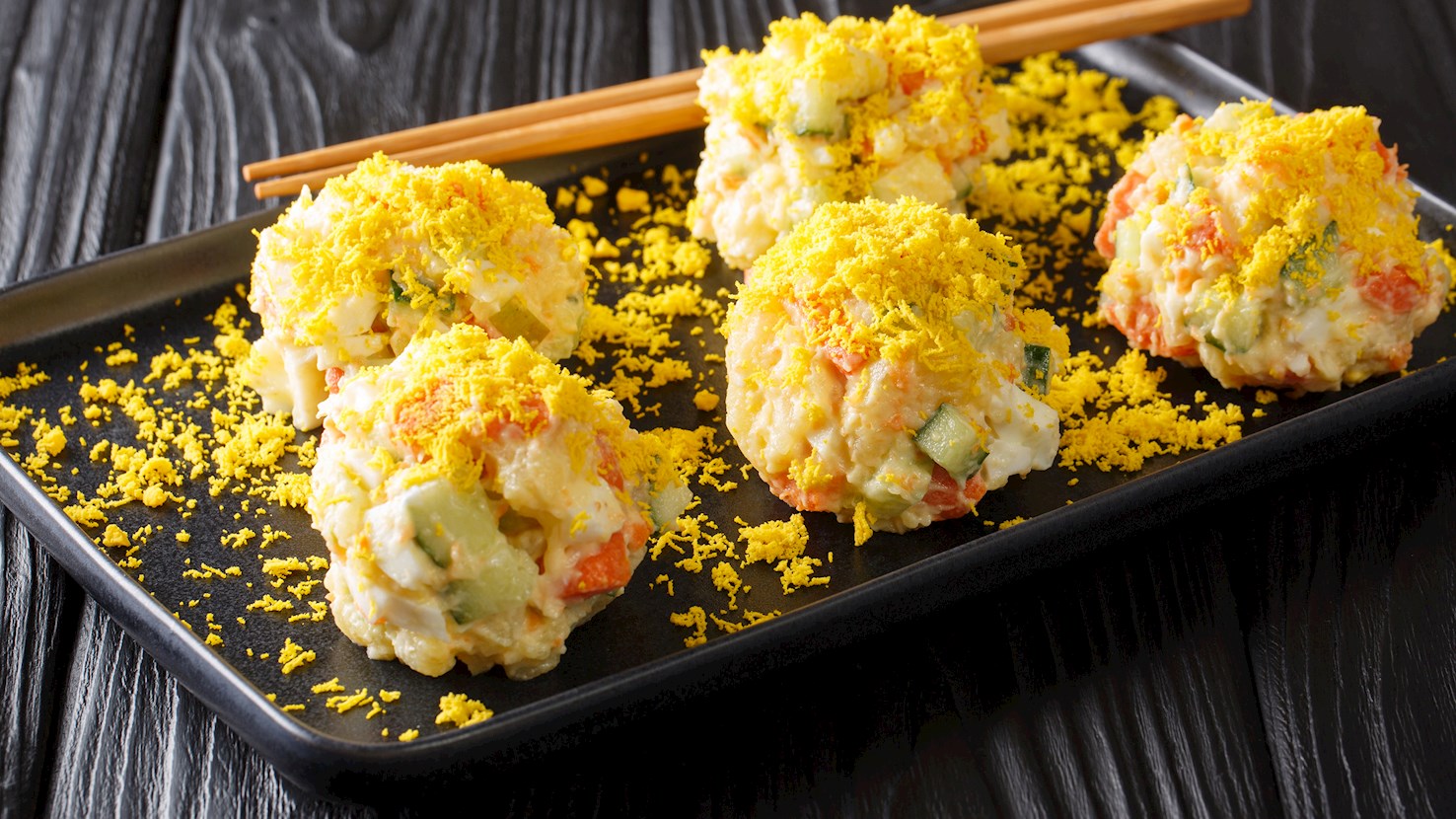
Gamjasaelleodeu is a traditional potato salad originating from South Korea. Although there are many variations, the salad is usually made with a combination of potatoes, carrots, cucumbers, onions, hard-boiled eggs, Fuji apples, mayonnaise (Kewpie is preferred), salt, and black pepper. The potatoes and carrots are cut into cubes and boiled until fully cooked. The cucumbers and onions are diced and sprinkled with salt. The potatoes are gently mashed and mixed with the carrots, cucumbers, onions, eggs, apple chunks, and mayonnaise. The salad is seasoned with salt and pepper to taste before serving. It's usually served as a side dish at Korean BBQ restaurants and goes really well with bulgogi and galbi.
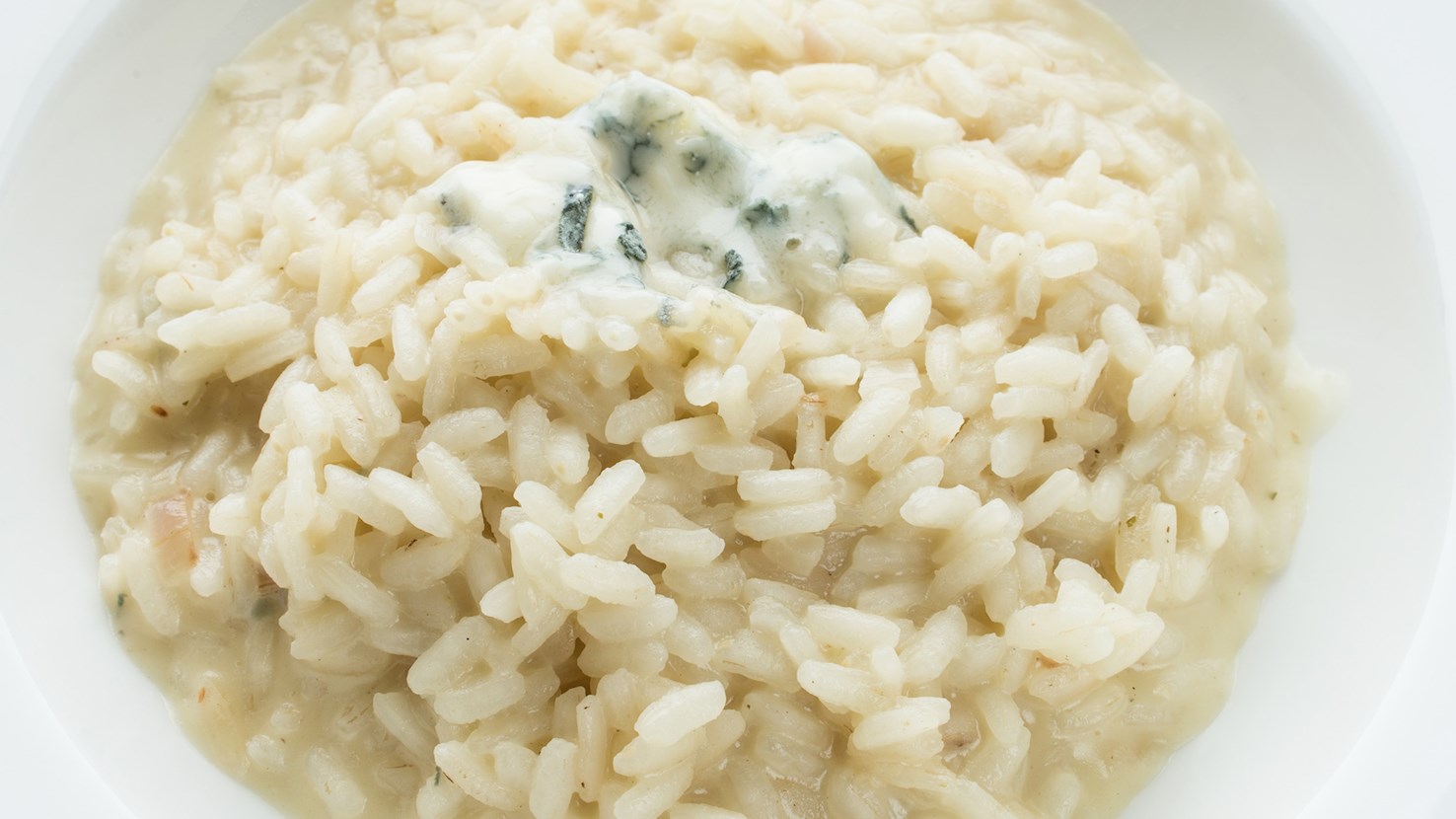
Arroz con queso is a traditional dish with a strikingly white color. It consists of rice (preferrably short and plump, such as Arborio), milk, and semi-firm white cheese. Rich and creamy, this popular dish can often be found alongside churrasco dishes and other grilled meat dishes, and it is recommended to serve arroz con queso while it is still hot.
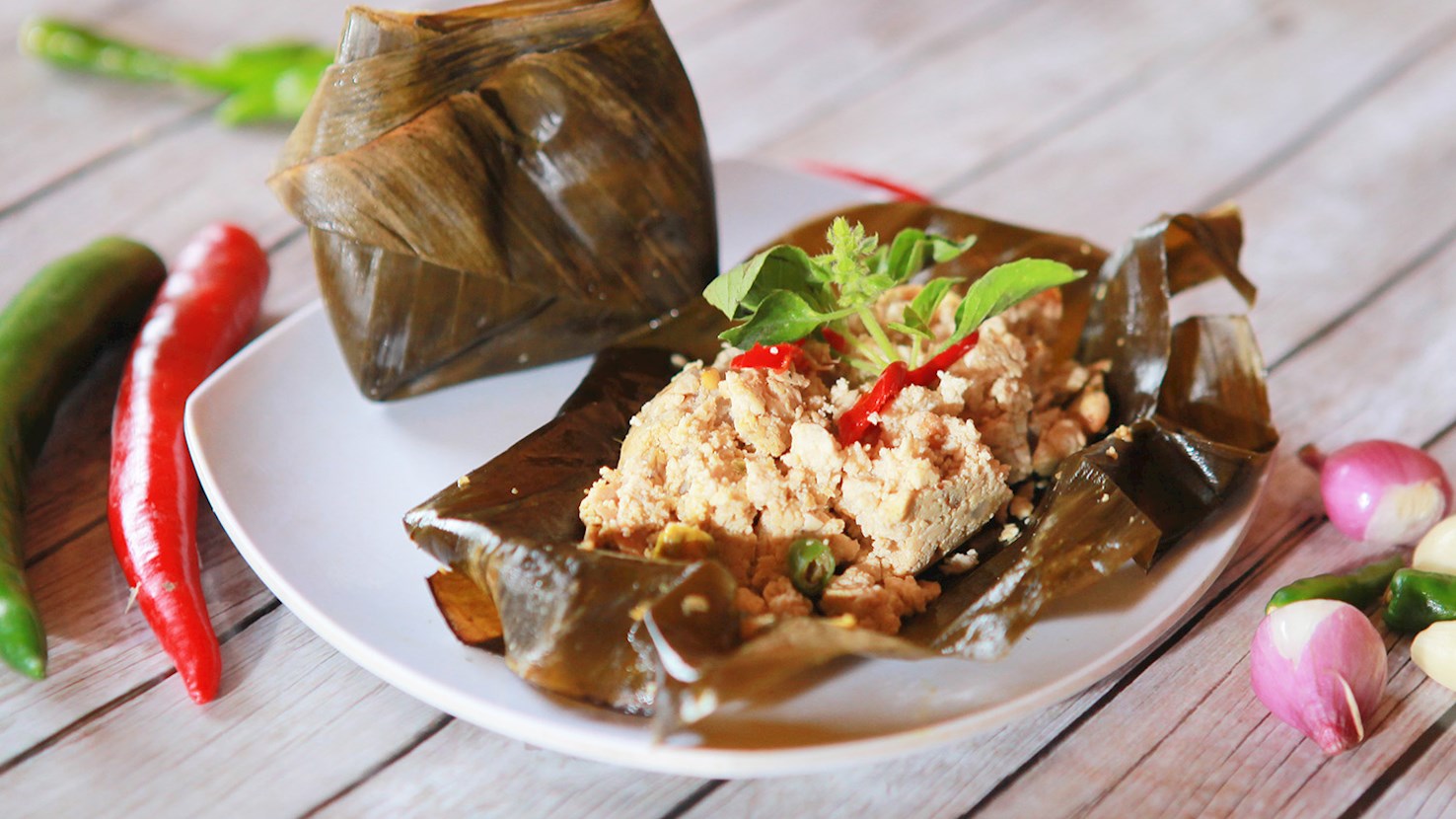
Pepes tahu is an Indonesian steamed tofu dish originating from Java, where the method of cooking in banana leaves, known as pepes, is commonly used for preparing both plant-based and protein-rich foods. In this version, tofu serves as the primary ingredient, mixed with a ground spice paste and sometimes combined with vegetables or aromatic herbs before being wrapped in banana leaves and steamed until firm and fragrant. The use of banana leaves allows the ingredients to cook evenly while absorbing the subtle aroma from the leaf itself, creating a dish that is both practical and flavorful. The preparation of pepes tahu starts with mashing firm tofu until smooth, then blending it with a spice mixture typically made from shallots, garlic, chilies, coriander, candlenuts, and turmeric, with the occasional addition of lemongrass or makrut lime leaves to enhance the aroma. The mixture is seasoned with salt, pepper, and sometimes a small amount of sugar, depending on regional preference. Other optional ingredients include finely sliced chayote, carrots, basil leaves, or chopped mushrooms, which contribute texture and variation. Once the tofu and spices are well-mixed, the seasoned mash is portioned onto softened banana leaves, folded tightly into packets, and secured with toothpicks or small bamboo pins. These packets are then steamed until the contents are cooked through and set, typically for about 20 to 30 minutes. Some variations call for an additional step of grilling the steamed packets briefly to introduce a smoky aroma, though this is optional and often depends on local practice. Pepes tahu is usually served as a side dish with rice and other accompaniments, especially in vegetarian or plant-focused meals. It is appreciated for its soft texture, balanced seasoning, and the clean, slightly earthy fragrance imparted by the banana leaf wrapping. In many parts of Java, it is a common feature in lunchboxes, market stalls, and home meals, valued for its lightness, portability, and ease of preparation.
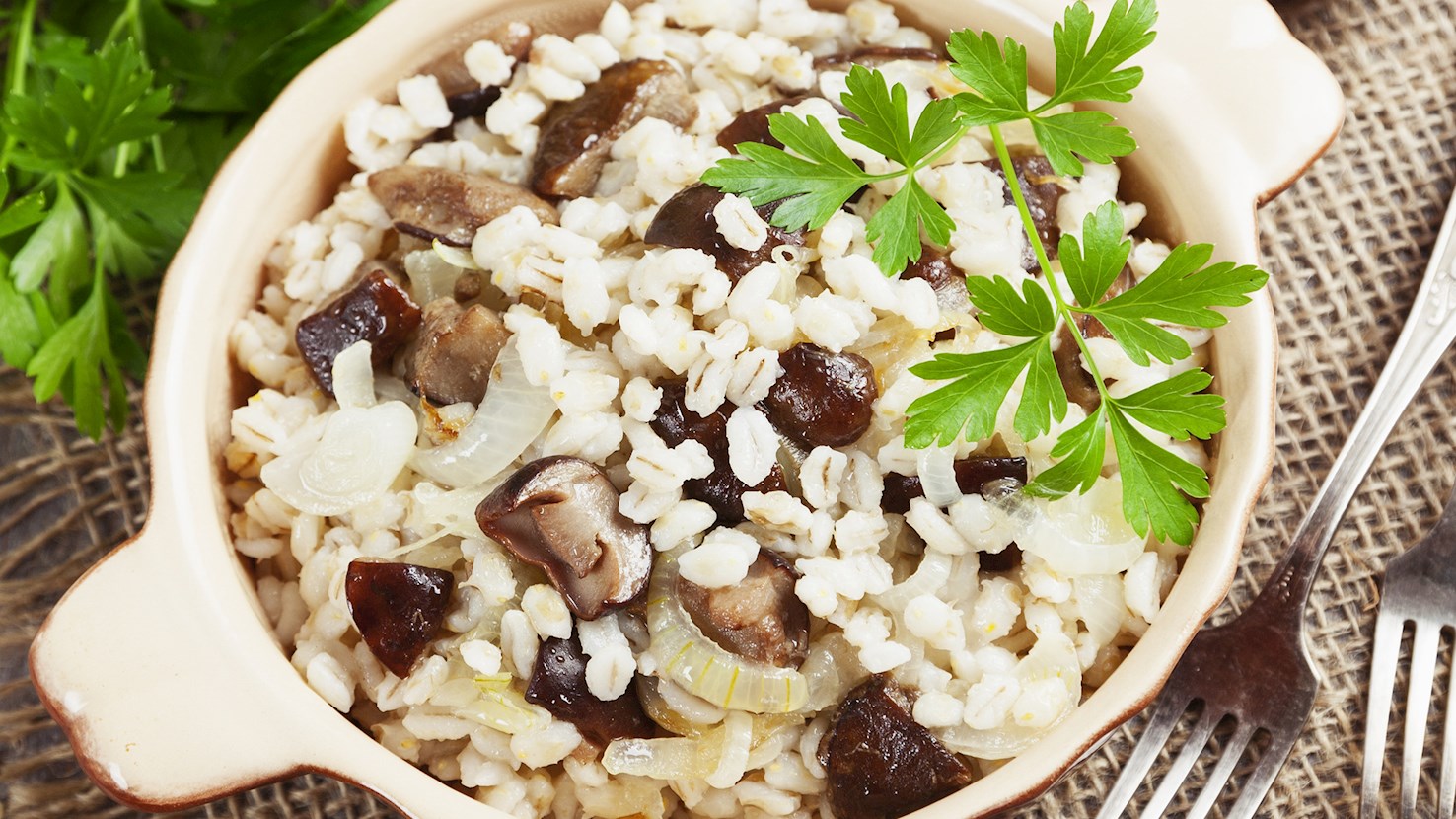
Traditionally associated with Christmastime, this Czech casserole consists of precooked barley and a combination of various dried forest mushrooms. Typically seasoned with caraway and marjoram, houbový kuba is baked until crispy and served warm. With its rustic appeal and strong, earthy flavors, this nutritious casserole is mainly enjoyed as a side dish during traditional Christmas dinners.
TasteAtlas food rankings are based on the ratings of the TasteAtlas audience, with a series of mechanisms that recognize real users and that ignore bot,
nationalist or local patriotic ratings, and give additional value to the ratings of users that the system recognizes as knowledgeable.
For the “100 Worst Rated Side Dishes in the World” list until August 16, 2026, 39,756 ratings were recorded, of which 25,907 were recognized by the system as legitimate.
TasteAtlas Rankings should not be seen as the final global conclusion about food. Their purpose is to promote excellent local foods,
instill pride in traditional dishes, and arouse curiosity about dishes you haven’t tried.









What People Say