


shutterstock

100 Worst Rated Asian Snacks

Last updated on May 21, 2026
01

Hon mhai (Deep-Fried Silk Worms)

2 ·

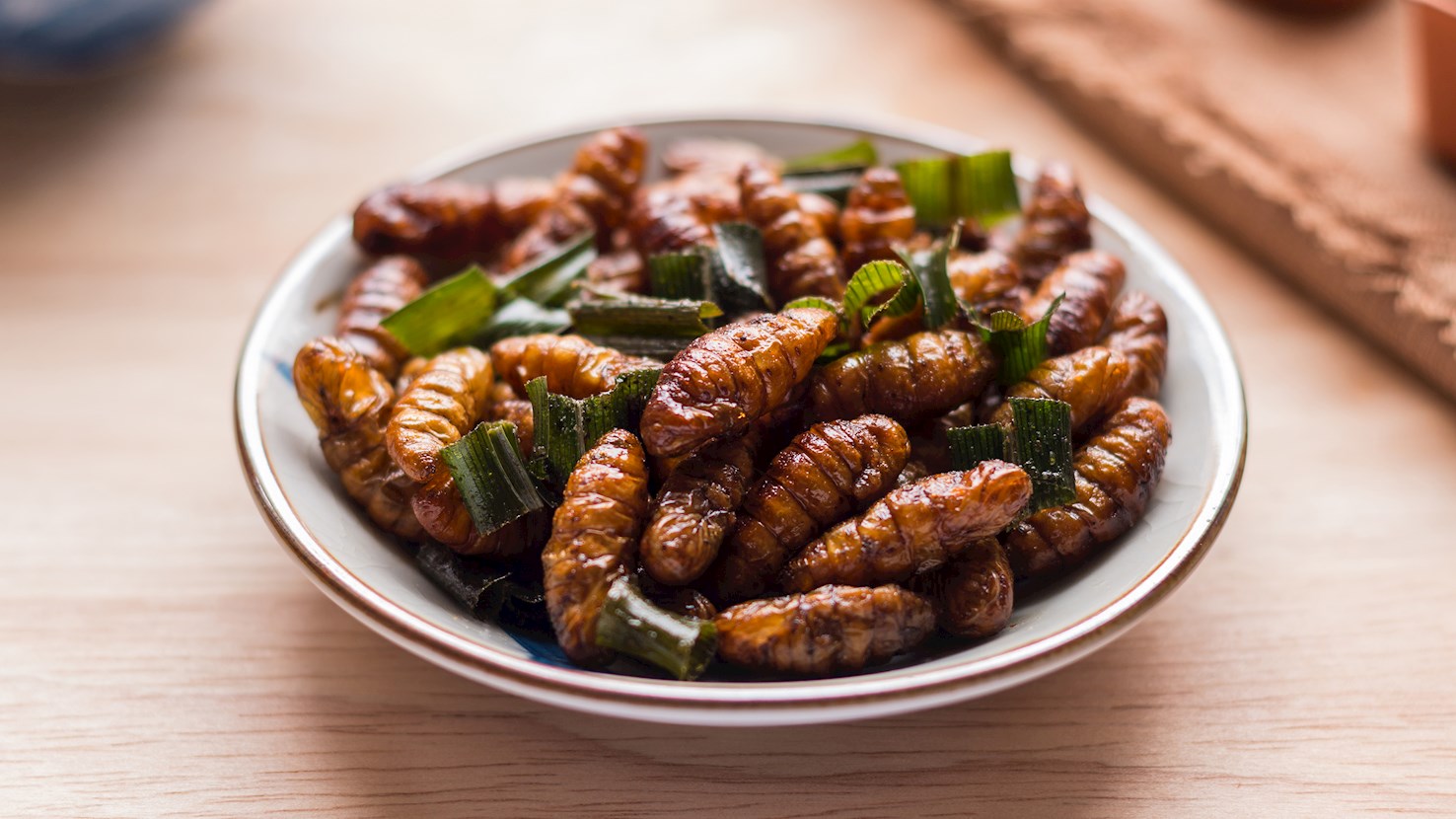
Hon mhai is a traditional insect dish that's especially popular in Bangkok. It's made by deep-frying silk worms, then seasoning them with salt, pepper, and sometimes a secret sauce that's prepared by the vendor, because the snack is usually sold from street carts. Once fried, the silk worms turn crunchy and greasy, while the flavor is sometimes described as slgihtly bitter. Hon mhai silk worms are prized because they're rich in protein and some believe that they have medicinal properties.

02

A-ping (Fried spider)

2.2 ·

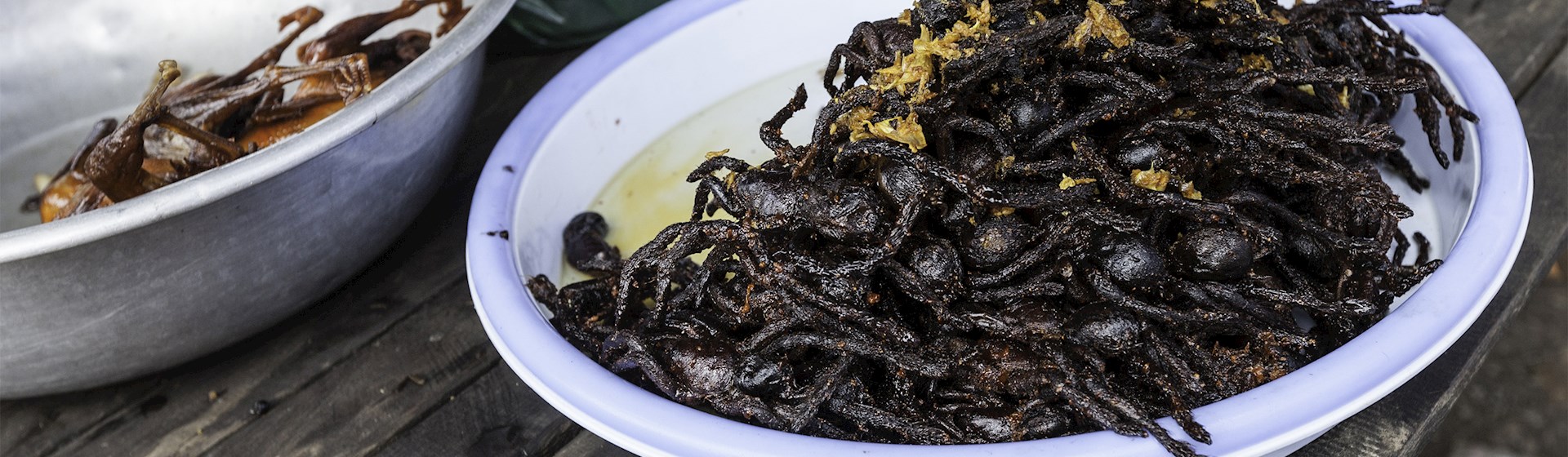
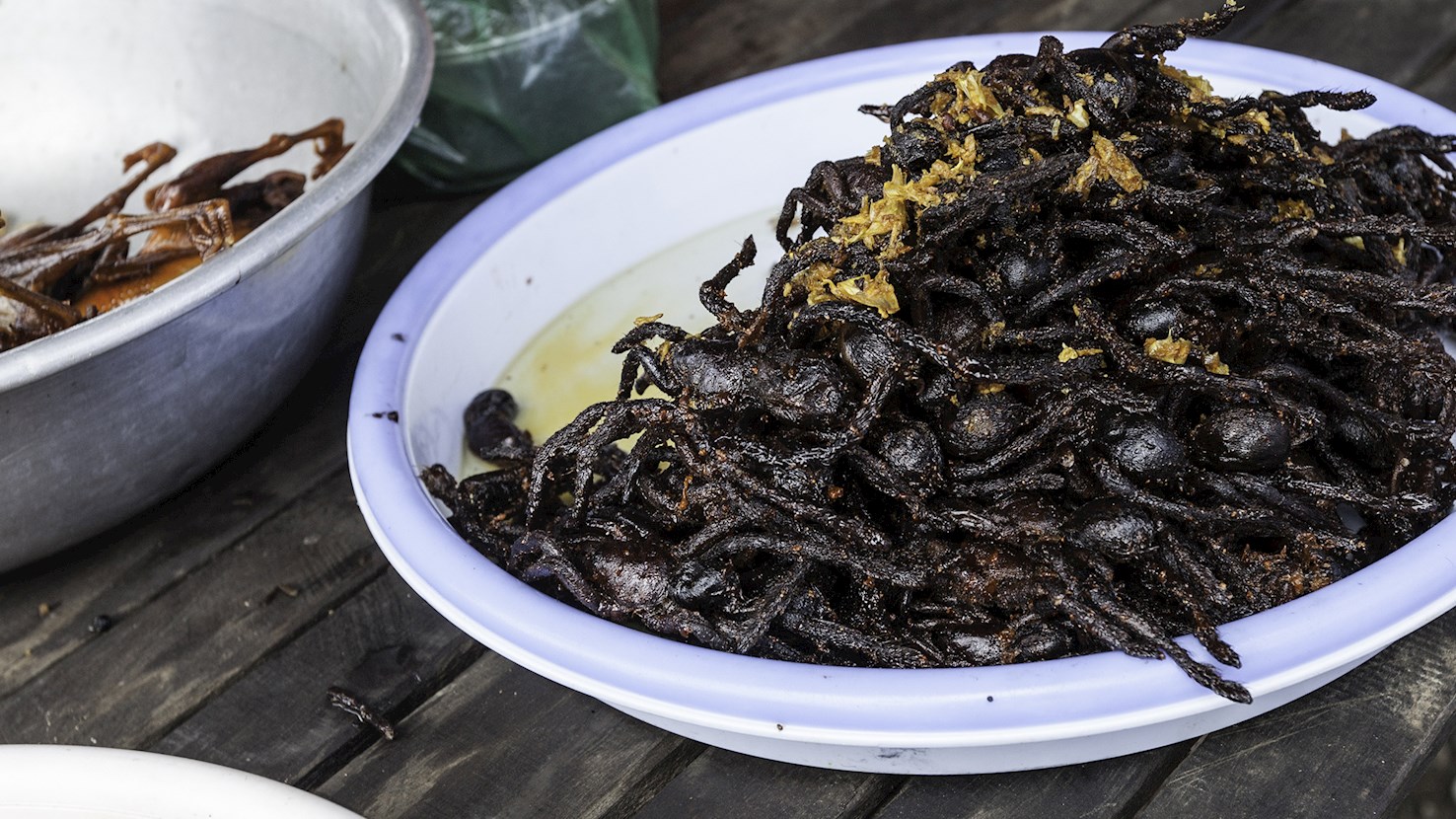
The city of Skuon in Cambodia is so infested with spiders that the nearly-starved locals have adapted and started consuming them in the 1970s, and the practice has continued ever since. It is no wonder that the city is known as Spider Town or Spiderville. The spiders (usually tarantulas) are breaded and deep-fried in hot oil, then served with some fresh local herbs on a bed of rice or noodles. The flavor of these critters has been described as a cross between cod and chicken – at least the hairy legs are supposed to taste so, because consumers are warned not to bite into the abdomen, which contains spiders’ internal organs and bodily fluids.

03

Ganmodoki

2.2 ·

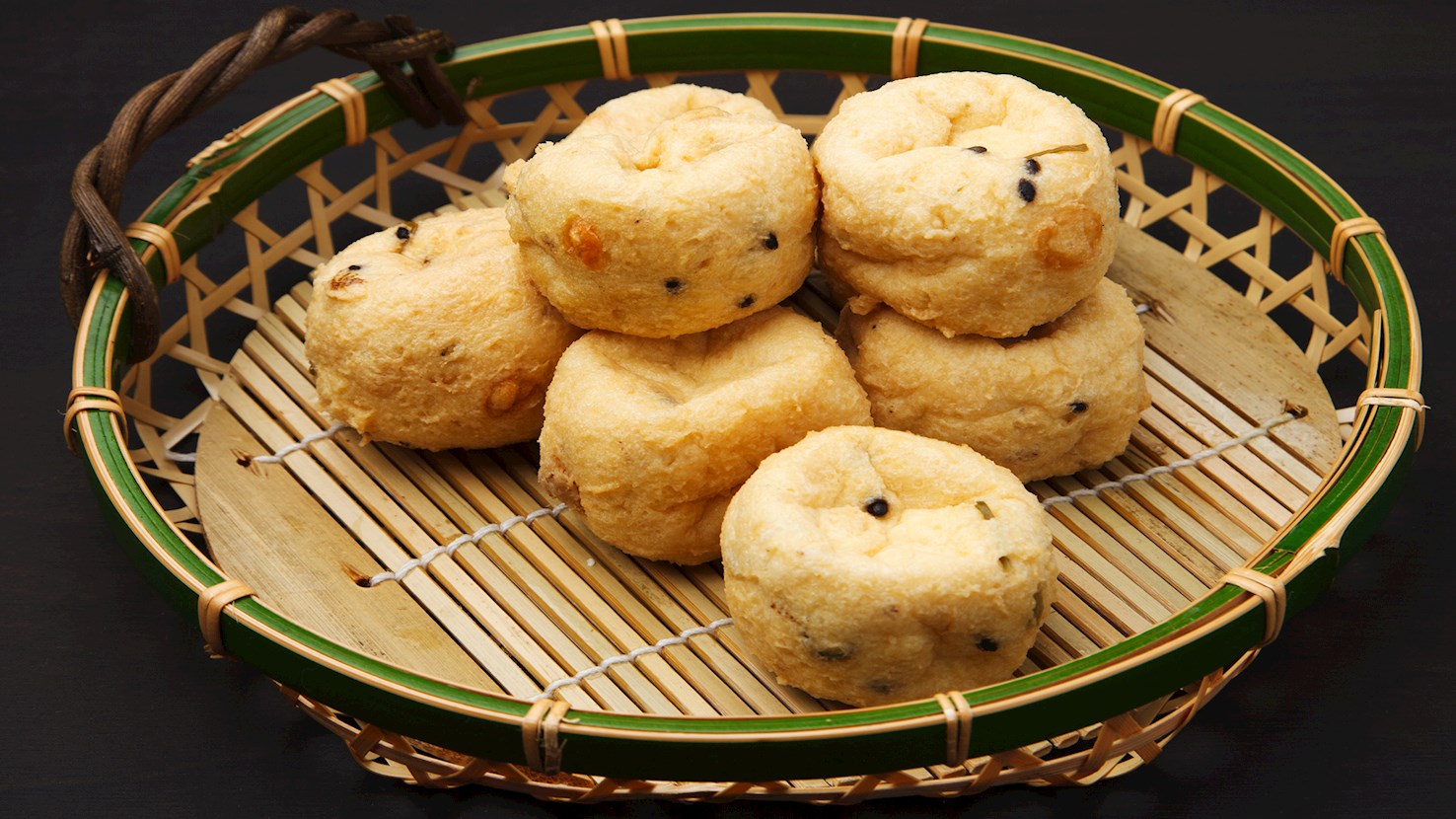
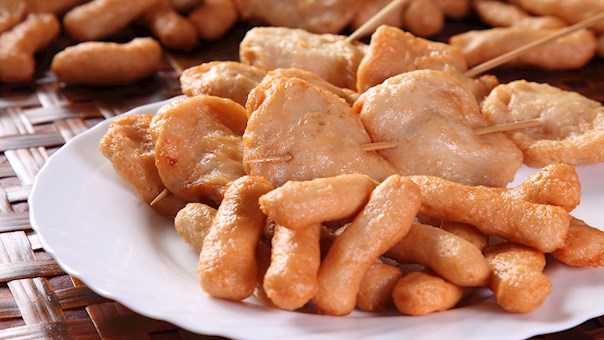
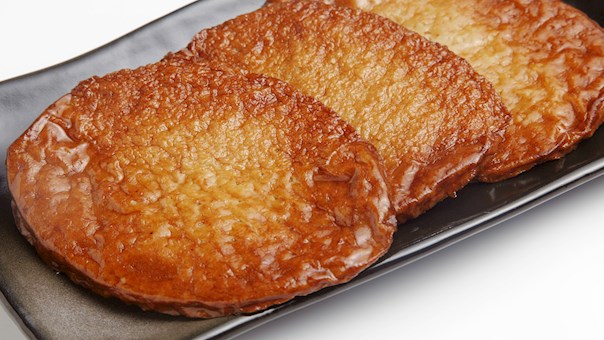
The round and crispy ganmodoki are traditional Japanese tofu fritters. Originally, the name referred to a combination of stuffed and deep-fried tofu, but today it applies to a delicious combination of mashed tofu and various vegetables. Deep-fried until golden, ganmodoki fritters are usually enjoyed plain or served as a complement to soups or stews. It is believed that ganmodoki originated among the Buddhist monks, who had many innovative ways to replace meat products with nutritious and filling dishes.

04

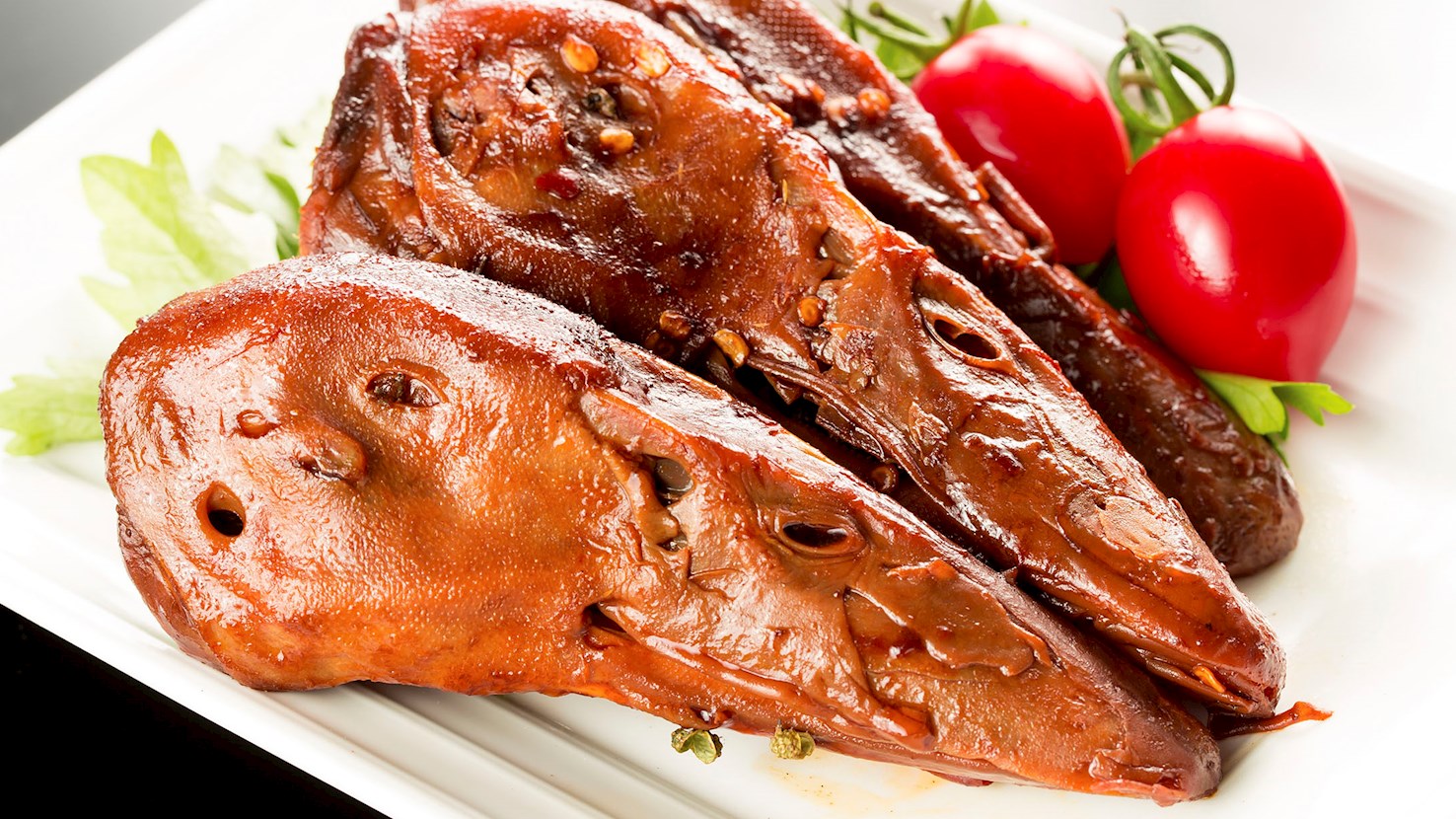
Ya tou (Duck's head)

2.3 ·

Duck's head is a spicy local specialty from the Chinese city of Wuhan, but it is also a snack that is commonly eaten throughout China, most notably in Shanghai. The dish is made by stir-frying a head of duck with the addition of herbs and spices. Duck's head has a crispy taste as a result of the stir-frying method, and it is claimed to be a healthy food, with one of the duck's head store owners claiming that it helps one's brain power when consumed. Some say that the taste of the dish is not unlike eating a spicy chicken wing, while the others, such as Kellie Schmitt of CNN, describe it as one of Shanghai's weirdest foods. When the head is served, it should be pried open with one's fingers to get to the tender meat on the interior.

05

Eezgii

2.4 ·

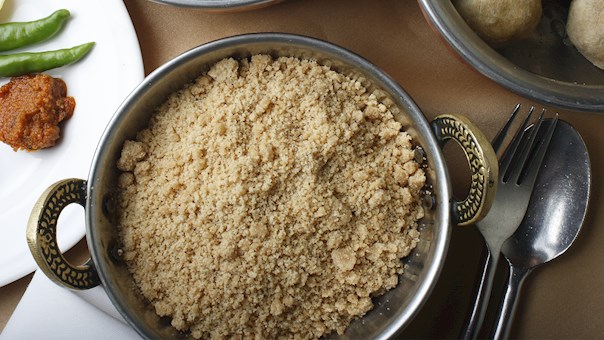
Eezgii is a traditional dish originating from Mongolia. It's made by cooking milk and a bit of kefir or yogurt. After the curdling process, the ingredients are cooked until all liquids evaporate. The dried mass of curds is then roasted until it turns into small pieces of golden-colored cheese. Eezgii is usually stored in a sack of cloth, and it's eaten as a snack between meals. The flavors are slightly sweet, and the texture is grainy or sandy on the tongue.

06

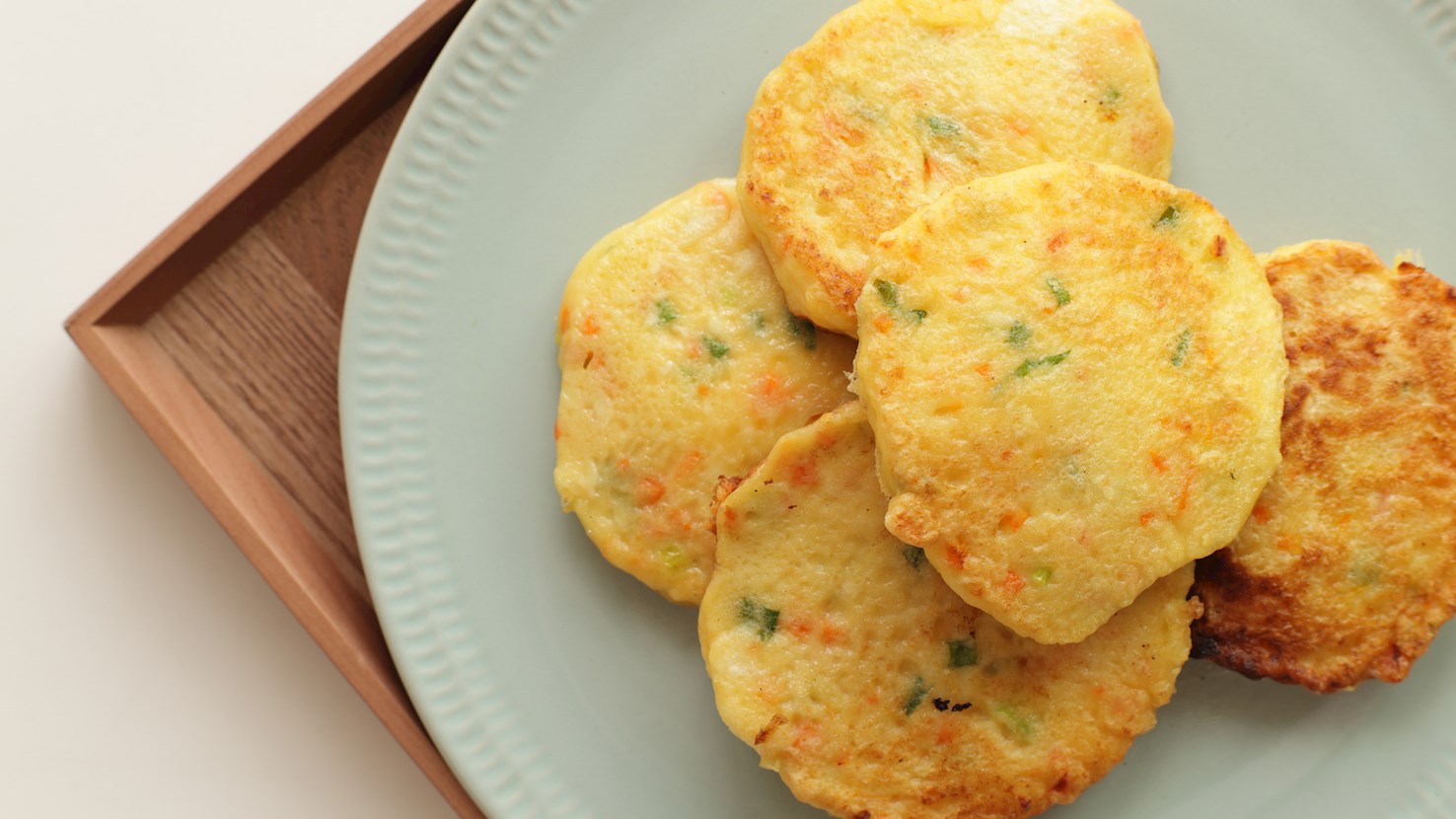
Dubujeon

2.5 ·

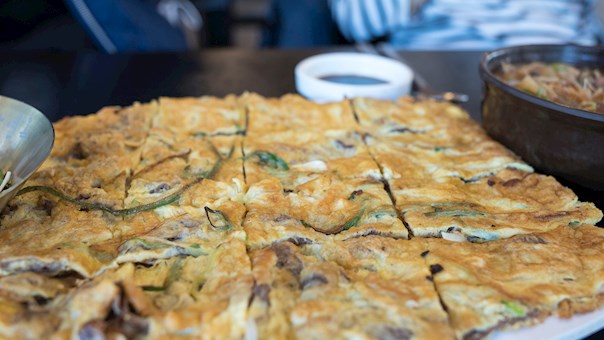
Dubujeon is a traditional dish originating from South Korea. This type of jeon (pan-fried battered food) is made with tofu. Other ingredients usually include flour, oil, eggs, scallions, salt, pepper, and vegetables such as onions and carrots. The tofu and the vegetables are chopped and mixed together with beaten eggs, flour, and salt. The mixture is divided into smaller portions and pan-fried in hot oil on both sides until golden and fully cooked. Once done, dubujeon is served hot with a dipping sauce on the side.

07

Beondegi

2.7 ·

Beondegi is a classic South Korean street food consisting of silkworm pupae insects. These tiny animals are usually boiled or steamed and then seasoned before they are served in small cups. Although of an acquired taste, beondegi is available at numerous street stalls throughout the country, while the canned version is occasionally found in supermarkets. Some restaurants even serve the insects as a side dish. Beondegi became a popular option during Korean War when food was scarce, and there was a shortage of protein-rich ingredients.

08

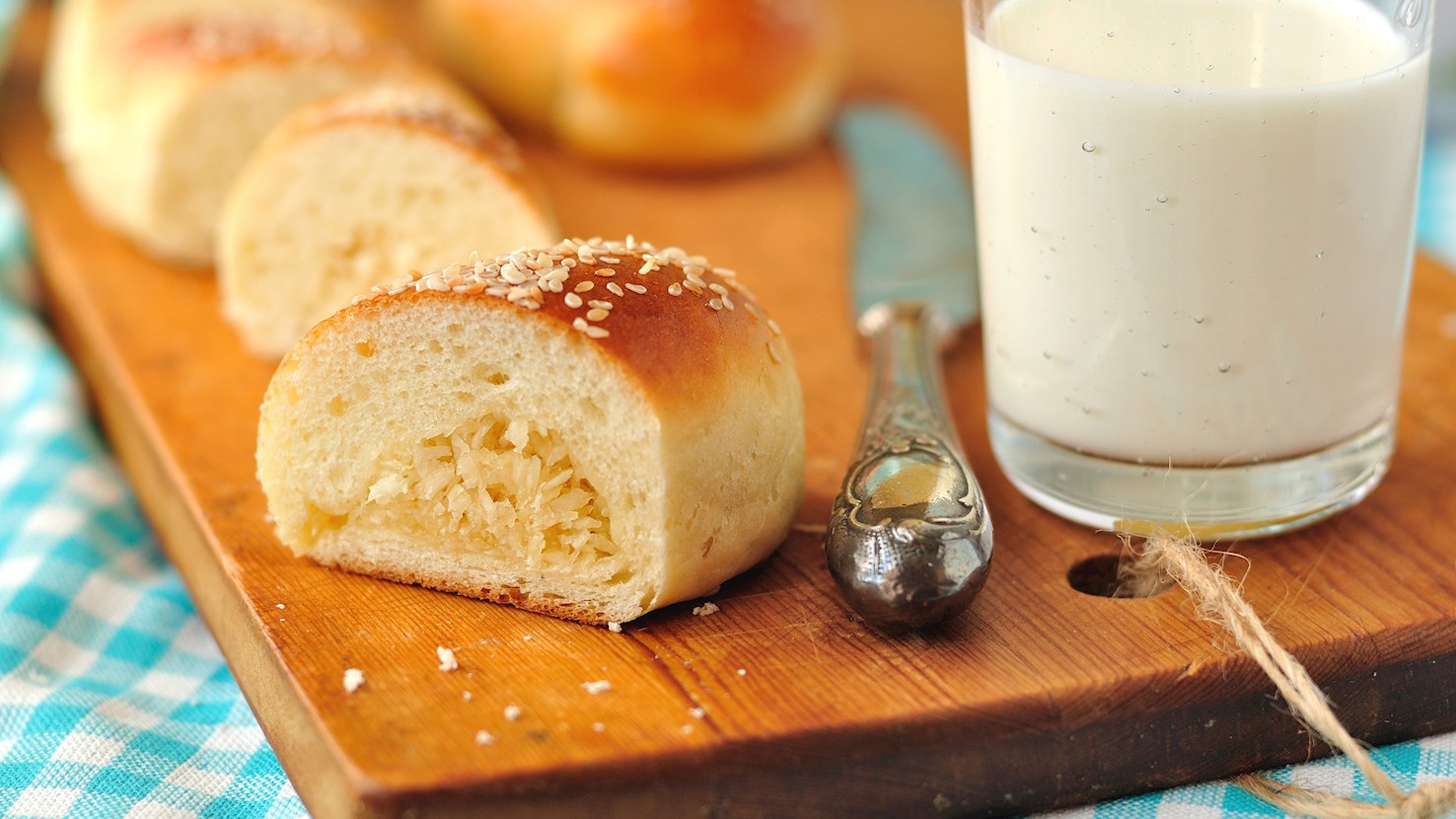
Gai mei bao (Cocktail bun)

2.7 ·

Cocktail bun is a simple sweet bun originating from Hong Kong and dating back to the 1950s. It was created from unsold, but edible buns that were ground with coconut and sugar and used as a filling for the new buns called cocktail buns. The name refers to a mix of ingredients that were similar to an exotic mixture of liquors. Nowadays, the filling is usually enriched with butter or margarine. These buns can be found in most local bakeries, and they're usually finished with egg wash and a sprinkle of sesame seeds on top before baking.

09

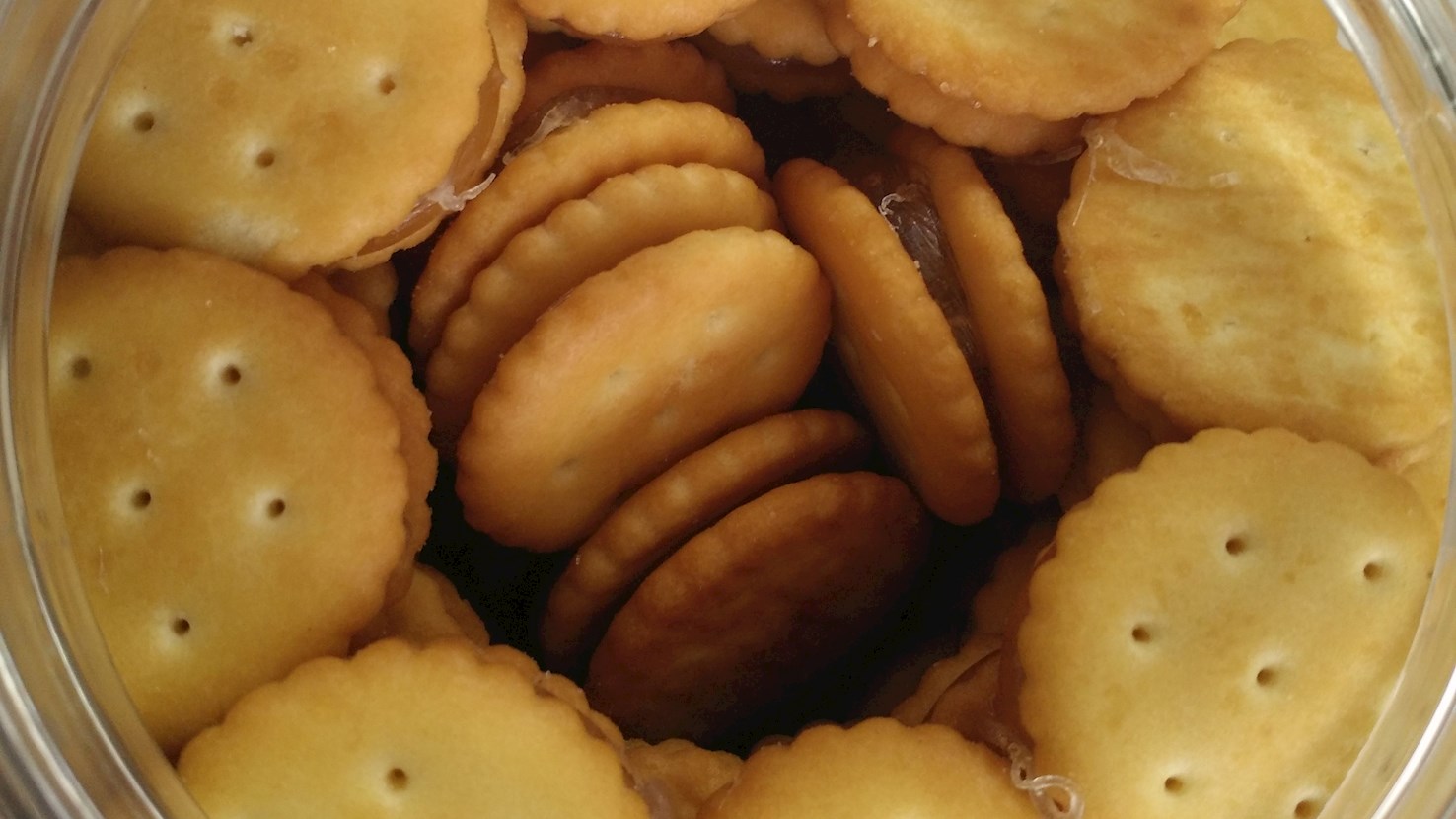
Maiya tang jia bing (Maltose crackers)

2.7 ·

Maltose crackers are traditional snacks originating from Hong Kong. They were at the peak of popularity in the 1950s and 1960s, when maltose crackers were sold from street vendors. These snacks consist of only two ingredients – maltose syrup and saltine crackers. In order to prepare maltose crackers, maltose syrup is sandwiched between two saltine crackers. Bamboo sticks are often pressed into the maltose so that the snack looks like a cracker lollipop. These inexpensive snacks are especially popular among children.

10

Ganthiya

2.7 ·

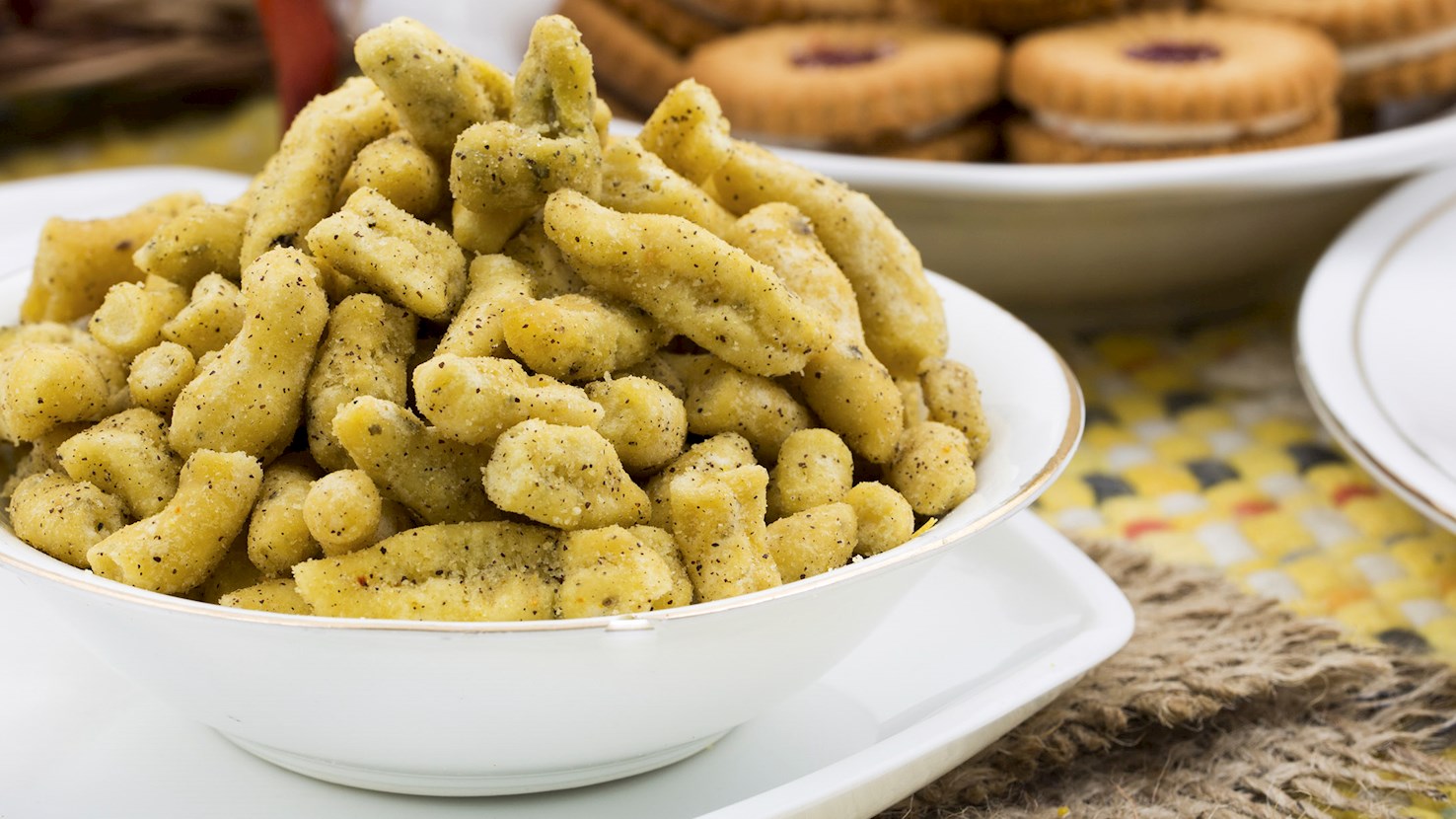
Ganthiya is a popular Indian deep-fried snack made from gram flour. It has origins in the Indian region of Gujarat, where it is commonly served with tea. Unlike most other Indian snacks, ganthiya is not crunchy, but soft and puffy. It can be found throughout Gujarat at numerous street stalls, but the snack is especially popular during Diwali. There is also a sweet version of ganthiya, called mitha ganthiya, while the plain version can be additionally flavored with red chili powder.

Read more
View all
View map
About this ranking

TasteAtlas food rankings are based on the ratings of the TasteAtlas audience, with a series of mechanisms that recognize real users and that ignore bot, nationalist or local patriotic ratings, and give additional value to the ratings of users that the system recognizes as knowledgeable. For the “100 Worst Rated Asian Snacks” list until May 21, 2026, 25,982 ratings were recorded, of which 16,920 were recognized by the system as legitimate. TasteAtlas Rankings should not be seen as the final global conclusion about food. Their purpose is to promote excellent local foods, instill pride in traditional dishes, and arouse curiosity about dishes you haven’t tried.

Similar lists