

shutterstock

25 Worst Rated Chinese Snacks

Last updated on August 16, 2026
01

Ya tou (Duck's head)

2.3 ·

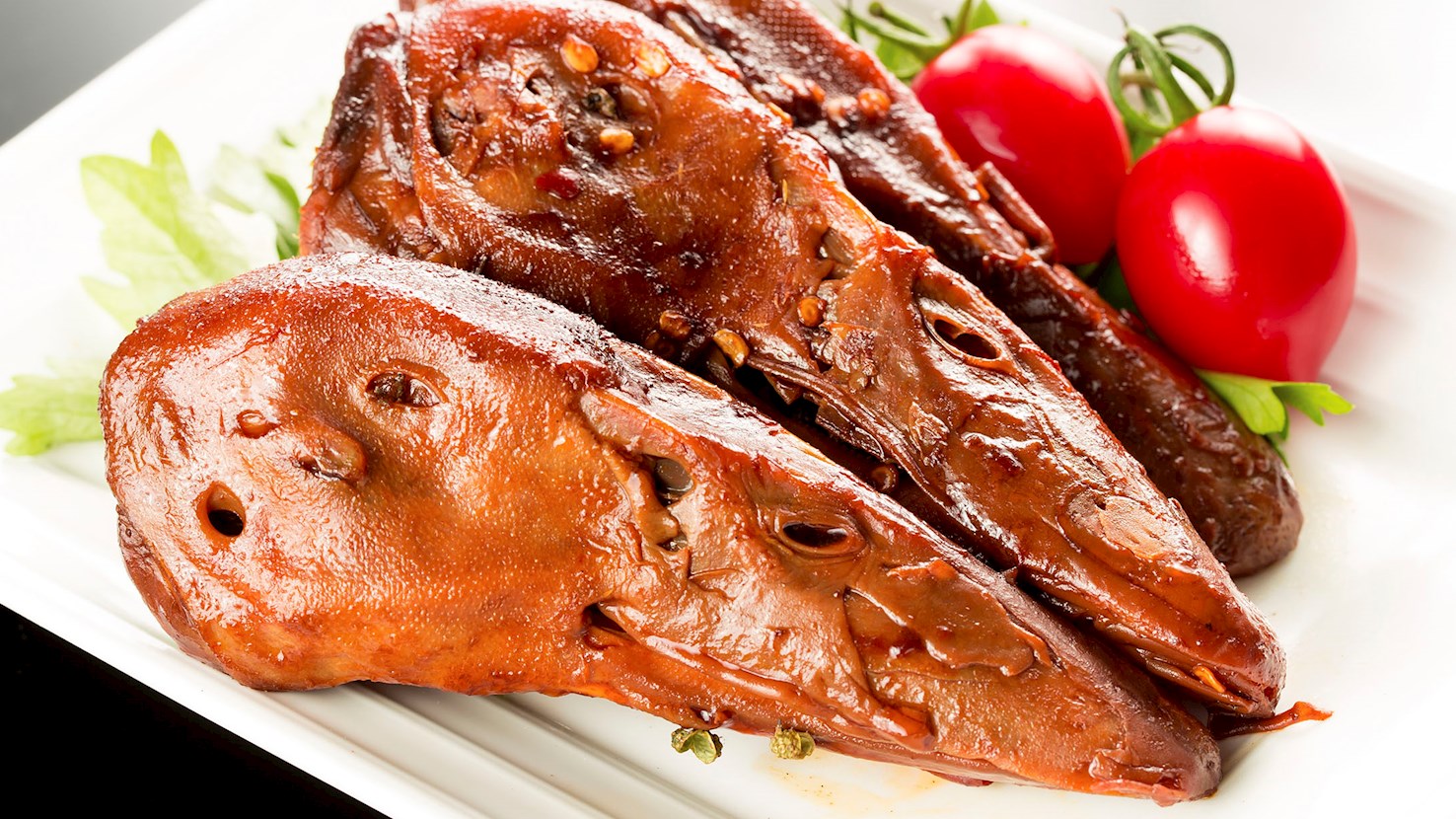
Duck's head is a spicy local specialty from the Chinese city of Wuhan, but it is also a snack that is commonly eaten throughout China, most notably in Shanghai. The dish is made by stir-frying a head of duck with the addition of herbs and spices. Duck's head has a crispy taste as a result of the stir-frying method, and it is claimed to be a healthy food, with one of the duck's head store owners claiming that it helps one's brain power when consumed. Some say that the taste of the dish is not unlike eating a spicy chicken wing, while the others, such as Kellie Schmitt of CNN, describe it as one of Shanghai's weirdest foods. When the head is served, it should be pried open with one's fingers to get to the tender meat on the interior.

02

Gai mei bao (Cocktail bun)

2.7 ·

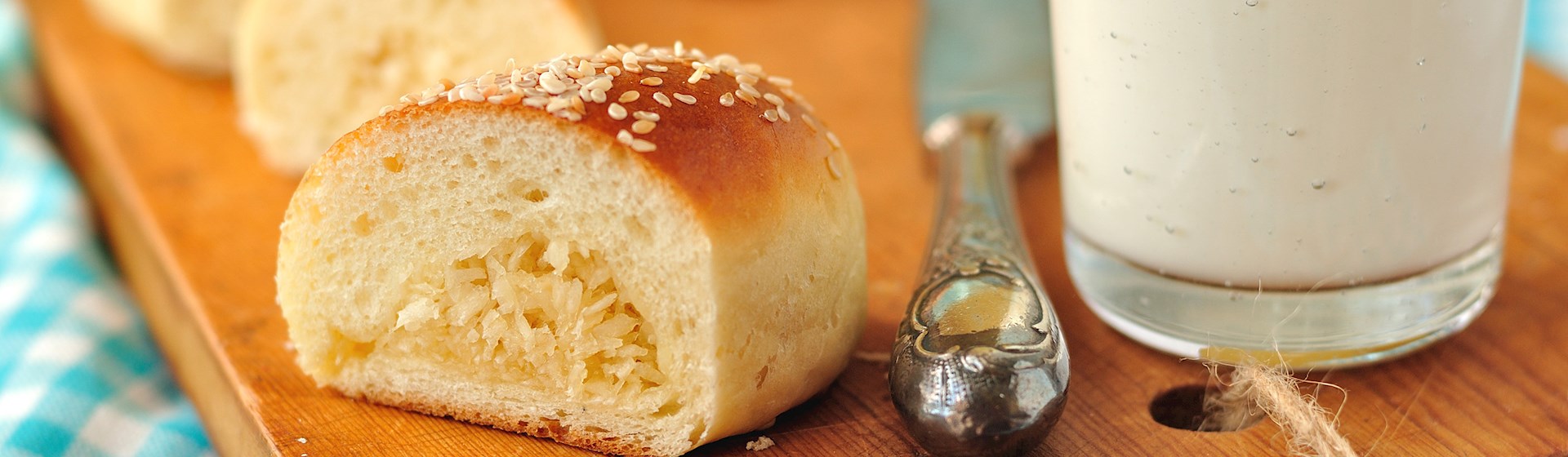
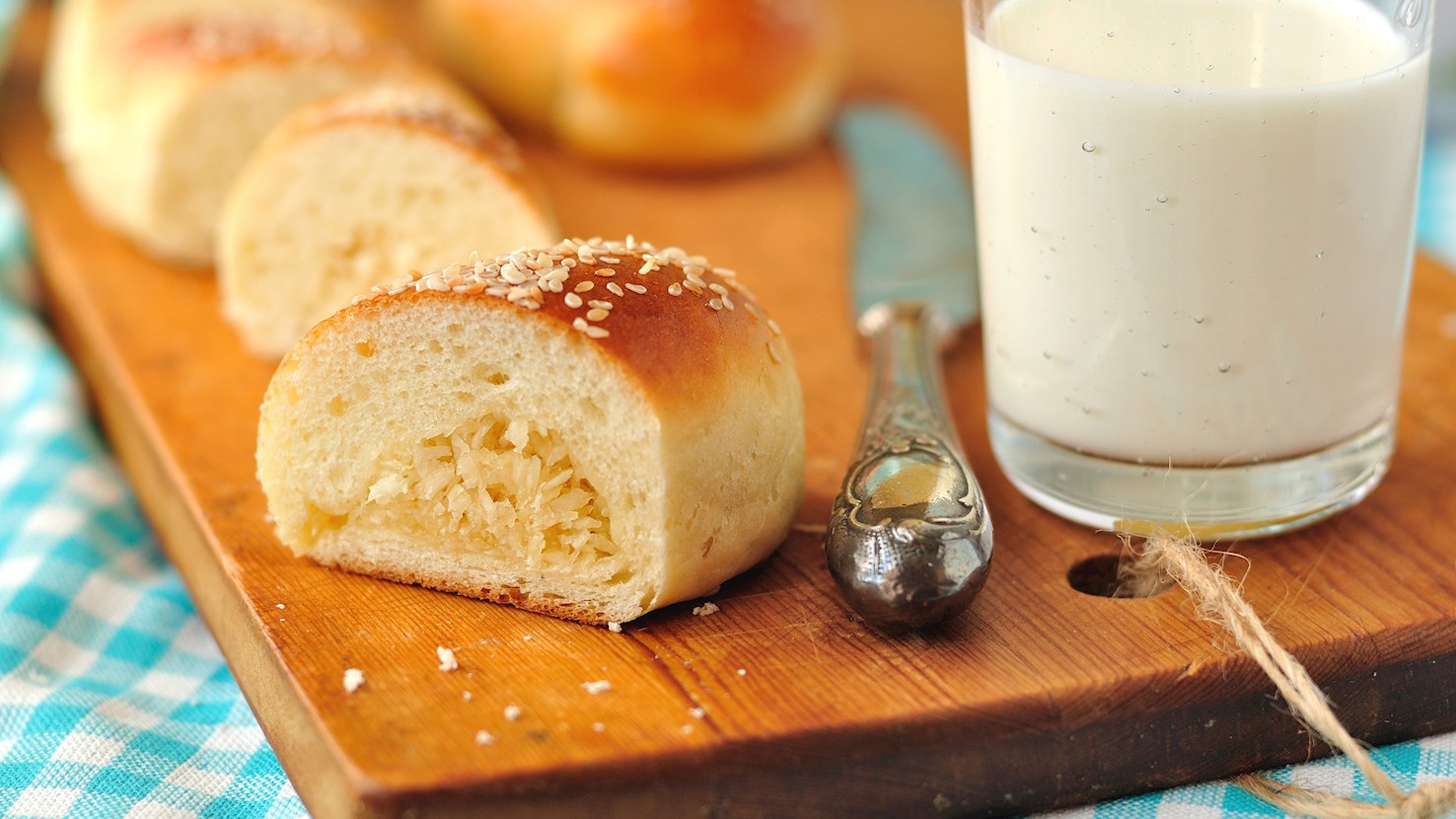
Cocktail bun is a simple sweet bun originating from Hong Kong and dating back to the 1950s. It was created from unsold, but edible buns that were ground with coconut and sugar and used as a filling for the new buns called cocktail buns. The name refers to a mix of ingredients that were similar to an exotic mixture of liquors. Nowadays, the filling is usually enriched with butter or margarine. These buns can be found in most local bakeries, and they're usually finished with egg wash and a sprinkle of sesame seeds on top before baking.

03

Maiya tang jia bing (Maltose crackers)

2.7 ·

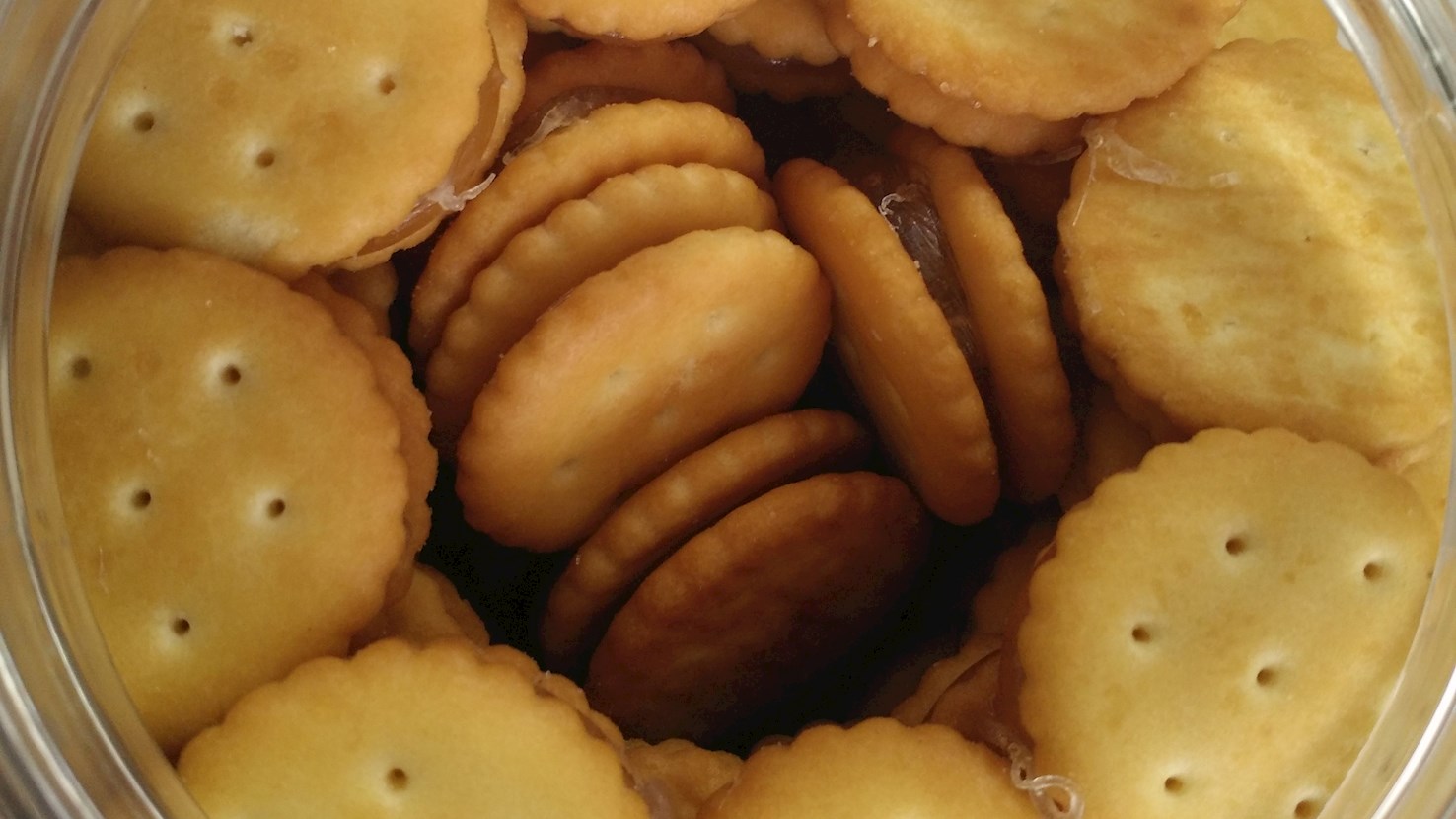
Maltose crackers are traditional snacks originating from Hong Kong. They were at the peak of popularity in the 1950s and 1960s, when maltose crackers were sold from street vendors. These snacks consist of only two ingredients – maltose syrup and saltine crackers. In order to prepare maltose crackers, maltose syrup is sandwiched between two saltine crackers. Bamboo sticks are often pressed into the maltose so that the snack looks like a cracker lollipop. These inexpensive snacks are especially popular among children.

04

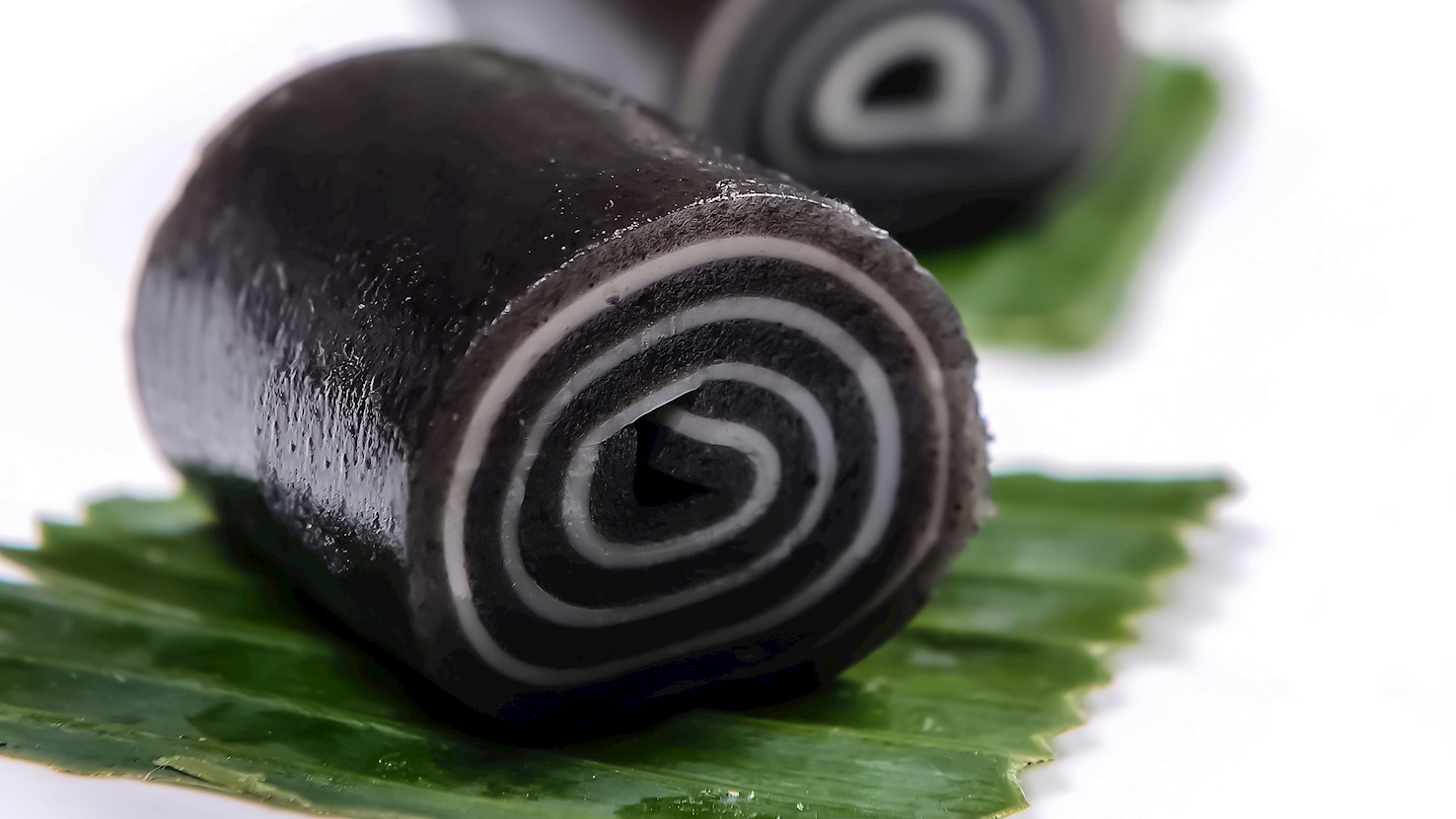
Zhi ma juan (Black sesame roll)

2.9 ·

Black sesame roll is a sweet dessert and a type of dim sum originating from Hong Kong. It's made by drying a thin sheet of black sesame paste, which is eventually refrigerated and shaped into a roll. The texture of black sesame rolls should be soft and smooth. Common ingredients include black sesame seeds, sugar, water, rice flour, chestnut flour, oil, and white sesame seeds that are often used as a garnish. This dim sum variety was especially popular in the 1970s and the 1980s, but nowadays it's usually prepared at home.

05

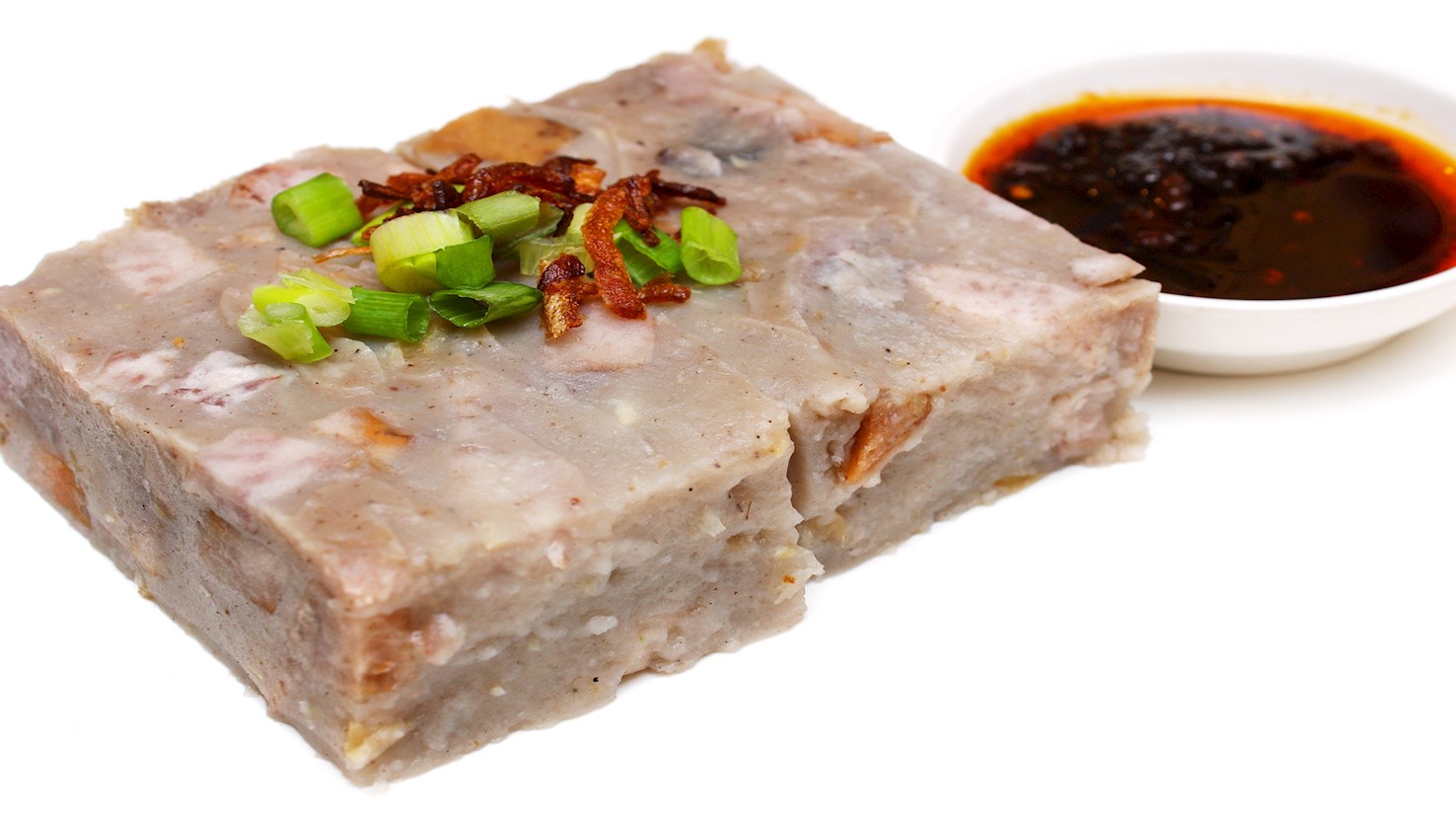
Yu tou gao (Taro cake)

3.0 ·

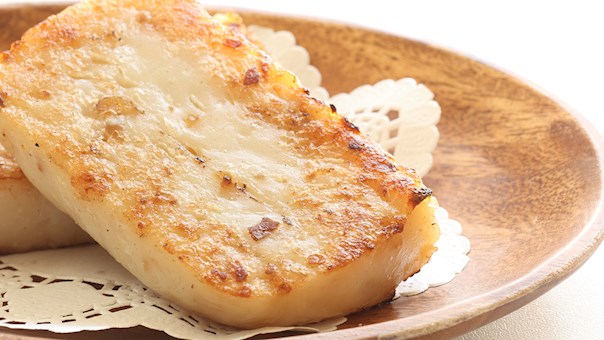
The chewy taro cake is a savory Chinese delicacy prepared with rice flour and stewed taro roots. In many ways similar to the traditional turnip cake, it usually incorporates diced Chinese sausage, pork, scallions, and mushrooms. Steamed in round or rectangular pans, it is usually shortly fried until crispy and golden before serving. Even though it is a staple in traditional dim sum restaurants in China and Hong Kong, it is also one of the most common snacks or side dishes served on Chinese New Year.

06

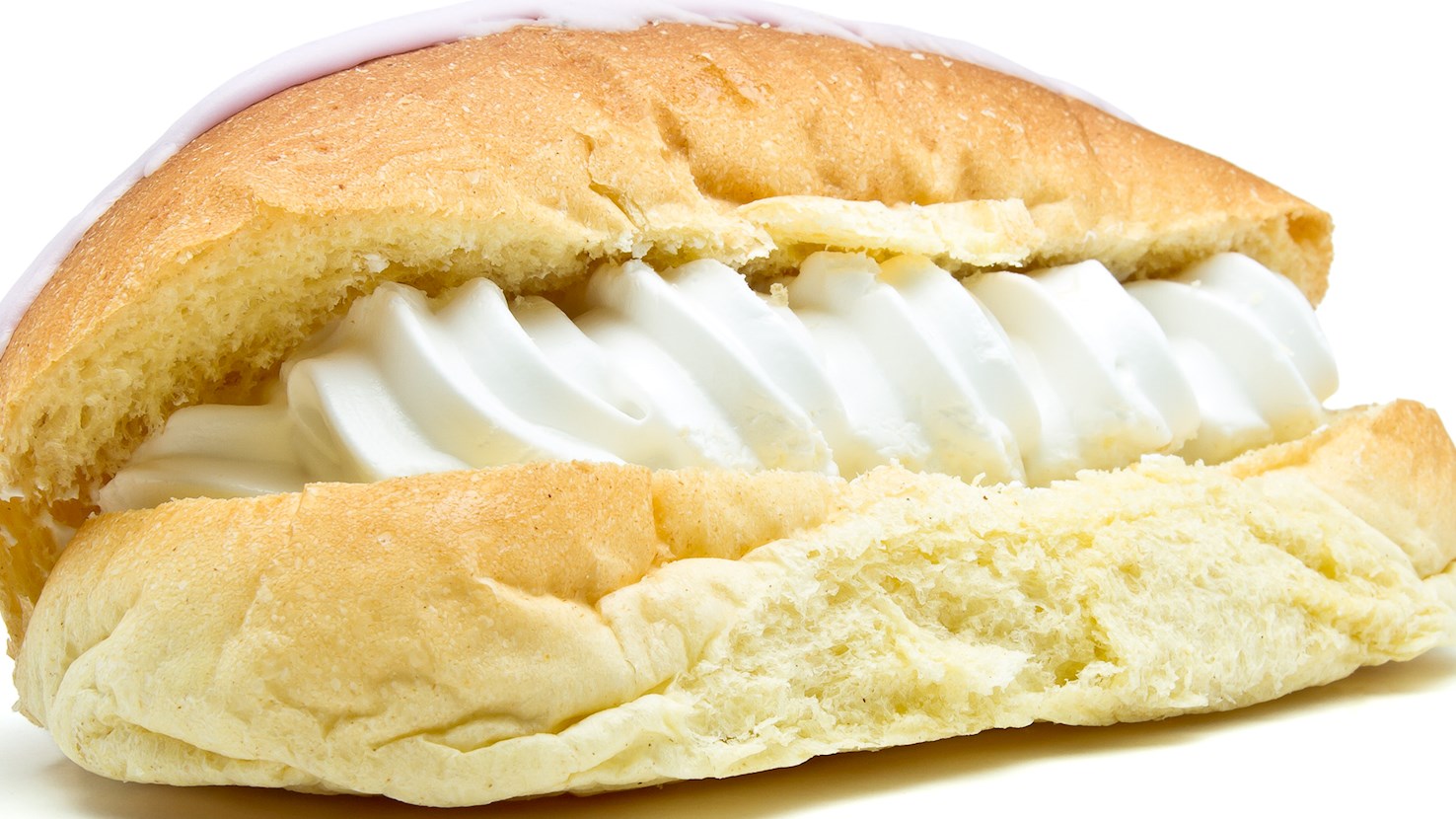
Cream bun

3.2 ·

Cream bun belongs to a group of traditional Chinese buns hailing from Hong Kong. Like most other varieties of Chinese sweet buns, this one also consists of a soft and fluffy yeast dough that’s typically made with a combination of bread flour, yeast, eggs, condensed milk, unsalted butter, tangzhong (a mixture of bread flour and water), custard powder, milk powder, salt, and sugar. This classic bun can be recognized by its elongated elliptical shape; the nice, golden surface resulting from the use of egg wash, and the characteristic split down the middle. After baking, the sweet buns are usually cut open, brushed with sugar glaze, covered with shredded coconut, and filled with cream. For the filling, buttercream is believed to be the most traditional choice, although whipped cream and coconut-flavored cream are also commonly used. In China, cream buns are typically enjoyed for breakfast or as hearty snacks.

07

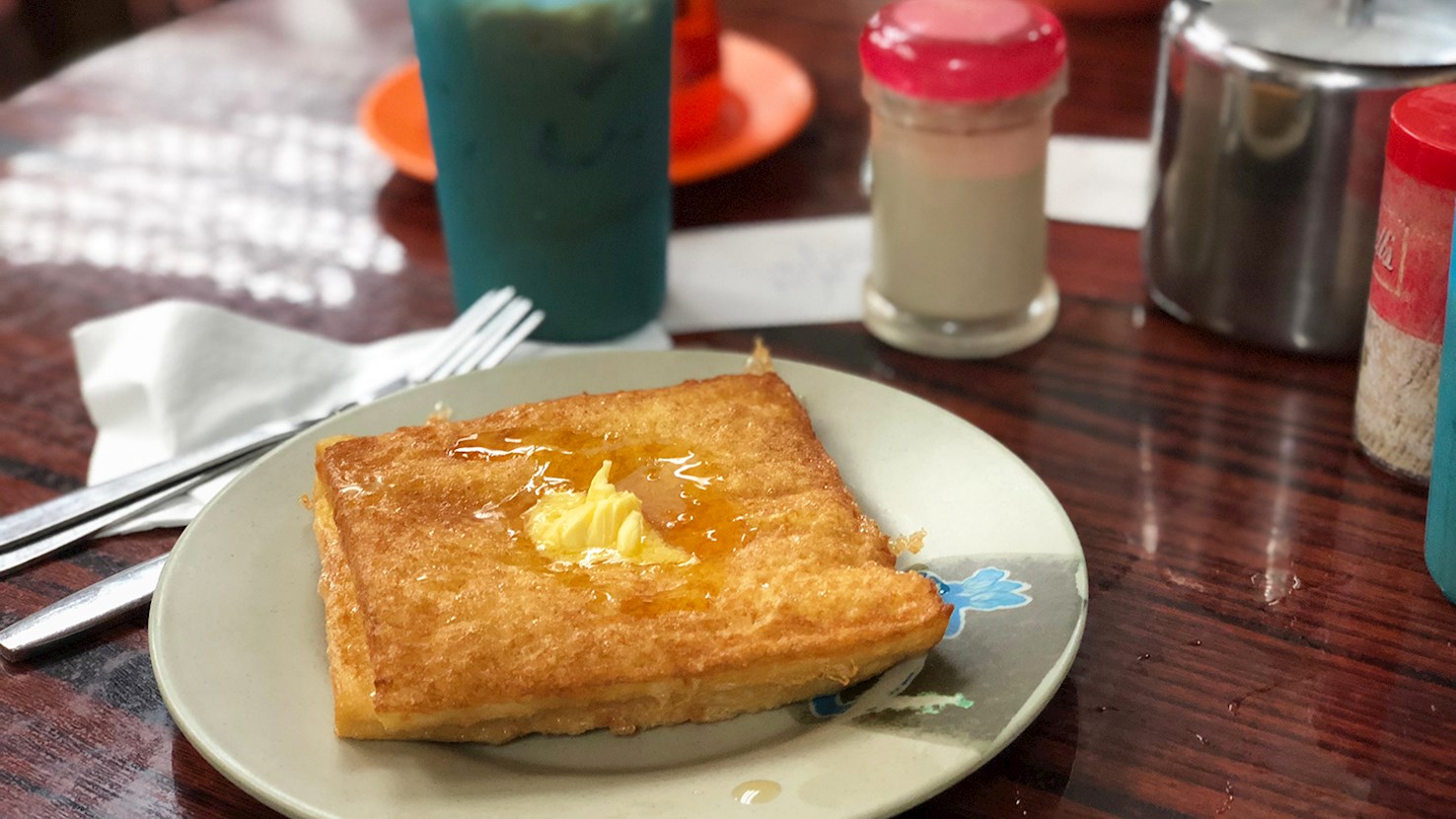
Xi duo shi (Hong Kong-style French toast)

3.2 ·

Hong Kong-style French Toast is prepared with two slices of peanut butter or coconut jam-smeared milk bread, which are dipped into a batter of eggs and vanilla essence, then pan-fried or deep-fried in oil until golden brown. When served, this french toast version is topped with a dab of butter in the center, and it's often drizzled with maple syrup, condensed milk, honey, or an ice cream scoop. This dish is traditionally served hot, and it's recommended to pair it with a cup of milk tea.

08

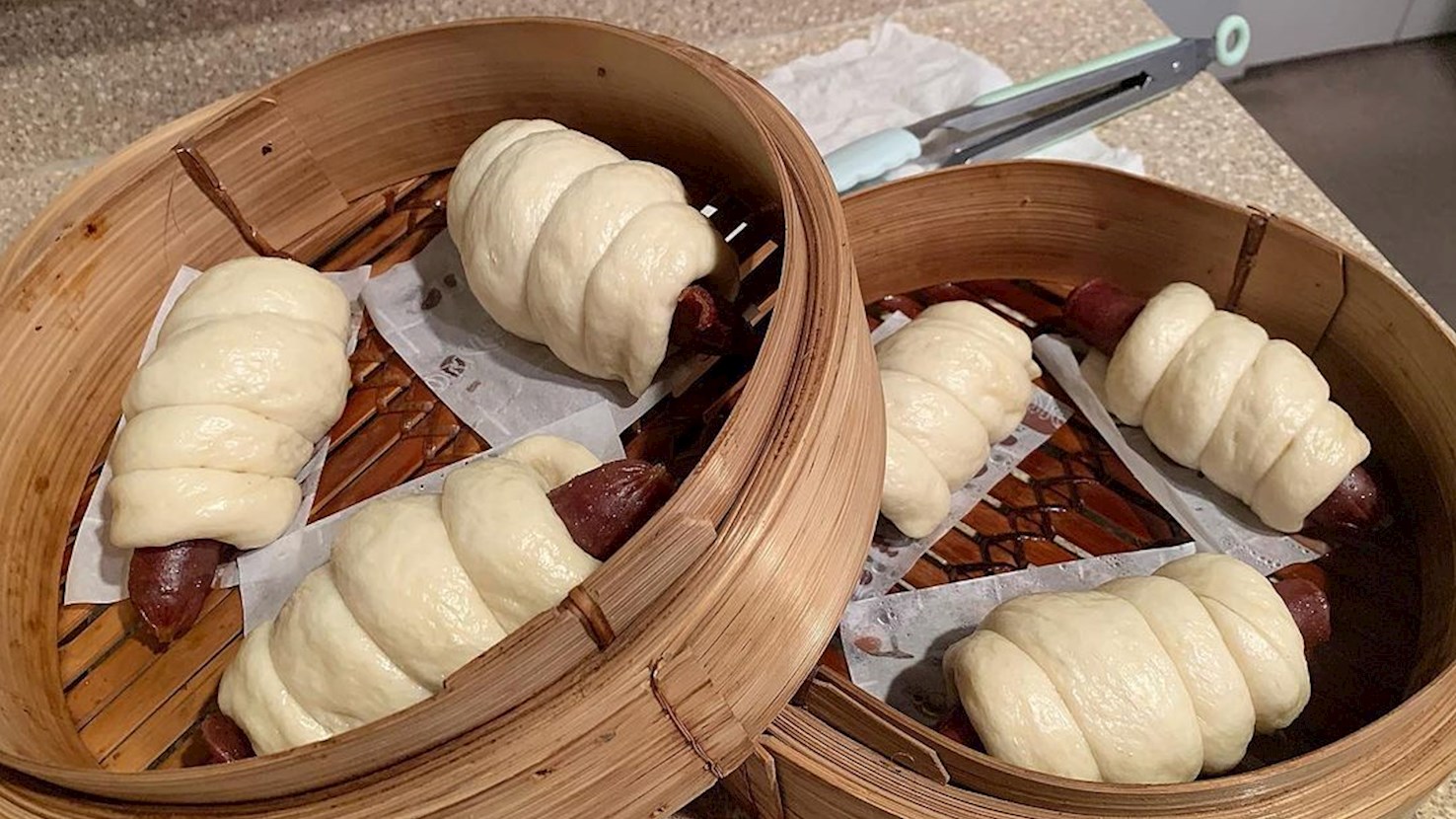
Lap cheong bao (Chinese sausage buns)

3.2 ·

Lop cheung bao is a traditional dish that’s usually served as a part of dim sum. These sausage buns are made with mantou buns and Chinese sausage. During the process of steaming, the bread will soak up the oil from the sausage and become a savory snack. These steamed sausage rolls can be found in bakeries or in restaurants as a part of dim sum. The dough is usually wrapped around the sausage in a coiled shape. If desired, oyster sauce, sesame oil, or soy sauce can be added to the sausage filling.

09

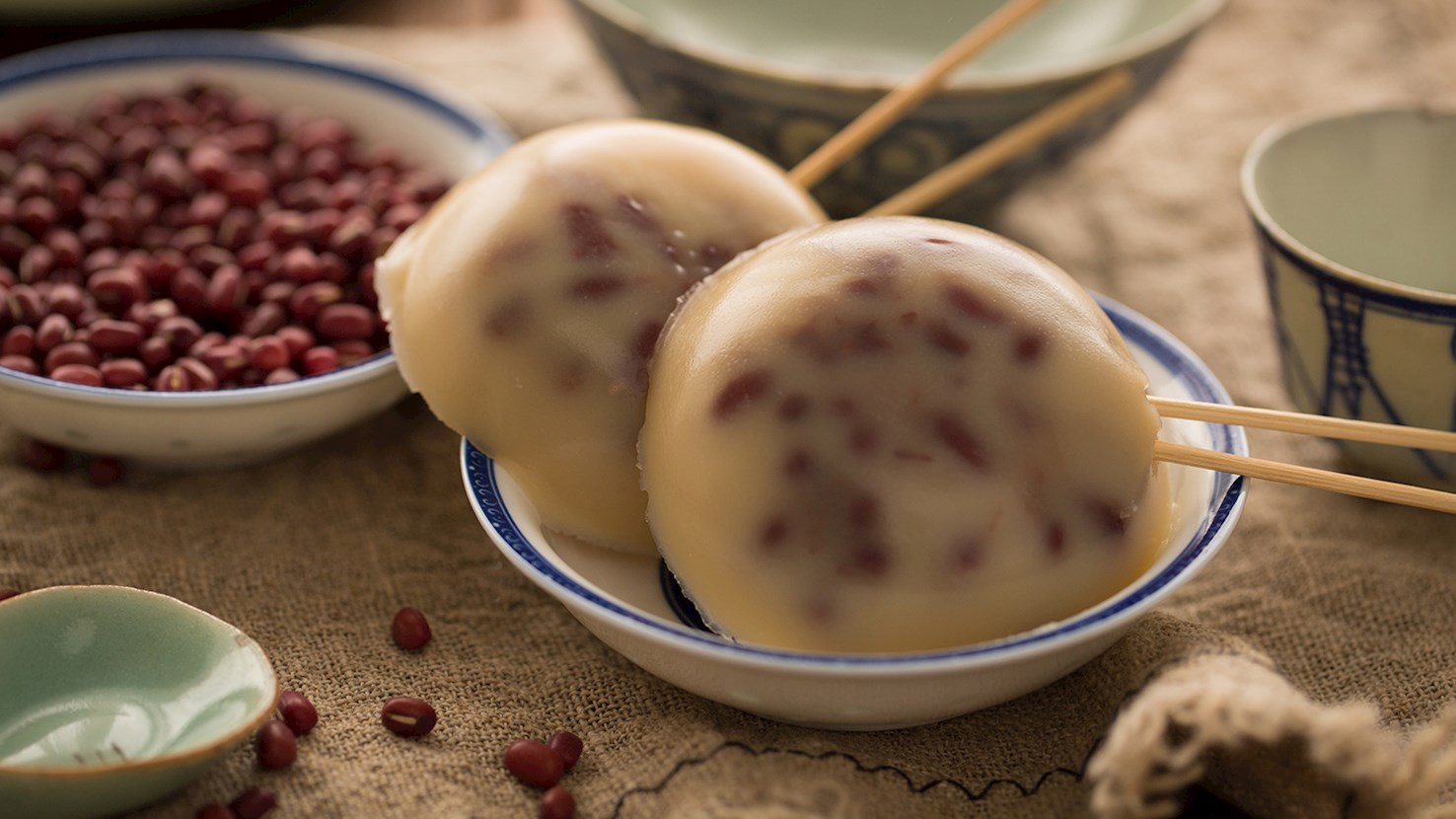
Put chai ko (Red bean steamed rice cake)

3.2 ·

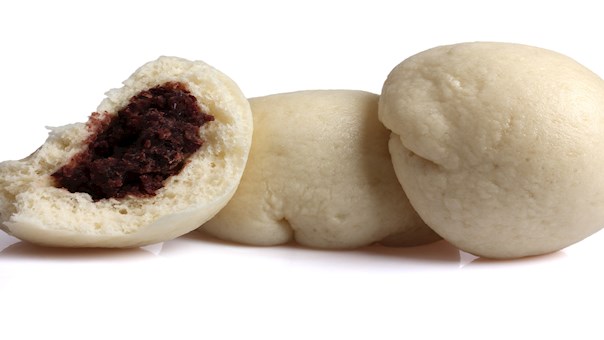
Put chai ko is a traditional snack originating from Hong Kong. It consists of brown sugar, red beans, rice flour, and wheat starch or cornstarch. The red beans are cooked and mixed with flour, sugar, and water in a pan. The thick batter is then placed into a greased tin mold and steamed until done. The snack is left to cool down and it's then taken out of the mold and served. This snack can be bought from street vendors, and in the past they would traditionally steam it in earthenware bowls, but nowadays it's mostly sold in plastic bags or aluminum cups. Put chai ko is sometimes also served on two bamboo sticks, just like an ice pop.

10

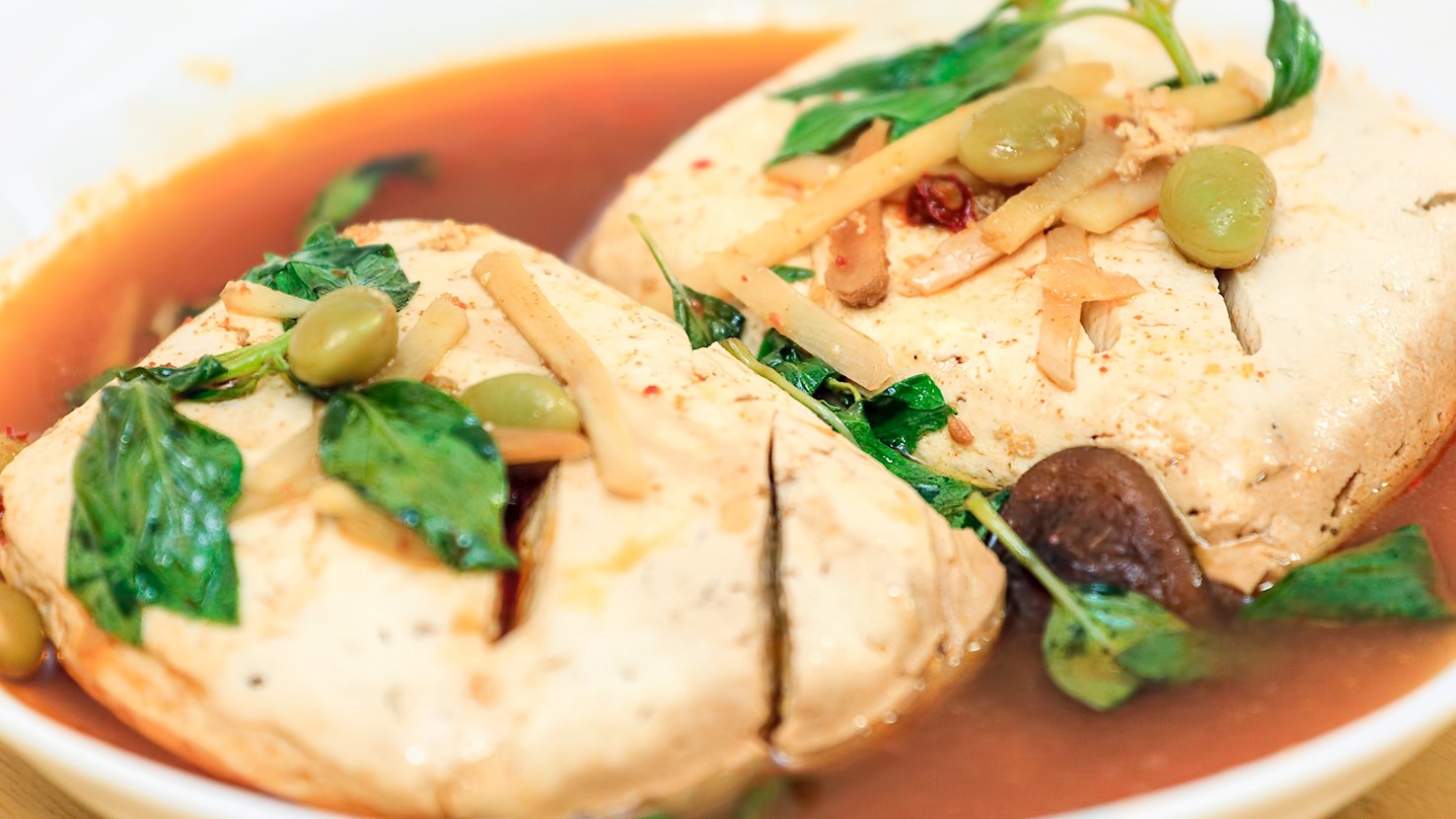
Chòu dòufu (Stinky tofu)

3.3 ·

Chòu dòufu or stinky tofu is a fermented variety of the popular Chinese soy product. The fermentation process is highly variable, but it typically includes brine in which tofu is left to sit for up to one week. The brine usually consists of fermented milk, vegetables, and meat, which create an incredibly distinctive smell, often described as being particularly unpleasant. The most famous legend says that this famous snack was created by Wang Zhi-He, who accidentally invented it when he left cubed tofu sit in an earthen jar in the sun. When he discovered that despite the awful smell the tofu tasted great, he started producing and selling this unusual treat. Later on, the recipe has evolved and numerous options for tofu fermentation have been created. Stinky tofu can be consumed plain, barbecued on bamboo sticks, fried, or boiled in soups. It is often served alongside cabbage, bamboo sprouts, chili sauce, soy-based sauces, and other fermented vegetables. Other than China, varieties of stinky tofu are especially beloved in Taiwan and Hong Kong, and it can commonly be found in the night markets across the country.

About this Ranking

TasteAtlas food rankings are based on the ratings of the TasteAtlas audience, with a series of mechanisms that recognize real users and that ignore bot, nationalist or local patriotic ratings, and give additional value to the ratings of users that the system recognizes as knowledgeable. For the “25 Worst Rated Chinese Snacks” list until August 16, 2026, 3,322 ratings were recorded, of which 2,877 were recognized by the system as legitimate.

TasteAtlas Rankings should not be seen as the final global conclusion about food. Their purpose is to promote excellent local foods, instill pride in traditional dishes, and arouse curiosity about dishes you haven’t tried.

What People Say

Similar Lists