

12 Worst Rated Scandinavian Snacks

Last updated on May 21, 2026
01

Blodplättar

1.8 ·

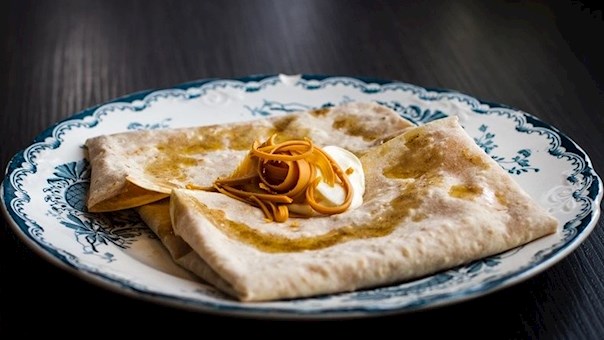
Blood pancakes are enjoyed throughout Sweden, Finland, and Norway. They are prepared with a regular pancake batter that is elevated with the addition of animal blood. Whether they are formed as thinner, crêpe-like pancakes or as smaller, chewier types, the pancakes will always develop a typical dark-brown hue. They are often enriched with onions and spices, and come topped with fresh lingonberries or lingonberry jam. Blood pancakes are sold as a ready-made product across Finland and Sweden.

02

Skedvi Bröd

3 ·

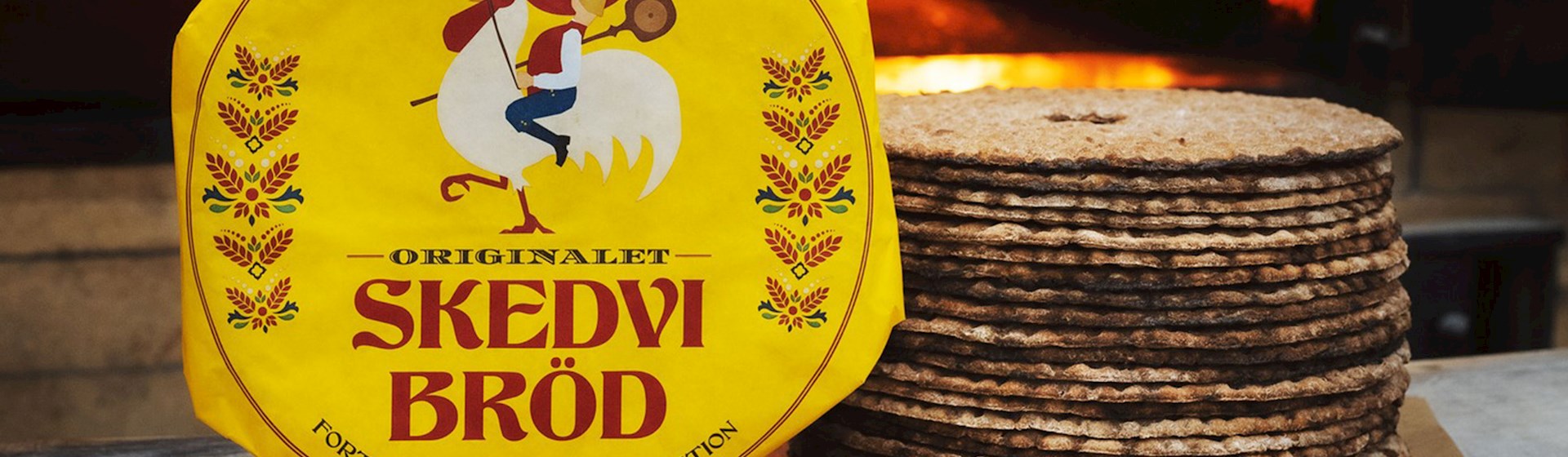
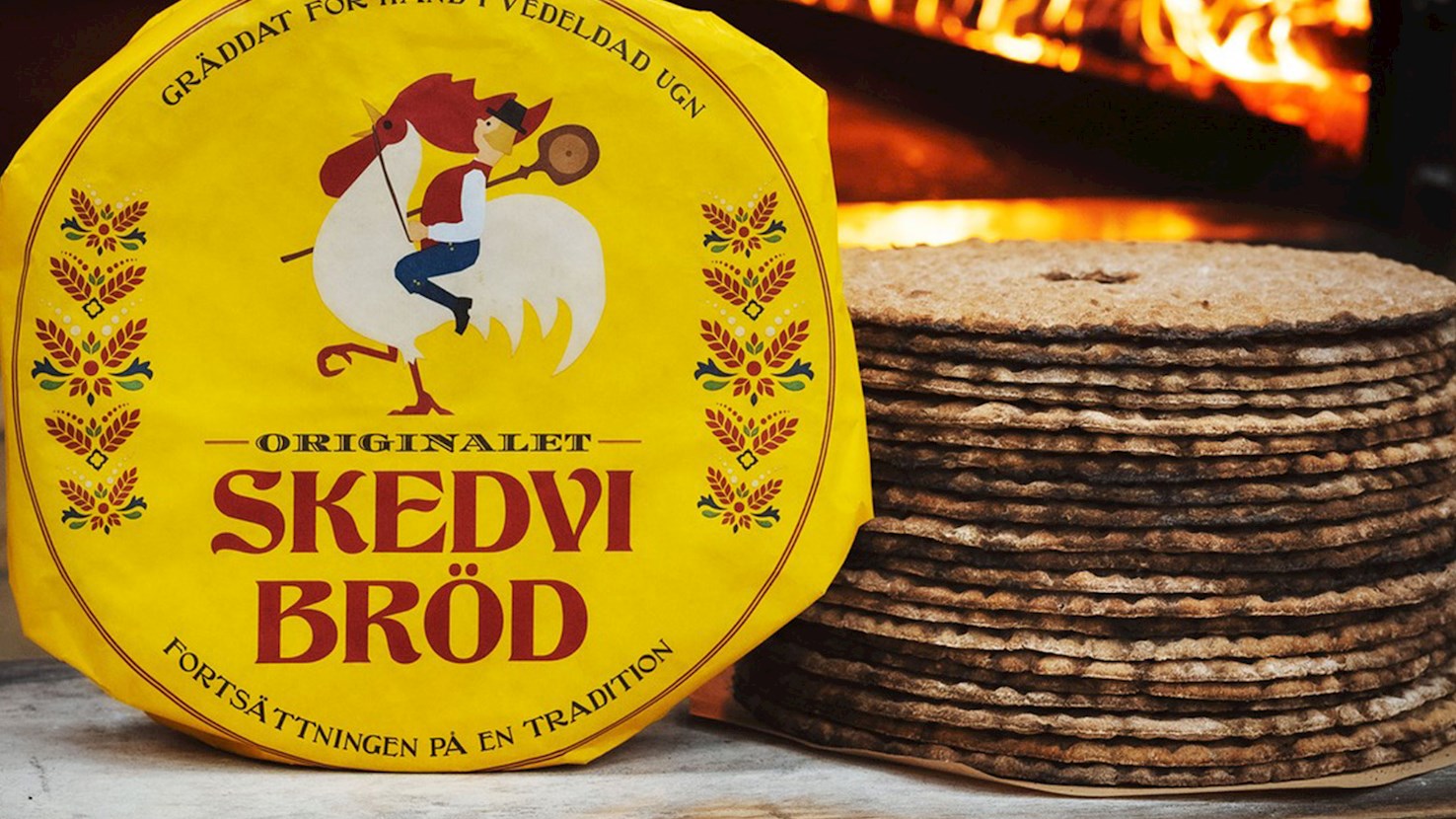
Skedvi Bröd is a traditional Swedish crispbread, known for its distinctive taste and texture. Originating from the region of Dalarna in Sweden, this crispbread is made from simple ingredients, primarily whole grain rye flour. The dough is typically rolled out thinly and then baked on a griddle, resulting in flat, hard bread with a distinctive crispiness. The process of making Skedvi Bröd often involves using a special rolling pin with deep grooves, which creates a unique pattern on the bread. This pattern not only gives skedvi bröd its characteristic appearance but also helps in cooking it evenly. The bread is usually circular and can vary in size. Skedvi bröd is often enjoyed as part of a traditional Swedish meal or snack. It can be eaten plain, or topped with various spreads, cheese, or cold cuts. Its crunchy texture and wholesome rye flavor make it a popular choice for those looking for a hearty, rustic bread option.

03

Prinskorv

3.2 ·

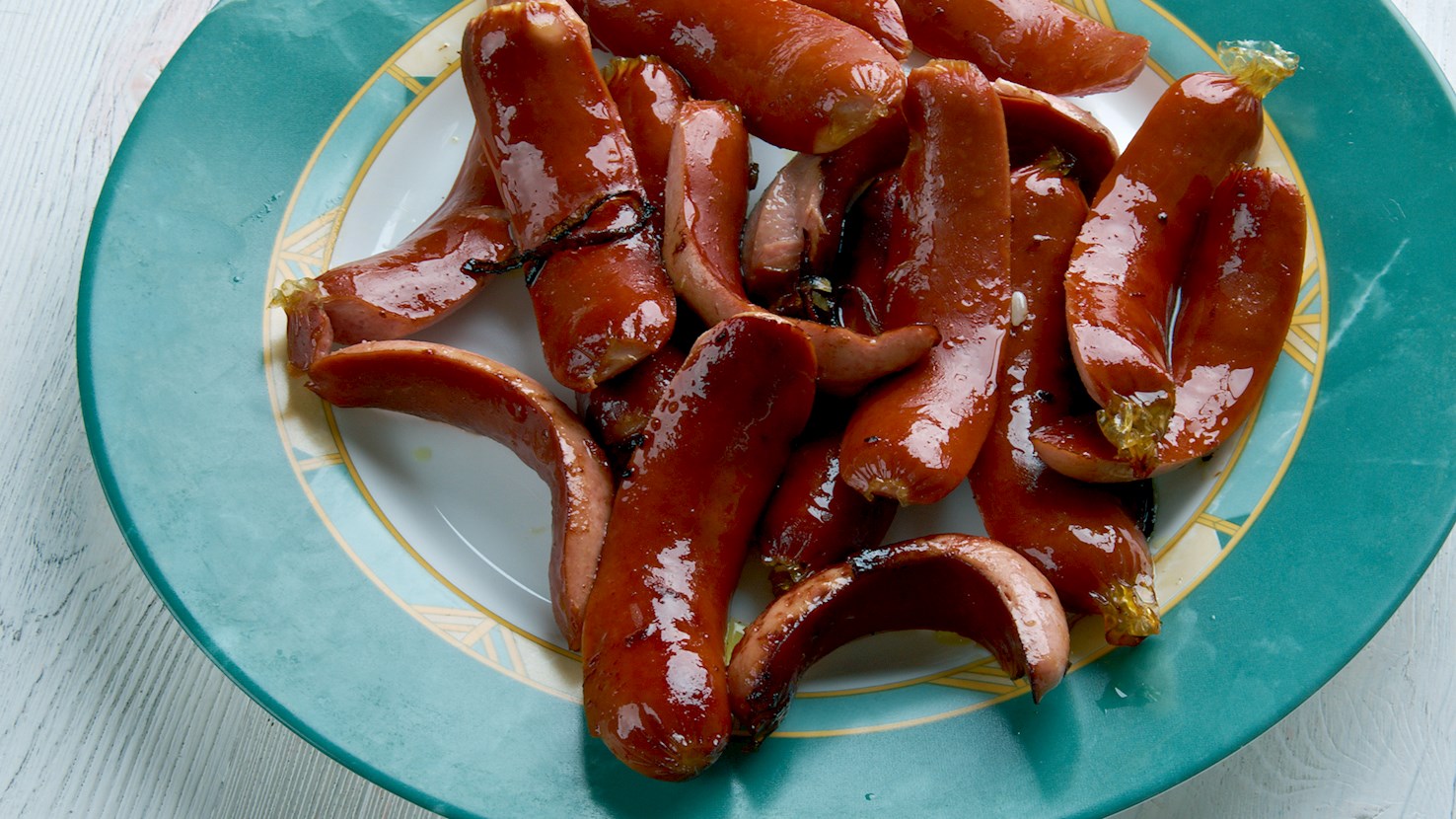
This Swedish sausage was invented in 1805 by a Viennese butcher, Georg Lahner. Prinskorv is made with spiced pork and veal and it is mainly enjoyed as a snack, fried and served with mustard on the side. It is also a popular element of julbord, the traditional Swedish Christmas buffet-style table. In southern Sweden, during the midsummer party, it is enjoyed alongside Janssons frestelse, a Swedish casserole consisting of potatoes, onions, pickled sprats, and cream. Prinskorv, literally translated as prince sausage, got its name after specific cuts at each end, which resemble small crowns.

04

Klappgröt

3.2 ·

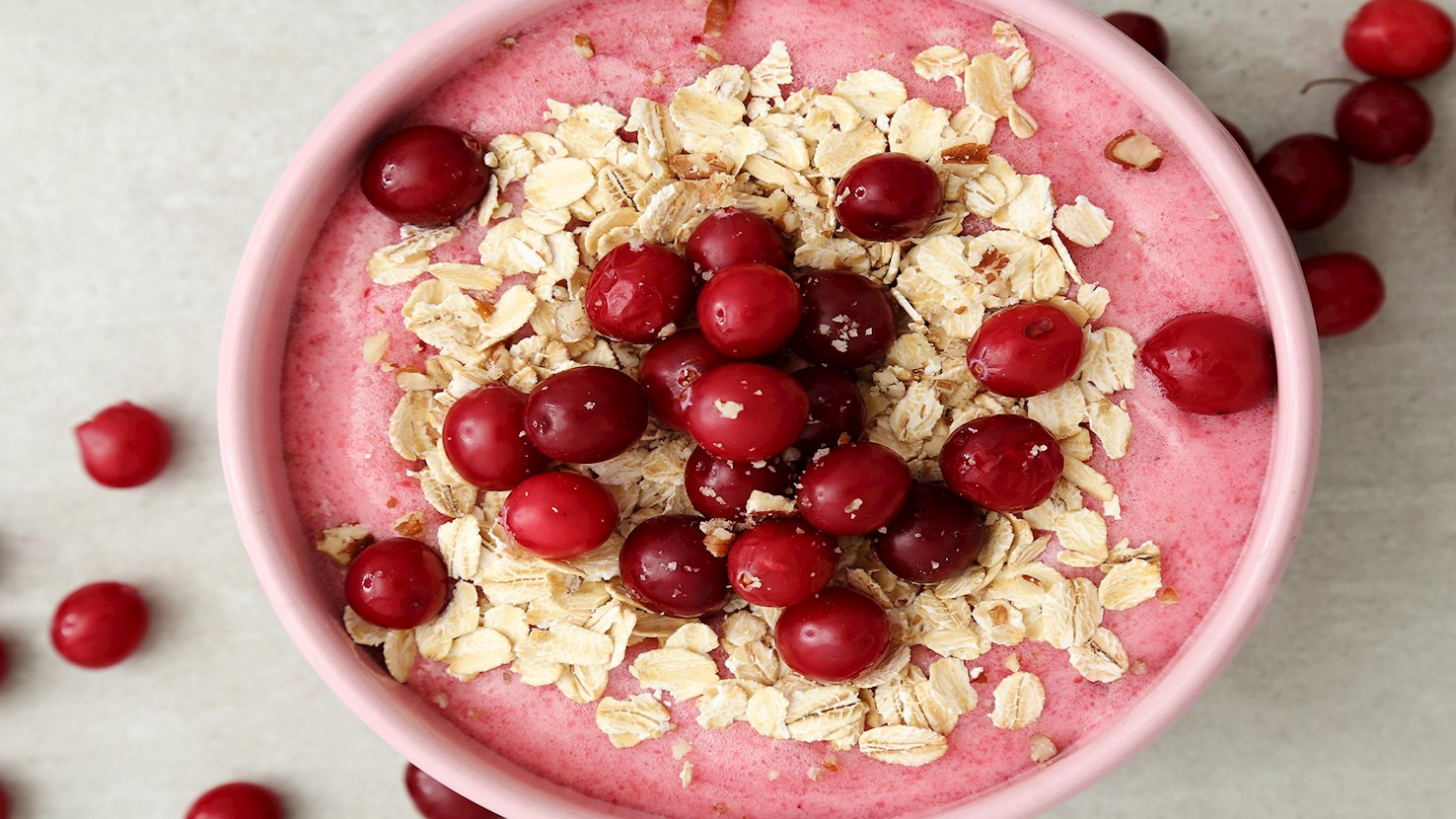
Vispipuuro, russedessert, klappgröt, debesmanna, or mannavaht are different names for a creamy Baltic semolina porridge that is prepared with fresh fruit such as tart lingonberries, cranberries, or red currants. When cooked, the thick porridge is whipped until it transforms into a unique treat with a frothy and light consistency. It is traditionally topped with cream or milk and garnished with fresh fruit. Found across Finland, Estonia, Sweden, Norway and Latvia, this dish is usually enjoyed as a sweet breakfast, a light midday snack, or a refreshing dessert.

05

Mandelkubb

3.2 ·

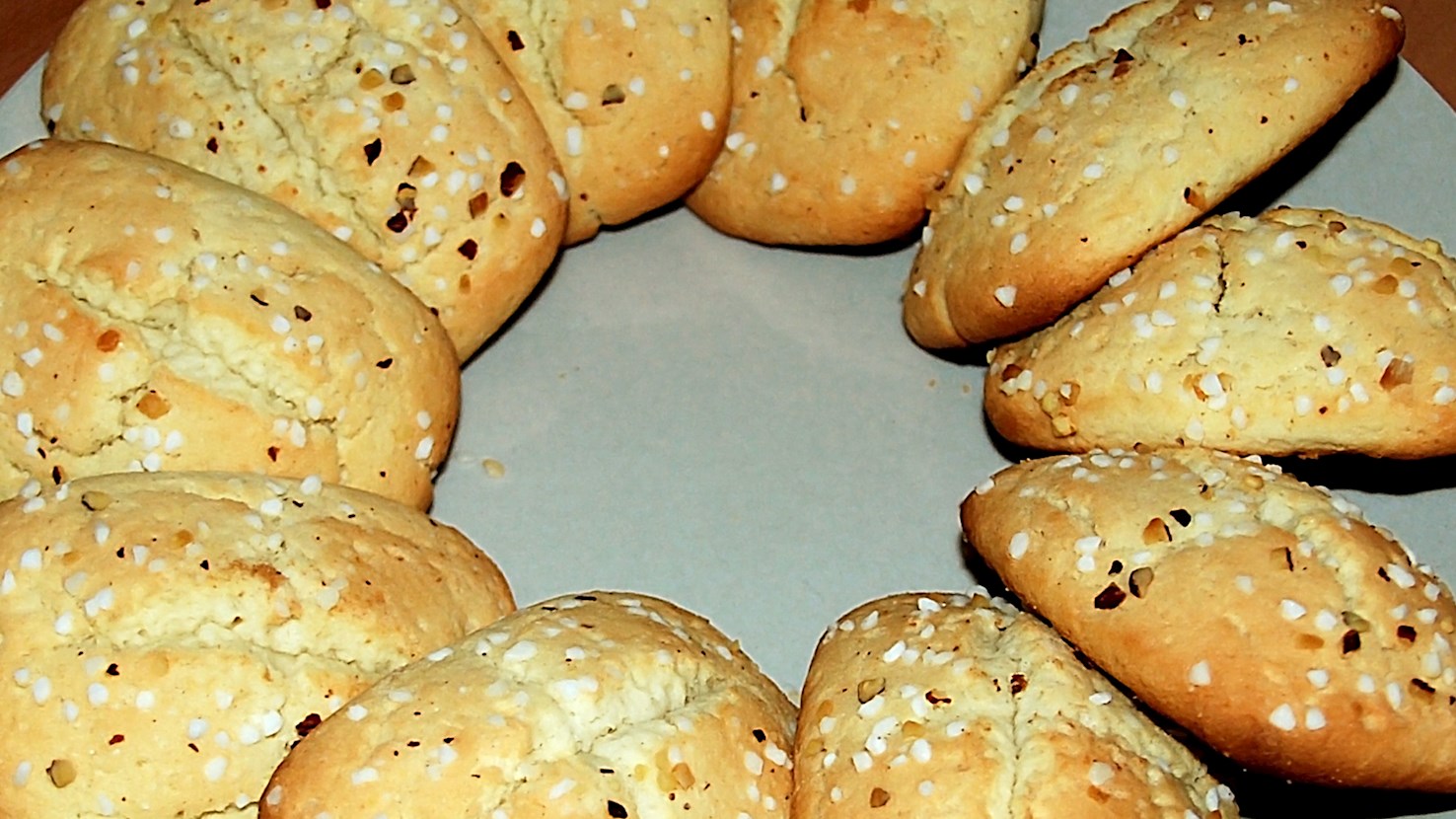
Mandelkubb is a traditional pastry characterized by its bittersweet flavor. It is best described as an almond bun. Its name and its distinct flavor are both derived from the main ingredient – bitter almonds. These are crushed and mixed with flour, sugar, eggs, and leavening agents. Some versions of mandelkubb replace the almonds with almond oil and include sour cream or milk. The buns are always sprinkled with pearl sugar before baking. They are very easy to make and almost every bakery and coffeehouse in Sweden sells them. Mandelkubbar are usually eaten fresh with a glass of cold milk or a cup of hot coffee on the side.

06

Smultring

3.3 ·

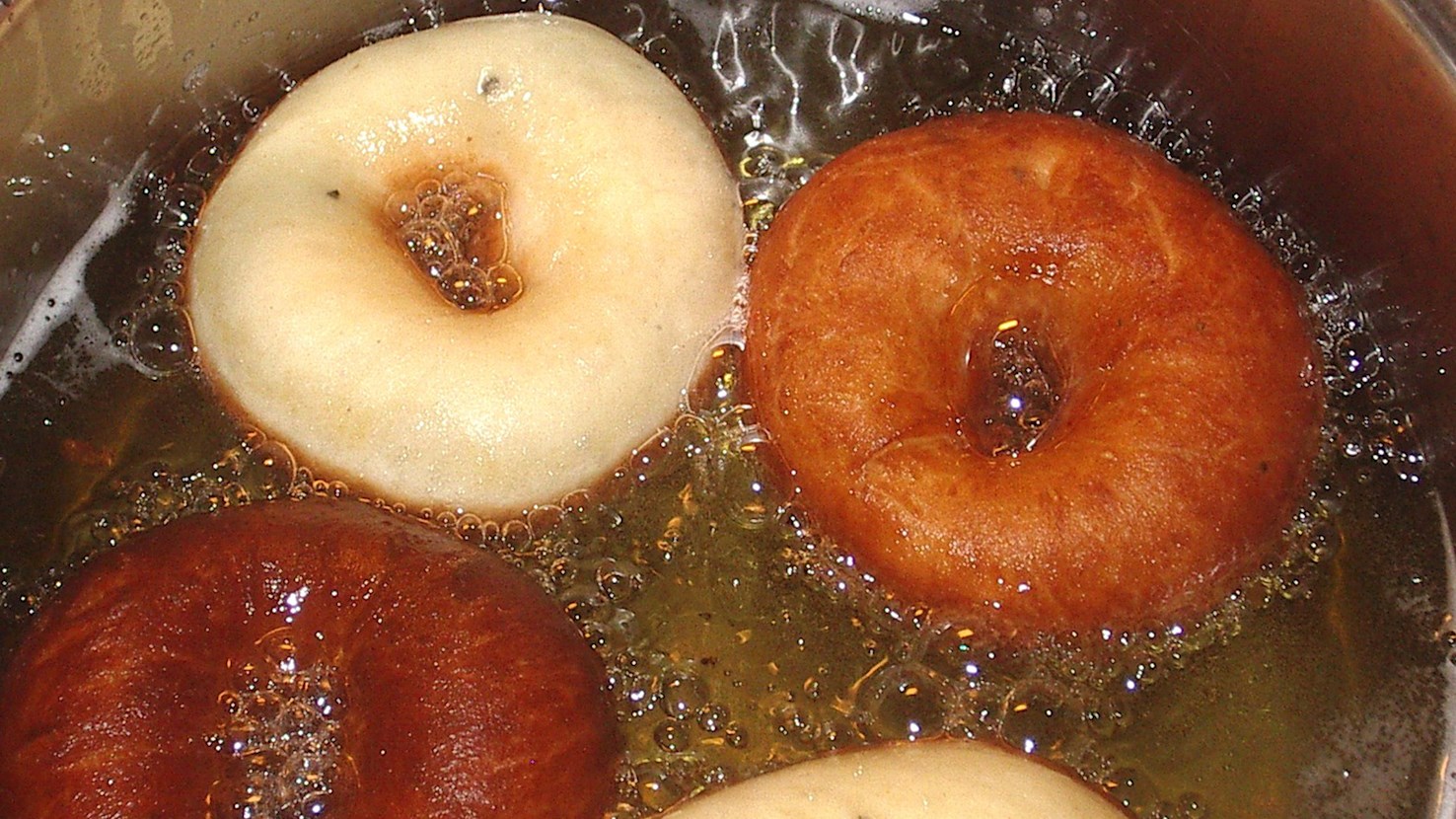
Traditionally associated with Christmastime, these popular Norwegian doughnuts called smultring are prepared with a dense dough that is usually spiced with cardamom, cinnamon, lemon or orange zest, as well as various liqueurs. They are typically small in size, ring-shaped, and fried in lard. Although they were traditionally enjoyed plain, today these crispy treats are often glazed or dusted with cinnamon and powdered sugar, and are mainly sold at various mobile stands throughout the country. The variety known as hjortetakk (deer antlers) is different in shape only - two notches are made along the edges of the dough before frying in order to visually represent the antlers.

07

Flæskeæggekage

3.3 ·

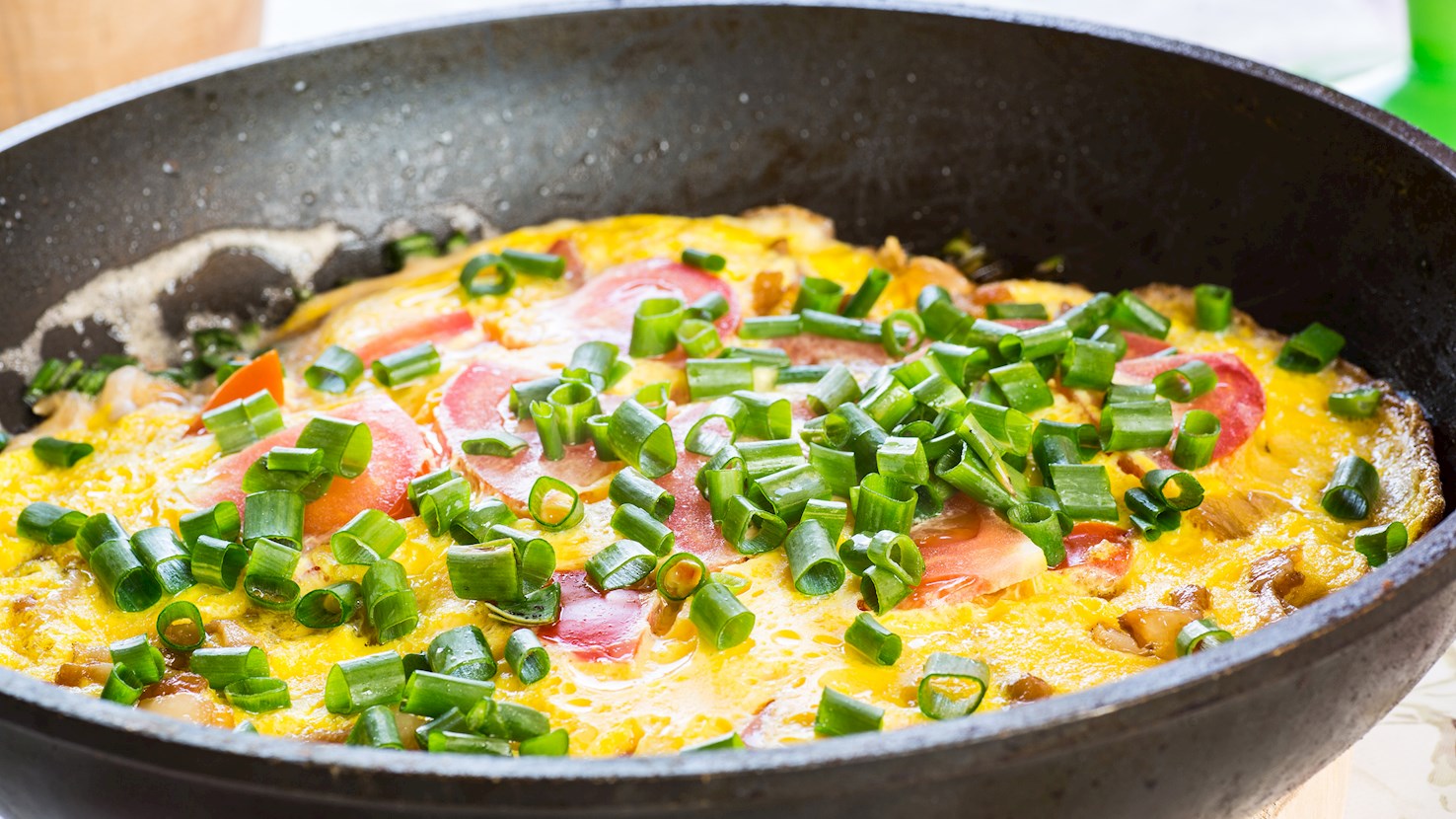
The name of this simple Danish dish is translated as bacon and egg cake. It is prepared stovetop with a thick batter that employs eggs, milk, and flour. When thoroughly cooked, strips of pre-fried bacon are neatly placed on top, and the whole dish is garnished with freshly chopped chives. The dish is both prepared and served in traditional cast iron skillets and can be enjoyed as a filling snack, an appetizer, or a light main course.

08

Knäckebröd

3.4 ·

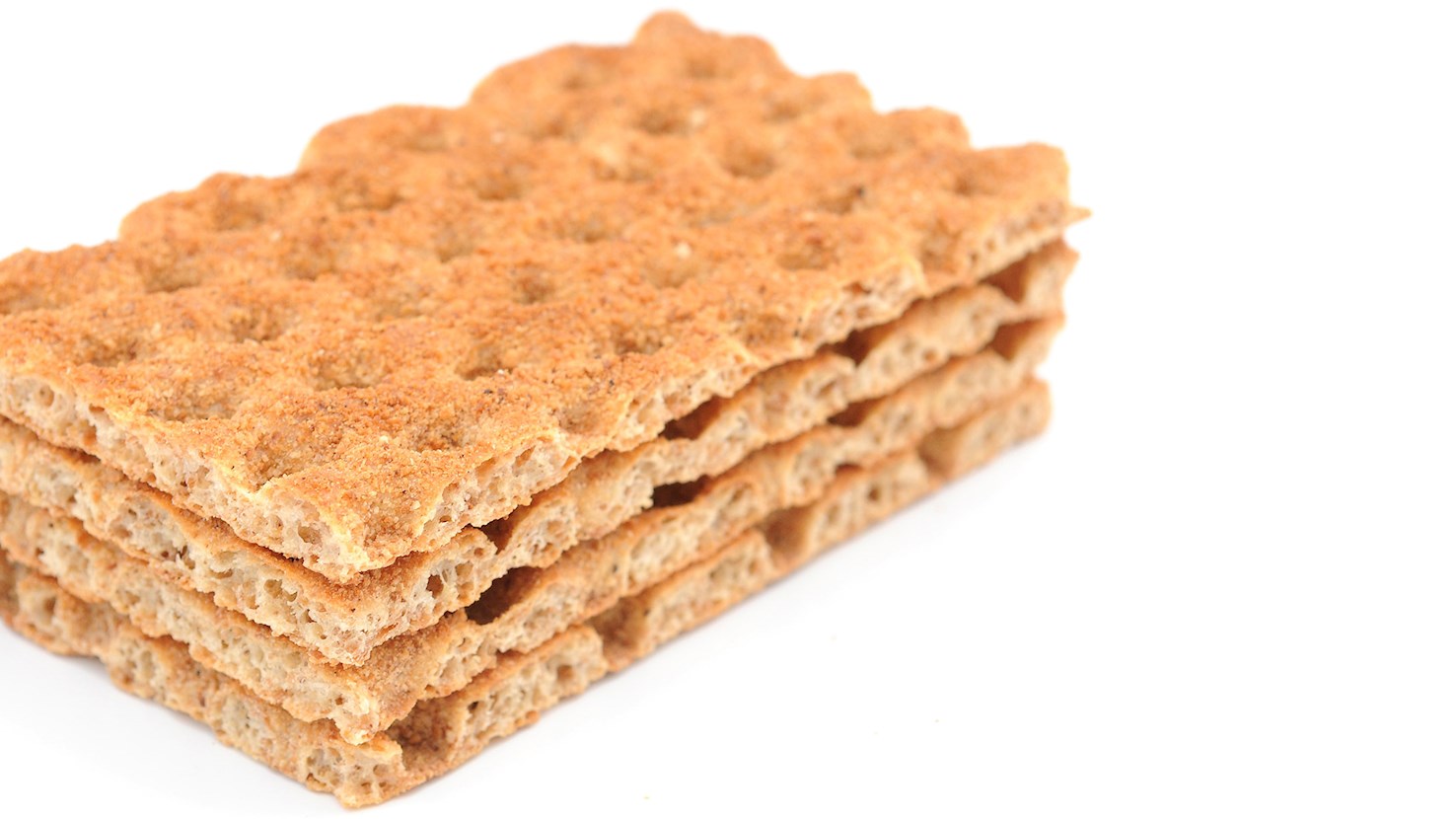
Knäckebröd is the original name of this famous Swedish crispbread. Even though it is regarded as a bread variety, its crunchy texture and thin form have more similarities to crackers. The key ingredient is rye flour, which was the main element in the original version. Today, a variety of seeds such as sesame, sunflower, pumpkin, or flax seeds are used to create different versions of this crispy bread. The tradition of preparing knäckebröd in Sweden appeared in a time of hardship, approximately 500 years ago, when bread was considered a rare and luxurious food item. This way of preparation, which uses a small percentage of water, allows the bread to stay crispy and fresh for a longer period of time. Today, most of these crackers are factory-produced, but easy preparation and convenient storing make it a standard homemade option. Light, easy to crack and to handle, it is a perfect accompaniment that is served alongside a variety of appetizers, dips, sauces, cold meat cuts, smoked salmon, cheese, and fruit spreads. In Sweden, it is a staple breakfast ingredient that is also commonly consumed as a snack or a light dinner.

09

Kringle

3.7 ·

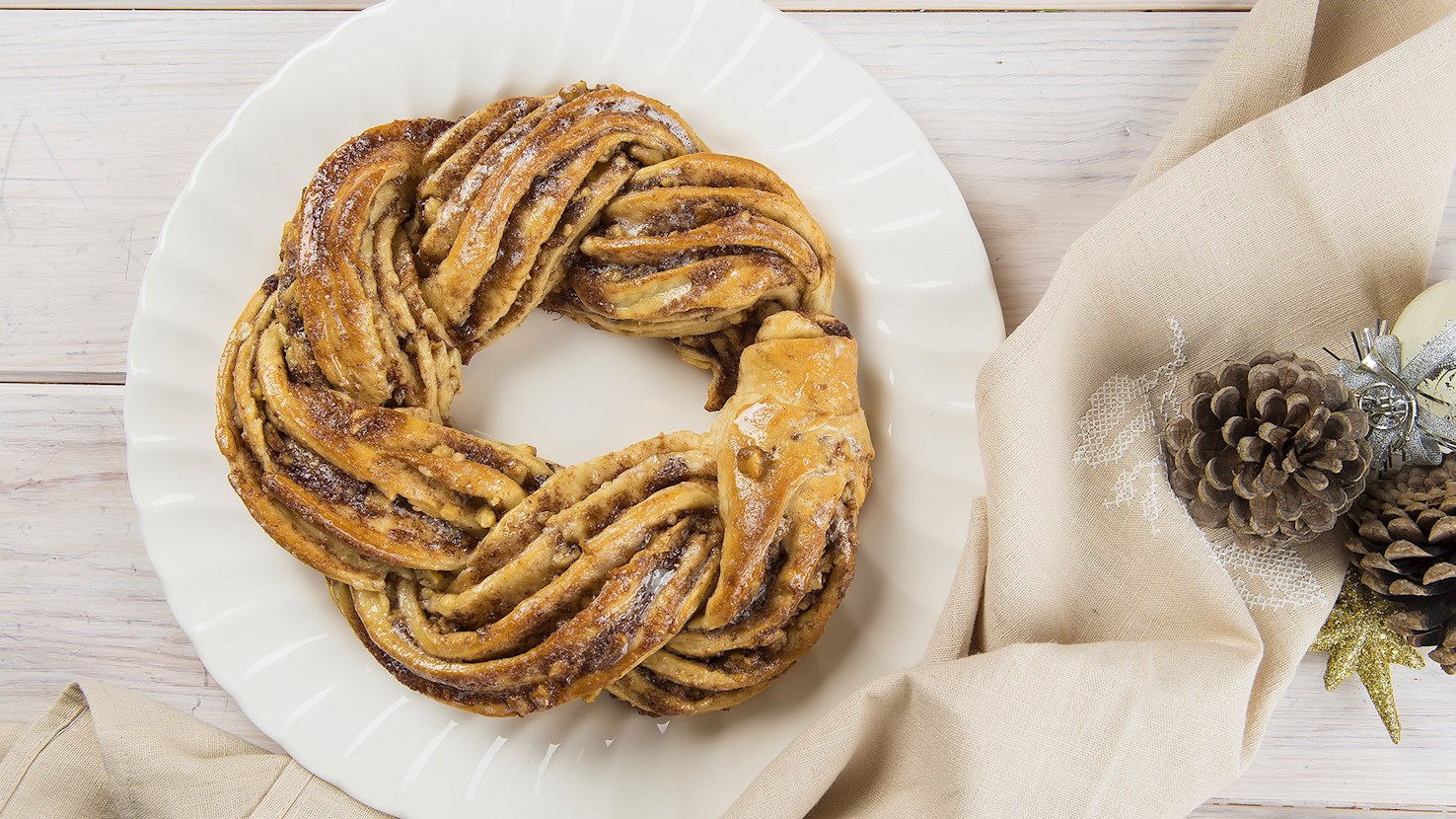
Originally a creation of Roman-Catholic monks, and now popular internationally, kringle is a delicious flaky pastry, usually shaped as a pretzel and filled with various ingredients. It was primarily introduced in Denmark, under the influence of Austrian bakers, and later it spread throughout Nordic countries and eventually to the United States, where it gained great success. Each region has created its distinct varieties, using local and seasonally available ingredients. In Denmark, kringle is usually made with either puff pastry or yeasted dough, filled with sweet concoctions that include butter and sugar, marzipan, and raisins. In the 19th century, Danish bakers introduced the tradition of preparing kringle to the United States, specifically Racine Wisconsin, where the pastry was slightly adapted to the now-famous oval shape. Kringle in Racine is always made with traditional Danish laminated dough, in which the pastry layers are generously spread with butter and filled with the lavish combination of fruits, nuts, or cream cheese. Both American and European kringle can be found in bakeries and grocery shops, but while the luscious American creations are usually enjoyed as desserts, the Danish prefer to eat their traditional pastry as an afternoon snack or a perfect accompaniment to coffee or tea.

Best restaurants
10

Skillingsboller

3.9 ·

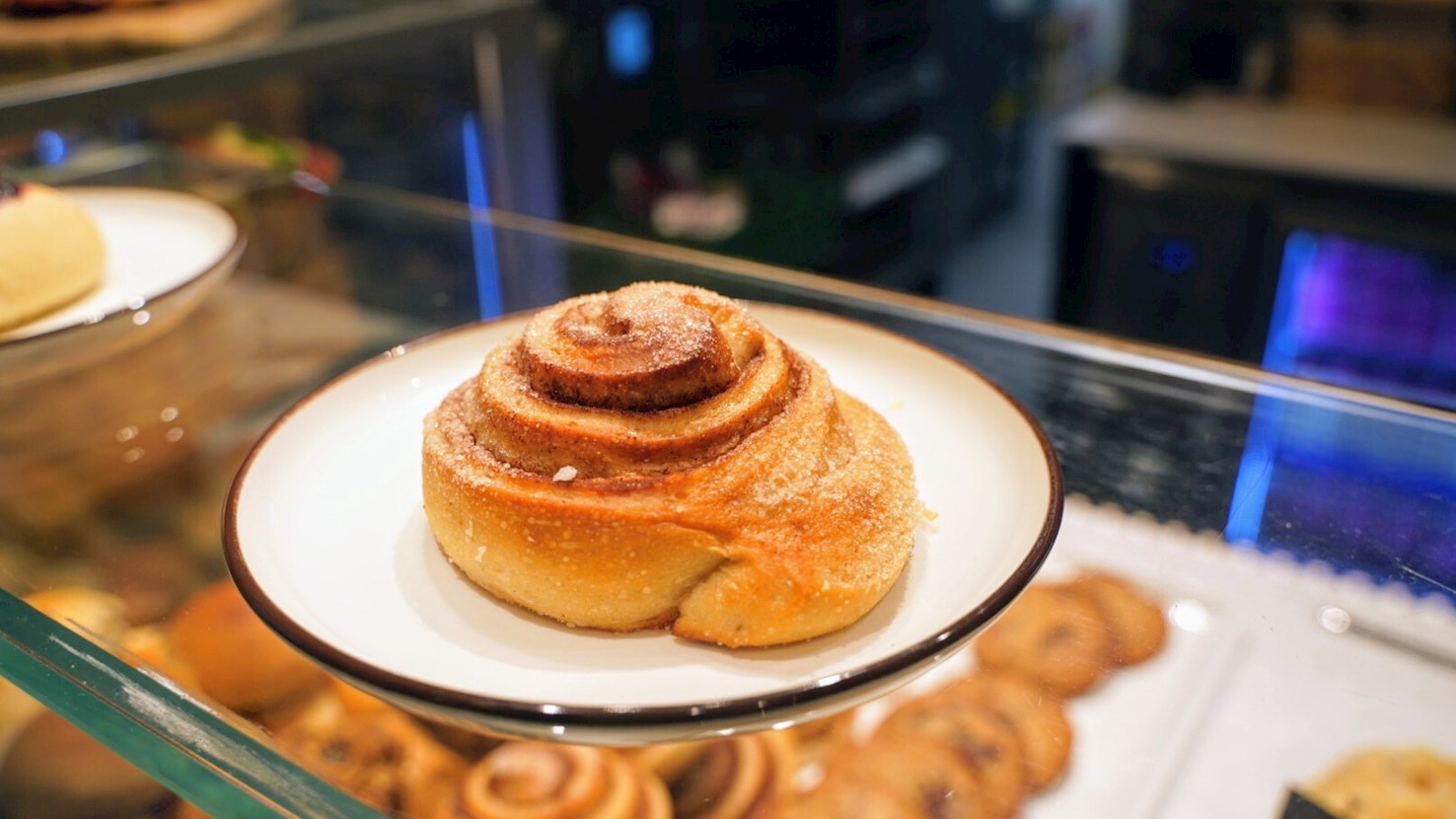
Skillingsboller is a traditional version of a cinnamon roll. This circular pastry is usually associated with Bergen. The rolls are made with a combination of flour, milk, yeast, eggs, sugar, cardamom, lots of butter, and chopped almonds (optional). After the baking, skillingsbolle are brushed with additional butter on the top and the bottom while they are still hot. The top is also sprinkled with extra sugar and cinnamon. The name skillingsboller means penny bun. They're usually eaten as an afternoon snack with a cup of coffee on the side, but some people like to eat them with brown cheese (Brunost).

Best restaurants
11

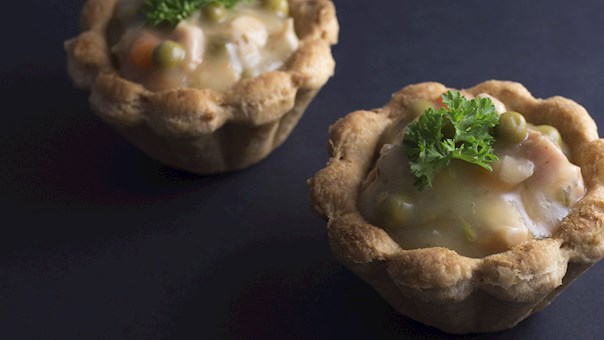
Tarteletter

3.9 ·
Read more
View all
View map
About this ranking

TasteAtlas food rankings are based on the ratings of the TasteAtlas audience, with a series of mechanisms that recognize real users and that ignore bot, nationalist or local patriotic ratings, and give additional value to the ratings of users that the system recognizes as knowledgeable. For the “12 Worst Rated Scandinavian Snacks” list until May 21, 2026, 564 ratings were recorded, of which 488 were recognized by the system as legitimate. TasteAtlas Rankings should not be seen as the final global conclusion about food. Their purpose is to promote excellent local foods, instill pride in traditional dishes, and arouse curiosity about dishes you haven’t tried.

Similar lists