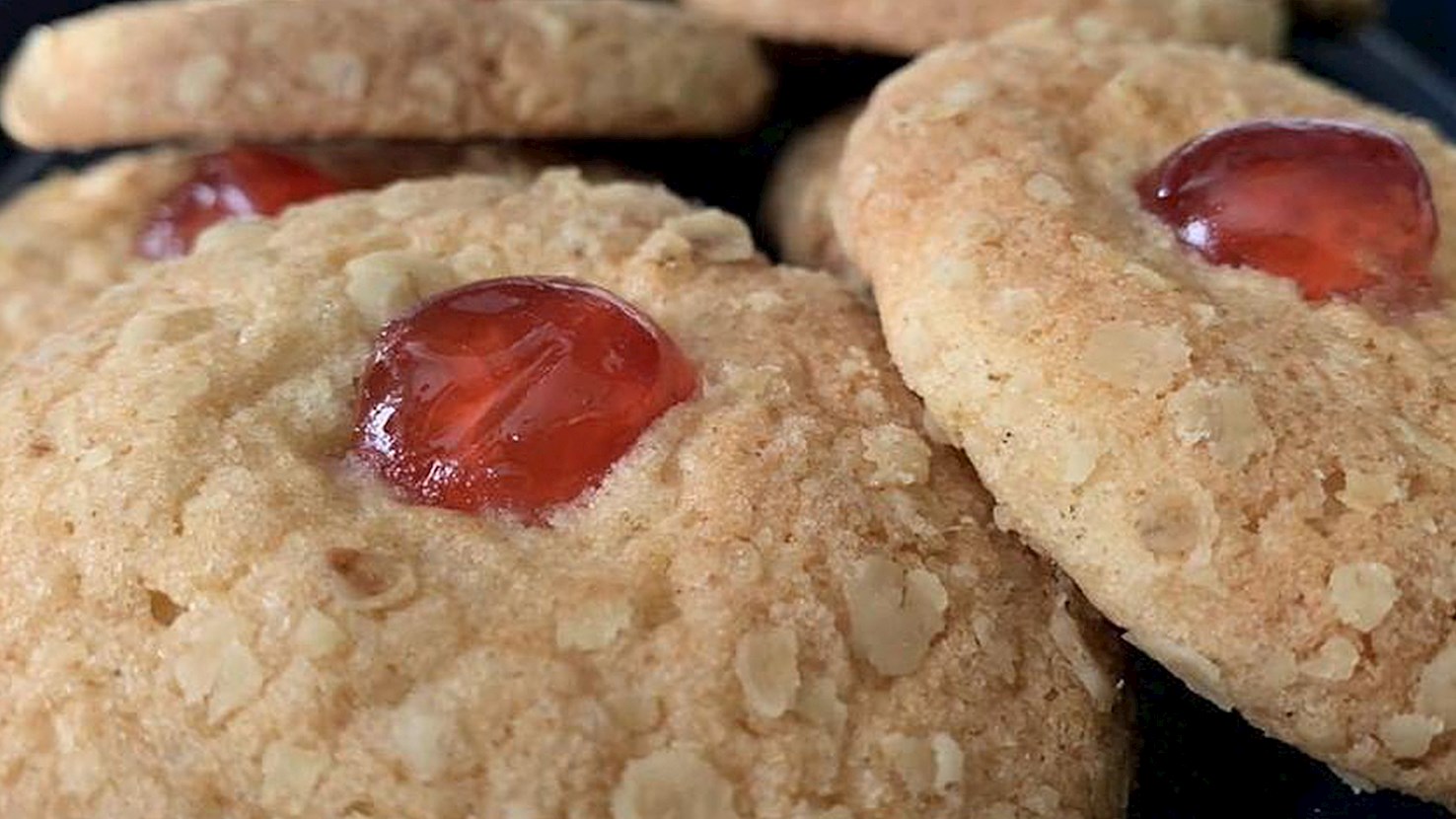
One of Scotland’s teatime staples, melting moments are traditional vanilla-flavored oat biscuits or cookies that are typically made by combining butter, caster sugar, eggs, flour, baking powder, vanilla extract, and oatmeal. The mixture is shaped into small, slightly flattened balls, which are then coated with either rolled oats (which is the traditional way) or desiccated coconut, and garnished with glacé cherries or other candied fruit before they are baked until nicely colored. Apart from being an all-time favorite tea treat, these scrumptious, buttery biscuits are also commonly prepared for parties and are the perfect accompaniment to a glass of milk.
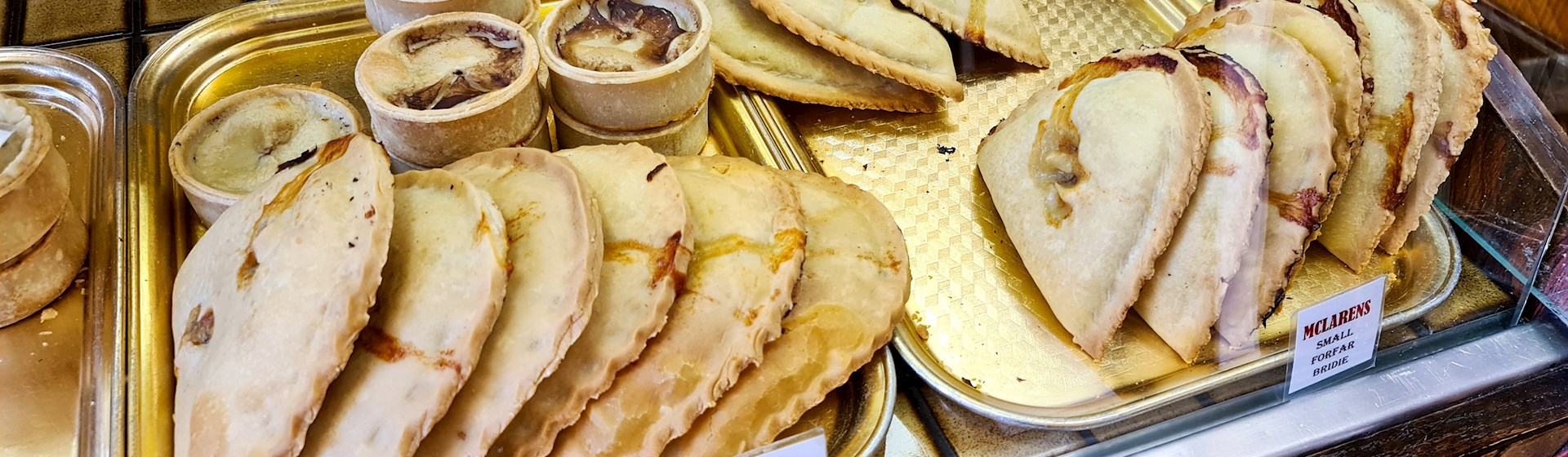
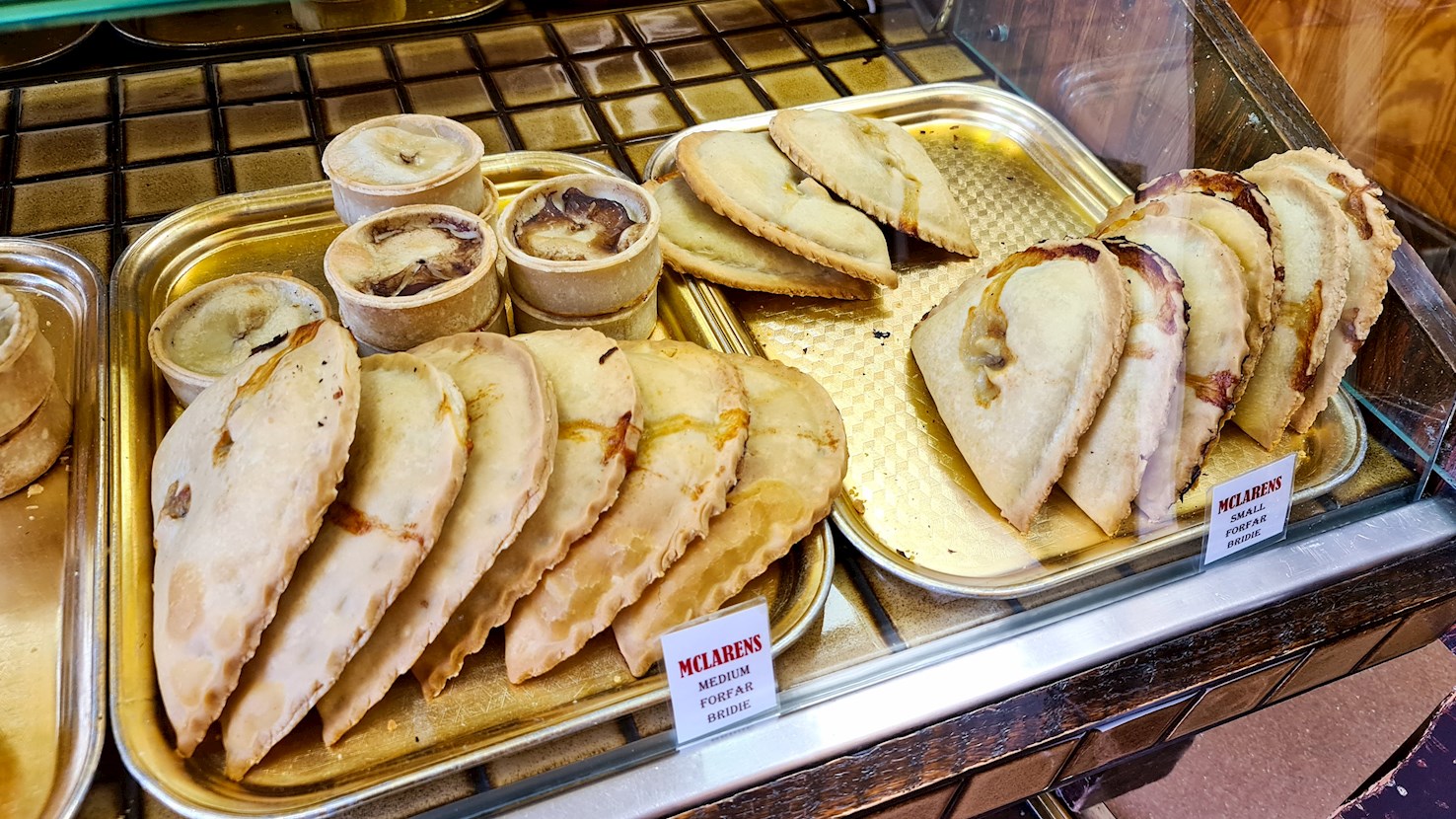
Named after the county town of Angus, where they originated in the 18th century as Scotland's answer to the already famed Cornish pasty, bridies are shortcrust pastry turnovers traditionally filled with chunks or strips of beef that was browned in suet with chopped onions. As the local stories claim, the delicious Forfar bridies took the other part of their name from a certain Margaret Bridie of Glamis who sold them at Forfarshire's weekly market. In 1896, they were mentioned in James Matthew Barrie's novel Sentimental Tommy, which made them popular across Scotland, and over time it has become a tradition to eat bridies for lunch on Saturdays.
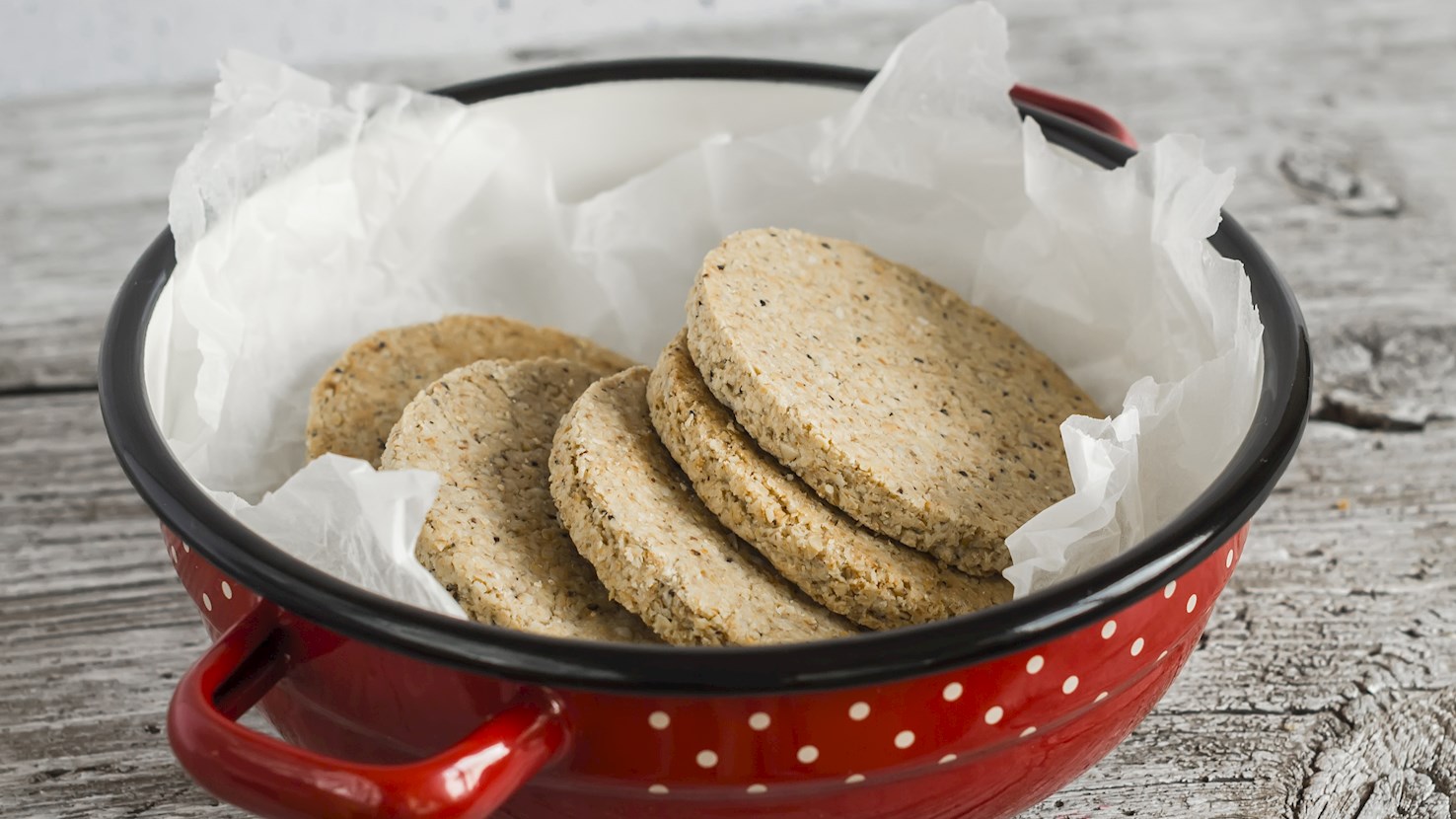
Scottish oatcakes are traditional flat cakes made from oats, similar to a biscuit, cracker, or flatbread. Although there are many versions of oatcakes - chewy or hard, rough or fine - they're usually made with a combination of rolled oats, oatmeal, butter (or bacon fat), salt, and hot water. The two types of oats are mixed with melted butter and hot water. The dough is kneaded into a ball and then rolled out and cut into rounds. The oatcakes are baked in the oven for about half an hour and then eaten once they have cooled down. They've been made in Scotland since Roman times, but many people believe that the oatcakes were made long before that.
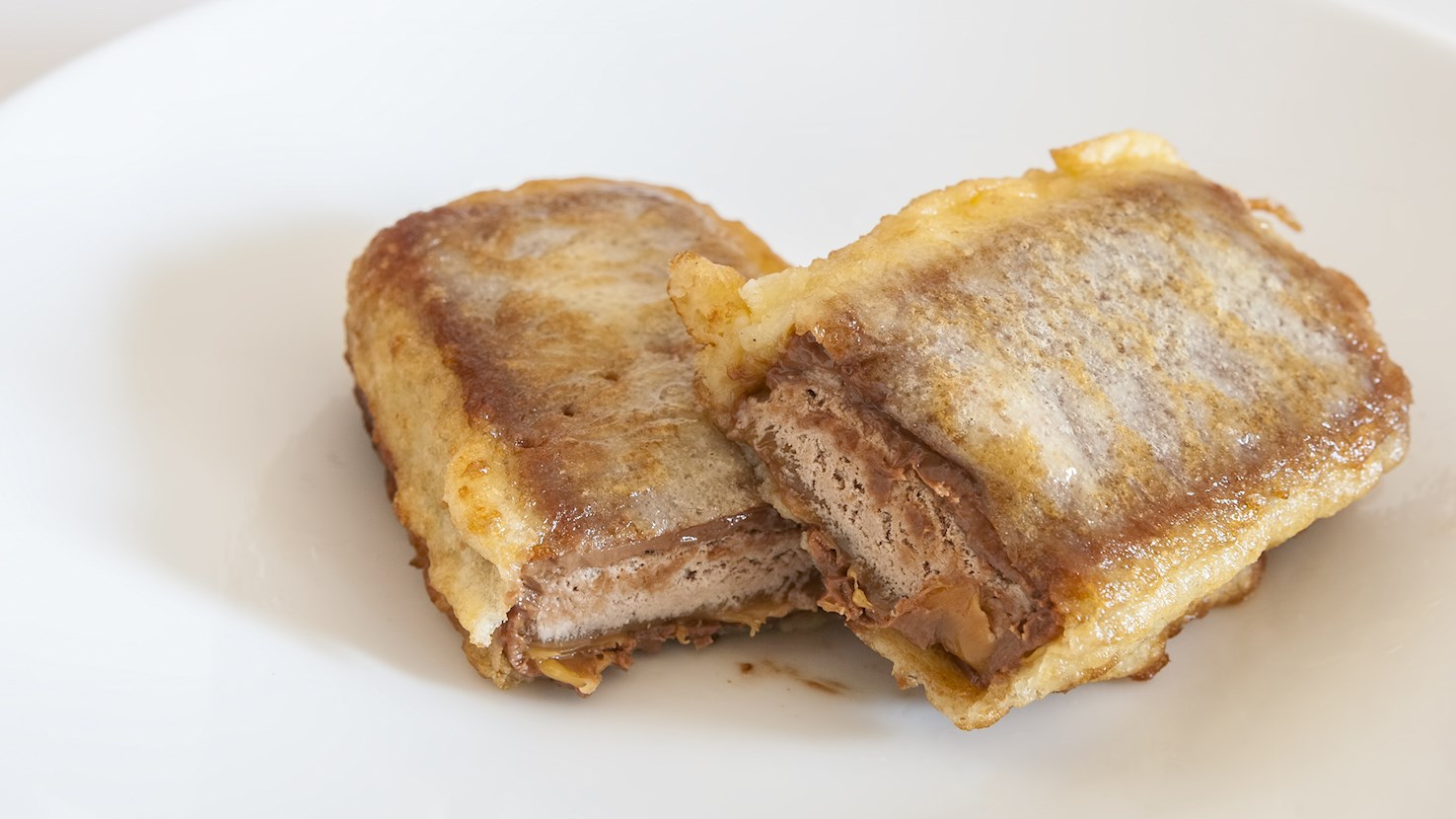
Deep-fried Mars bar is a famous Scottish delicacy and a champion of the jokingly-called Scottish Diet, where the rule is that sugar, fat, and alcohol must each account for at least 30% of a person's daily caloric intake. The unusual snack was invented in 1992 by the employees of the Carron fish bar in Stonehaven, a place where the popular fish and chips are served, and the deep-fried Mars chocolate bar (nougat and caramel coated in milk chocolate) is made in the same oil that the fish and chips were fried in. However, this dessert became a Scottish tradition and was then copied in chip shops all across the country, and it even spread to Canada and Australia. One batter fits all - fish, chips, and the Mars bar. The batter is made by mixing milk, flour, and eggs. A chilled Mars bar is completely coated in batter, lowered into hot oil, then fried until the batter develops a golden brown color. It is a controversial delicacy, with mostly empty calories, high fat, and little nutritional value, but, as it turns out, the bars are delicious to some, as the savory flour mixes with the sugar, the batter elevates the crispy texture, and the salt and caramel meet on the palate, resulting in a delicious contrast of crispiness and chewiness.
TasteAtlas food rankings are based on the ratings of the TasteAtlas audience, with a series of mechanisms that recognize real users and that ignore bot,
nationalist or local patriotic ratings, and give additional value to the ratings of users that the system recognizes as knowledgeable.
TasteAtlas Rankings should not be seen as the final global conclusion about food. Their purpose is to promote excellent local foods,
instill pride in traditional dishes, and arouse curiosity about dishes you haven’t tried.



What People Say