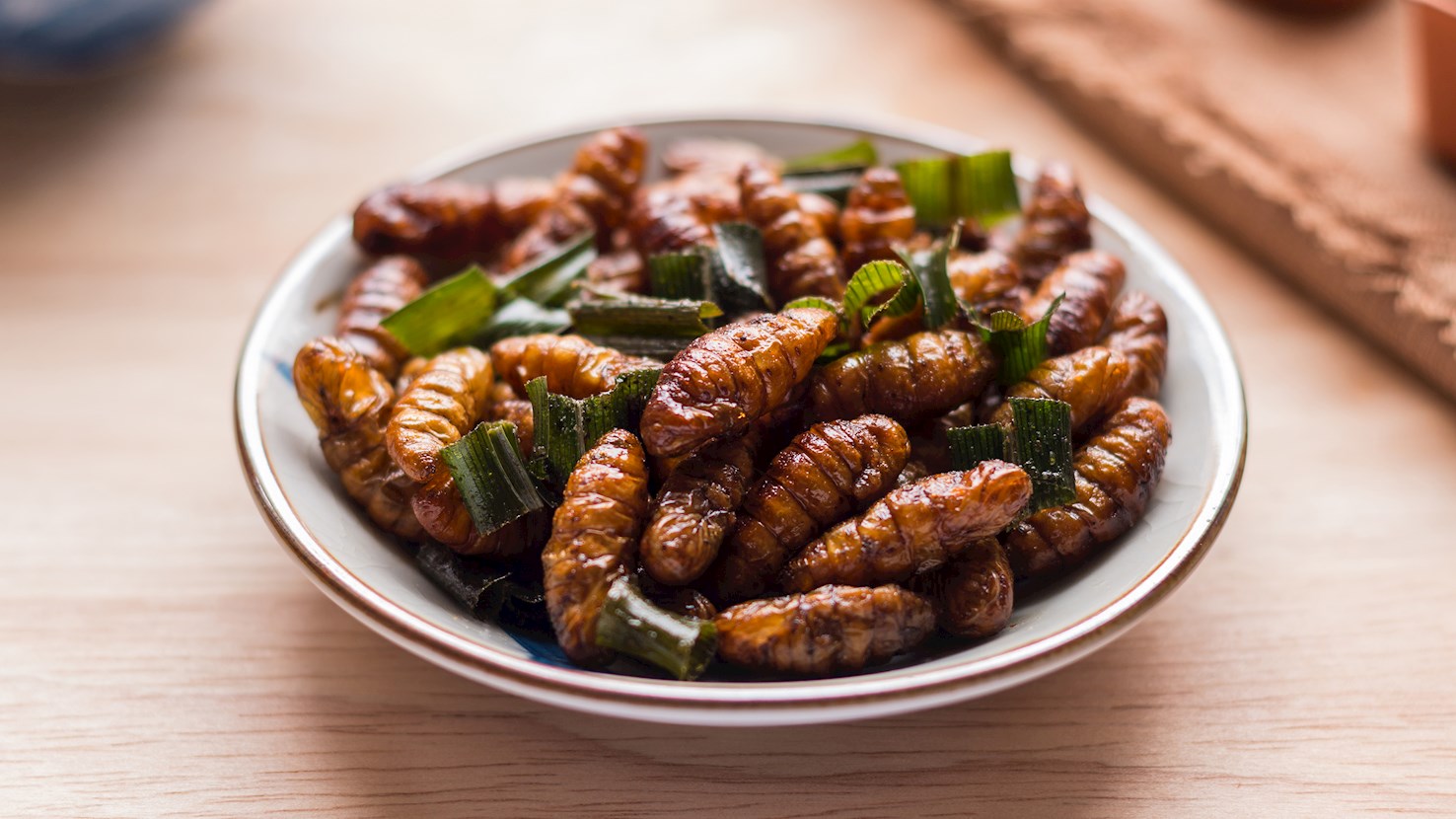
Hon mhai is a traditional insect dish that's especially popular in Bangkok. It's made by deep-frying silk worms, then seasoning them with salt, pepper, and sometimes a secret sauce that's prepared by the vendor, because the snack is usually sold from street carts. Once fried, the silk worms turn crunchy and greasy, while the flavor is sometimes described as slgihtly bitter. Hon mhai silk worms are prized because they're rich in protein and some believe that they have medicinal properties.
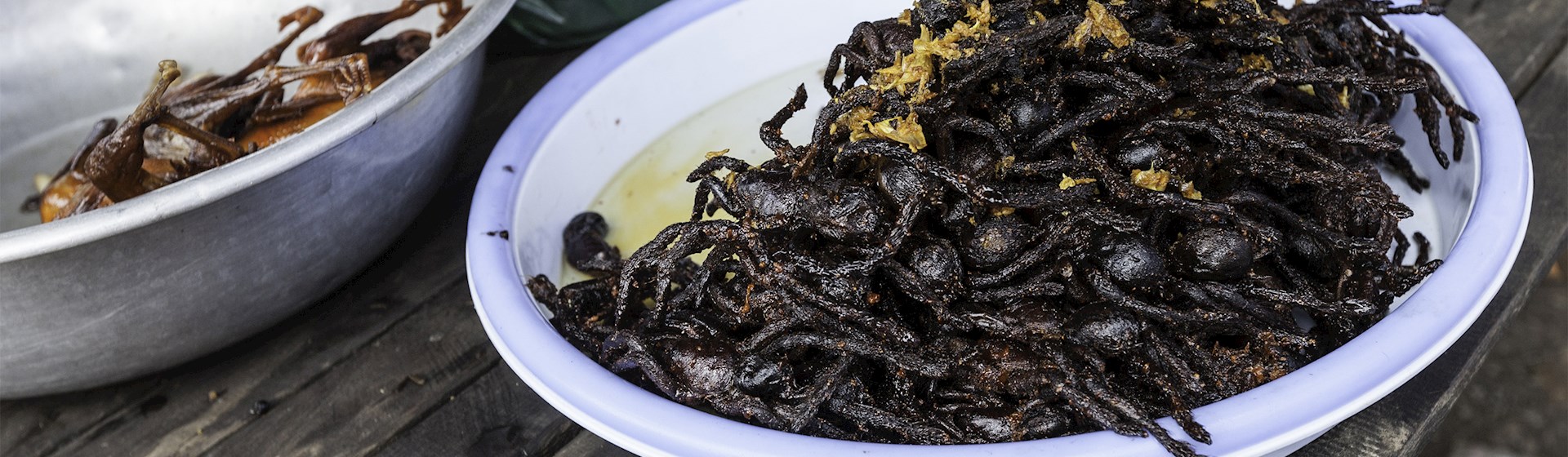
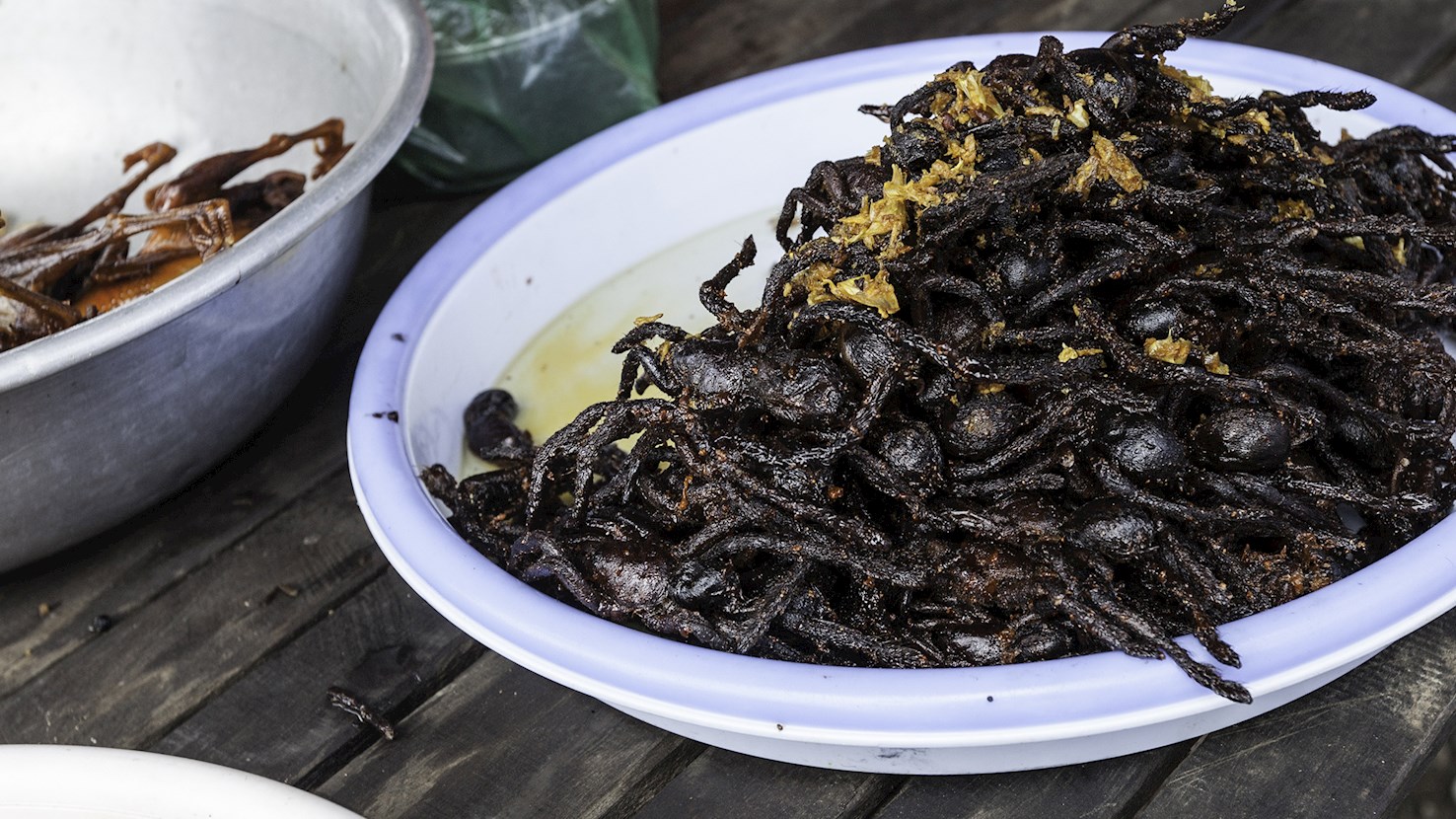
The city of Skuon in Cambodia is so infested with spiders that the nearly-starved locals have adapted and started consuming them in the 1970s, and the practice has continued ever since. It is no wonder that the city is known as Spider Town or Spiderville. The spiders (usually tarantulas) are breaded and deep-fried in hot oil, then served with some fresh local herbs on a bed of rice or noodles. The flavor of these critters has been described as a cross between cod and chicken – at least the hairy legs are supposed to taste so, because consumers are warned not to bite into the abdomen, which contains spiders’ internal organs and bodily fluids.
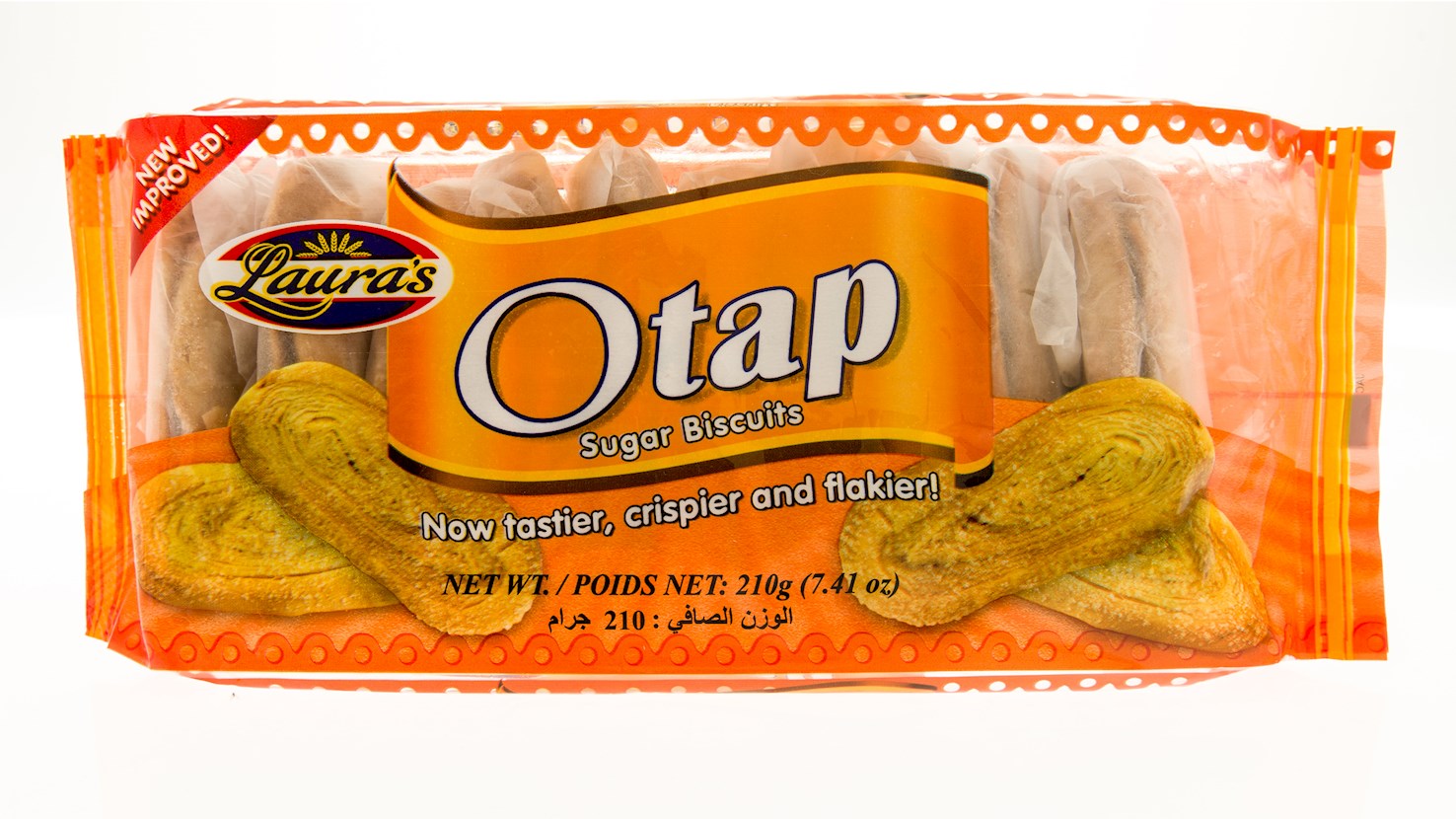
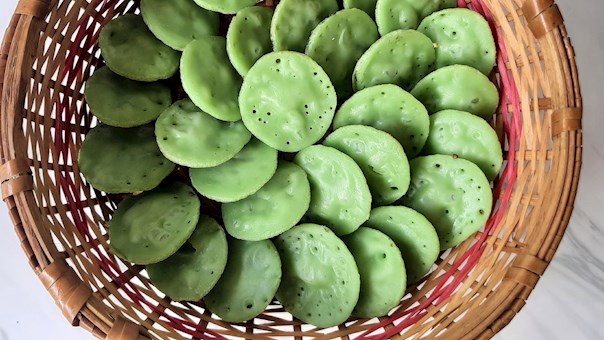
Otap is a sweet, thin, oval-shaped Filipino treat made with puff pastry. These treats are usually small in size, generously sprinkled with sugar, and have an incredibly crispy and crumbly texture. It is believed that otap originated in Cebu, and today it represents a signature product of the entire region. The sugary biscuits are available at numerous local markets and stores and are usually enjoyed as a light dessert or a sweet afternoon snack.
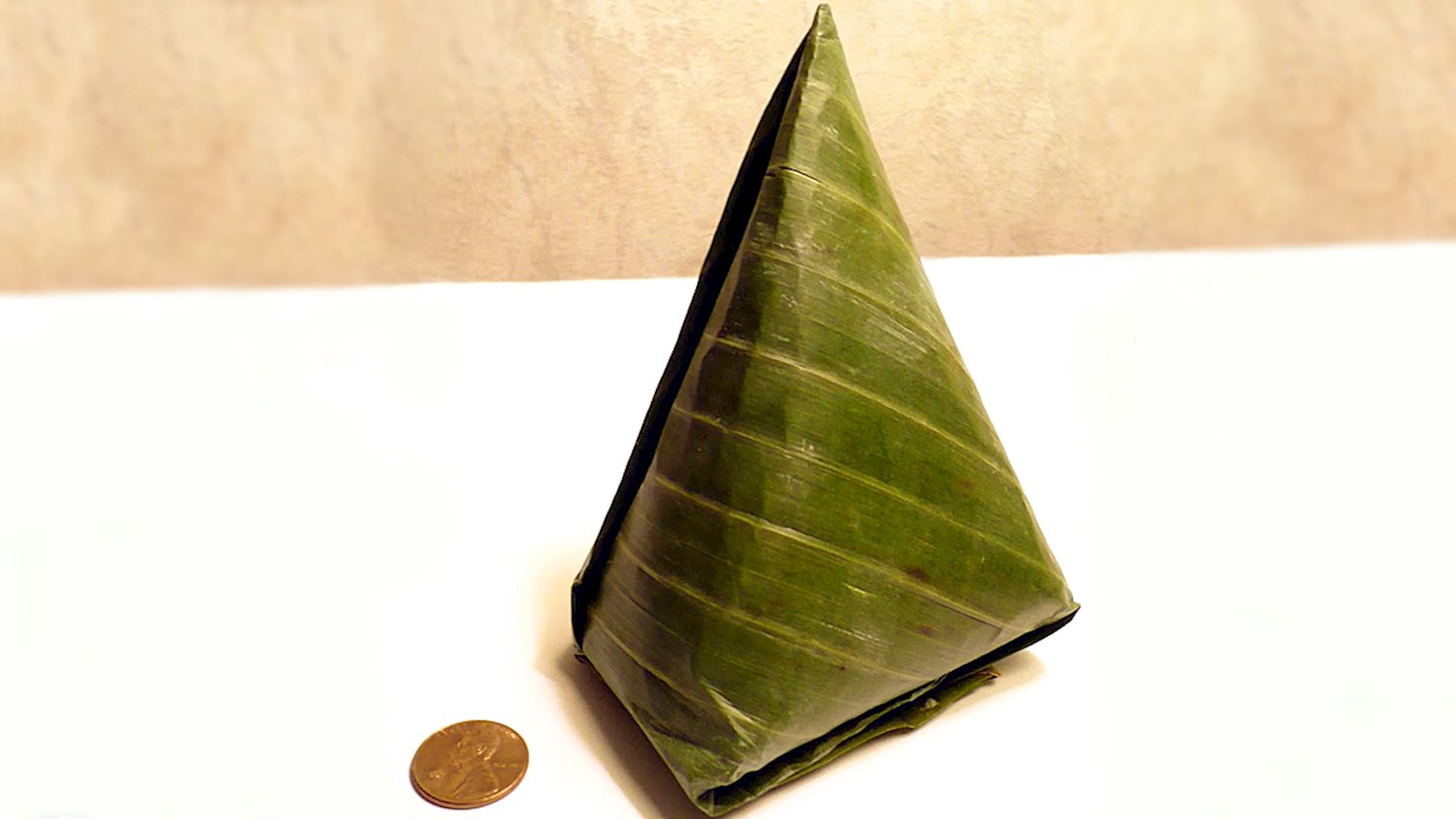
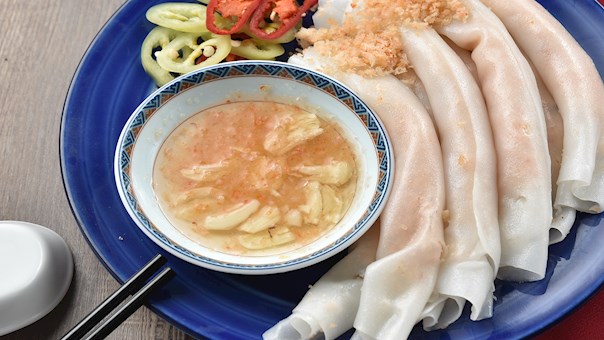
Bánh ít is a traditional dish of steamed sticky rice cakes. The cakes are usually made from glutinous rice flour, while the fillings vary depending on the recipe, but pork, steamed mung beans, and shrimps are some of the most common ingredients for the filling. Once prepared, the rice cakes are wrapped in banana leaves, then steamed until tender. Bánh ít is often served as a snack or appetizer with a dipping sauce on the side that's usually based on vinegar or pineapple.
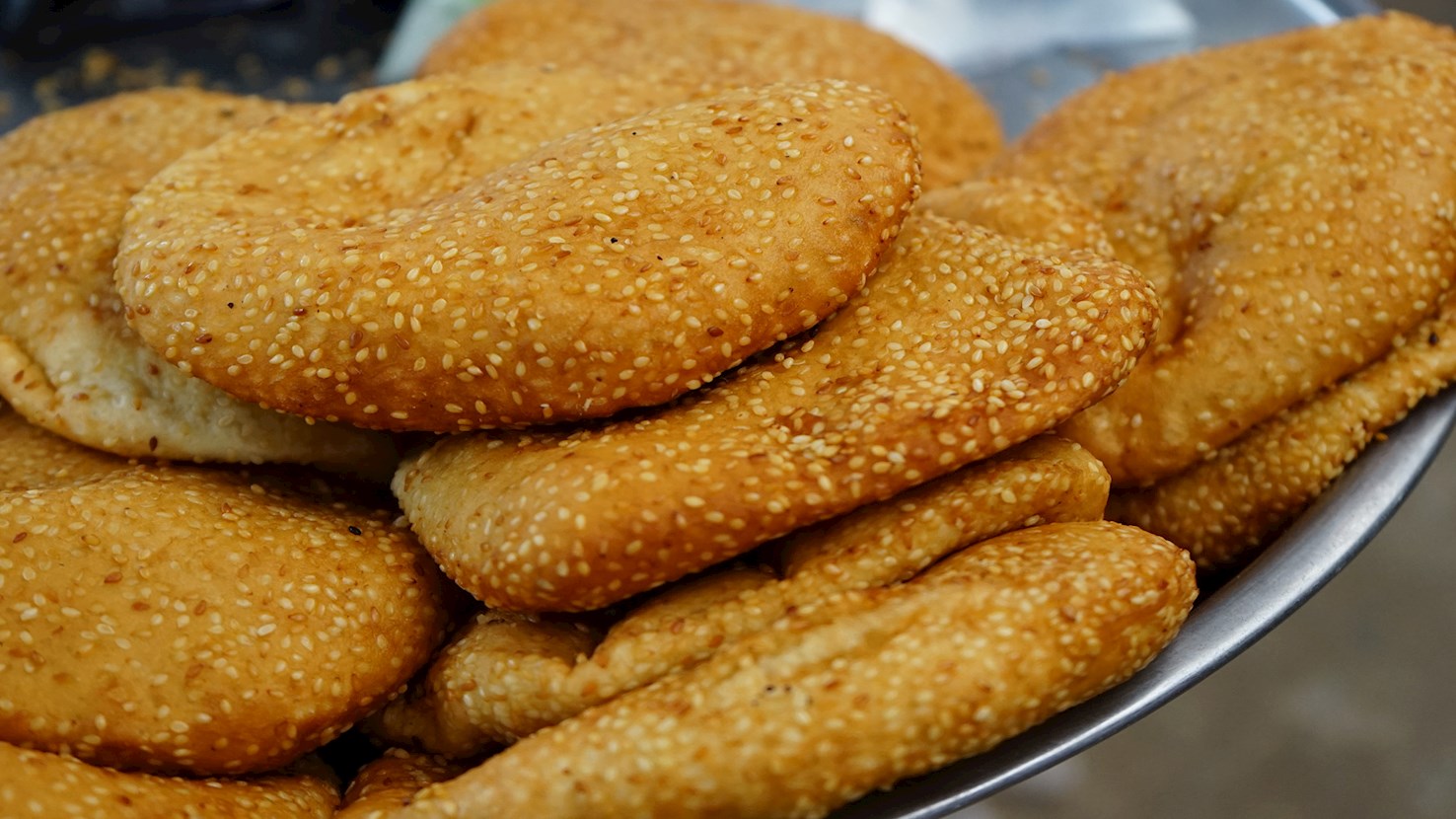
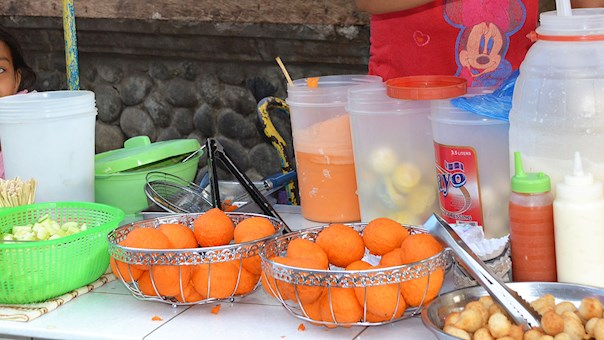
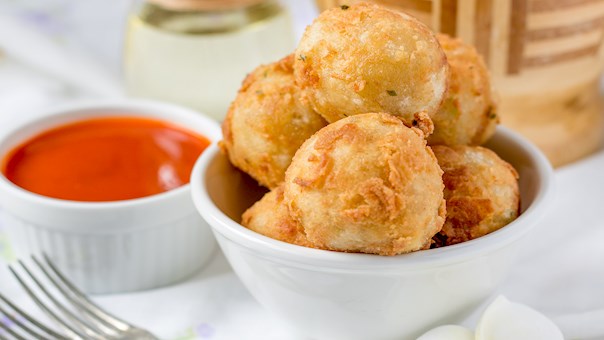
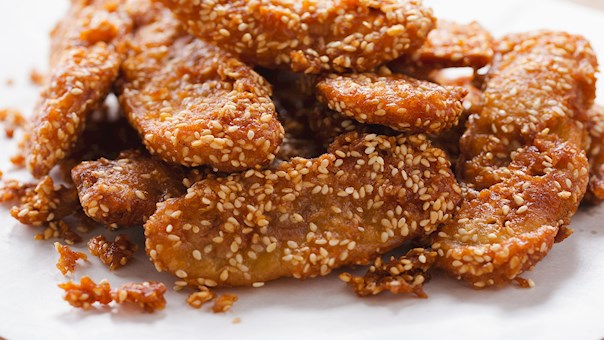
Bánh tiêu are deep-fried and subtly sweet Vietnamese doughnuts. They are prepared with wheat flour and usually come topped with sesame seeds. During the frying process, the doughnuts expand and develop their typical puffed and hollowed appearance. Often compared and associated with Chinese youtiao crullers, it is believed that bánh tiêu have an ancient Chinese origin, but they remain a traditional Vietnamese specialty that is mainly enjoyed as a convenient street food snack. These crispy doughnuts are best served warm and freshly prepared.
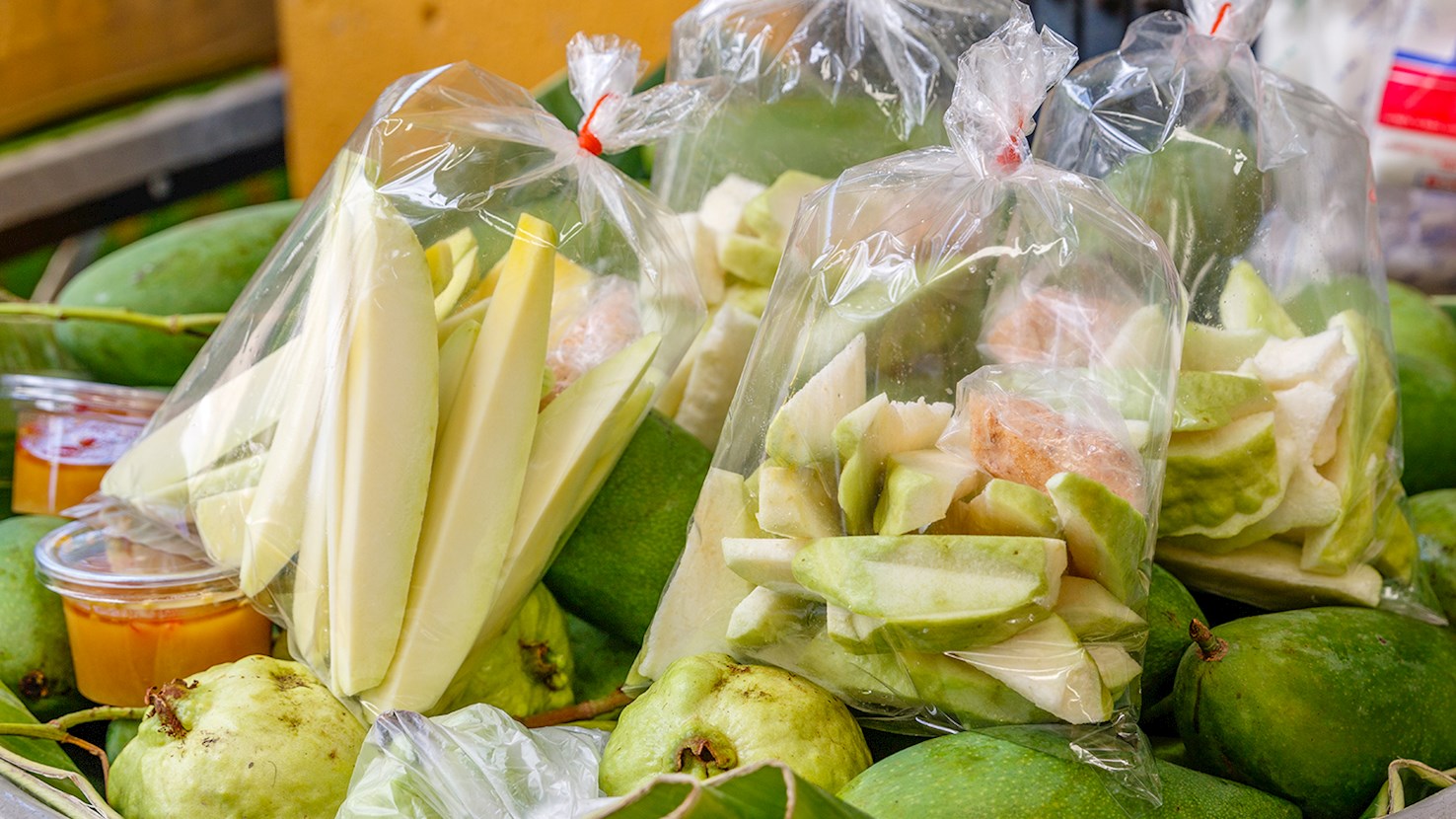
Mamuang nam pla wan is a traditional dish. It consists of unripe green mangos and a sticky, sweet, and savory dipping sauce called nam pla wan. The dipping sauce is made with a combination of fish sauce, palm sugar, shallots, chili peppers, shrimp paste, and dried shrimp. The dip can be bought in most stores and markets in Bangkok. Although this version is served with unripe mango slices, there are also versions with similar fruit such as strawberries and sour green apples. The snack is especially popular in the summer, when it can be bought at numerous street stands.
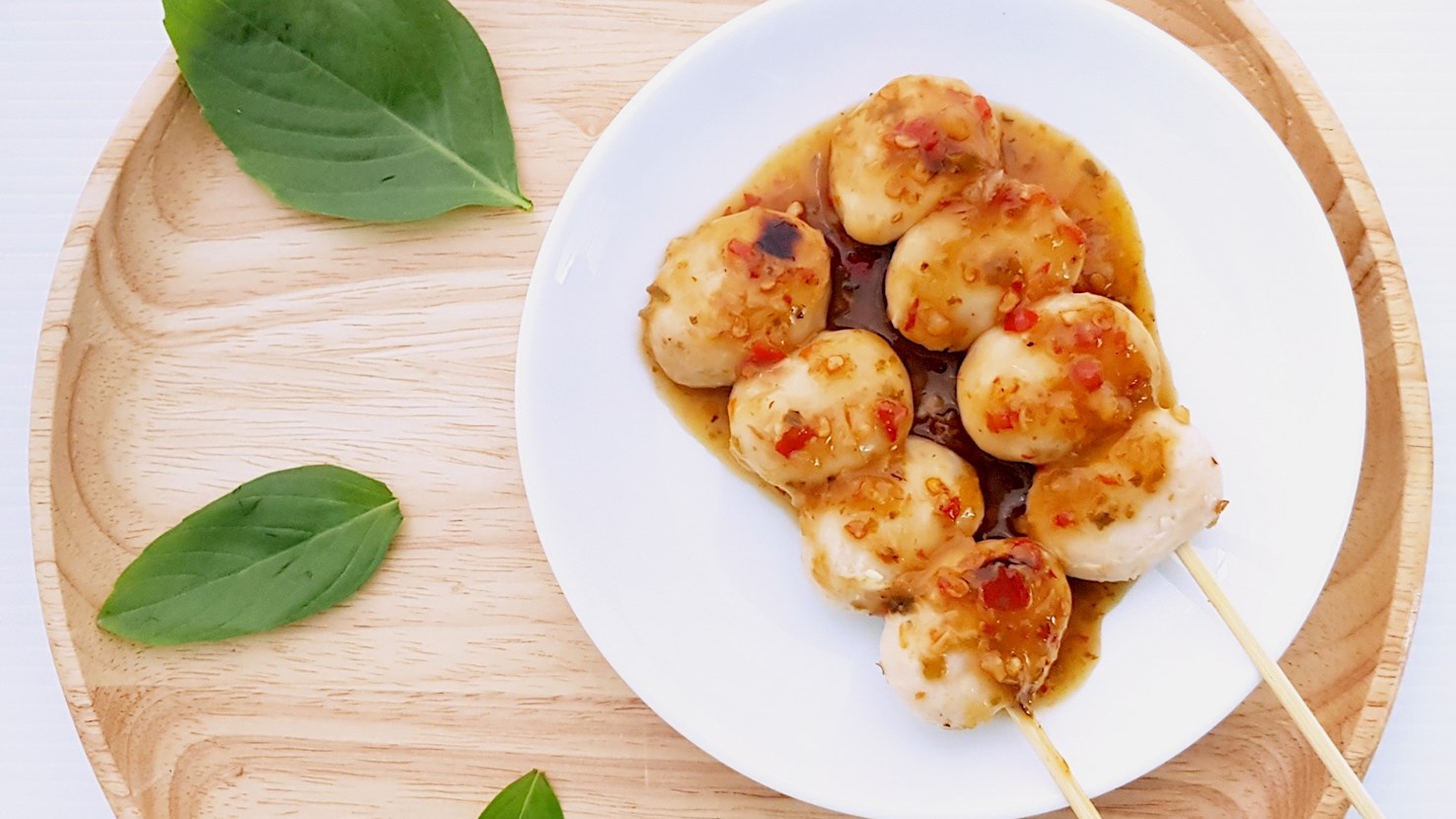
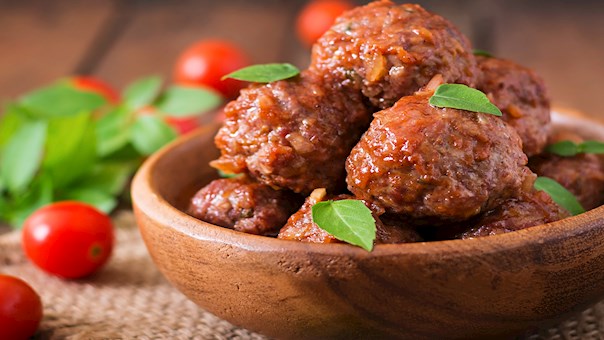
This Thai snack consists of grilled or deep-fried meatballs made with a mixture of ground meat (usually beef or pork) combined with herbs and seasonings. The dish is served on a bamboo skewer, typically accompanied by a sweet-and-spicy dipping sauce. Luk chin ping is sold by many street vendors in Thailand and it is beloved by children and adults alike.
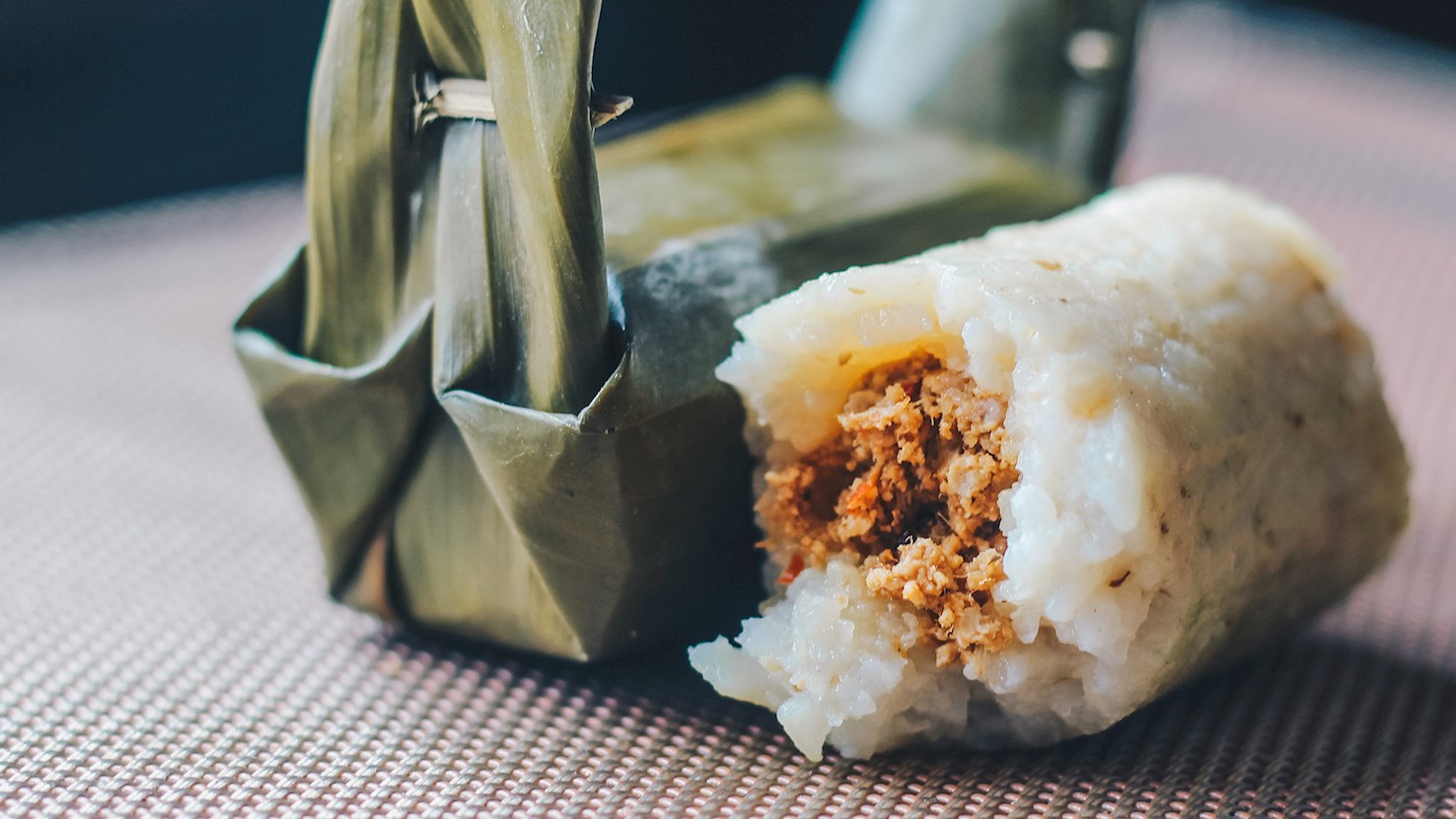
Arem-arem is a rice cake snack from Java, Indonesia, made by wrapping compressed cooked rice and a savory filling in banana leaves, then steaming or lightly grilling the package until firm and aromatic. It is widely consumed across Central and East Java, particularly as a portable breakfast item, street snack, or offering during communal gatherings. Arem-arem is related in form and preparation to lontong and lemper, but is distinct in both texture and filling, often featuring a softer rice layer and a wide variety of fillings, such as spiced vegetables, tempeh, or minced meat. The preparation begins by cooking rice in coconut milk with a small amount of salt until partially absorbed and sticky. A small amount of this rice is then spread onto a piece of softened banana leaf. A spoonful of filling—commonly stir-fried diced tempeh, shredded chicken, ground beef, or sautéed vegetables with chili and spices—is placed in the center, and the rice is rolled tightly around it. The banana leaf is folded to secure the contents, and the wrapped roll is steamed until the rice is fully set and infused with the aroma of the leaf. Arem-arem is often associated with home kitchens, local markets, and small warung stalls, where it is sold alongside fried snacks and sweet cakes. Unlike lemper, which uses sticky glutinous rice, arem-arem is made with regular rice, giving it a less chewy and more tender texture. Its mild coconut flavor and aromatic banana leaf wrapping contribute to its popularity as a savory snack. While simple in appearance, the process of assembling and cooking arem-arem requires precision in rice texture and wrapping technique to ensure the rolls hold together and cook evenly. Its compact shape and wrapping make it convenient for take-away consumption, and it is frequently included in nasi berkat (communal food packages) or served at social events and religious ceremonies. The fillings vary by region and household, ranging from mild to spicy, and from purely plant-based to meat-filled version.
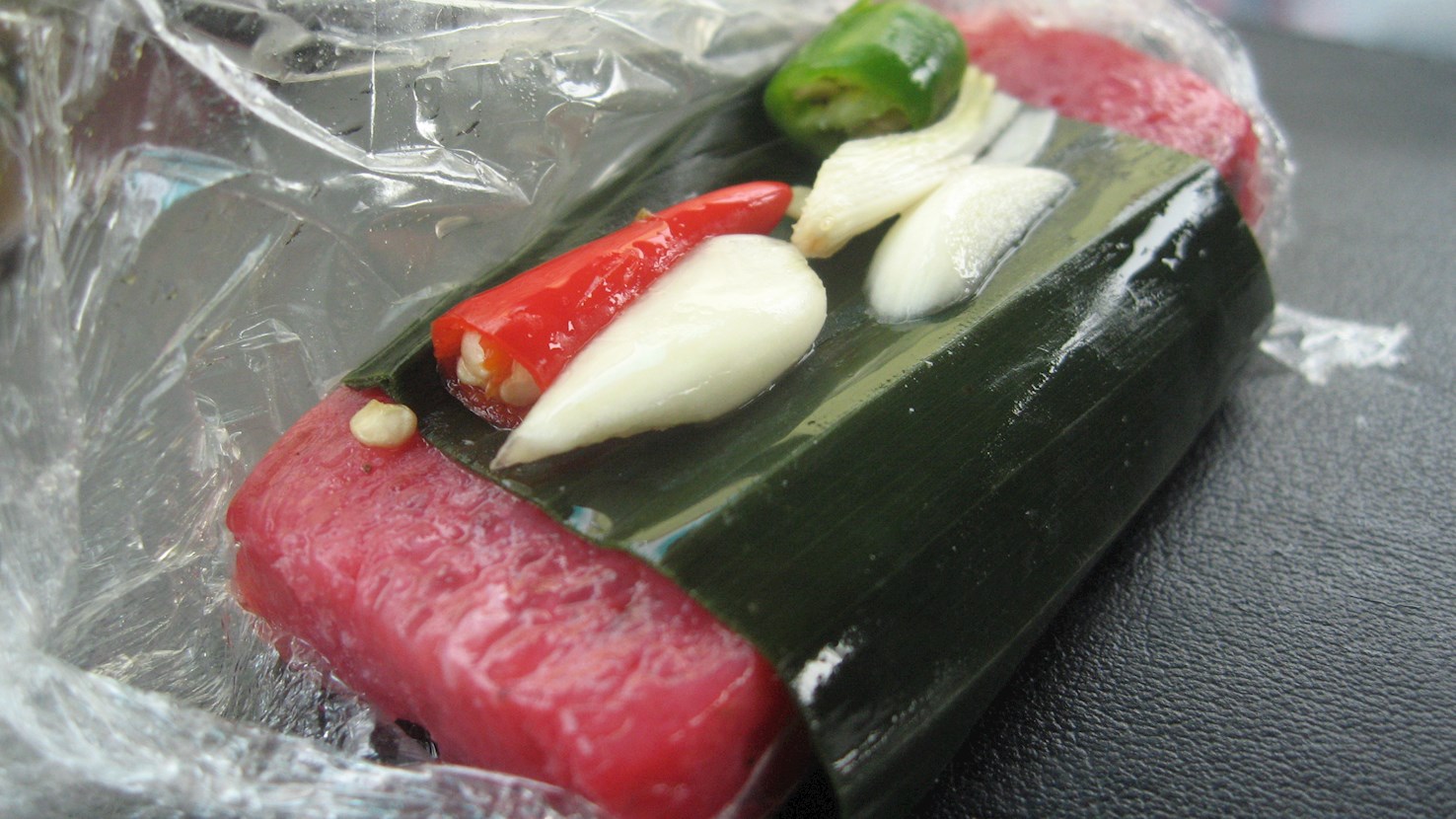
Nem chua is a traditional dish of cured and fermented meat. Although the dish is traditionally made from pork, it can also be made with other types of meat such as beef. In order to prepare it, lean pork is minced, then combined with sliced pork skin, spices, chili peppers, and garlic. The combination is wrapped into banana leaves, then stored for the fermentation process from 3 to 5 days in a cold place. These rolls have a sweet, salty, spicy, and sour flavor, and they're usually served as a snack or an appetizer with raw garlic on top, and fish sauce or chili sauce on the side. They can also be grilled. Nem chua is especially popular for the Lunar New Year celebrations.
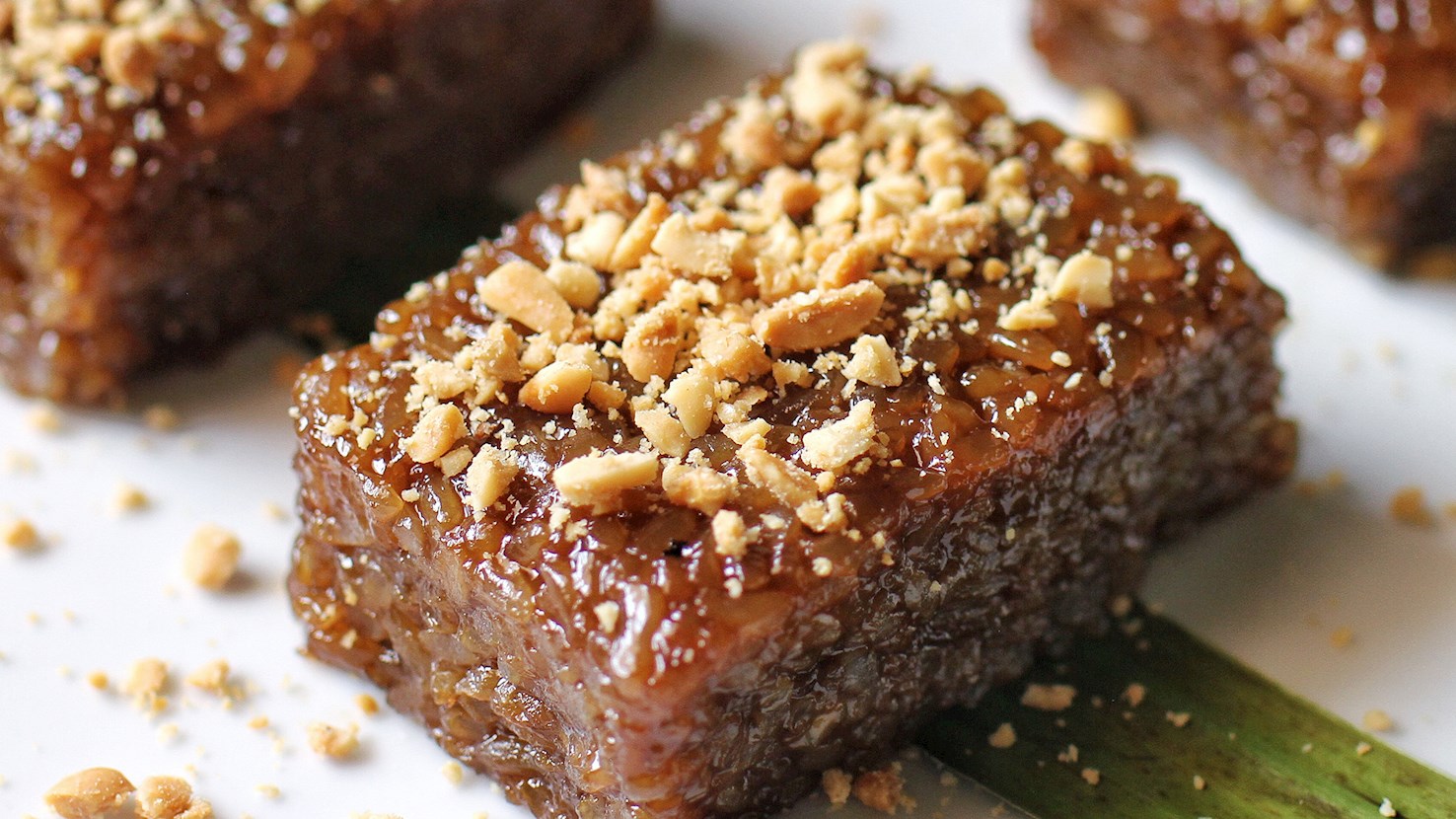
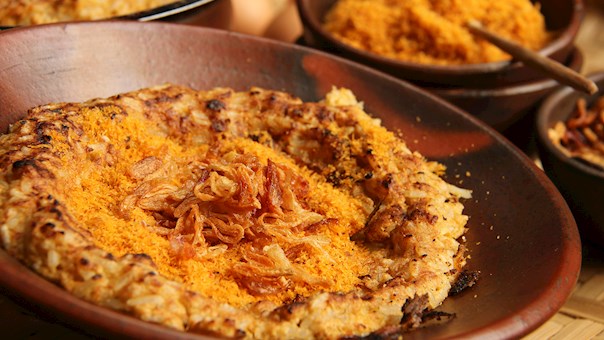
Biko is a traditional dessert made with glutinous rice, coconut milk, and sugar. It is known for its rich and sweet flavor — the combination of coconut milk and sugar results in a creamy and luscious taste. Its sticky and chewy texture comes from the glutinous rice. To make biko, glutinous rice is cooked with coconut milk and sugar until it becomes sticky and fully absorbed. The mixture is then spread in a baking dish or lined with banana leaves for added flavor. It is usually baked in the oven or steamed until it sets and develops a slightly caramelized top. Sometimes, biko is also topped with latik, which is made by simmering coconut cream until the oil separates and the remaining solids turn golden brown. For serving, biko is typically cut into larger slices or wedges. It is enjoyed as a dessert or snack and can be eaten on its own or paired with a hot beverage like coffee or tea. Biko is commonly found in Filipino households during festive occasions such as birthdays, fiestas, and holidays.
TasteAtlas food rankings are based on the ratings of the TasteAtlas audience, with a series of mechanisms that recognize real users and that ignore bot,
nationalist or local patriotic ratings, and give additional value to the ratings of users that the system recognizes as knowledgeable.
For the “55 Worst Rated Southeast Asian Snacks” list until September 16, 2026, 6,168 ratings were recorded, of which 4,385 were recognized by the system as legitimate.
TasteAtlas Rankings should not be seen as the final global conclusion about food. Their purpose is to promote excellent local foods,
instill pride in traditional dishes, and arouse curiosity about dishes you haven’t tried.







What People Say