

shutterstock

10 Worst Rated Thai Snacks

Last updated on May 21, 2026
01

Hon mhai (Deep-Fried Silk Worms)

2 ·

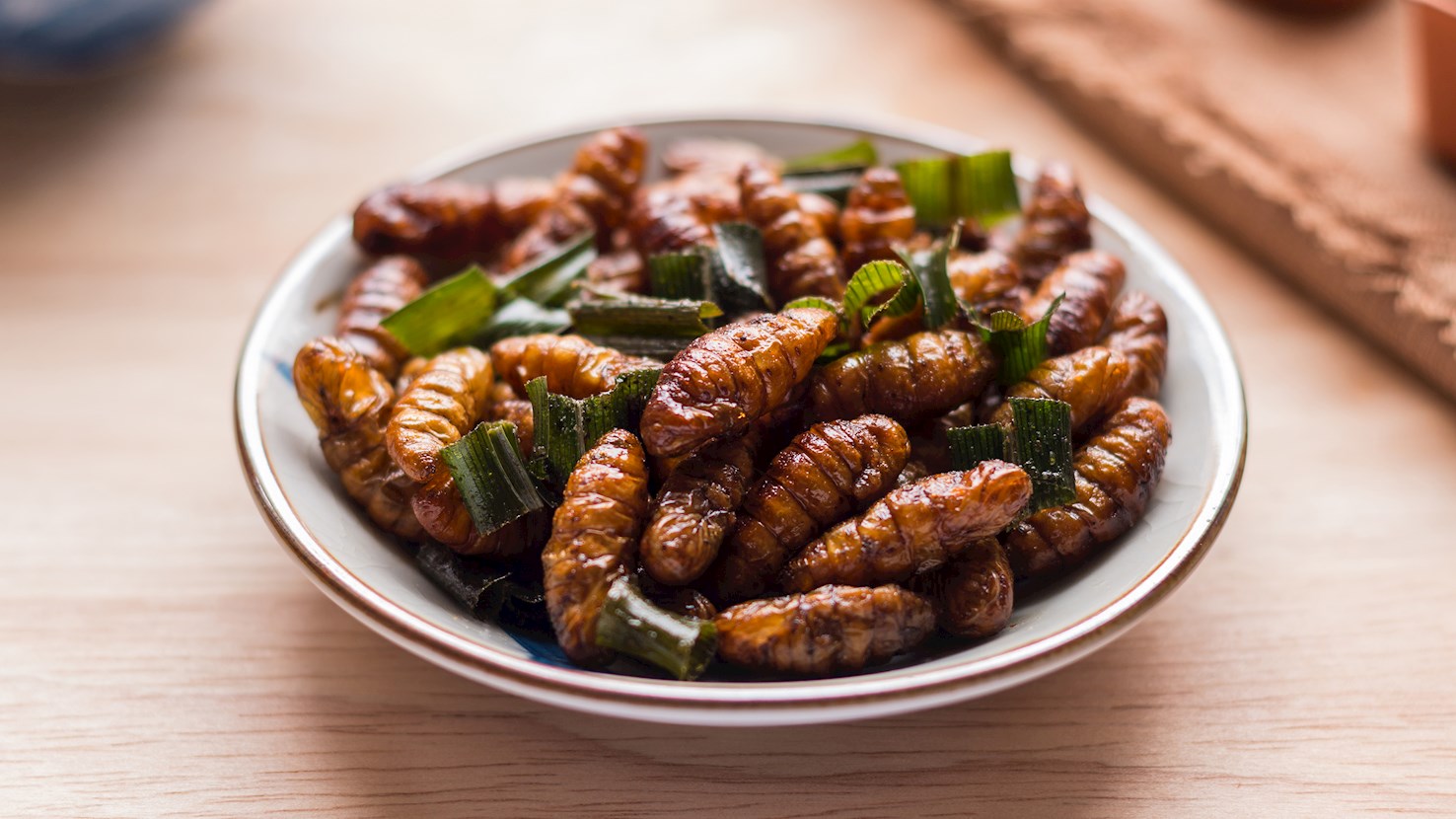
Hon mhai is a traditional insect dish that's especially popular in Bangkok. It's made by deep-frying silk worms, then seasoning them with salt, pepper, and sometimes a secret sauce that's prepared by the vendor, because the snack is usually sold from street carts. Once fried, the silk worms turn crunchy and greasy, while the flavor is sometimes described as slgihtly bitter. Hon mhai silk worms are prized because they're rich in protein and some believe that they have medicinal properties.

02

Mamuang nam pla wan

3.1 ·

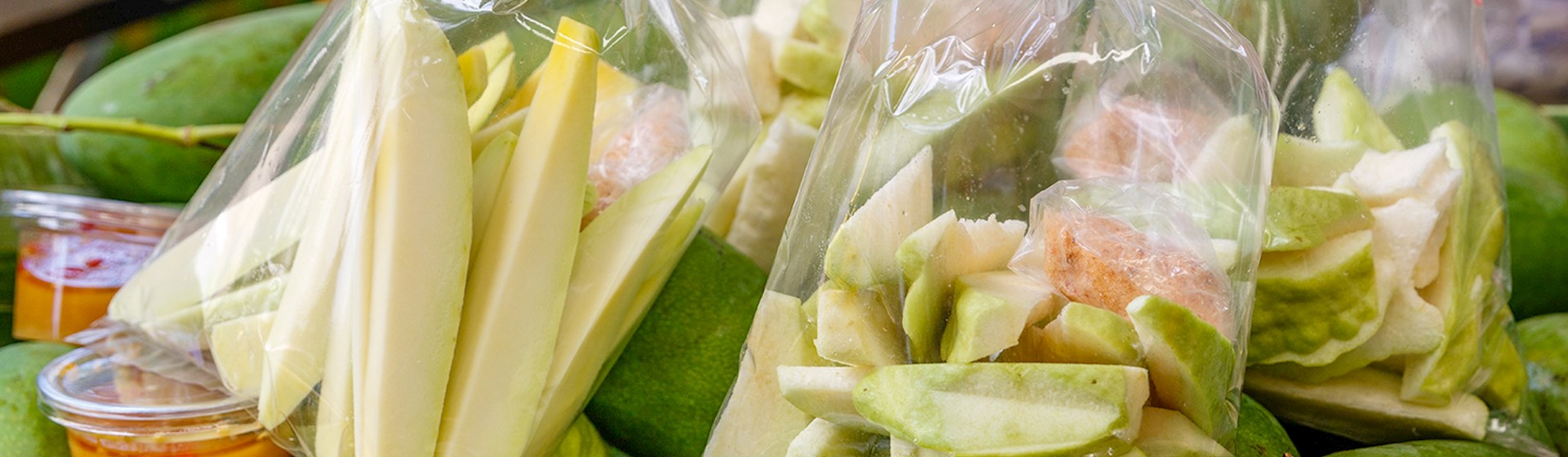
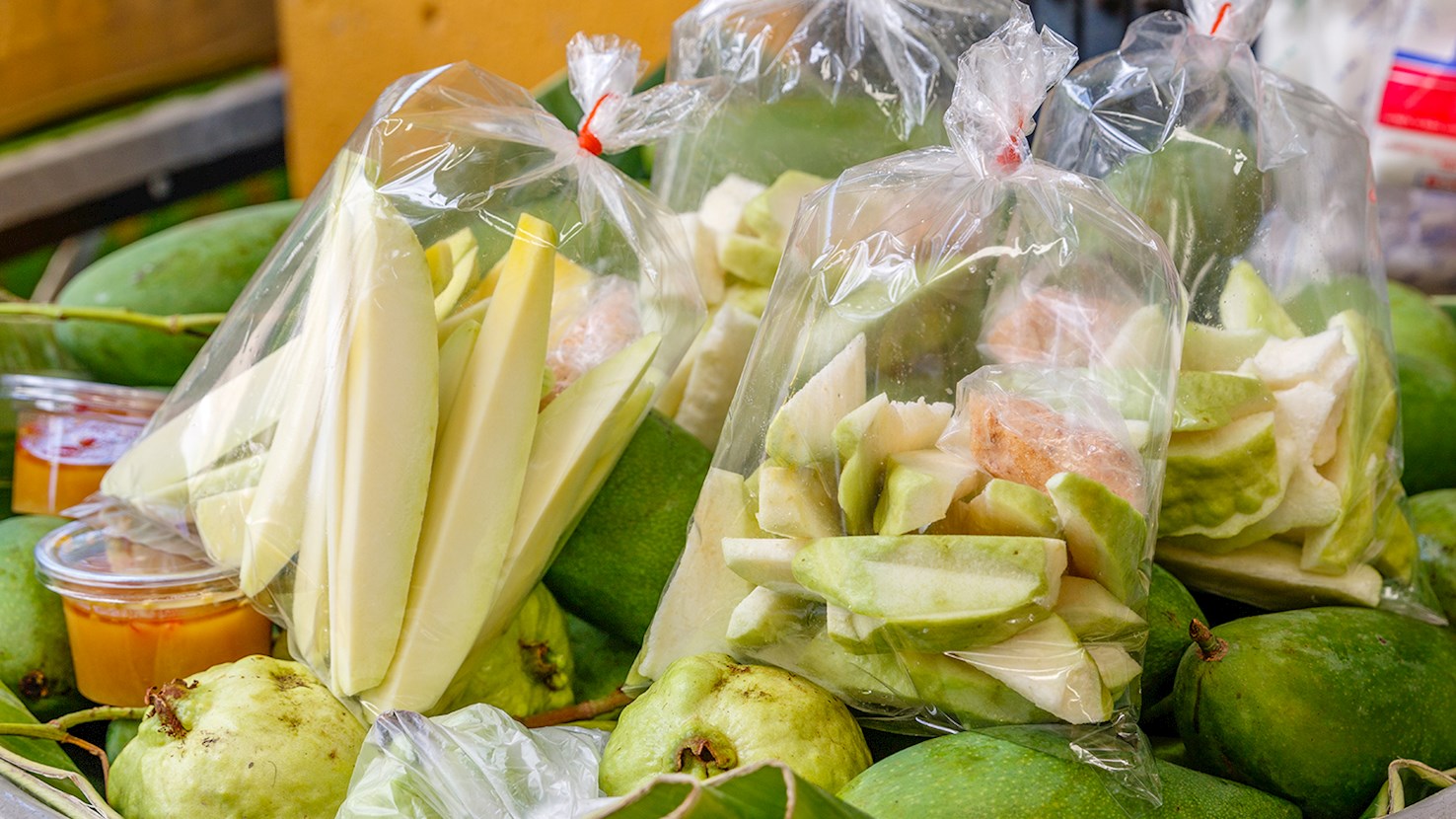
Mamuang nam pla wan is a traditional dish. It consists of unripe green mangos and a sticky, sweet, and savory dipping sauce called nam pla wan. The dipping sauce is made with a combination of fish sauce, palm sugar, shallots, chili peppers, shrimp paste, and dried shrimp. The dip can be bought in most stores and markets in Bangkok. Although this version is served with unripe mango slices, there are also versions with similar fruit such as strawberries and sour green apples. The snack is especially popular in the summer, when it can be bought at numerous street stands.

03

Luk chin ping

3.1 ·

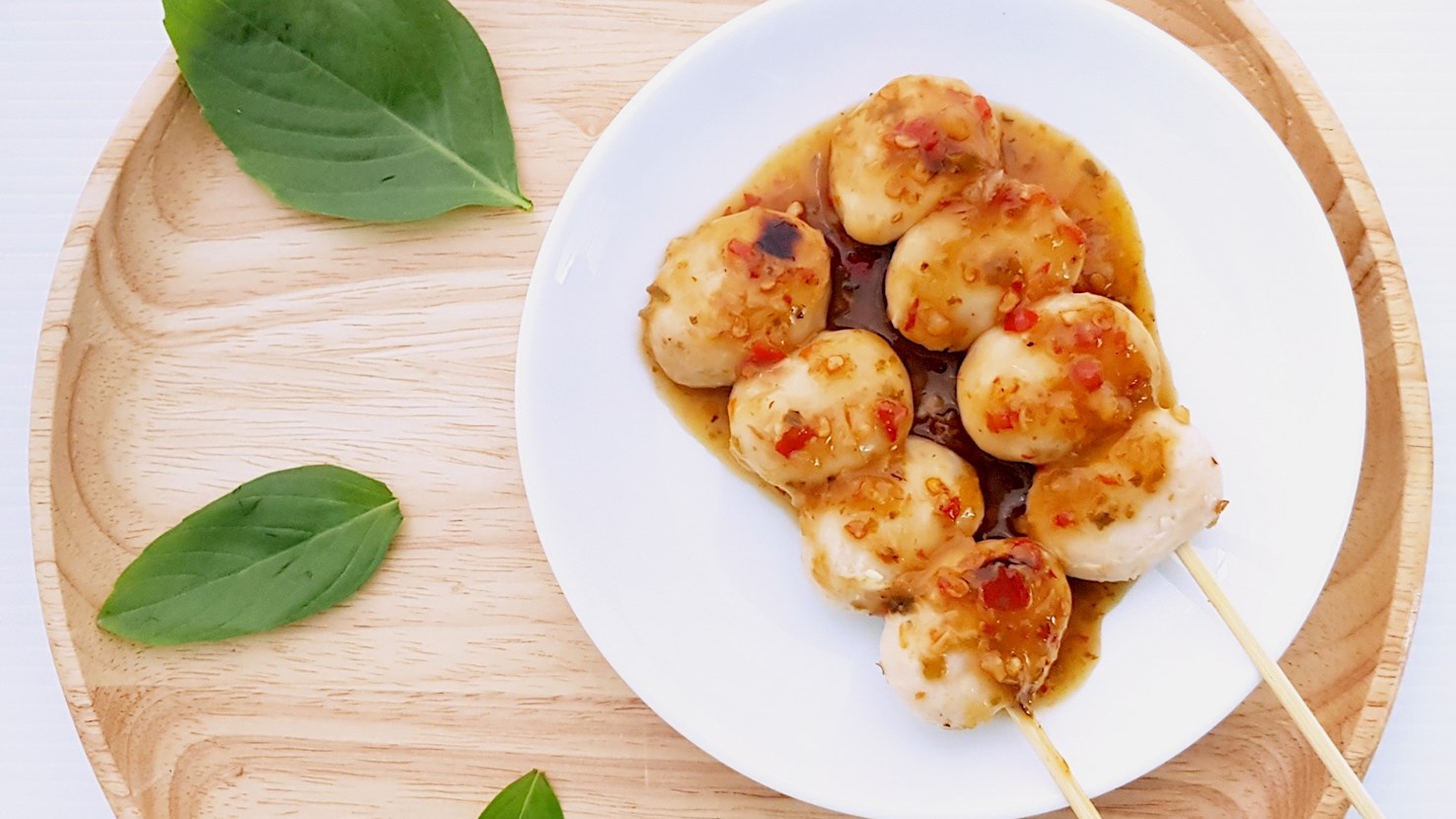
This Thai snack consists of grilled or deep-fried meatballs made with a mixture of ground meat (usually beef or pork) combined with herbs and seasonings. The dish is served on a bamboo skewer, typically accompanied by a sweet-and-spicy dipping sauce. Luk chin ping is sold by many street vendors in Thailand and it is beloved by children and adults alike.

04

Kluai thot

3.3 ·

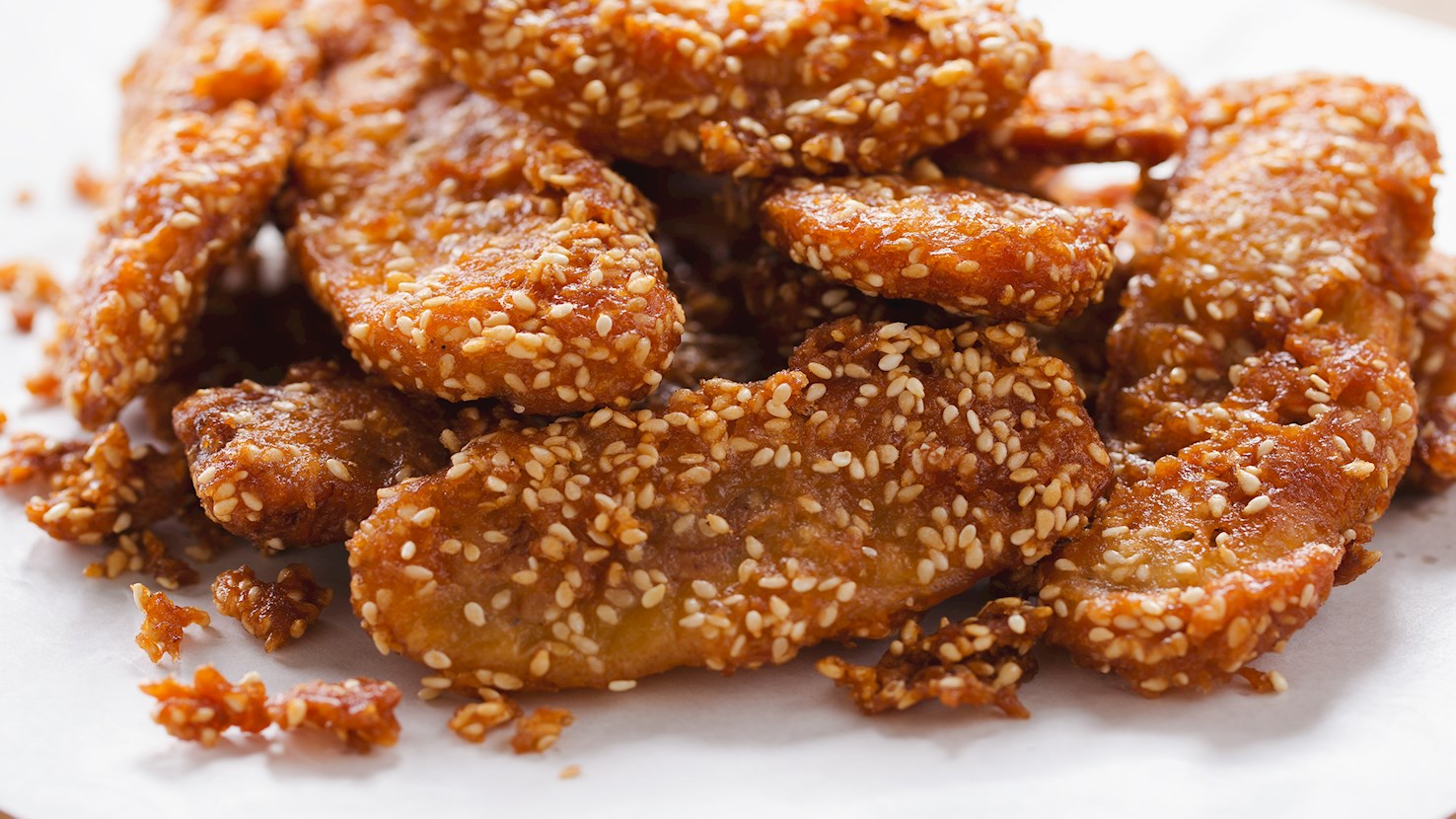
Kluai thot, or deep-fried bananas, is a sweet street food item commonly found throughout Thailand. This Thai treat is traditionally prepared with peeled and sliced burro bananas, known locally as kluay nam wa, which are entirely immersed in a thin rice flour mixture, and then fried in hot oil until they form a crispy crust. The batter mixture usually consists of rice flour, all-purpose flour, sesame seeds, baking powder or traditionally slaked lime, baking soda, sugar, salt, ripe coconut shreds, and water. Sweet and crunchy, fried bananas are typically sold in bags and enjoyed while they are still warm, usually as a snack, a dessert, or an appetizer. Although fried bananas are traditionally consumed on their own, without any additions, nowadays, they are often served with a variety of sides such as ice cream, vanilla, whipped cream, chocolate sauce, or honey.

05

Khaep mu (Crispy Thai Pork Rinds)

3.5 ·

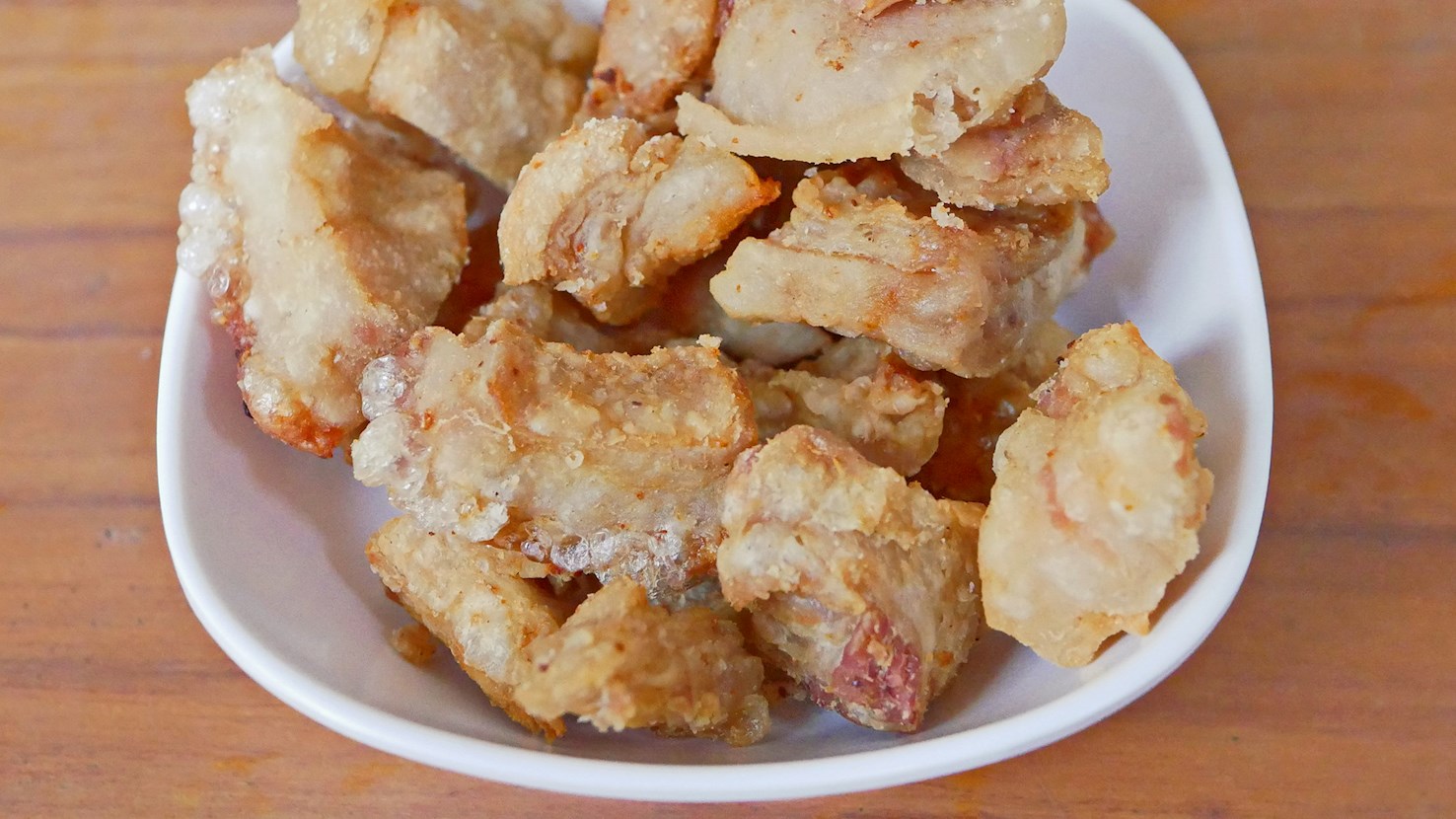
Fried pork rinds are a popular Thai snack that is prepared with cured or dried pork skin. Some fat is usually left on the skin, and the curing process helps the rind attain its typical puffed and crispy texture. Khaep mu is enjoyed as a snack when it is usually accompanied by chili-based nam phrik sauces. It can also be served as a side dish, and when crumbled, it is often added to various dishes as an ingredient or a garnish. This filling snack is traditionally associated with northern Thailand, and it is commonly sold by street vendors.

06

Khanom fak bua

3.5 ·

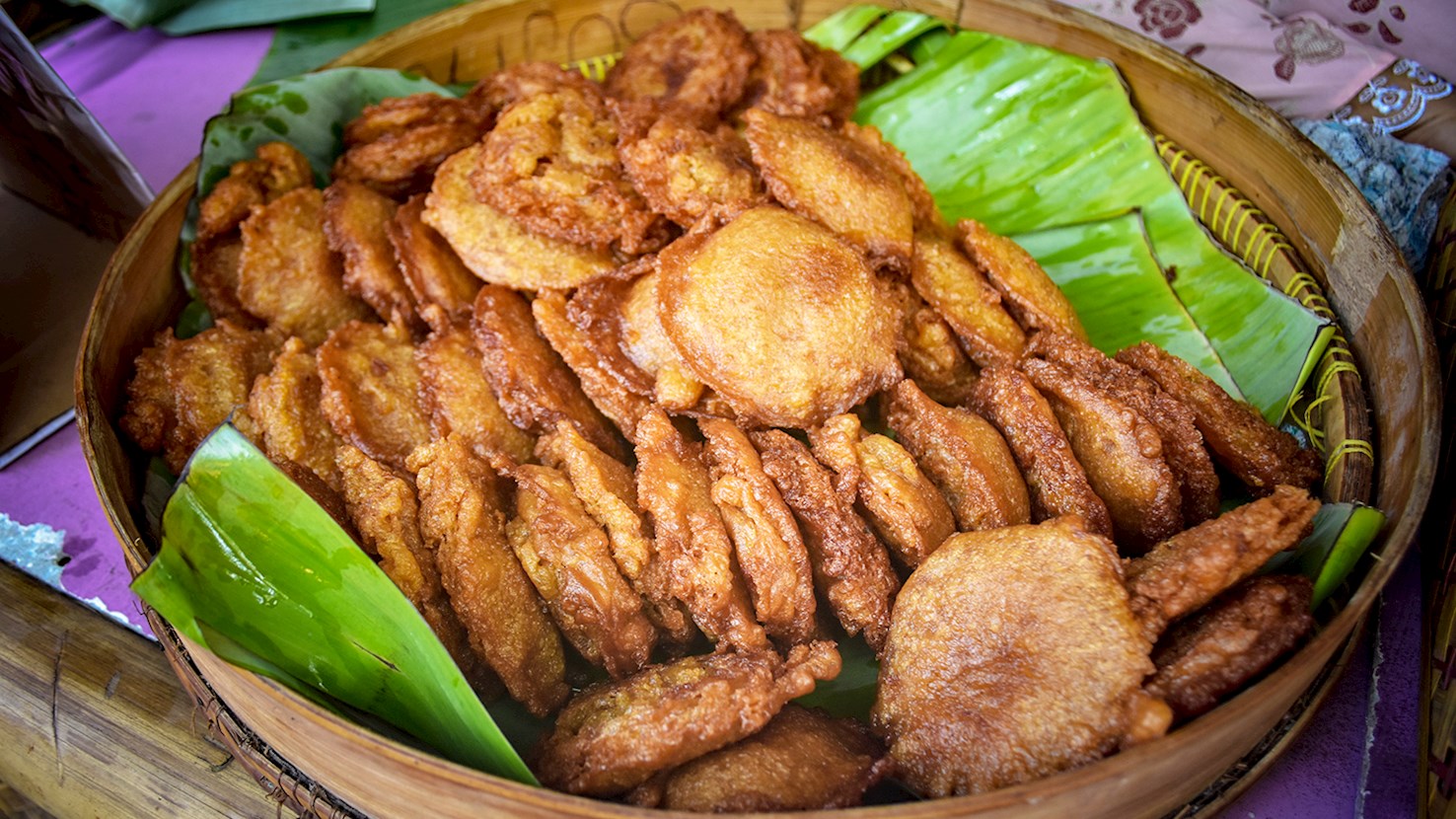
Kue cucur is a traditional snack that's also popular in Malaysia (kuih cucur) and Thailand (khanom fak bua), a type of deep-fried rice flour cake made with a simple batter of rice flour, palm sugar, and water. Its iconic shape, a thick, chewy center with a lacy, crisp rim, emerges naturally during frying, giving it a visual appeal that sets it apart from other traditional sweets. Despite its humble ingredients, the technique of preparing kue cucur requires skill and experience, particularly to achieve the perfect balance of textures and the signature golden crown that forms around its edges. The batter is made by dissolving rich, dark palm sugar in water, which is then mixed with rice flour to form a smooth, pourable mixture. This is allowed to rest so that the starches can hydrate fully, contributing to the chewy texture. When poured into hot oil in a specific, controlled motion, the batter spreads and begins to puff, forming its distinctive shape as the center remains thick and the edges bubble outward into a crisp, almost floral ring. The cooking process is as much a test of patience as it is of temperature control, as kue cucur can easily become greasy or misshapen if not handled properly. Kue cucur is often served at traditional ceremonies, family gatherings, or as an everyday street snack, where it’s typically displayed in neat stacks on banana leaves or sold fresh from roadside vendors. Its deep sweetness, which comes entirely from palm sugar, pairs well with a cup of hot tea or coffee.

07

Roti sai mai

3.7 ·

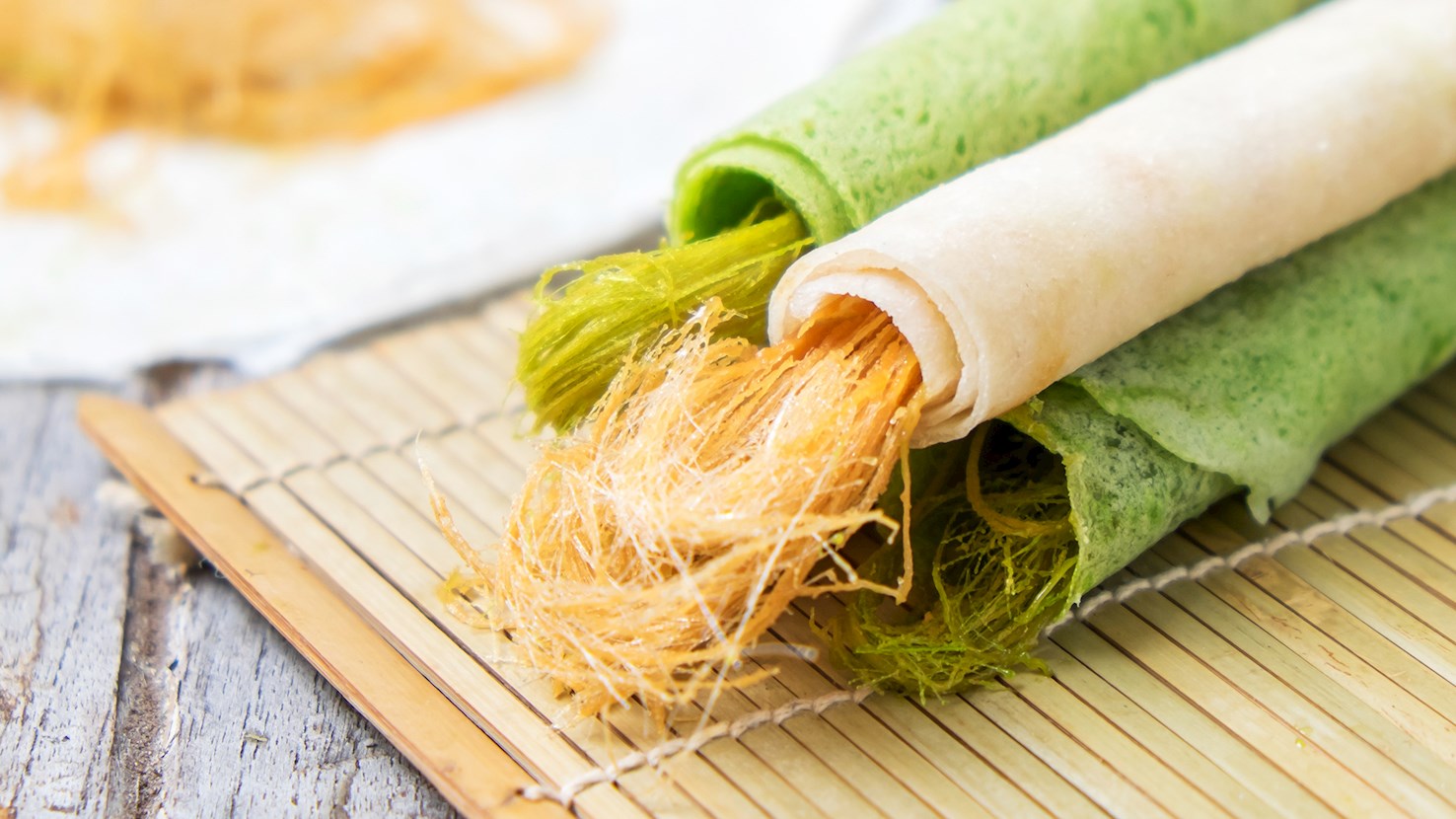
Roti sai mai is a sweet Thai snack consisting of a pandan-flavored pancake (roti) that is filled with cotton candy. The pan-fried pancake is similar to a crêpe, and it has a distinctive green color attained from the addition of pandan. The dish is believed to have originated in Ayutthaya, primarily among the Muslim community. It is usually sold by vendors who prepare it on street stalls.

08

Tod man pla

3.9 ·

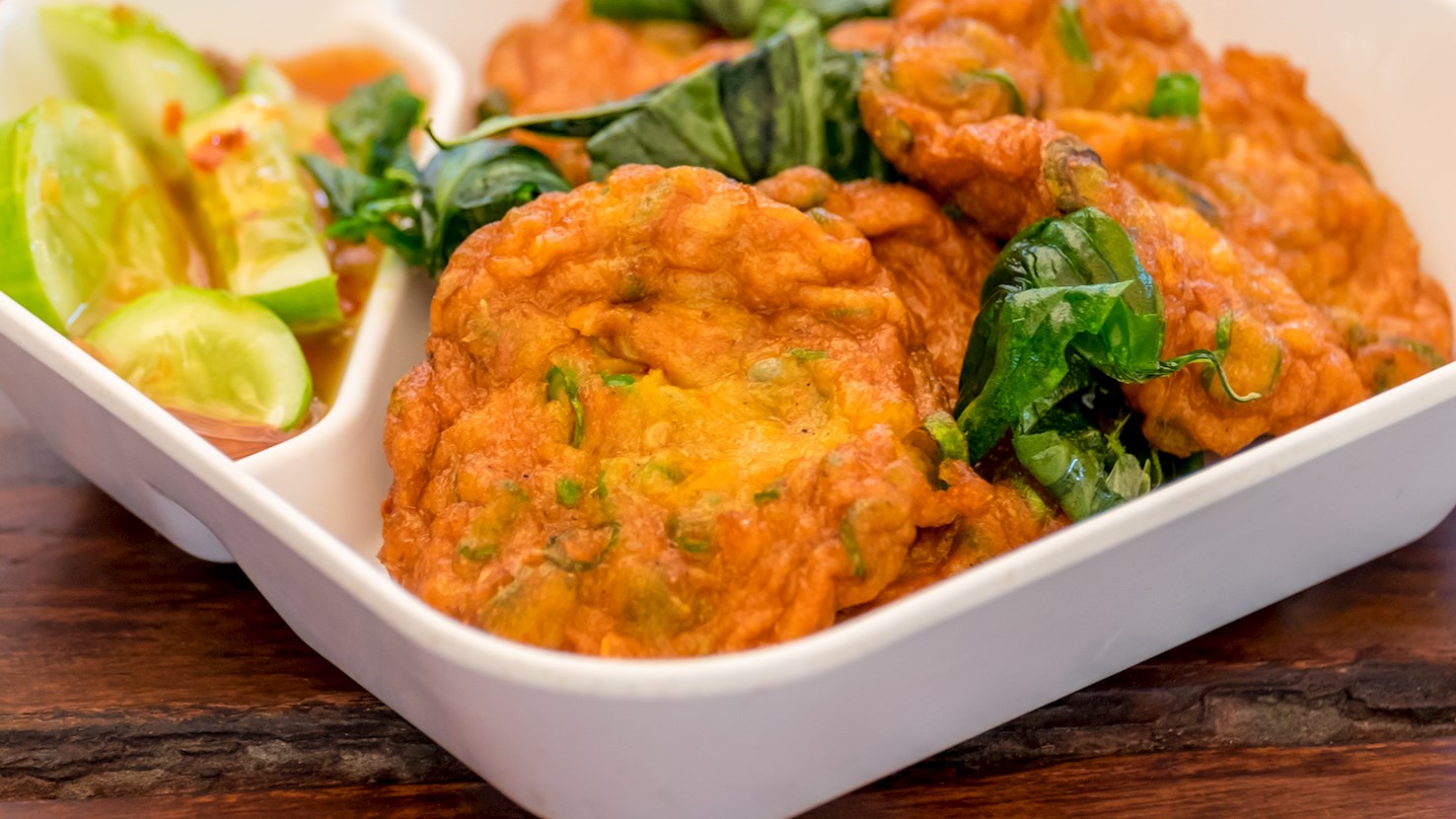
Thai fish cakes usually consist of flaked fish, red curry paste, kaffir lime leaves, eggs, thinly sliced green beans, and optionally other additions such as galangal or lemongrass. Traditionally, the dish is made with fresh clown featherback (pla grai) fish. The cakes are best enjoyed freshly fried and served with cucumber relish, sriracha, or chili sauce. In Thailand, they are usually consumed as an appetizer or a quick and convenient street food, but they can also make a filling main course when served with rice on the side.

09

Sai krok Isan

3.9 ·

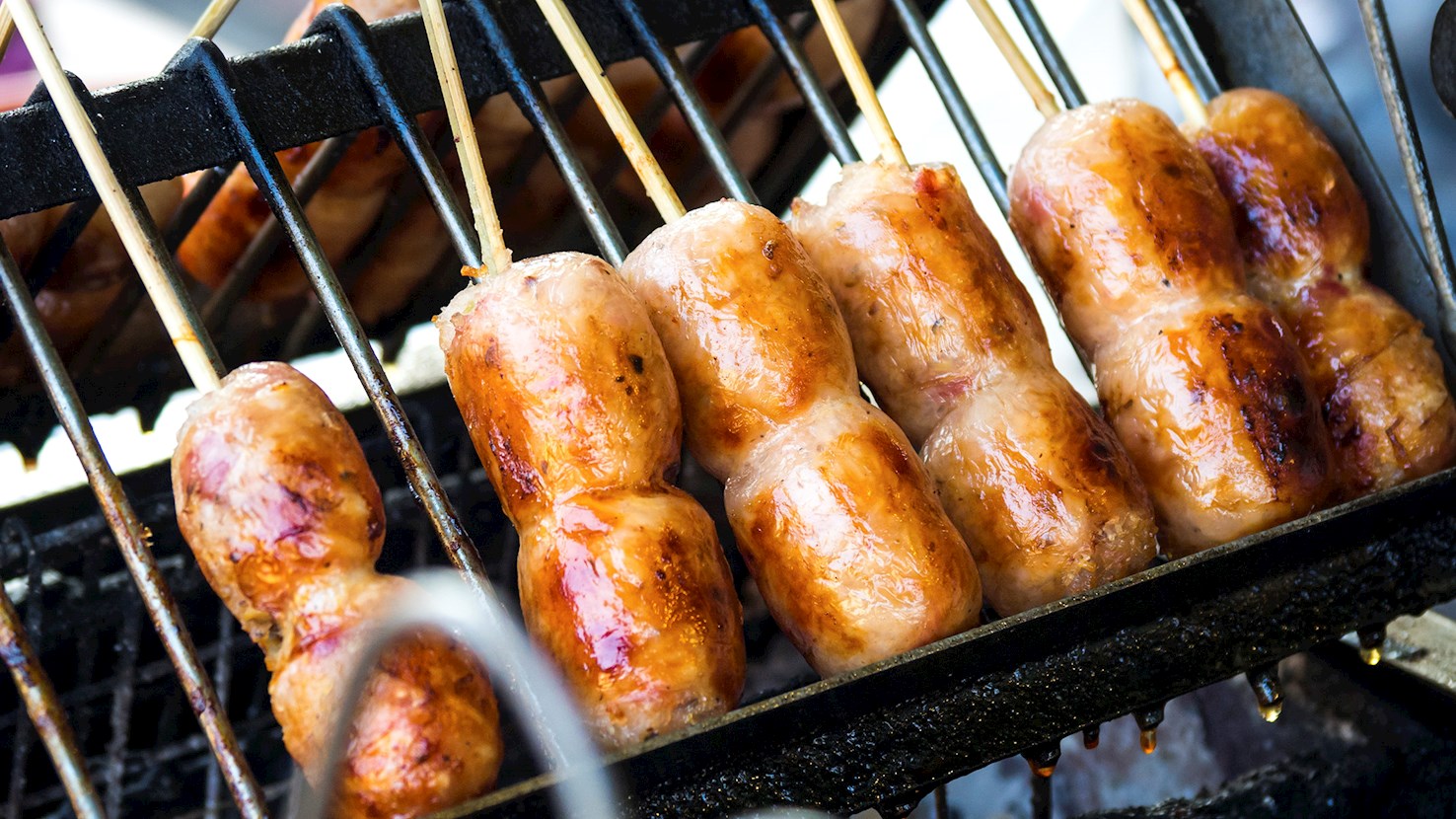
Sai krok Isan is a fermented sausage from the Isan region. It is made with a mixture of ground pork meat and fat, combined with garlic, sticky rice, salt, and pepper in a natural encasing. The sausage is then allowed to dry and ferment for several hours or sometimes even for up to 2-3 days in a blazing hot sun, a method that provides this sausage with its unique sourness. Salty with a hint of sourness, these flavorful sausages are usually grilled or fried and served alongside raw chilis, fresh ginger slices, garlic, and fresh vegetables. Thais consume them for breakfast or buy them from local street carts as delicious snacks that are grilled on a stick and consumed on the go.

10

Nang kai thot

3.9 ·

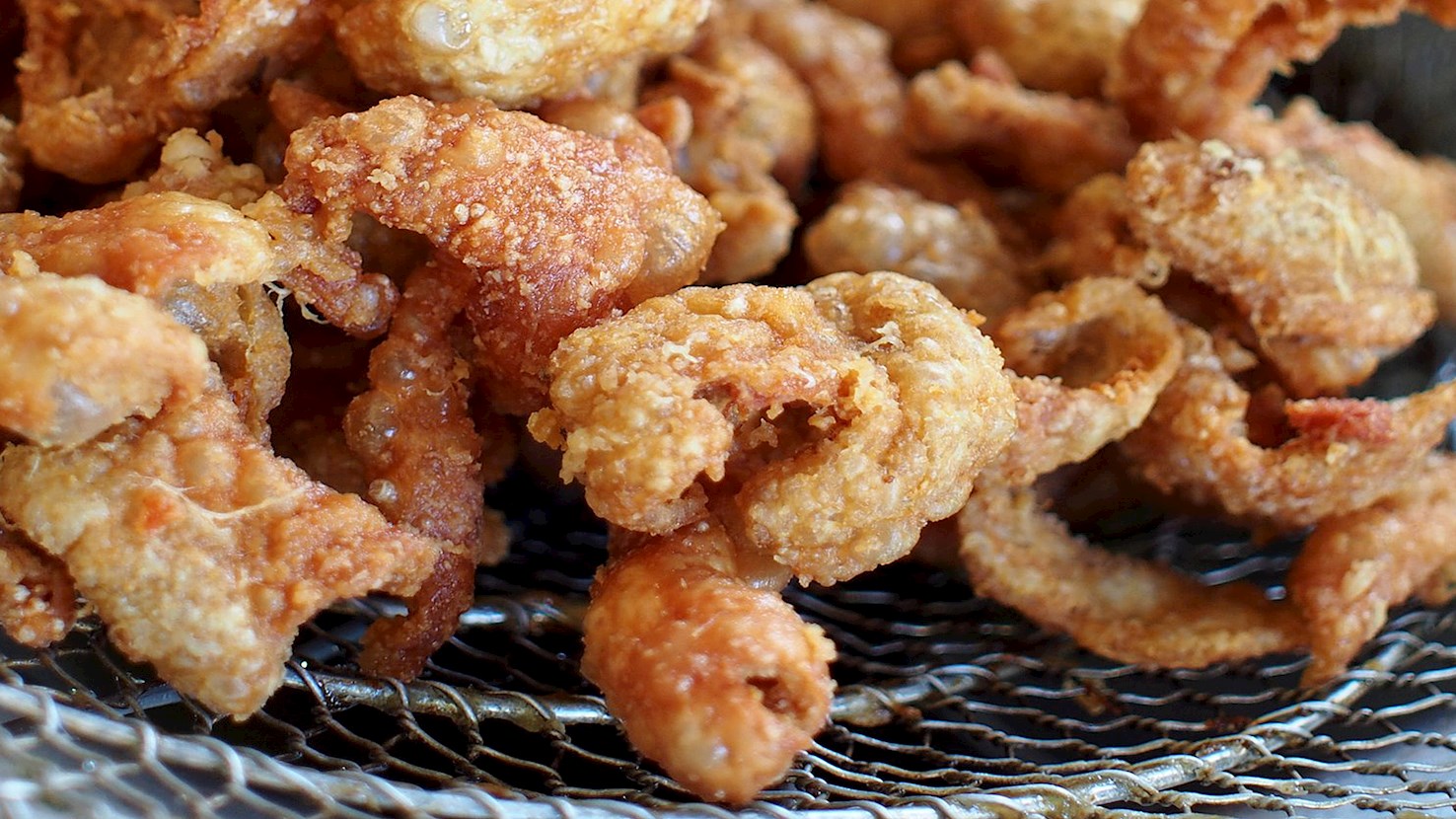
Nang kai thot is a savory Thai snack consisting of deep-fried chicken skin. Chicken skin is first cooked in boiling water, then drained and seasoned with salt and pepper or dredged in seasoned flour before it is immersed in hot oil to fry until nicely colored and crispy. The skin portion of the chicken breasts is regarded as the most suitable for this dish, but any part of the skin can be used. There are no standard seasonings for this snack as each street food vendor uses their own unique seasoning mix, but other than the usual salt and pepper, cilantro powder, garlic powder, chicken flavoring powder, and soy sauce are used most often. A dipping sauce such as sweet chili sauce typically accompanies this crunchy snack. In Thailand, crispy deep-fried chicken skin is a popular drinking snack.

Read more
View all
View map
About this ranking

TasteAtlas food rankings are based on the ratings of the TasteAtlas audience, with a series of mechanisms that recognize real users and that ignore bot, nationalist or local patriotic ratings, and give additional value to the ratings of users that the system recognizes as knowledgeable. For the “10 Worst Rated Thai Snacks” list until May 21, 2026, 942 ratings were recorded, of which 596 were recognized by the system as legitimate. TasteAtlas Rankings should not be seen as the final global conclusion about food. Their purpose is to promote excellent local foods, instill pride in traditional dishes, and arouse curiosity about dishes you haven’t tried.

Similar lists