

shutterstock

12 Worst Rated Vietnamese Snacks

Last updated on June 16, 2026
01

Bánh ít (Little Cake)

3 ·

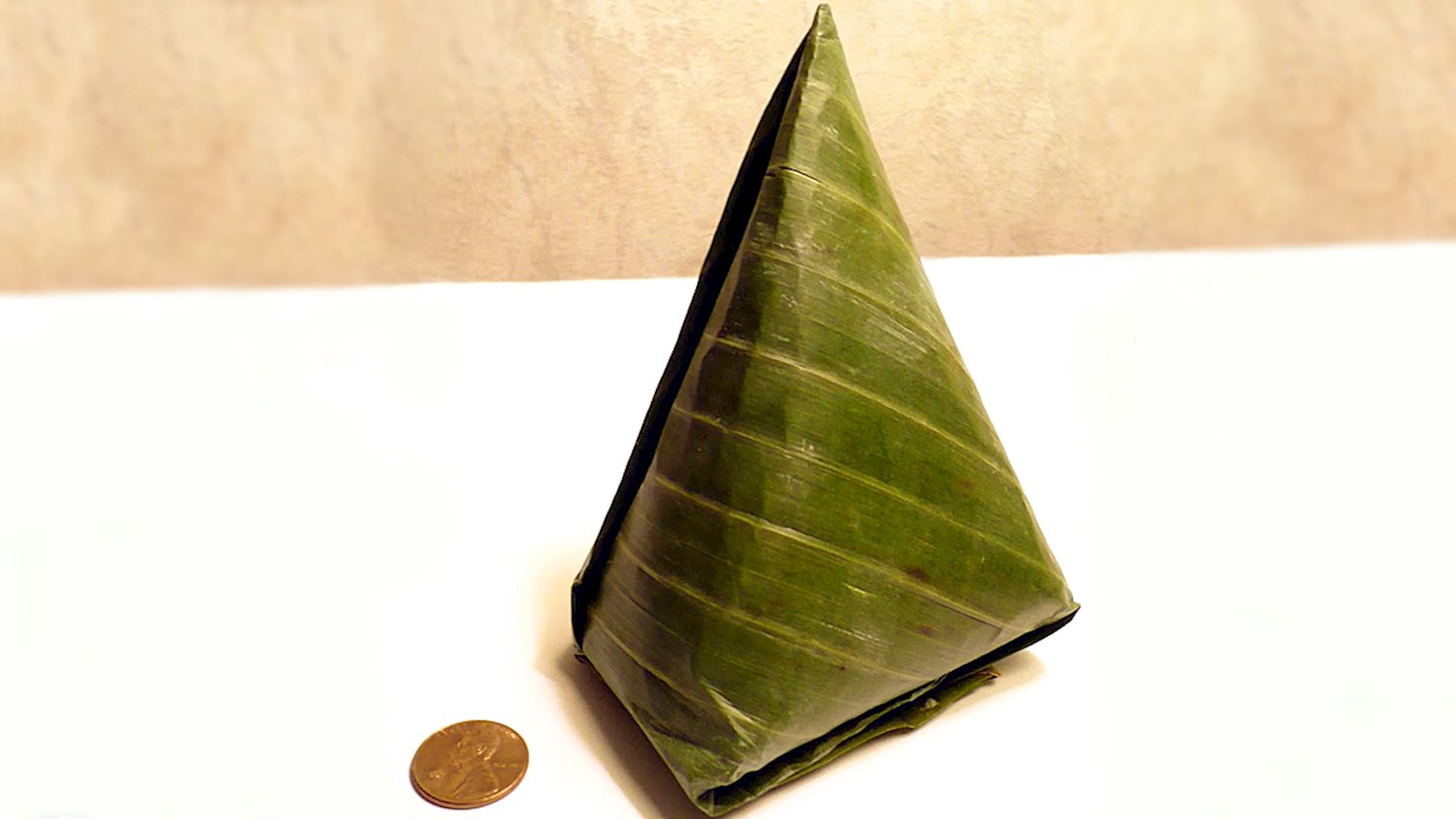
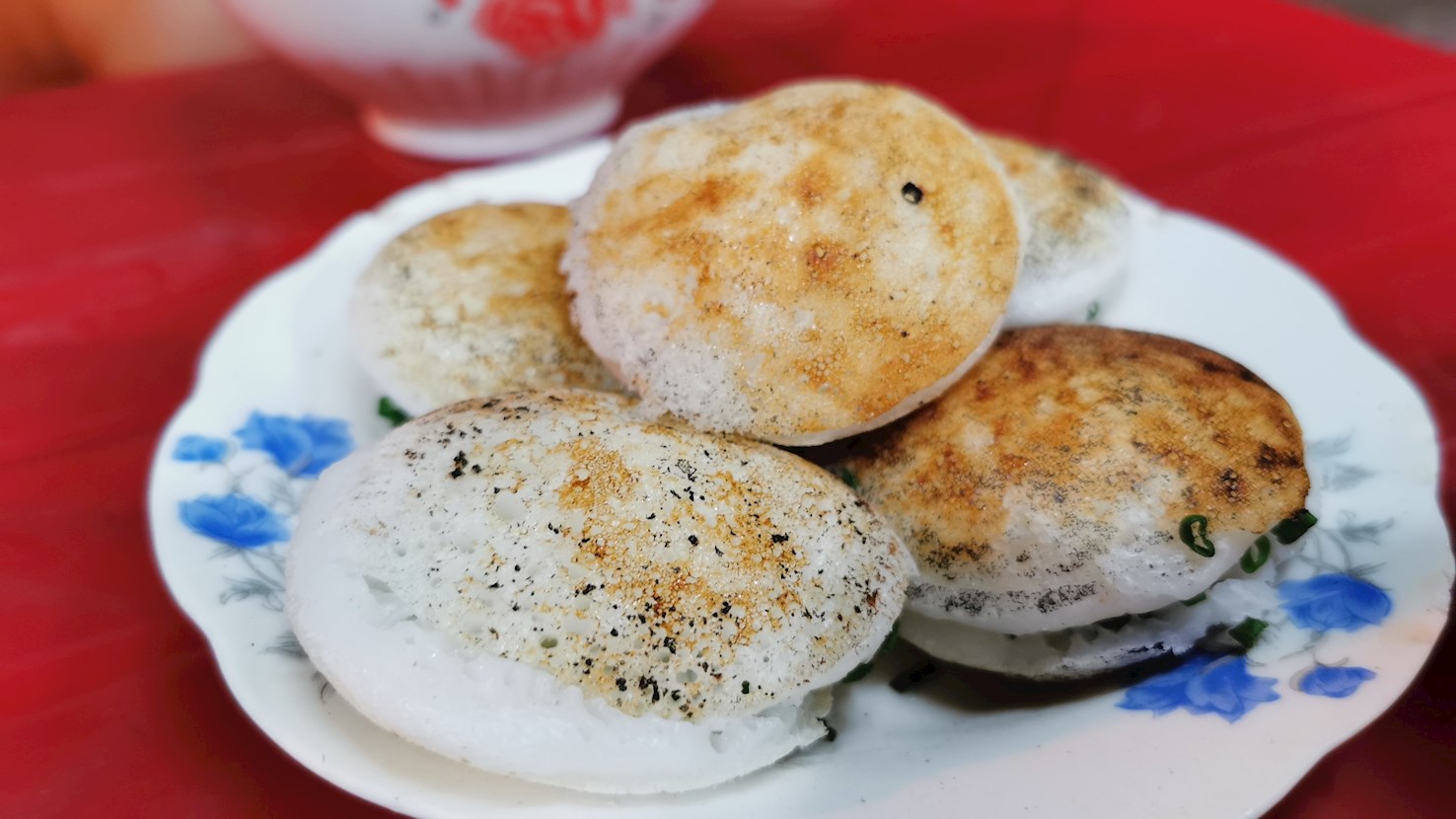
Bánh ít is a traditional dish of steamed sticky rice cakes. The cakes are usually made from glutinous rice flour, while the fillings vary depending on the recipe, but pork, steamed mung beans, and shrimps are some of the most common ingredients for the filling. Once prepared, the rice cakes are wrapped in banana leaves, then steamed until tender. Bánh ít is often served as a snack or appetizer with a dipping sauce on the side that's usually based on vinegar or pineapple.

02

Bánh tiêu (Vietnamese Donuts)

3 ·

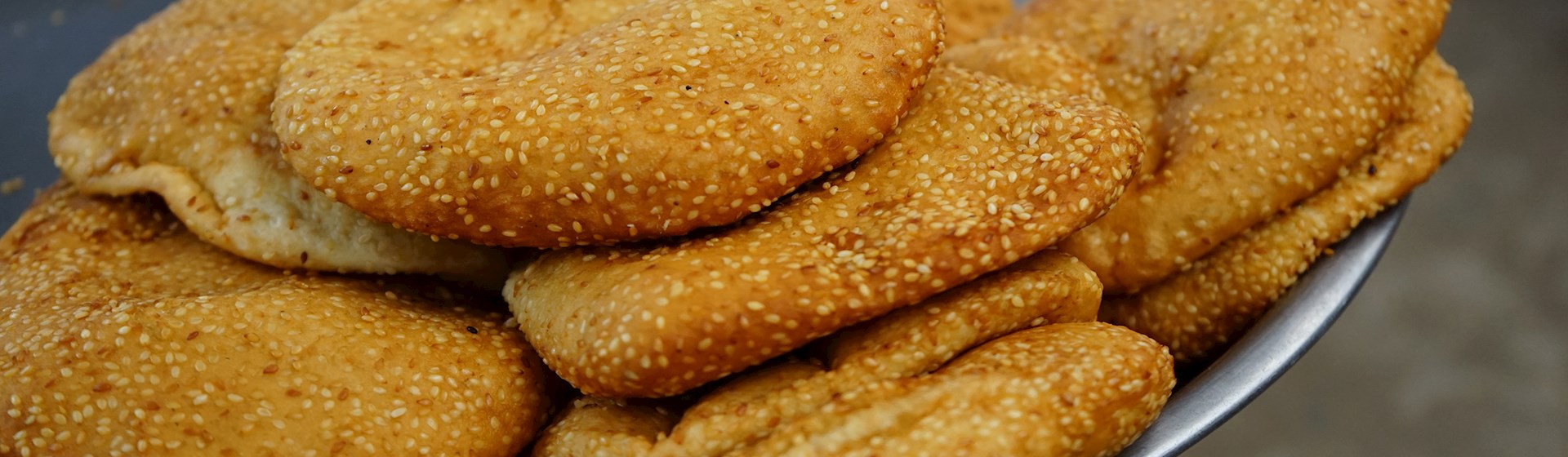
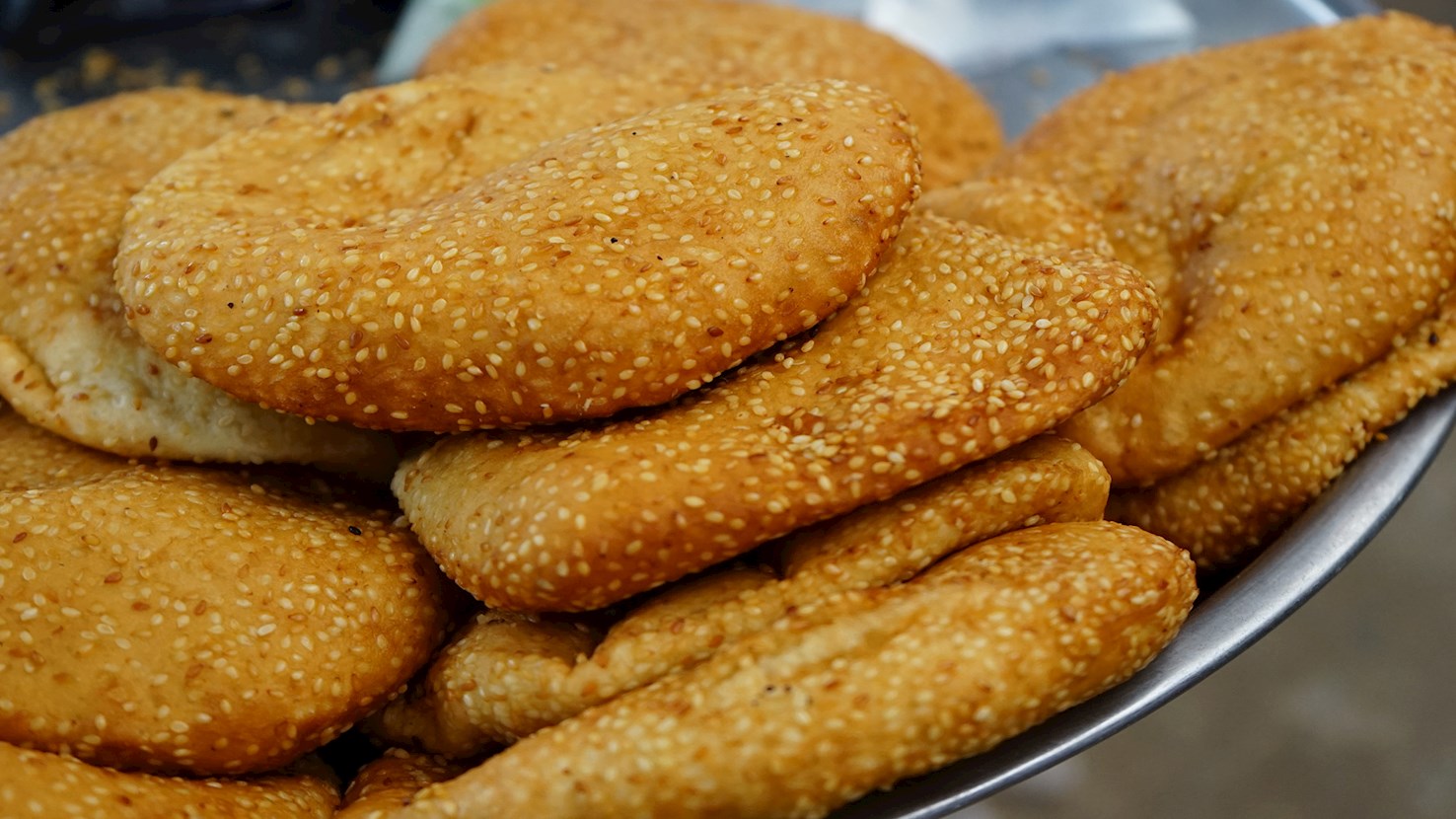
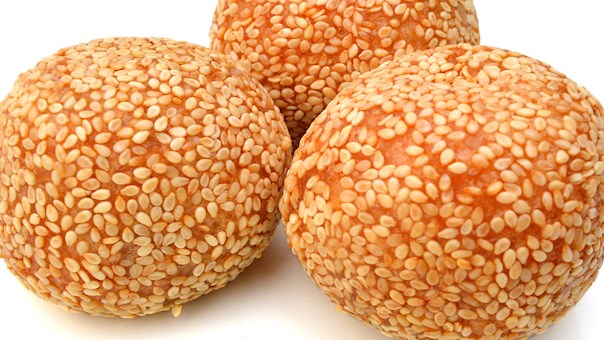
Bánh tiêu are deep-fried and subtly sweet Vietnamese doughnuts. They are prepared with wheat flour and usually come topped with sesame seeds. During the frying process, the doughnuts expand and develop their typical puffed and hollowed appearance. Often compared and associated with Chinese youtiao crullers, it is believed that bánh tiêu have an ancient Chinese origin, but they remain a traditional Vietnamese specialty that is mainly enjoyed as a convenient street food snack. These crispy doughnuts are best served warm and freshly prepared.

03

Nem chua (Cured Fermented Beef or Pork)

3.2 ·

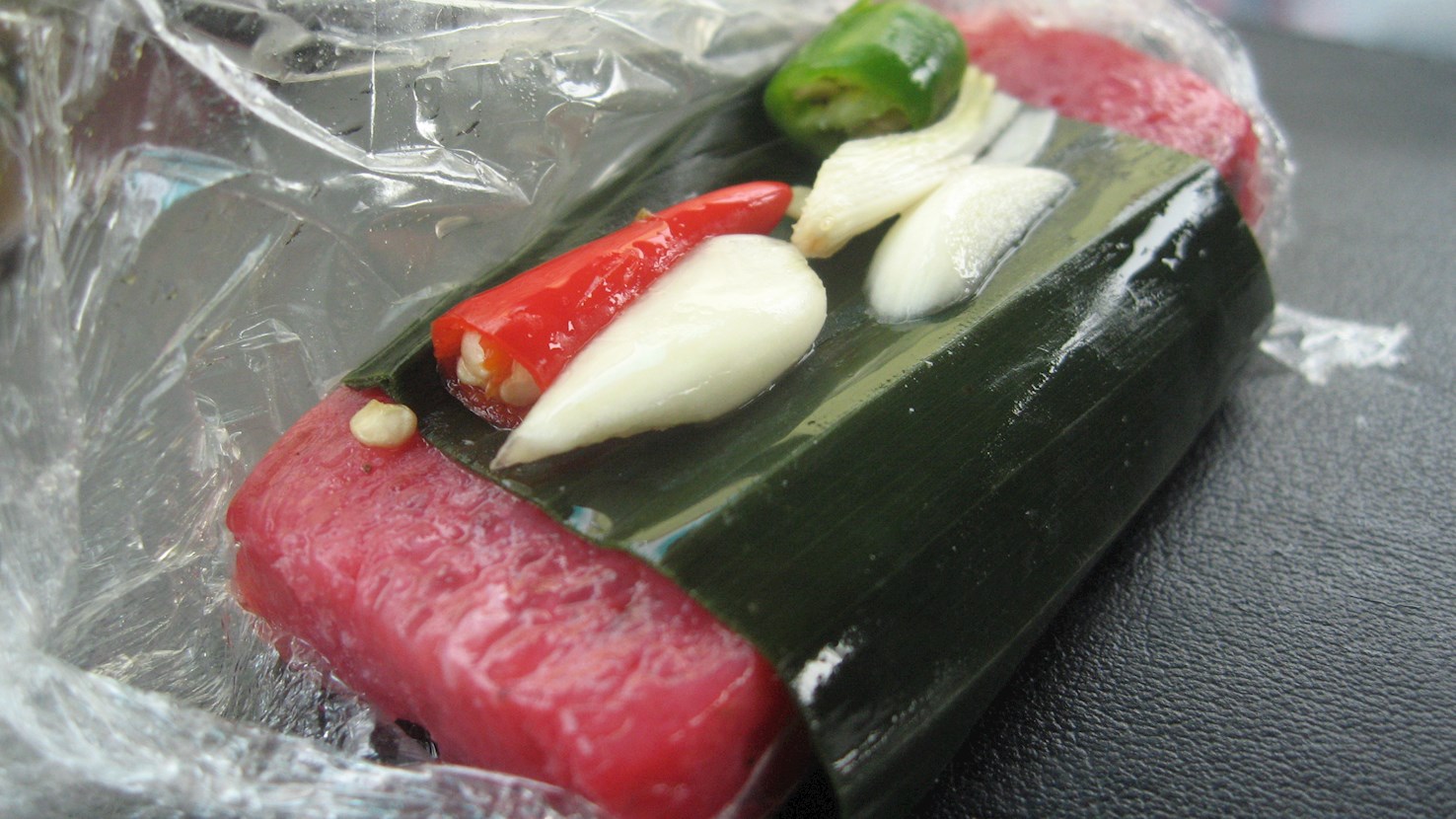
Nem chua is a traditional dish of cured and fermented meat. Although the dish is traditionally made from pork, it can also be made with other types of meat such as beef. In order to prepare it, lean pork is minced, then combined with sliced pork skin, spices, chili peppers, and garlic. The combination is wrapped into banana leaves, then stored for the fermentation process from 3 to 5 days in a cold place. These rolls have a sweet, salty, spicy, and sour flavor, and they're usually served as a snack or an appetizer with raw garlic on top, and fish sauce or chili sauce on the side. They can also be grilled. Nem chua is especially popular for the Lunar New Year celebrations.

04

Bánh căn (Vietnamese Mini Pancakes)

3.2 ·

These savory Vietnamese pancakes are made with a thin rice flour batter. They are cooked on outdoor grills which are equipped with a specialized terracotta bánh căn mold. The mixture is poured into the mold, and the pancake is then topped with a whole shrimp and scallions, or optionally pork or quail eggs. The pancakes are usually served with a fish sauce on the side and various fresh herbs and leafy vegetables which are meant to be used as wrappers. It is not clear when these pancakes first appeared, but their origin is often attributed to Ninh Thuận province, although they are enjoyed throughout South Central region. People often confuse bánh căn and bánh khọt. Although the two are very similar, the difference lies in the fact that bánh căn (as it's called in Central Vietnam) is cooked with a bit of oil and it remains soft, while bánh khọt (as it's called in South Vietnam) is fried in oil until crunchy and contains turmeric.

05

Bánh ướt (Steamed Wet Pancakes)

3.3 ·

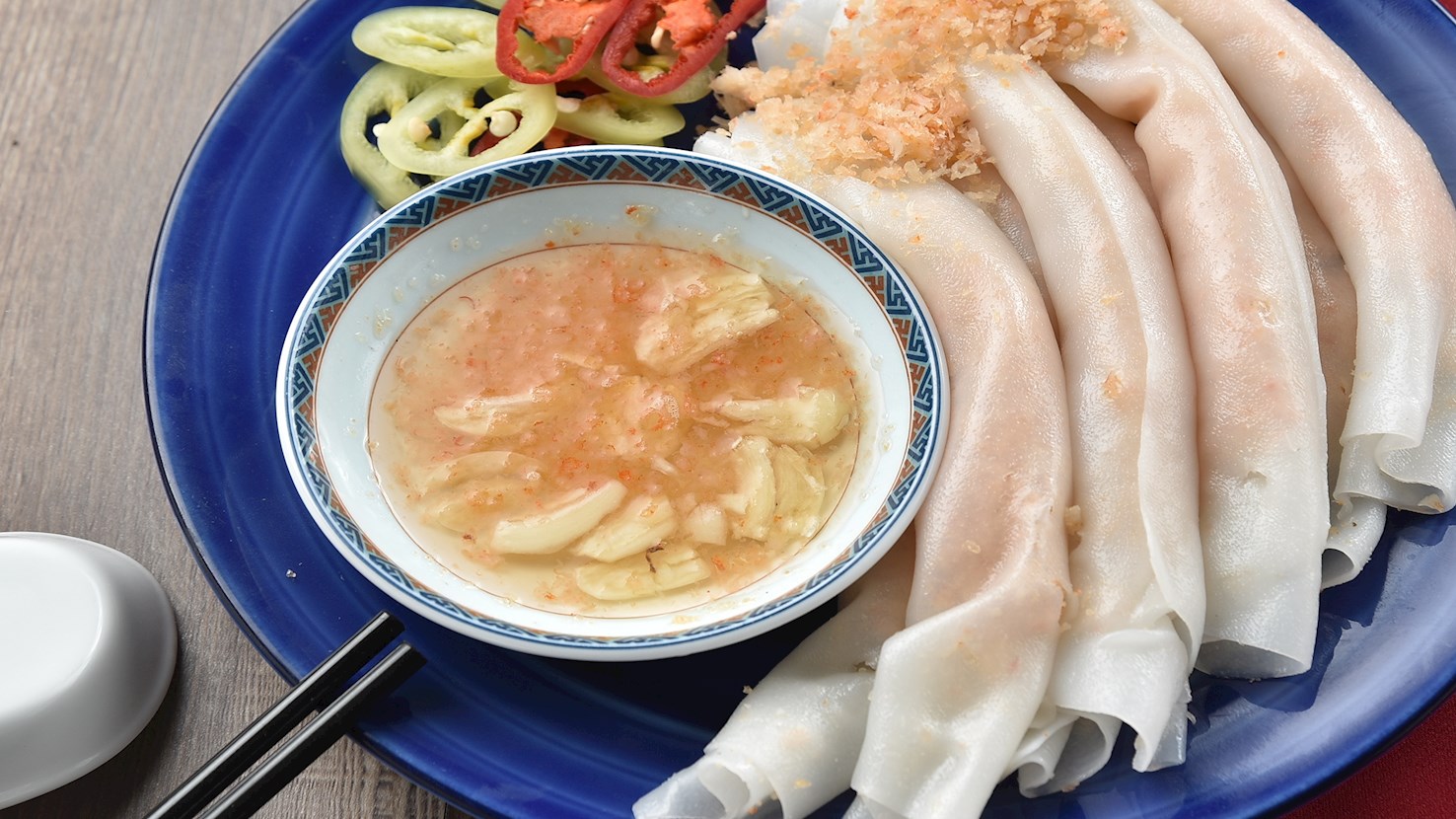
Bánh ướt are paper-thin, almost translucent Vietnamese pancakes that are made with rice flour and tapioca or potato starch. Traditionally, they are steamed on specialized steamers and are typically served rolled, usually accompanied by nước chấm (fish sauce), chả lụa sausage, pork, and fried shallots. Loosely translated as wet cakes, bánh ướt is a popular street food item that's usually associated with Nha Trang, and it is regarded as a less elaborate, local version of bánh cuốn rolls.

06

Phở cuốn (Pho Rolls)

3.4 ·

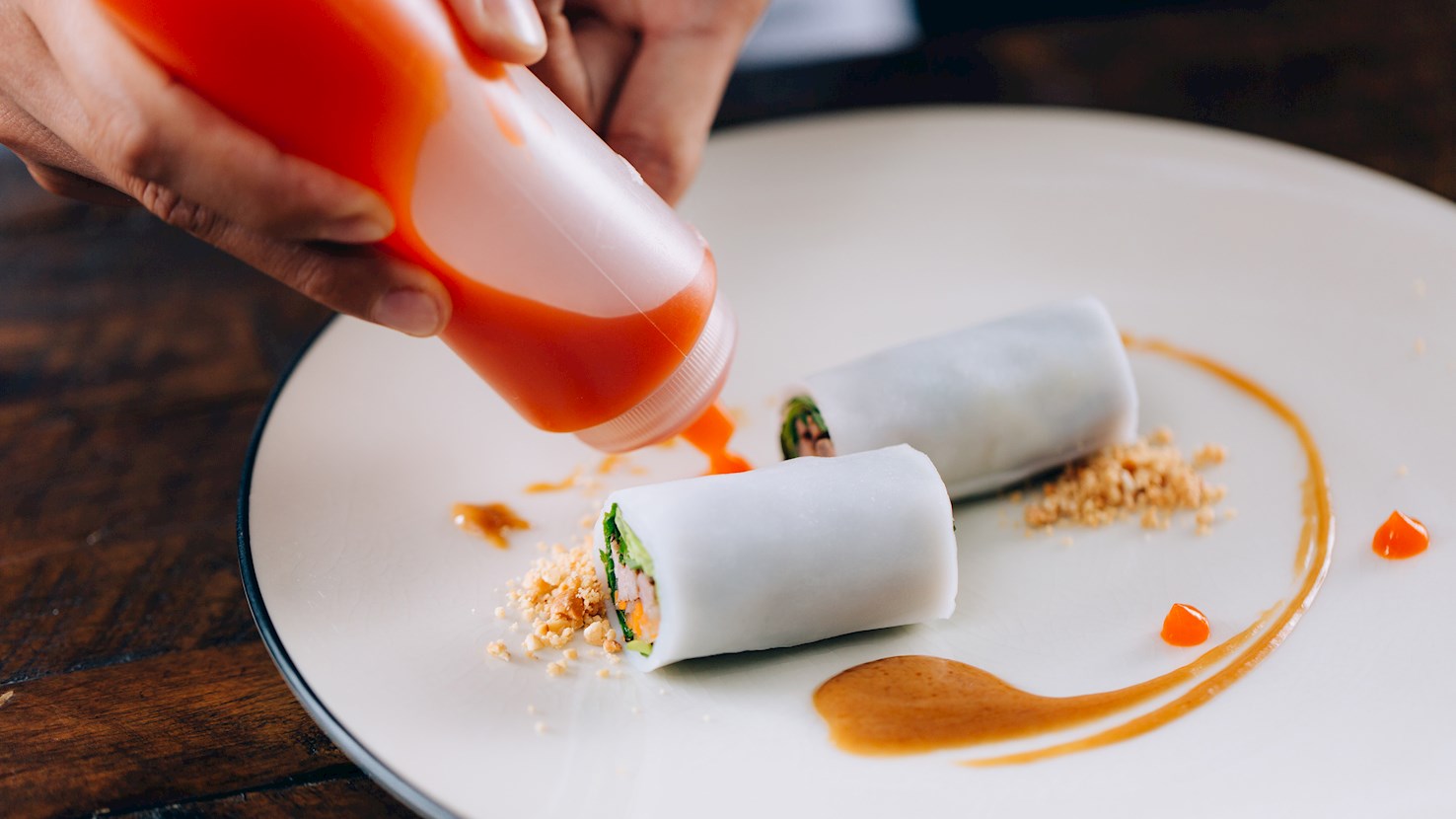
Phở cuốn is a Vietnamese dish that translates to rolled pho. In order to prepare it, sheets of uncut pho noodles are used as a type of wrapping paper that's filled with stir-fried beef, garlic, ginger, pepper, onions, lettuce, and herbs such as mint, perilla, and cilantro. Once assembled, these rolls are served with a dip on the side, usually a combination of fish sauce, sugar, garlic, chili, and vinegar. Phở cuốn can be served as a snack or an appetizer, and it's especially popular in the summer. It is believed that the dish was invented when a street vendor from Hanoi ran out of broth for his pho, but there were still some uncut noodles left in his kitchen, and phở cuốnn was born.

07

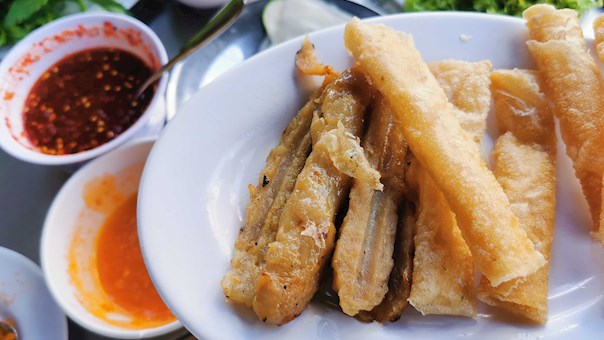
Quẩy (Vietnamese Crullers)

3.6 ·

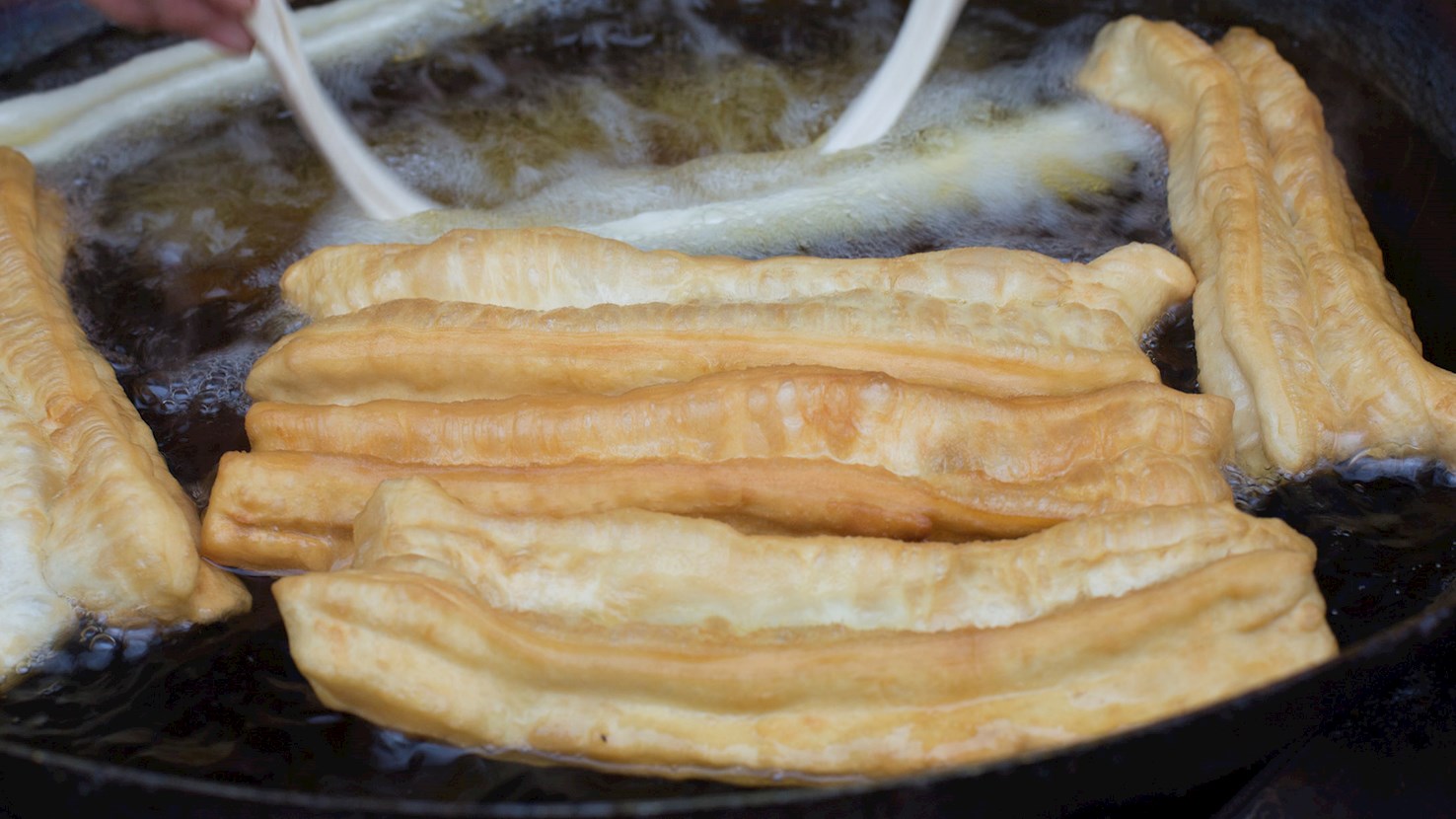
Vietnamese quẩy is a deep-fried snack which was inspired by youtiao, a popular Chinese delicacy. Although very similar in preparation and shape to its more popular cousin, quẩy is regarded as a national culinary treasure in Vietnam. Plain flour, leavening agents, salt, water, and sugar create the basic dough, which is left to rest for hours until ready. The snack is created by combining two pieces of dough which are shortly deep-fried until golden brown. The lengthy preparation procedure should result in a delicacy which puffs in contact with oil and slightly separates to resemble two individual sticks that are connected in the middle. Quẩy comes in all sizes, but a prerequisite for each serving is a crunchy exterior and a soft, slightly hollow center. In Vietnam, people enjoy it as a street food item, commonly combining it with rice porridge, pho, papaya dipping sauce, or noodles. It can be served whole and plain, but it is often cut into smaller pieces when served as an accompaniment to other dishes. Quẩy is regarded as cheap and satisfying comfort food, enjoyed by people of all ages, but it is especially popular among Vietnamese students. Because it is always freshly prepared and served hot, it is usually associated with the winter period, but can be found all year round. Similar youtiao variations are common in many Southeast Asian countries.

08

Bánh tôm (Shrimp and Sweet Potato Fritters)

3.6 ·

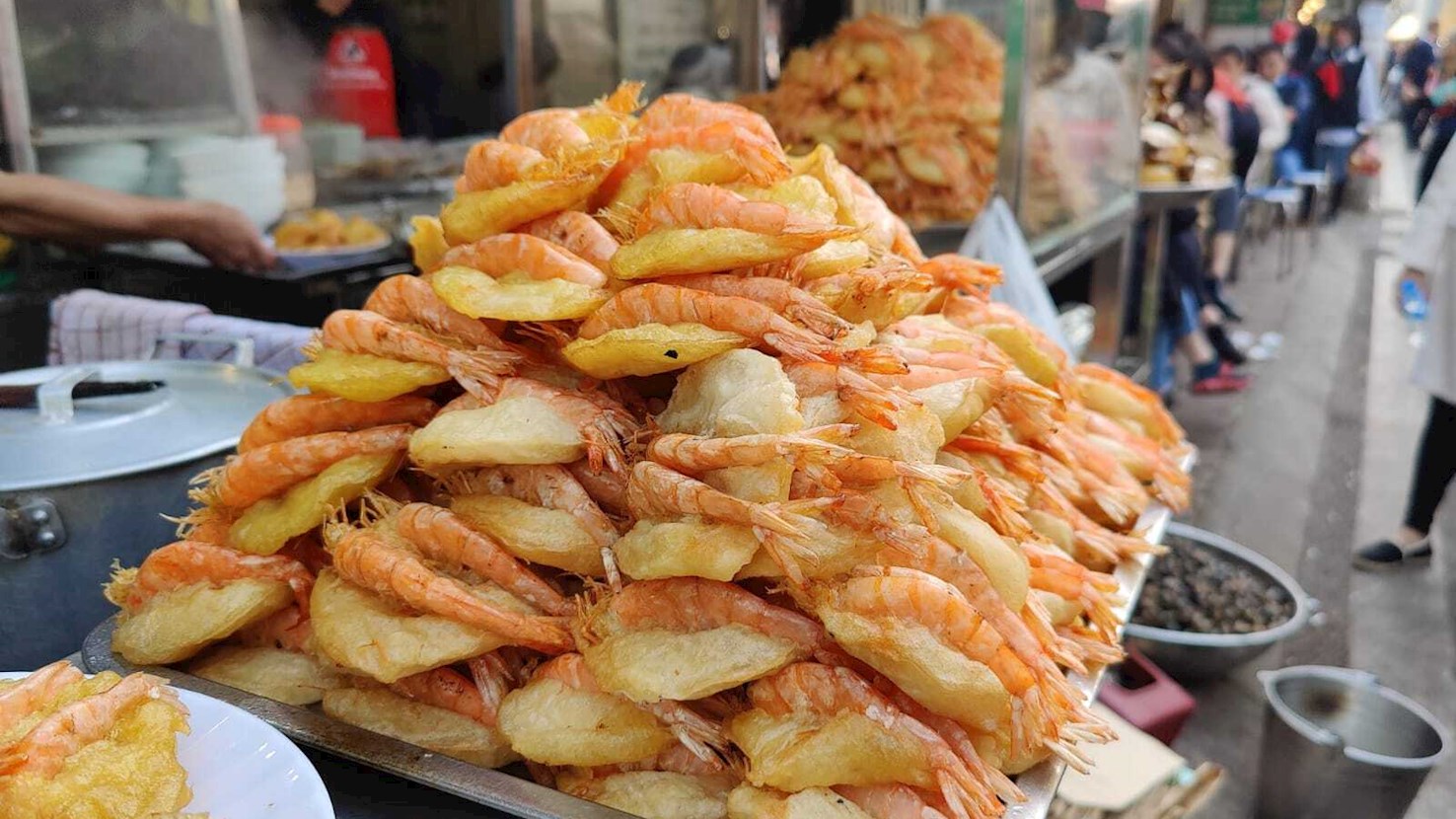
Bánh tôm is a seafood specialty hailing from Hanoi. The dish consists of julienned sweet potatoes that are divided into small portions and coated in batter. Each potato nest is then topped with a shrimp, and the combination is deep-fried until crispy. The dish is usually enjoyed as an appetizer or a snack, and it is typically accompanied by lettuce or herbs that are supposed to be used as wrappers. Pickled vegetables and nước chấm sauce are also commonly served on the side.

09

Bánh cam (Vietnamese Donuts)

3.7 ·

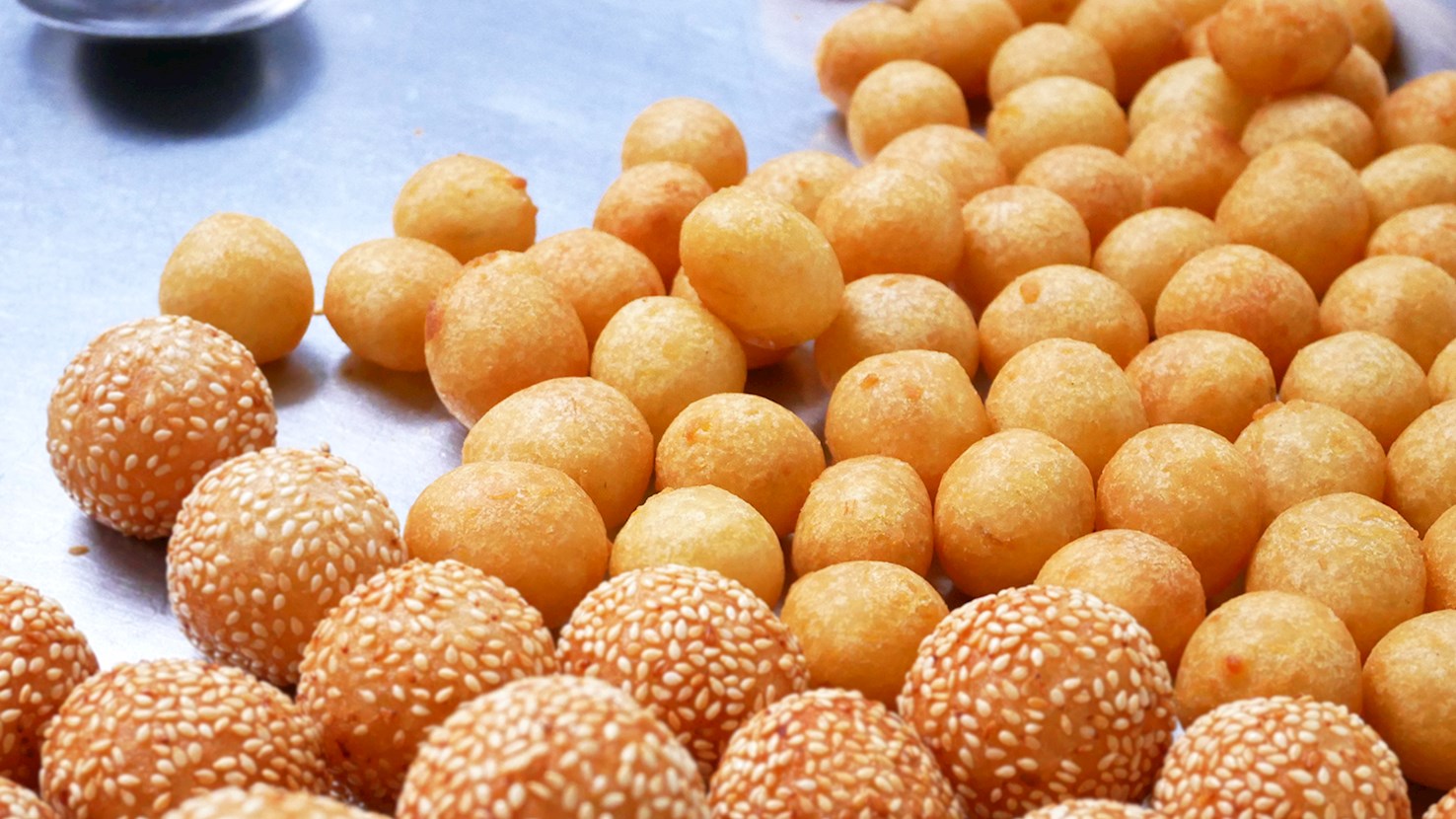
Bánh cam and bánh vòng are traditional donut-like fritters originating from Vietnam. Bánh cam is traditionally sold together with bánh vòng, and the difference lies in the fact that bánh cam is round, while bánh vòng is ring-shaped, similar to a thin donut with a hole in the middle (vòng means ring). Both types of donuts have a caramel glaze on top, but bánh vòng doesn’t contain the mung bean filling as bánh cam does. If properly prepared, the donuts should be crispy on the outside, and soft, chewy, and dense on the inside. The dough is typically made with a combination of rice flour, glutinous rice flour, baking powder, oil, sugar, and sometimes mashed potatoes. Both of these donuts are often sprinkled with sesame seeds on top.

10

Chuối chiên (Vietnamese Fried Bananas)

3.8 ·

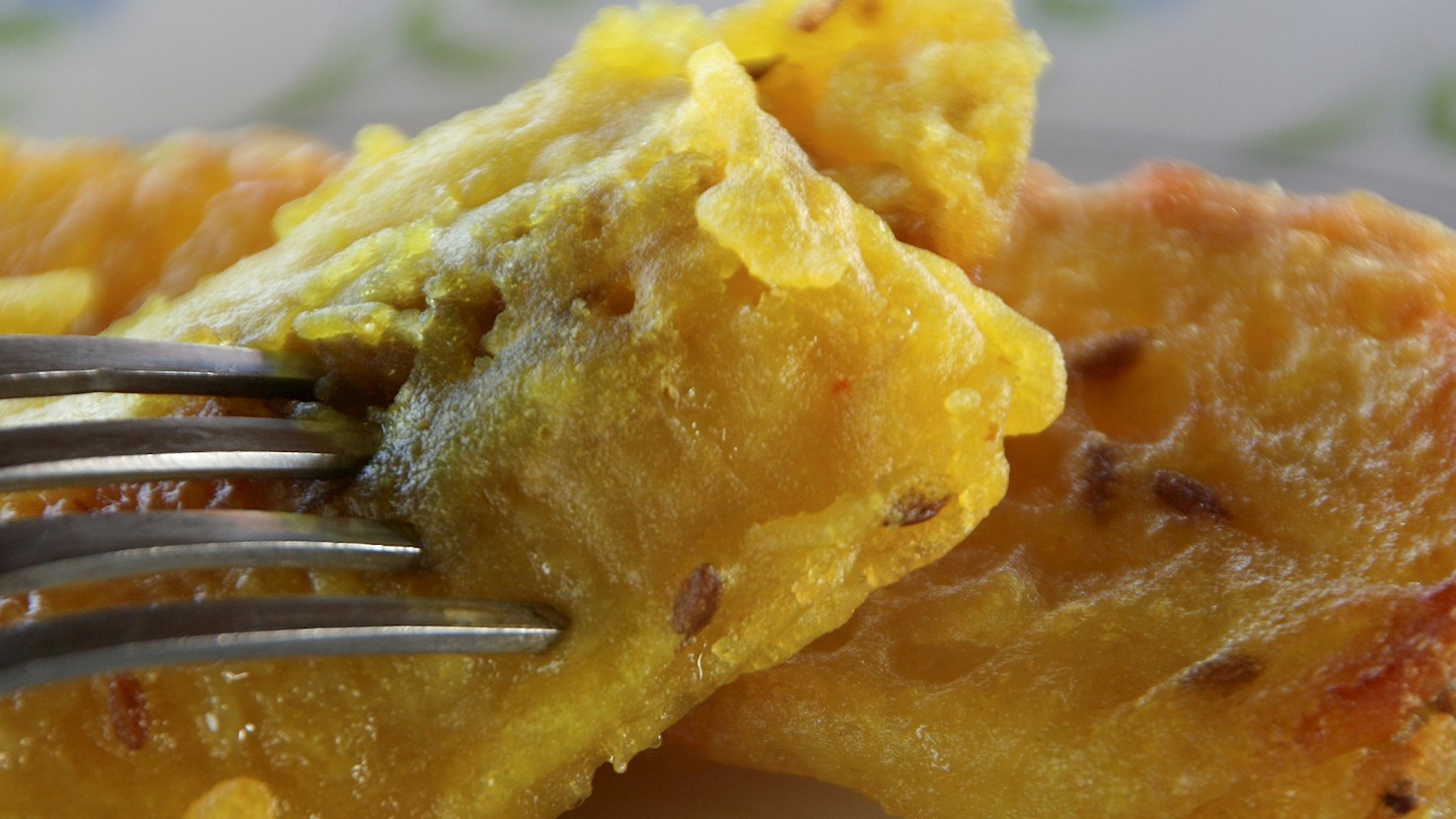
Fried bananas are a popular Vietnamese street snack usually made with small, fragrant, and ripe chuối xiêm bananas. Before they are fried, lengthwise banana slices are flattened and then coated in a batter that typically combines rice and wheat flour, coconut milk or coconut cream, sugar, and various optional additions such as cinnamon, shredded coconut, flavorings, or honey. Fried bananas are best served warm, and they are occasionally sprinkled with sesame seeds and accompanied by coconut sauce.

Read more
View all
View map
About this ranking

TasteAtlas food rankings are based on the ratings of the TasteAtlas audience, with a series of mechanisms that recognize real users and that ignore bot, nationalist or local patriotic ratings, and give additional value to the ratings of users that the system recognizes as knowledgeable. For the “12 Worst Rated Vietnamese Snacks” list until June 16, 2026, 1,452 ratings were recorded, of which 1,077 were recognized by the system as legitimate. TasteAtlas Rankings should not be seen as the final global conclusion about food. Their purpose is to promote excellent local foods, instill pride in traditional dishes, and arouse curiosity about dishes you haven’t tried.

Similar lists