


9 Worst Rated Central European Soft Cheeses

Last updated on June 16, 2026
01

Tiroler Graukäse

3 ·

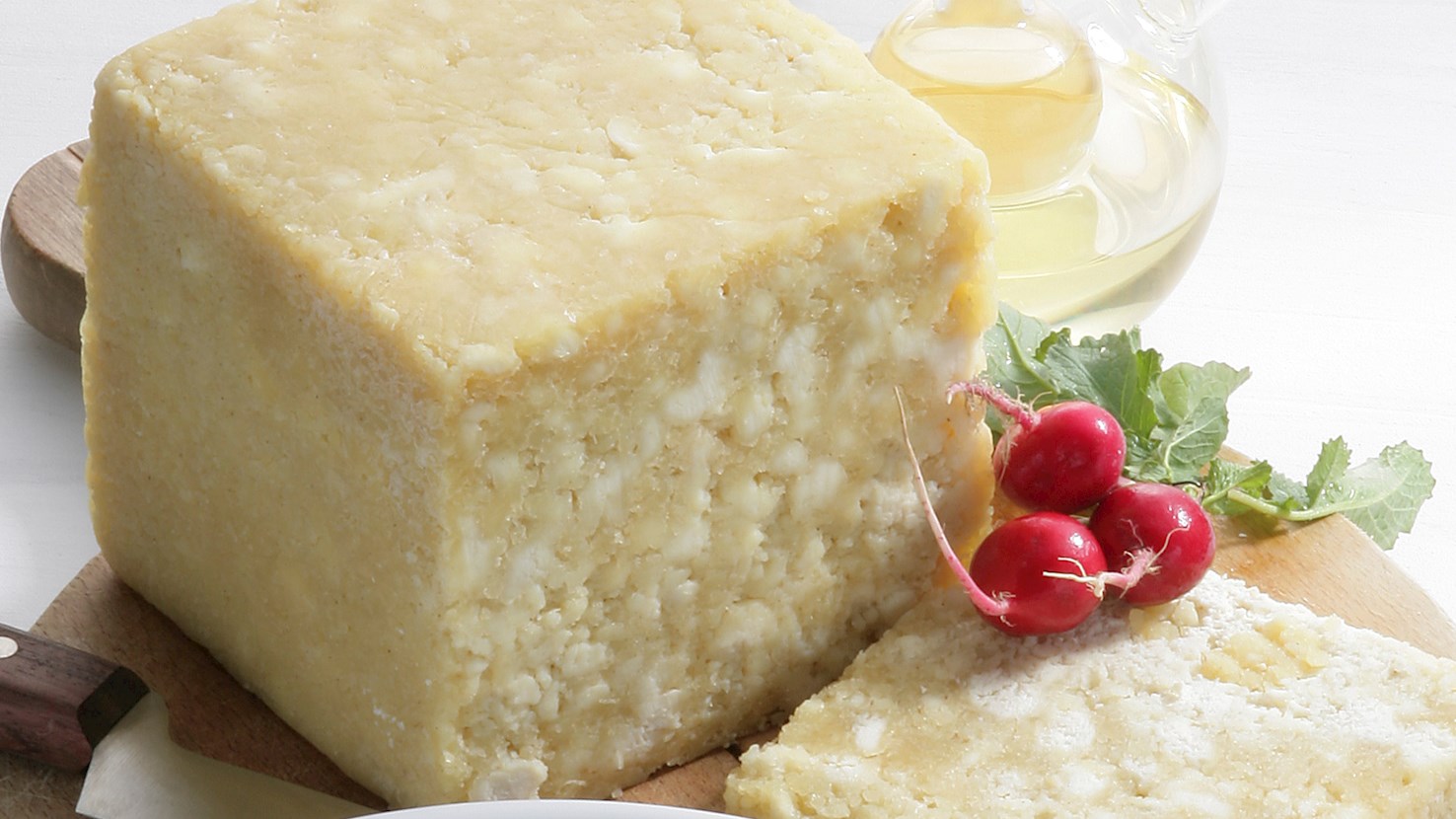
Tyrolean grey cheese is a variety of sour cow's milk cheese, traditionally made on lush Austrian pastures from skimmed milk which was previously left to curdle for several days. This cheese is extremely low in fat, it has a thin crackled rind and a crumbly texture. Named after the grey colored mold which emerges on the surface right after maturation, Tiroler Graukäse exudes a strong, pungent aroma. It is typically crumbled over buttered wholemeal bread, but it is also an essential ingredient in many traditional Tyrolean dishes such as nettle soup with Kaspressknödeln, a variety of cheese dumplings, or Zillertal donuts. Interestingly, there is also an Italian variety of Gräukase from South Tyrol and it's protected by a PAT designation.

02

Lajta

3.1 ·

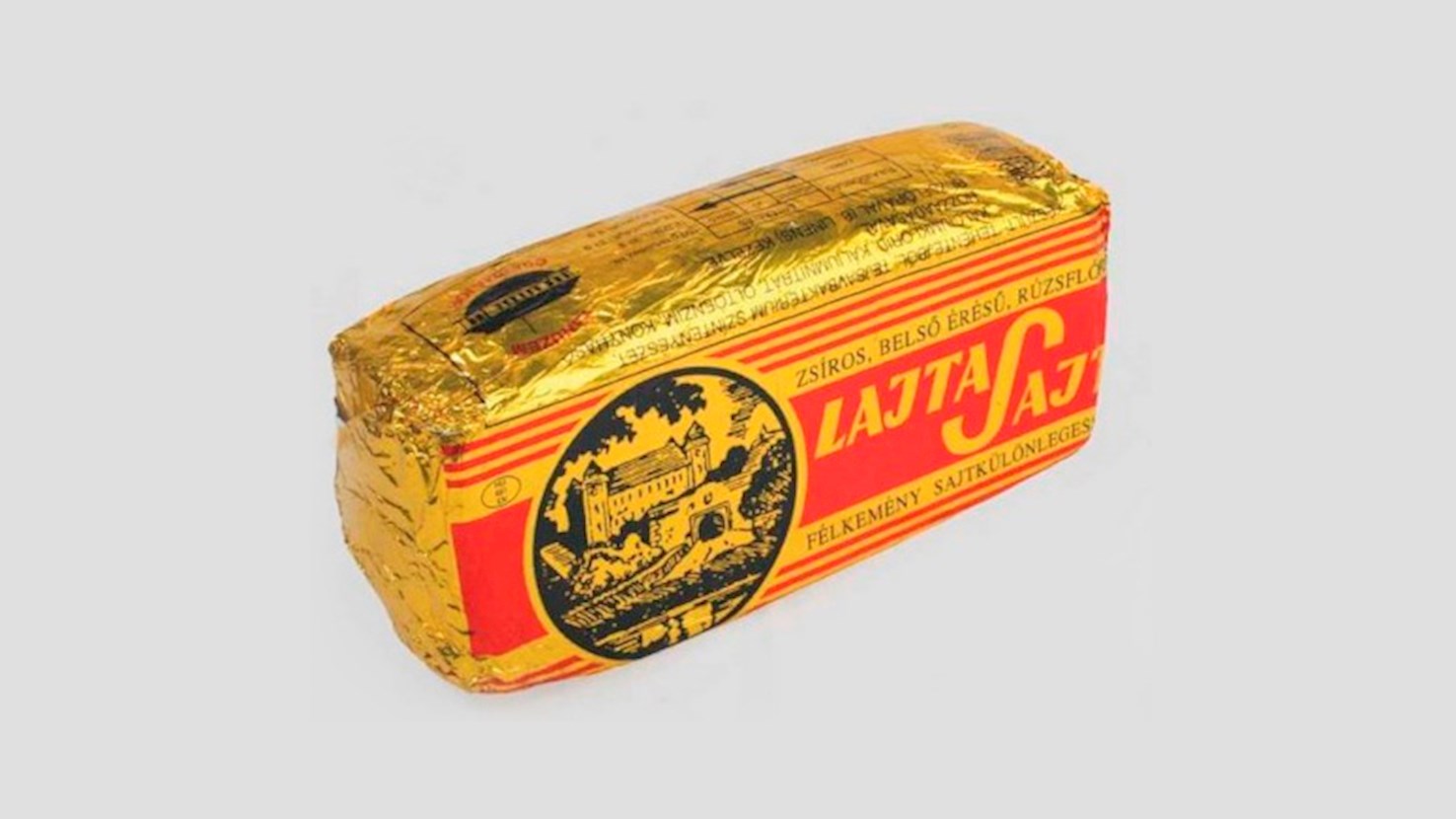
Lajta is a traditional cheese made from cow's milk. It is rectangular in shape and usually comes wrapped in gold foil. The cheese has a washed rind with a reddish mold appearing on the surface. Its texture is creamy, with small eyes dispersed throughout it. Lajta's aromas are strong and pungent, while the flavors are piquant. As the cheese matures (4-6 weeks), the aromas become reminiscent of animal odors. It's recommended to pair it with full-bodied red wines such as Pinot Noir, Zweigelt, and Cabernet Franc.

03

Romadur

3.2 ·

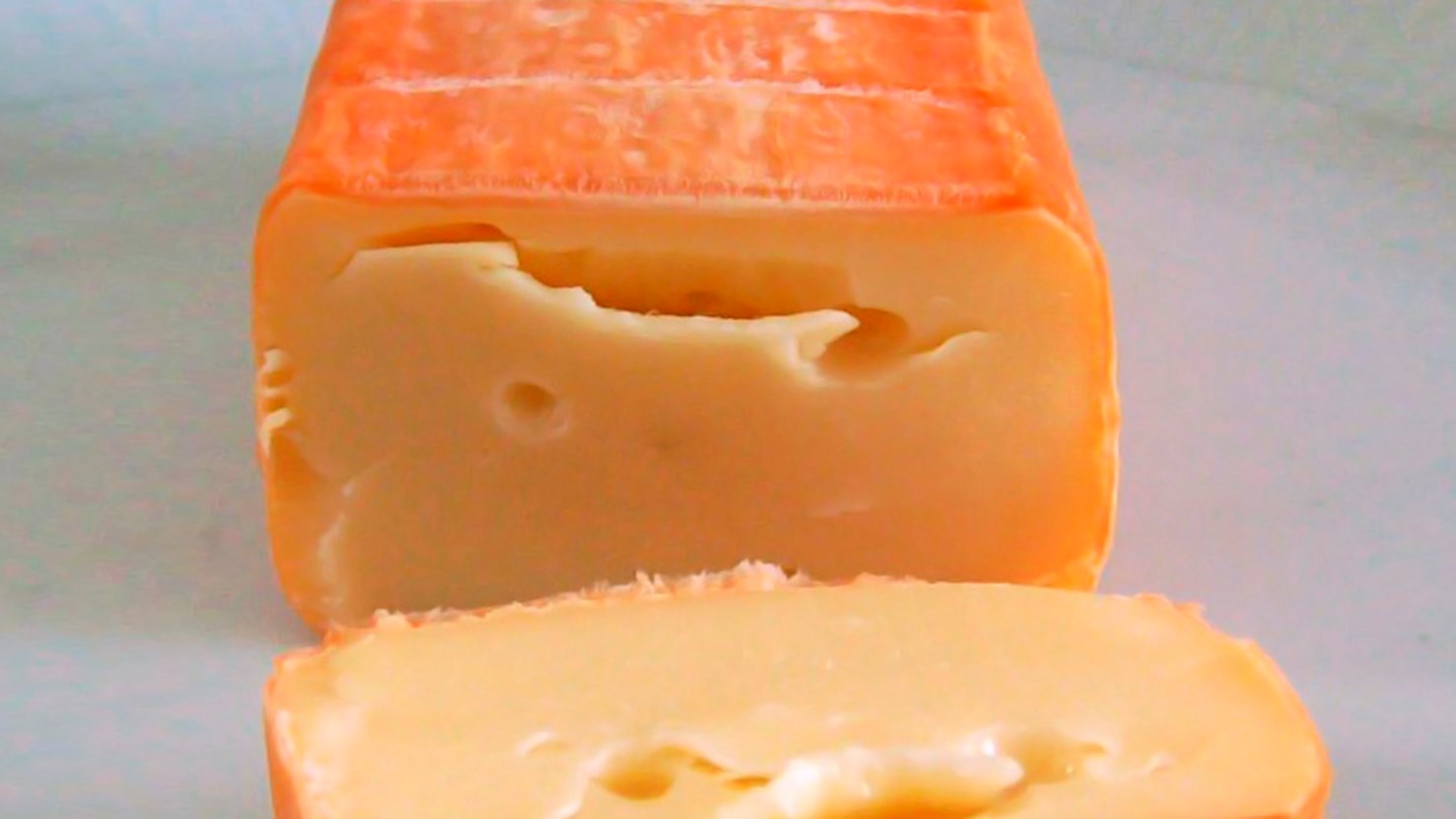
Although romadur is nowadays considered a German cheese, some believe that it originated in Belgium and was brought over to Germany in the 1830s. Regardless of the origin, today it is considered a specialty of Bavaria. This soft cheese is made from raw cow’s milk, and it is usually shaped into small, rectangular logs. During the aging period (anywhere from 8-10 days) it is regularly washed in salt water, a process that gives the cheese its characteristical reddish-brown rind. Romadur also has a strong, spicy aroma and a distinctive flavor that ranges from mild to slightly tangy. Its texture is soft and creamy, making it great for slicing or spreading on bread. It is recommended to pair it with crusty bread, strong beer, or a glass of full-bodied red wine.

04

Fromage de Herve

3.5 ·

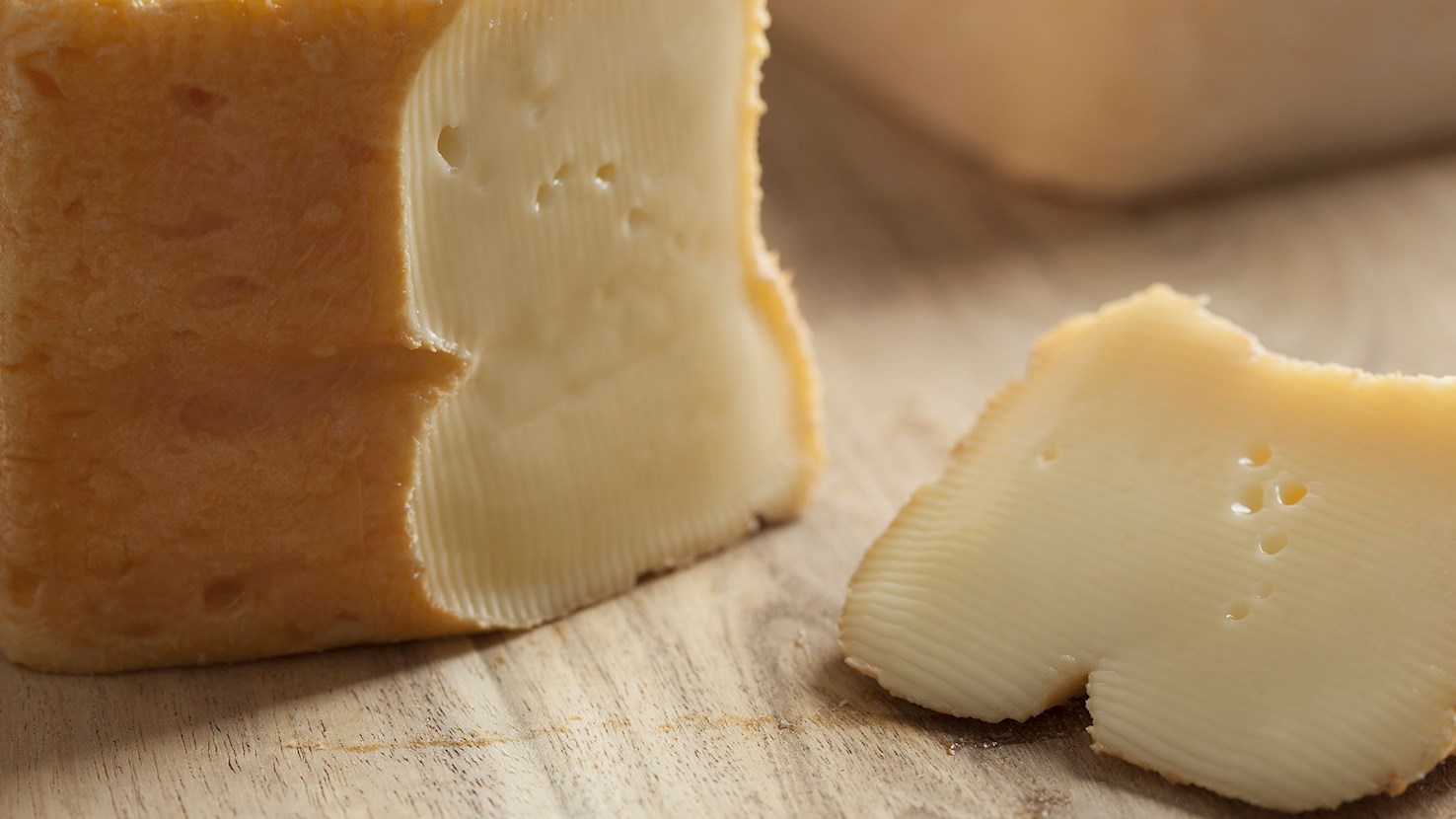
One of the most popular cheeses of Belgium, Fromage de Herve has been produced in the Pays de Herve region since the early 1400s. It is a soft, washed rind cheese made from raw or pasteurized cow's milk. Depending on the length of maturation, Herve comes in two varieties. Le Herve Doux is a softer, sweeter cheese, matured for no longer than 4 weeks, while the refined Le Herve Piquant is matured for at least 2 months to develop its pungent aroma and a stronger, saltier flavor. It is best paired with wholemeal breads and rich, dark beers.

05

Tomme Vaudoise

3.6 ·

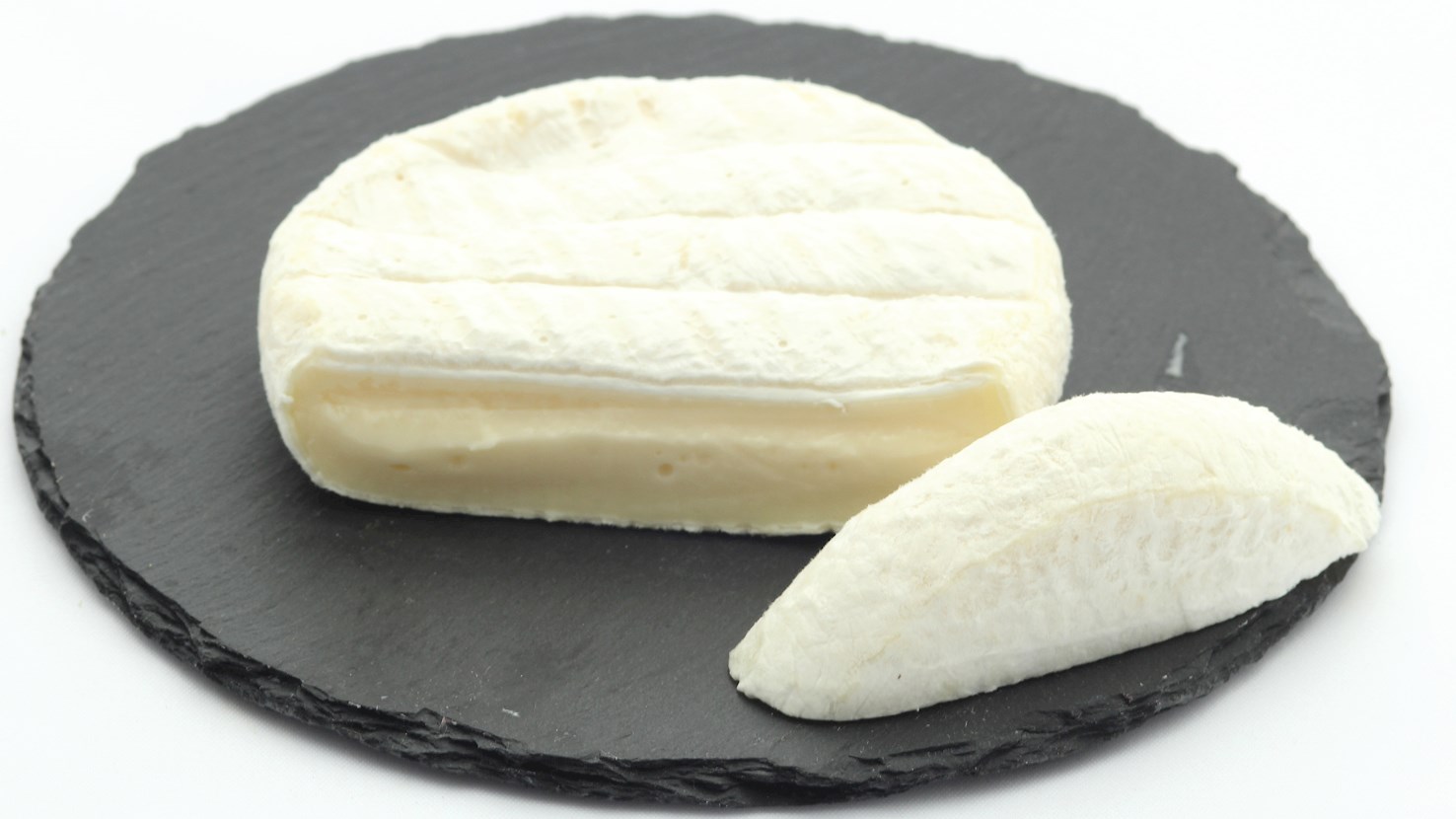
Tomme Vaudoise is a traditional cheese hailing from Switzerland. The cheese is made from raw cow's milk and it's left to mature for 8 weeks. Underneath its highly aromatic bloomy rind that's marked with tiny indentations from aging on racks, the texture is rich, yielding, and oozy. The aromas are fresh, while the flavors are fresh, grassy, and slightly tangy. It's recommended to pan-fry the cheese and place it on top of a salad, use it in pasta dishes, and pair it with a glass of dry white wine.

06

Paška skuta

3.6 ·

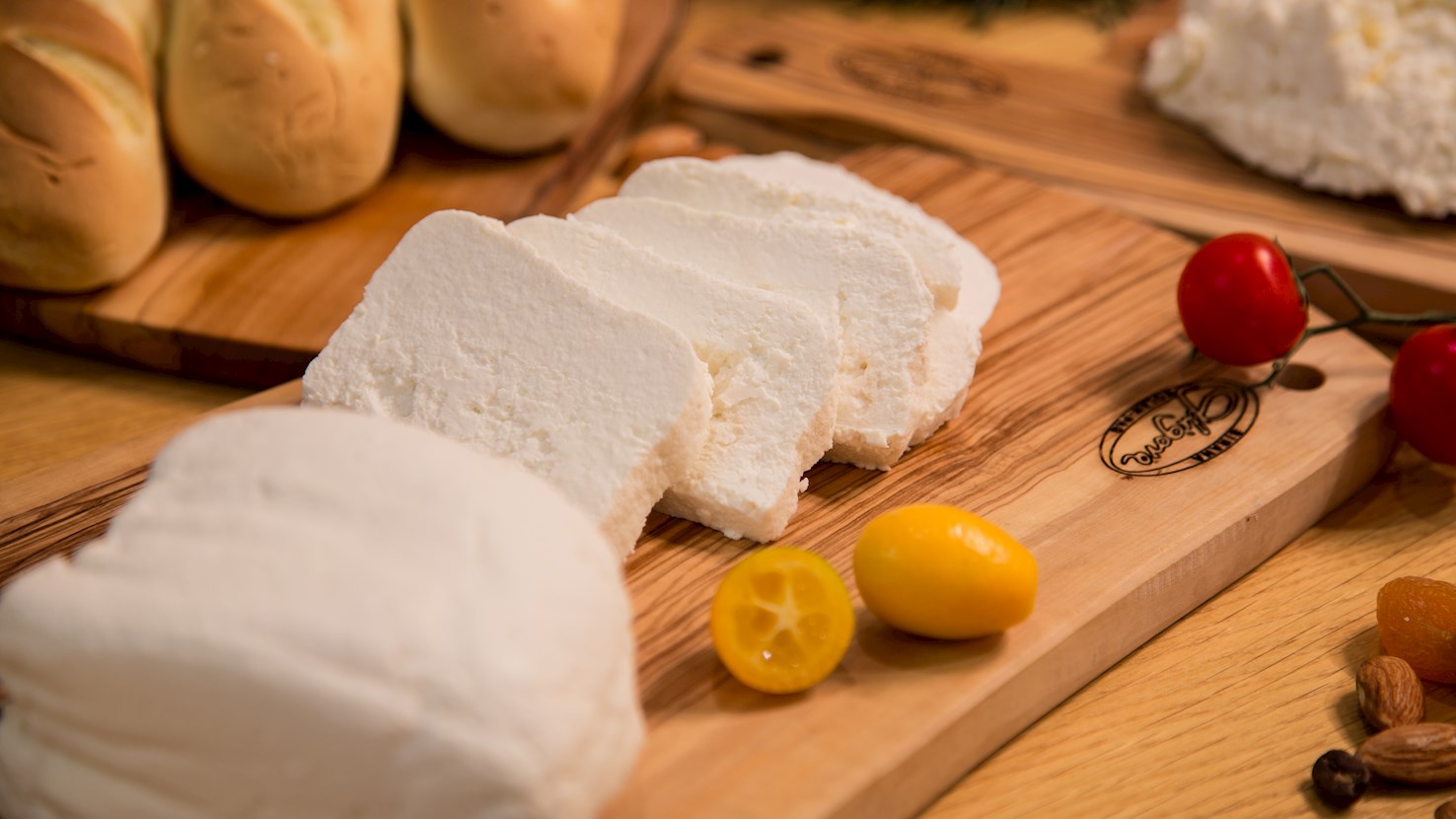
Paška skuta is a traditional ricotta-type cheese produced on the island of Pag. The skuta is made from leftover whey after the production of the famous and award-winning Paški sir. The curd is separated and drained, usually overnight, and the result is a soft and fresh cheese with a unique mild and gentle flavor coming from the milk of the indigenous Pag sheep (Paška ovca). This fresh skuta is low in fat and it's full of healthy Omega-3, protein, calcium, and zinc. The cheese is very versatile and it's recommended to use it in cheese cakes or flavor it with orange liqueur and serve it with fresh fruit. Paška skuta is especially good for liver regeneration, and on the island of Pag, while the strong bura wind blew over the landscape, people would often begin their day with a cup of black coffee with pieces of skuta placed inside of it.

07

Rögös túró

3.7 ·

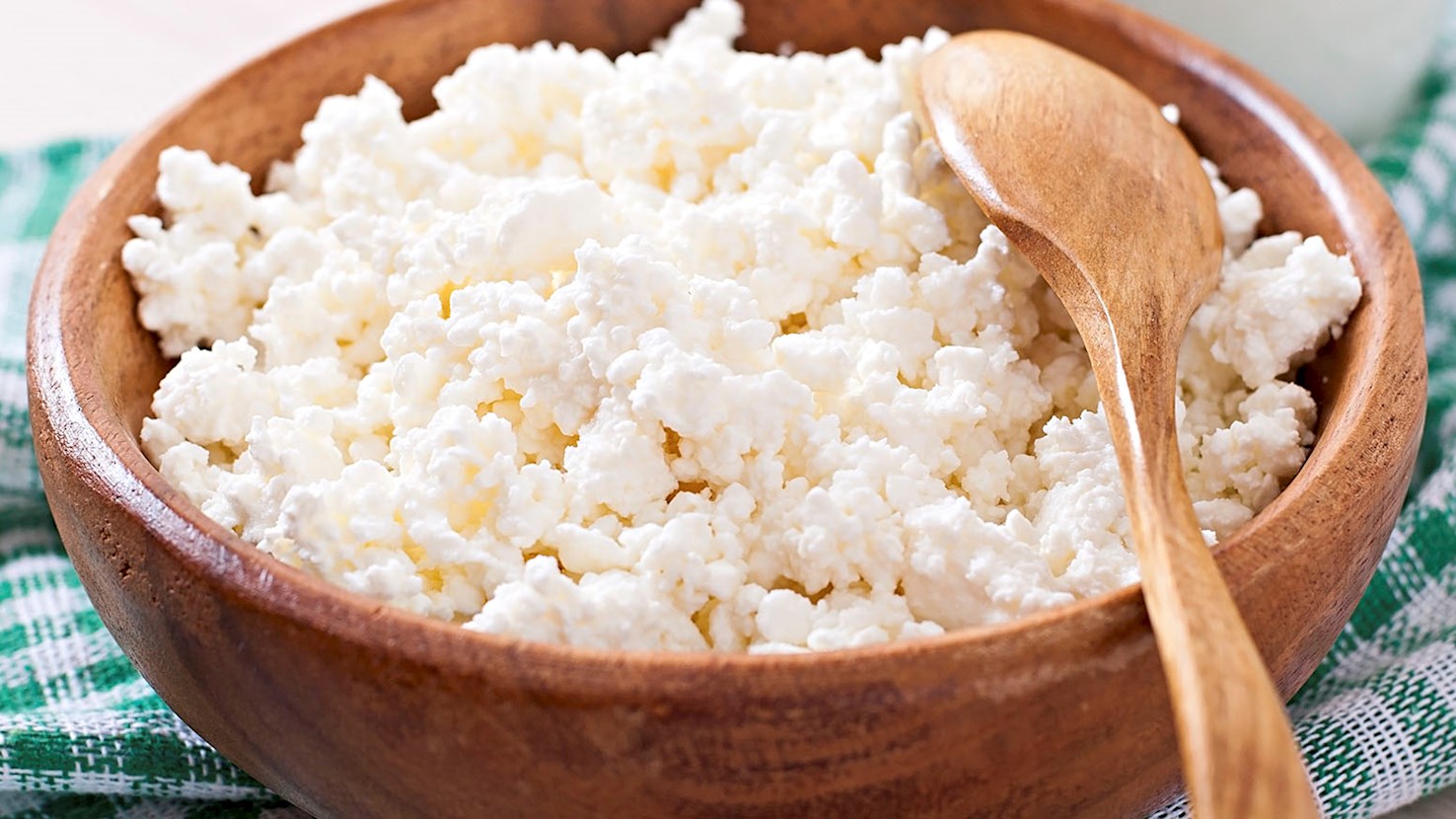
Rögös túró is a traditional cottage cheese made in Hungary from cow's milk, cream, and lactic acid bacteria cultures. The cheese is ivory white to yellowish-white in color. Its flavor is delicately and pleasantly sour, fresh, fruity and aromatic, reminiscent of fresh milk. After World War I, Hungary started to export raw and processed cow's cheese. The cheese mainly went to Germany, where the Hungarian cheese was more valued and more expensive than other cheeses. Cottage cheese started to be made around that time. It is made by chopping the cow's cheese into fine pieces the size of a hazelnut. Pair this fresh cheese with sliced fruit, honey and cinnamon for a tasty snack.

08

Altenburger Ziegenkäse

3.7 ·

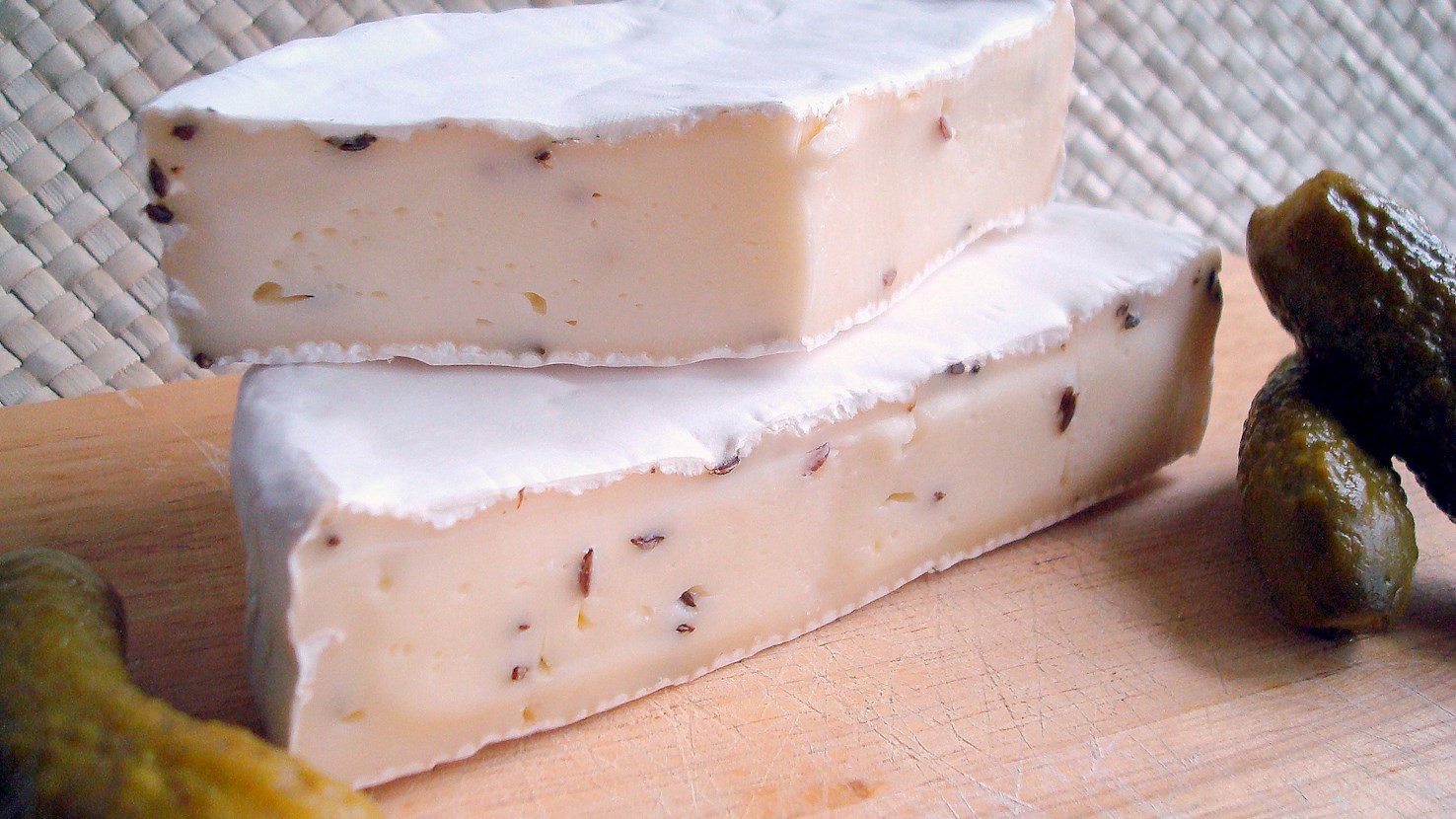
This soft cheese is produced between Saxony and Thuringia in Germany. Although the name suggests differently, Altenburger Ziegenkäse is not a pure goat's cheese – it is made with cow's milk and a small amount of goat's milk flavored with caraway. The cheese is coated with white mold and resembles Camembert. It has a relatively mild taste, becoming more aromatic and piquant as it matures. For a hearty snack, Altenburger Ziegenkäse is typically served on bread with pickled vegetables.

09

Vacherin Mont d'Or

3.9 ·

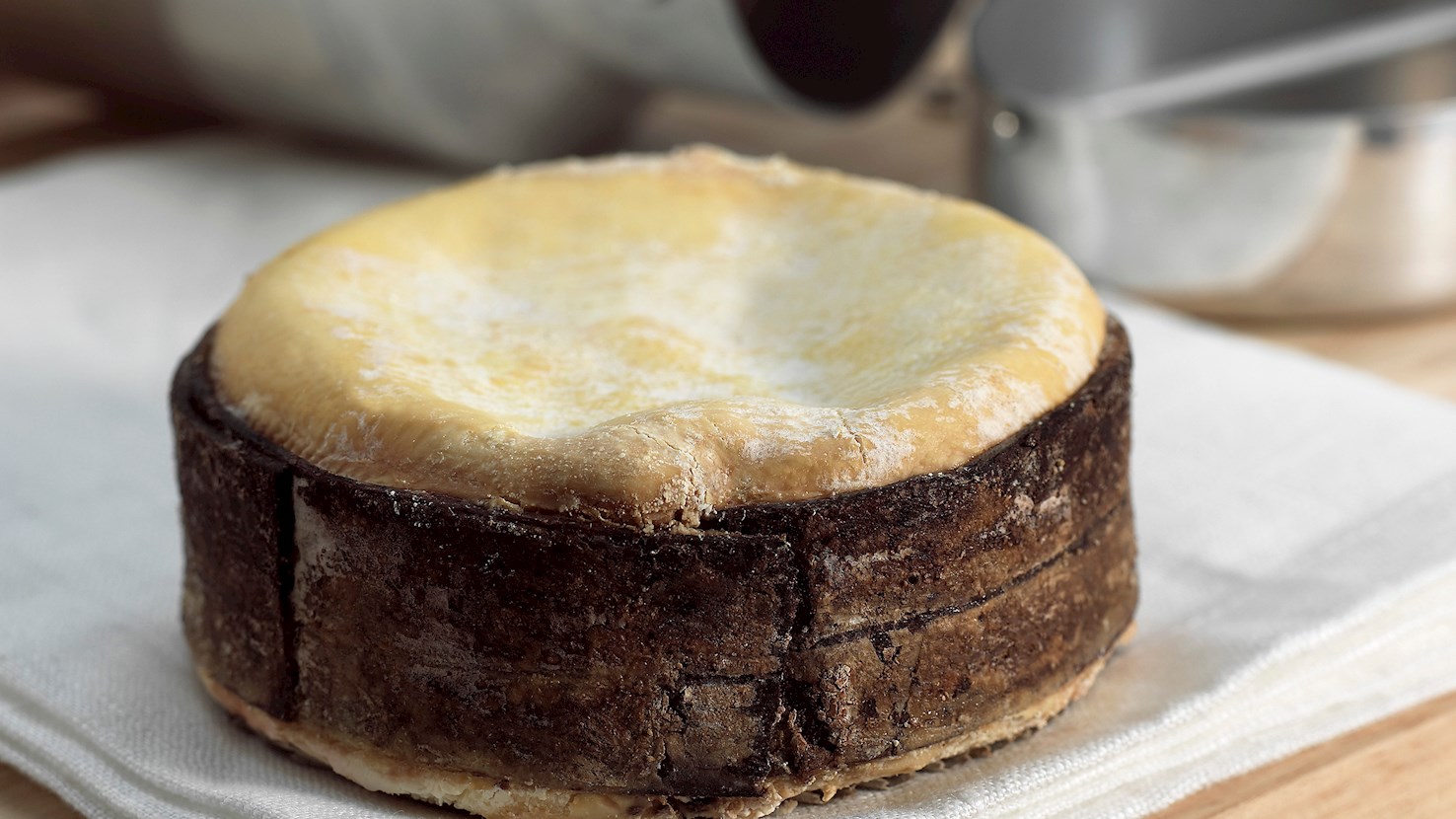
Vacherin Mont d'Or is a traditional cheese hailing from the area on the border of France near the mountain d'Or. The cheese is made from thermalized cow's milk, and it's available only from October until April, making it highly seasonal and somewhat rare. It shouldn't be confused with Vacherin du Haut-Doubs or just Mont d'Or cheese – that one is made exclusively with raw cow's milk in France. Vacherin Mont d'Or is wrapped in spruce in order to contain the slightly liquid and melting interior. Due to its mild flavor and melting and creamy texture, it's recommended to eat the cheese with a spoon when it's at room temperature. Some people like to heat it in the oven and serve it with crusty bread or new potatoes.

Read more
View all
View map
About this ranking

TasteAtlas food rankings are based on the ratings of the TasteAtlas audience, with a series of mechanisms that recognize real users and that ignore bot, nationalist or local patriotic ratings, and give additional value to the ratings of users that the system recognizes as knowledgeable. For the “9 Worst Rated Central European Soft Cheeses” list until June 16, 2026, 939 ratings were recorded, of which 619 were recognized by the system as legitimate. TasteAtlas Rankings should not be seen as the final global conclusion about food. Their purpose is to promote excellent local foods, instill pride in traditional dishes, and arouse curiosity about dishes you haven’t tried.

Similar lists