

shutterstock

60 Worst Rated Western European Soft Cheeses

Last updated on June 16, 2026
01

Casu Marzu

2.4 ·

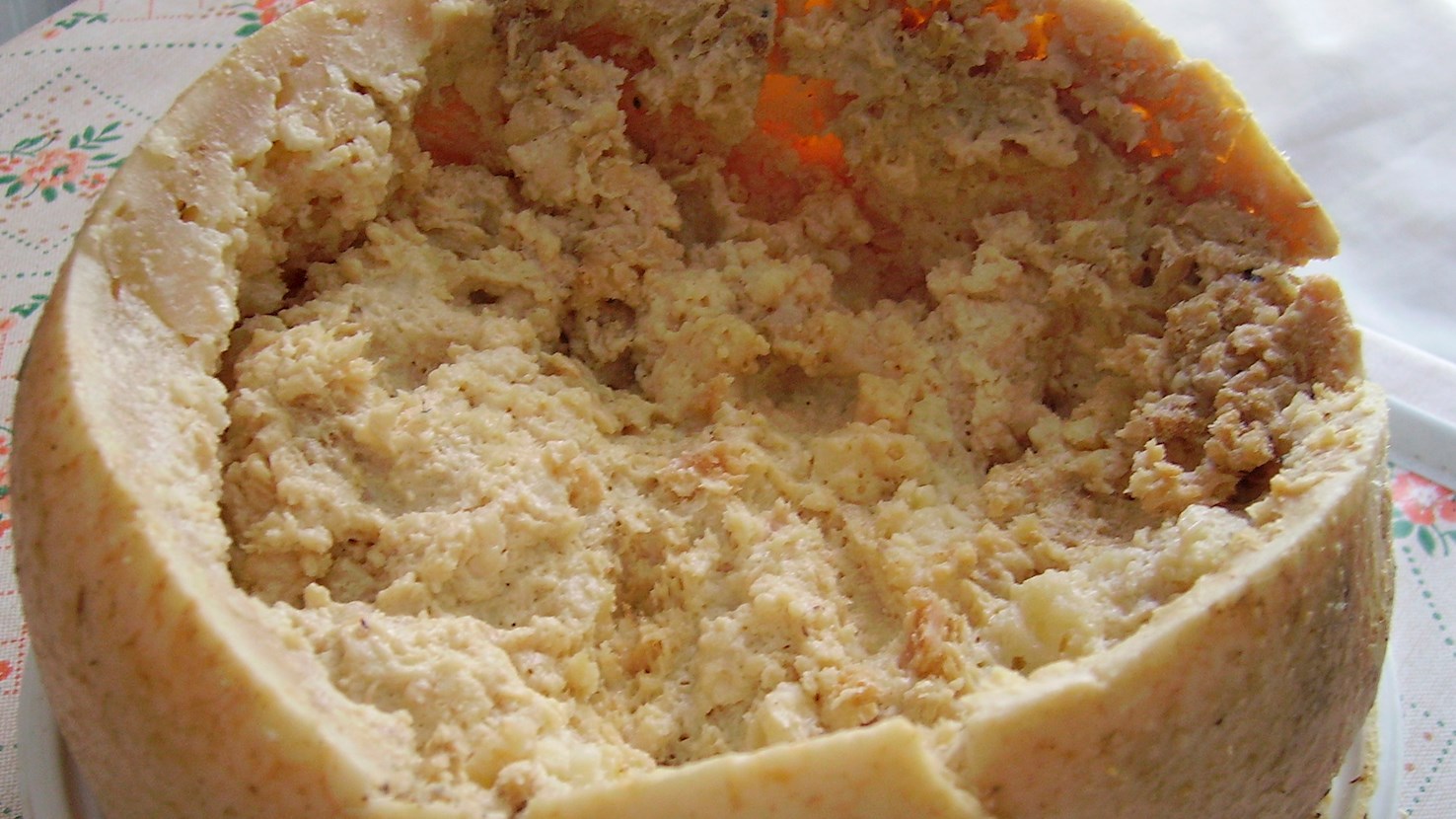
IT IS ILLEGAL TO SELL AND CONSUME THIS CHEESE DUE TO HEALTH RISKS. Casu marzu is a controversial Italian sheep’s milk cheese originating from Sardinia. The cheese is derived from the Pecorino family of cheeses and has a soft-ripened texture with a natural rind. In English, casu marzu means rotten cheese, referring to live insect larvae (maggots) which can be found in it. After the fermentation process, larvae are introduced to the cheese, promoting decomposition and breaking down the cheese’s fats. As a result, the texture of this notorious cheese becomes very soft. Casu marzu is typically cut into thin strips and spread on pane carasau, and it is recommended to pair it with a glass of strong red wine, but only if you find the cheese on the black market as it is illegal in the EU. Just make sure to cover your eyes while eating casu marzu, because the maggots can leap up to 6 inches off the cheese.

02

Travia da Beira Baixa

2.4 ·

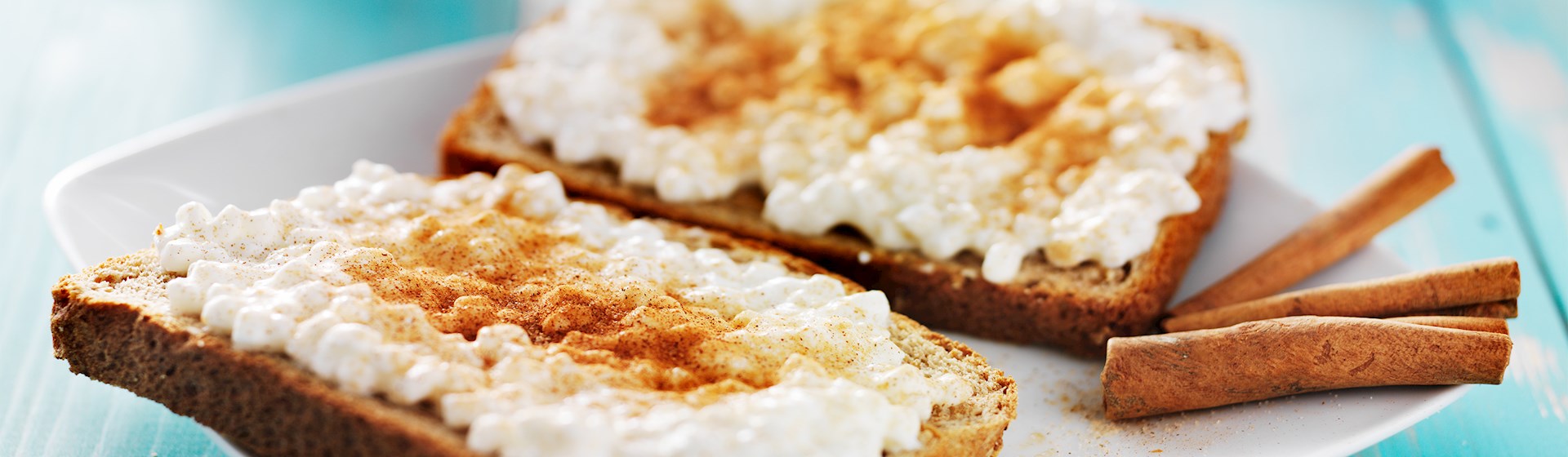
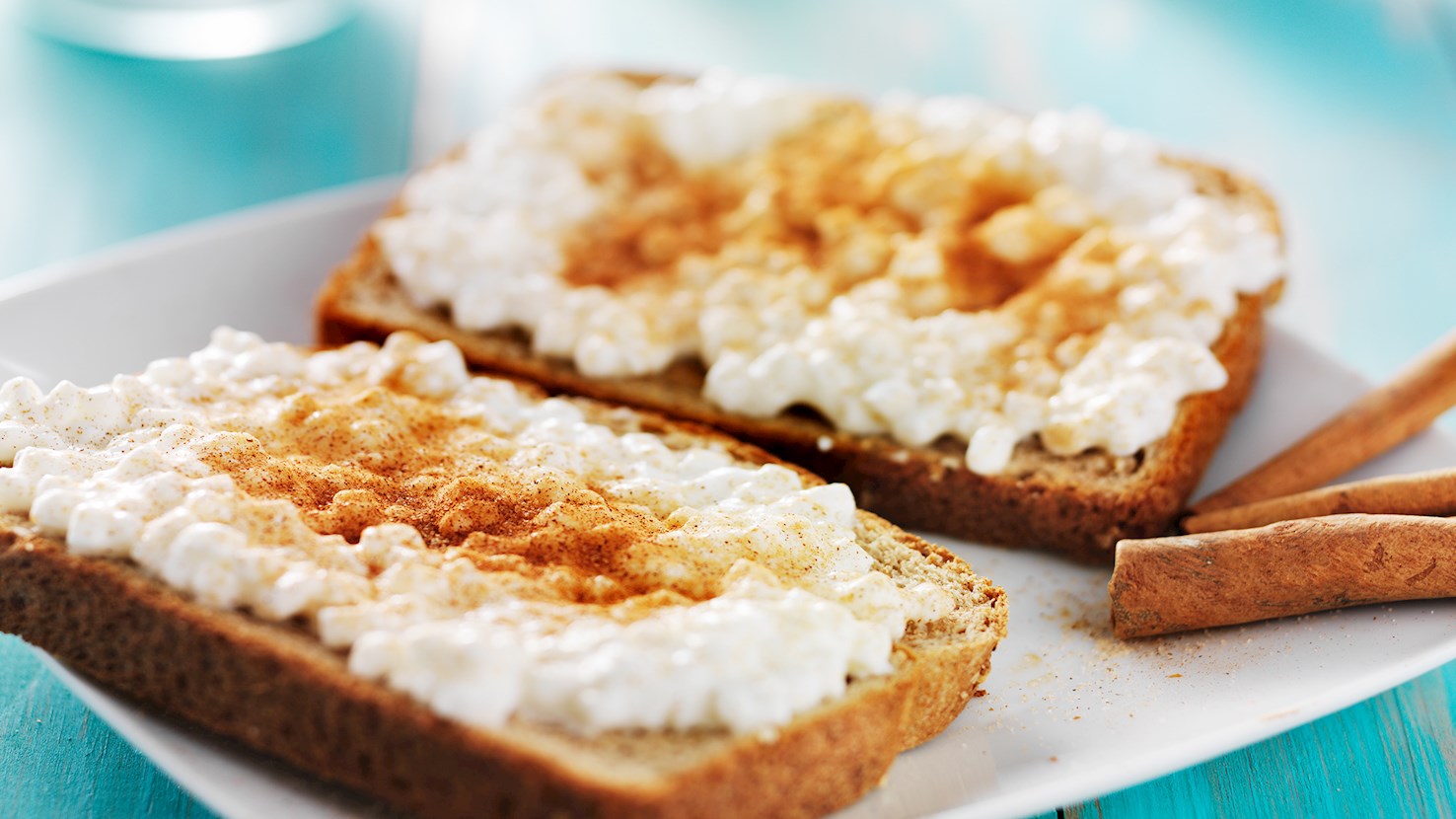
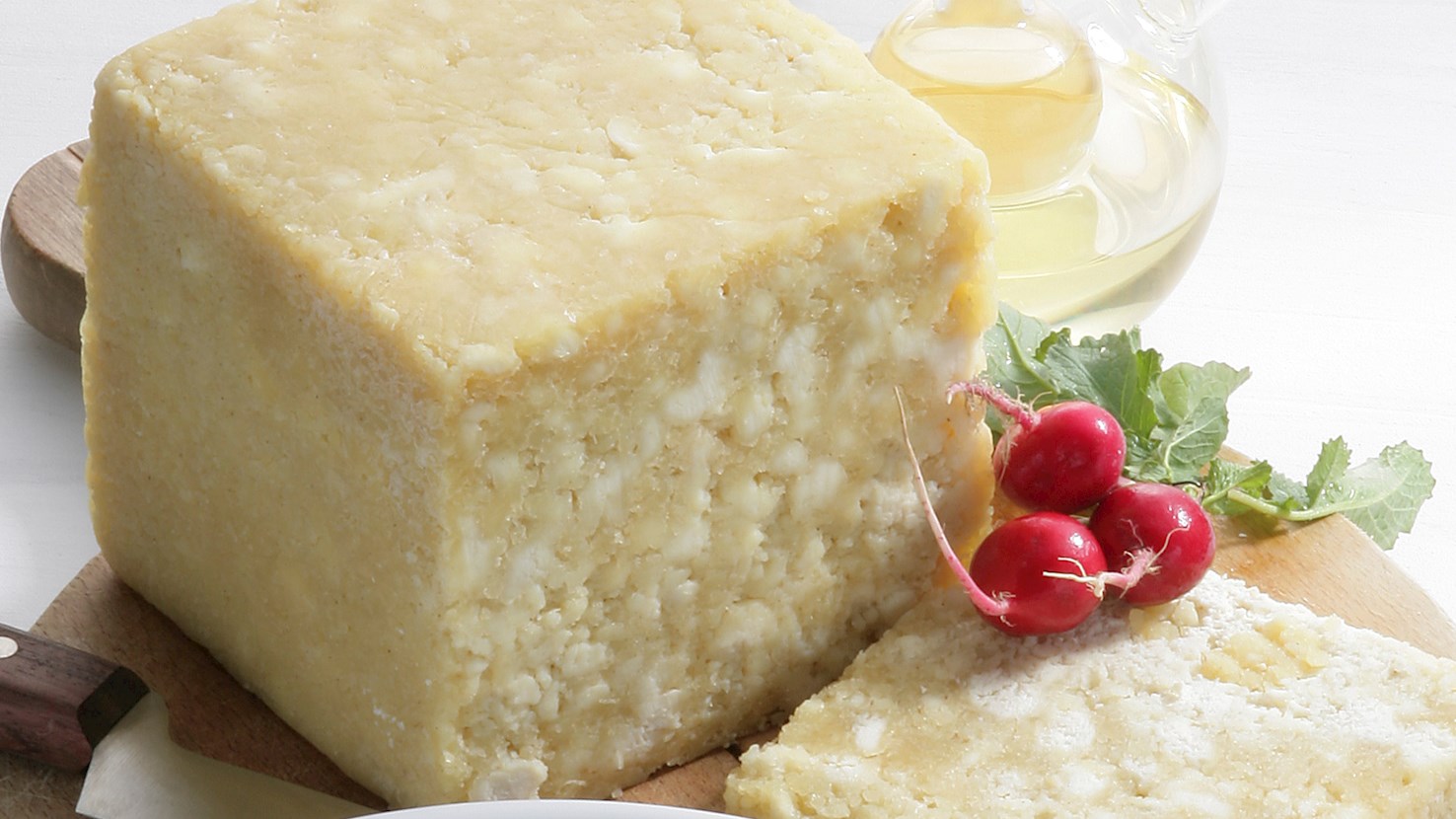
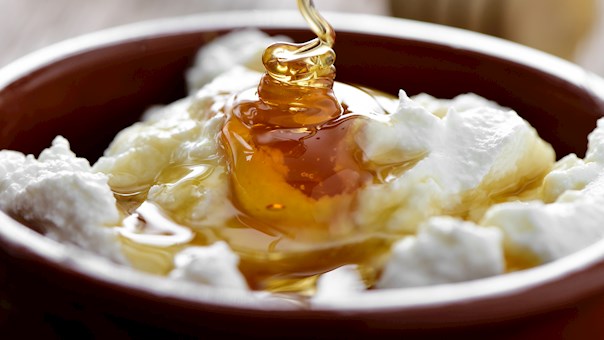
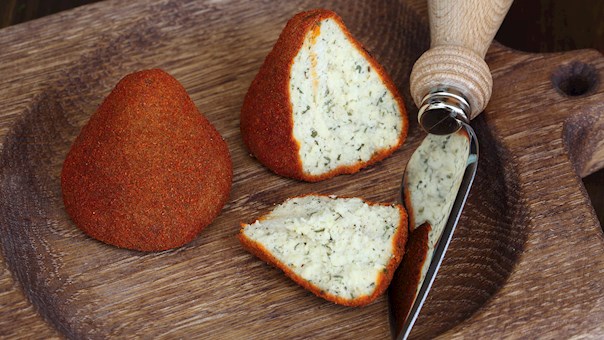
This Portuguese whey cheese is made from either sheep or goat milk whey left over from the cheesemaking operations in the Beira Baixa historical region, now Castelo Branco. The delicate, unfermented travia has a grainy but spreadable texture, and a pleasant, sweet lactic flavor. In Portugal, travia is one of the breakfast favorites, and it is usually enjoyed fresh, spread over toasted sourdough bread, sprinkled with sugar and ground cinnamon.

03

Fontainebleau

2.8 ·

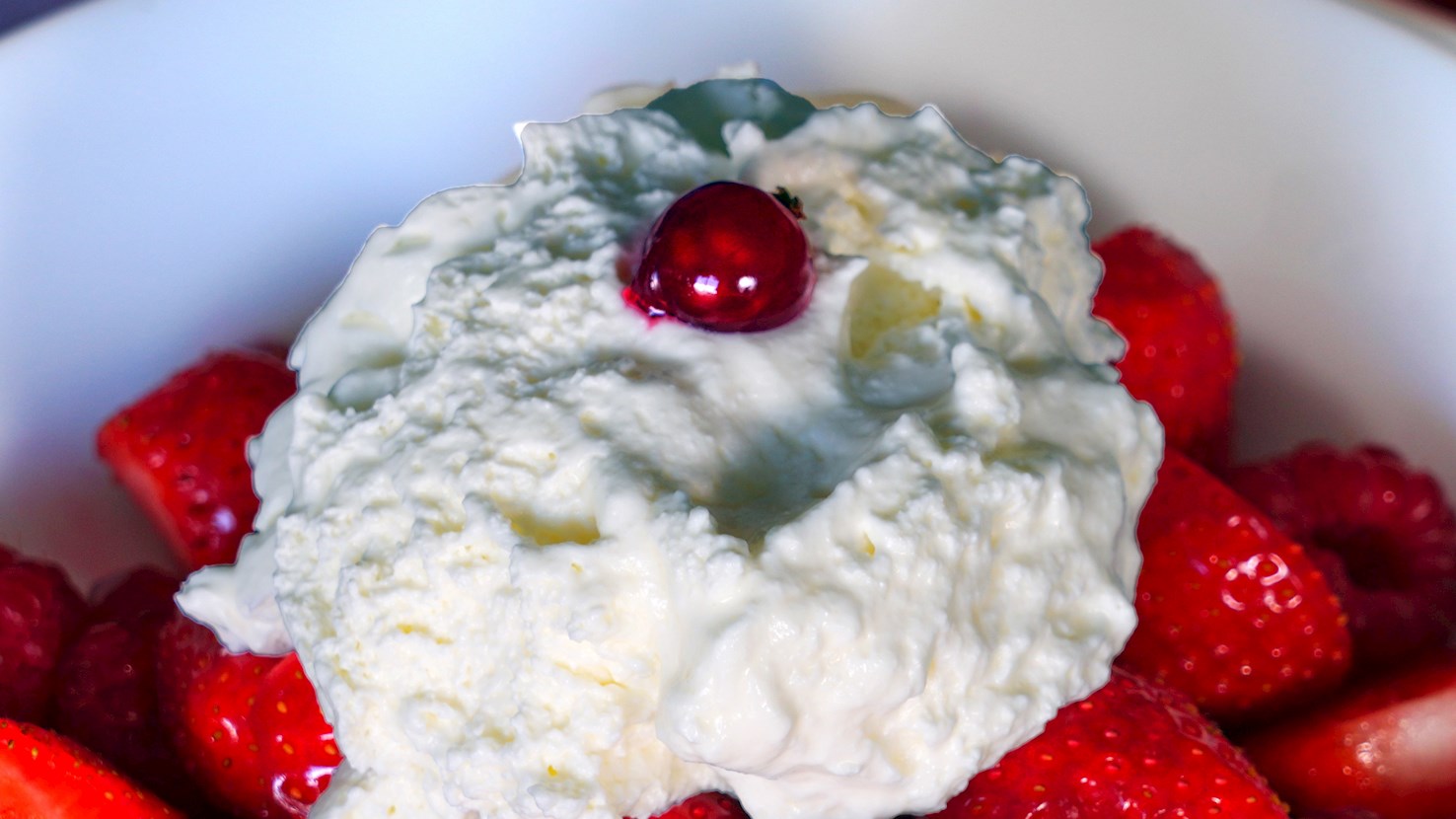
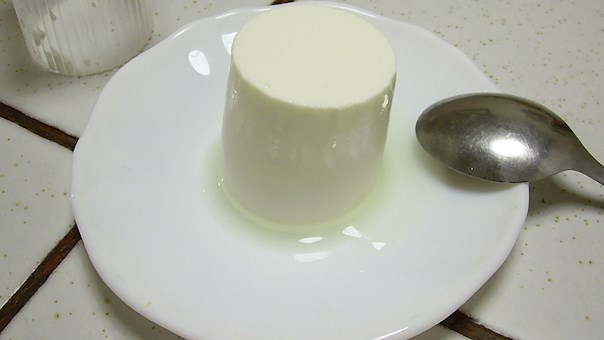
Dating back to the 18th century, Fontainebleau is a French cheese originating from Ile-de-France. It is made with cow's milk and cream, and its texture is smooth, spreadable, and creamy. The flavor is light, mild, fresh, and milky, and the cheese can be served as a dessert or a cheese on its own. Fontainebleau is traditionally sold in a gauze-lined container, and it is recommended to serve it with fresh fruit or berries.

04

Südtiroler Graukäse

3 ·

Tyrolean grey cheese is a variety of sour cow's milk cheese, traditionally made on lush Austrian pastures from skimmed milk which was previously left to curdle for several days. This cheese is extremely low in fat, it has a thin crackled rind and a crumbly texture. Named after the grey colored mold which emerges on the surface right after maturation, Tiroler Graukäse exudes a strong, pungent aroma. It is typically crumbled over buttered wholemeal bread, but it is also an essential ingredient in many traditional Tyrolean dishes such as nettle soup with Kaspressknödeln, a variety of cheese dumplings, or Zillertal donuts. Interestingly, there is also an Italian variety of Gräukase from South Tyrol and it's protected by a PAT designation.

05

Quartirolo Lombardo

3.1 ·

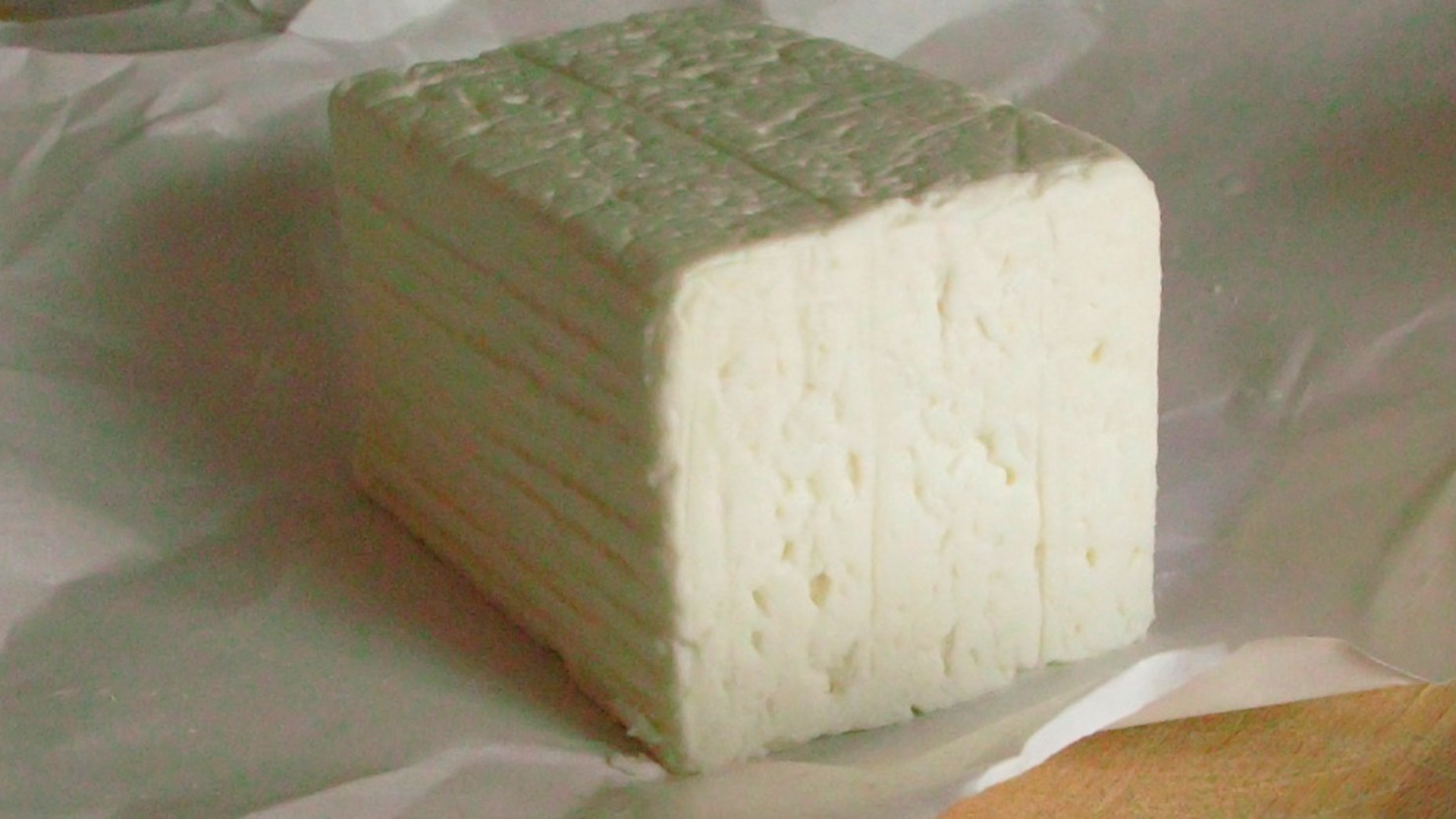
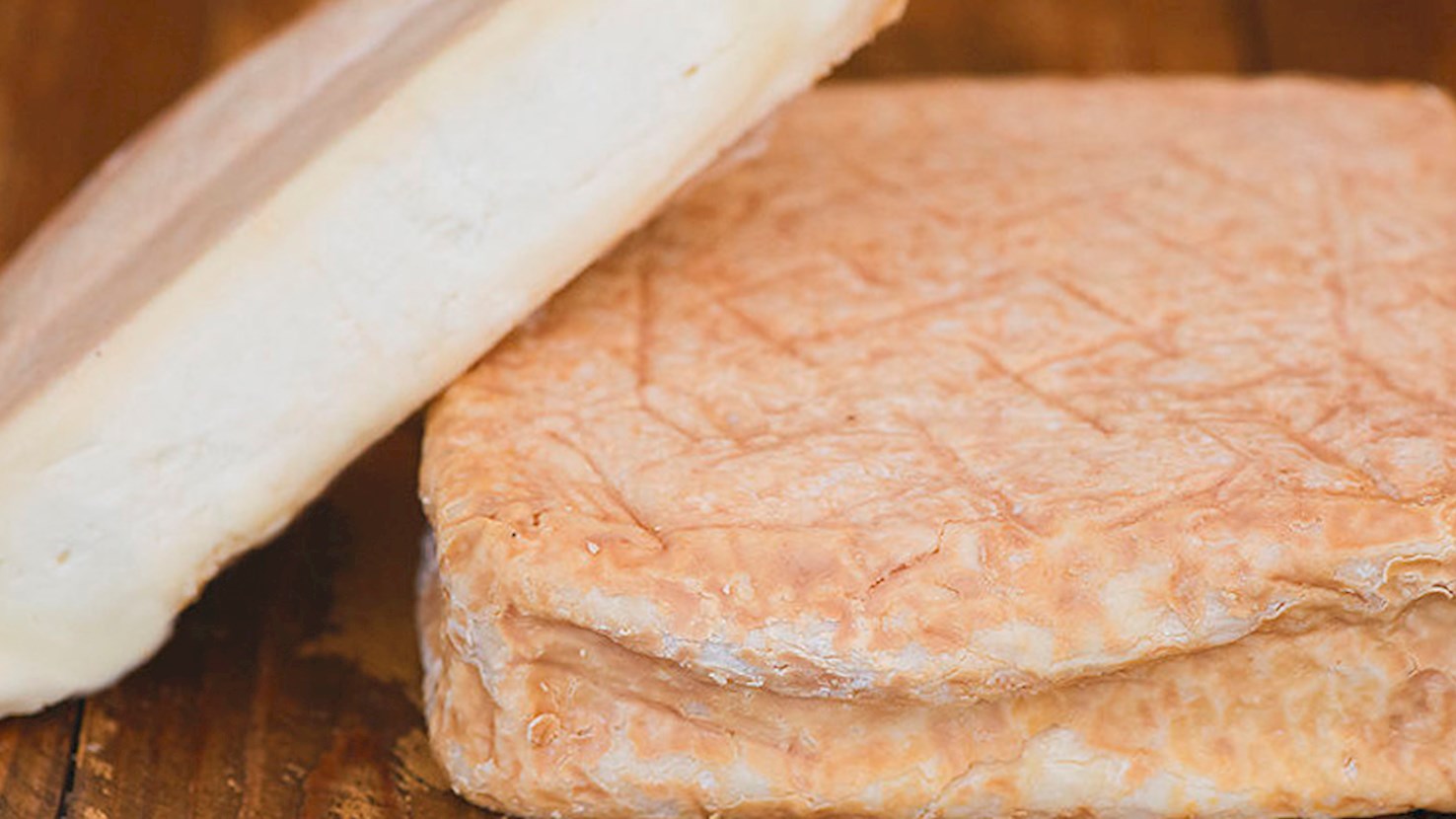
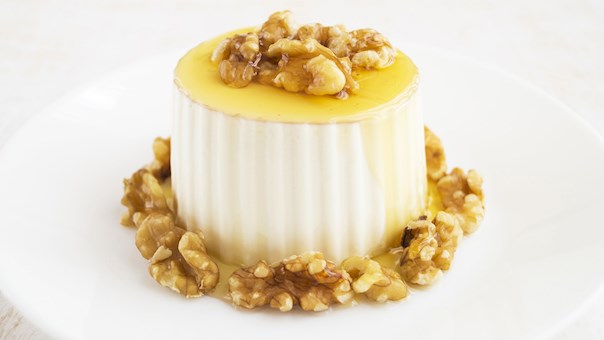
The origins of Quartirolo Lombardo date back to the 10th century when this rectangular, brine-washed cheese was known as Stracchino Quadro. Although nowadays available all-year-round, Quartirolo Lombardo was traditionally made during summer, using milk from cows grazing on quartirola - hence its name - the fourth and last hay harvest before winter, which is known to be the most fragrant one. This soft table cheese is made with whole or semi-skimmed milk, and if ripened for more than 30 days, it is marketed as Maturo (matured). It has a slightly acidic flavor which becomes more pronounced as the cheese ripens. An essential ingredient in typical local dishes such as Quartirolo Lombardo mousse with truffle and honey sauce or quiche Lombarda, Quartirolo can also be enjoyed on its own, drizzled with extra-virgin olive oil and paired with nuts, apples, or grapes.

06

Brie de Nangis

3.1 ·

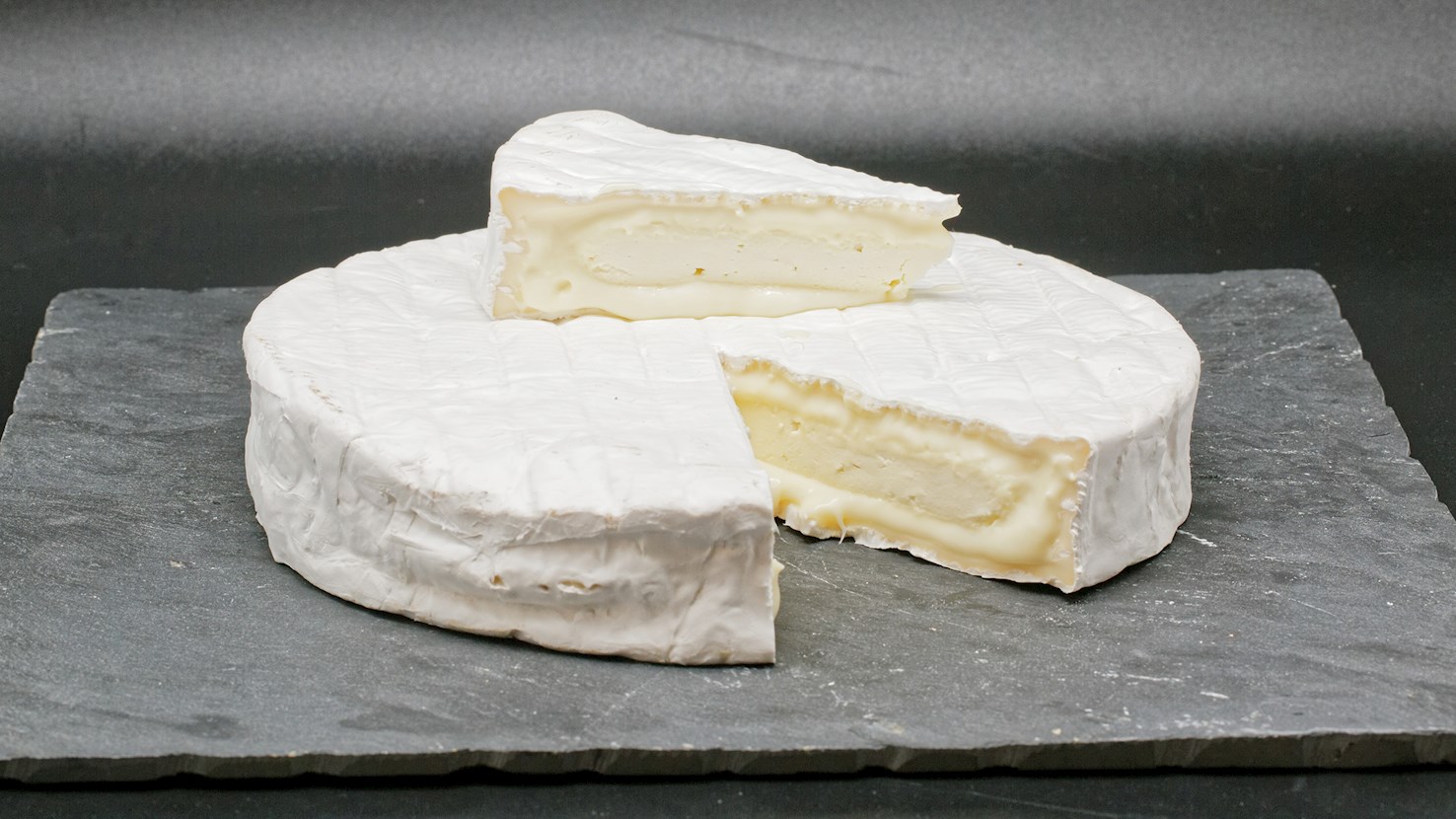
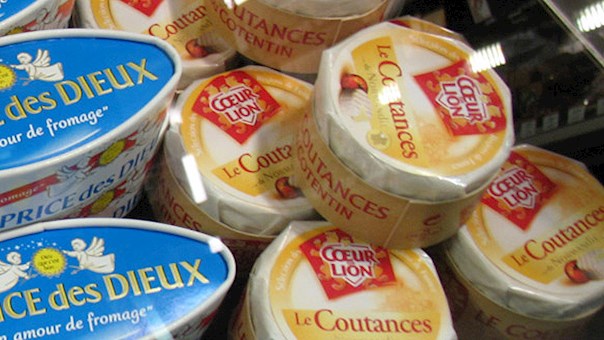
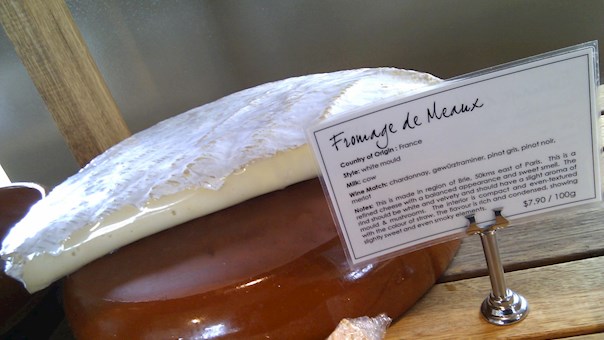
Brie de Nangis is a French cheese hailing from Brie. Made from raw cow's milk, this Brie is one of the mildest and more buttery versions of the cheese. The texture is smooth and creamy, while the center is slightly chalky, but it becomes runny with aging, usually for 4 to 6 weeks. The flavors are rich, mushroomy, vegetal, and slightly tangy from the rind, with hints of steamed cauliflower. It's recommended to pair it with a glass of Sauvignon Blanc or a bold red wine such as Merlot. Serve it with crusty bread or apple and rosemary jelly. In the past, this cheese was produced on farms close to Nangis, hence the name. The production stopped during WWII, but it resumed in the early 1980s.

07

Curé Nantais

3.1 ·

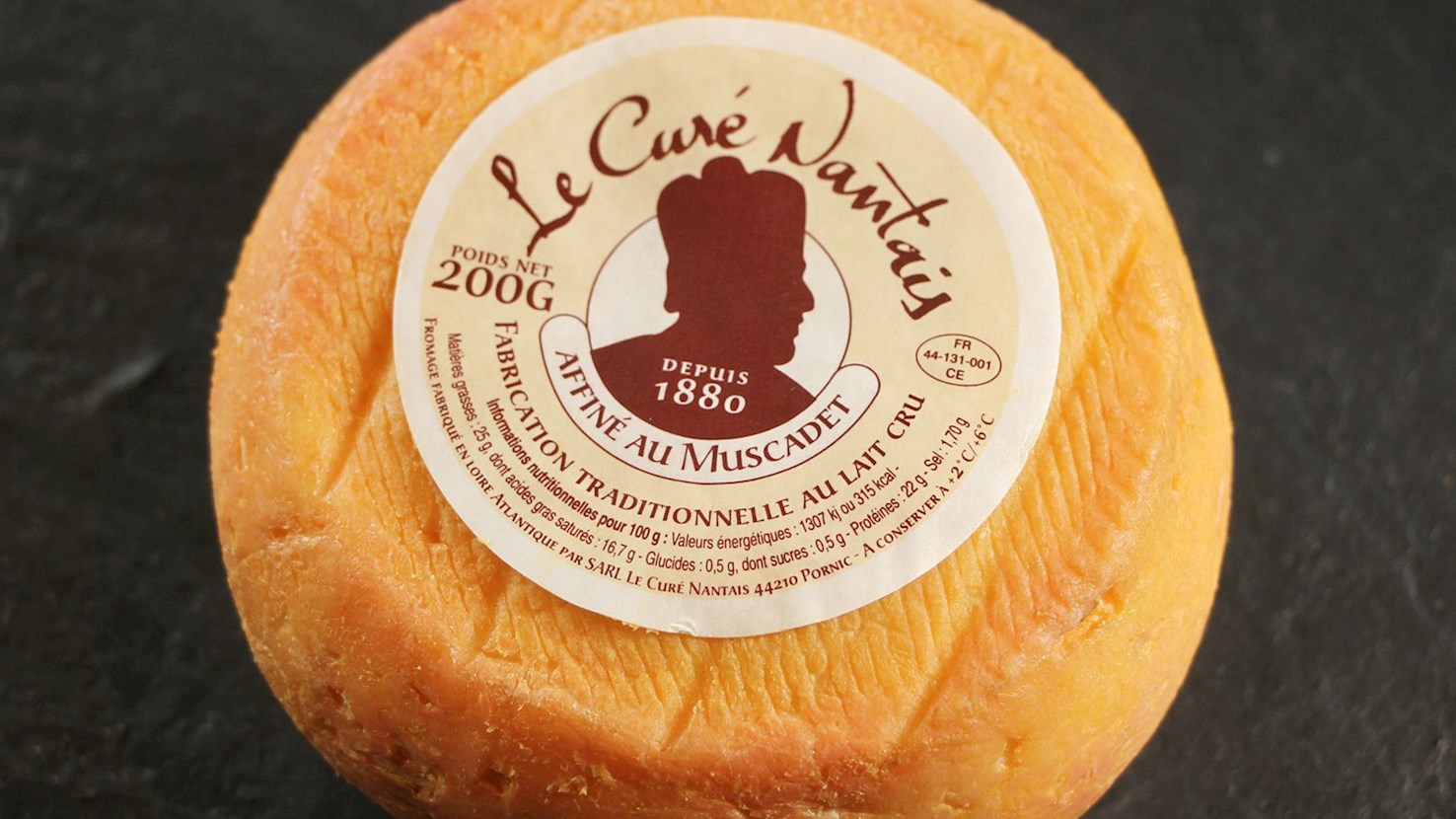
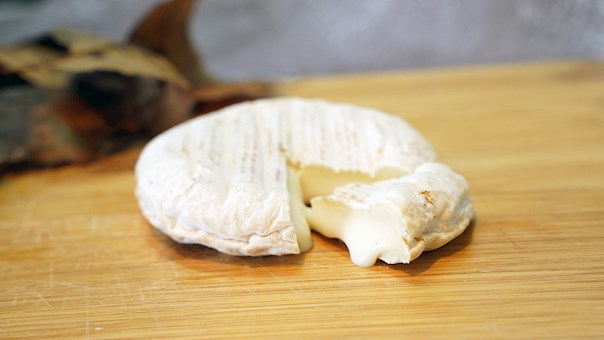
Curé Nantais is a French cheese that was first produced in the village of Saint-Julien de Concelles, but ever since 1985, it's been produced in a nearby town called Pornic. The straw-colored cheese is made from cow's milk and has an open, soft, sticky, and supple texture. Its flavor is smoky and slightly spicy. Curé Nantais is aged on spruce boards, and it is regularly washed with salted water. Interestingly, there are 3 types of this cheese – the first is square-shaped with rounded edges, the second is round, and the third one is washed with Muscadet instead of brine. It is recommended to pair it with fresh fruit (pears and apples) and fish dishes. The cheese can also be used in dishes such as tarts or gratins. For the best experience, pair it with a glass of Muscadet or Alsatian Gewurztraminer on the side.

08

Coeur de Touraine

3.1 ·

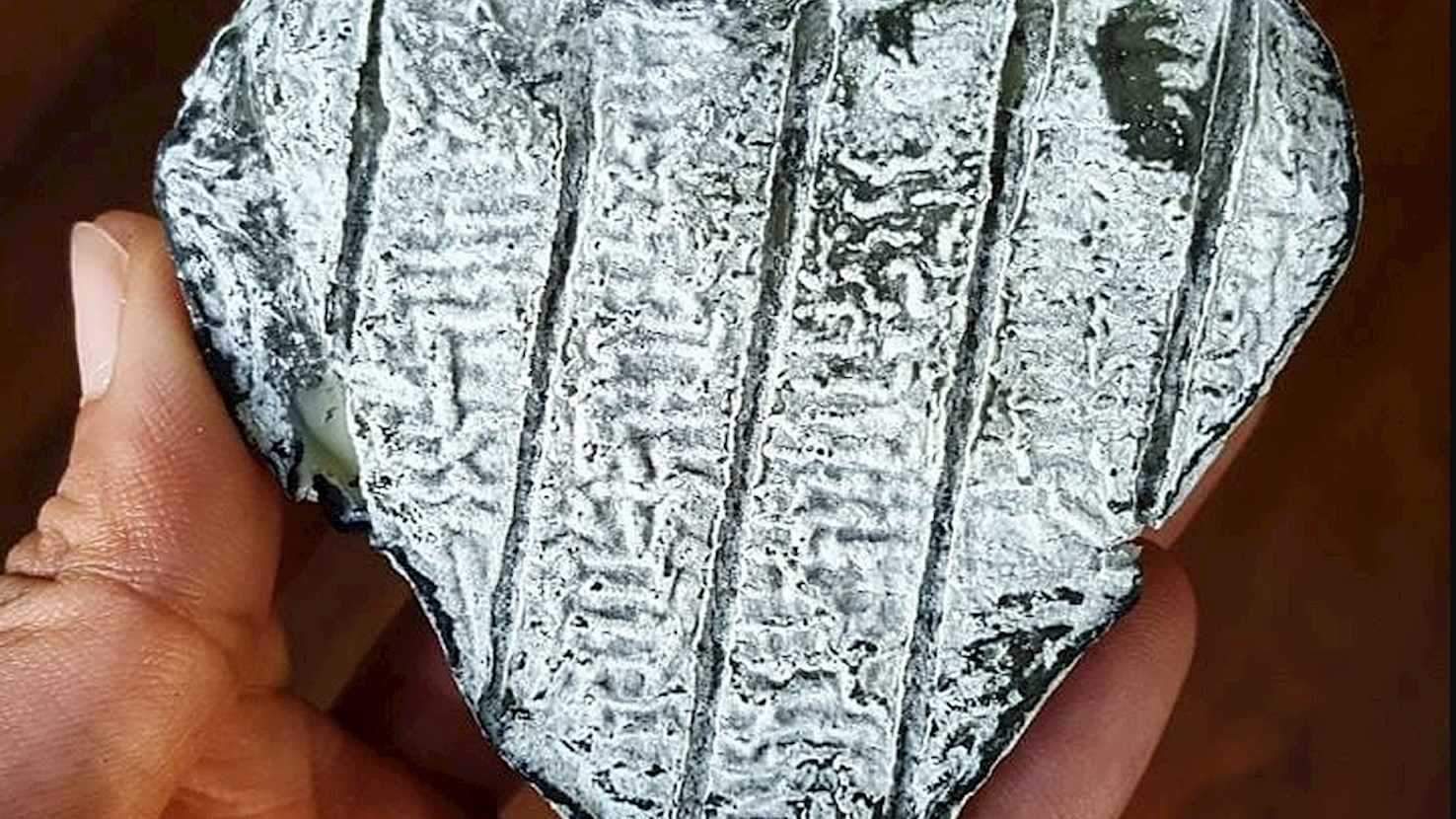
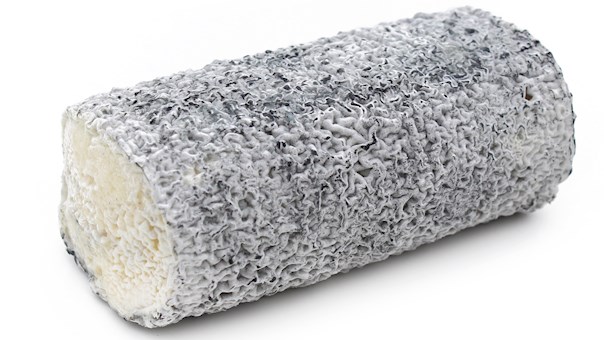
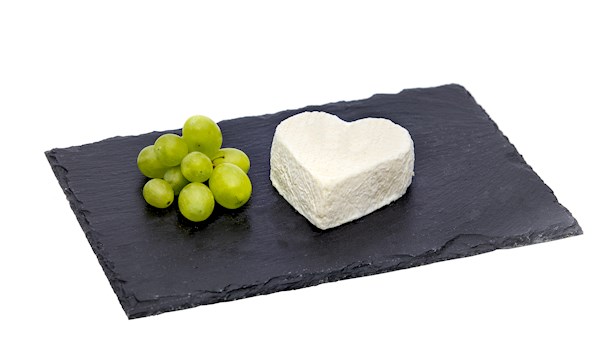
Coeur de Touraine (lit. the heart of Touraine) is a heart-shaped French cheese made with raw goat's milk. Apart from being distinguishable by its shape, it can also be easily recognized by its aromatic ash-covered edible rind. The cheese matures for a minimum of 3 weeks. The texture of Coeur de Touraine is thick and creamy, while the flavors are goaty, milky, and tangy, with a slightly salty aftertaste. It is recommended to serve the cheese with raisin bread or nut bread and a glass of white wine.

09

Le Vieux Pane

3.2 ·

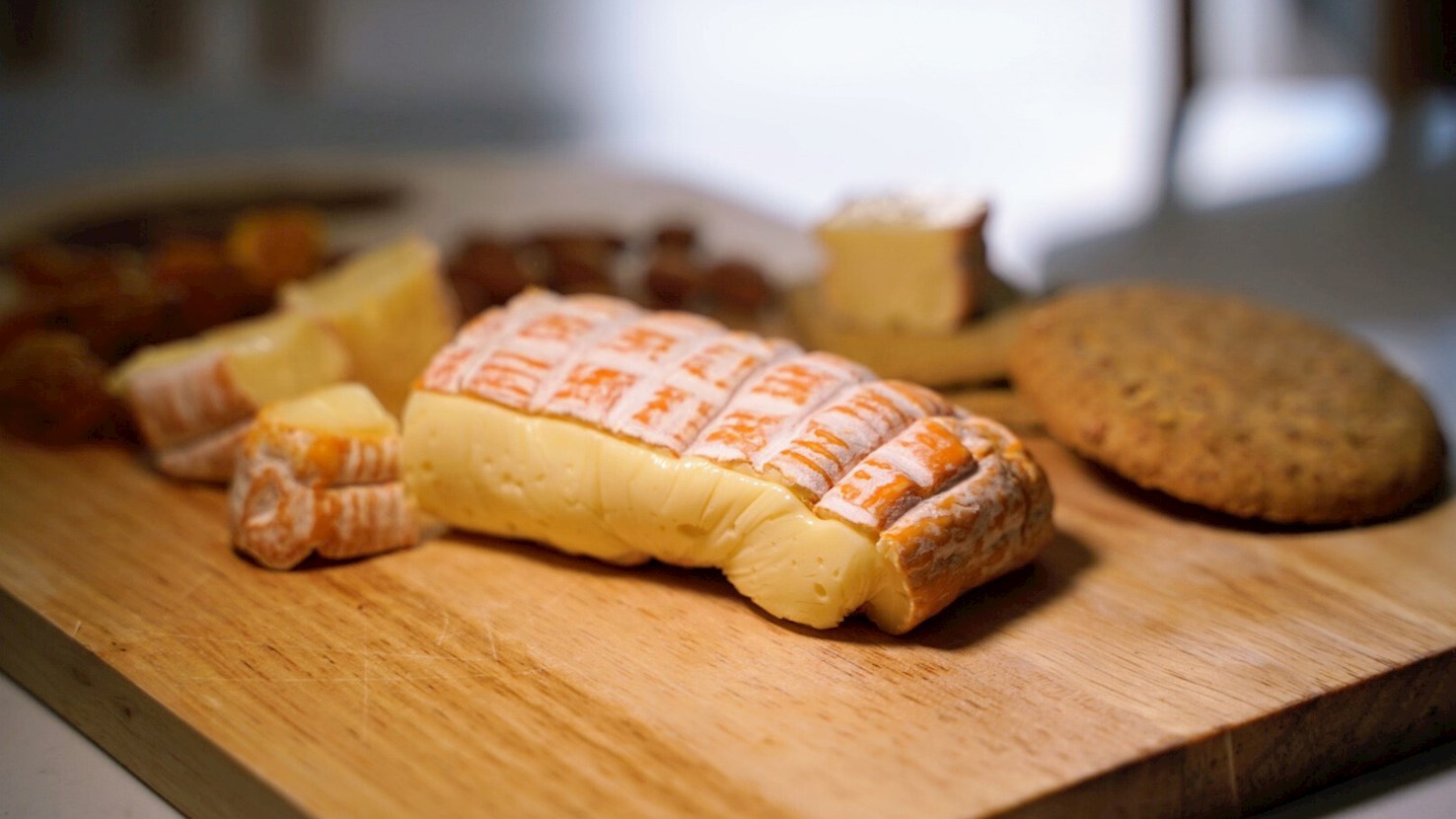
Le Vieux Pane is an industrial French cheese that's been produced since 1928 in the region of Mayenne. The cheese is made from pasteurized cow's milk. Underneath its thin, pungent, moist, and sticky washed rind, the texture is soft, springy, and melting in the mouth. The cheese usually ages for about 3 months before consumption. The aromas are intense and pungent, while the flavors are creamy, mild, and smooth, with a slightly bitter aftertaste. Due to the fact that it's industrially-produced, it doesn't have a season and remains the same throughout the year. It's recommended to spread the cheese on crusty bread and pair it with a glass of white wine on the side. For the best eating experience, take the cheese out of the fridge and let it get to room temperature before serving.

10

Chevrotin

3.2 ·

Chevrotin is a mold-pressed cheese made from goat's milk in the region of Haute-Savoie in France. It has a fine white rind and is packaged with a thin sheet of spruce boards on its base that can be removed. The boards allow the cheese to drain during the maturation period and also help with regulating the humidity in the package. Its flavor is slightly sweet, yoghurt-like, and unusual, with the aroma of goats, nuts, and flowers from the mountainous region. The texture is smooth and fine, slightly crumbly, perfect for pasta dishes or roasted vegetables. Pair Chevrotin with light dry wines.

Read more
View all
View map
About this ranking

TasteAtlas food rankings are based on the ratings of the TasteAtlas audience, with a series of mechanisms that recognize real users and that ignore bot, nationalist or local patriotic ratings, and give additional value to the ratings of users that the system recognizes as knowledgeable. For the “60 Worst Rated Western European Soft Cheeses” list until June 16, 2026, 11,077 ratings were recorded, of which 8,575 were recognized by the system as legitimate. TasteAtlas Rankings should not be seen as the final global conclusion about food. Their purpose is to promote excellent local foods, instill pride in traditional dishes, and arouse curiosity about dishes you haven’t tried.

Similar lists