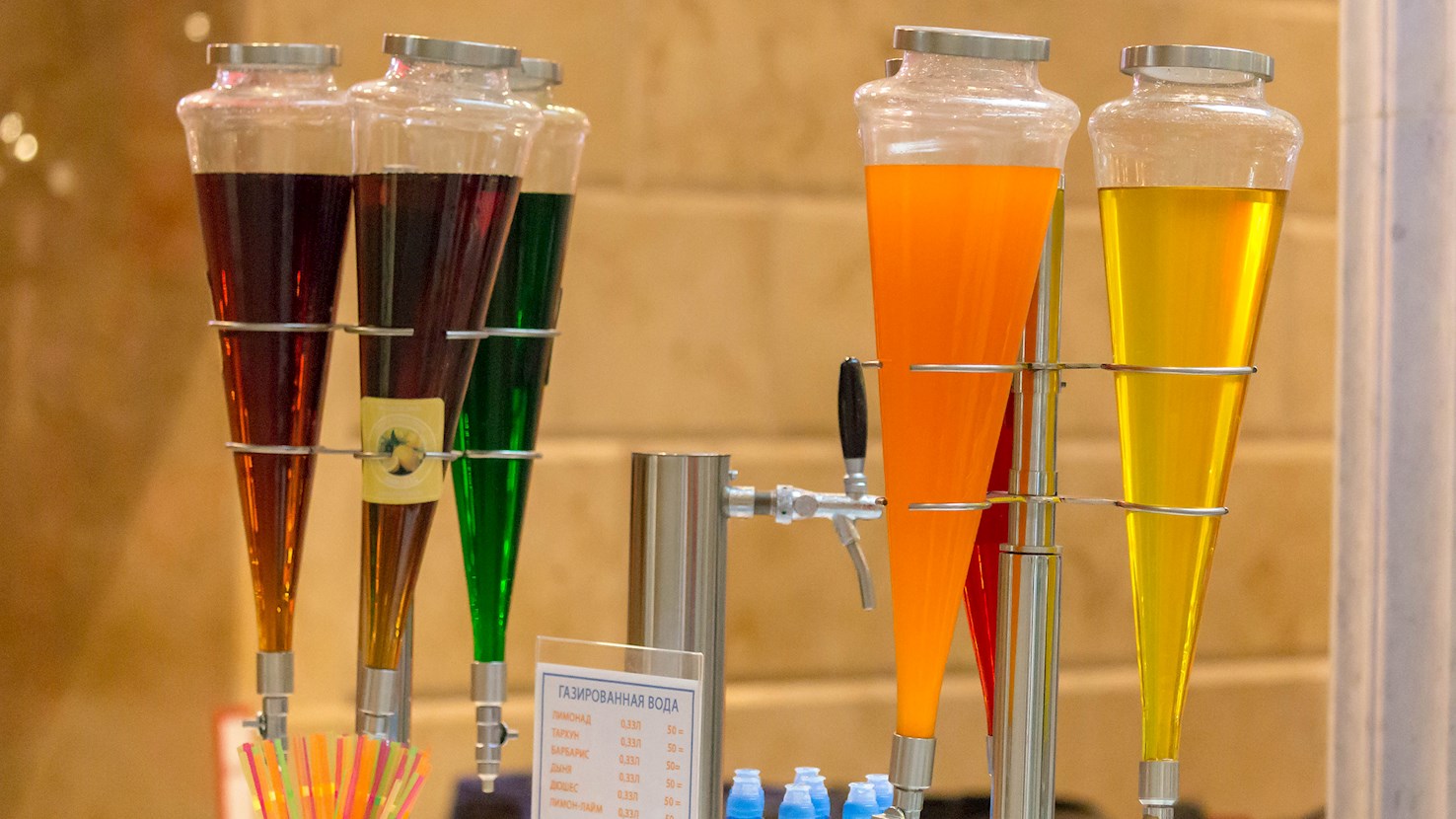
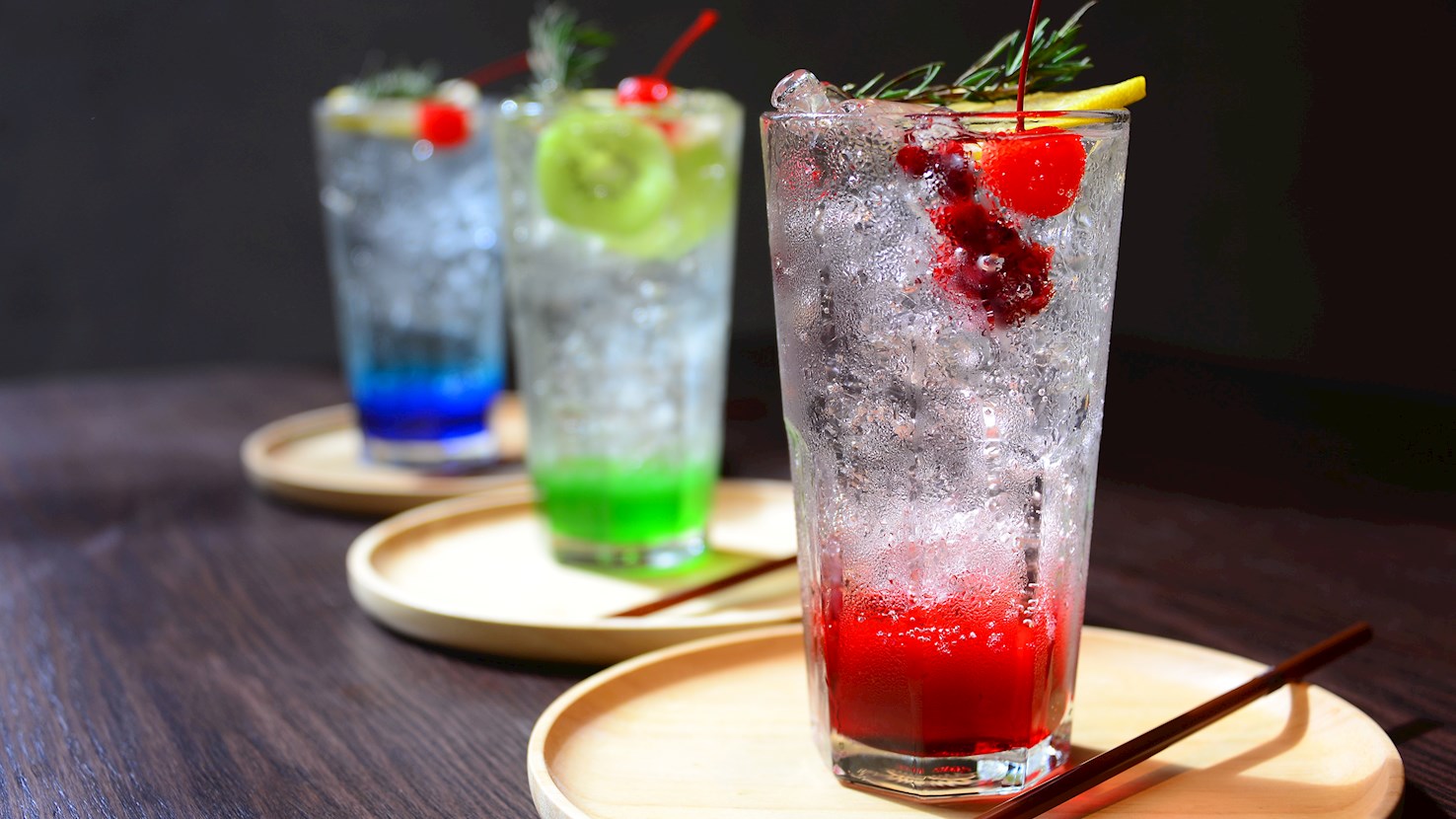
Lagidze water is a Georgian soda that combines soda and natural syrups. Preparation of Lagidze soda is an authentic local experience as it is mainly prepared by mixing syrups and pouring soda directly from the soda fountain, but bottled versions are also available. There are various flavors - typically based on local fruit and herbs. One of the most popular flavors is made with tarragon (tarkhuna). The drink was invented in 1887 by a pharmacist Mitrofan Lagidze from Kutaisi. He wanted to create completely natural syrups exclusively made from locally-sourced igredients. The first Lagidze shop was opened in Tbilisi, and in 2014, the drink was listed as an intangible cultural heritage of Georgia. It is recommended to pair Lagidze water with khachapuri.
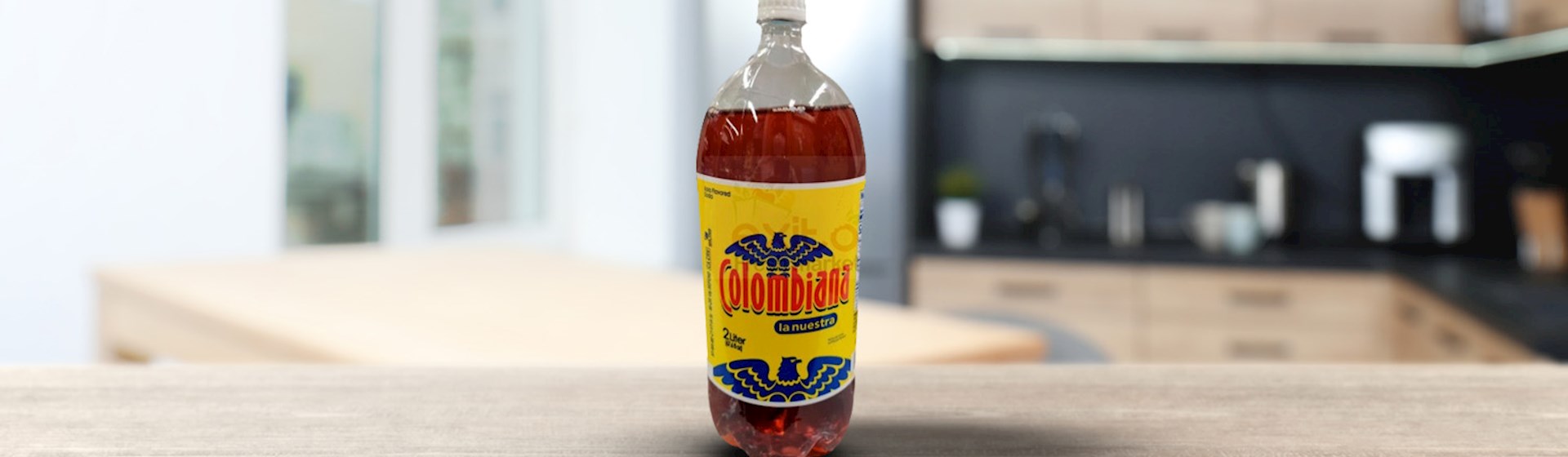
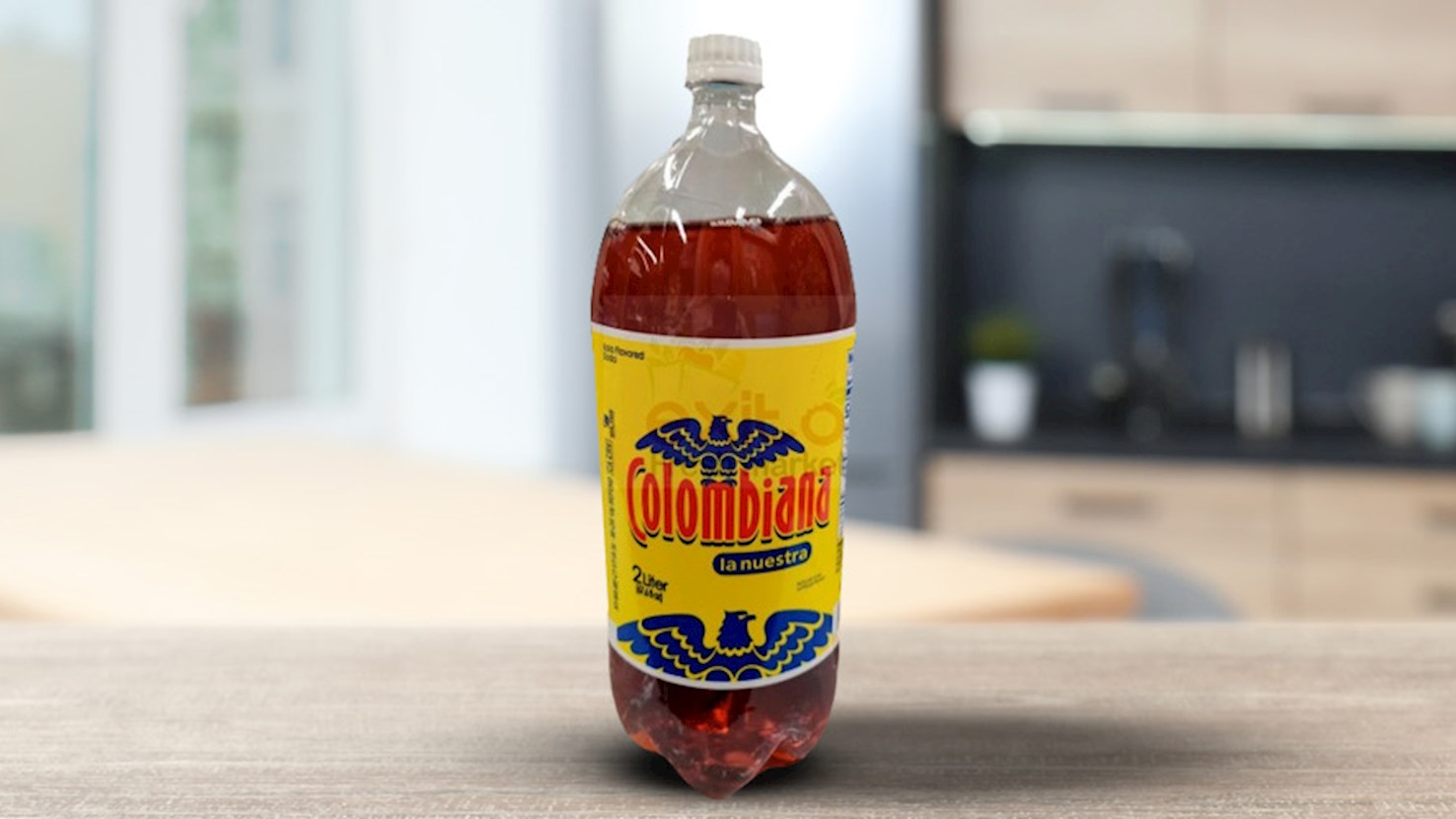
Colombiana soda is an orange soft drink that tastes like cream soda with hints of bubblegum. It is a kola champagne soda, and it has been produced by Postobón, S.A., the largest Columbian beverage company, since 1904. It's a refreshing drink, best consumed after a meal. Colombiana goes well with bandeja paisa and it's used to make the bittersweet and refreshing Colombian cocktail refajo.
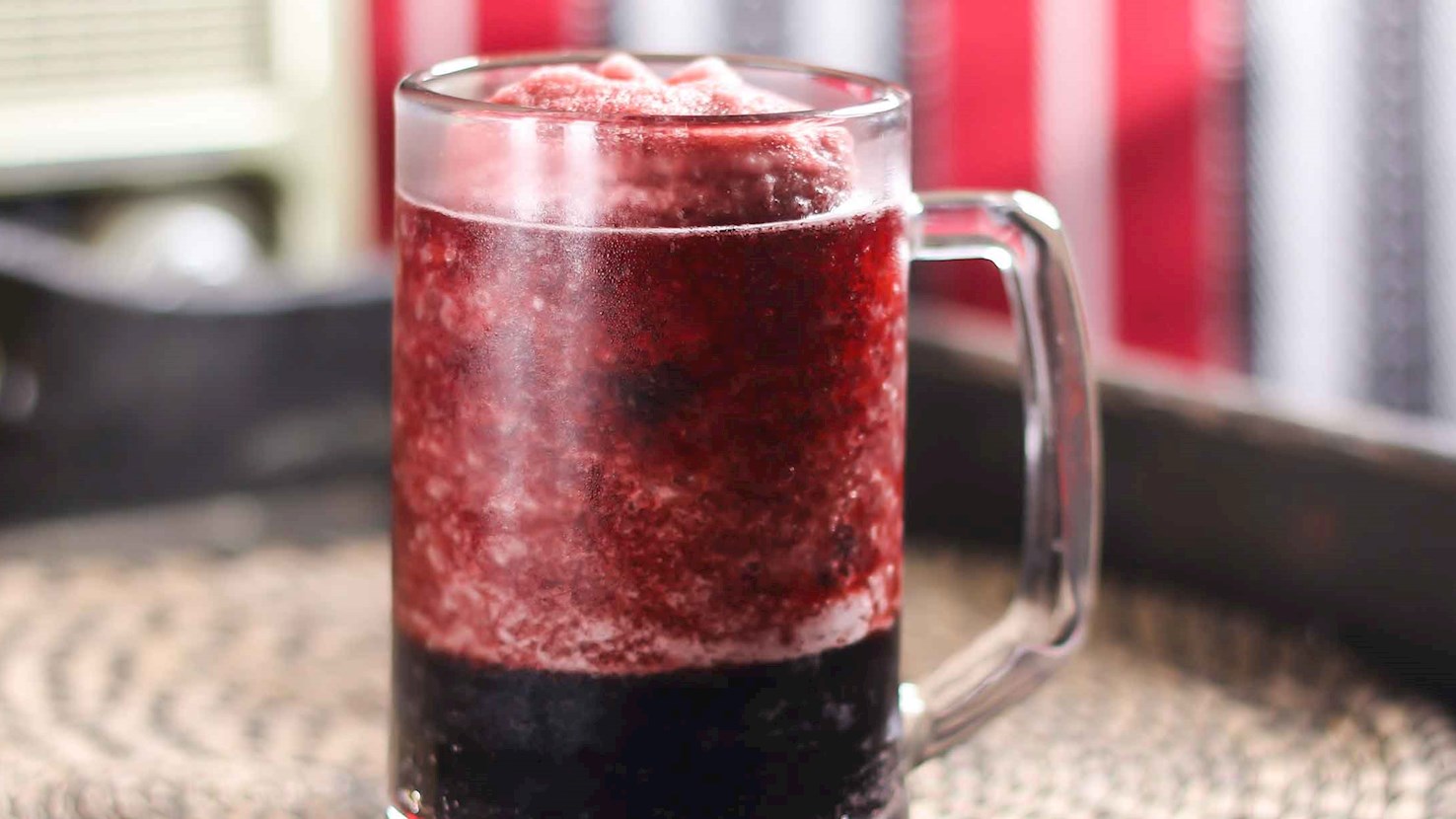
Vimto is an iconic British purple-colored soft drink created in 1908 in Manchester, England. Originally, it was registered as a health tonic and came in the form of concentrated syrup intended to invigorate and refresh during the hot summer months. The name Vimto is derived from the words "vim," which means energy or vitality, and "to", which is shortened form of the word "tonic". Today, there are many variations of the original drink, with Vimto Cordial (still, dilutable version, closest to its original form) and Fizzy Vimto (premixed carbonated version) being the most popular ones. Vimto's unique flavor comes from its blend of fruits, herbs, and spices, which give it a distinctive taste that is sweet, tangy, and slightly fruity. The exact recipe is a closely guarded secret, but it is known that the key ingredients include grape juice, blackcurrant juice, raspberry juice, and a blend of secret herbs and spices. Vimto has become an iconic part of British pop culture and is often associated with special occasions such as Christmas and birthday parties, where it is used to make festive cocktails.
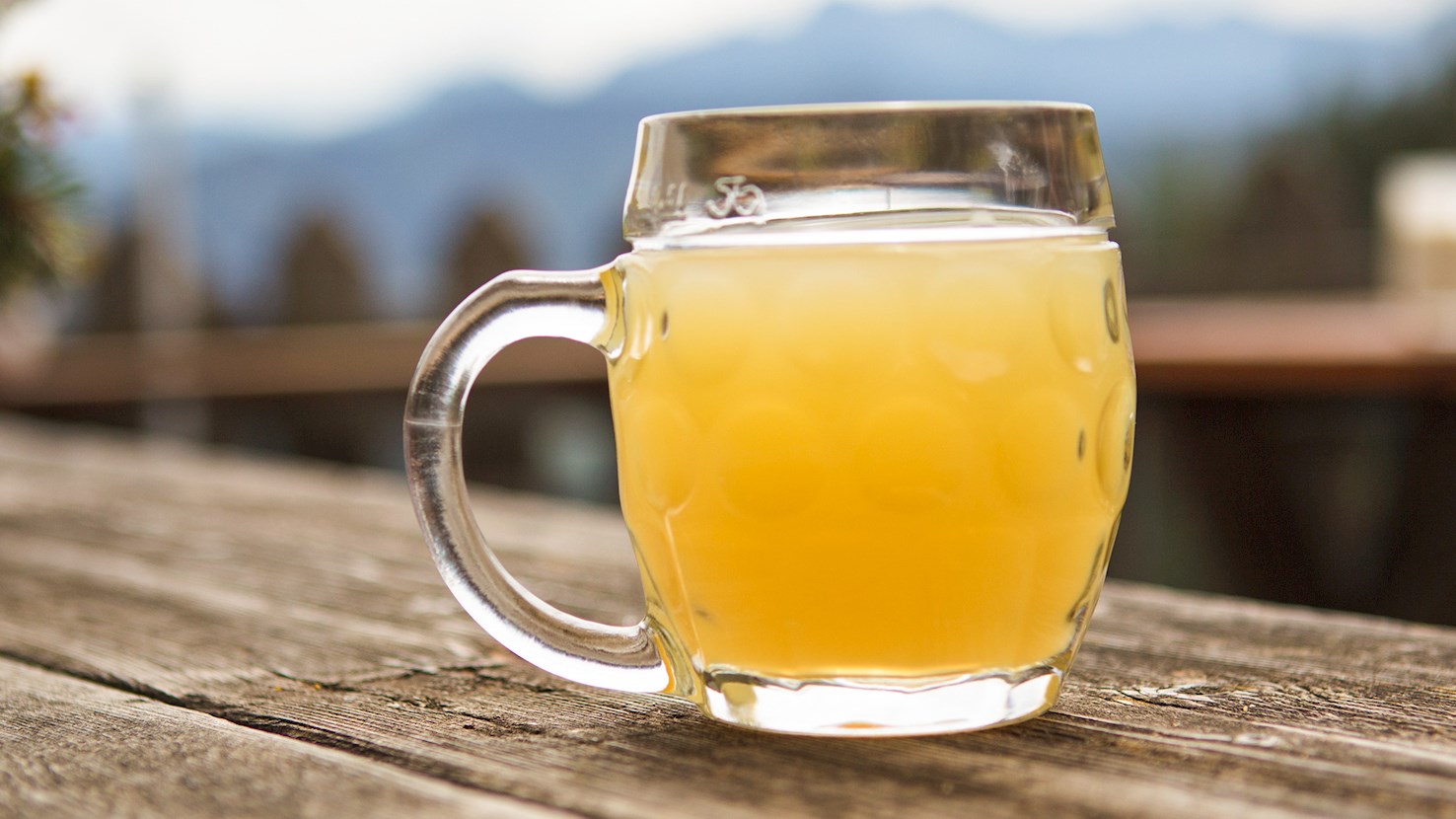
Apfelschorle is a popular beverage originating from Germany (and popular in neighboring Austria and Switzerland), consisting of a mix of apple juice and sparkling mineral water. The drink is well-loved for its refreshing taste and is a healthier alternative to sugary soft drinks, offering a natural sweetness from the apple juice tempered by the crispness of carbonated water. Apfelschorle typically contains a ratio of about 50% to 60% apple juice to 40% to 50% sparkling water, although this can vary according to personal preference or commercial brands. This beverage is especially popular during the warmer months and is commonly found in restaurants, cafes, and supermarkets throughout Germany and neighboring countries. It's also easy to make at home, allowing for adjustments in sweetness and carbonation level to suit individual tastes.
Spezi is a German soft drink made by mixing cola and orange soda, known for its balanced combination of citrus brightness and cola depth. It originated in Germany, where the practice of blending cola with orange-flavored soda began in the mid-20th century and gradually became a widespread beverage choice. The name "Spezi" initially referred to a specific brand introduced by the Brauhaus Riegele in Augsburg in the 1950s, but over time it became a generic term in colloquial usage across German-speaking countries for any cola-orange mix, even when produced by other companies. The drink typically consists of about equal parts cola and orange soda, resulting in a beverage that has the caramel and caffeine notes of cola alongside the fruity tang and sweetness of orange. Its flavor is often described as refreshing and easy to drink, with lower acidity than pure orange soda and less heaviness than cola alone. Some formulations also include lemon or a touch of herbs for complexity, though the base remains consistent. Commercially bottled Spezi contains carbonated water, sugar or sweeteners, caffeine, and natural or artificial flavorings from both cola and citrus components. Colorants and stabilizers are also standard, as in most soft drinks. Spezi is especially popular in southern Germany, Austria, and parts of Switzerland, where it is served in restaurants, sold in bottles or cans in supermarkets, and available on draft in some beer gardens or cafés. While it appeals to all age groups, it is particularly common among teenagers and young adults as a non-alcoholic alternative to beer or energy drinks. Some people also mix it themselves at home or in bars by combining equal parts of Coca-Cola (or Pepsi) with orange Fanta or a local equivalent, resulting in a homemade version often called “Cola-Mix” or simply “Mezzo Mix” when using the Coca-Cola-owned brand.
Despite its name, Italian soda is an American soft drink consisting of flavored syrups and soda. The syrups are usually flavored with spices or fruit, creating popular flavors such as cherry, raspberry, or chocolate, but they also mimic desserts or other drinks, resulting in flavors such as limoncello or amaretto. Italian sodas will be served over ice. Sometimes, they may include cream, but the cream-based version is usually known as French soda or cream soda. Italian soda was popularized by Rinaldo and Ezilda Torre, who mixed Italian-style syrups with soda and started offering flavored sodas in North Beach, San Francisco. They are the founders of the Torani company that produces these Italian-style flavored syrups.
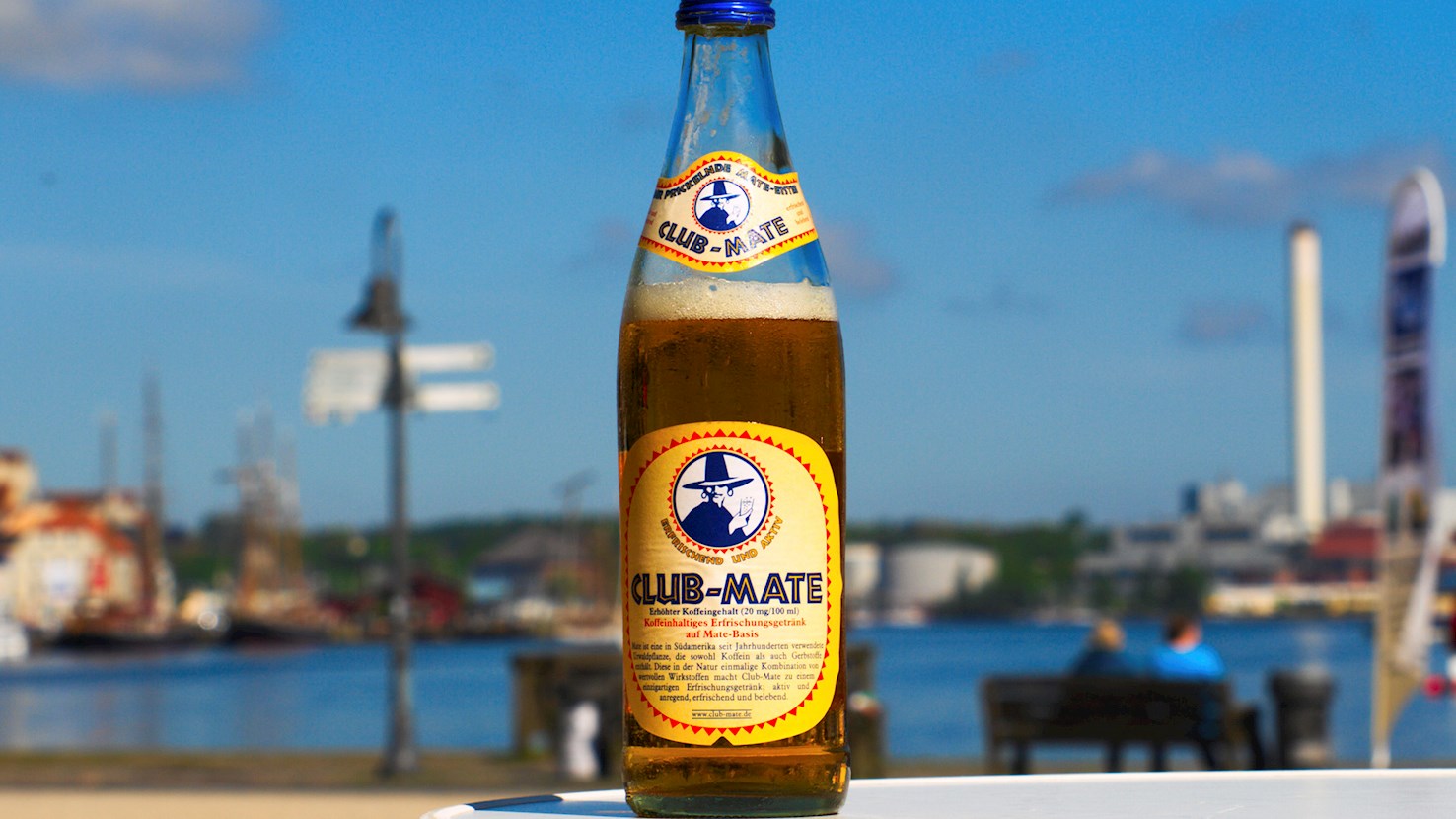
Club-Mate is a caffeinated soft drink made from mate-extract, an infusion of dried yerba mate leaves. Compared to other soft drinks, it has a relatively low sugar content and a caffeine content of 20 mg per 100ml. It was originally formulated and marketed by Geola Beverages of Dietenhofen, Germany. Today it’s produced by the Loscher Brewery which was established in 1924. A wide variety of flavors are available such as Club-Mate IceT Kraftstoff, Club-Mate winter edition, and Club-Mate Granat, among others.
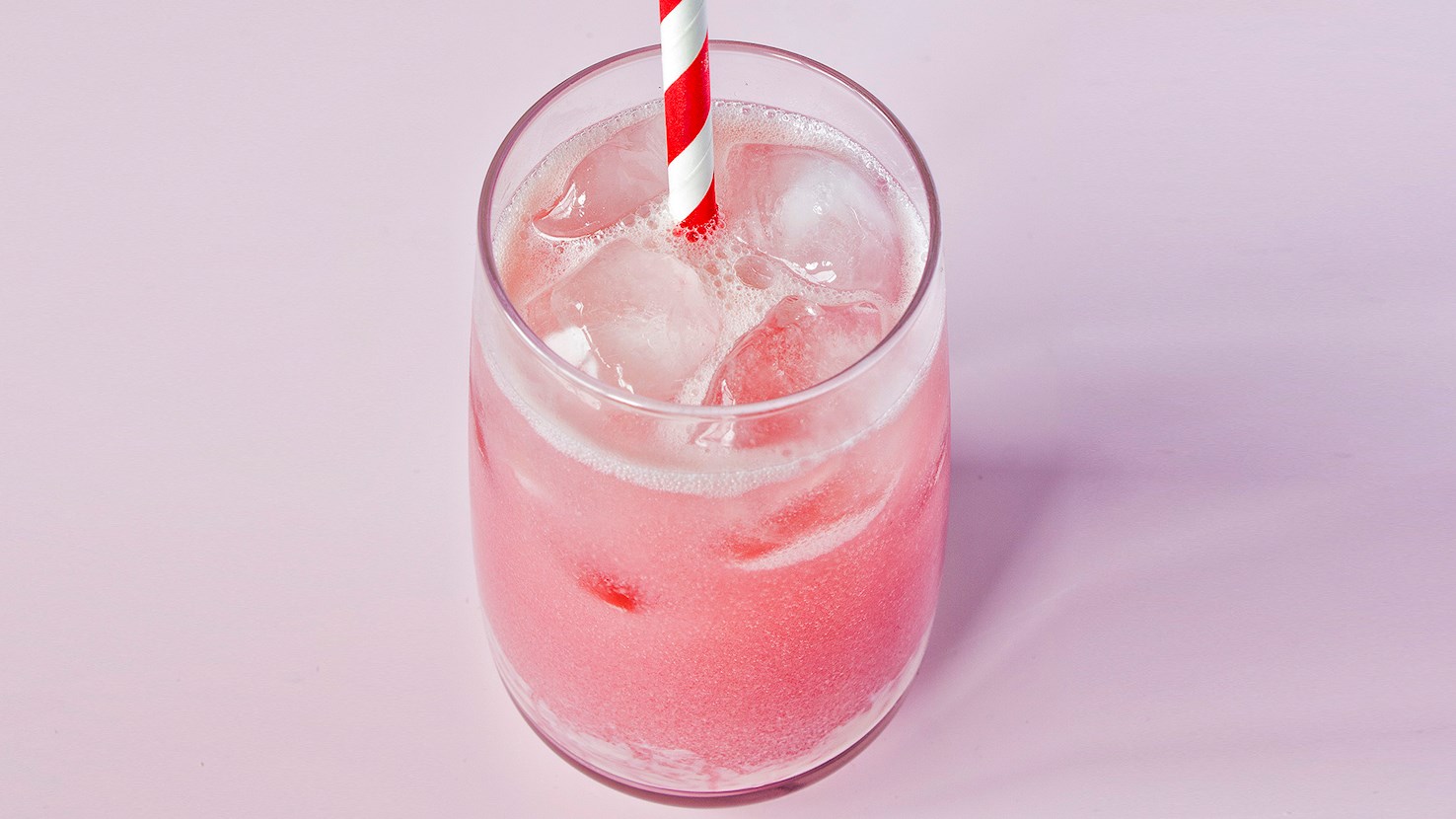
Soda gembira is a sweet, fizzy beverage from Indonesia, widely consumed across the country and especially popular in Java and Sumatra. The name translates to "happy soda," reflecting its status as a cheerful, indulgent drink often enjoyed during festive meals, gatherings, or as a casual refreshment. The drink is made by combining sweetened condensed milk, syrup (typically strawberry or rose-flavored) and carbonated soda water. The result is a visually striking and sweet-tasting drink with a light, creamy texture balanced by carbonation. Its origins are not tied to a specific region but rather to the broader Indonesian approach to mixing Western-style beverages with local tastes. The use of sweetened condensed milk is common in Southeast Asian drinks, and in the case of soda gembira, it acts as both a sweetener and a source of richness. The syrup, often vibrant pink in color, adds fruity notes and visual appeal. Soda water, usually a plain or lemon-lime variant, is poured over the milk and syrup mixture just before serving, creating a layered and slightly effervescent drink that is stirred before consumption. Soda gembira is typically served over ice in tall glasses and consumed immediately to retain the carbonation. It is especially popular during iftar in the month of Ramadan, served alongside other sweet or savory dishes to break the fast. Although it is a non-alcoholic and simple beverage, it holds a special place in social and family contexts, often evoking a sense of comfort and nostalgia for many Indonesians. While there are variations that use different syrups, flavored sodas, or even evaporated milk, the basic concept remains the same: a cold, sweet, and carbonated drink designed to be both satisfying and easy to prepare. In some food stalls or restaurants, it may be customized further with additional toppings like jelly or fruit pieces, though the classic version remains the most common.
TasteAtlas food rankings are based on the ratings of the TasteAtlas audience, with a series of mechanisms that recognize real users and that ignore bot,
nationalist or local patriotic ratings, and give additional value to the ratings of users that the system recognizes as knowledgeable.
For the “8 Worst Rated Soft Drinks in the World” list until July 16, 2026, 438 ratings were recorded, of which 360 were recognized by the system as legitimate.
TasteAtlas Rankings should not be seen as the final global conclusion about food. Their purpose is to promote excellent local foods,
instill pride in traditional dishes, and arouse curiosity about dishes you haven’t tried.