

13 Worst Rated Czech Soups

Last updated on July 16, 2026
01

Chlebová polévka (Czech bread soup)

2.4 ·

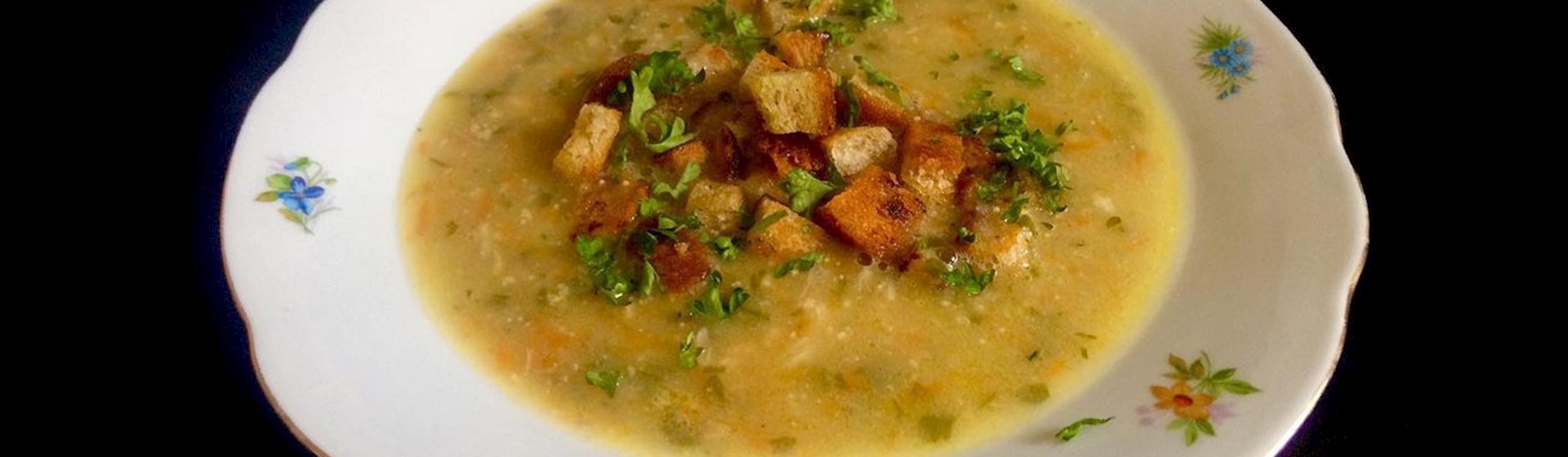
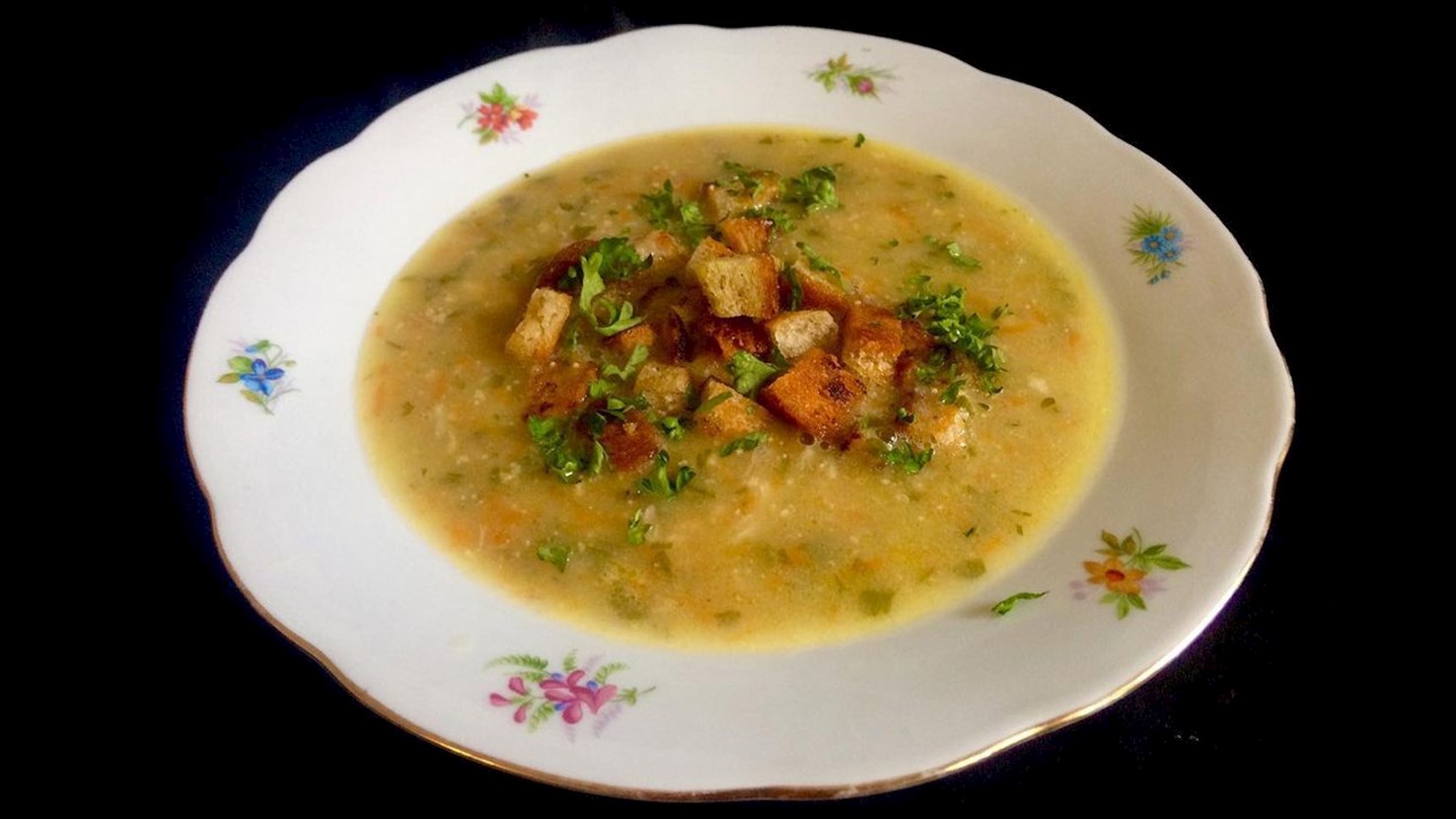
This simple bread soup is a traditional dish prepared with a combination of stale bread, water, onions, and a variety of spices. The more refined versions are occasionally thickened with eggs and may incorporate flavorful broths or various root vegetables. Characterized by its rustic appeal and thick consistency, chlebová polévka is a common home-cooked dish that is traditionally enjoyed plain or accompanied by crispy croutons.

02

Rybí polévka (Czech fish soup)

2.9 ·

Rybí polévka is a traditional fish soup that is enjoyed as a part of the festive Christmas Eve dinner. It is typically prepared with carp, various root vegetables, and different spices, but some versions also use white wine, cream, or fish roe. This hearty fish soup is usually cooked with carp’s head, bones, and innards, while the body is fried and enjoyed as the main course. A staple in every Czech household, rybí polévka is often garnished with a hefty amount of fresh parsley, and it is recommended to serve it hot.

03

Kyselo (Czech sourdough soup)

3.0 ·

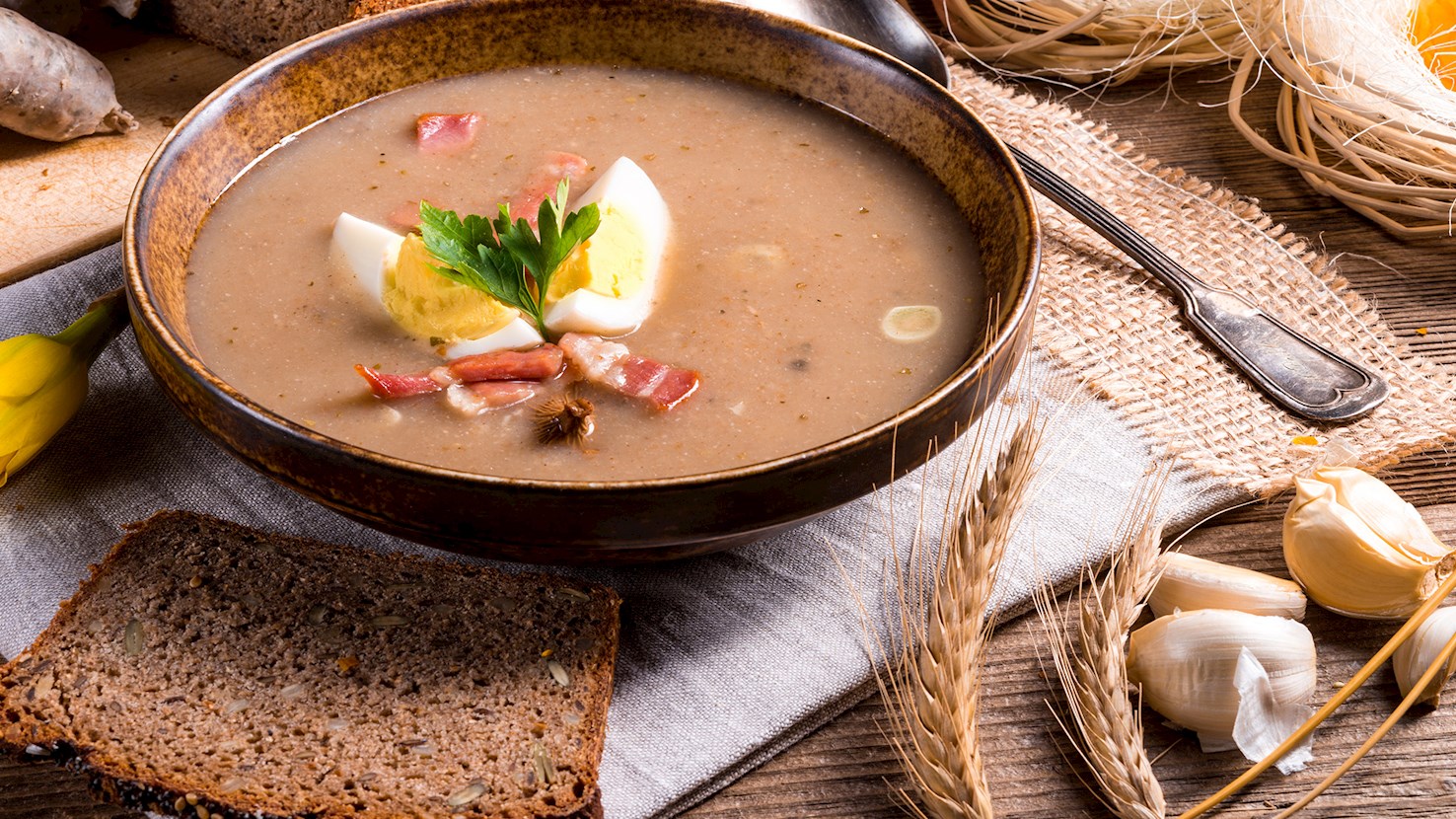
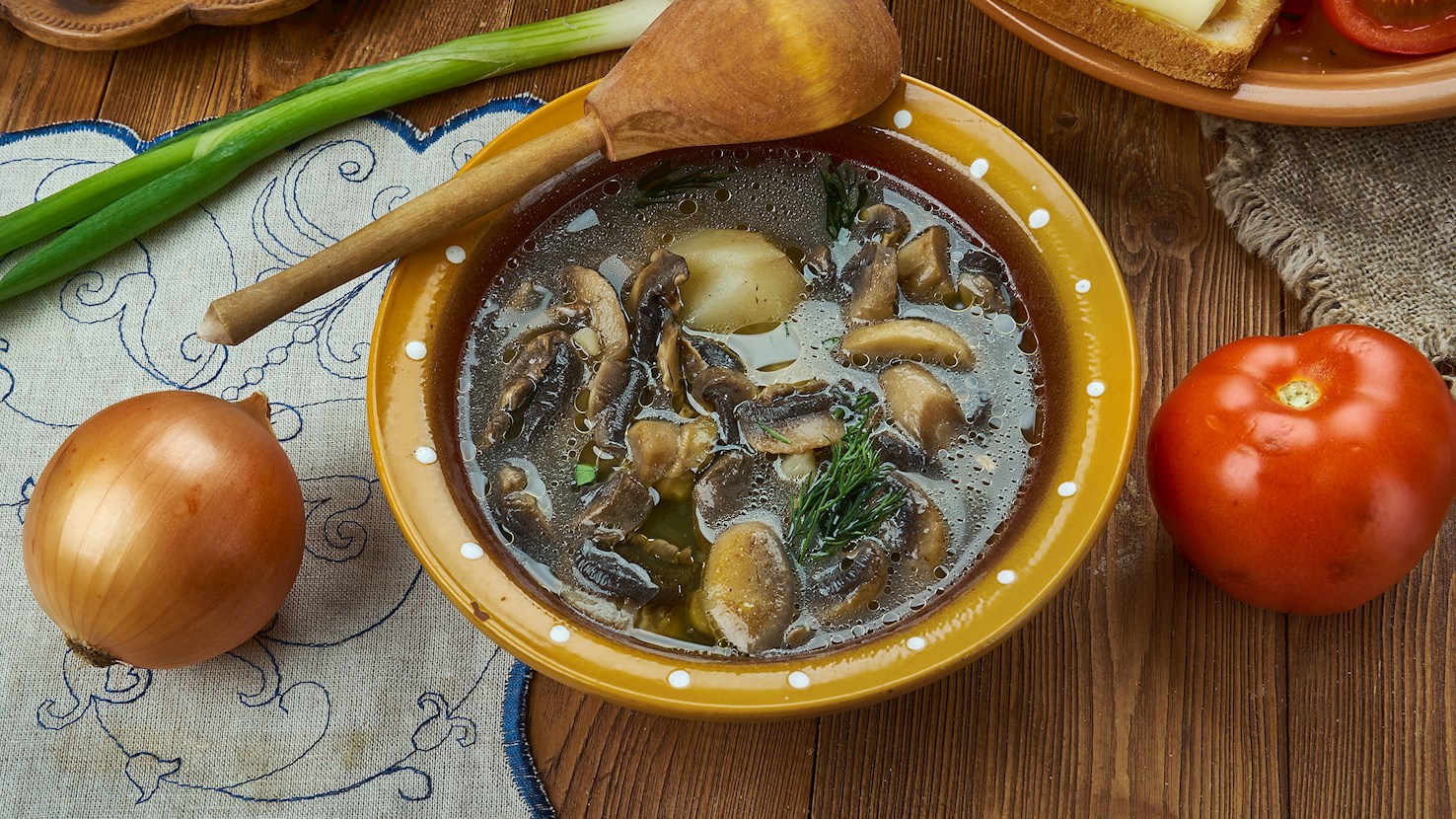
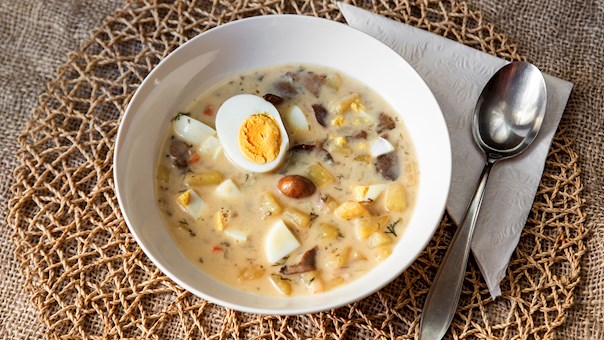
Kyselo is a hearty Czech sourdough soup which originated in Krkonoše mountains. The base of the soup is sourdough, usually made with fermented rye flour, poured in a caraway-spiced broth, and cooked until thickened. Even though there are numerous regional varieties, most versions are cooked with potatoes and mushrooms and served with scrambled or boiled eggs on top. Closely resembling traditional Polish žur, kyselo is one of the oldest Czech dishes often enjoyed as a satisfying main course.

04

Dršťková polévka (Czech tripe soup)

3.2 ·

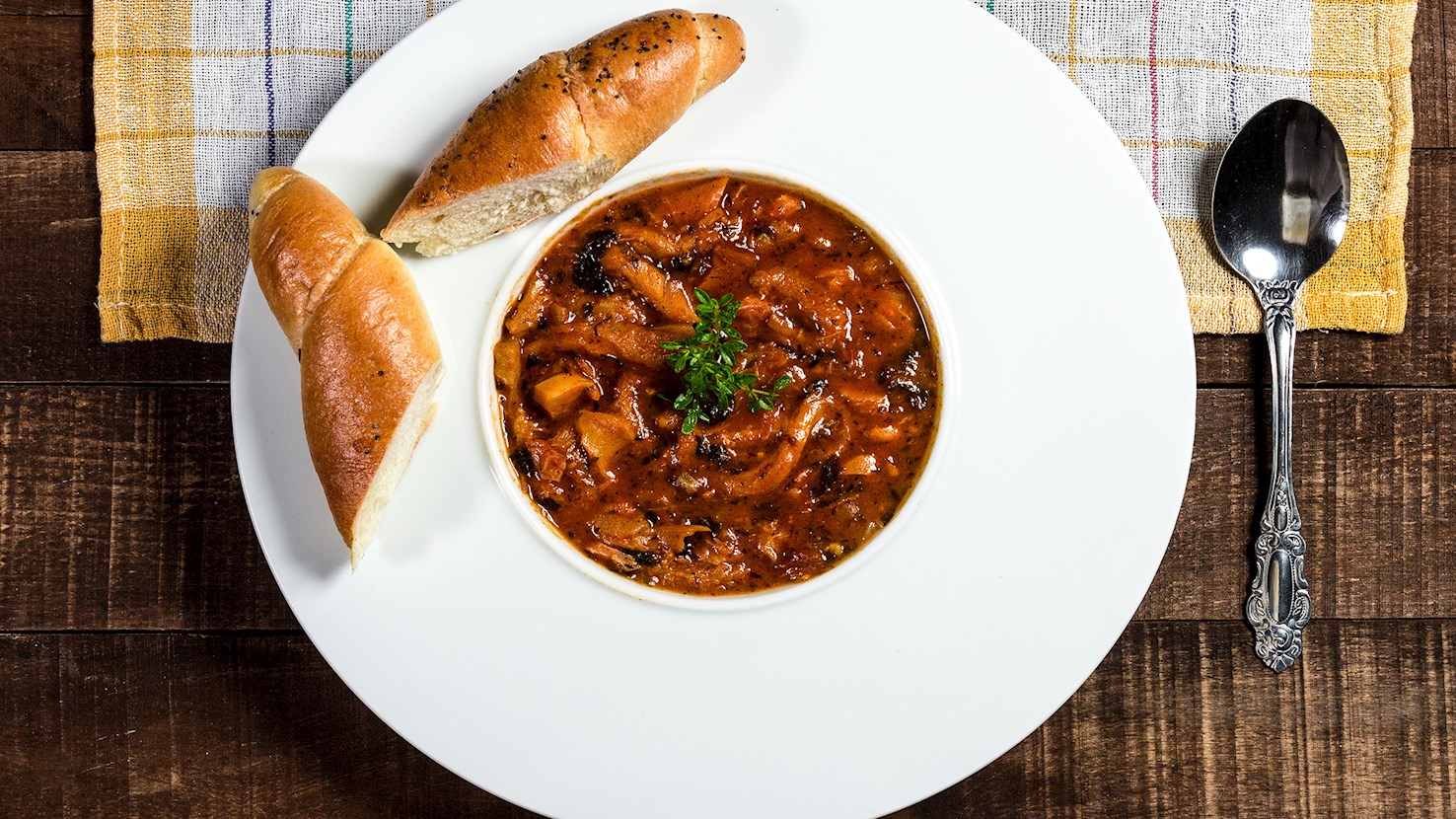
Dršťková is a traditional tripe soup consisting of beef tripe braised in generous amounts of onions and sweet paprika. Although it has numerous regional varieties, this hearty soup typically has a thick consistency, a light red color, and a slightly spicy flavor. Occasionally, pieces of smoked meat or sausages are incorporated into the soup. Tripe soup is often served in traditional pubs and usually comes accompanied with slices of crispy buttered bread. In Slovakia, it appears in a similar form and is better known as držková polievka.

Best restaurants
05

Zeleninová polévka (Czech vegetable soup)

3.3 ·

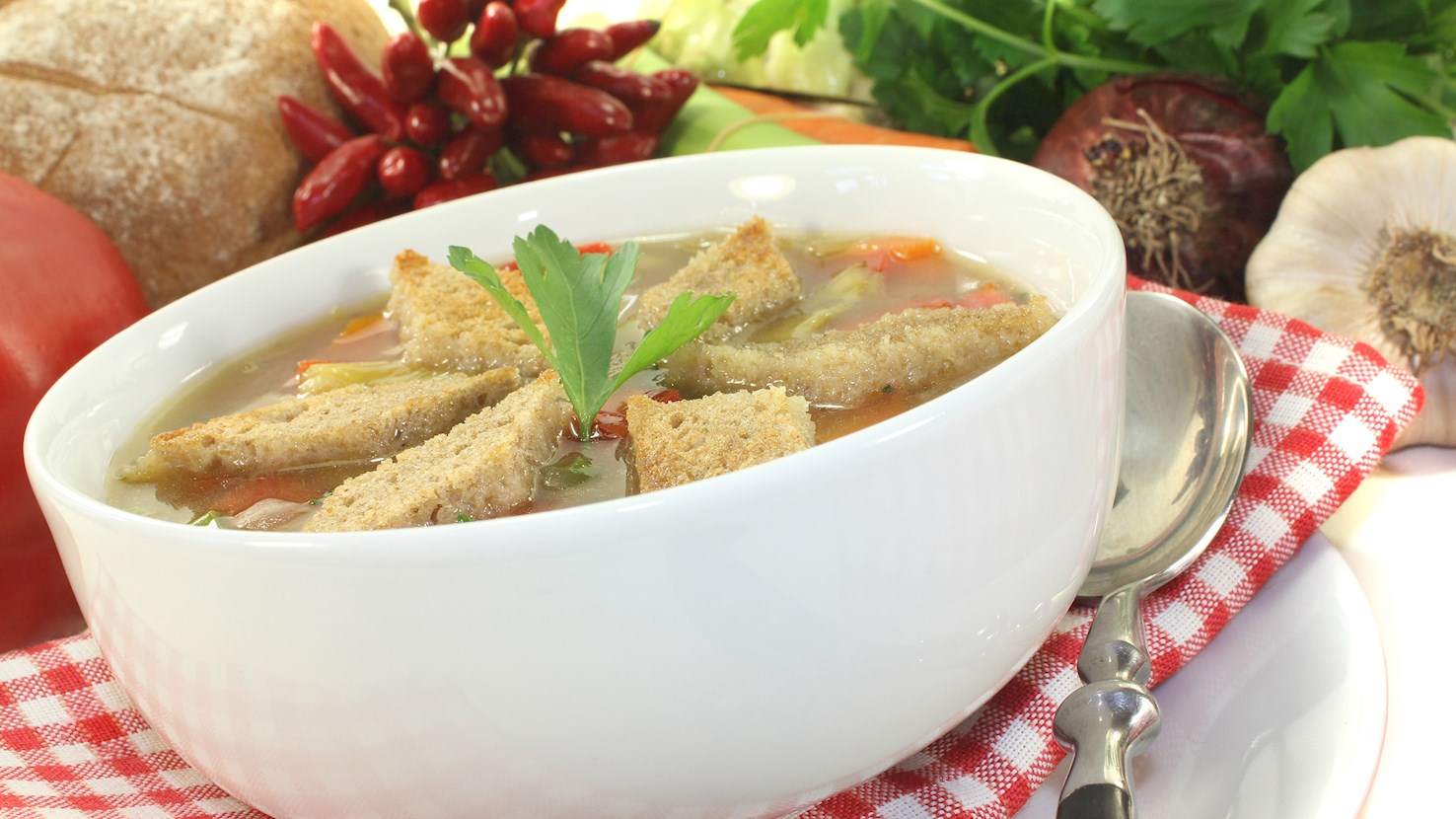
Zeleninová polévka is a Czech vegetable soup that is usually served as a nutritious appetizer. This hearty dish has numerous varieties and can incorporate various root or leafy vegetables. Most commonly, it consists of diced or sliced carrots, celery, and potatoes, but it is easily adjusted to any taste. Next to vegetables, it can also incorporate thin pasta and egg or liver dumplings. Regardless of the varieties, this classic soup is a staple in many Czech households, and is often found on the menus of traditional restaurants.

06

Fazolová polévka (Czech bean soup)

3.6 ·

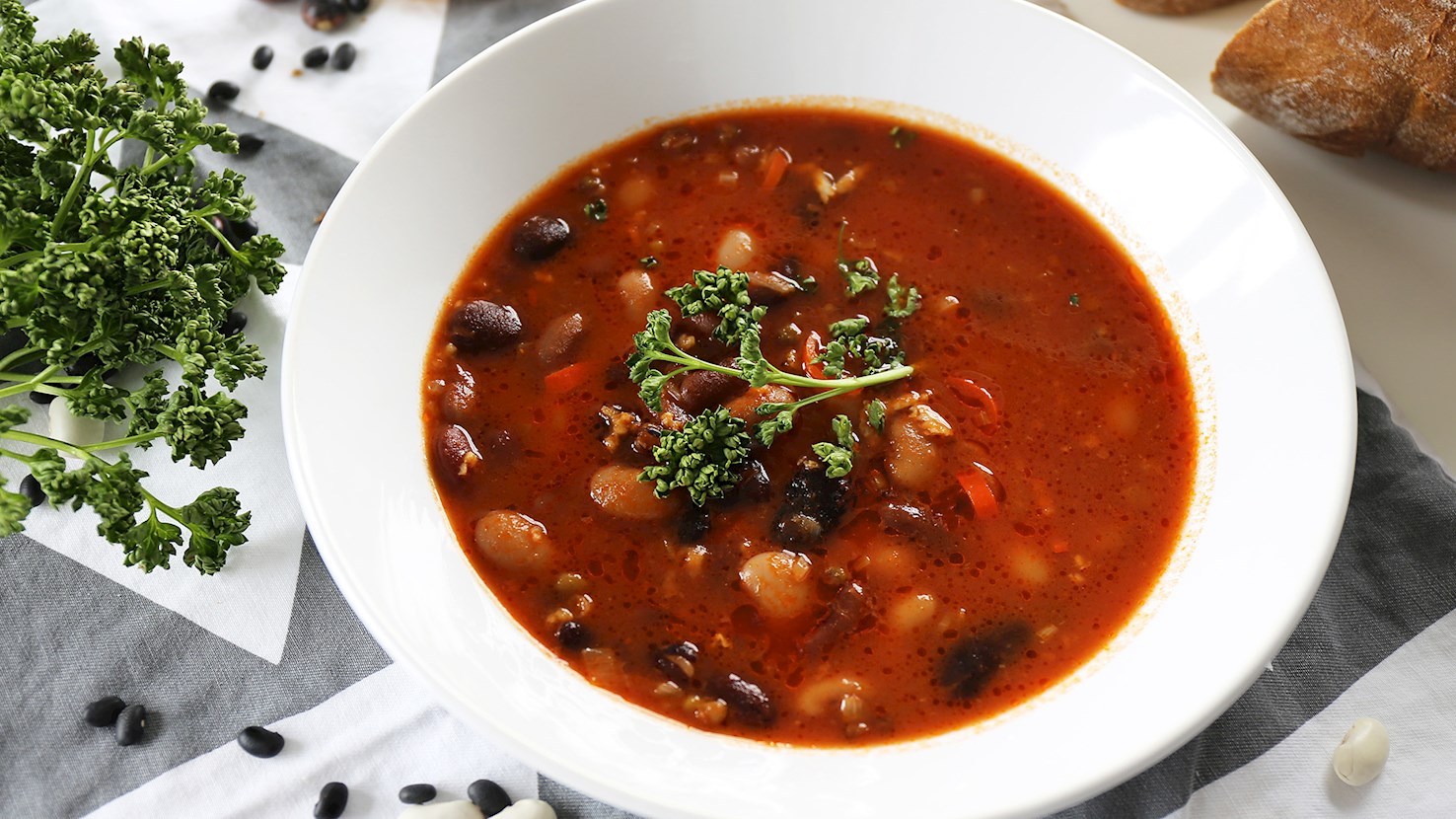
Fazolová is a traditional bean soup. Although it appears in numerous varieties, it usually consists of plump white beans cooked in a flavorful broth, with an option to add potatoes, root vegetables, and smoked meat. It is usually enriched with sour cream or thickened with flour. This rustic dish is one of the most common soup varieties in the country, and can be found on the menus of many traditional restaurants. It is always served hot and is mainly enjoyed as a hearty appetizer.

07

Čočková polévka (Czech lentil soup)

3.7 ·

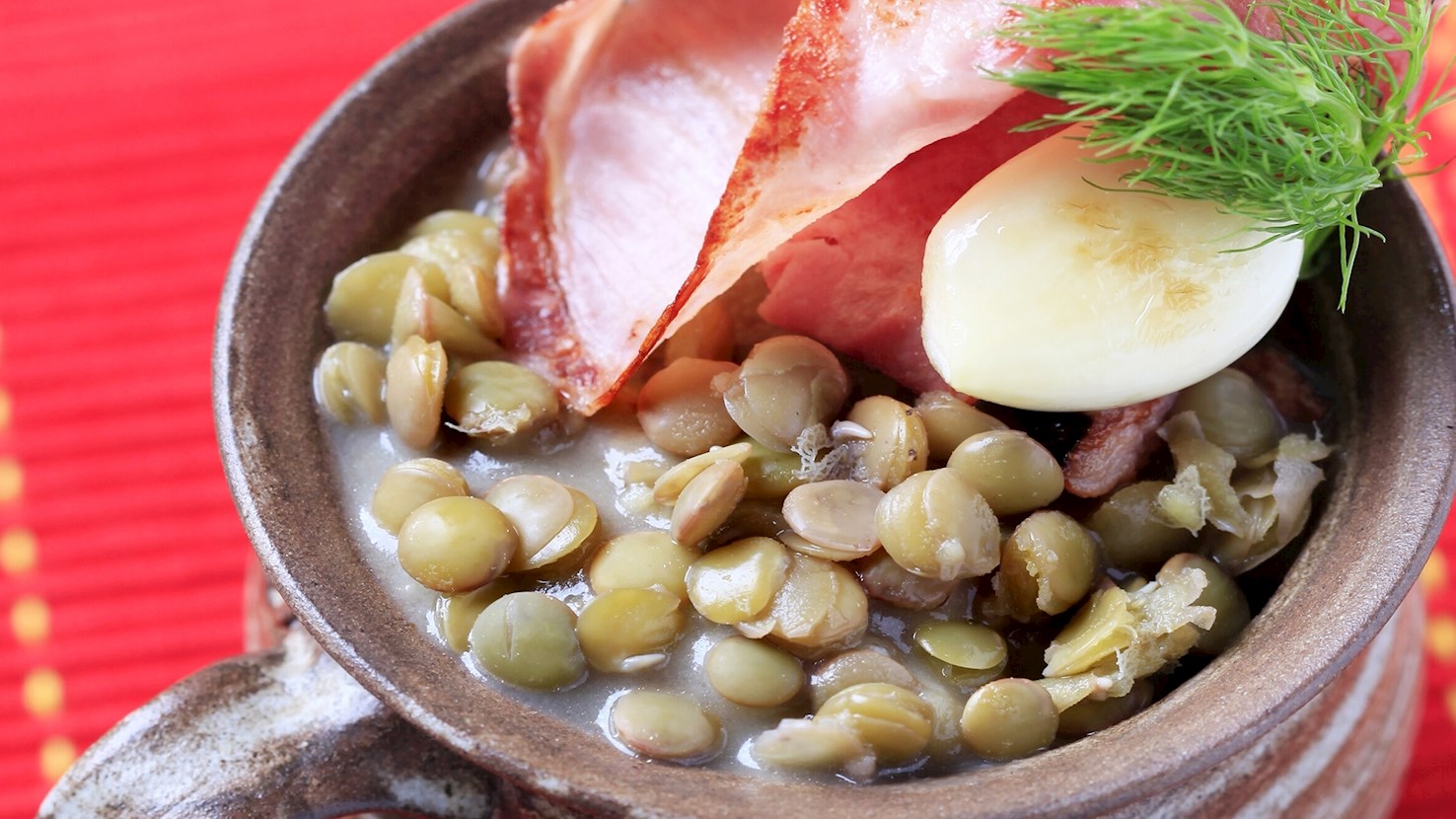
Čočková polévka is a comforting Czech lentil soup. It is usually made with brown or green dry lentils, root vegetables, and various spices such as marjoram or coriander. Occasionally, it is thickened with flour, while spicy sausages or smoky bacon are sometimes added to create a more nutritious dish. Traditionally, the soup is prepared on New Year’s Day because it is believed that lentils will bring prosperity to the family, although it is also enjoyed throughout the year and can be found on the menus of many traditional Czech restaurants.

08

Gulášová polévka (Czech goulash soup)

3.7 ·

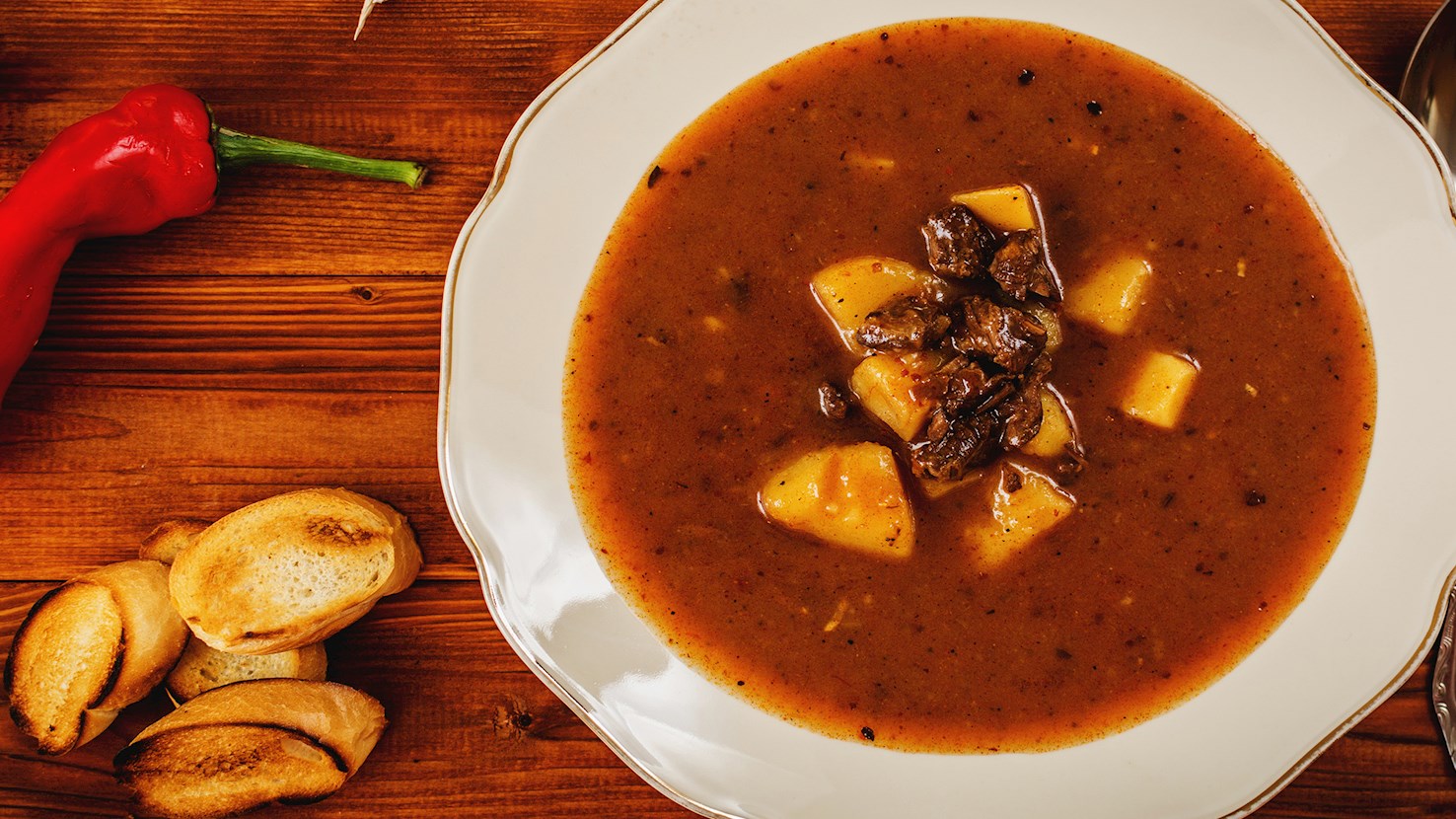
Very similar to the famous guláš, this hearty soup employs similar ingredients to create a slightly different dish. It is usually prepared with beef that is browned and simmered alongside onions in a flavorful, paprika-spiced broth. The soup is commonly enriched with potatoes, and occasionally thickened with a floury roux. A staple in many households and restaurants, the nutritious gulášovka is often accompanied by bread on the side, and it can be enjoyed as an appetizer or the main course.

09

Cibulačka (Czech onion soup)

3.7 ·

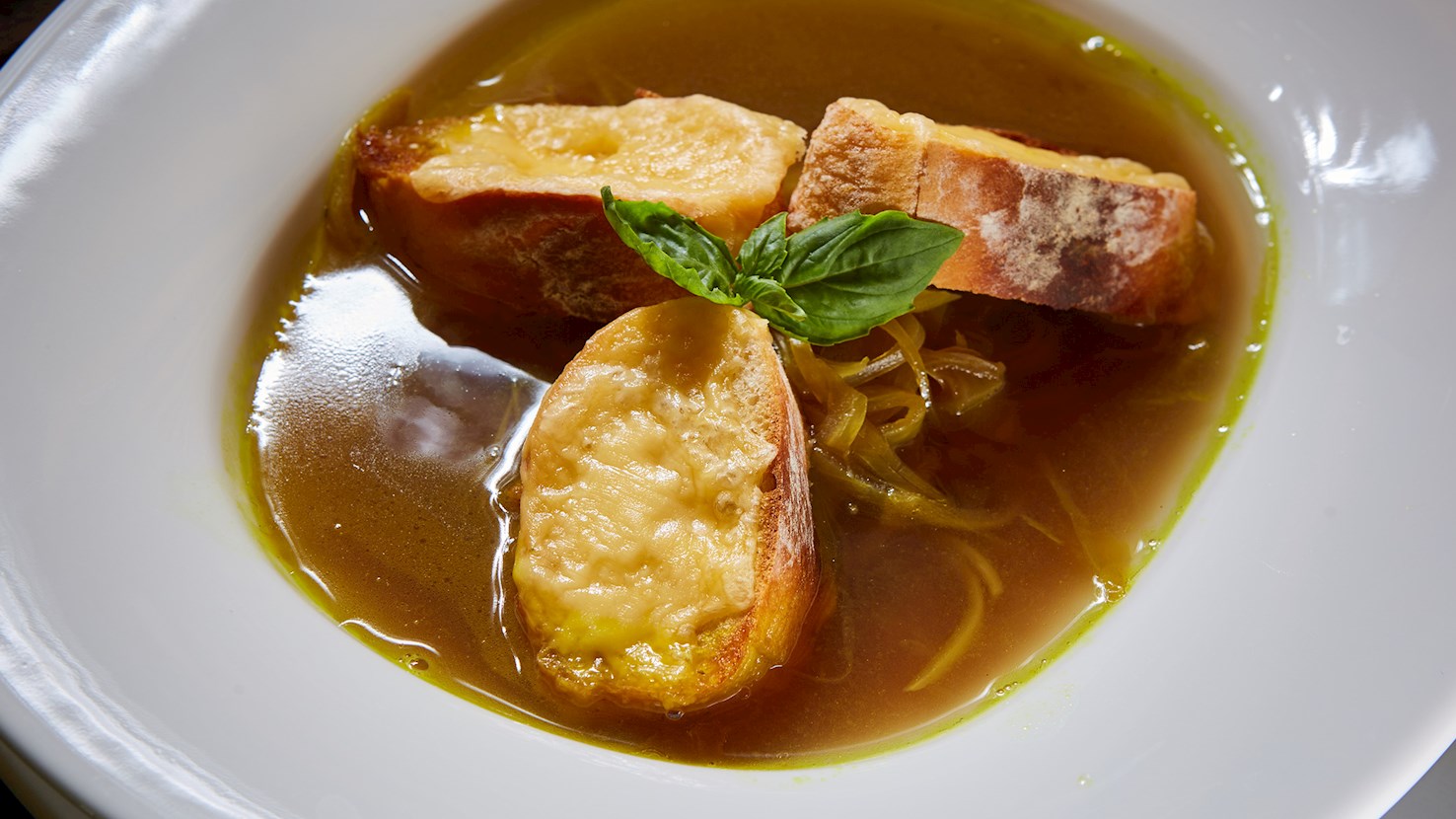
Although cibulačka originated from the famous French soupe à l'oignon, this Czech version has become one of the favorite soup varieties in the country. It is a simple and pungent dish consisting of caramelized onions cooked with a broth based on meat or vegetables. It is usually served with crispy bread slices and a layer of grated cheese on top. Some Czech varieties incorporate potatoes, cream, or mushrooms, and occasionally thicken the broth with flour. This nutritious soup is mostly associated with the winter season, when it is commonly enjoyed as a satisfying starter.

10

Bramboračka

3.8 ·

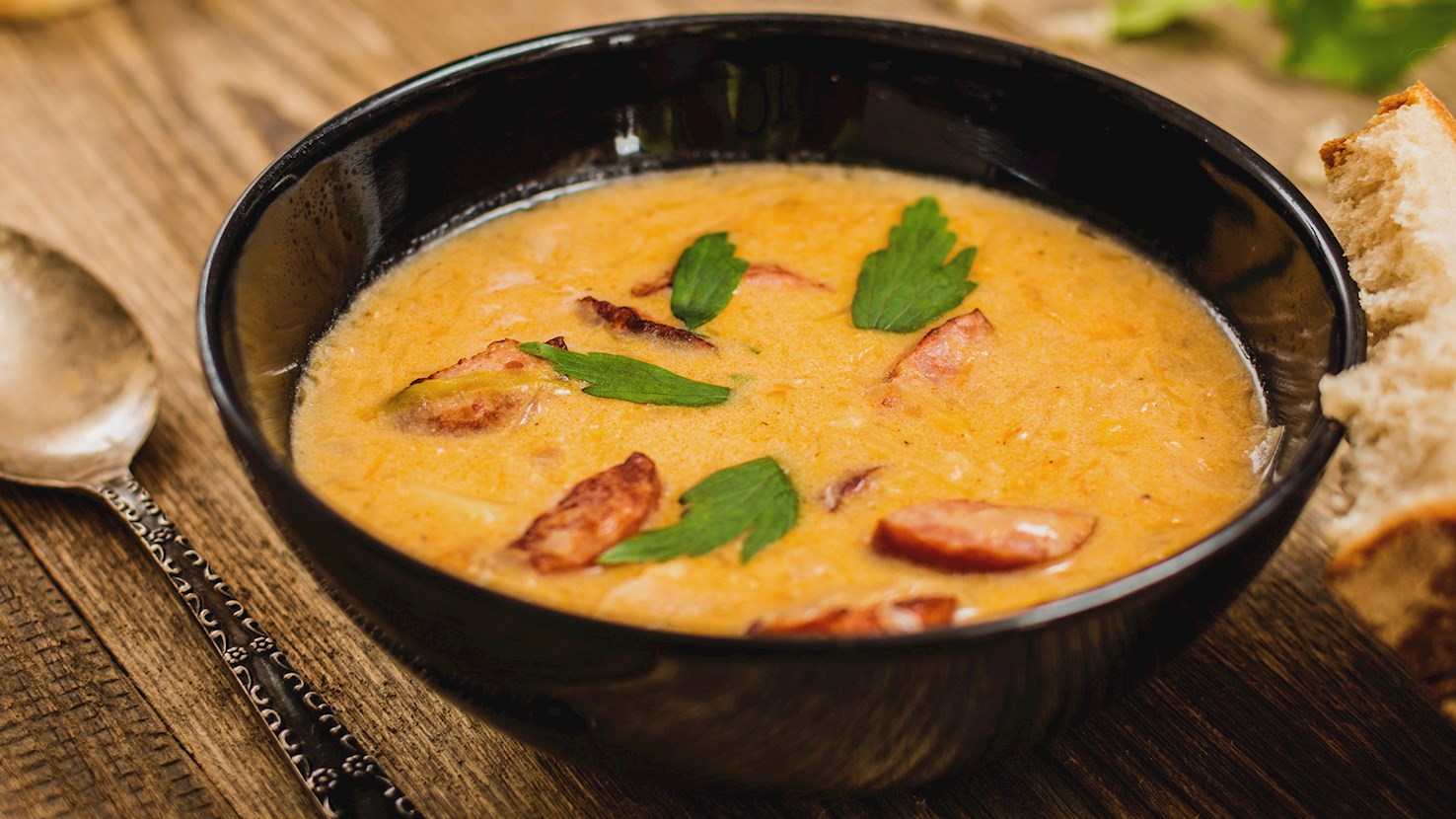
Although it was originally considered a poor man’s meal, this creamy potato soup known as bramboračka has become one of the classics of Czech cuisine. It appears in numerous variations, but mainly includes simple ingredients such as root vegetables, dried mushrooms, and various fresh or dried spices. These days, it can be found on the menus of many traditional Czech pubs, where it is mainly enjoyed as a satisfying starter that is often served in traditional bread bowls.

Read more
View all
View map
About this ranking

TasteAtlas food rankings are based on the ratings of the TasteAtlas audience, with a series of mechanisms that recognize real users and that ignore bot, nationalist or local patriotic ratings, and give additional value to the ratings of users that the system recognizes as knowledgeable. For the “13 Worst Rated Czech Soups” list until July 16, 2026, 1,161 ratings were recorded, of which 878 were recognized by the system as legitimate. TasteAtlas Rankings should not be seen as the final global conclusion about food. Their purpose is to promote excellent local foods, instill pride in traditional dishes, and arouse curiosity about dishes you haven’t tried.

Similar lists