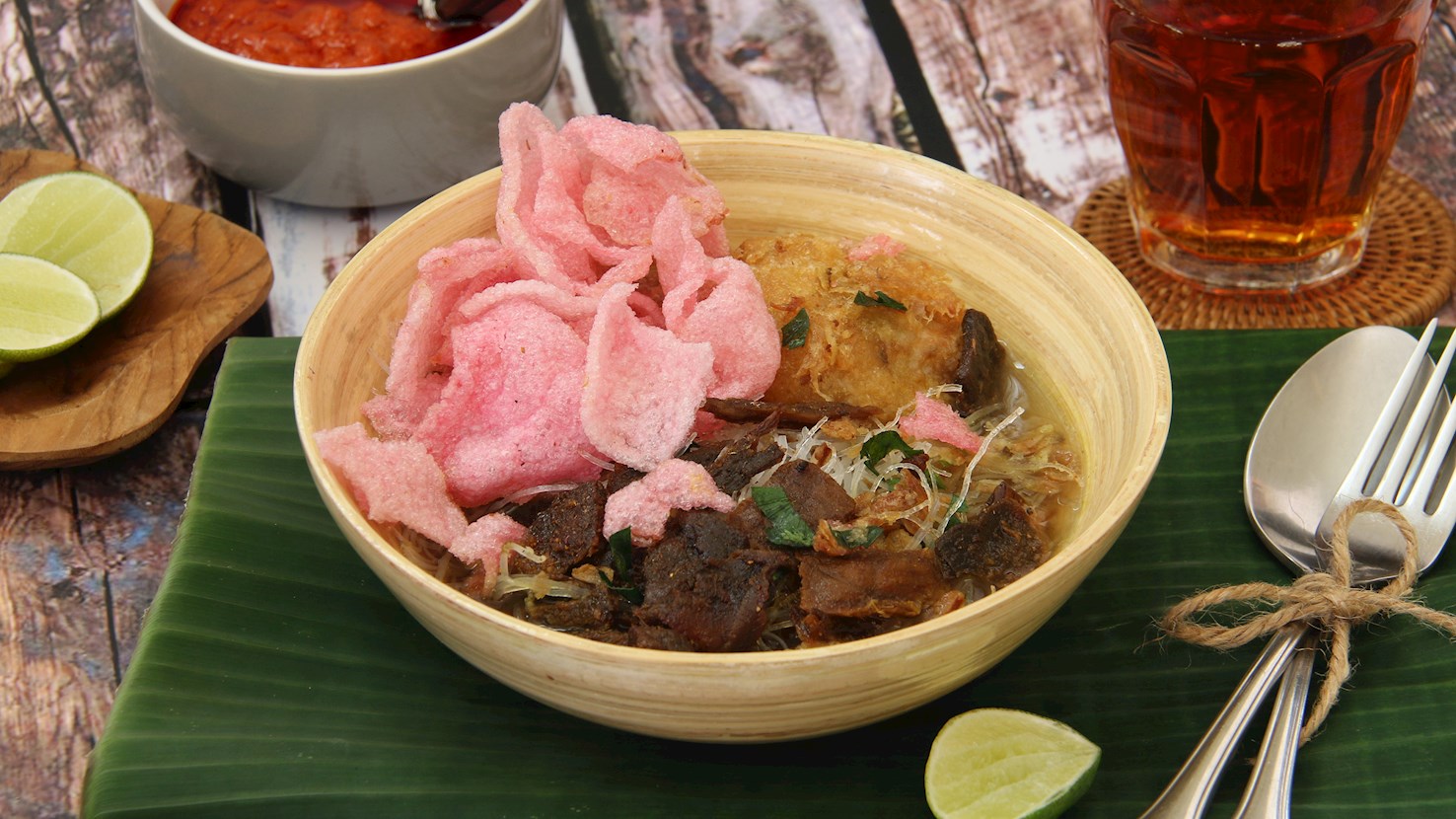
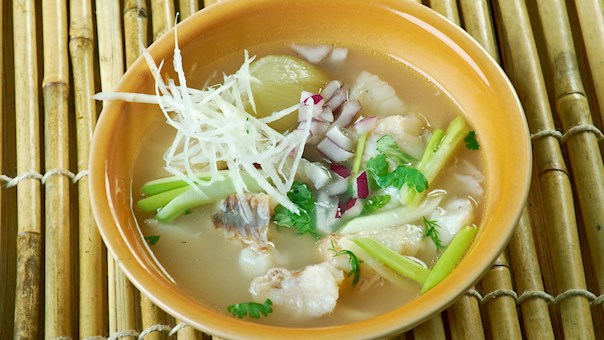
Soto Padang is a clear beef soup from the city of Padang, in West Sumatra, Indonesia, known for its light broth, crisp textures, and balanced spice. It belongs to the broader family of soto, a category of Indonesian soups that vary significantly by region and ingredients. Soto Padang stands out for its combination of fragrant clear beef broth, thin slices of fried or boiled beef, and crunchy fried vermicelli or potato patties, offering a contrast of textures and a mildly spiced flavor profile that reflects Minangkabau culinary traditions. The preparation begins by simmering beef, often shank or brisket, with aromatics like lemongrass, makrut lime leaves, galangal, garlic, and shallots to develop a light yet flavorful broth. The beef is typically cooked until tender, then sliced thin and either deep-fried for a crisp finish or served as is. What makes soto Padang distinct from other regional soto variants is the inclusion of crispy fried glass noodles and, in many cases, perkedel kentang, which are spiced mashed potato patties that are also fried before serving. The broth is then poured hot over the dry components just before serving, preserving their texture until the moment of eating. Soto Padang is commonly garnished with sliced celery leaves, scallions, and fried shallots, with a small squeeze of lime and a side of sambal to adjust the heat according to preference. It is often eaten as breakfast in West Sumatra, especially in Padang itself, where it is served in warungs and local markets alongside teh talua, a sweet and frothy egg tea that complements the lightness of the soup.
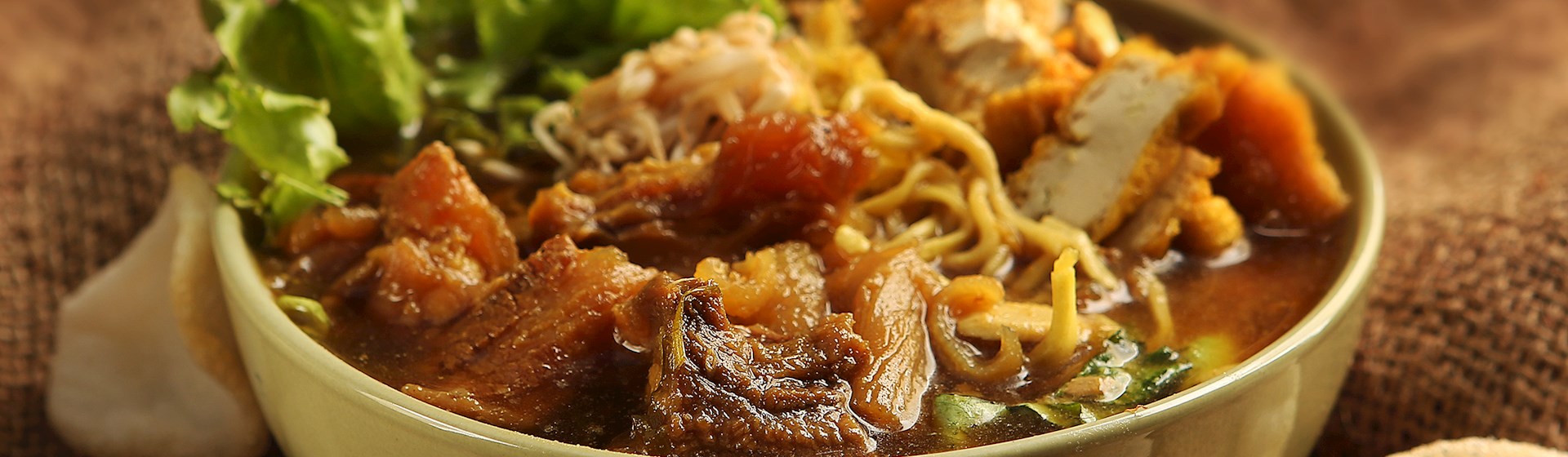
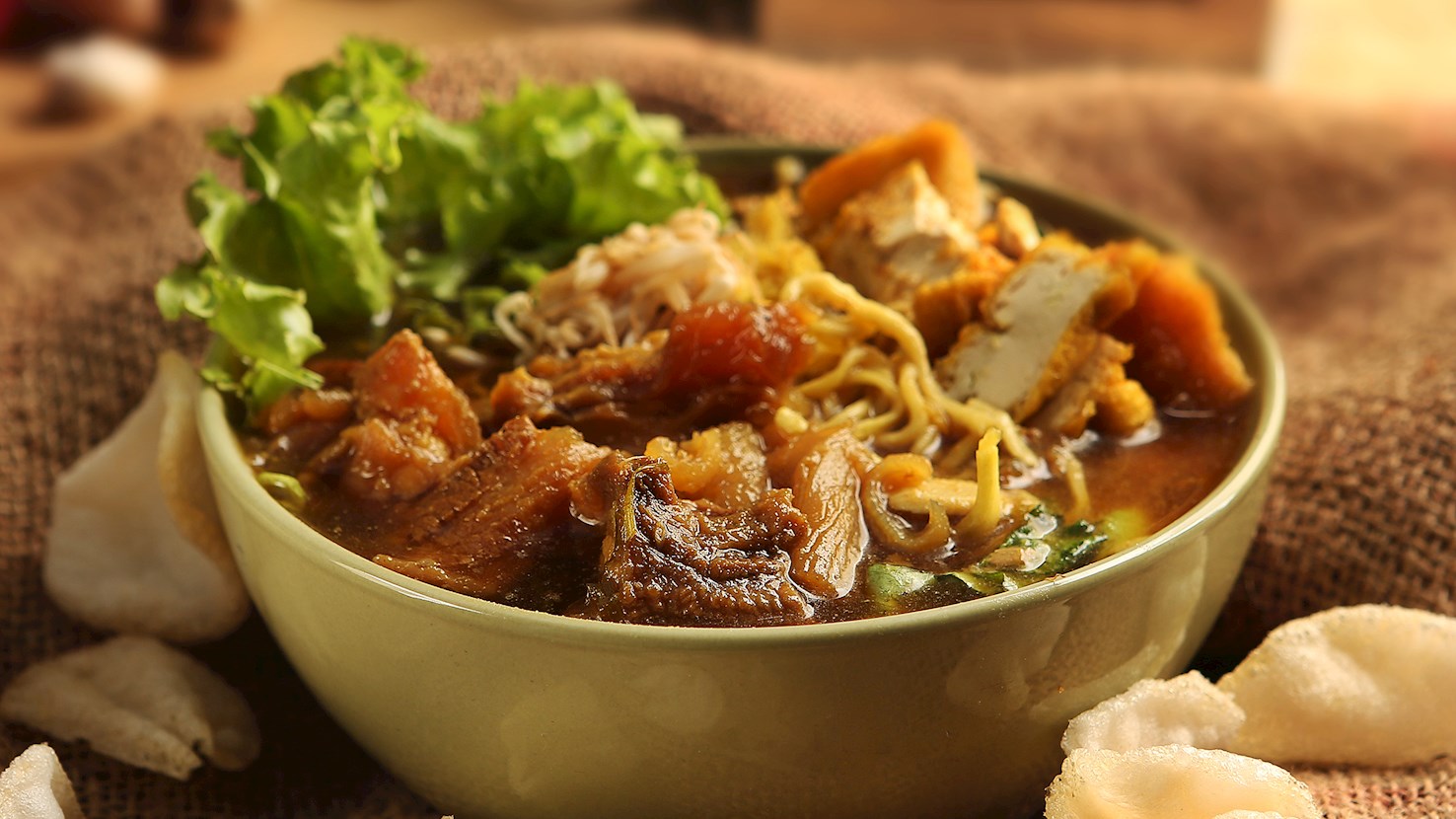
Tahu campur is a an Indonesian soup originating from East Java, particularly associated with the city of Surabaya and its surrounding towns. The name translates to "mixed tofu," but the dish is far more complex and layered than the name suggests. It is a vibrant and hearty combination of fried tofu, sliced beef or beef tendon, yellow noodles, fresh bean sprouts, lettuce, and sometimes rice cake, all brought together with a thick, savory broth enriched by fermented shrimp paste (petis). This deeply flavorful sauce is what gives tahu campur its signature East Javanese character: bold, slightly sweet, umami-rich, and distinctly aromatic. The dish reflects East Java’s culinary style, which is known for its generous use of spices, sweet-savory balance, and strong flavors. The beef, often slow-cooked until tender, adds richness and depth, while the fried tofu contributes a mild, creamy texture that soaks up the broth. The fresh vegetables and sprouts offer crunch and brightness, creating a contrast to the dense sauce. The broth itself, thickened with ground spices and seasoned with petis udang, is ladled generously over the entire bowl, binding all elements together into a dish that is both rustic and complex. Tahu campur is most commonly found at roadside stalls or humble warungs, where it is made to order and served steaming hot. It is often enjoyed in the evening or as a filling lunch, typically accompanied by kerupuk (crackers) and a squeeze of lime for freshness.
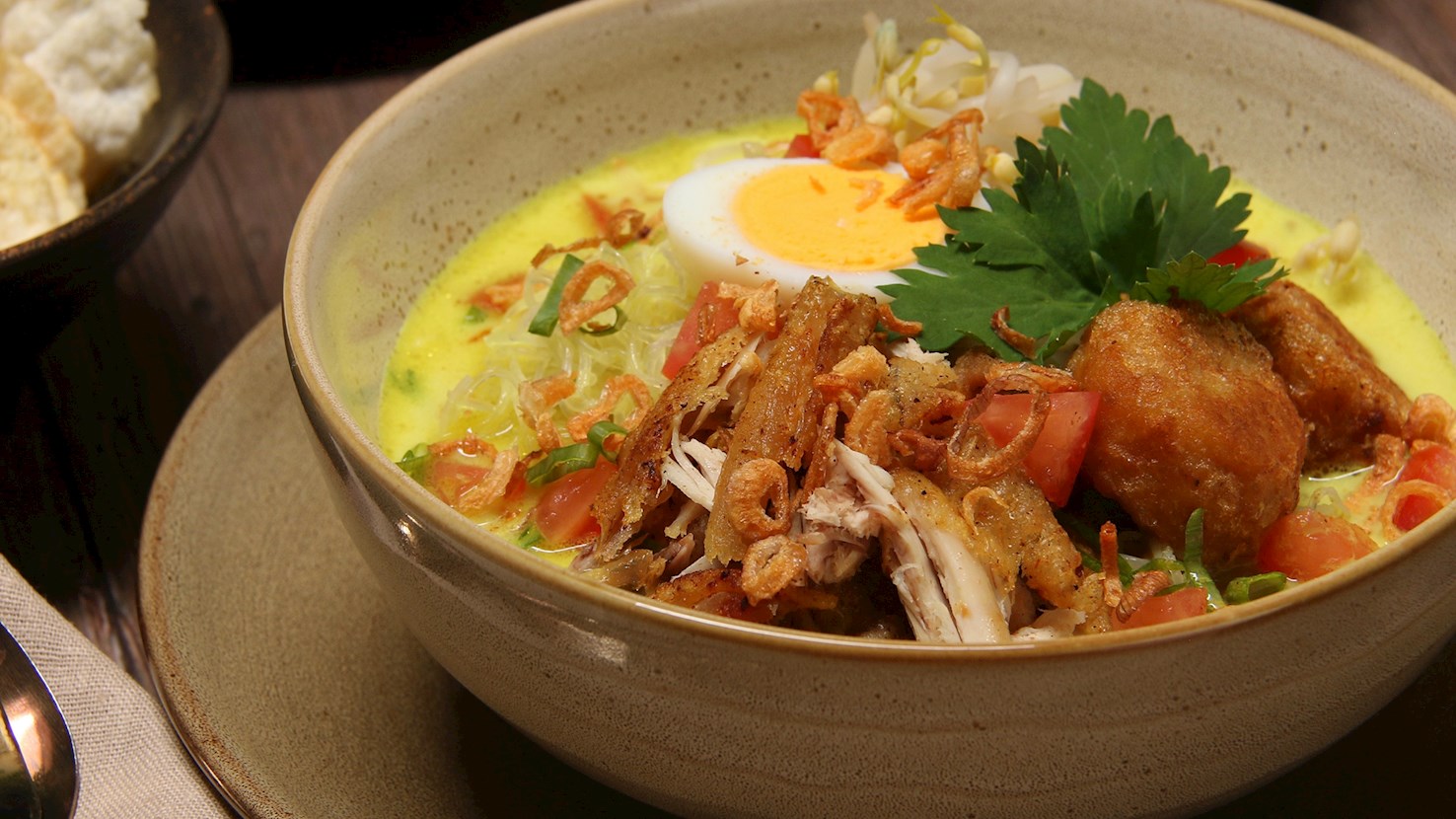
Soto Medan is a rich, coconut milk-based soup originating from the bustling city of Medan, the capital of North Sumatra in Indonesia. At its heart, Soto Medan is a soulful dish made with tender chicken or beef simmered in a creamy broth infused with lemongrass, makrut lime leaves, galangal, turmeric, and coriander. What sets it apart from other regional soto varieties is the generous use of coconut milk, which adds depth and a velvety texture that clings to every ingredient. The result is a comforting bowl of golden soup, rich in spice yet balanced, often topped with crispy shallots and accompanied by a side of sambal for a fiery contrast. The dish typically includes rice or lontong, served directly in the bowl or alongside it. Garnishes such as hard-boiled eggs, potato fritters, fried peanuts, and vermicelli add layers of texture and heartiness. A squeeze of lime just before eating brightens the richness of the soup, while a sprinkle of celery or scallions gives a fresh lift. Although Soto Medan is enjoyed in homes across North Sumatra, it has also become a signature offering in local warungs and food courts, especially during breakfast or lunchtime hours.
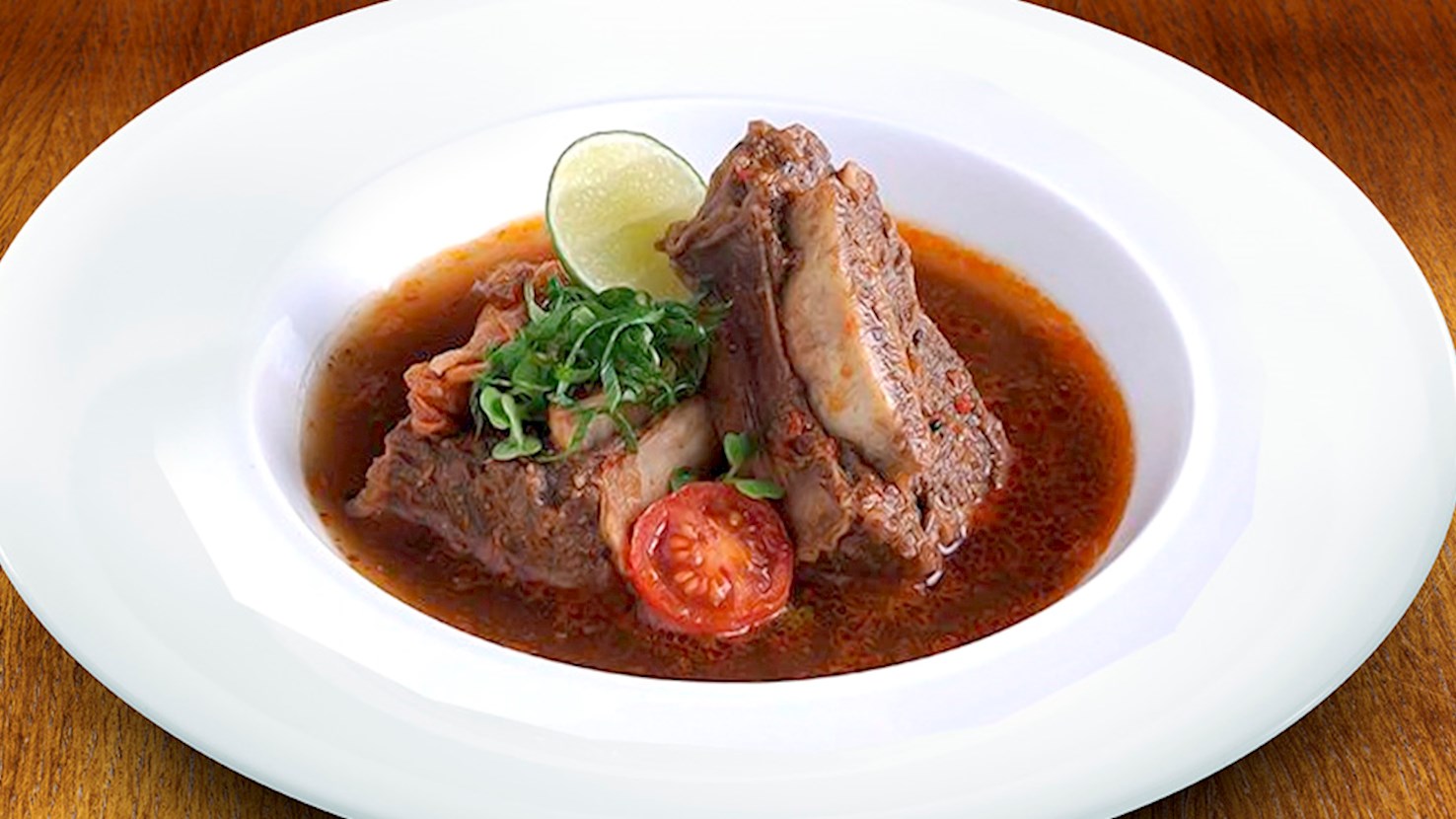
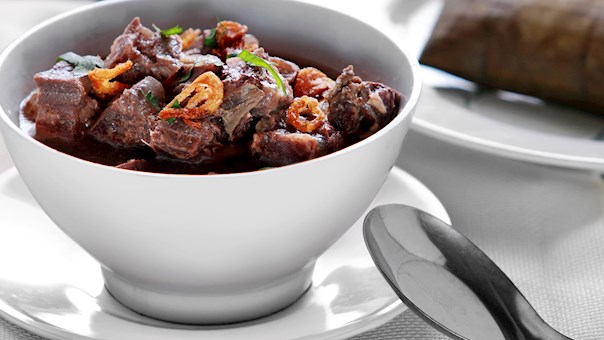
Konro is an Indonesian beef rib soup originating from the Bugis and Makassarese people of South Sulawesi, particularly centered in the port city of Makassar. Known for its deep, rich flavor and dark brown color, konro is made from meaty beef ribs simmered slowly in a broth infused with an aromatic blend of local spices and toasted coriander, kluwak (black nut), nutmeg, cinnamon, and tamarind. The result is a complex and hearty soup that embodies the bold and layered culinary style of Sulawesi’s coastal communities, where spices from the Indonesian archipelago have long been prized and widely used. Traditionally served as a festive or ceremonial dish, konro is both comforting and celebratory, often reserved for special gatherings or family feasts. The slow-cooked beef ribs become fall-off-the-bone tender, while the broth develops a savory, almost earthy depth with a subtle sweetness and a touch of acidity. Some versions of konro are served as a soup, while others, known as konro bakar, feature grilled or charred ribs brushed with the same spiced marinade, offering a smoky variation on the classic preparation. In both forms, it is typically enjoyed with steamed rice or ketupat (compressed rice cakes), and occasionally accompanied by sambal for added heat.
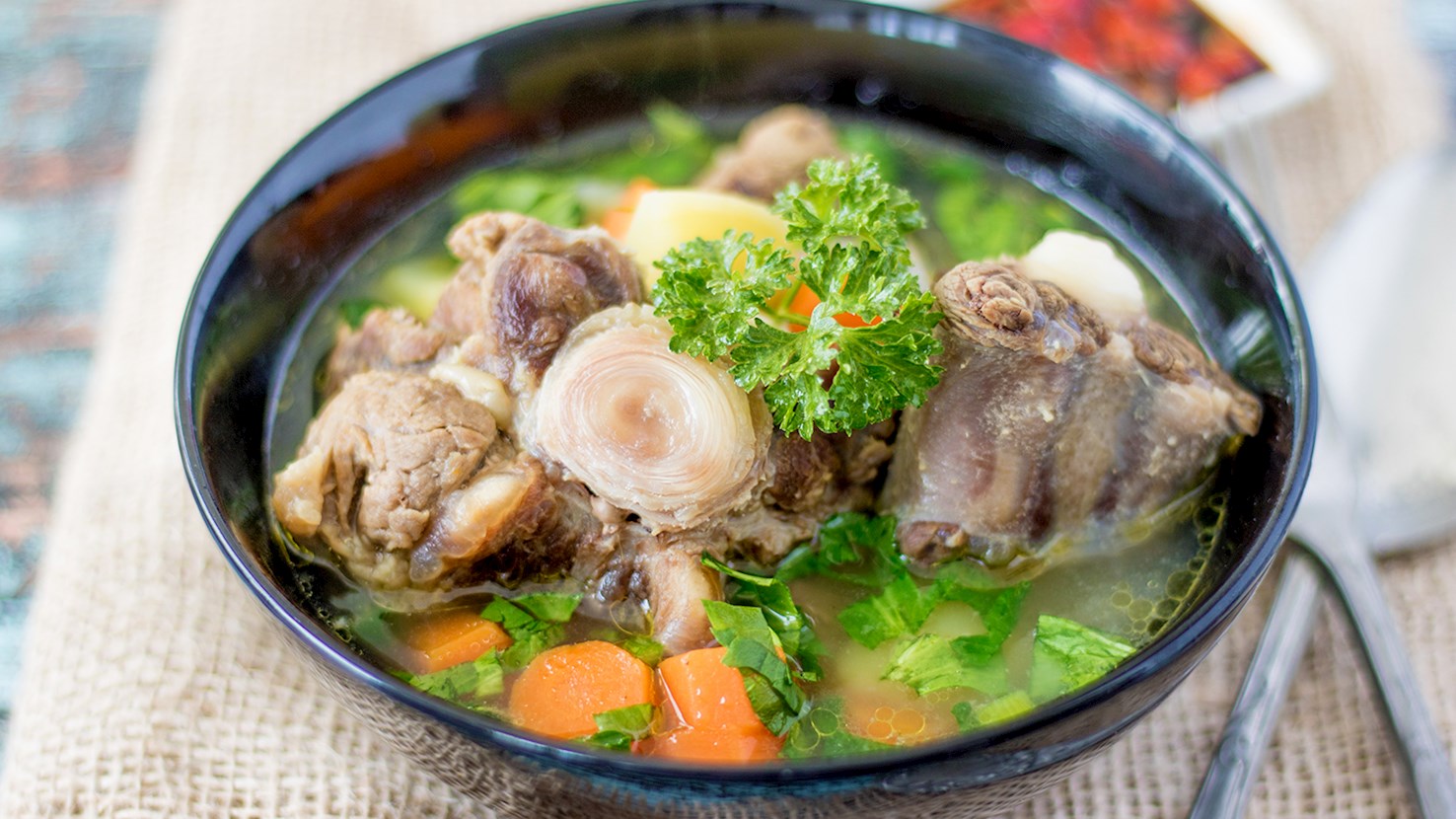
Sop buntut is an Indonesian oxtail soup known for its rich broth, tender meat, and subtly spiced aroma. The dish originates from Java, particularly Jakarta, where it has become a staple of both home cooking and refined restaurant menus. A reflection of Indonesia’s multicultural culinary influences and its love for slow-cooked comfort food, sop buntut combines local ingredients with techniques that reflect Dutch colonial and broader Asian culinary traditions, resulting in a dish that is hearty, elegant, and deeply satisfying. At its core, sop buntut consists of oxtail pieces that are simmered slowly until the meat becomes fall-off-the-bone tender. The clear, golden broth is seasoned with a delicate blend of spices such as nutmeg, cloves, white pepper, garlic, shallots, and sometimes cinnamon, which together create a warm and fragrant flavor without overwhelming the palate. Carrots, potatoes, celery, and tomatoes are commonly added to the soup, contributing a gentle sweetness and textural contrast that balances the richness of the meat. The soup is typically served hot, accompanied by steamed rice, a squeeze of lime juice, chopped scallions, and sambal for a touch of heat, making it a complete and satisfying meal. The origins of sop buntut are often traced back to the influence of Dutch and European cuisine during the colonial era, when oxtail soup was introduced to the archipelago. However, the Indonesian version has evolved into something uniquely local. Unlike its European counterparts, which may rely on cream or wine, sop buntut is lighter and clearer, relying instead on the natural flavors of bone marrow and aromatic spices. Over time, it has become an iconic part of Indonesian gastronomy, especially among Javanese households and in upscale dining establishments that serve refined versions of traditional dishes. There are variations across regions and preferences. Some recipes call for the oxtail to be fried or grilled before being added to the broth, which adds a layer of smokiness and texture. Others maintain a purely boiled approach for a cleaner, more delicate broth. Regardless of the method, the essence of sop buntut lies in its slow preparation and the layering of flavors that develop over time. It is often reserved for special occasions or enjoyed as a nourishing weekend dish, symbolizing both comfort and celebration.
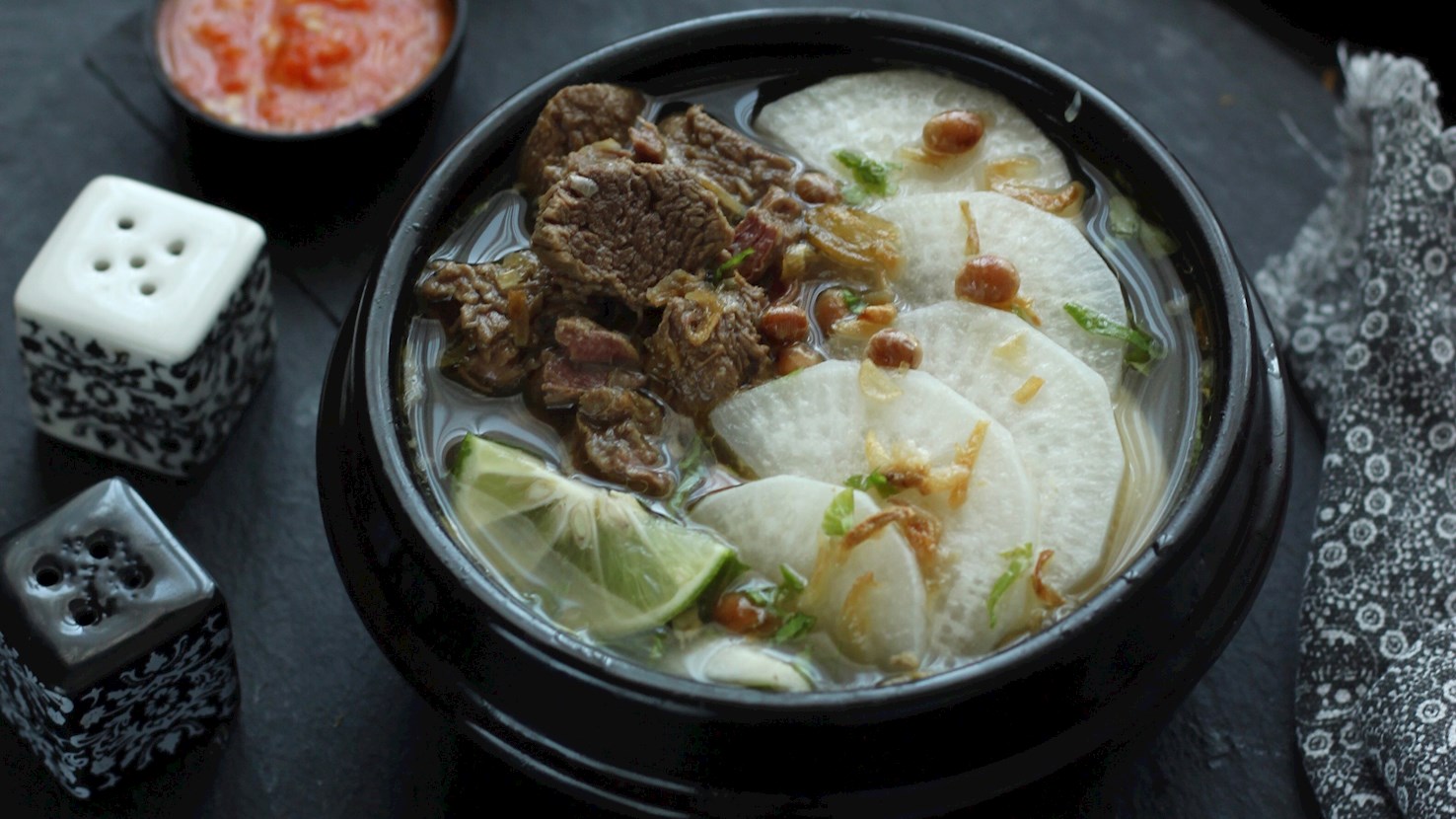
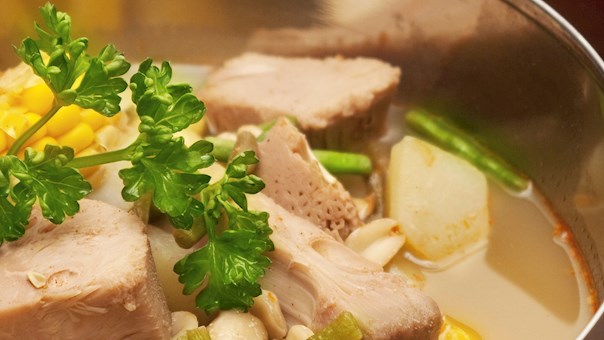
Soto Bandung is a clear beef soup that originates from the city of Bandung in West Java, Indonesia. It belongs to the broader category of soto, which encompasses a diverse range of Indonesian soups, each defined by regional ingredients and preferences. What distinguishes Soto Bandung from other variants is its light, transparent broth and the unique inclusion of sliced daikon radish (lobak) and preserved salted soybeans (kedelai goreng), ingredients that are uncommon in most other soto styles across the archipelago. The dish is centered around beef, typically brisket or shank, which is simmered slowly in water along with simple aromatics such as garlic, shallots, and galangal. This slow simmering process extracts flavor while maintaining the clarity of the broth. Unlike the turmeric-based or coconut milk-infused versions found in other parts of Indonesia, Soto Bandung emphasizes a clean, refreshing profile. The addition of white radish provides a subtly sweet and earthy undertone, while the salted soybeans introduce a savory, crunchy element that complements the tenderness of the beef. These beans are usually added just before serving to preserve their texture. Garnishes are modest and typically include chopped scallions, fried shallots, and slices of lime, with optional additions such as sambal or emping crackers on the side. Steamed rice is served separately or placed directly into the soup, depending on personal preference. The flavor is mild compared to some other soto types, aligning with Sundanese cuisine’s preference for freshness, balance, and restraint in seasoning.
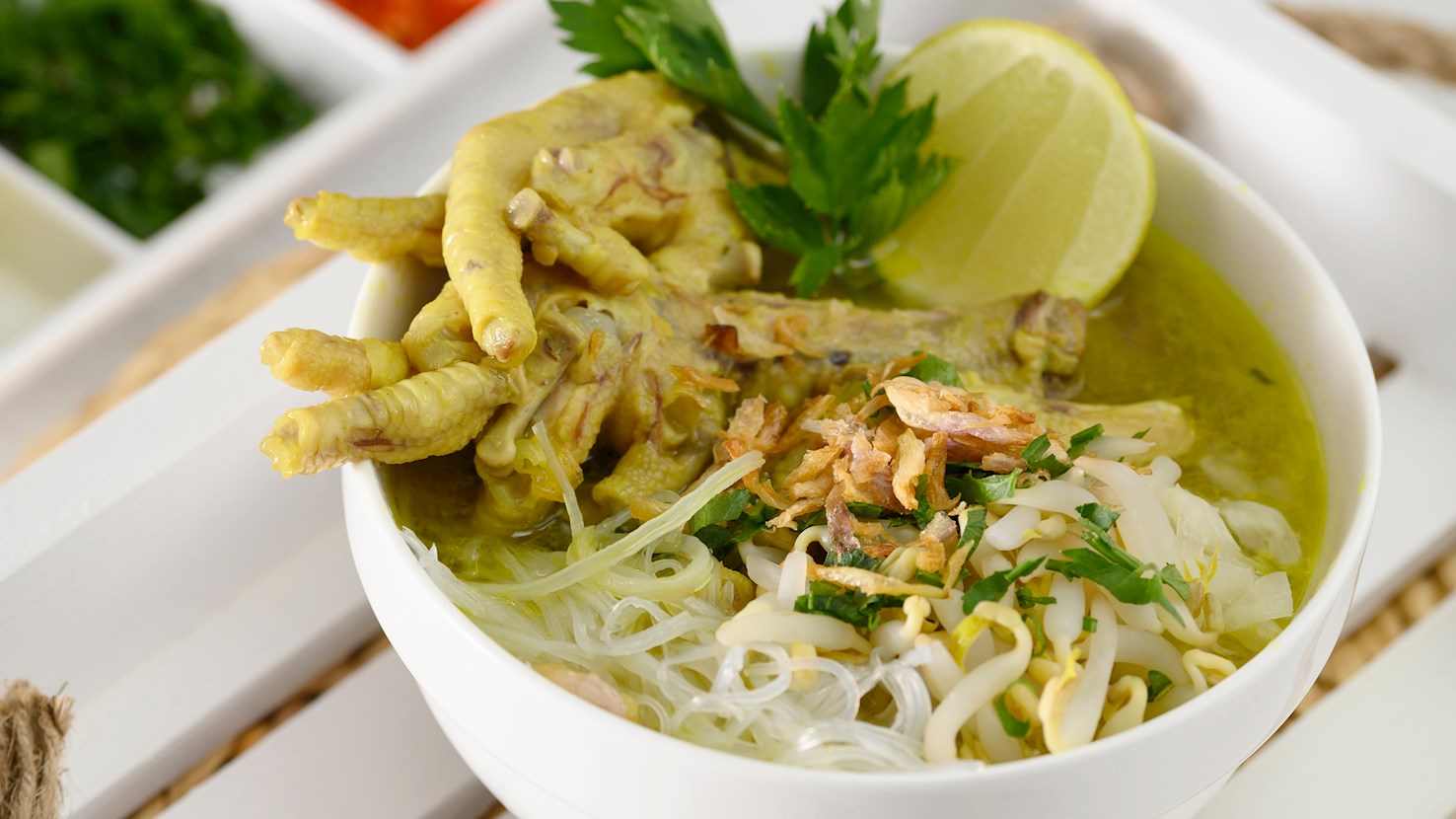
Soto ceker is an Indonesian chicken foot soup that originates primarily from Java, where soto in its various forms is a staple of daily meals. The word ceker means chicken feet in Indonesian, and this dish highlights an ingredient that is both affordable and appreciated for its unique texture. Soto refers to a broad category of Indonesian soups, typically made with clear or slightly yellow broth, infused with a blend of aromatic spices, and served with rice or rice cakes. In the case of soto ceker, the distinguishing feature is the use of chicken feet as the main protein, offering a gelatinous, tender consistency after long, slow simmering. The broth is made from a base of chicken bones and feet, which are simmered with a ground spice mixture containing garlic, shallots, turmeric, coriander, ginger, galangal, and lemongrass. This mixture is sautéed and added to the simmering pot to develop flavor and color. The turmeric gives the soup a characteristic yellow tint, while the lemongrass and galangal add freshness. The chicken feet are simmered until the connective tissue becomes soft but not disintegrated, allowing the feet to retain their shape while becoming easy to eat. The broth is usually light but rich in collagen from the slow-cooked bones and skin. Soto ceker is typically served hot with a side of steamed rice or lontong (rice cakes), and garnished with bean sprouts, fried shallots, scallions, and sometimes cabbage or glass noodles. A squeeze of lime juice and a small spoonful of sambal are common additions, allowing diners to adjust the flavor to their taste. The dish is known for its clean yet spiced broth, which complements the mild flavor and soft texture of the chicken feet. In Java, especially in cities like Jakarta and Yogyakarta, soto ceker is a common offering at street food stalls, night markets, and small eateries. It is often consumed as breakfast or late-night comfort food. While chicken feet may be viewed as an unconventional cut in some culinary cultures, in Indonesia they are valued for their texture and for being rich in gelatin, which gives the broth body and a slightly sticky mouthfeel.
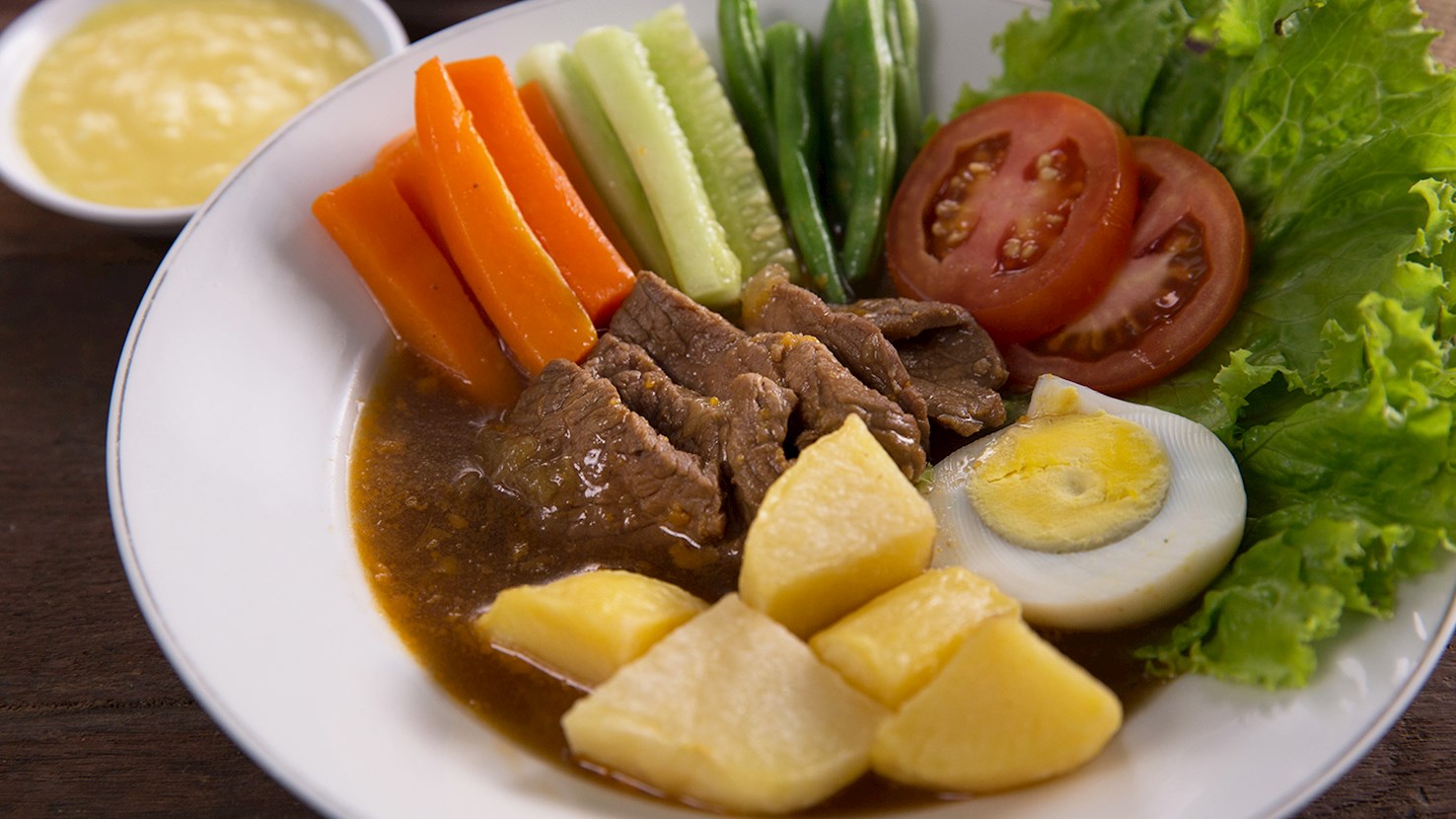
Selat Solo is a Central Javanese beef dish served in a lightly sweet, aromatic broth and accompanied by vegetables, originating from the city of Solo (Surakarta) in Indonesia. The dish reflects the culinary fusion between Dutch colonial influences and local Javanese tastes, evolving over time into a distinctly regional specialty. The name “selat” comes from the word “salad,” introduced during the colonial period, though the final dish bears little resemblance to a Western salad. It consists of stewed beef, usually tenderloin or another lean cut, braised in a thin sauce made from sweet soy sauce, garlic, shallots, nutmeg, cloves, and black pepper. The beef is cooked until tender and served warm, submerged in the broth that doubles as both cooking liquid and sauce. Alongside the beef, Selat Solo is commonly served with blanched vegetables such as carrots, green beans, and potatoes, either boiled or fried. Garnishes often include a slice of hard-boiled egg, pickled cucumber, and a light splash of mustard or Worcestershire sauce to enhance the dish’s slightly tangy, savory dimension. Unlike grilled steaks in Western cuisine, Selat Solo emphasizes slow cooking and a balanced flavor profile that leans toward the sweet and aromatic, typical of Central Javanese dishes. Originally associated with elite households and adapted from colonial kitchen practices, selat Solo has long since become part of everyday cuisine in the region. It is widely available in local warungs, home kitchens, and restaurants across Solo and neighboring cities.
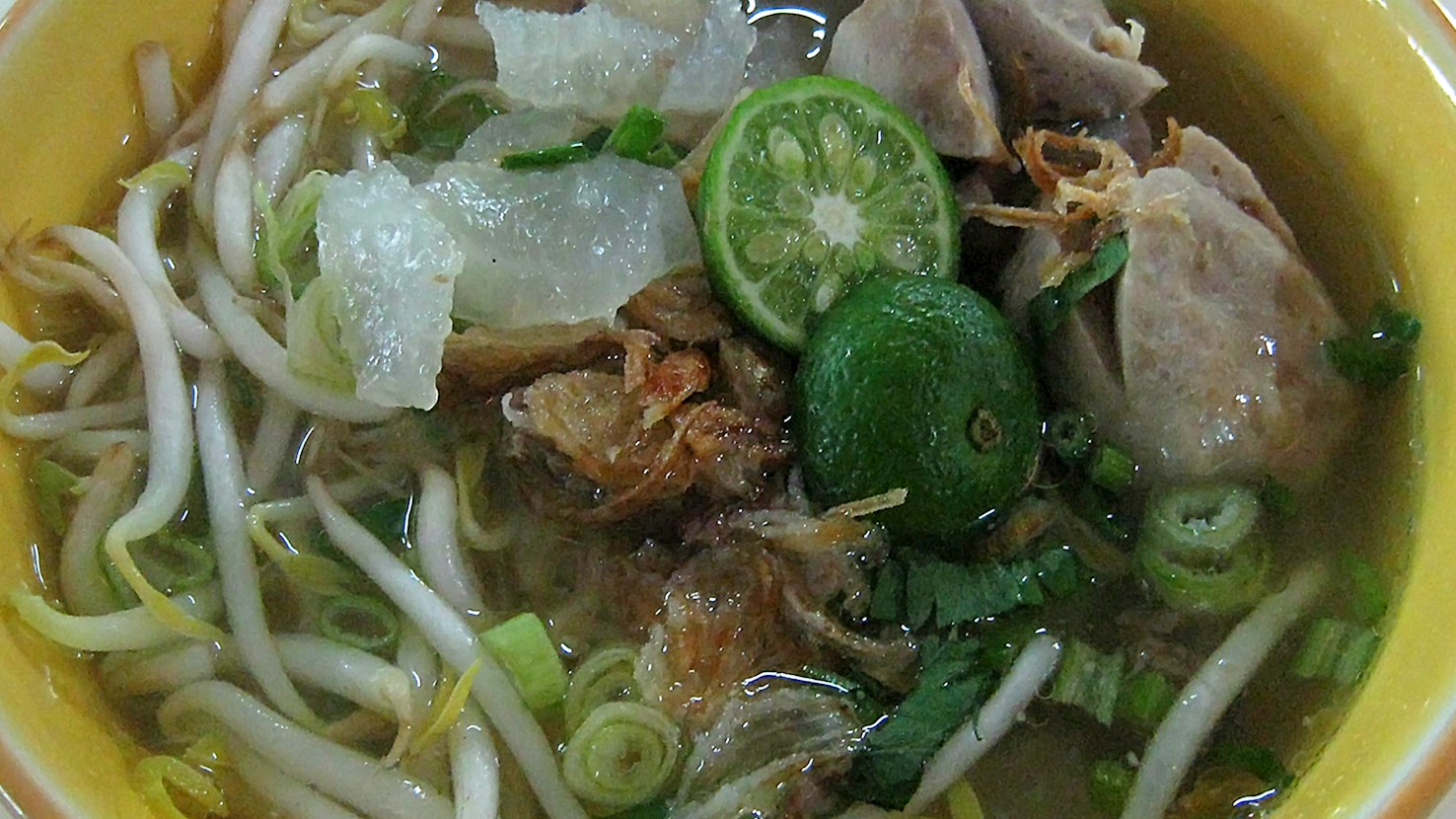
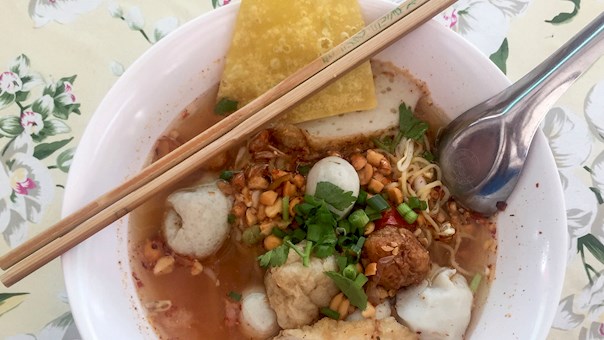
Mie kocok is an Indonesian noodle soup hailing from the city of Bandung, West Java. Its name, which literally means "shaken noodles," comes from the old method of shaking the noodles in a perforated tin container while dipping them into hot water to loosen and heat them. This hearty and savory dish features flat yellow noodles served in a rich, flavorful beef broth, usually made from beef bones, marrow, and various aromatics. It's often topped with boiled beef tendon (kikil), bean sprouts, sliced scallions, celery, and a squeeze of lime juice. The broth is usually light in appearance but deeply umami, sometimes enriched with kecap manis (sweet soy sauce) or garlic oil depending on the vendor. One of mie kocok’s signatures is the inclusion of bone marrow—either served inside large bone cuts or already scooped into the soup—which gives the broth a luxurious, fatty depth. Served steaming hot and often accompanied by sambal and kerupuk (crackers), it’s a comforting and filling street food favorite in West Java and beyond.
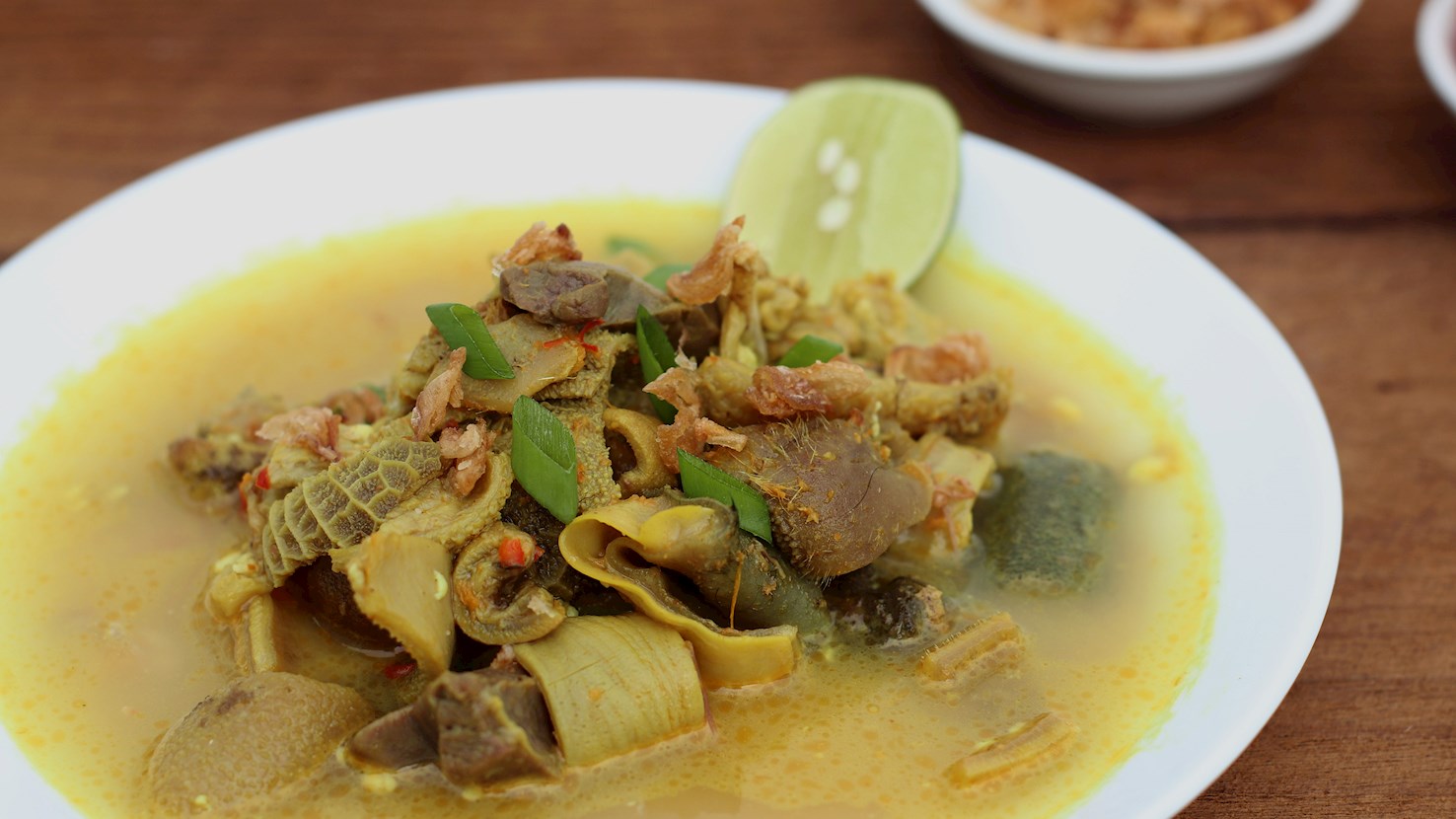
Soto babat is a distinctive Indonesian soup celebrated for its bold flavors and use of beef tripe as its central ingredient. Originating from the island of Java, particularly regions like East Java and Central Java, this dish is part of the broader soto family of soups. Soto babat stands out for its earthy, slightly spicy broth and chewy, flavorful cuts of tripe, making it a favorite among those who appreciate offal cuisine. The broth of soto babat is typically infused with a rich blend of spices including garlic, shallots, turmeric, coriander, lemongrass, and galangal. These aromatics are sautéed to develop their fragrance before being simmered with beef stock, creating a yellow-tinted soup that is both comforting and aromatic. The tripe, carefully cleaned and boiled until tender, absorbs the spices and contributes its own savory richness to the overall dish. Depending on the region and the cook, the broth can be clear or slightly creamy, sometimes enhanced with coconut milk to soften the spices and add a layer of creaminess. Soto babat is commonly served with warm steamed rice or occasionally with rice cakes like lontong, accompanied by toppings such as fried shallots, chopped scallions, lime wedges, sambal, and kerupuk or emping crackers. Some vendors also add boiled egg halves or perkedel, a spiced potato patty, to complete the meal. The presence of these condiments allows diners to tailor the dish to their own preference, adding more acidity, spice, or crunch as desired. Though once considered a dish of the everyday or of modest means, soto babat has become a valued part of Javanese culinary identity, often enjoyed at breakfast or lunch, and found at street food stalls, home kitchens, and warungs throughout Java.
TasteAtlas food rankings are based on the ratings of the TasteAtlas audience, with a series of mechanisms that recognize real users and that ignore bot,
nationalist or local patriotic ratings, and give additional value to the ratings of users that the system recognizes as knowledgeable.
For the “15 Worst Rated Indonesian Soups” list until June 16, 2026, 1,492 ratings were recorded, of which 899 were recognized by the system as legitimate.
TasteAtlas Rankings should not be seen as the final global conclusion about food. Their purpose is to promote excellent local foods,
instill pride in traditional dishes, and arouse curiosity about dishes you haven’t tried.