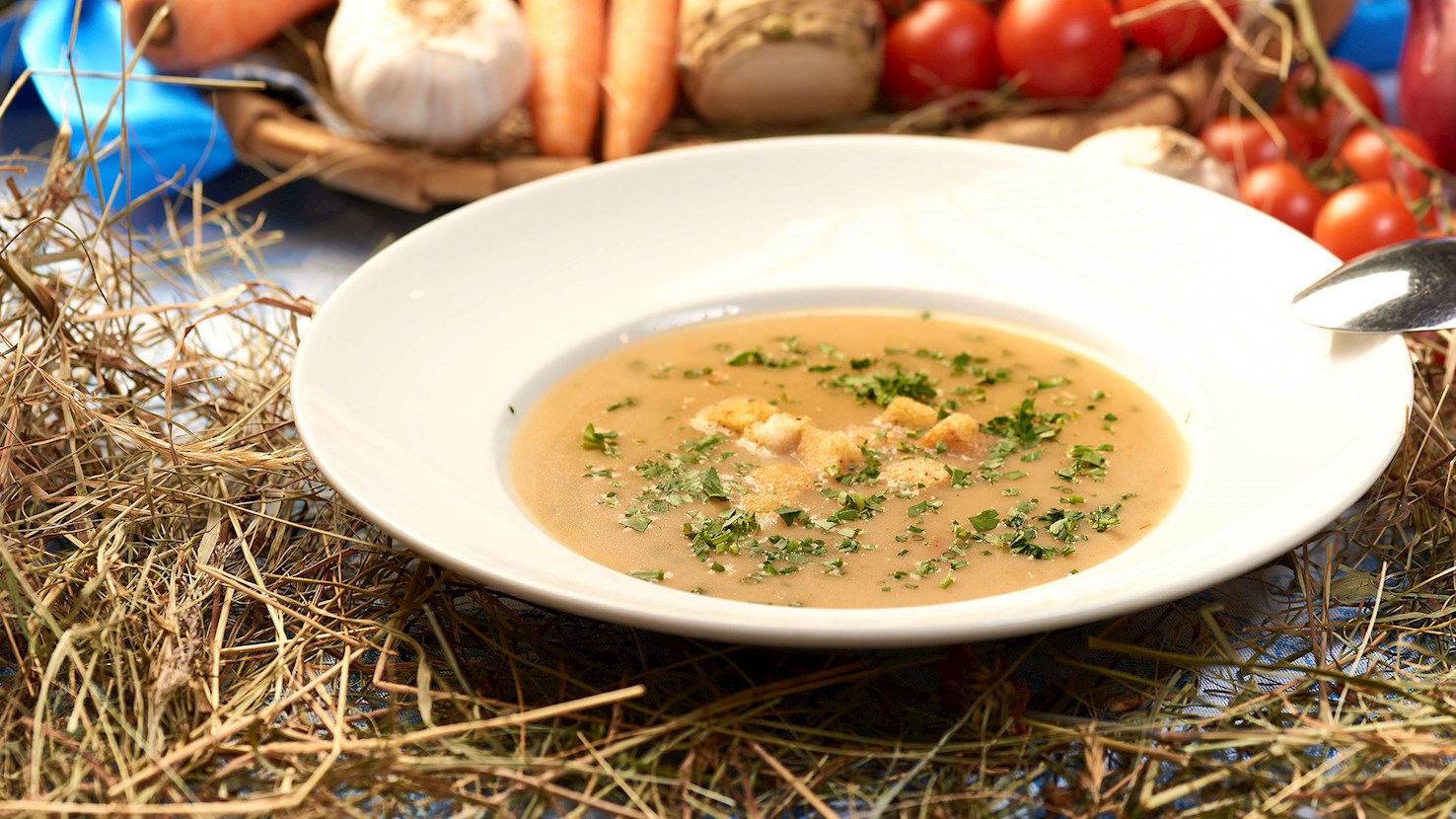
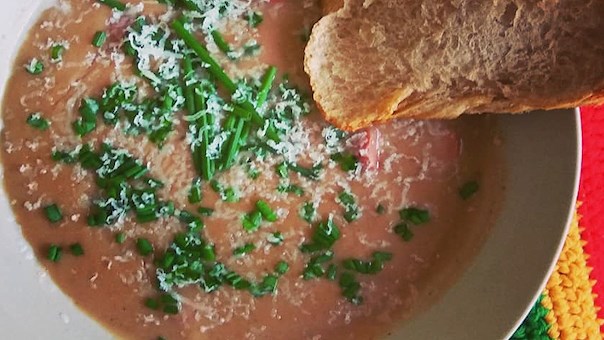
Heusuppe is an unusual, authentic Swiss soup originating from the Alpine huts. Literally translated as hay soup, the dish is made with mountain flowers and herbs which are steeped in bouillon with the addition of hay that is removed from the broth before serving. Typically, it takes about 2 kilos of hay to make just 1 liter of hay soup, and it is often prepared with additional ingredients such as cream and butter. Many people claim that the soup is an acquired taste – you are first hit with a slight sweetness, then creaminess, and finally, a slightly sour flavor in the mouth.
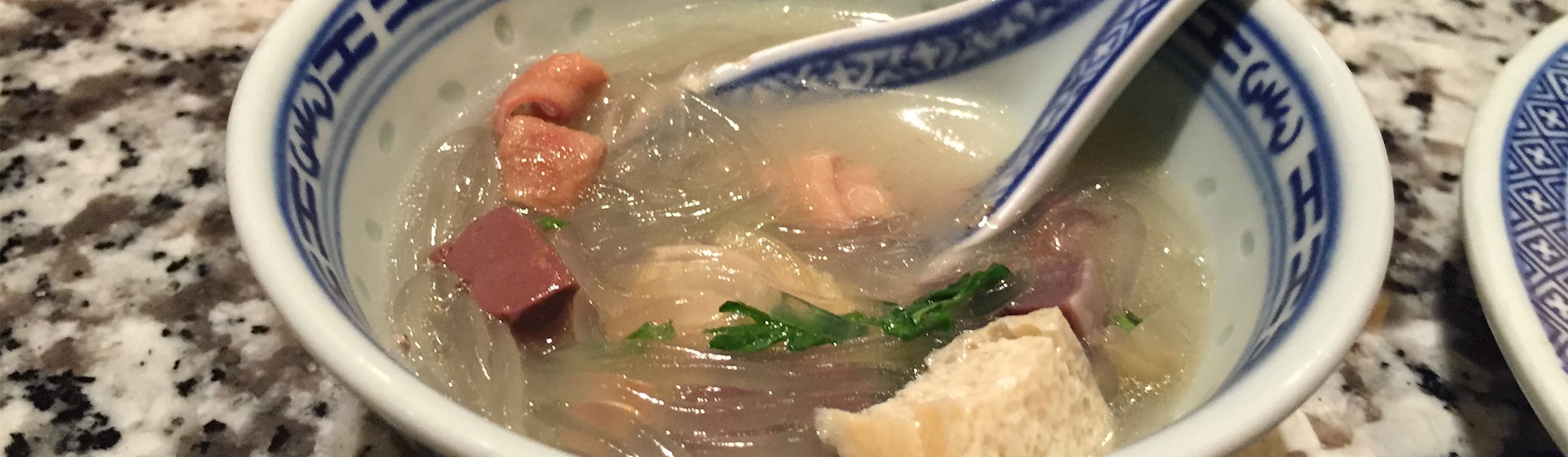
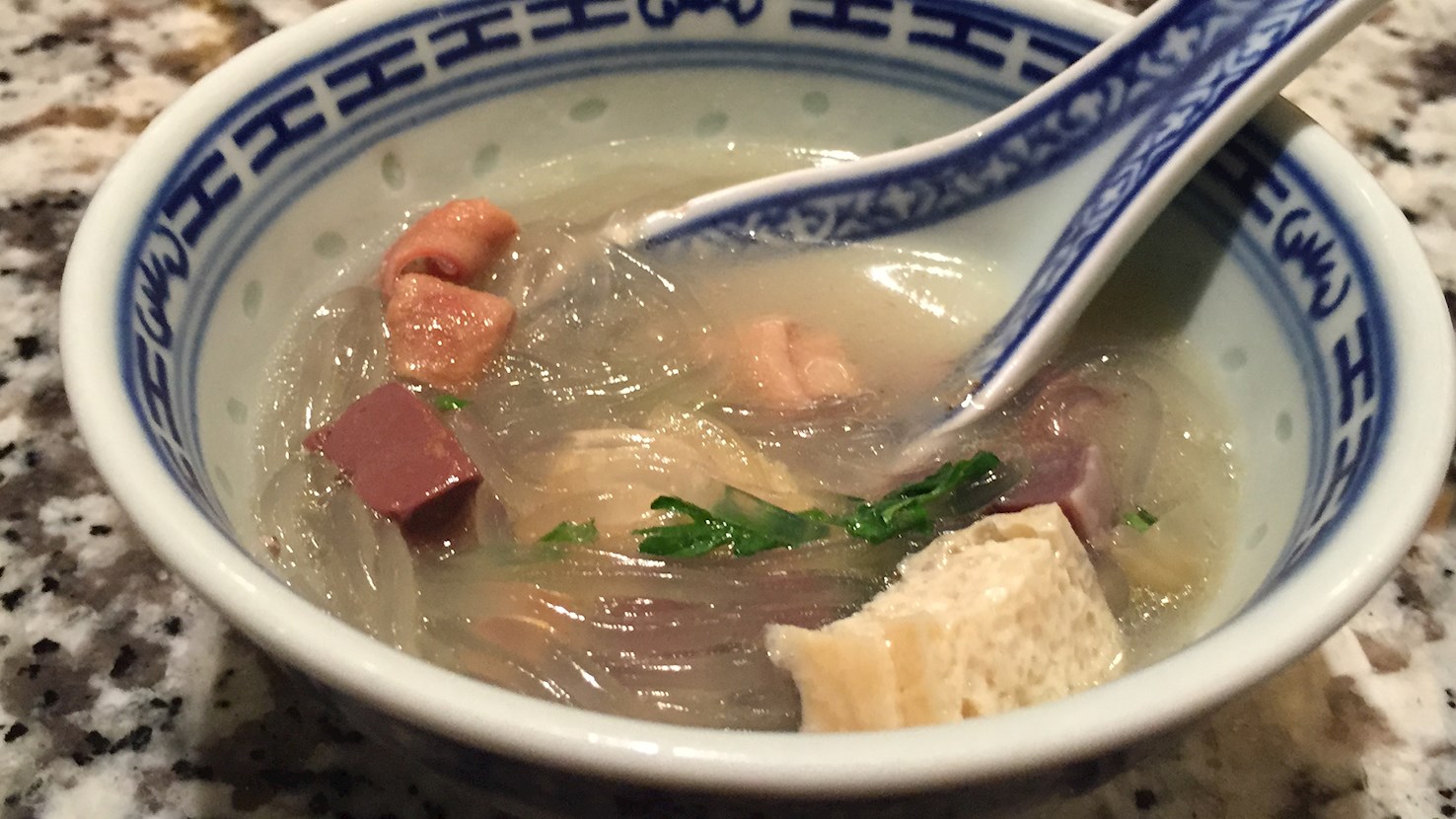
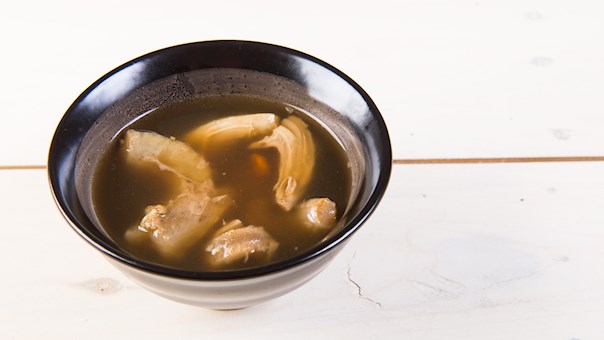
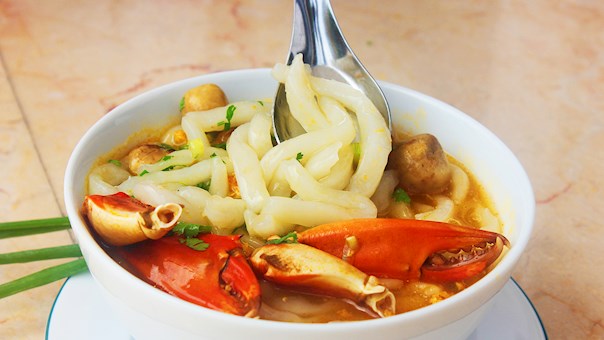
Duck blood and vermicelli soup is a traditional delicacy made by cooking vermicelli, duck liver, blood, and intestines with dried tofu, dried shrimp, ginger, sesame oil, and caraway seeds. Although the dish is consumed in many Chinese regions, it is a specialty of Nanjing, famous throughout the world for its duck dishes, which is why it is sometimes referred to as the capital of duck. According to a popular story, a poor man in Nanjing had killed a duck and used a bowl to hold its blood. While cleaning the duck, he accidentally dropped some vermicelli into the bowl and cooked the stew afterwards. When he tasted the stew, he found it quite flavorful, and a wealthy man heard about the newly created dish, thus employing the poor man as a cook for his family. Today, duck blood and vermicelli soup hold the status of a Nanjing favorite, while some cooks add 20 different Chinese herbs in the soup, believing that their ingredients help with blood circulation, removal of toxins from the body, and the maintenance of one's beauty.
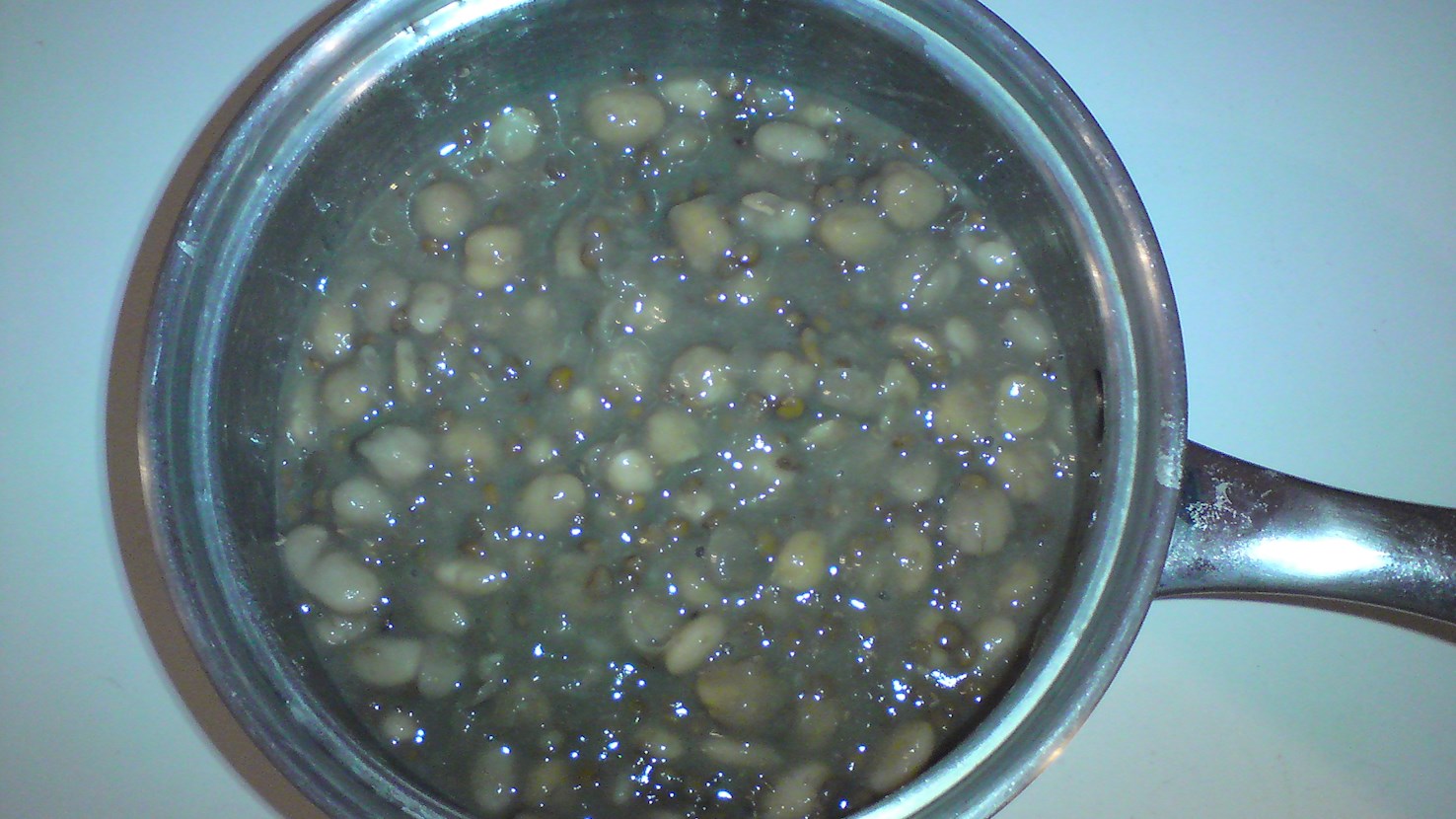
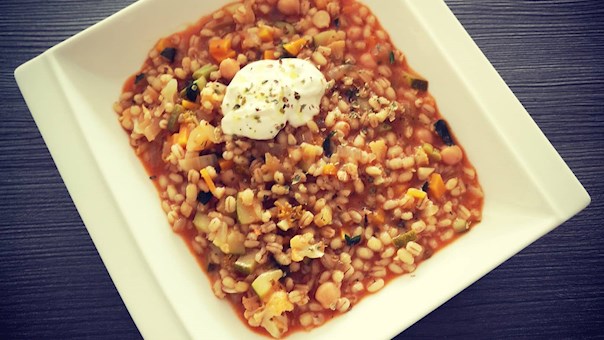
This rustic Greek dish is prepared with a variety of mixed beans which are transformed into a hearty soup. The most common ingredients include a combination of lentils, beans, chickpeas, or fava beans, and the soup is usually seasoned with olive oil and lemon juice. The dish is traditionally associated with Cephalonia, but similar varieties are found throughout the country.
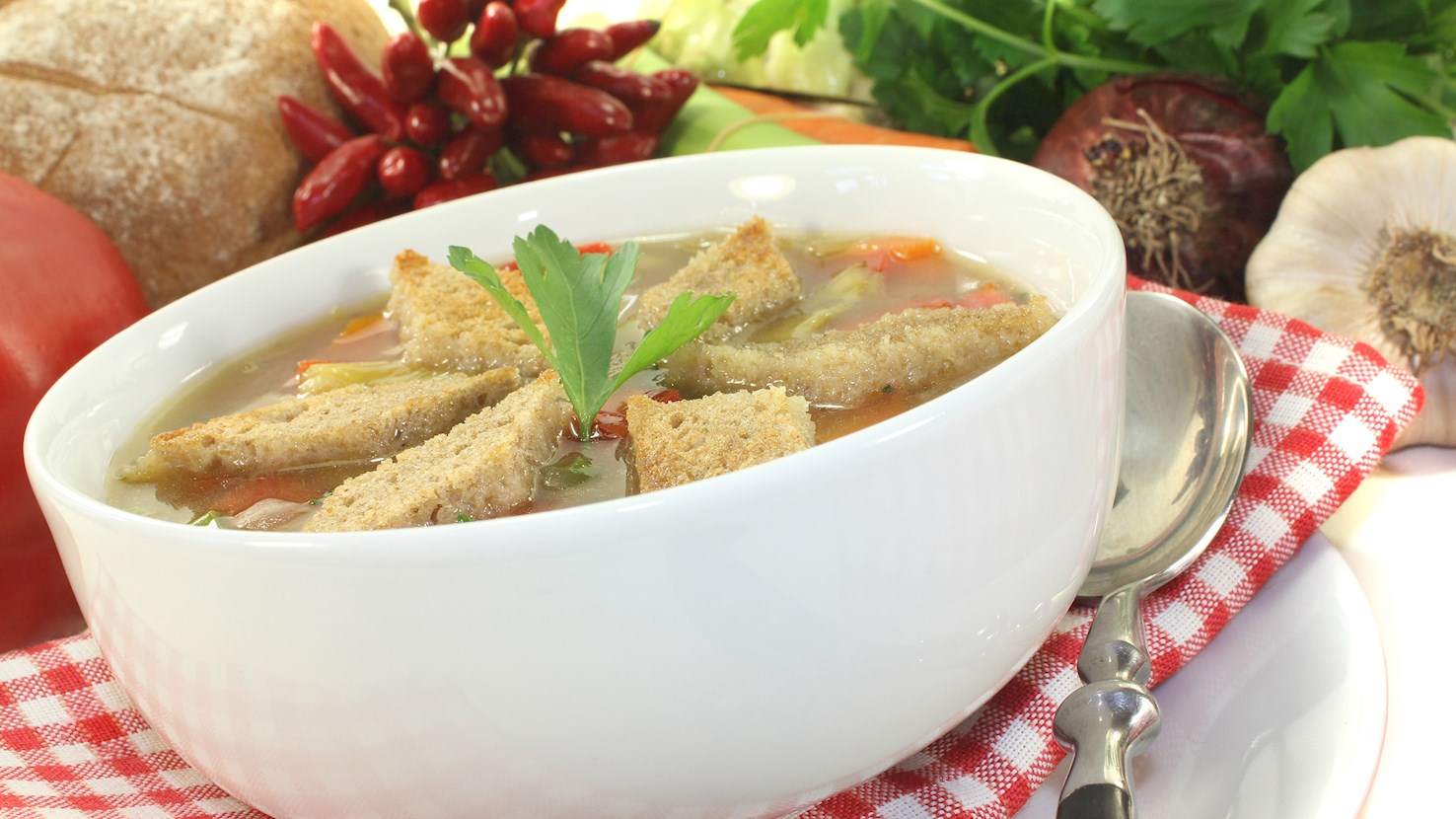
This simple bread soup is a traditional dish prepared with a combination of stale bread, water, onions, and a variety of spices. The more refined versions are occasionally thickened with eggs and may incorporate flavorful broths or various root vegetables. Characterized by its rustic appeal and thick consistency, chlebová polévka is a common home-cooked dish that is traditionally enjoyed plain or accompanied by crispy croutons.
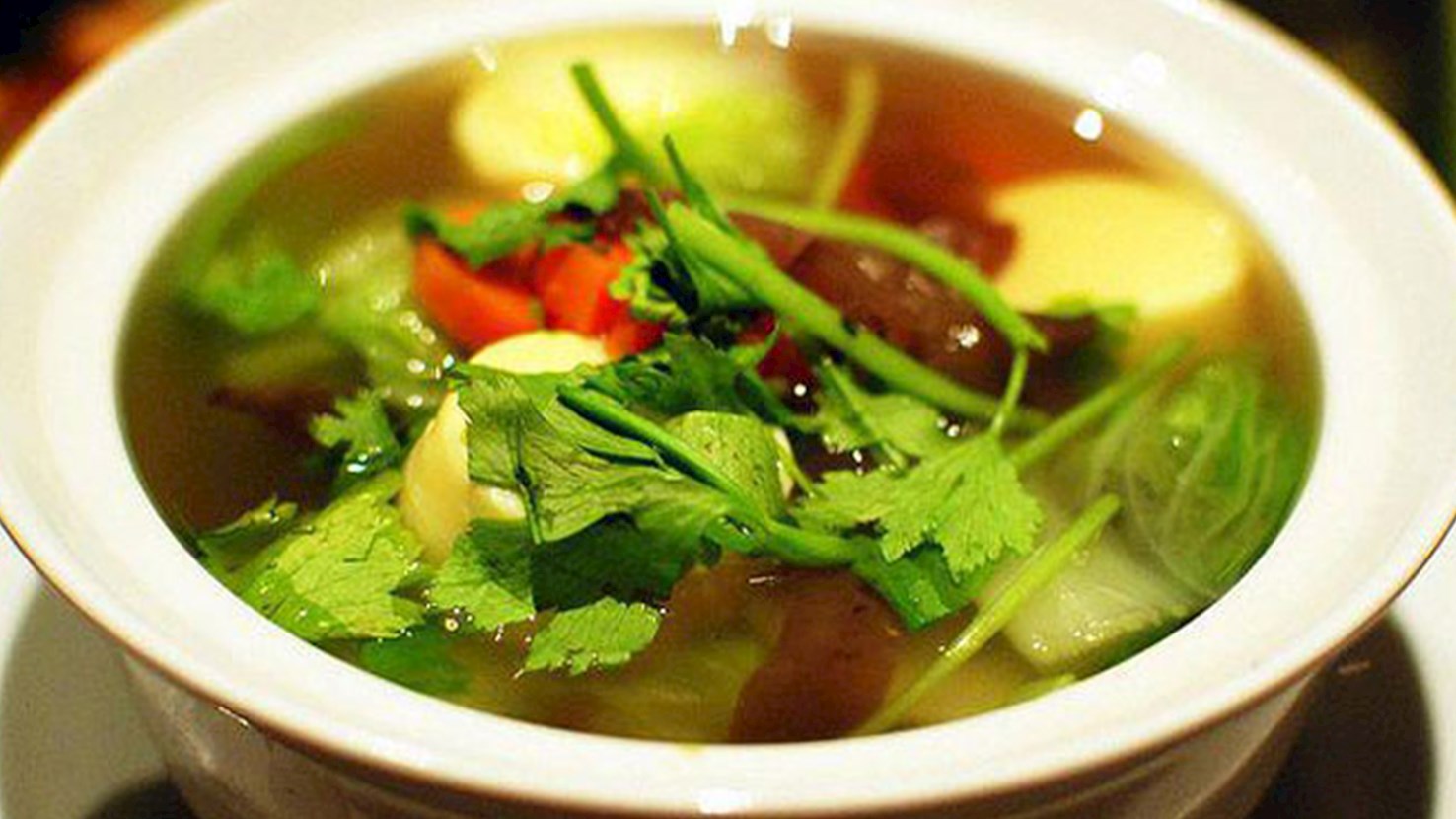
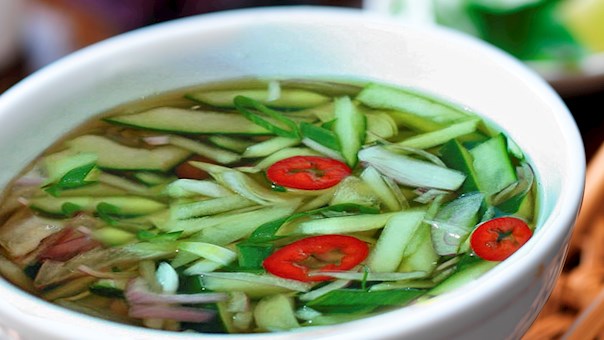
Tom chuet is a simple, clear soup made with vegetables, usually Chinese cabbage, carrots, and french beans, simmered in vegetable broth along with seasonings, celery, spring onions, garlic, and soy sauce. This dish can also use chicken or pork broth instead of vegetable broth and is often enriched with pork meatballs, glass noodles, soft tofu pieces, seaweed, and mushrooms. Also known as kaeng chuet or tom jued, this dish has a mild flavor that makes it quite different from other Thai dishes, which typically combine several flavors in one. It is traditionally served hot or warm, usually followed by other, spicier dishes.
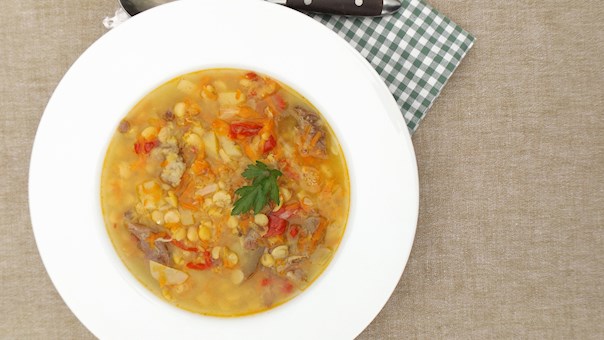
Escudella de pagès is a rustic Catalan and Valencian soup and stew made by simmering a mixture of meats, bones, and seasonal winter vegetables to produce a hearty broth, which is then mixed with pasta or rice. The name translates to "peasant soup" and reflects its origins as an economical daily meal in rural communities, where farming families used local livestock and available garden produce. Historical records show that people in the region consumed a version of this meal every day as far back as the fourteenth century, according to writings by Francesc Eiximenis. Culinary evolution shaped this hearty meal over a thousand years, and its cooking methods appeared in the 1520 Spanish cookbook Libre del Coc. Building the rich liquid base requires boiling pork cuts such as pig's trotters, bacon, and salt pork with beef bones, veal, or chicken. These animal proteins slowly release marrow and gelatin into the water, creating a thick, savory stock. Smoked sausages, specifically the local botifarra, provide a distinct flavor to the simmering pot. A massive spiced meatball called a pilota, formed from minced veal or pork mixed with egg, breadcrumbs, garlic, and parsley, goes into the broth as a defining protein element. Vegetable additions depend heavily on the season, but a standard pot includes chunks of carrots, celery, leeks, turnips, cabbage, and potatoes. These vegetables release their natural sweetness into the liquid. Legumes like soaked chickpeas often join the boiling mixture for added earthiness and sustenance. The final stage of the process involves cooking starches directly in the savory liquid. Adding both rice and pasta, such as snail-shaped galets or smaller shells, creates a thick consistency that blurs the line between a liquid soup and a solid stew. In formal settings, the clear broth and solid meats are served in two courses known as escudella and carn d'olla, but the pagès variation combines everything in one large bowl for a simple, warming winter meal. A crusty loaf of bread often accompanies the hot bowl, soaking up the flavorful broth.
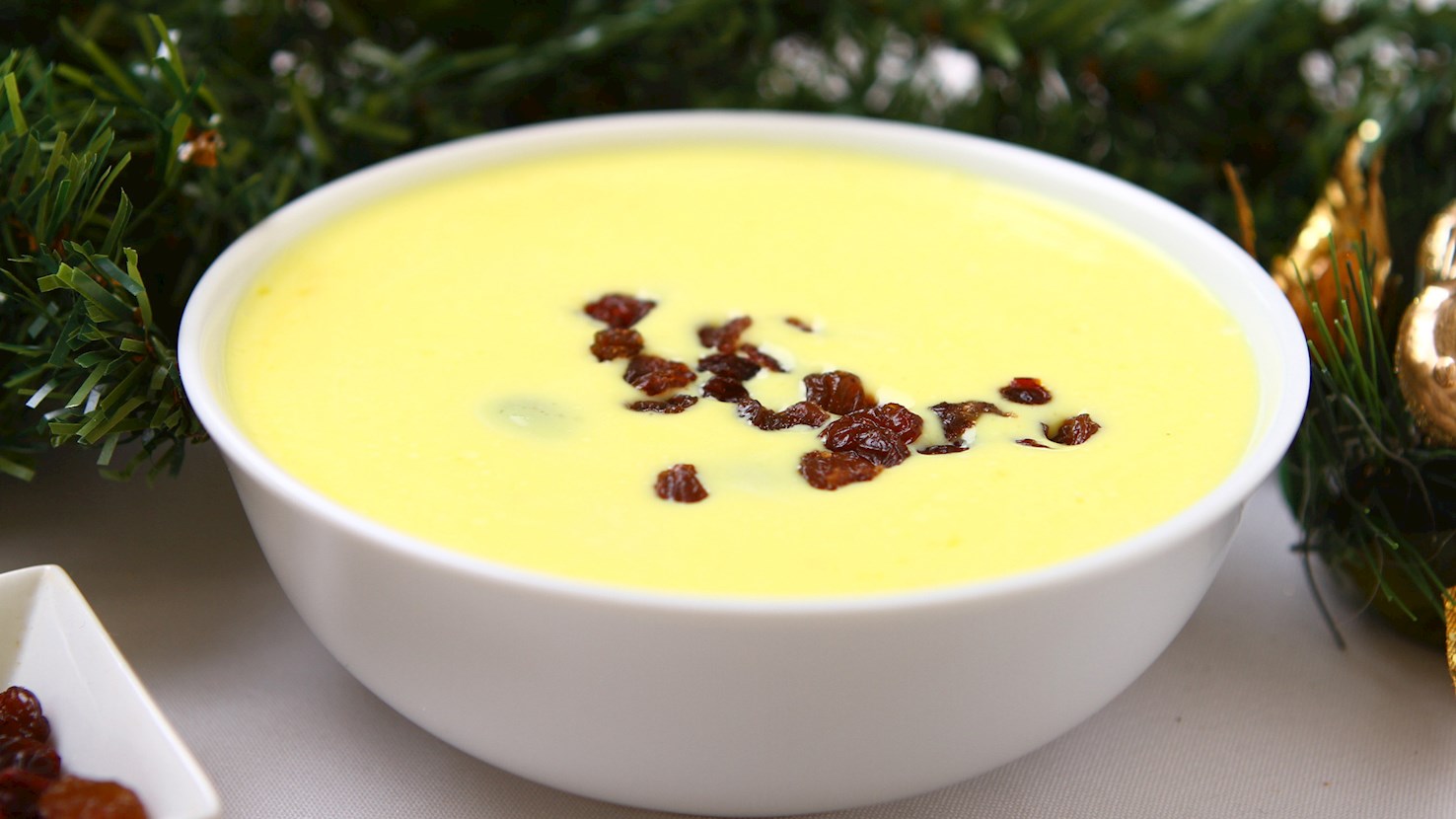
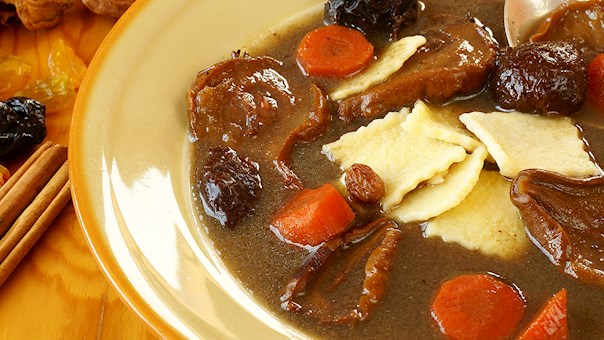
Borleves is a traditional soup made with white wine, egg yolks, cloves, lemon juice, and sugar. When properly prepared, it should thicken during the cooking process, but the eggs mustn’t curdle. Its flavor is best described as rich, tart, and sweet. The soup is especially popular during the festive Christmas season.
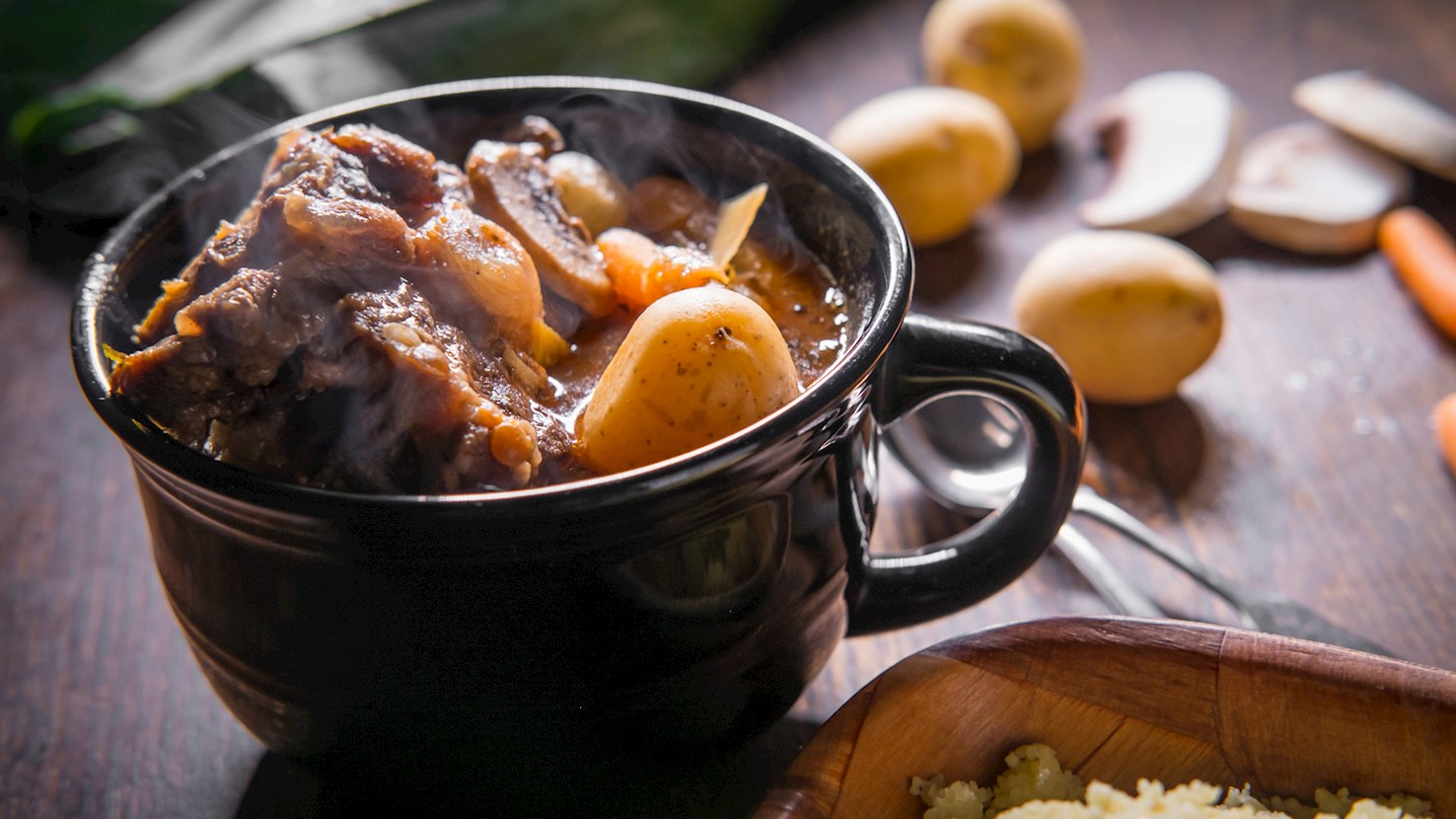
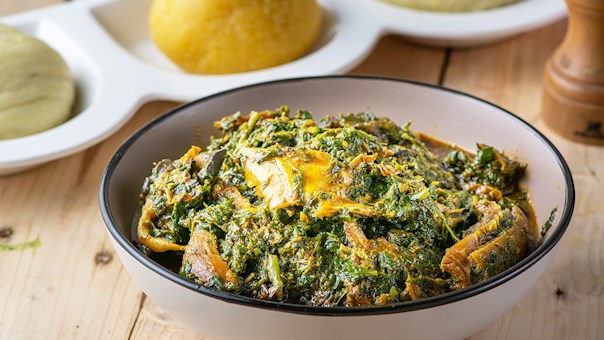
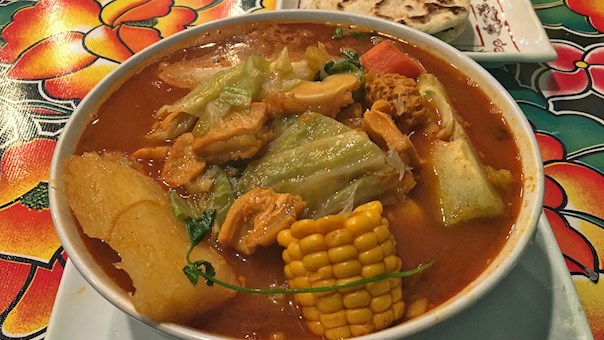
Sopa de cola is a traditional soup made with oxtail. Typically, the soup is prepared in a large metal pot over an open fire. The pieces of oxtail are cooked long and slow in water to which a great variety of vegetables, herbs, spices, and seasonings are added at staggered intervals throughout the cooking process. Typical ingredients used in the preparation of this rich soup include onions, scallions, carrots, tomatoes, bell peppers, chayote squashes, pipián squashes, chilote (baby corn), quequisque (a starchy root), ripe plantains, ears of corn, cilantro, and lemon juice. The slow-cooking process results in a flavorful broth filled with tender pieces of bone-in meat and vegetables. Sopa de cola is usually enjoyed piping hot, and it is typically accompanied by a side of rice or chili peppers.
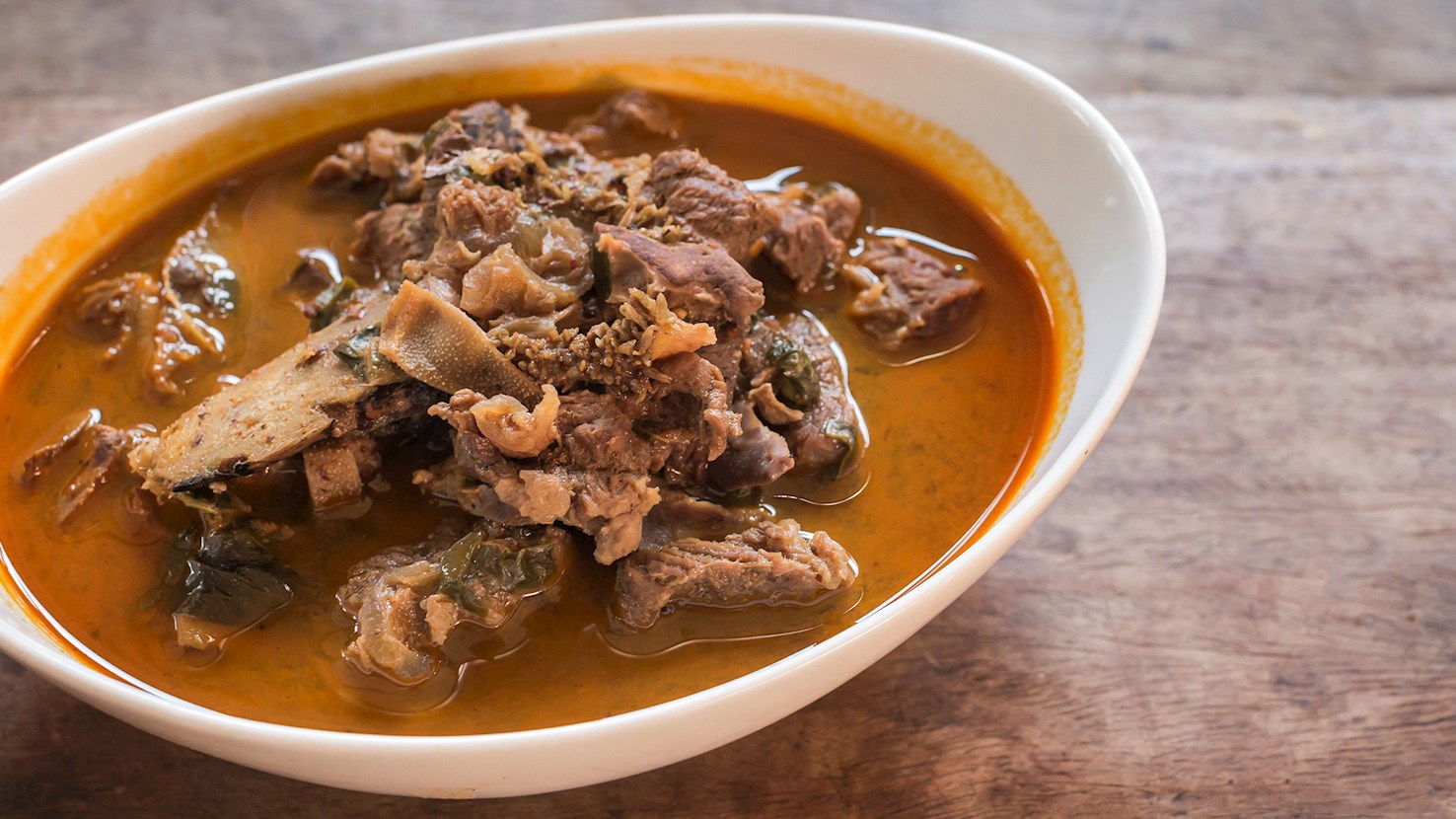
Kaeng om is a light herbal curry originating from northern Thailand. Unlike the creamy curry varieties, this version does not employ coconut milk. The meat stock is water-based and enriched with a pungent fish sauce known as pla ra, kaffir lime leaves, dill, various vegetables, as well as a fragrant curry paste which usually combines chili peppers, shallots, garlic, and lemongrass. Although it is usually prepared with chicken, the dish can also incorporate other types of meat or fish. Kaeng om can be enjoyed on its own as a healthy, nutritious soup, but it can also be served with rice or noodles on the side.
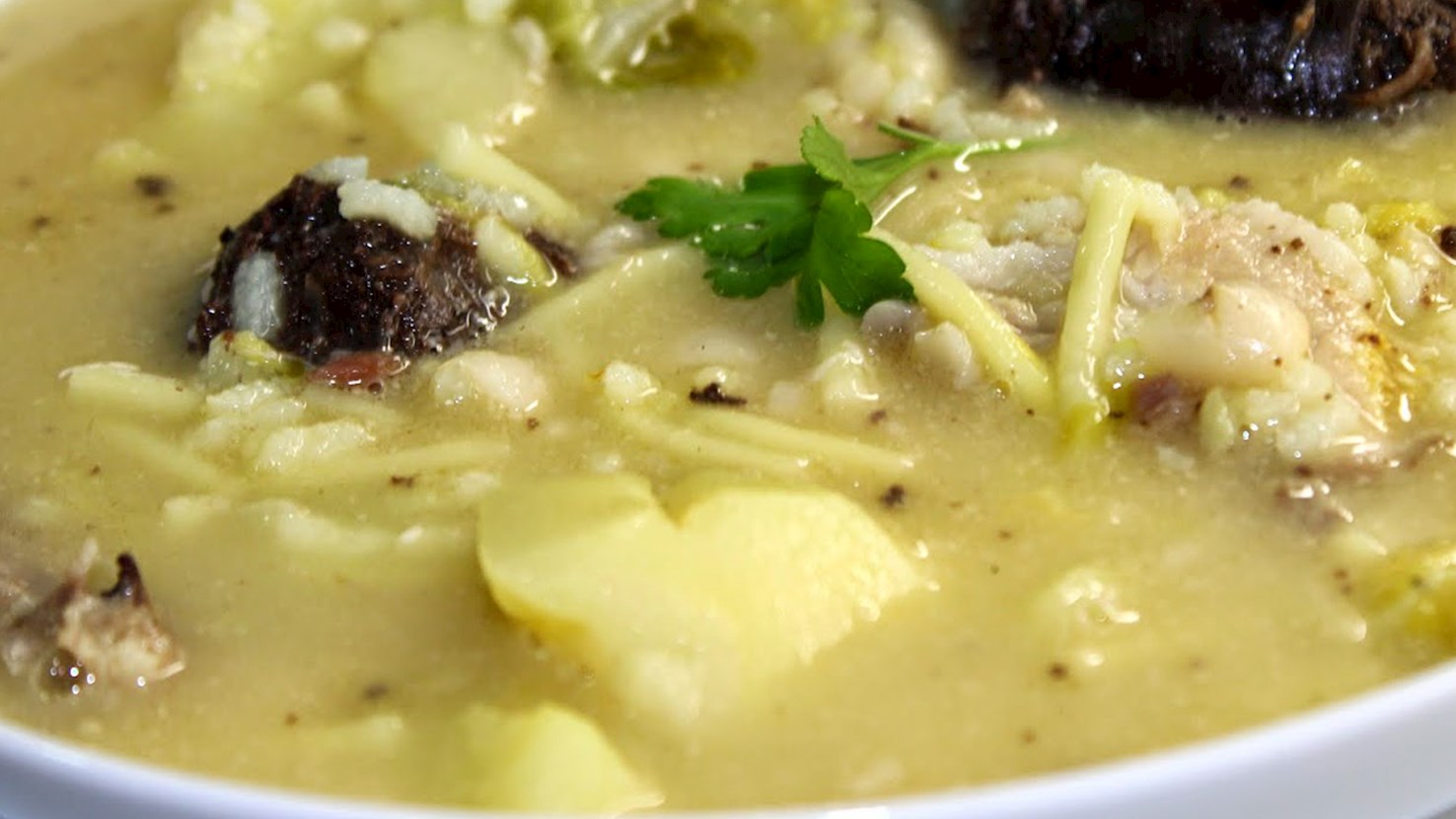
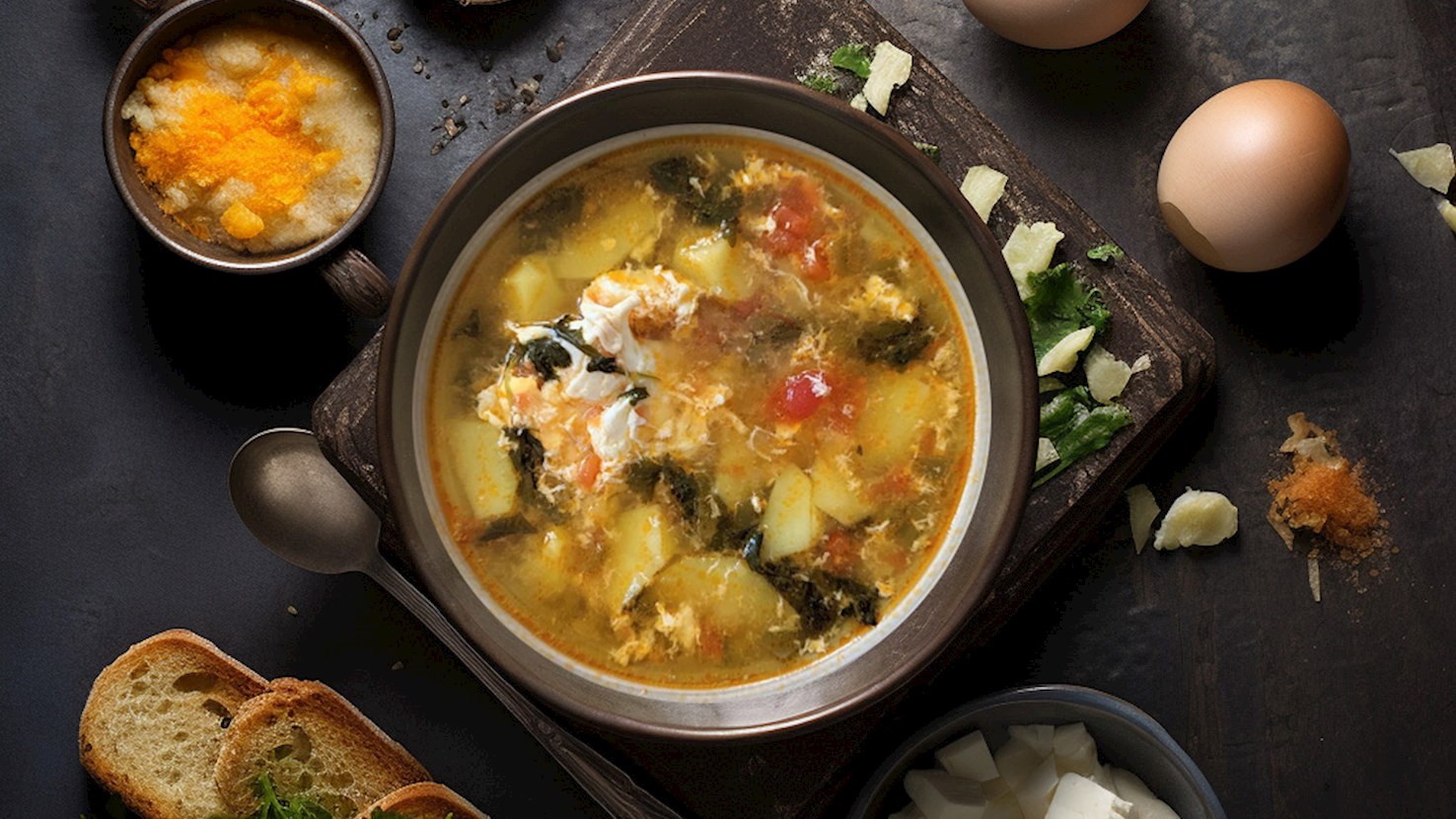
Caldo de papas is a hearty soup hailing from the Canary Islands. It is made with a combination of onions, potatoes, tomatoes, bell peppers, cilantro, saffron, and eggs. The soup is slowly simmered until the potatoes are fully cooked, and it is then finished by cracking a few raw eggs into the pot. The final result is a starchy and thick soup which should, ideally, be served in warmed bowls.
TasteAtlas food rankings are based on the ratings of the TasteAtlas audience, with a series of mechanisms that recognize real users and that ignore bot,
nationalist or local patriotic ratings, and give additional value to the ratings of users that the system recognizes as knowledgeable.
For the “100 Worst Rated Soups in the World” list until September 15, 2026, 59,189 ratings were recorded, of which 33,451 were recognized by the system as legitimate.
TasteAtlas Rankings should not be seen as the final global conclusion about food. Their purpose is to promote excellent local foods,
instill pride in traditional dishes, and arouse curiosity about dishes you haven’t tried.








What People Say