

shutterstock

3 Worst Rated British Soups

Last updated on October 15, 2026
01

Mulligatawny

3.5 ·

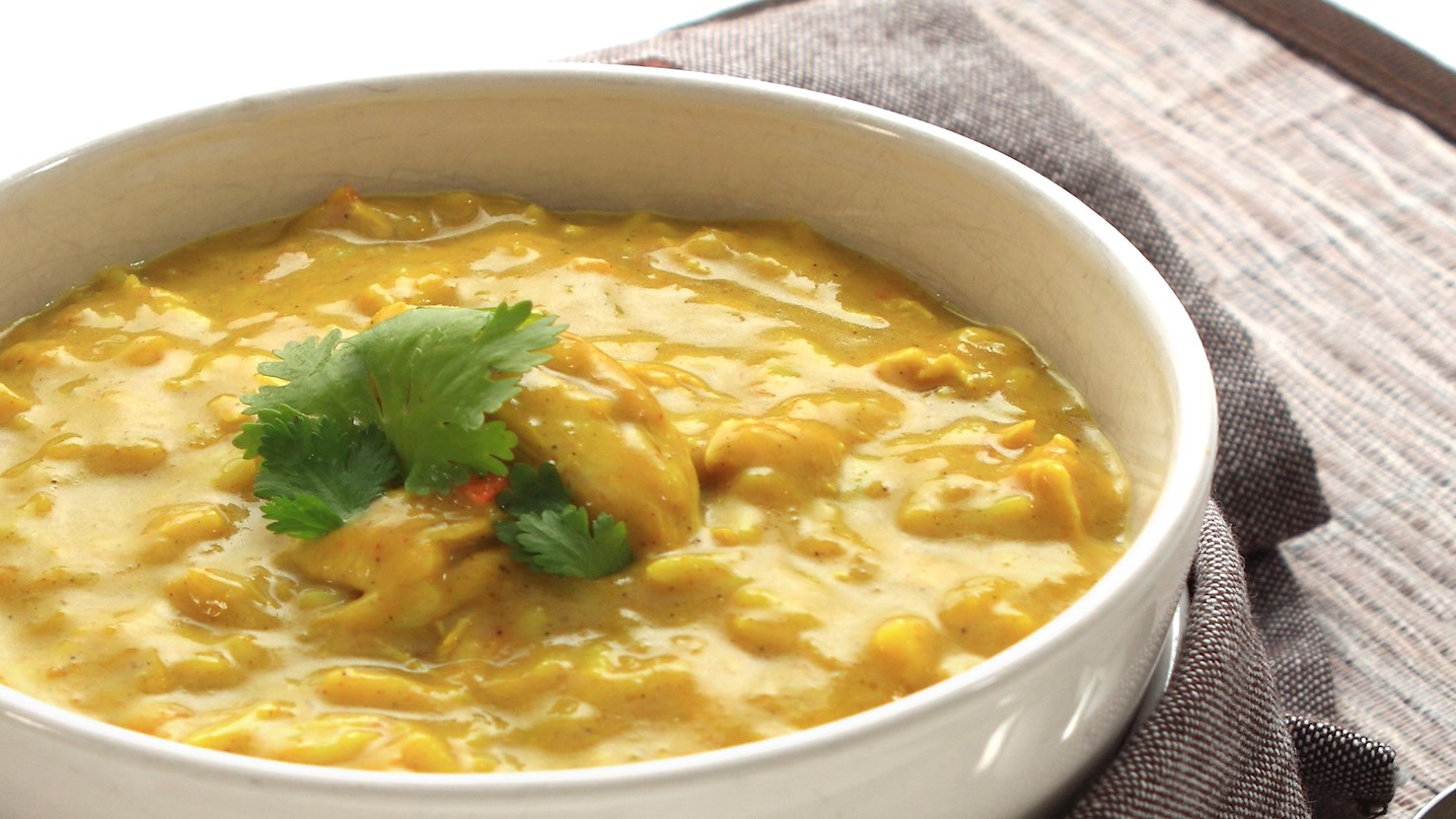
This classic curry soup originated in the 18th-century British Raj, the colonial regime of India. Mulligatawny takes its name from the Tamil miḷaku-taṇṇīr which literally translates to 'black pepper water.' Originally, the local Madras recipe on which the soup was based included only vegetables, spices, and rice, whereas later British versions added various meats, mostly veal or chicken. Modern mulligatawny recipes tend to be even more complex, so the soup is now often made with the addition of lentils, apples, coconut milk, and sometimes even lemon juice. Eaten with a large quantity of boiled rice, this substantial meat-based soup becomes a meal in itself and is traditionally enjoyed with a dollop of tangy sour cream.

02

Scotch Broth

3.5 ·

Scotch broth is a hearty soup made with lamb meat, pearl barley, and an assortment of vegetables such as leeks, onions, carrots, and peas. Traditionally, the soup was especially popular on New Year's Day and on cold winter days. During those times, the meat would be removed and consumed separately, but today, Scotch broth is prepared as a one-pot meal. It is believed that the soup tastes even better if reheated the next day, when all of the flavors fully develop.

03

Cock-a-Leekie

3.6 ·

The name of this traditional Scottish rooster and leek soup came into use in the 18th century, but the dish itself is said to date as far back as the 16th century. Back then, cock-a-leekie was cooked with the addition of onions, prunes, and even raisins. The dish was most likely served as a two-course meal; first the broth, then meat. Also dubbed as cockie leekie, this Scottish classic was made famous for being one of the two choices of soup on the menu from the last first-class luncheon served on April 14, 1912 aboard the ill-fated RMS Titanic. Today, cock-a-leekie is often served at Burns suppers or St. Andrew's Day dinners as well as an everyday winter soup.

About this Ranking

TasteAtlas food rankings are based on the ratings of the TasteAtlas audience, with a series of mechanisms that recognize real users and that ignore bot, nationalist or local patriotic ratings, and give additional value to the ratings of users that the system recognizes as knowledgeable.

TasteAtlas Rankings should not be seen as the final global conclusion about food. Their purpose is to promote excellent local foods, instill pride in traditional dishes, and arouse curiosity about dishes you haven’t tried.

What People Say

Similar Lists