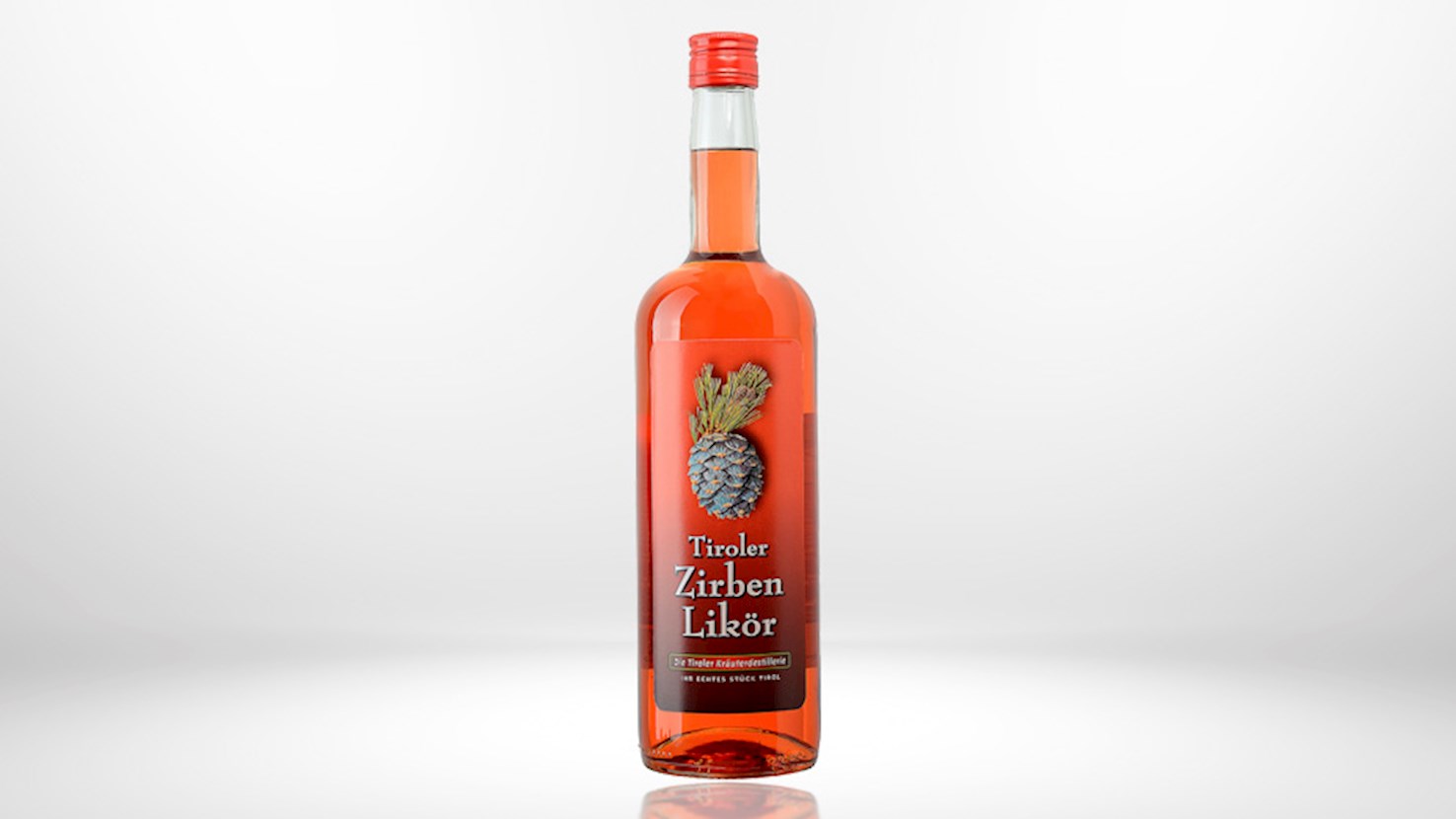
Zirbenlikör is a pine liqueur that is produced in Alpine countries, but which is mostly associated with Austria. The spirit is made with pine cones, usually Arolla Stone Pines, which are harvested during summer, when they are still green. They are then sliced and macerated in grain spirit or fruit brandy. While they mature in the spirit, they impart the base with a distinctive reddish hue. Zirbenlikör is warming, fresh and smooth with typical floral and pine notes. It is often enjoyed on its own as an après-ski drink, but it also incorporates well into cocktails or long drinks. Tonic, soda water, whisky, rum, gin, and ginger ale pair especially well with Austrian pine liqueur.
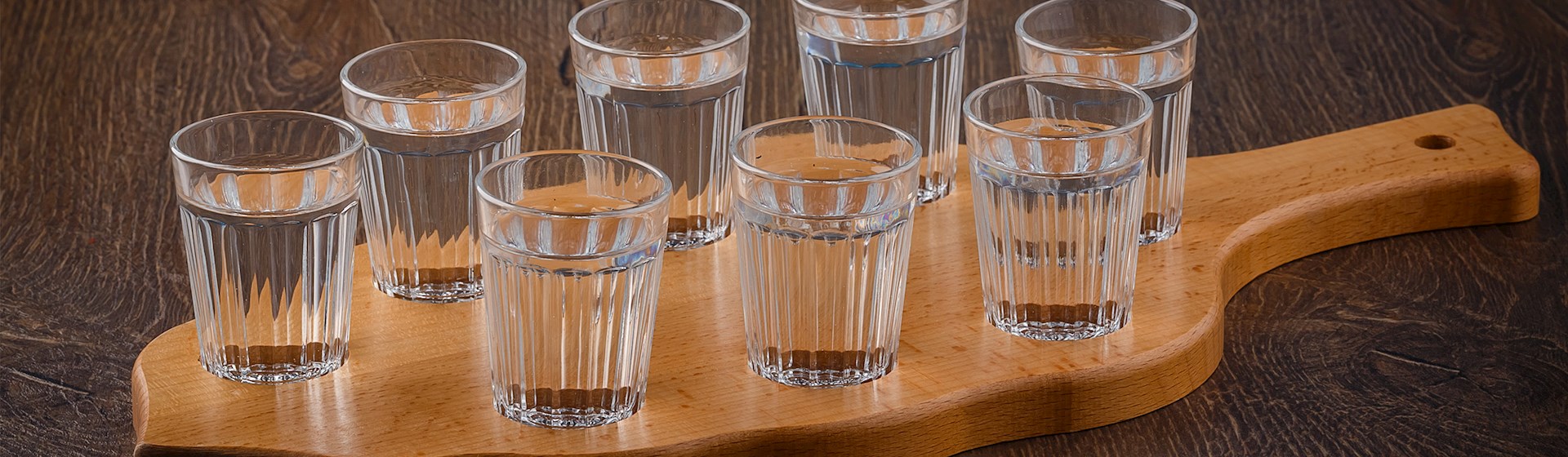
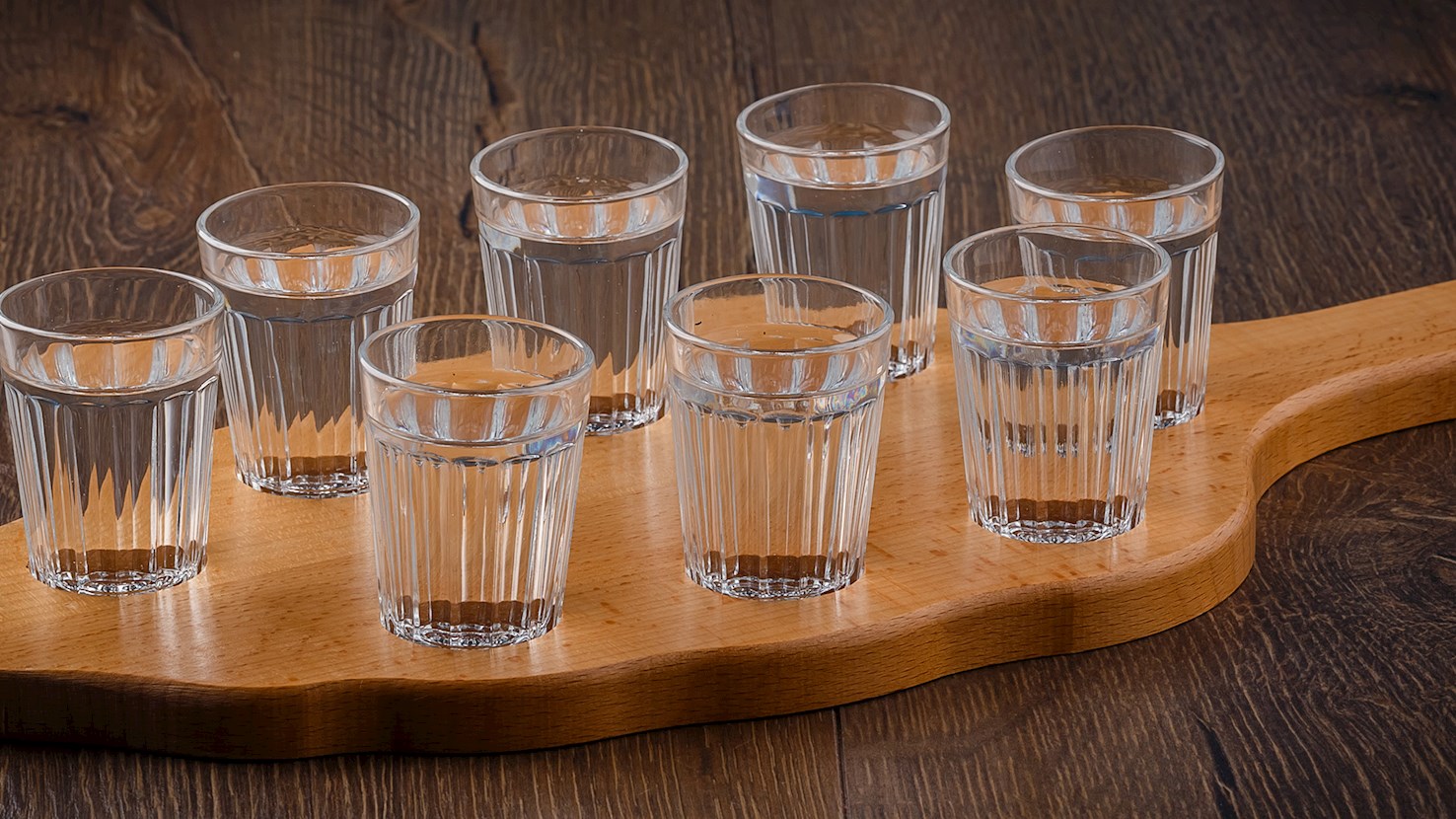
Pálinka is a fruit brandy from Hungary, made by fermenting and distilling fruits such as plums, apricots, pears, apples, and cherries. Its production is deeply connected to the country’s agricultural regions, where orchards provide the raw material for a spirit that is known for both strength and aromatic intensity. The origins of pálinka reach back centuries, when small-scale distilling was practiced in villages and estates, with the drink consumed both socially and in everyday life. Over time, it became a central part of Hungary’s culinary culture, appreciated not only for its alcohol content but for the way it captures the essence of the fruit used in its making. Preparation begins with ripe fruit that is crushed and allowed to ferment naturally or with added yeast until the sugars turn into alcohol. The fermented mash is then distilled, often in copper stills, to concentrate the flavor and produce a spirit of high strength, typically between 40 and 55 percent alcohol. The resulting brandy may be consumed young, retaining fresh fruit character, or it can be aged in wooden casks, which impart color and additional complexity. Pálinka is usually served in small glasses at room temperature to allow the aroma to develop fully before tasting. It is often consumed in small sips, either before a meal as an aperitif or afterwards as a digestif, and may also accompany rich dishes or desserts in Hungarian dining. Since 2008, pálinka has held PGI (Protected Geographical Indication) status, which means that only fruit brandy produced in Hungary, and a few Austrian border regions with historical ties, may legally be called pálinka. The regulations also specify that the spirit must be made entirely from fruit grown in the region, without added flavors or alcohol, and distilled to a specific standard. This recognition safeguards authenticity, ensures quality, and highlights its cultural and economic importance to Hungary. Pálinka is still widely consumed across Hungary today, offered in homes, restaurants, and festivals, where it symbolizes hospitality and local pride. It is often presented to guests, shared during family gatherings, and enjoyed as part of national celebrations, maintaining its role as one of the most distinctive beverages of Hungarian gastronomy.
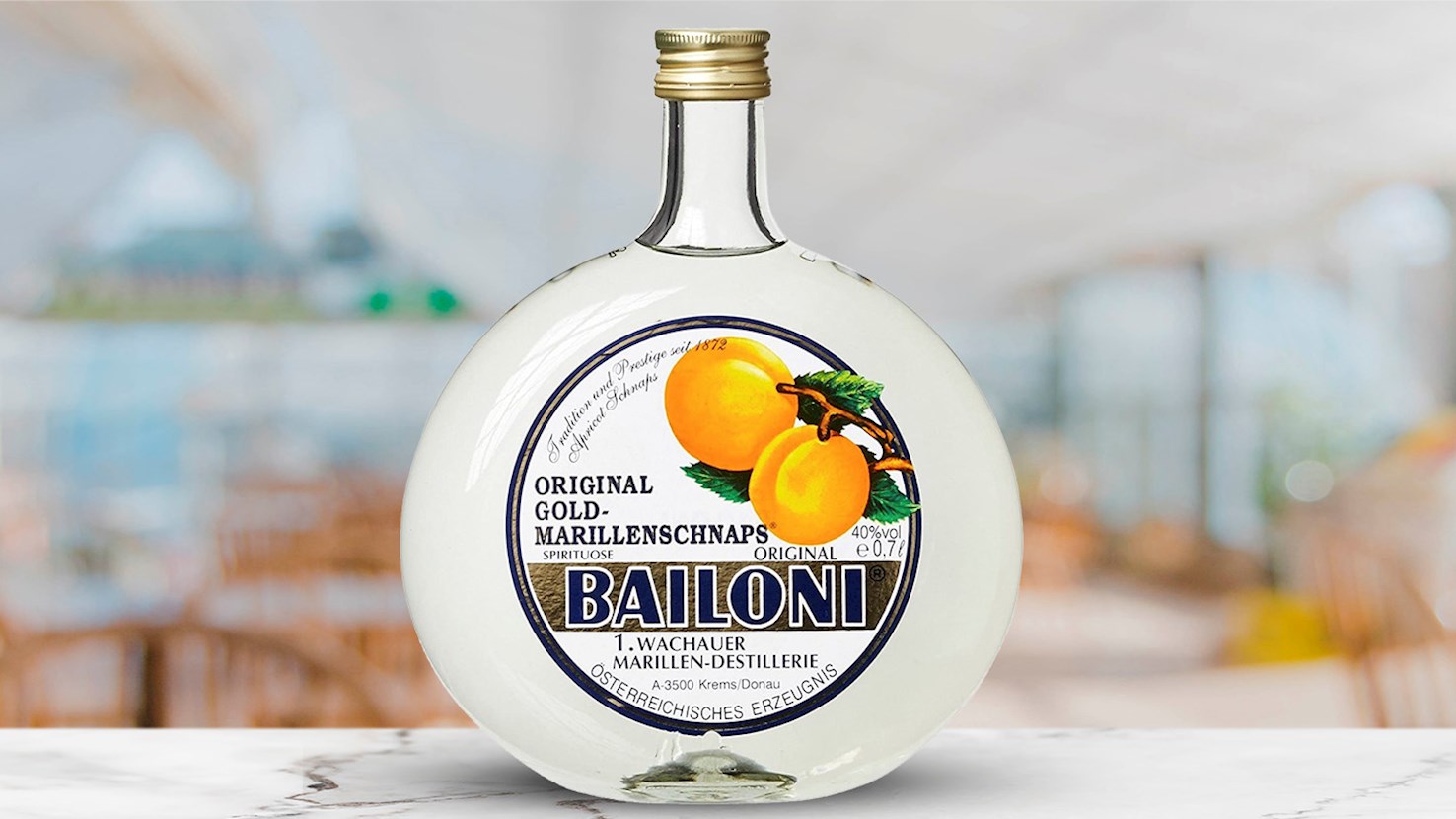
Marillenschnaps is a type of fruit brandy that is distilled from apricots. The drink is traditionally associated with Wachau—a region known for apricot production—though it is also produced in other Austrian and German regions. High-quality apricot brandy should be double-distilled from fresh apricot mash to create a clear and potent spirit with an alcohol content that typically goes around 40% ABV. This brandy will display apricot and floral aromas with a warming, fruity, and long aftertaste. Like other types of fruit brandies, apricot schnaps is also traditionally enjoyed neat, though it can also work as an ingredient in cocktails and long drinks.
TasteAtlas food rankings are based on the ratings of the TasteAtlas audience, with a series of mechanisms that recognize real users and that ignore bot,
nationalist or local patriotic ratings, and give additional value to the ratings of users that the system recognizes as knowledgeable.
For the “3 Worst Rated Austrian Spirits and Liqueurs” list until July 16, 2026, 241 ratings were recorded, of which 188 were recognized by the system as legitimate.
TasteAtlas Rankings should not be seen as the final global conclusion about food. Their purpose is to promote excellent local foods,
instill pride in traditional dishes, and arouse curiosity about dishes you haven’t tried.