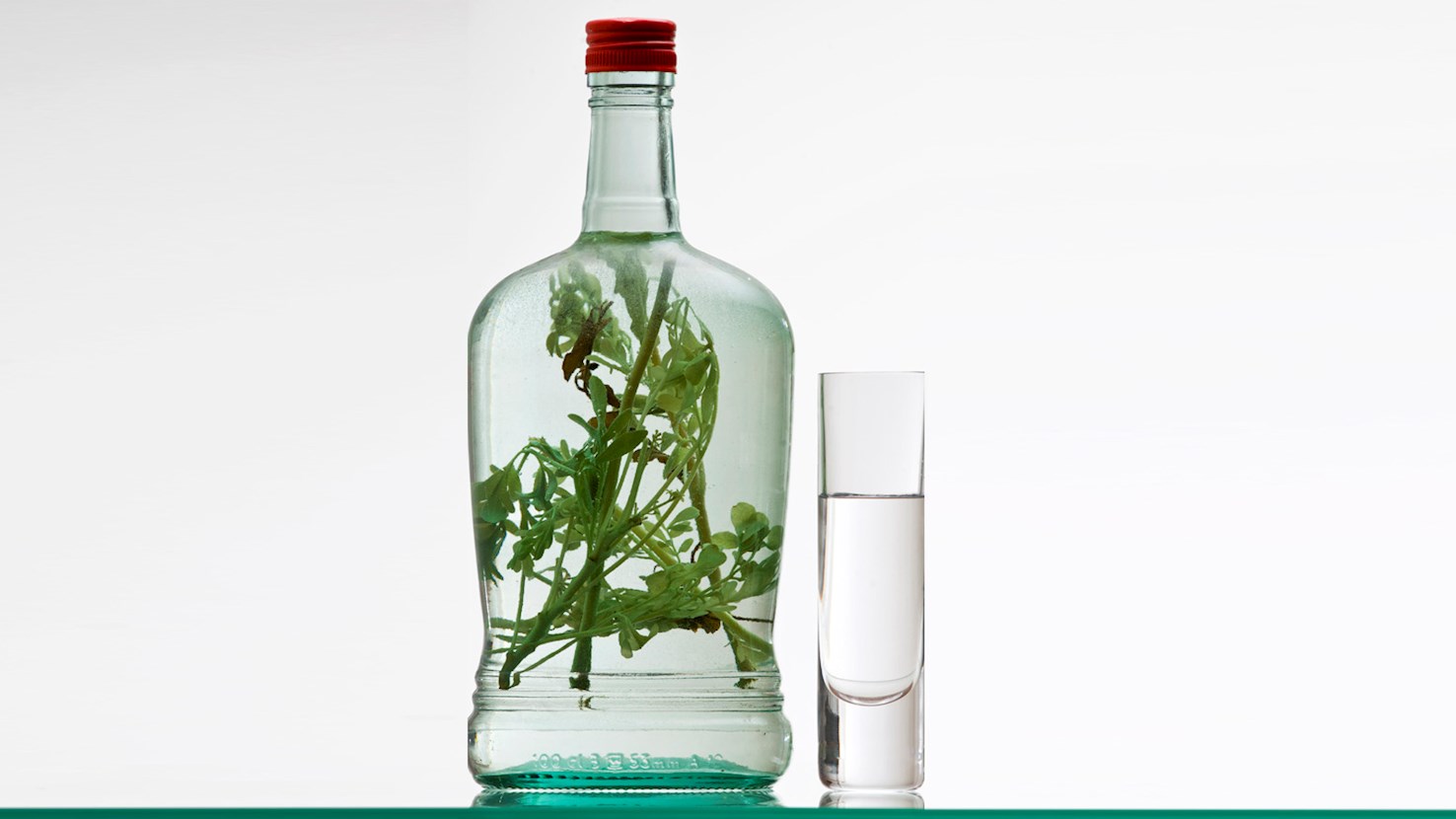
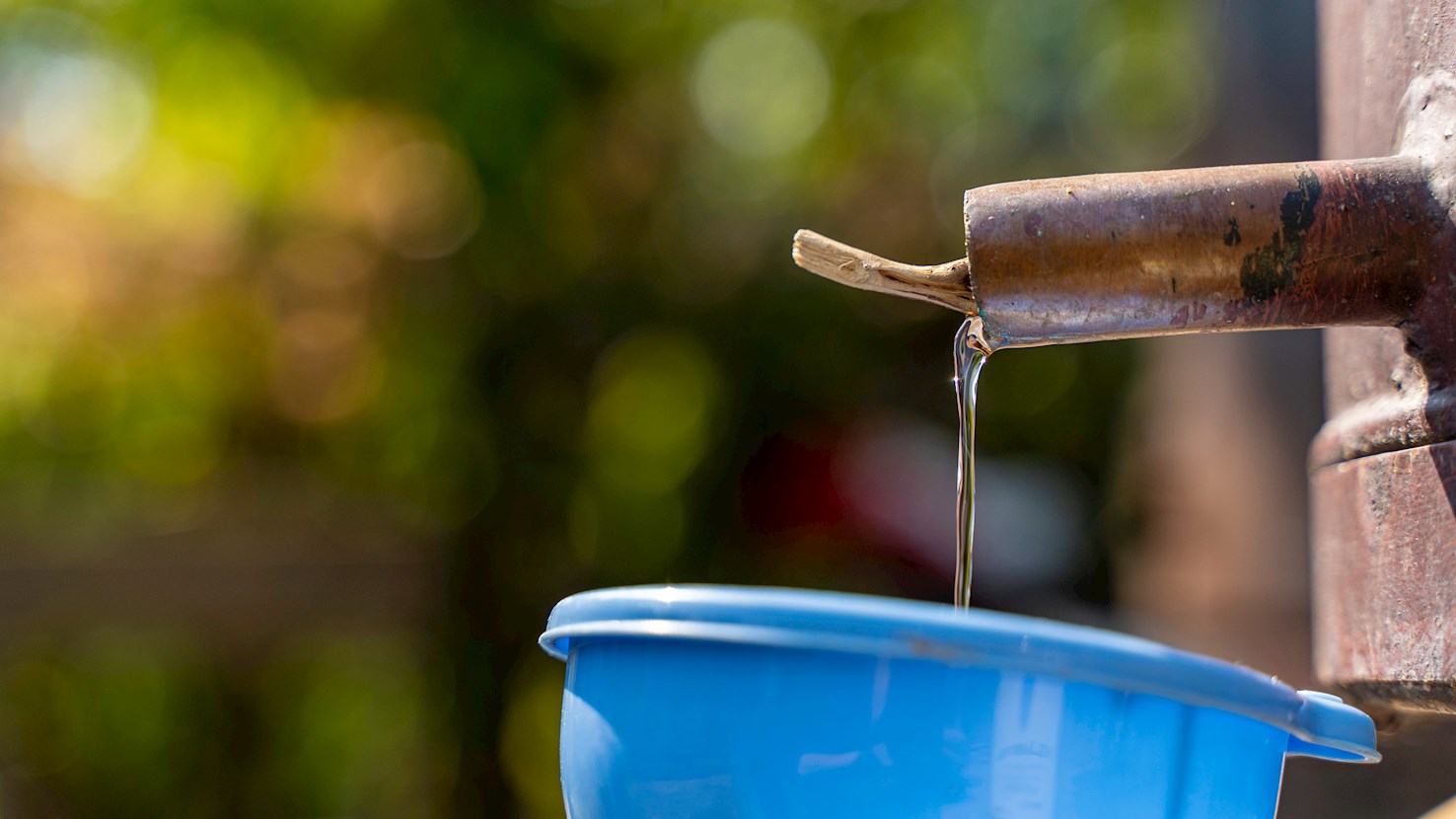
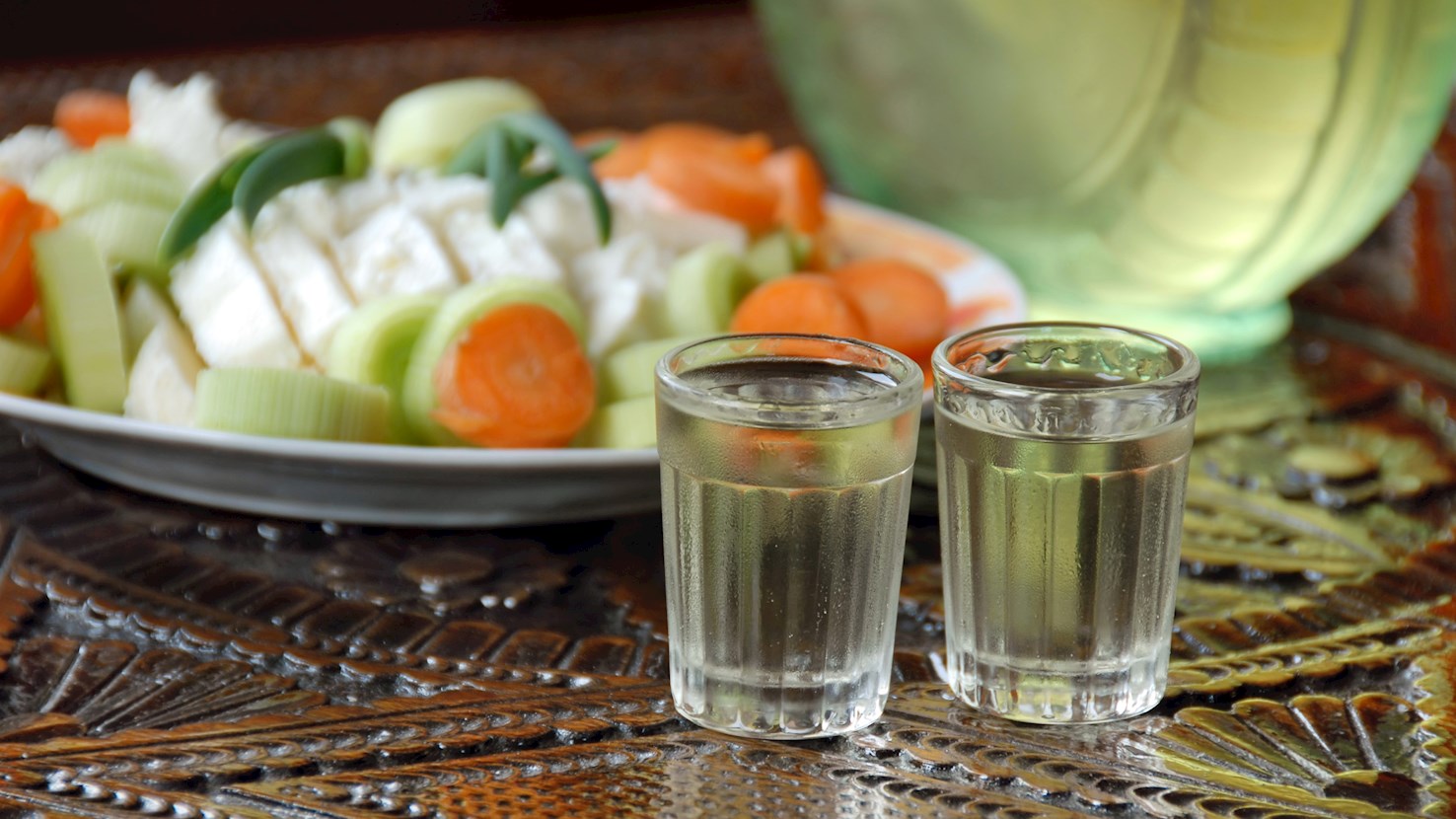
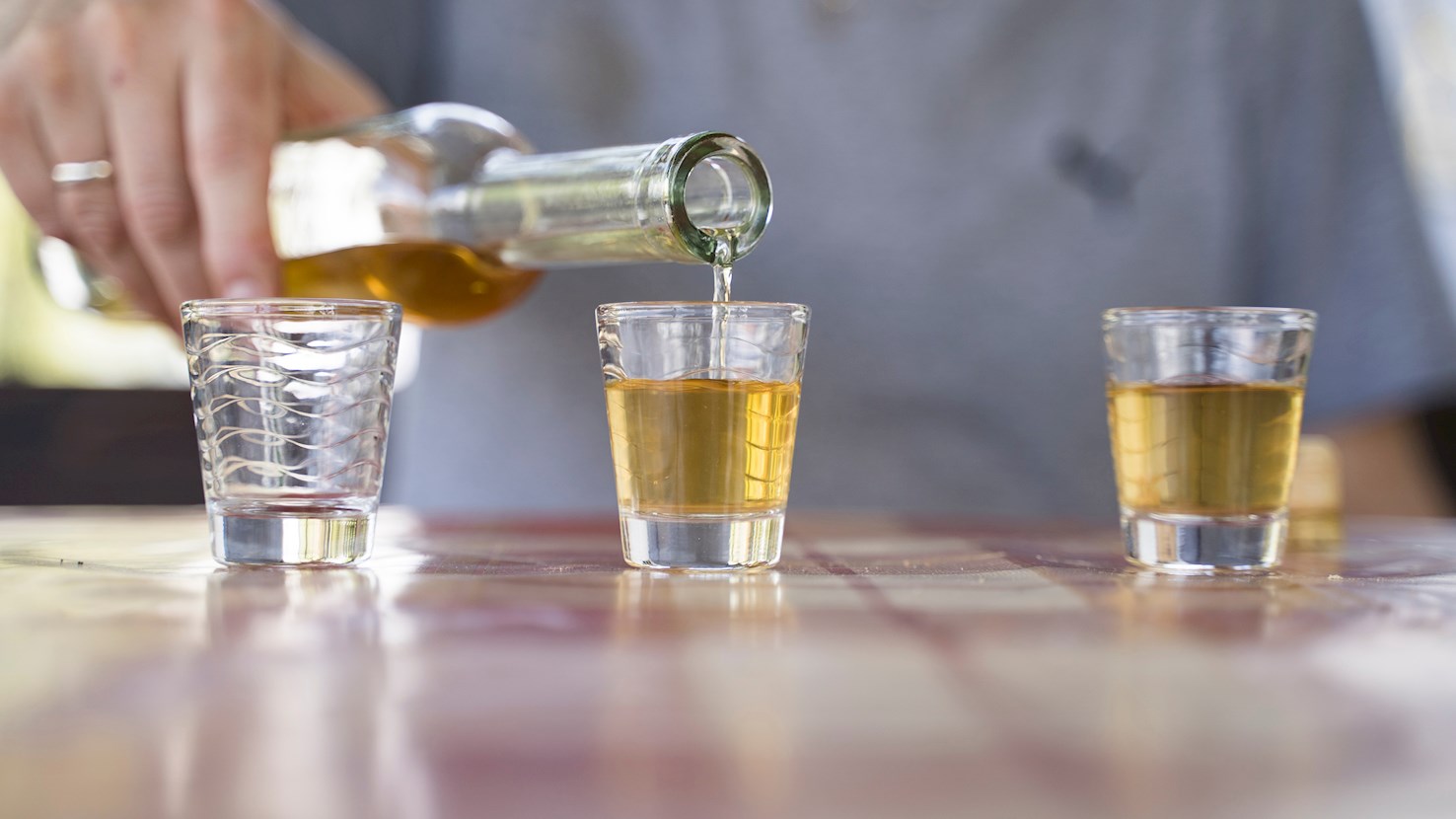
Travarica is a type of rakija that is infused with local aromatic herbs. It is a traditional spirit usually associated with Croatian coastal regions. The base of the spirit is made with pomace or fruit brandy, while the choice and the number of herbs varies, usually depending on the area and the season. Some of the most common options include sage, fennel, mint, chamomile, rosemary, lemon balm, anise, myrtle, thyme, marjoram, wormwood, and bay leaves. The herbs can be macerated for several days, weeks, or even months. After maceration, the spirit is filtered, and the plants are removed. Sometimes, several herbs can be left inside the bottle. The resulting drink is a clear spirit with green-yellow hues. It has a distinctive herbal character and subtly bitter flavor, but the final profile depends on the choice of herbs and the length of maturation. Croatian travarica has been granted protected status by the European Union. It is said that the herbs found in the Croatian coastal and mountainous regions are intensely aromatic, which creates a distinctive aromatic profile of this herbal spirit. Apart from Croatia, travarica is traditionally made and enjoyed in several other Balkan countries. Travarica has a long history in the region, and it is believed that it was first made as a health remedy that would help ease stomach aches. Although many still believe in its healing properties, travarica is nowadays mainly enjoyed as an excellent aperitif or a digestif. It is traditionally served in shot glasses.
Komovica is a type of pomace brandy that is produced in the Balkans. It is distilled from fermented pomace—solid components of grapes that are left after the juice has been pressed. The resulting drink is a potent, clear, and colorless spirit. After distillation, the spirit is usually aged to attain smoother and more mellow character. Komovica can be enjoyed on its own, but it is also often used as a base for other types of rakija—signature spirit from the Balkans—and various types of liqueurs and macerates.
Loza is a clear and colorless spirit distilled from fermented fresh grapes. The result is a potent spirit with a grape aroma, a long-lasting, warming finish, and a minimum of 37.5 % ABV. Loza can be made with many grape varieties, and the grapes are separated from those used in winemaking. The best version would be made with aromatic grapes that have good acidity. Loza is sometimes aged in tanks, while the best styles are oak-aged to attain subtle notes reminiscent of wood and spices. Loza is best enjoyed as an aperitif, preferably served in shot glasses. It is often used as a base for macerates and liqueurs. Croatian loza is registered as a protected item, but similar spirits are produced in many Balkan countries.
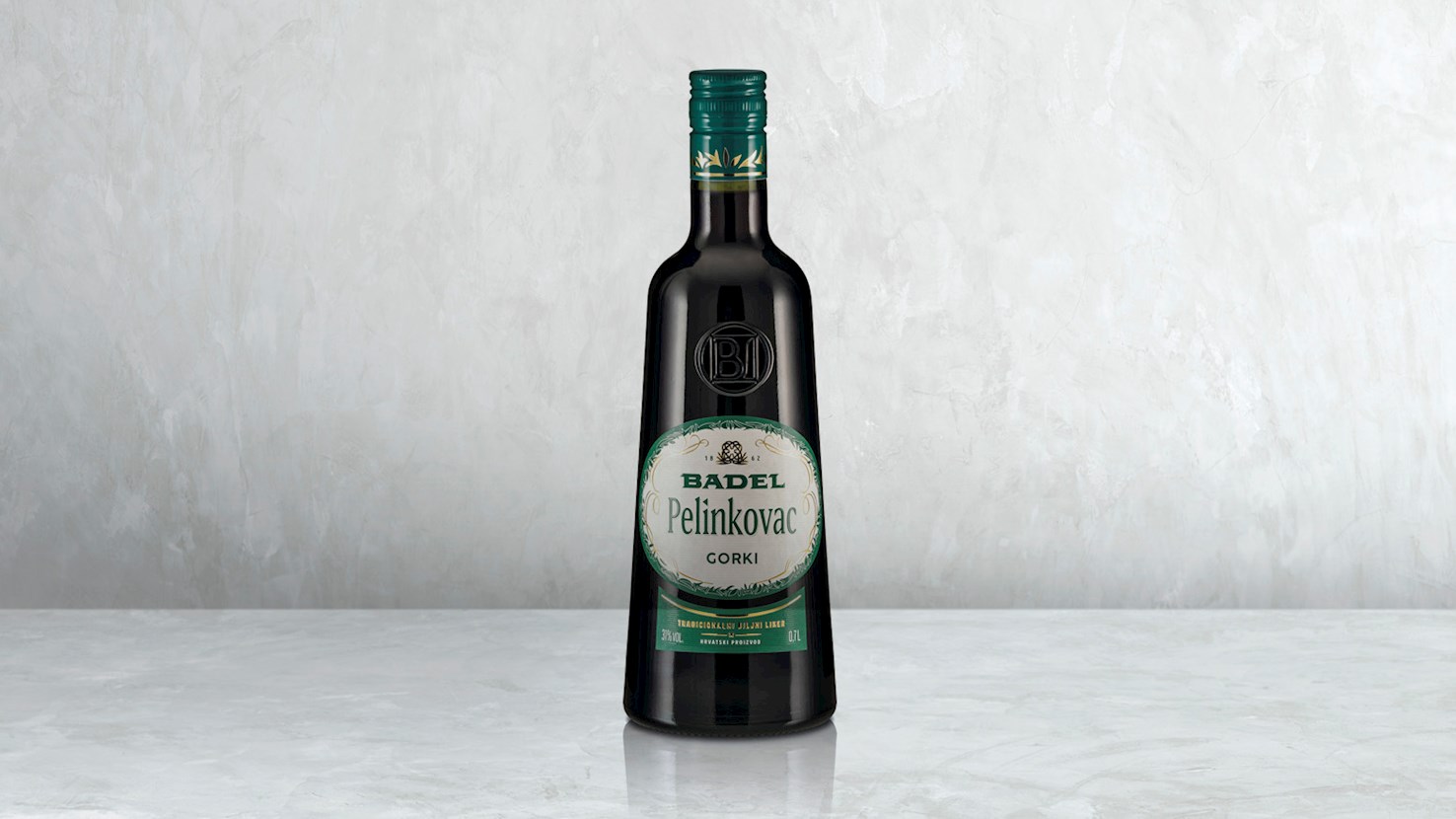
Pelinkovac is a traditional herbal liqueur produced with a distillation of herbal macerates. The distillate is adjusted and blended with water, alcohol, and the macerate base. Pelinkovac should always have dominant wormwood (Artemisia absinthium) element, typically complemented by fennel, sage, and peppermint, but the final herbal composition can vary depending on the region and the season. Pelinkovac is generally dark brown, full-bodied, and aromatic. The aroma is intense and herbaceous, usually dominated by wormwood, while the flavor should always have a distinctive bitter-sweet note. Pelinkovac is traditionally enjoyed as an aperitif or a digestif, usually served neat or on the rocks, often with a lemon slice. It also works well mixed with lemon juice or tonic water. The liqueur was introduced in 1862, and since then, it has been continuously produced in Croatia, and most local distilleries make their version of the liqueur. This first commercial version was produced by Badel, a company that was was founded in 1862 by Franjo Pokorny. Badel has a basic version of the drink and a more exclusive Pelinkovac Antique, allegedly crafted on the original version. Pelinkovac was initially promoted as a health remedy, and many locals still believe in its healing properties. The name pelinkovac stems from pelin, which is the Croatian term for wormwood.
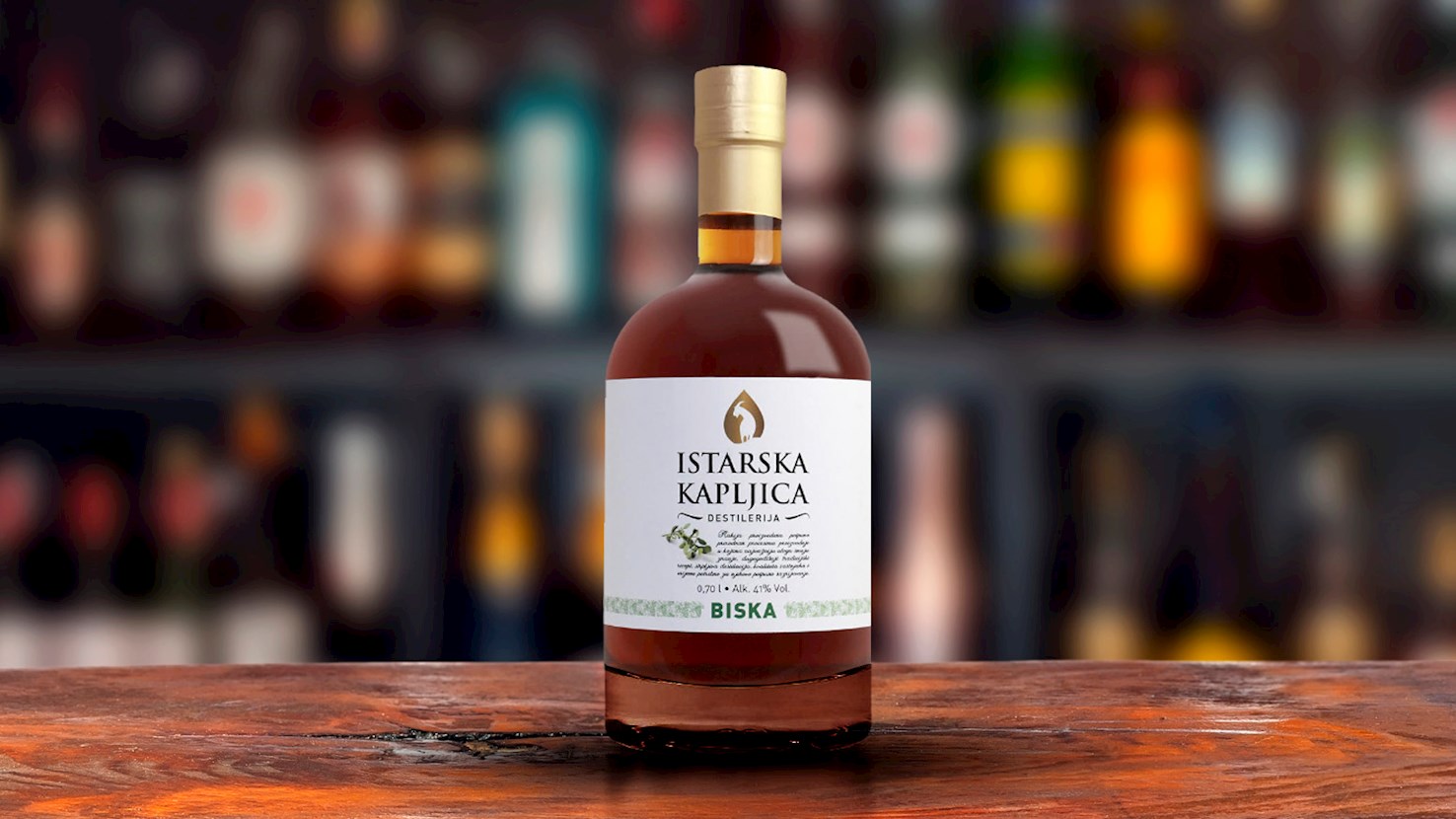
Biska is a traditional Istrian mistletoe-flavored brandy. The base is usually made with komovica, a type of brandy produced from grape marc (grape pomace) combined with dry mistletoe leaves. The macerate is left until the base spirit is thoroughly infused. Biska can vary in color, from light yellow to dark green. It can also be made with green or yellow mistletoe, while the base is sometimes made with lozovača (another type of brandy made from grape marc) or jabukovača (apple brandy). Occasionally, some producers will add sugar and honey. Although there are numerous commercial varieties of the drink, many locals still prepare their homemade versions. Biska is a potent spirit with a prominent herbaceous character. It should always be served well chilled, and the locals mainly drink it as an aperitif or a digestif. It is said that the Celts were the first who started producing biska in Istria. The name biska is the local term for mistletoe.
Rakija is a universal term used for various fruit brandies produced in several Balkan countries (Southeast Europe). This strong spirit is distilled from different fruit and is sometimes additionally flavored or used as a liqueur base. The most common versions are made from plums (šljivovica), Williams pear (viljamovka), quinces (dunjevača), apricots (kajsijevača), apples (jabukovača), grapes (lozovača/komovica), and many more. Rakija has present in the region for centuries. It is mainly associated with Croatia, Serbia, Bosnia, Montenegro, and North Macedonia. Although fruit brandies are produced in other European countries and regions, in the Balkans, rakija is a household name and has a large following among all generations. This potent spirit typically falls between 40% to 60% ABV. It is usually served neat, preferably well chilled, in a shot glass. Rakija is primarily a social beverage meant to be consumed with friends or as a welcome drink. Locals also like to believe that rakija is a terrific health remedy, and they use it boosts their immune system or ease any minor medical problems. Rakija can be in the form of a pure distilled spirit, but sometimes it is flavored with herbs and fruits. Many producers often use rakija as a liqueur base, but although these liqueurs are often labeled as rakija—such as orahovac made with walnuts or honey-flavored medica—they are technically liqueurs and not fruit brandies. Although rakija holds a reputation as a crude and harsh drink, many producers try to break away from its traditional image and create exceptional labels, which they promote as savoring and sipping drinks.
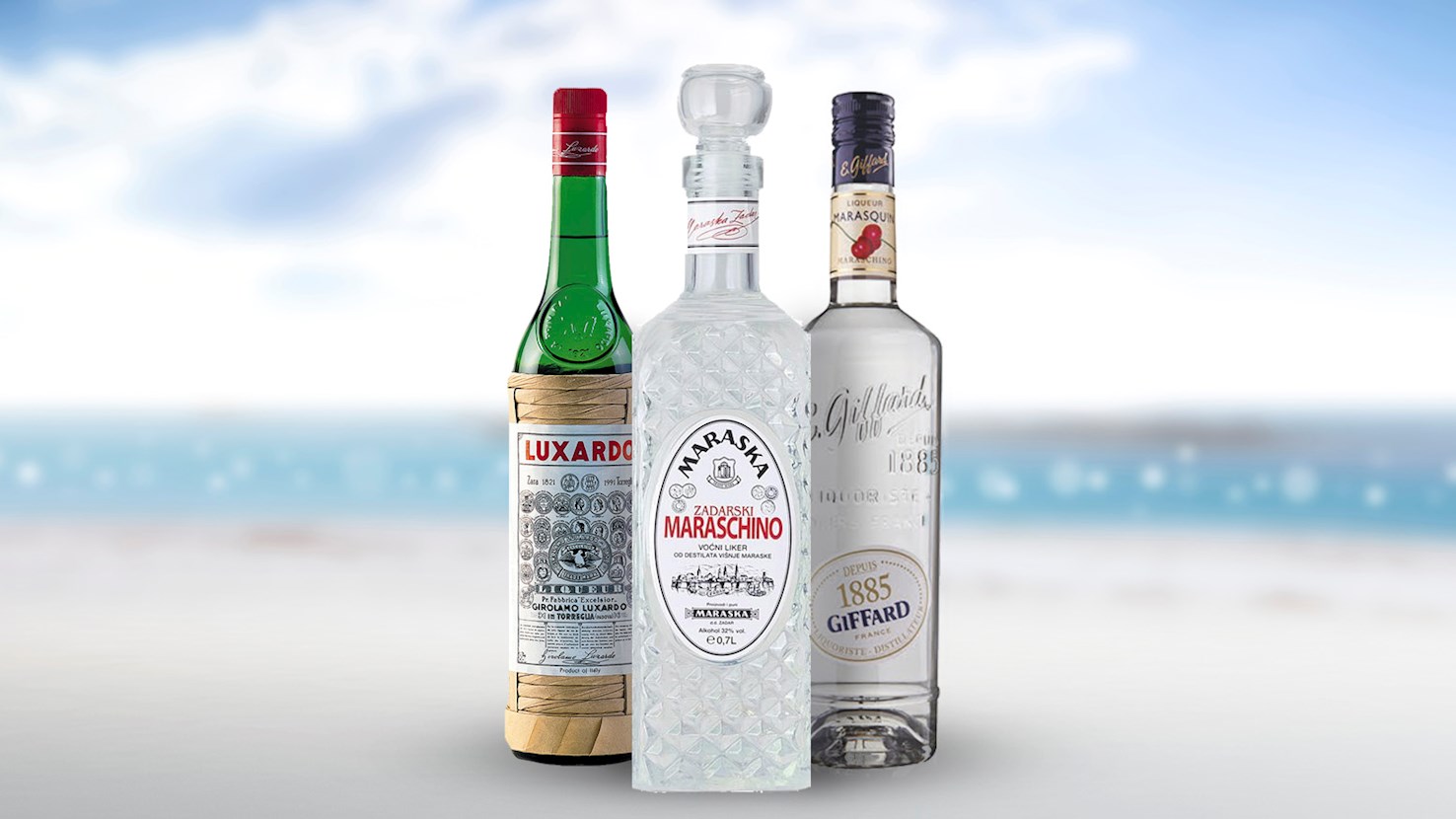
This clear cherry-flavored liqueur dates back to the 16th century when it was first made by Dominican monks in Zadar. It is produced from the fruits (including the pits) of Marasca cherries, which give Maraschino its unique, intense aroma, and subtle bitterness. The commercial production started in the 18th century by Francesco Drioli, while Dalmatia was still under the rule of Venetian Republic. In the mid-20th century, during political turmoil, the production was abruptly stopped, and the Yugoslav government later unified it under one enterprise, which would later be named Maraska. Present-day Maraschino is now produced in other regions and countries, namely Italy. It is usually enjoyed as a digestif, served neat or mixed with tonic water or orange juice. Maraschino also works well in cocktails, and it easily blends in a variety of desserts.
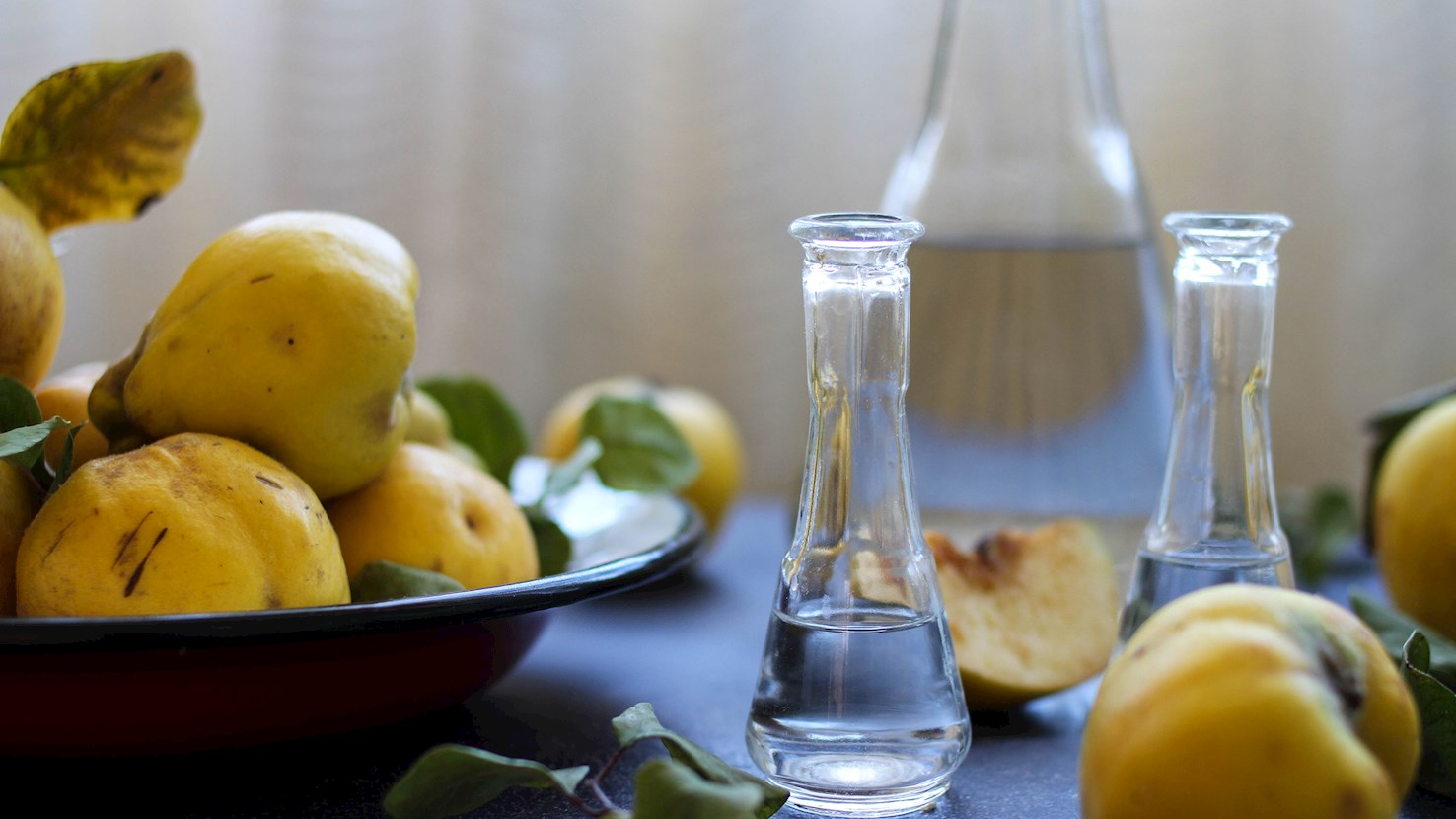
Dunjevača (rakija od dunje) is a clear and colorless spirit distilled from ripe fermented quinces. This fruit brandy—known as rakija—is one of the most popular spirits in the Balkans and is usually of excellent quality. Dunjevača is a potent spirit (40% ABV) that has a pleasant quince aroma. Most examples are colorless, but some producers opt for oak-aging, which typically imparts golden color and woody notes. Dunjevača is served neat, preferably well chilled. It is mainly enjoyed as an aperitif.
TasteAtlas food rankings are based on the ratings of the TasteAtlas audience, with a series of mechanisms that recognize real users and that ignore bot,
nationalist or local patriotic ratings, and give additional value to the ratings of users that the system recognizes as knowledgeable.
For the “8 Worst Rated Croatian Spirits and Liqueurs” list until July 16, 2026, 513 ratings were recorded, of which 327 were recognized by the system as legitimate.
TasteAtlas Rankings should not be seen as the final global conclusion about food. Their purpose is to promote excellent local foods,
instill pride in traditional dishes, and arouse curiosity about dishes you haven’t tried.