


57 Worst Rated Western European Spirits and Liqueurs

Last updated on June 16, 2026
01

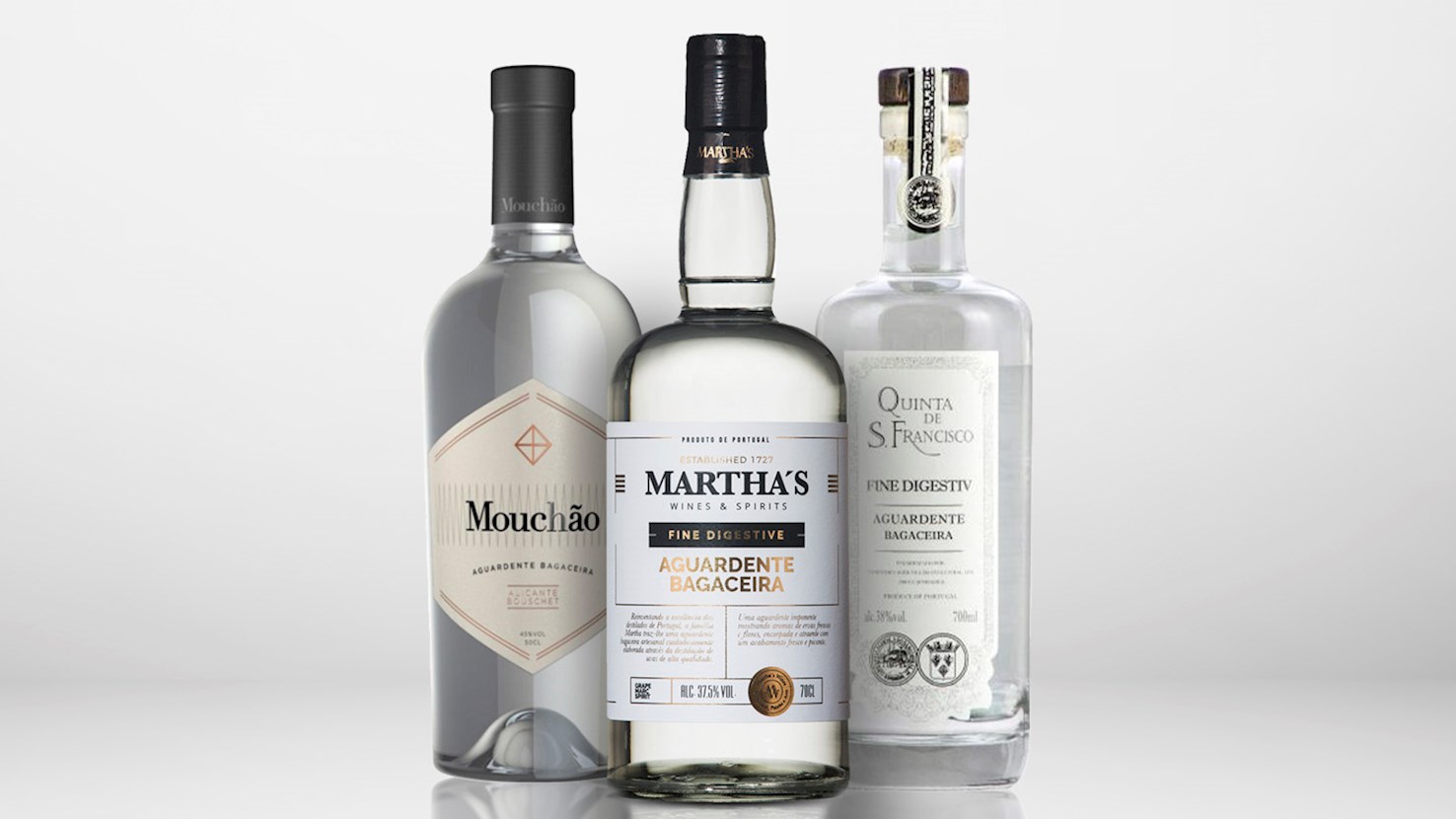
Aguardente bagaceira

2.5 ·

Aguardente bagaceira is a clear and colorless Portuguese spirit distilled from grape pomace—the skins and pulps left as a by-product of winemaking. It is made by winemakers, but it is mostly produced in rural areas as a type of rustic drink that is not intended for commercial production. Aguardente bagaceira can vary in quality, depending on the distillation and the base ingredient. The best examples should be powerful but with a smooth, warming finish and a fruity grape aroma. The distillate is sometimes aged to produce a softer, mellower style known as bagaceira velha. Aguardente bagaçeira is usually enjoyed neat, preferably as a digestif. The local tradition is to add a splash of aguardente to espresso, making the popular café com cheirinho. It can also be used as a cooking ingredient. The alcohol content is typically around 40% ABV.

02

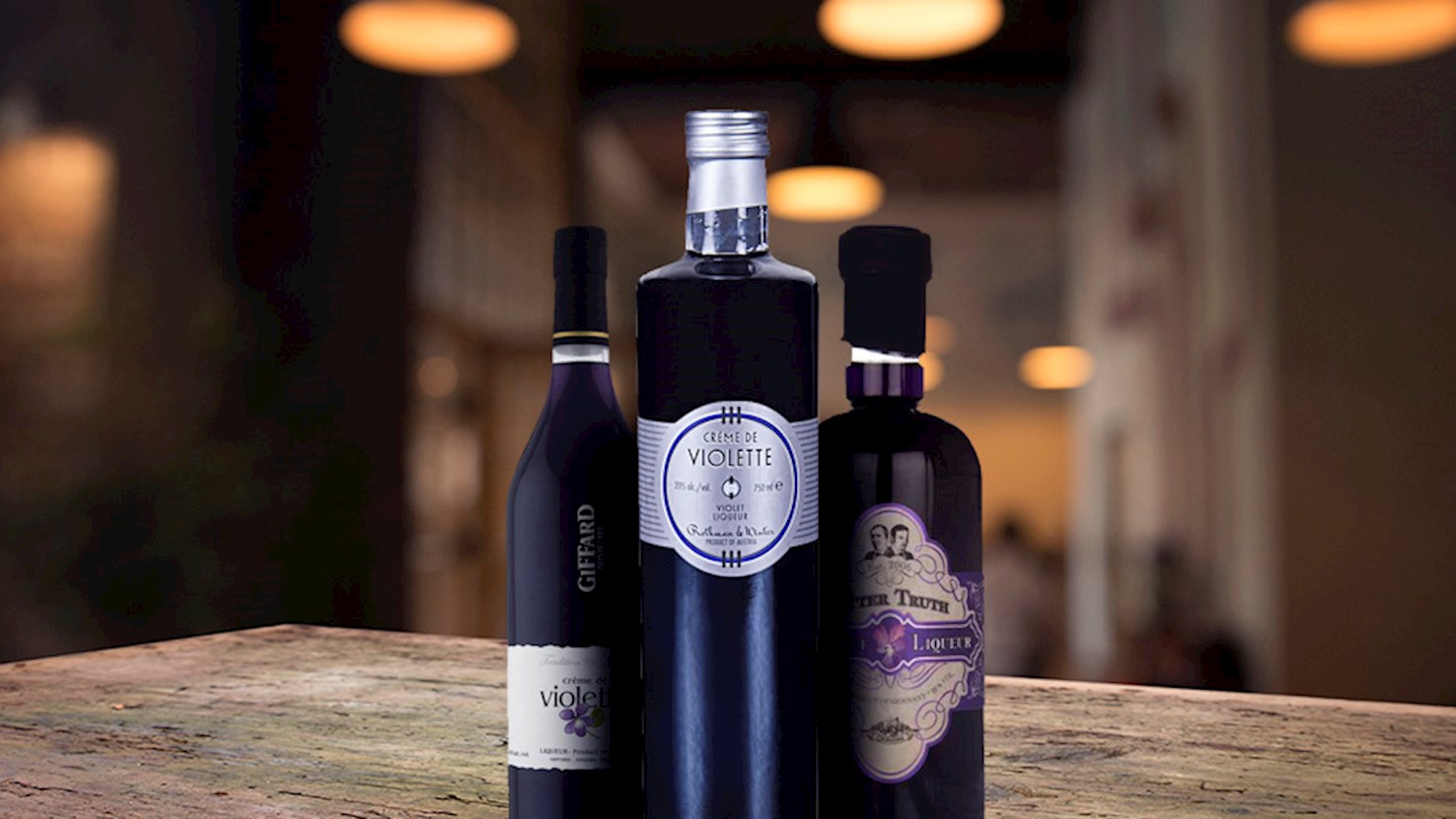
Crème de violette

2.7 ·

Crème de violette is a French liqueur that is made by macerating violets in brandy or neutral alcohol. This fragrant liqueur is usually dark purple in color, smooth, and subtly sweet, with typical floral and fruity nuances. The drink made its first appearance sometime in the 19th century, and in its beginnings, it was usually combined with vermouth or sometimes enjoyed on its own. Although violet liqueur lost its influence by the mid-20th century, recently some brands reintroduced it, promoting it as a great cocktail ingredient. The liqueur pairs well with sparkling wines, and it also complements citrus-based beverages. Aviation and Blue Moon are the most popular cocktails made with crème de violette.

03

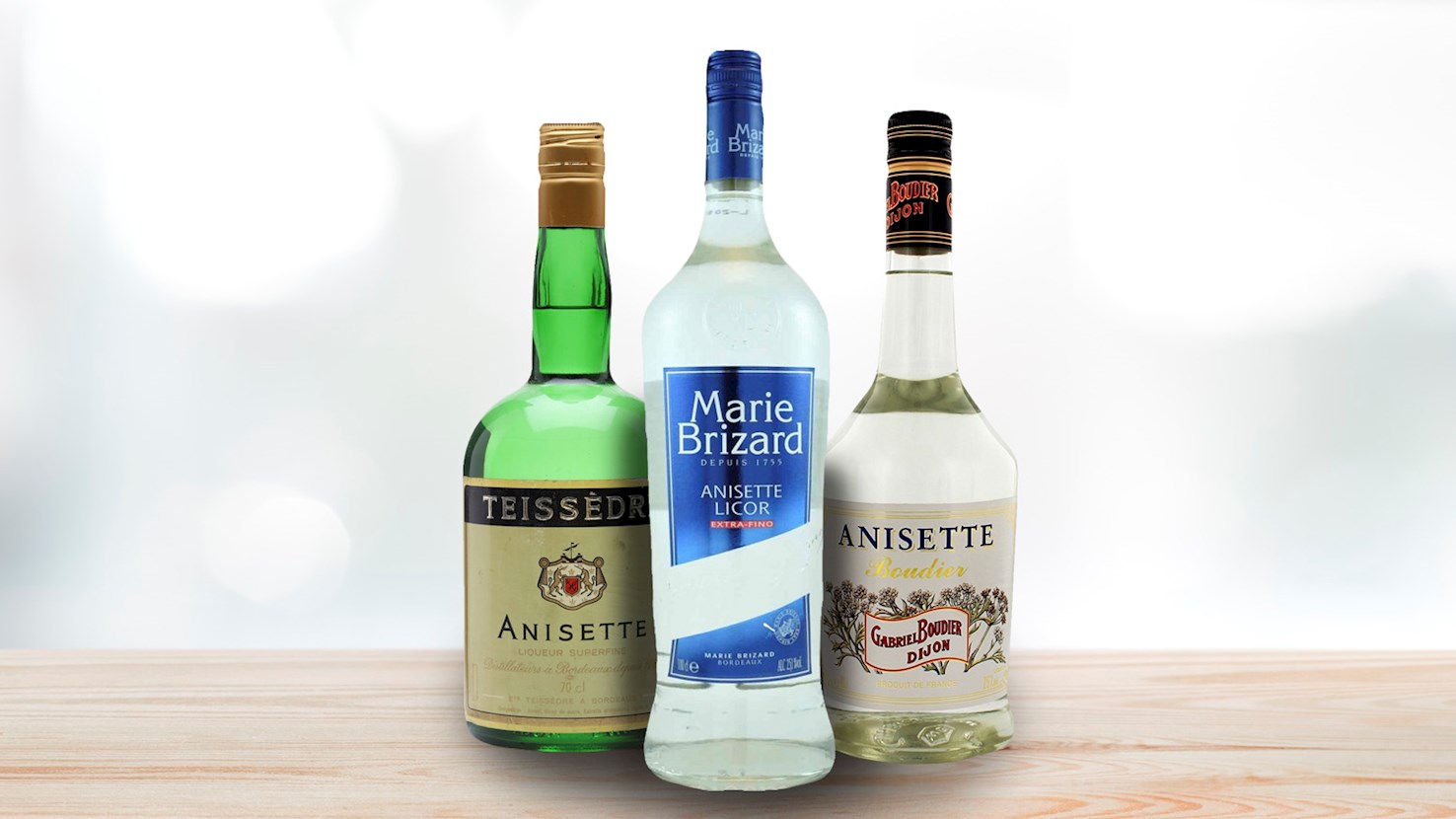
Anisette

2.8 ·

Anisette, anisetta, or simply anis is a term that encompasses various anise-based liqueurs. These types of liqueurs don’t have a single origin, but they are mostly associated with Mediterranean countries, such as Italy, Spain, France, Greece, and Turkey. The drink is mostly distilled from a base that is flavored with anise plant, sometimes together with other botanicals. The distillate is then usually sweetened or additional flavored. Most varieties range from 40 to 60% ABV. Anise liqueurs are usually enjoyed neat, mixed with water, or served over ice, but they can also be added to espresso (café corretto), or incorporated into cocktails and long drinks.

04

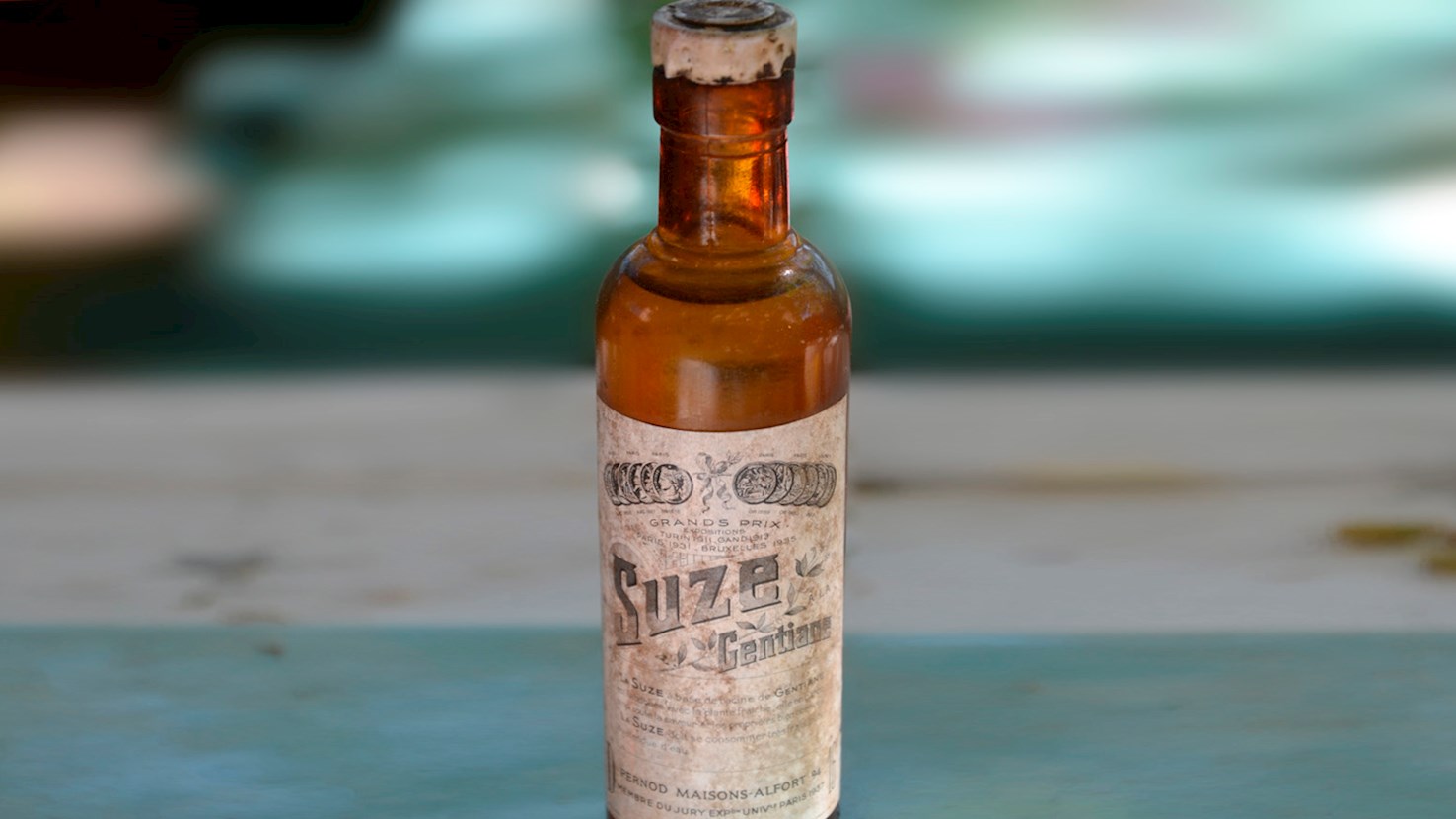
Suze

2.9 ·

First marketed in 1889, this French liqueur was an invention of Fernand Moureaux who originally produced it in the commune Maisons-Alfort. He decided to distill the roots of wild gentian root, together with a secret combination of other herbs and spices, to create this complex aperitif that is characterized by floral, bitter, and spicy flavors. While the dominant aroma is imparted with mashed gentian roots, the drink displays subtle, earthy notes of citrus, vanilla, apricots, and caramel. Suze is typically served cold, as a long drink when it is usually paired with tonic or orange juice. It also works well in cocktails, and it can be sipped neat as an aperitif. Suze is now produced in Thuir, Pyrénées Orientales.

05

Brancamenta

2.8 ·

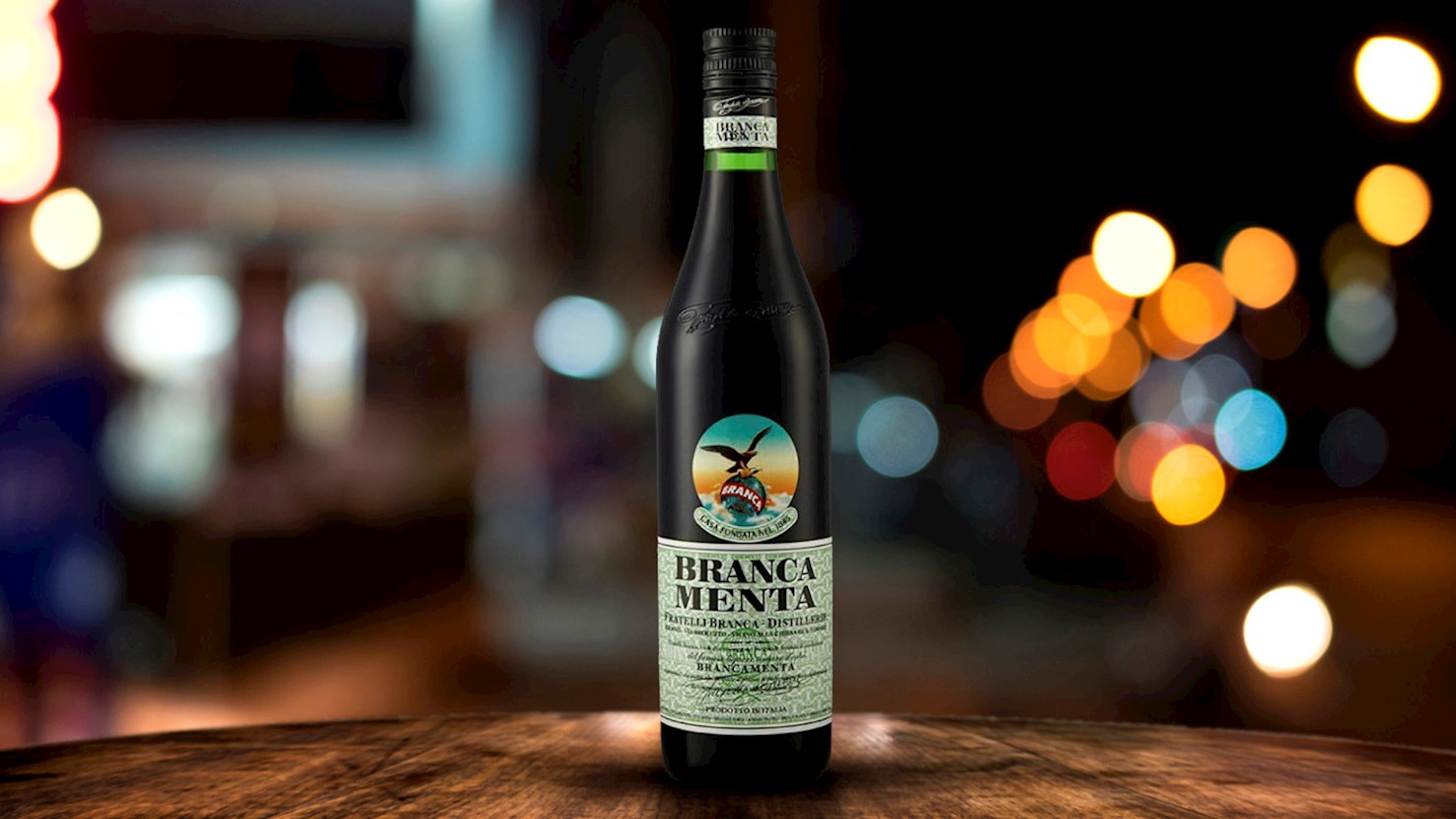
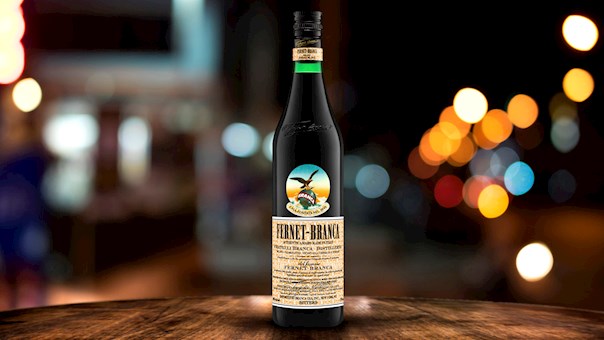
Brancamenta is a minty version of Fernet Branca—the richly flavored amaro from Milan. This liqueur is also based on more than thirty botanicals, but it also includes essential peppermint oil from Piedmont. The resulting drink is dark brown with amber highlights. The flavor is bittersweet, and the aroma is herbal and earthy with a dominant minty note. Brancamenta was released in the 1960s, and it was inspired by the famous opera singer Maria Callas. Supposedly, Callas liked to drink her Fernet Branca with mint syrup—as this would make it lighter and easier to drink. The combination became popular, inspiring Branca distillers to create a similar bottled version. Branca Menta can be enjoyed as an aperitif or a digestif. It can be served neat or on the rocks, but it should always be well chilled. Brancamenta is bottled at 28% ABV.

06

Passoã

2.9 ·

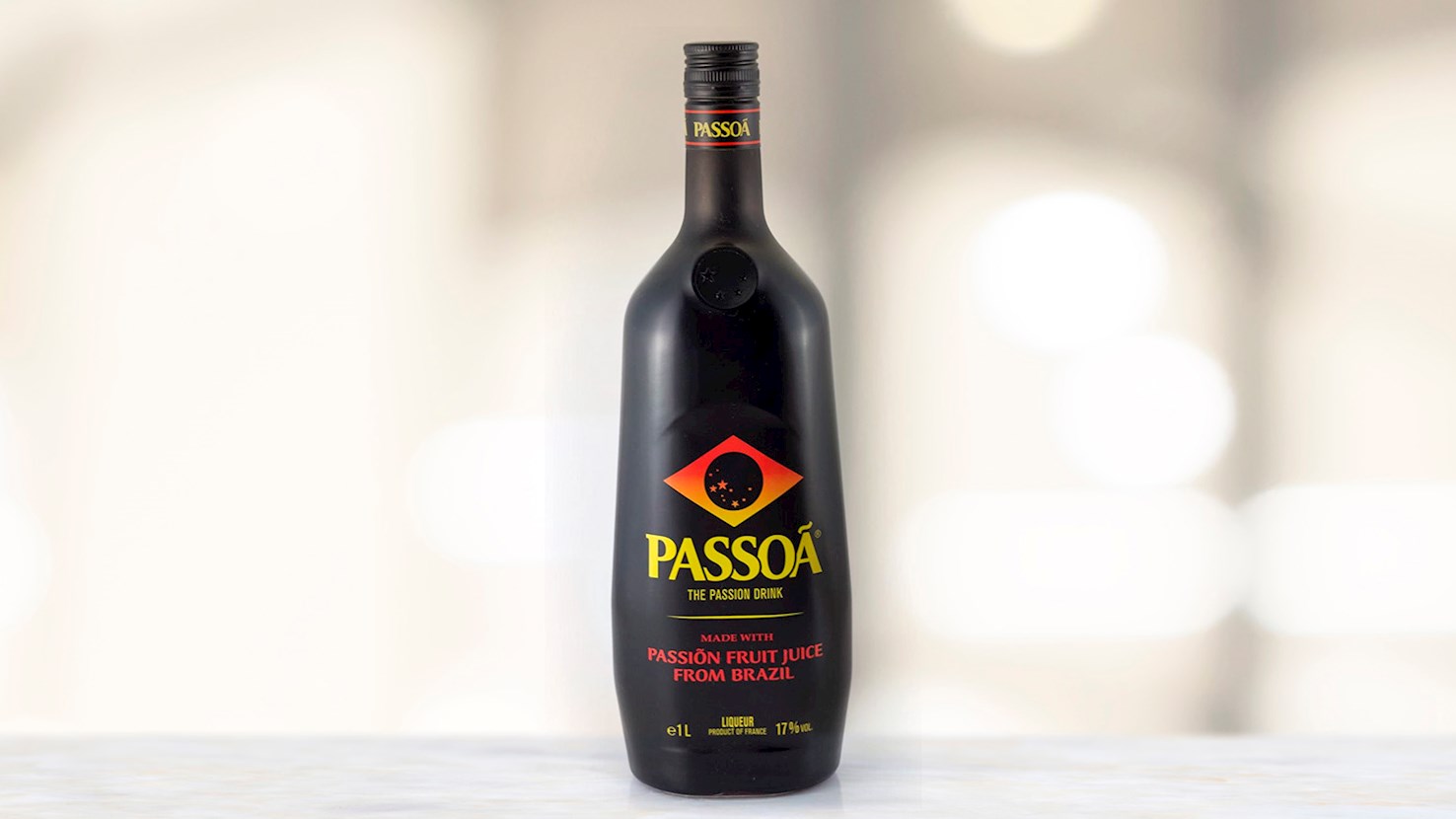
Passoã is a passion fruit liqueur that is produced in France with passion fruit sourced from Brazil. It was created in 1985, and it is currently bottled at 17%. The liqueur has a dominant passion fruit aroma. On the palate, honey sweetness is well balanced with zesty, citrus-like notes. Although it can be enjoyed on its own, Passoã is usually used in mixed drinks. It goes well with fruit juice, tonic water, sparkling water, ginger ale, and various spirits. The liqueur is a great cocktail ingredient—Porn Star Martini is probably the most popular cocktail made with Passoã.

07

Pernod

2.8 ·

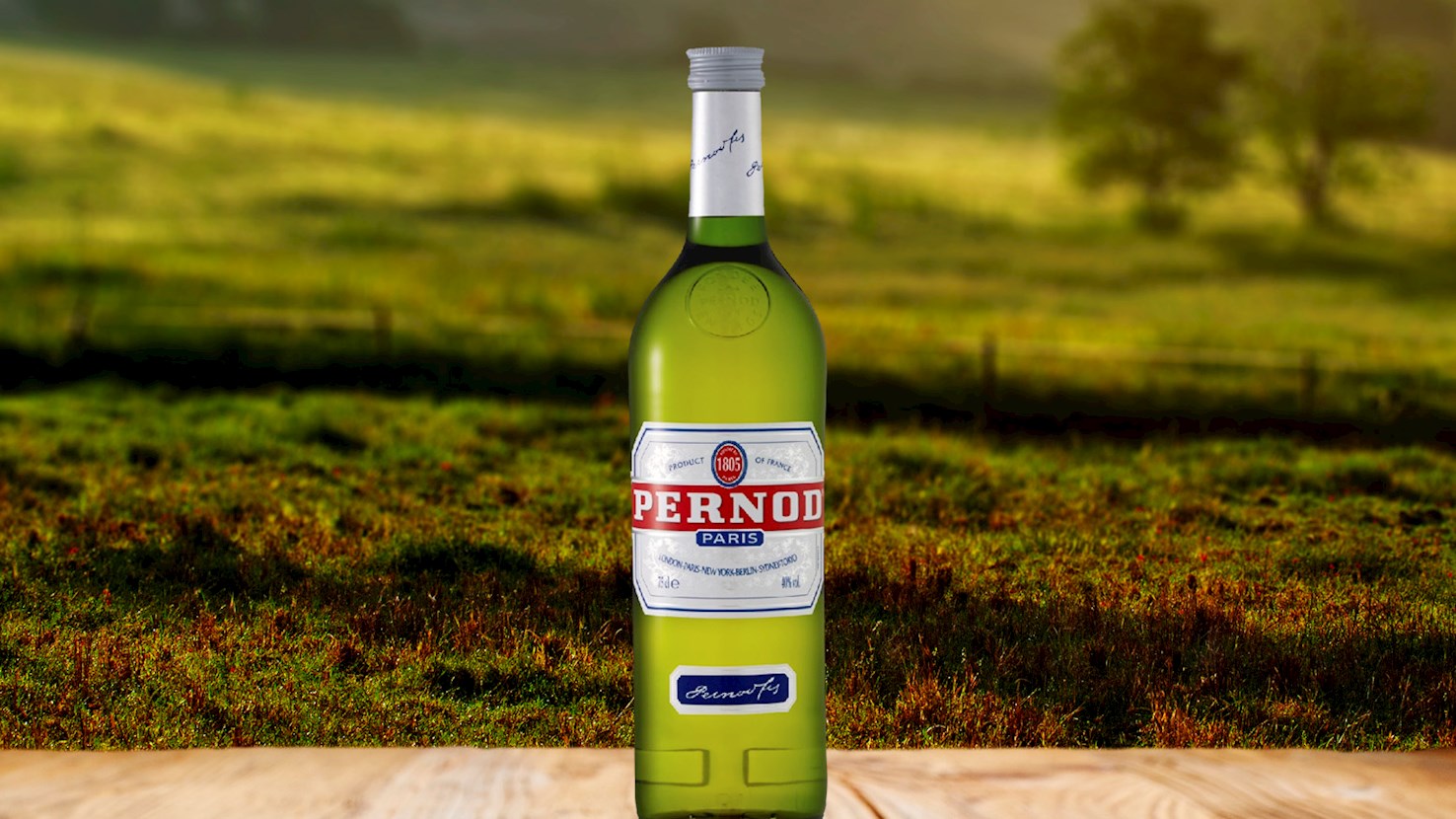
Pernod is the oldest French aniseed-based spirit. It was first produced in 1805, and it was technically absinthe. Following the European ban on absinthe, the drink was reformulated in 1926 as an anise-based spirit. Pernod is a clear, pale golden drink with a clean and refreshing flavor and herbaceous aroma reminiscent of aniseed and licorice. It is traditionally diluted with water and plenty of ice—which produces a slightly cloudy drink—but it also blends well in cocktails and other long drinks. Pernod is bottled at 40% ABV.

08

Pacharán

2.9 ·

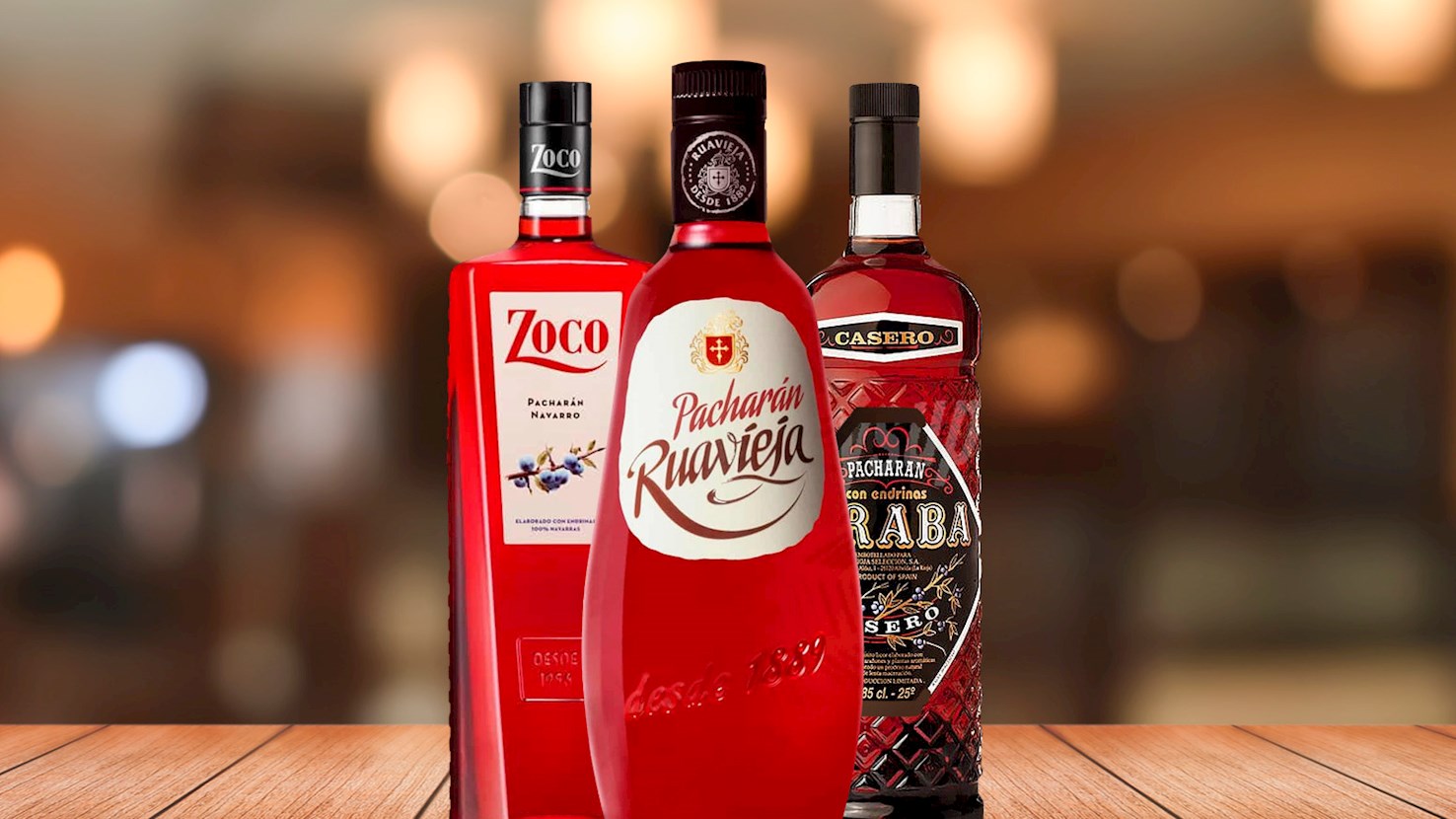
Pacharán is a sloe-flavored liqueur that is mostly associated with Navarre, but it is also enjoyed in other Spanish regions. The drink is made by macerating sloes (blackthorn) in an anise-flavored spirit. Sometimes, bay leaves, roasted coffee beans, herbs, or spices can be added to the mix. The sloes are macerated for several months until the liqueur attains a distinctive mahogany hue. The resulting drink is sweet, pleasant, and potent—alcohol content typically falls between 25-30% ABV. Pacharán has a long history, dating back to the Middle Ages. It was initially consumed as a medicinal drink that had beneficial effects on digestion, or it could act as a sedative. By the 19th century, it became a common after-dinner drink. It is best served chilled, straight or over ice.

09

Pastis

3.0 ·

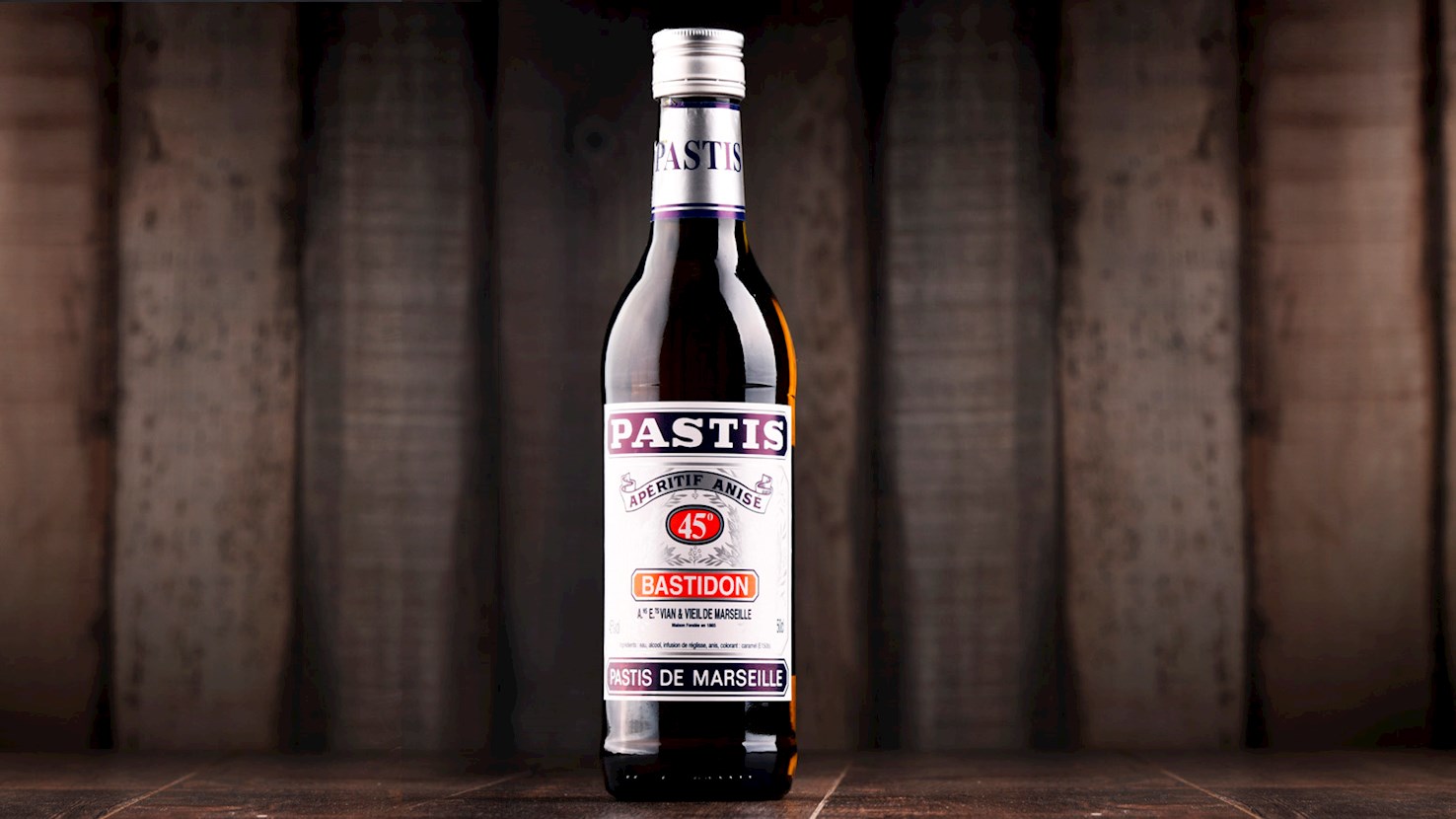
This French national drink is made with the potently sweet star anise—which gives pastis its unmistakable flavor—as well as herbs and spices such as sage, melissa, verbena, licorice, cinnamon, cardamom, and pepper. Its name stems from the Provençal pastisson which means concoction, but it is also commonly known by the nicknames la jaune (yellow) or pastaga. Apart from being country's favorite aperitif, you can find it as a key ingredient in numerous classic French recipes. Pastis was first commercialized by Paul Ricard in 1932, and it has enjoyed substantial popularity ever since, especially around Marseille and in the southern regions of the country. Pastis is considered to be the embodiment of the Provençal lifestyle, and it is traditionally associated with boules—the favorite summer sport of the Provençal people. Pastis can be enjoyed on the rocks, but as a rule, it is always served diluted with ice-cold water which makes this refreshing summertime drink turn cloudy.

10

Ricard

3.0 ·

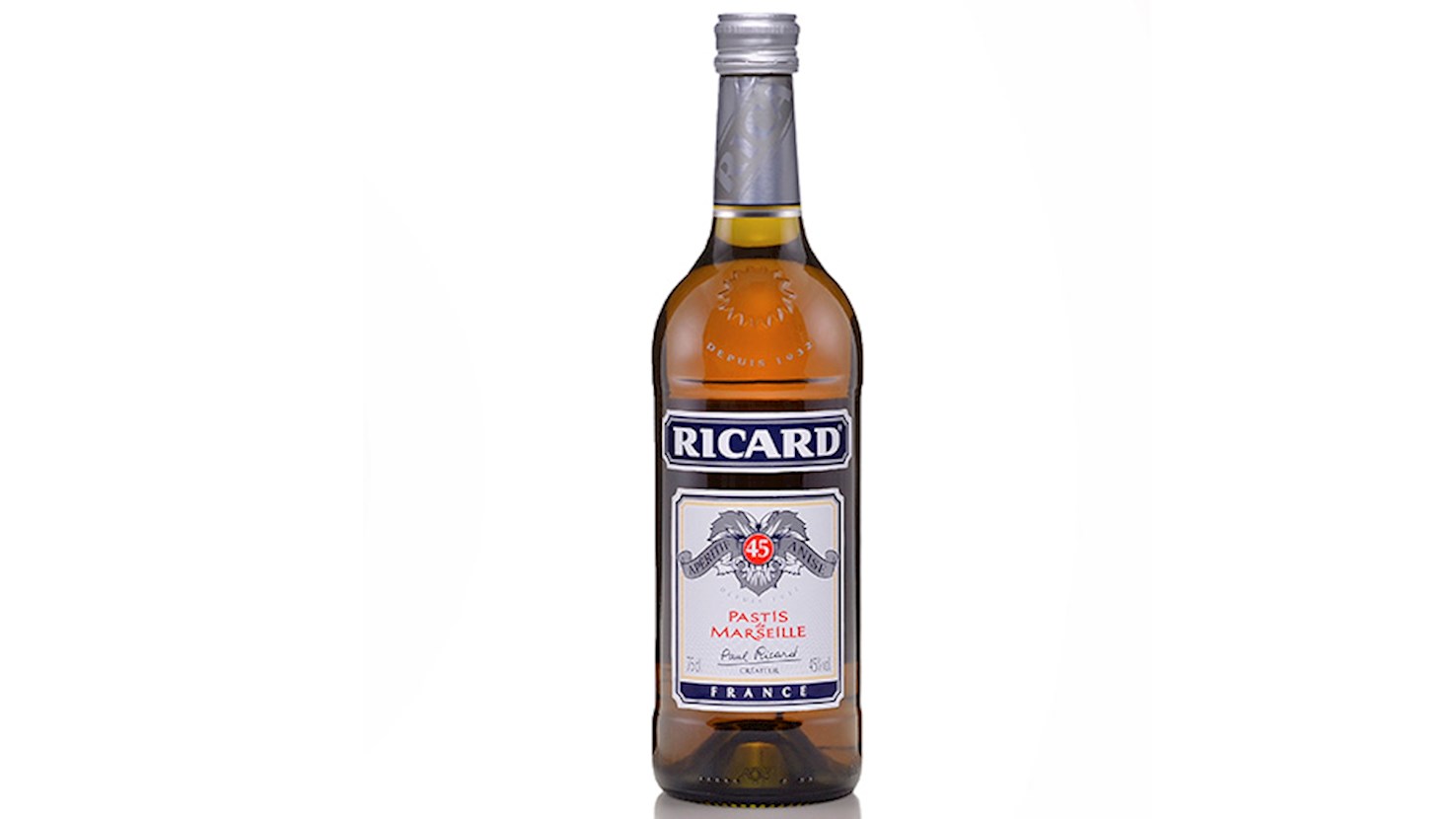
This best-selling anise-based spirit was invented by Paul Ricard. He experimented with the distillation of fennel, anise and Provençal plants until he perfected the recipe in 1932, and started to market it as the real pastis of Marseille. Despite the war turmoil and short suspension of production, in 1951 Ricard was able to produce it again, and bottle it at the desired 45% ABV. Ricard is best appreciated as an aperitif, when it is served cold and diluted with cold water, which produces a slightly opaque drink that has a strong fresh flavor of anise and licorice, with underlying tones of Provençal herbs. It can also incorporate well in cocktails, especially when mixed with fruit juices or sweeter distilled spirits. The drink is now produced by the French company Pernod Ricard group.

12

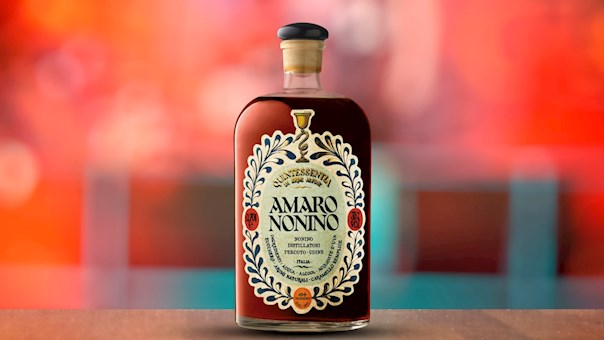
Fernet

3.1 ·
13

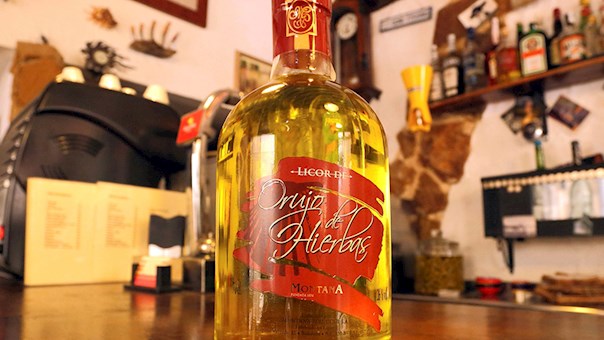
Orujo

3.1 ·
15

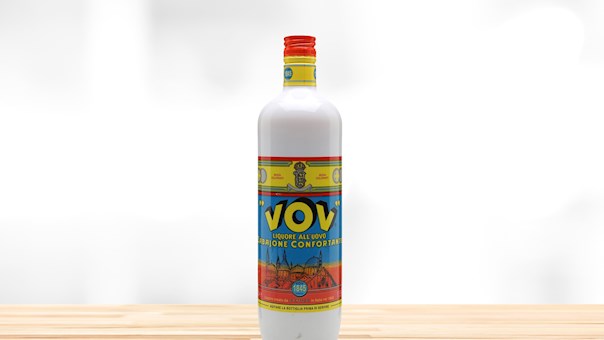
VOV

3.1 ·
16

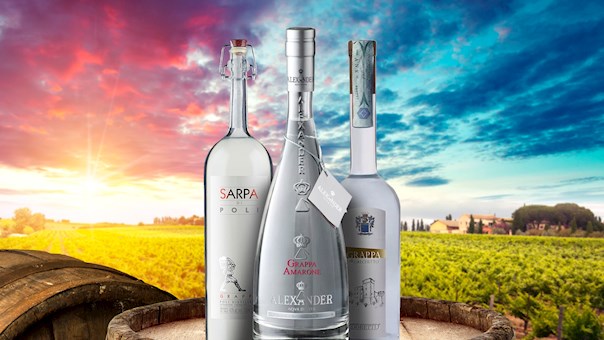
Grappa

3.2 ·
17

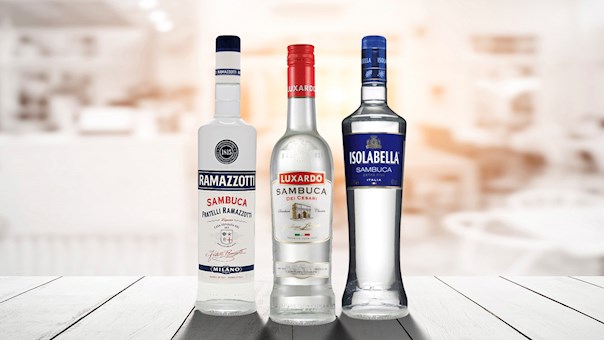
Sambuca

3.2 ·
18

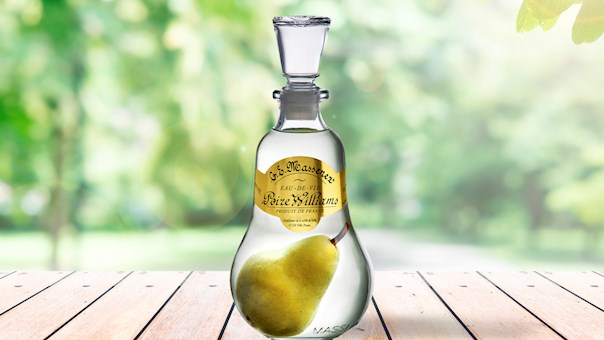
Poire Williams

3.2 ·
19

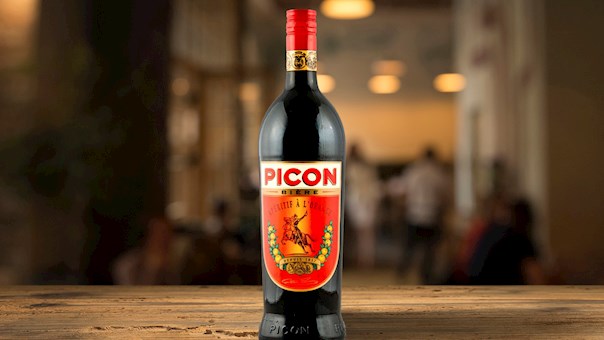
Picon

3.2 ·
20

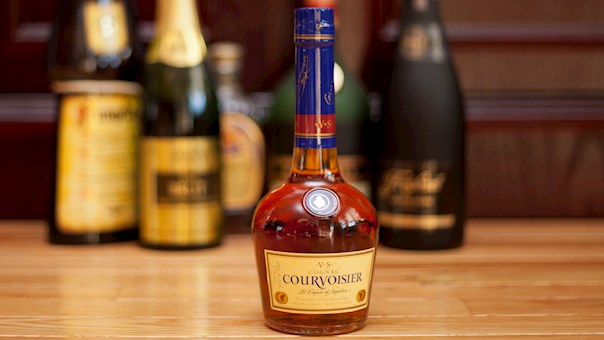
VS Cognac

3.2 ·
Read more
View all
View map
About this ranking

TasteAtlas food rankings are based on the ratings of the TasteAtlas audience, with a series of mechanisms that recognize real users and that ignore bot, nationalist or local patriotic ratings, and give additional value to the ratings of users that the system recognizes as knowledgeable. For the “57 Worst Rated Western European Spirits and Liqueurs” list until June 16, 2026, 3,387 ratings were recorded, of which 2,762 were recognized by the system as legitimate. TasteAtlas Rankings should not be seen as the final global conclusion about food. Their purpose is to promote excellent local foods, instill pride in traditional dishes, and arouse curiosity about dishes you haven’t tried.

Similar lists