

4 Worst Rated South American Spirits

Last updated on October 16, 2026
01

Aguardiente Colombiano

2.9 ·

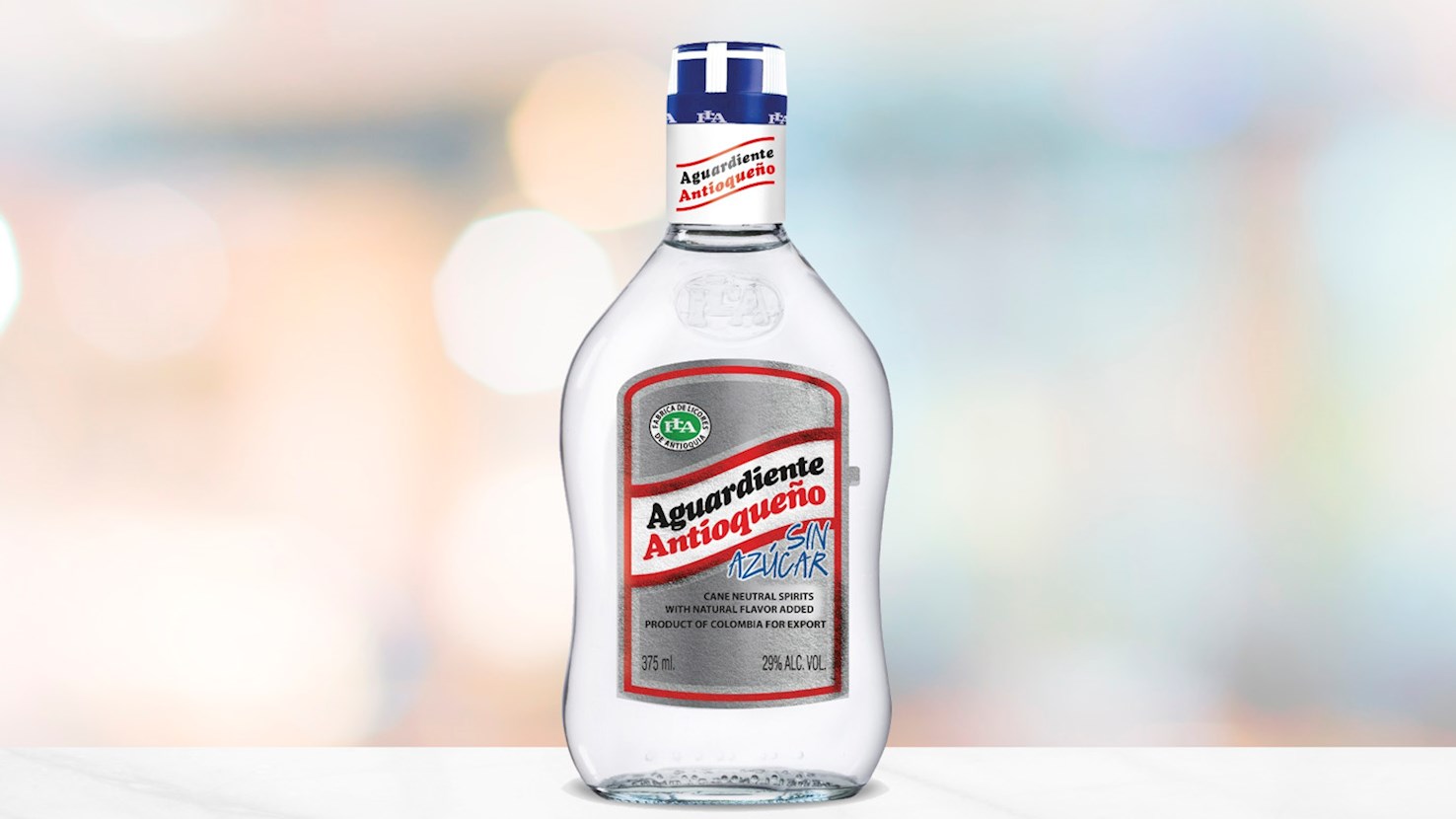
Aguardiente is a generic term used for various distilled spirits from the Iberian peninsula and Central and South America. In Colombia, aguardiente is a sugarcane spirit that is flavored with anise. The drink is enjoyed in the entire country, but it is mainly associated with the Andean region. The resulting drink is potent (typically around 30% ABV), smooth, and crisp. It has a herbal character and licorice licorice-like notes. It is usually served neat, traditionally in shot glasses. It is also sometimes incorporated into cocktails and long drinks.

02

Singani

3.2 ·

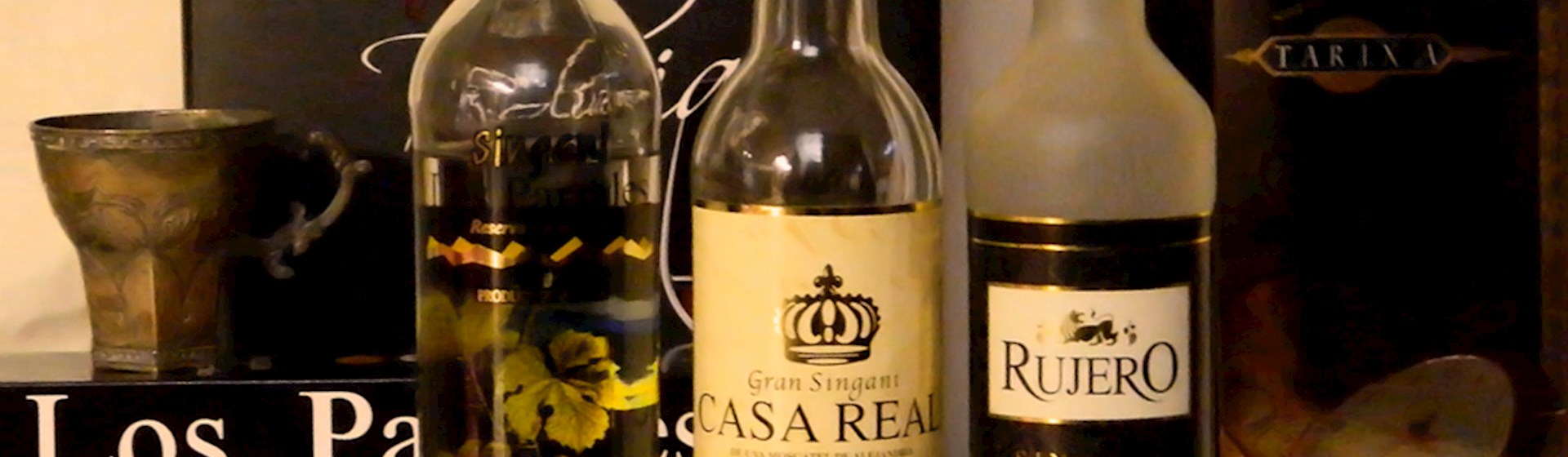
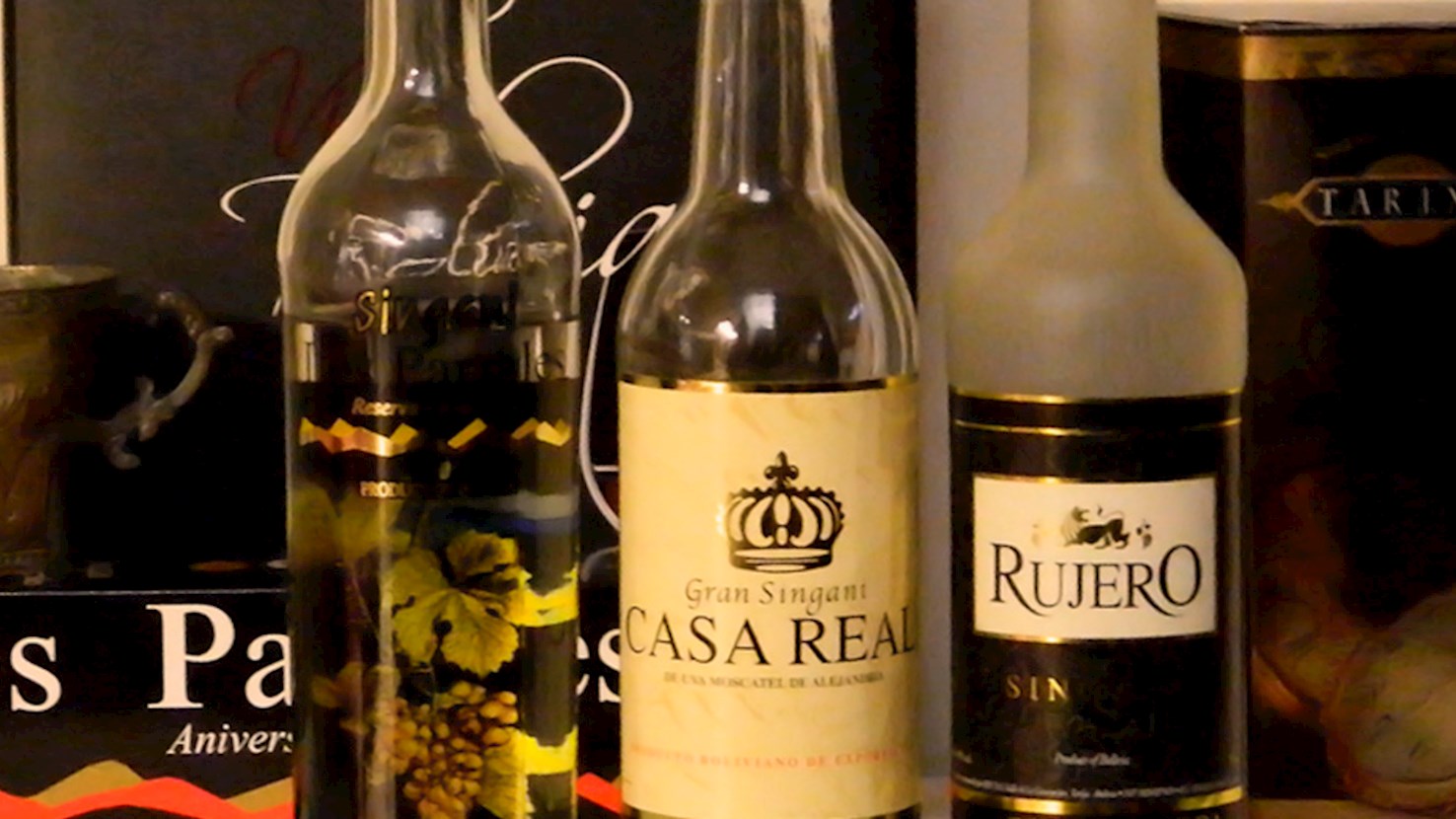
Singani is a brandy variety that is exclusively distilled from Muscat of Alexandria grapes. Due to the specific terroir and the strict rules regarding the production method, the base wine is complex, aromatic, and flavorful. Signani has been produced since the 16th century, and it was invented as an alternative to Spanish orujo brandy. Its origin is closely associated with Potosí—once an affluent city and the center of the silver mining industry—but now it is produced in Tarija, Cinti, Potosí and La Paz. In Bolivia, singani is usually enjoyed neat, preferably over ice and accompanied by a slice of lime, but it also incorporates well in cocktails and long drinks, out of which the most notable are Chufly and Sucumbé—a milk-based drink that is enriched with spices.

Best producers
03

Cachaça

3.5 ·

Cachaça is a popular Brazilian drink that is distilled from freshly pressed and fermented sugar cane juice. It is believed that the first varieties of cachaça were produced sometime at the beginning of the 17th century, and were initially known as aguardente de cana. The drink was initially associated with Brazilian slaves, but soon it became a popular option among all social classes, and eventually, during Portuguese colonization, a symbol of national pride. Cachaça became internationally acclaimed with the help of Caipirinha, a classic cocktail that blends the drink with lime and sugar. Though European-style Caipirinha traditionally employs brown sugar, in Brazil, a more popular option is white, fine cane sugar. Cachaça nowadays comes in two styles, as a clear variety that is best used in mixed drinks, or as a golden, barrel-aged drink that is best served on the rocks and slowly sipped.

04

Pisco (Chile)

3.7 ·

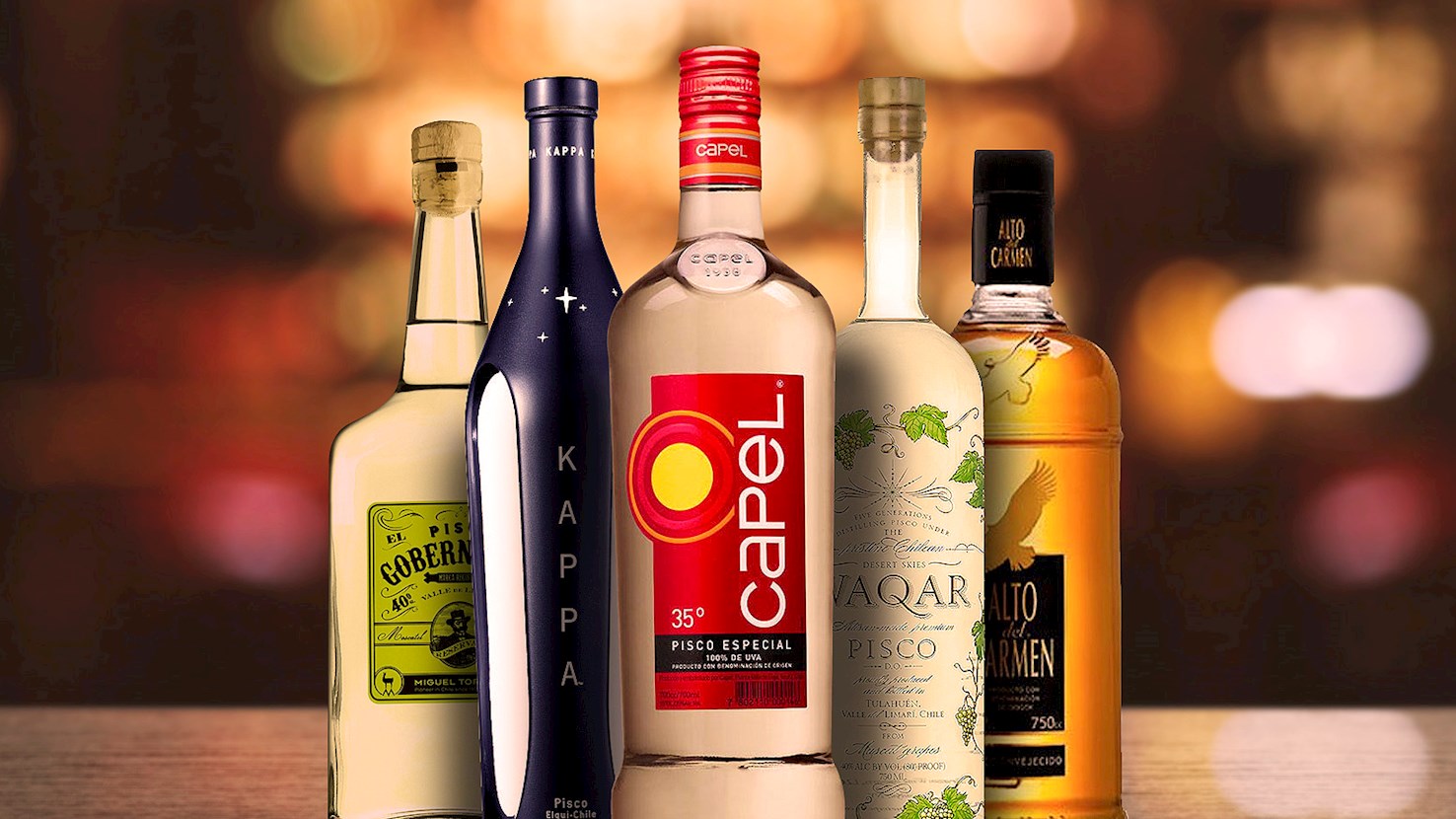
Pisco is a drink that is distilled from fermented grape must and juices. It is considered a national drink in both Peru and Chile, but the style and the character of pisco can differ based on the location where it was created. Chilean pisco is predominantly made from Muscat, and it can be distilled more than once, while oak-aging is also permitted. Depending on the production method and the choice of grapes, its color and flavor profile can significantly vary. Pisco can be enjoyed neat, preferably as a digestif, but it is usually used in cocktails and mixed drinks, such as the classic Pisco Sour, Pisco Punch, or Piscola.

About this Ranking

TasteAtlas food rankings are based on the ratings of the TasteAtlas audience, with a series of mechanisms that recognize real users and that ignore bot, nationalist or local patriotic ratings, and give additional value to the ratings of users that the system recognizes as knowledgeable.

TasteAtlas Rankings should not be seen as the final global conclusion about food. Their purpose is to promote excellent local foods, instill pride in traditional dishes, and arouse curiosity about dishes you haven’t tried.

What People Say

Similar Lists