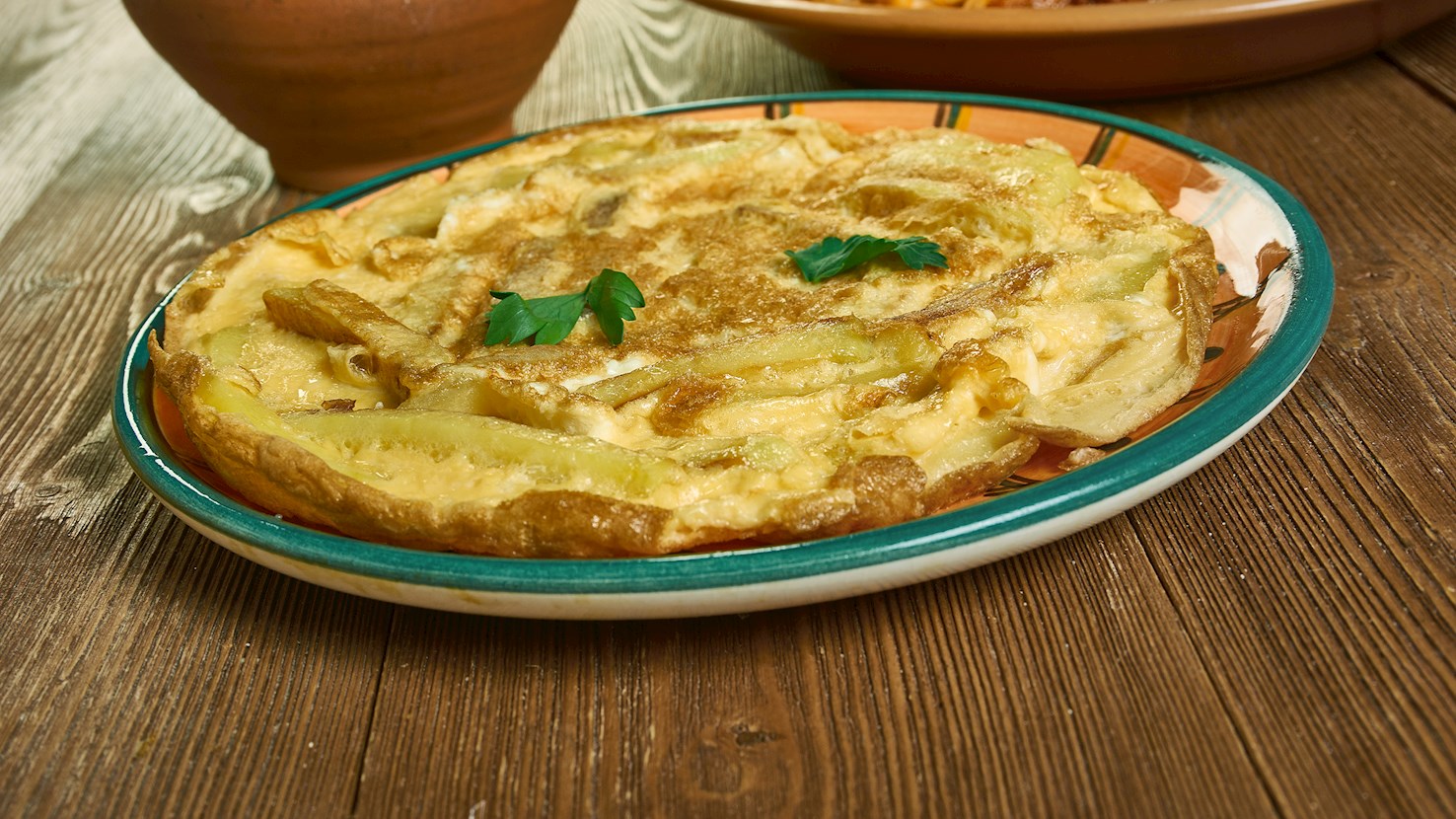
Chipsi mayai or chips and eggs is a staple of Tanzanian street food. French fries are combined with eggs to make a dish that is similar to an omelet with fries dispersed throughout it. Alternatively, the dish can be made with additional ingredients such as bell peppers or onions. It is typically served with kachumbari sauce on the side, consisting of tomatoes, chili peppers, and onions. If you are ever in Tanzania and see a big black wok filled with bubbling yellow oil in front of a restaurant, it is a pretty sure sign that the restaurant serves chips mayai.
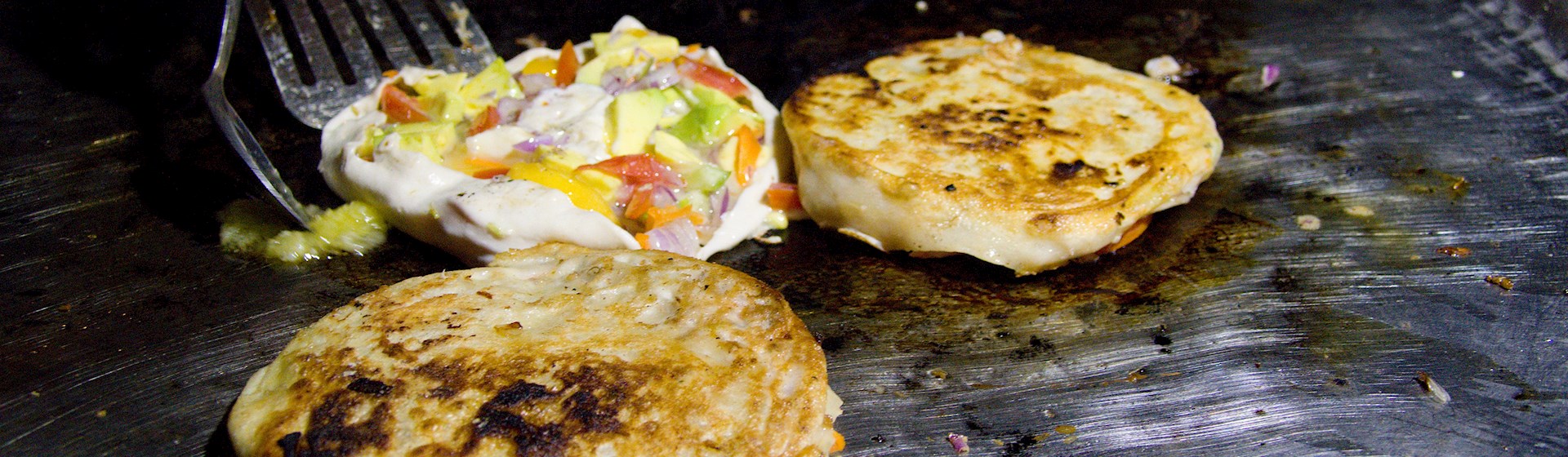
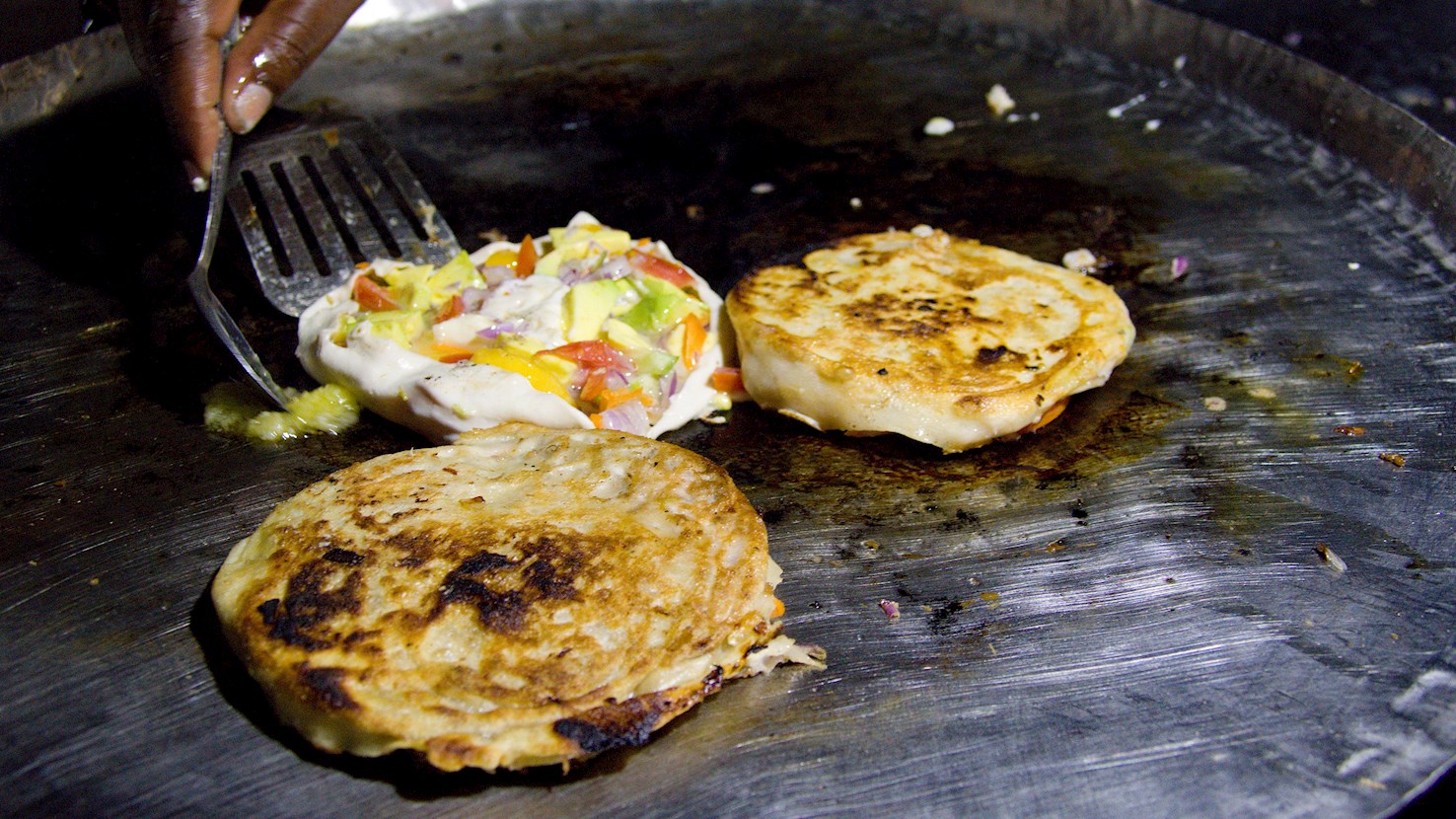
Although it shares the name with the traditional Italian dish, this version from Zanzibar does not have much in common with Italian pizza. It is made unleavened dough that is stretched thin and filled with various ingredients. When filled, the sides are wrapped, and this pancake-like creation is then fried in ghee until it is golden and crispy. The combination of ingredients in the filling may include anything from meat such as beef or chicken, seafood, various vegetables, cheese, mayonnaise, or eggs. Sweet versions often consist of different combinations of bananas, chocolate spread, mangoes, or peanut butter. Although it is not known how and when it originated, this quick and filling snack has become a common sight in Zanzibar. It is mostly prepared and sold by street vendors.
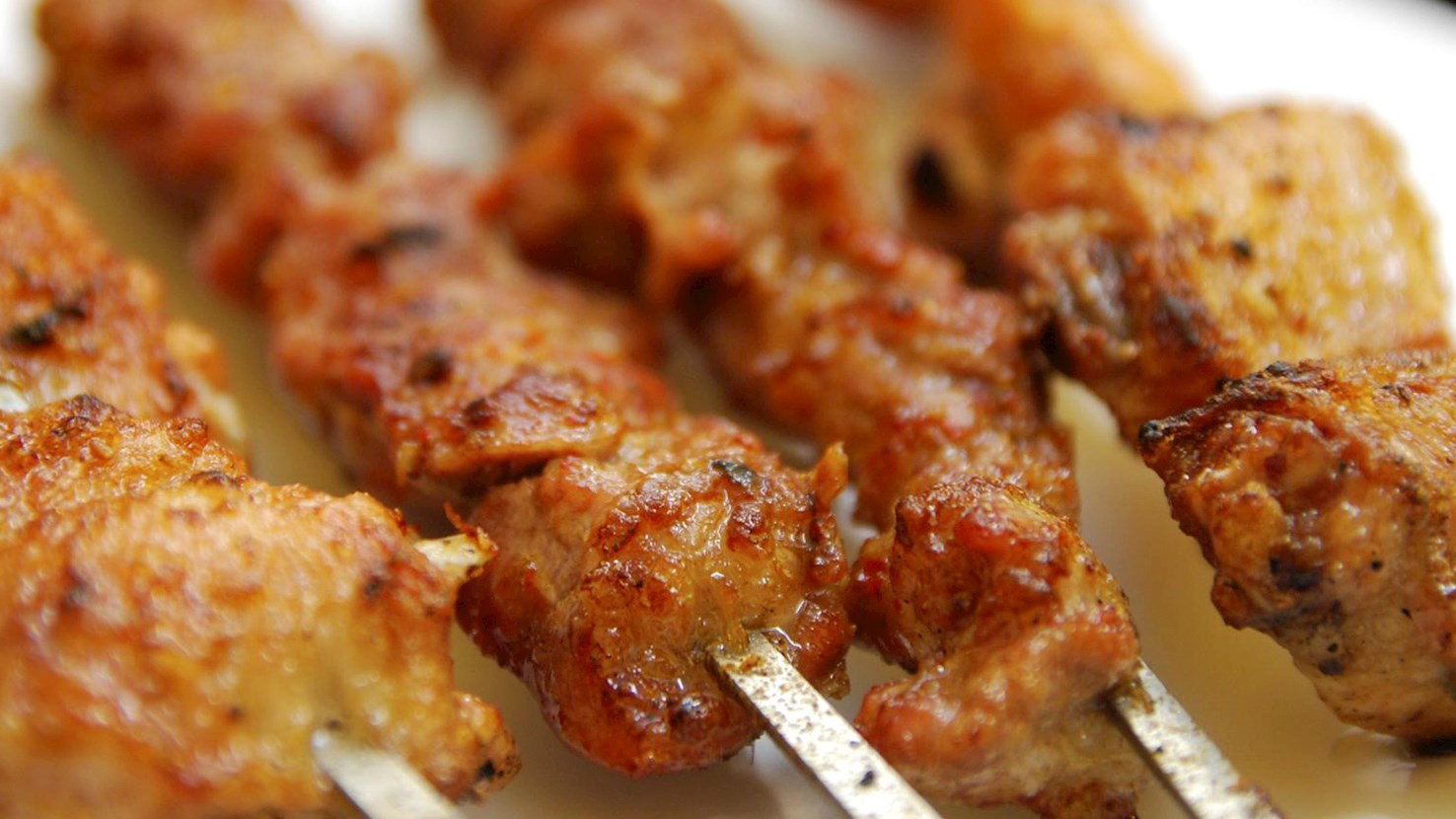
The name of this popular Tanzanian and Kenyan street food dish, mshikaki, refers to skewered pieces of marinated meat such as beef, goat, or mutton that is slowly cooked over hot coals. The meat is marinated in a combination of various herbs and spices that are popular along Africa's eastern coast. The dish is most often enjoyed after dusk, when the vendors start to sell mshikaki at their stalls, and it is said to taste even better when accompanied by sauces or dips on the side.
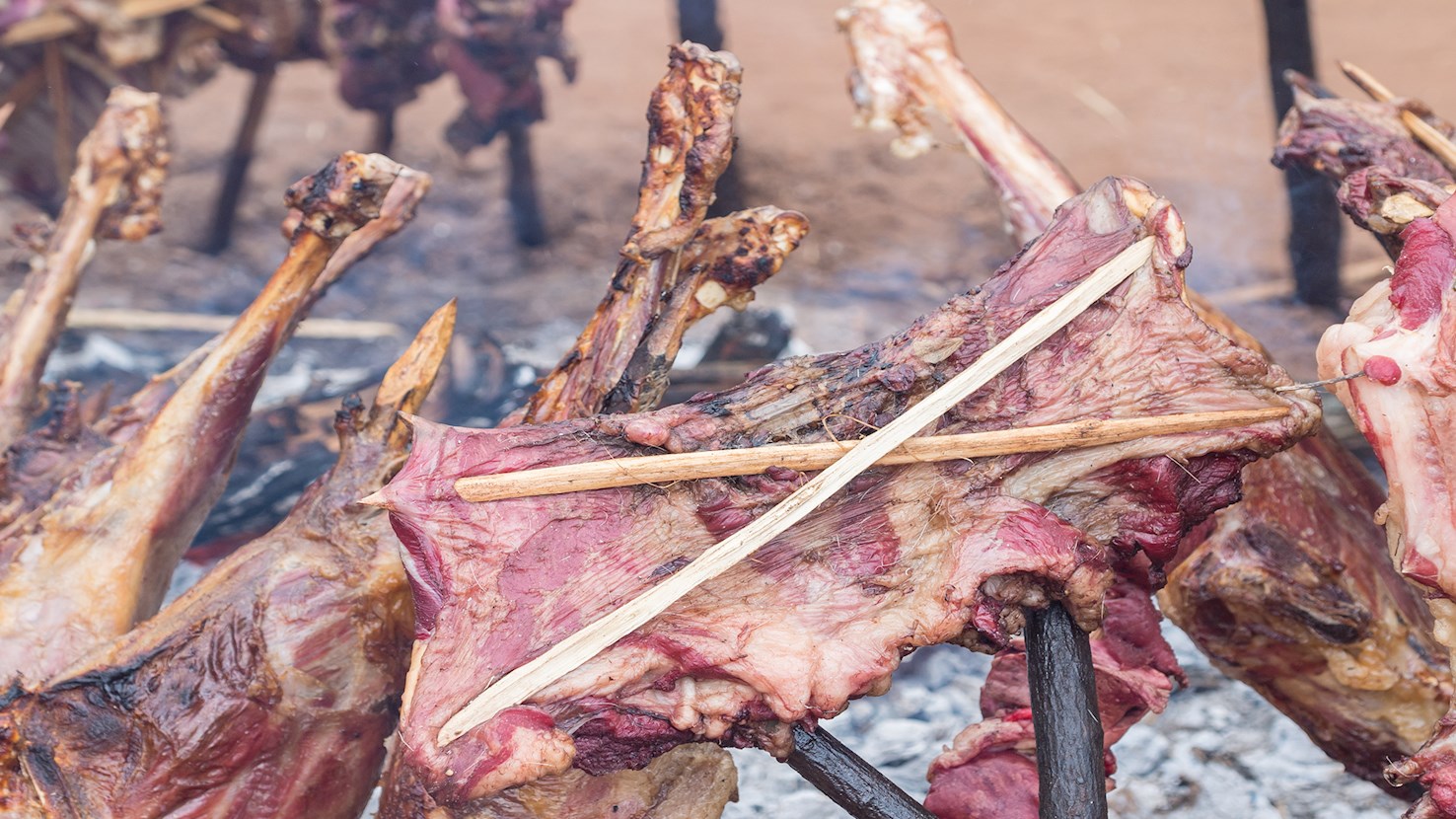
Nyama choma is a grilled meat dish prepared and eaten widely in East Africa, most closely associated with Kenya (unofficial national dish) and Tanzania, where it refers specifically to meat cooked over open heat and served plainly rather than marinated or sauced. Its development follows small-scale livestock-keeping practices in which goats and cattle were slaughtered for communal occasions and cooked simply to highlight freshness, with grilling over wood or charcoal favored for its practicality and for the control it offered without specialized equipment, and the Swahili term itself reflects a direct description of meat and the act of roasting. Preparation centers on cutting goat or beef into large pieces, salting lightly or not at all, and grilling slowly over charcoal or wood embers, turning regularly so the exterior browns while the interior remains moist, with trimming and chopping often done after cooking rather than before to retain juices. Serving is direct and unadorned, with the meat chopped into manageable pieces on a board and placed on a platter, sometimes accompanied by simple sides rather than combined into a composed dish. What distinguishes nyama choma is the minimal intervention between raw meat and fire, as seasonings, marinades, and sauces are deliberately restrained, placing emphasis on cut selection, heat management, and timing rather than on added flavors. It is eaten socially in open-air eateries and homes, often by hand, shared among groups over extended periods, and commonly paired with ugali, kachumbari, or plain bread, while beverages such as local beers, light lagers, or soft drinks are consumed alongside, with water and tea also common depending on context.
TasteAtlas food rankings are based on the ratings of the TasteAtlas audience, with a series of mechanisms that recognize real users and that ignore bot,
nationalist or local patriotic ratings, and give additional value to the ratings of users that the system recognizes as knowledgeable.
For the “4 Worst Rated Tanzanian Street Food” list until June 16, 2026, 50 ratings were recorded, of which 35 were recognized by the system as legitimate.
TasteAtlas Rankings should not be seen as the final global conclusion about food. Their purpose is to promote excellent local foods,
instill pride in traditional dishes, and arouse curiosity about dishes you haven’t tried.