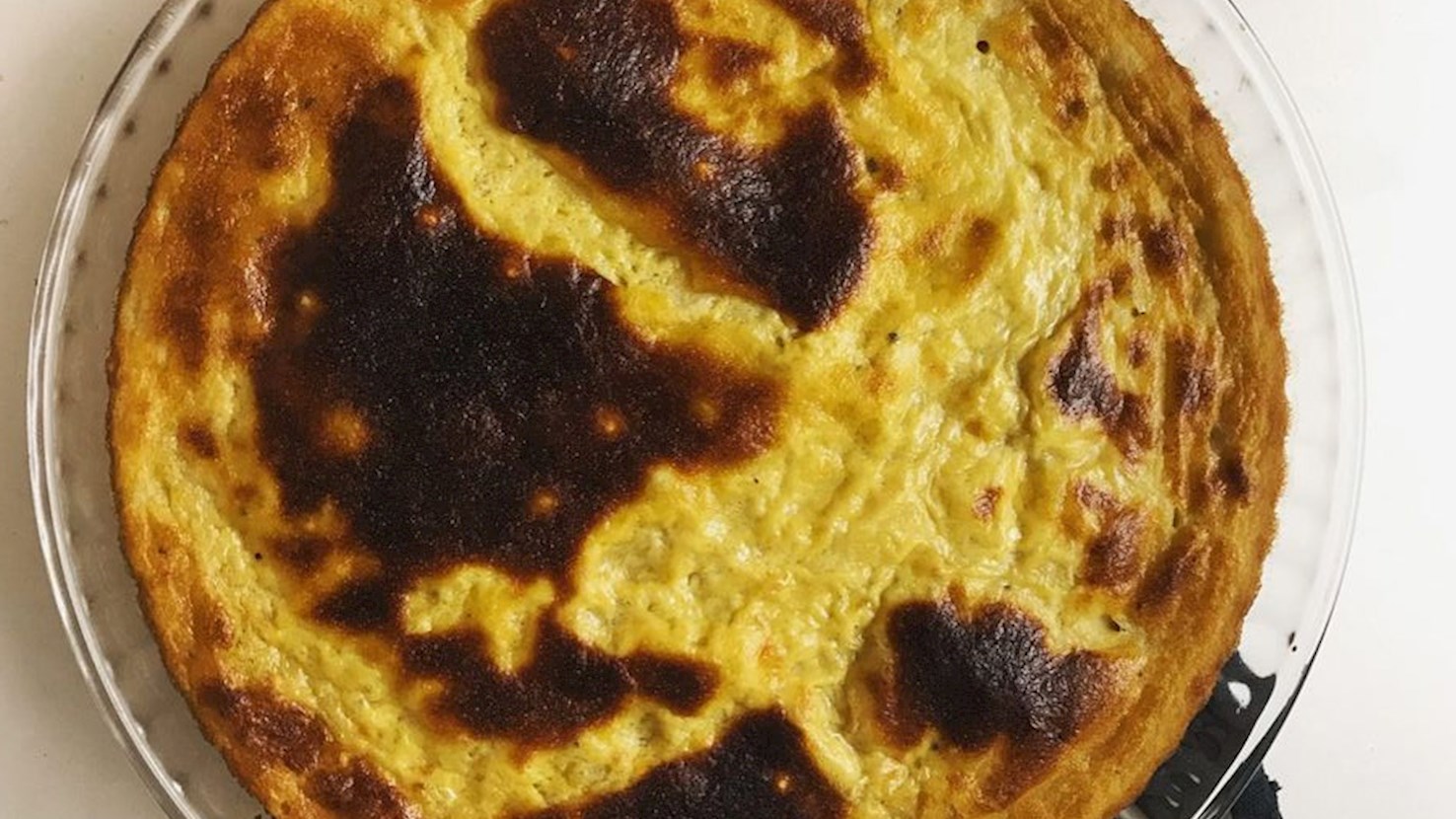
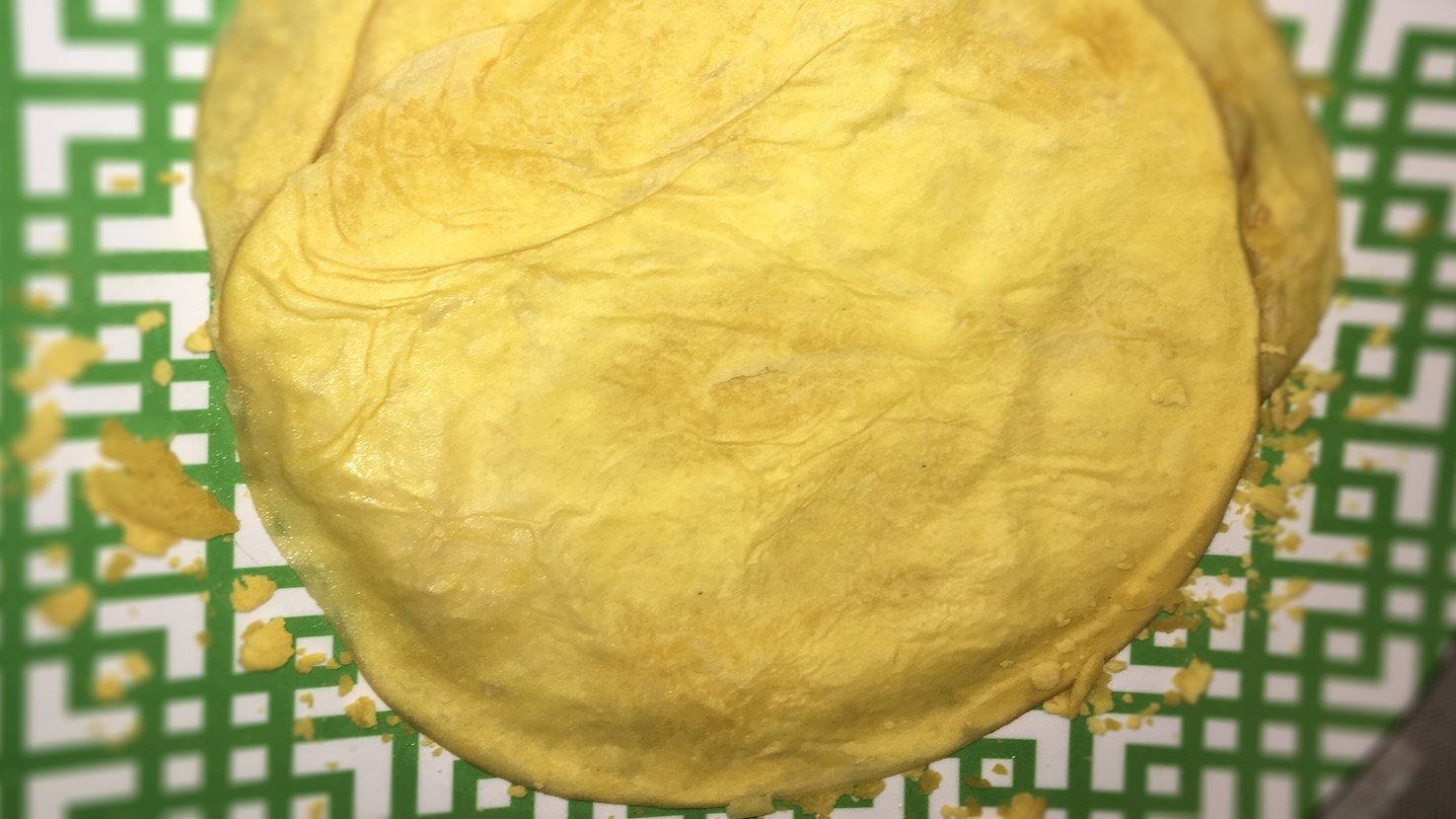
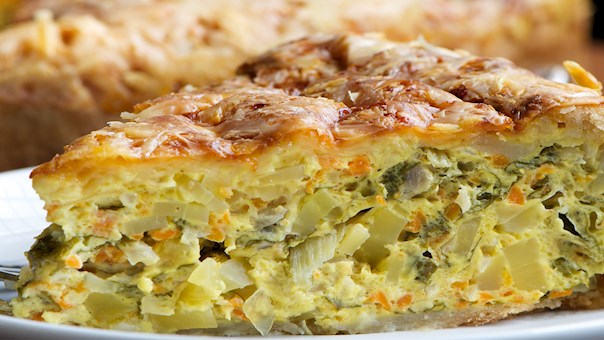
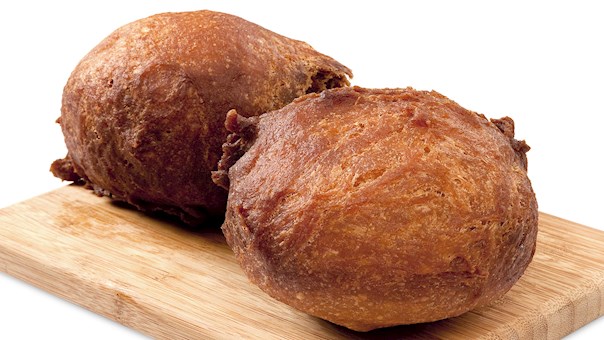
Kalinté is a traditional street bread originating from Tangier. It's usually made with a combination of chickpea flour, eggs, olive oil, salt, lukewarm water, and ground cumin or harissa sauce. Once prepared, the batter should be smooth and chilled for a while before it's baked in a brick oven, usually in a deep-dish pan. The top of kalinté is brushed with oil and it should be golden brown and glazed once it's baked. Kalinté is eaten by the slice, often as a small rectangle, and it's sprinkled with cumin or harissa before serving. The name of this flan-like dish is the Tangier slang word for heat.
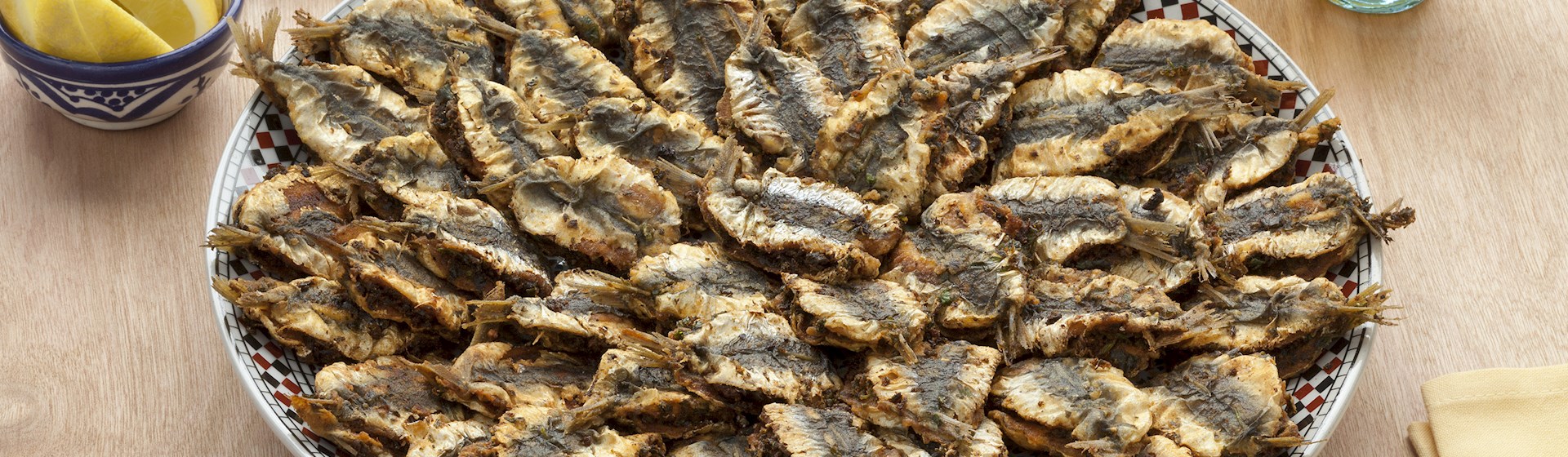
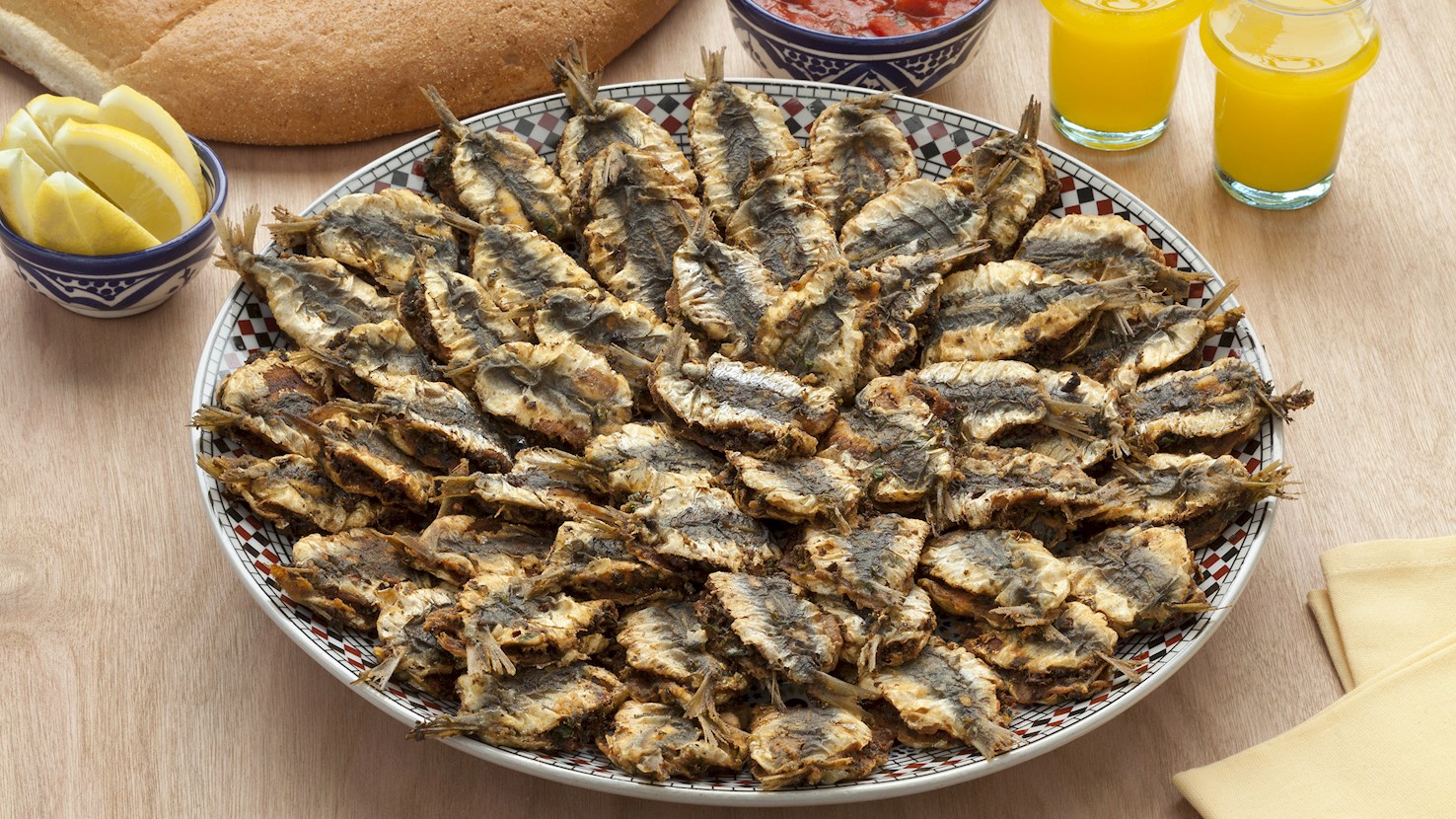
Moroccan stuffed sardines or sardine mzeouej (married sardines) is a traditional fish dish. The dish is usually made by butterflying sardine fillets and stuffing them with chermoula, a concoction made with a combination of garlic, paprika, hot peppers, cumin, salt, olive oil, parsley, lemon juice, and coriander. The sardines are rubbed with chermoula, coated with flour, and fried in hot oil on both sides. Once done, the fried stuffed sardines are served warm or at room temperature, often accompanied by lemon wedges, harissa, or fresh salads based on tomatoes, cucumbers, and onions. The dish is also very popular as a street food item, especially in coastal areas.
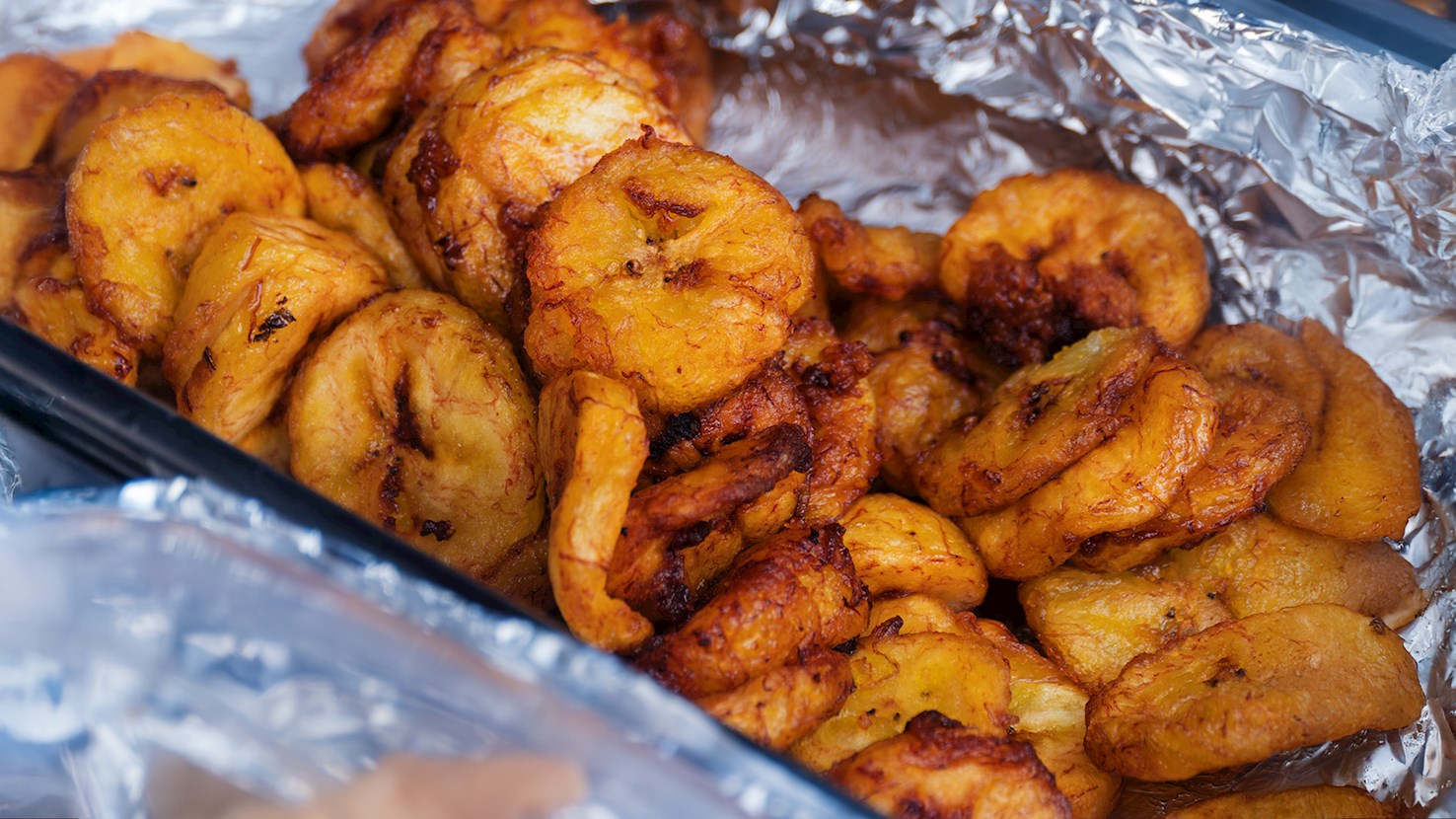
Alloco is a popular Ivorian dish made from ripe plantains that are sliced and deep-fried until golden and caramelized. It originates from Côte d'Ivoire but is widely consumed across West Africa, where plantains are a staple ingredient and fried variations form an essential part of street food culture. The name “alloco” comes from the Baoulé language, spoken in central Côte d'Ivoire, and refers directly to the preparation of plantains as a standalone dish or accompaniment. Its appeal lies in its simplicity and the balance of sweet and savory flavors that result from cooking ripe plantains at high heat until the edges are crisp and the interior remains soft. The preparation involves slicing ripe, yellow plantains into rounds or diagonal pieces, which are then fried in palm oil or vegetable oil until browned and slightly caramelized. The dish is typically seasoned with a touch of salt, and occasionally served with raw onions, chili sauce, or tomato-based relishes to introduce contrast and heat. In many cases, alloco is paired with fried fish, grilled meat, or hard-boiled eggs, transforming it into a complete meal. While its ingredients are few, attention to timing, oil temperature, and the ripeness of the plantain makes a noticeable difference in the final result. Alloco is commonly sold by street vendors and in small restaurants throughout Côte d'Ivoire, where it is consumed as a snack, side dish, or quick meal. Its widespread availability and affordability have made it an everyday food for many, as well as a nostalgic comfort for Ivorians living abroad. Beyond Côte d'Ivoire, similar versions exist under different names in neighboring countries (missolè in Cameroon, dodo in Nigeria) but alloco holds a distinct place in Ivorian culinary identity due to its specific preparation style and presentation.
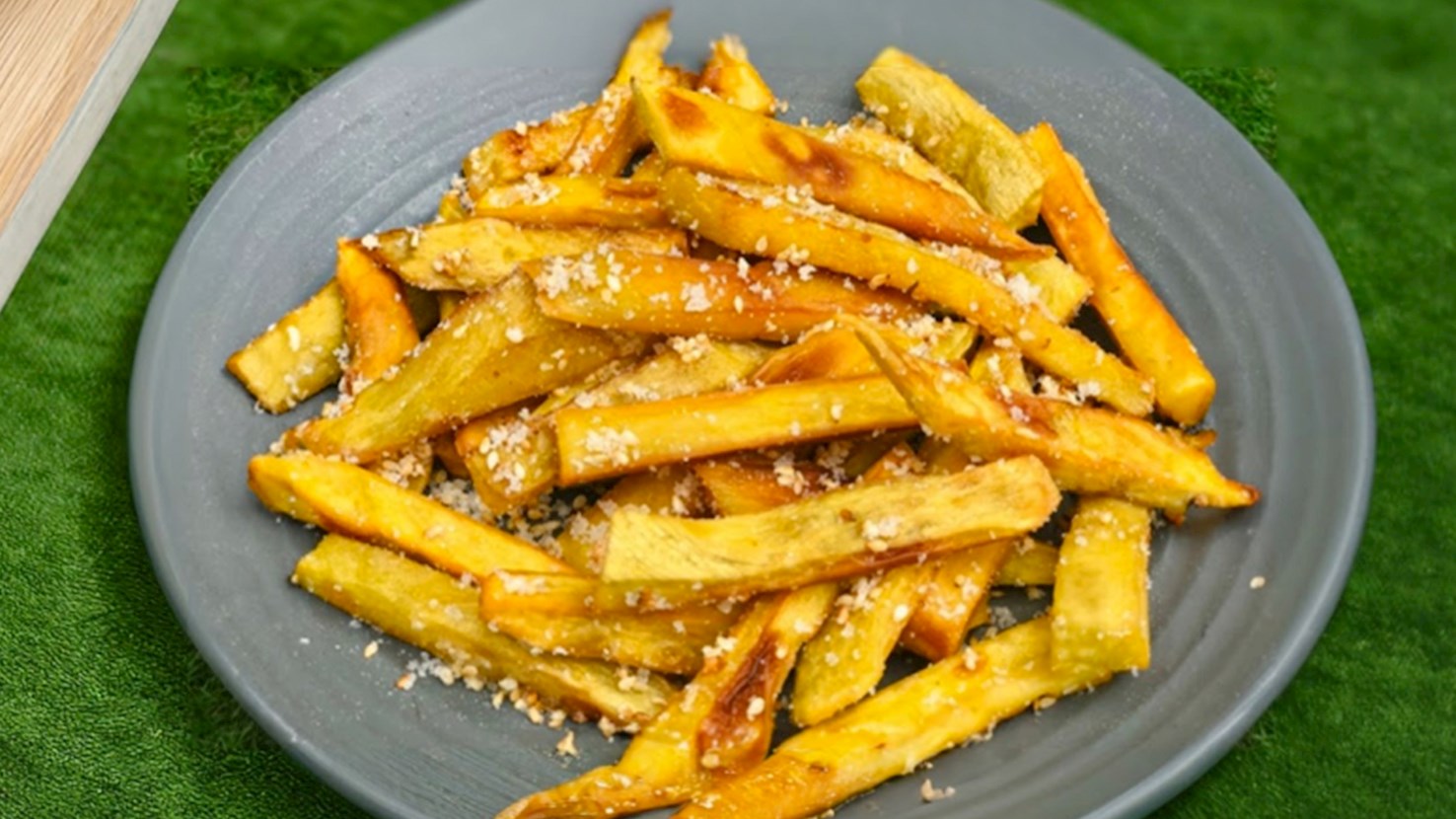
Patates is a traditinal African dish originating from Guinea. It's made with a combination of sweet potatoes, oil, and salt. The sweet potatoes are cut into wedges, seasoned with salt, then fried in hot oil until crisp and deep orange in color. This dish is usually served as a snack that can be found in markets and on roadside stalls throughout the country. Patates are often served with an oily sauce made from tomatoes, onions, and fish sauce. In Guinea, fried sweet plantains are more popular than potatoes. There's also a southern Guinean variation on patates called loco, in which plantain chunks are fried in palm oil.
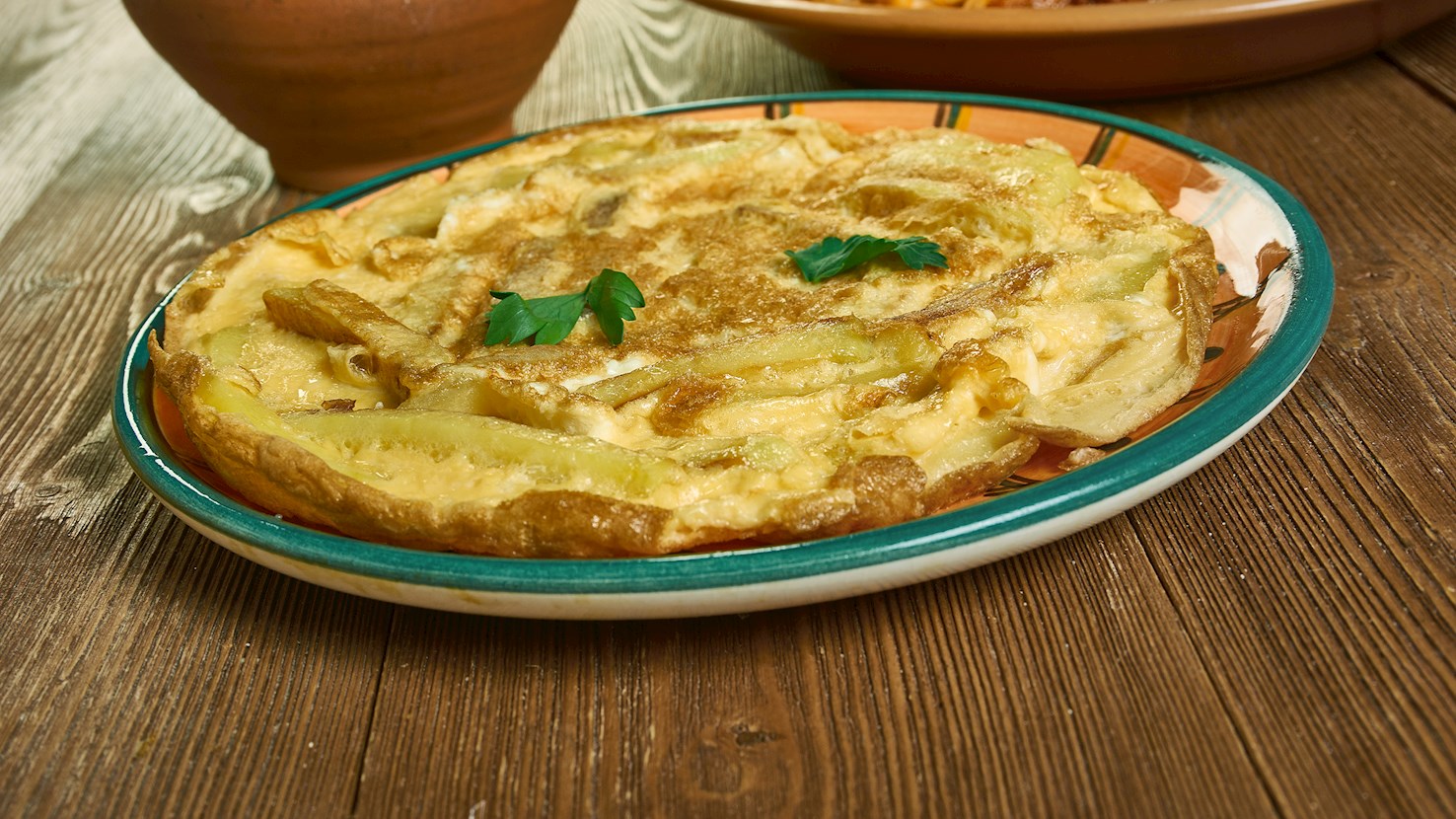
Chipsi mayai or chips and eggs is a staple of Tanzanian street food. French fries are combined with eggs to make a dish that is similar to an omelet with fries dispersed throughout it. Alternatively, the dish can be made with additional ingredients such as bell peppers or onions. It is typically served with kachumbari sauce on the side, consisting of tomatoes, chili peppers, and onions. If you are ever in Tanzania and see a big black wok filled with bubbling yellow oil in front of a restaurant, it is a pretty sure sign that the restaurant serves chips mayai.
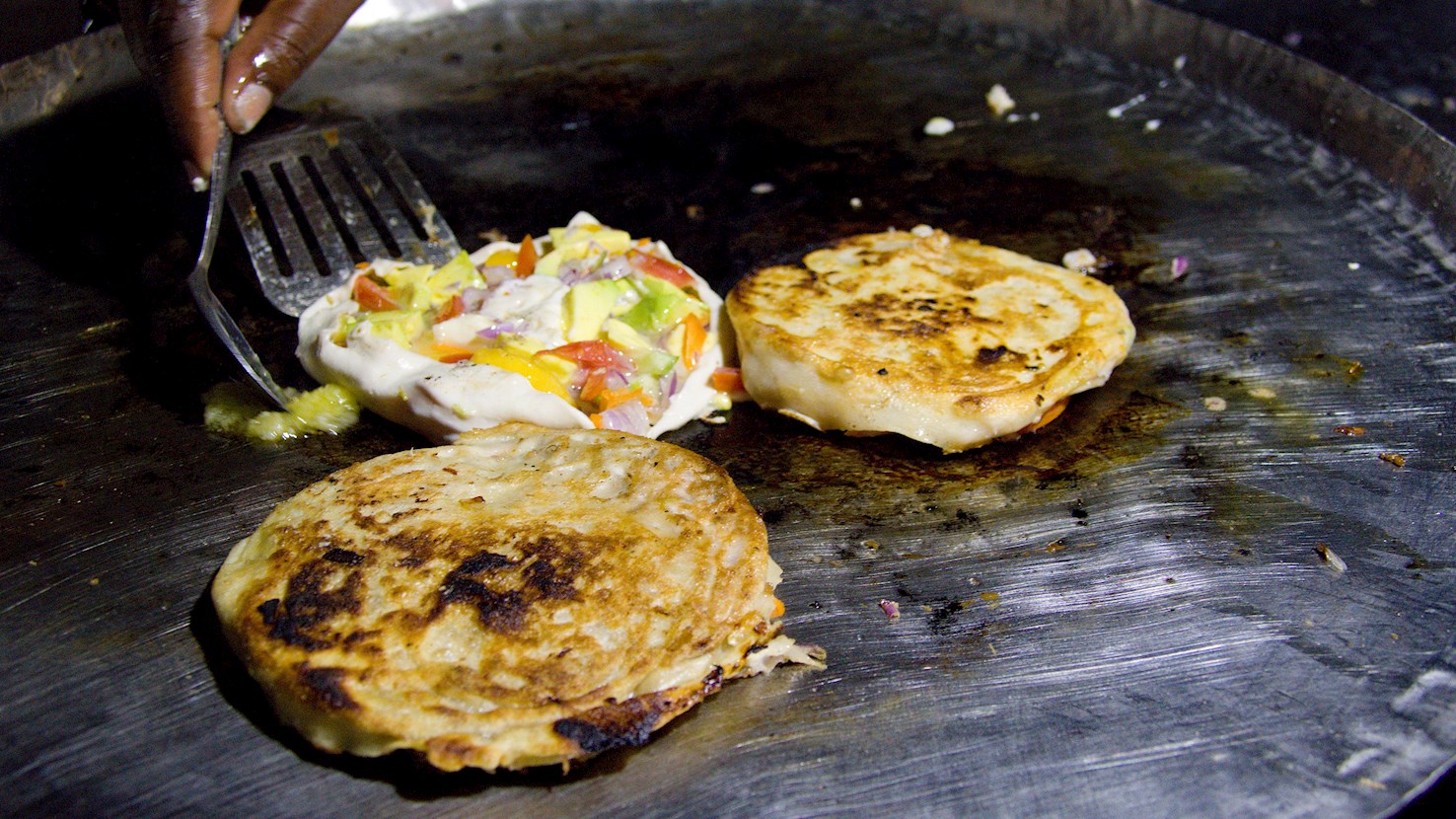
Although it shares the name with the traditional Italian dish, this version from Zanzibar does not have much in common with Italian pizza. It is made unleavened dough that is stretched thin and filled with various ingredients. When filled, the sides are wrapped, and this pancake-like creation is then fried in ghee until it is golden and crispy. The combination of ingredients in the filling may include anything from meat such as beef or chicken, seafood, various vegetables, cheese, mayonnaise, or eggs. Sweet versions often consist of different combinations of bananas, chocolate spread, mangoes, or peanut butter. Although it is not known how and when it originated, this quick and filling snack has become a common sight in Zanzibar. It is mostly prepared and sold by street vendors.
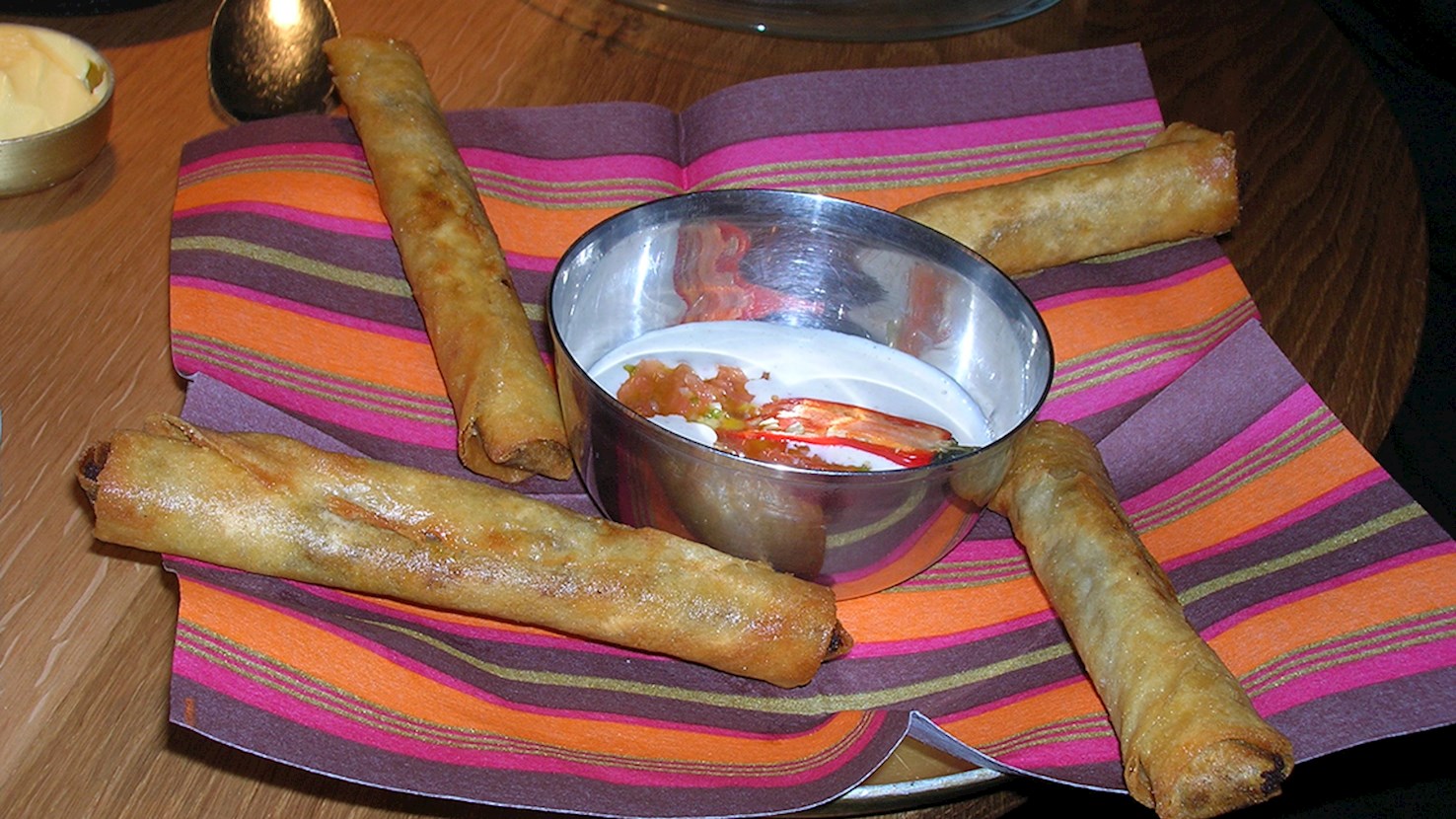
Moroccan cigars are slim, crisp, fried rolls filled most often with spiced ground meat and served as appetizers or snacks in North African and Middle Eastern Jewish cuisines, particularly in communities with roots in Morocco. Despite the name, they have no relation to tobacco products; the term refers only to their cylindrical shape. They emerged from the broader Moroccan practice of using thin pastry sheets for savory and sweet fillings, a technique seen in dishes such as briouat, where phyllo-like warqa dough is wrapped around seasoned mixtures. As Moroccan Jews migrated to Israel and other countries during the twentieth century, the dish became widely known in new settings and eventually entered Israeli street food, catering menus, and home cooking. Preparation begins by making or buying thin pastry sheets, warqa or phyllo, cut into long strips. The filling is cooked beforehand and typically includes ground beef or lamb sautéed with onions and seasoned with paprika, cumin, turmeric, pepper, salt, and sometimes cilantro or parsley. Once cooled, a small amount of filling is placed at one end of the pastry strip, which is then rolled tightly into a cylinder and sealed with a bit of flour paste or egg wash. The rolls are fried in oil until golden and crisp, though some cooks choose to bake them for a lighter version. Variations include chicken fillings, vegetable mixtures, potato-based fillings, or spicier versions using harissa or hot pepper pastes, all shaped in the same narrow form that defines the dish. Moroccan cigars are eaten in Morocco, Israel, and diaspora Jewish communities during holiday meals, Shabbat dinners, and family gatherings, and they also appear as mezze or snacks in restaurants. They are commonly served alongside salads, tahini, preserved lemon sauces, or dips made from peppers or eggplant. They pair well with mint tea, light beers, lemon-based drinks, and dry white wines, which balance the richness of the fried pastry and the spices in the filling.
Dholl puri is a small, pan-fried, stuffed flatbread from Mauritius. It is the most popular street food item on the island, filled with anything from rougaille to chutneys and kheer rice pudding. The dish is consumed throughout the day, either for lunch or as a snack. These flatbreads are also commonly seen at festivities and wedding ceremonies.
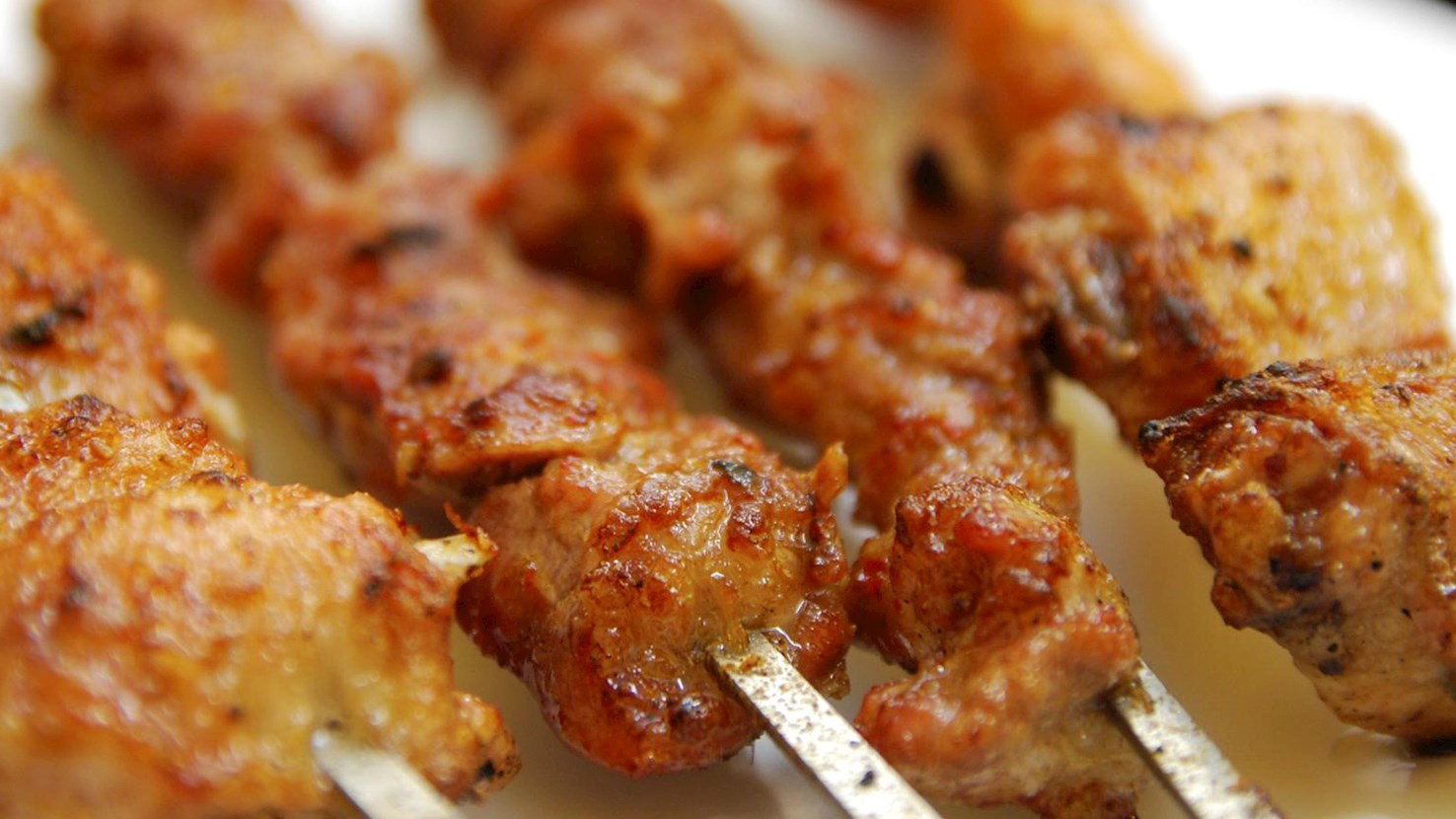
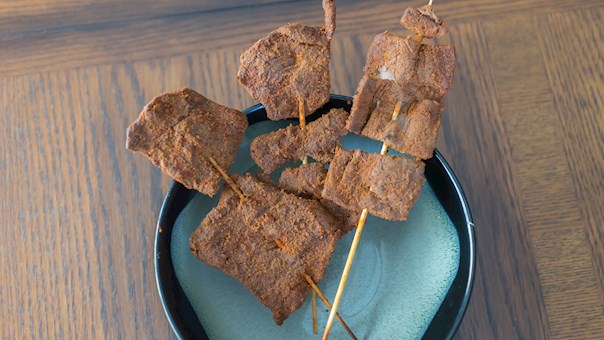
The name of this popular Tanzanian and Kenyan street food dish, mshikaki, refers to skewered pieces of marinated meat such as beef, goat, or mutton that is slowly cooked over hot coals. The meat is marinated in a combination of various herbs and spices that are popular along Africa's eastern coast. The dish is most often enjoyed after dusk, when the vendors start to sell mshikaki at their stalls, and it is said to taste even better when accompanied by sauces or dips on the side.
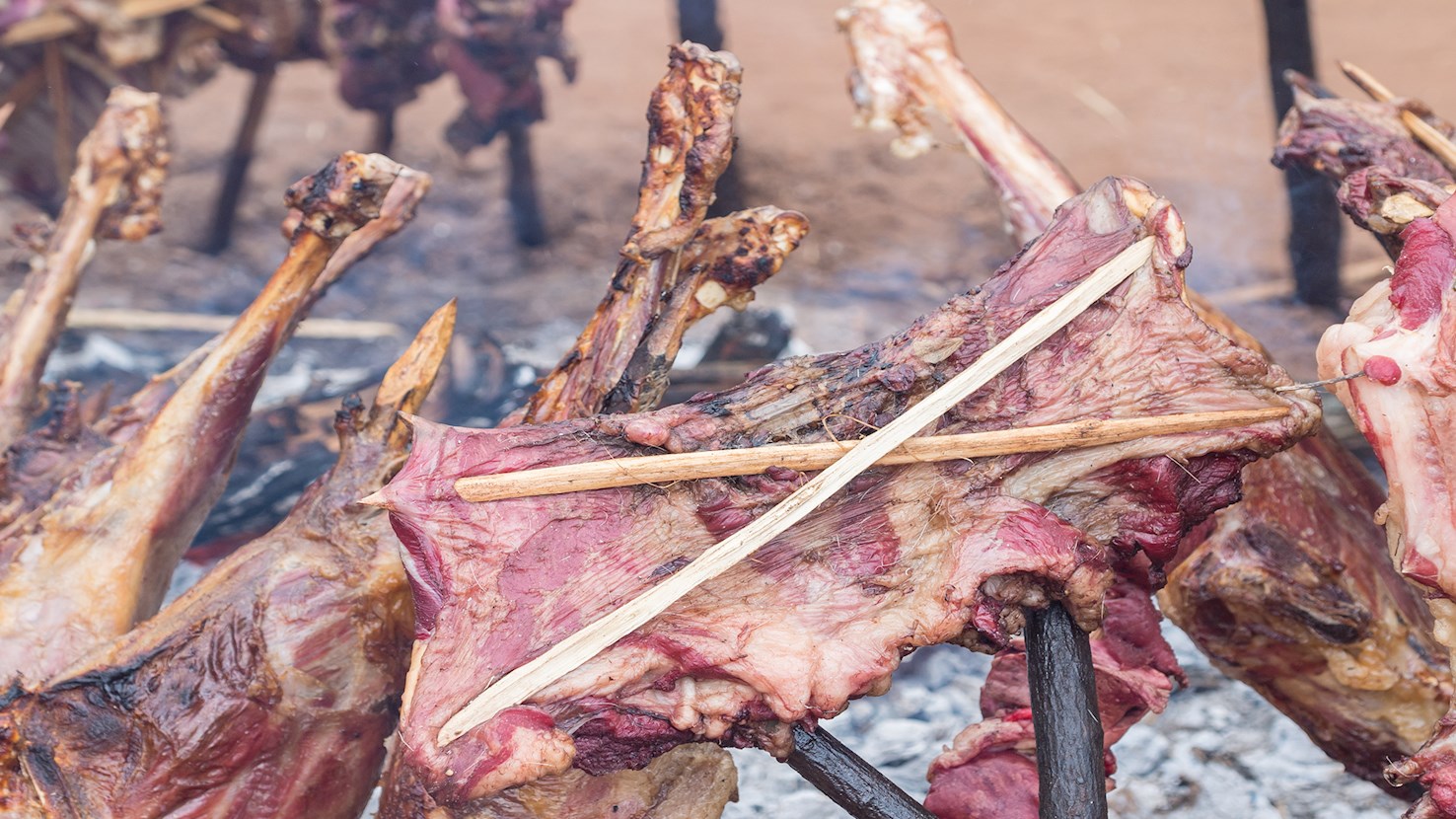
Nyama choma is a grilled meat dish prepared and eaten widely in East Africa, most closely associated with Kenya (unofficial national dish) and Tanzania, where it refers specifically to meat cooked over open heat and served plainly rather than marinated or sauced. Its development follows small-scale livestock-keeping practices in which goats and cattle were slaughtered for communal occasions and cooked simply to highlight freshness, with grilling over wood or charcoal favored for its practicality and for the control it offered without specialized equipment, and the Swahili term itself reflects a direct description of meat and the act of roasting. Preparation centers on cutting goat or beef into large pieces, salting lightly or not at all, and grilling slowly over charcoal or wood embers, turning regularly so the exterior browns while the interior remains moist, with trimming and chopping often done after cooking rather than before to retain juices. Serving is direct and unadorned, with the meat chopped into manageable pieces on a board and placed on a platter, sometimes accompanied by simple sides rather than combined into a composed dish. What distinguishes nyama choma is the minimal intervention between raw meat and fire, as seasonings, marinades, and sauces are deliberately restrained, placing emphasis on cut selection, heat management, and timing rather than on added flavors. It is eaten socially in open-air eateries and homes, often by hand, shared among groups over extended periods, and commonly paired with ugali, kachumbari, or plain bread, while beverages such as local beers, light lagers, or soft drinks are consumed alongside, with water and tea also common depending on context.
TasteAtlas food rankings are based on the ratings of the TasteAtlas audience, with a series of mechanisms that recognize real users and that ignore bot,
nationalist or local patriotic ratings, and give additional value to the ratings of users that the system recognizes as knowledgeable.
For the “16 Worst Rated African Street Food” list until June 16, 2026, 6,099 ratings were recorded, of which 2,271 were recognized by the system as legitimate.
TasteAtlas Rankings should not be seen as the final global conclusion about food. Their purpose is to promote excellent local foods,
instill pride in traditional dishes, and arouse curiosity about dishes you haven’t tried.