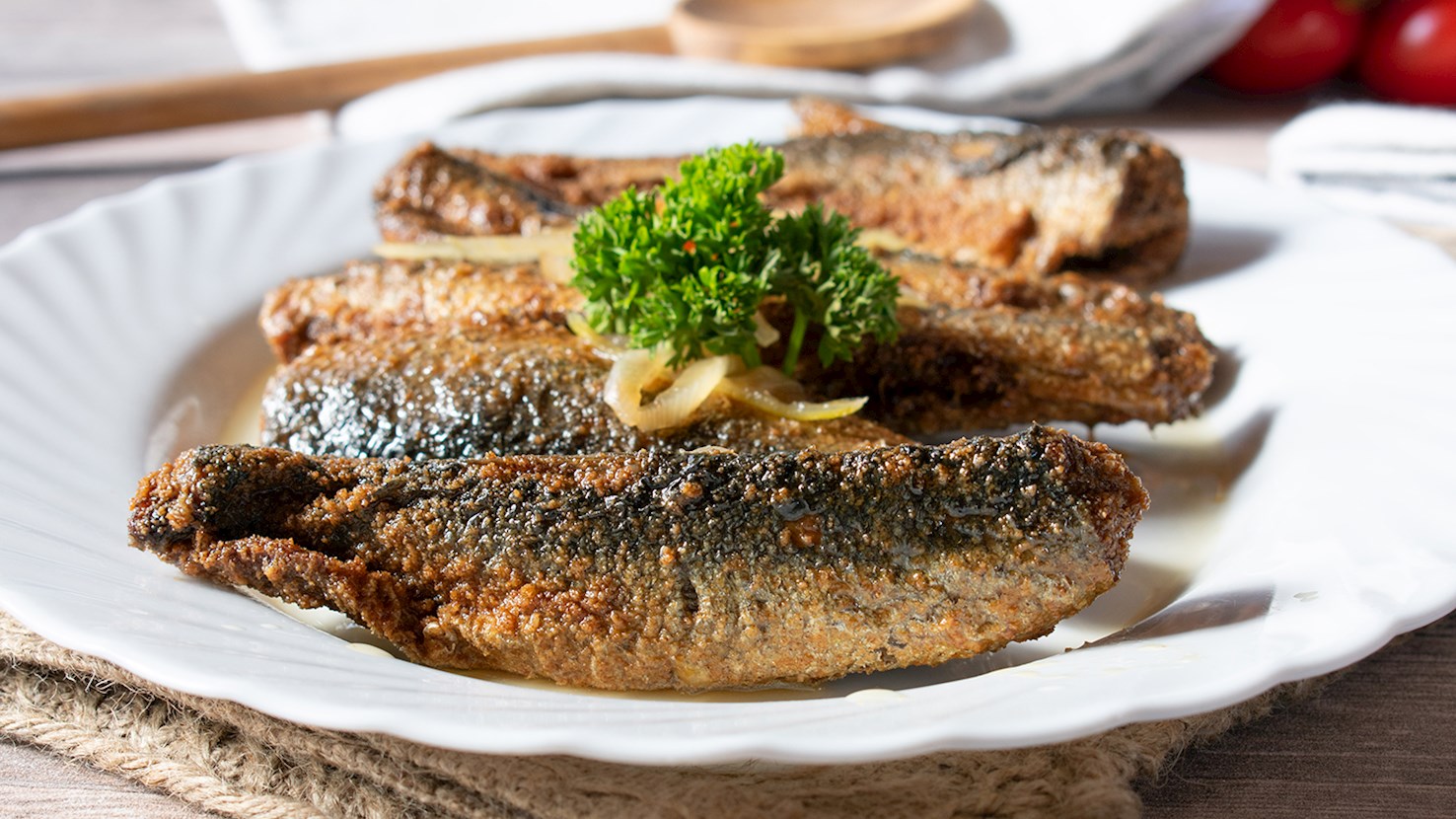
Brathering is a traditional fish dish originating from Germany, consisting of marinated fried herring. Fresh herrings are rolled in flour or breaded, pan-fried, and marinated in a mixture of white wine vinegar, onions, sugar, salt, pepper, mustard seeds, and bay leaves. The dish is traditionally served cold, and it’s typically accompanied by fried potatoes, rösti, or potato salad. The herrings can also be used in sandwiches, and nowadays canned brathering can be bought in most stores. The dish is usually enjoyed for lunch or as a snack at street food stands.
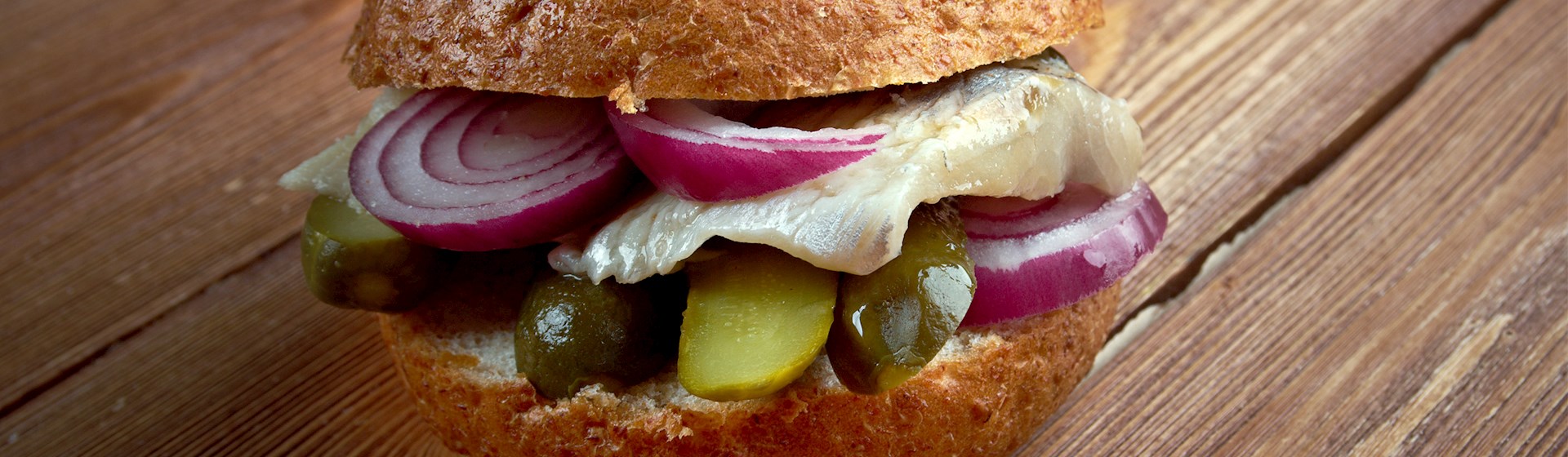
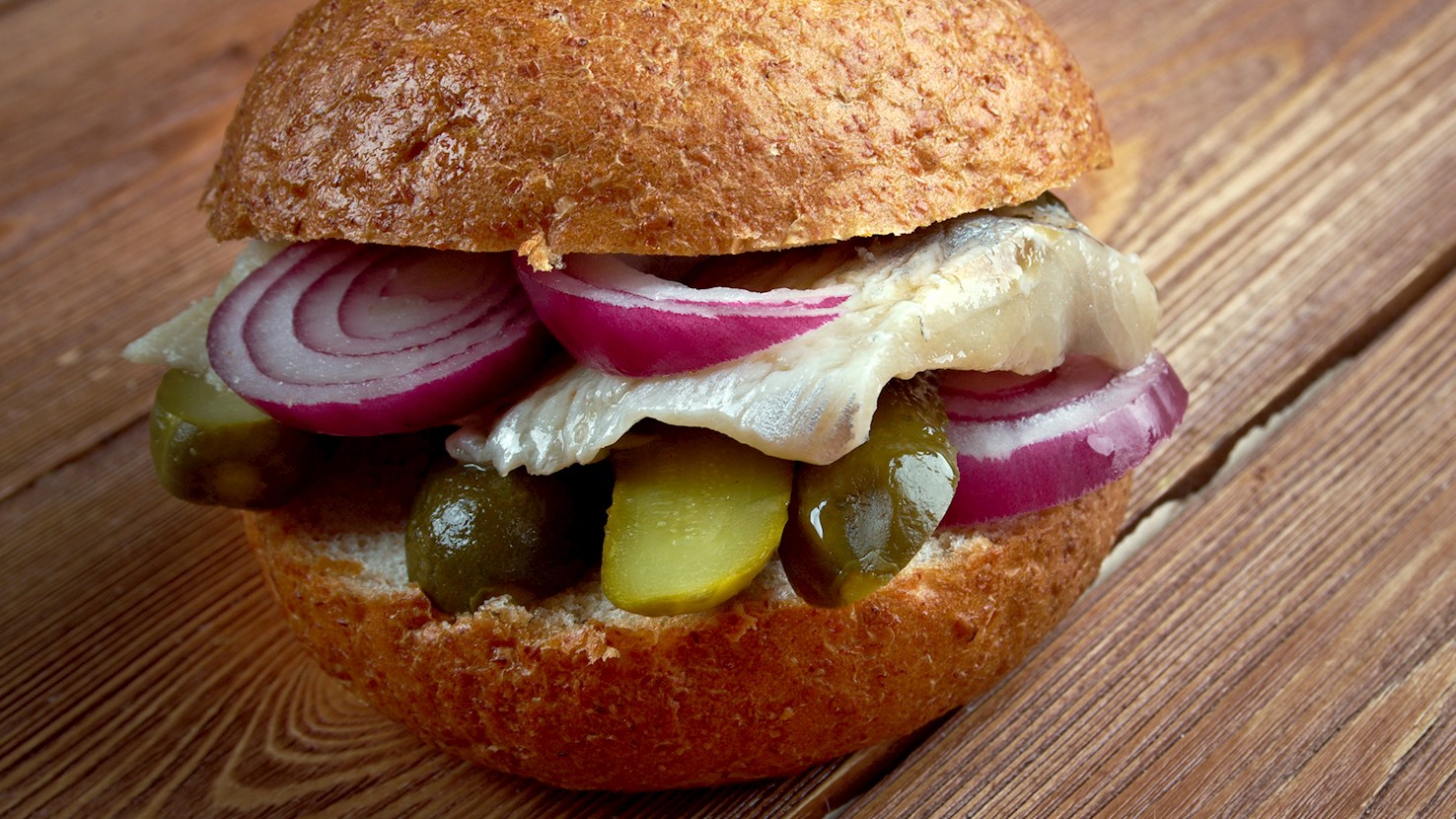
Fischbrötchen is a commonly consumed sandwich in Northern Germany, made with fish and a variety of other ingredients such as pickles, remoulade, onions, lettuce, or horseradish. The ingredients are typically placed in round or elongated bread buns, while the type of fish used in the sandwich is variable – herring, sprat, salmon, and mackerel are among the most common fish used in the preparation of this sandwich, which is commonly served at fast-food stands in the region.
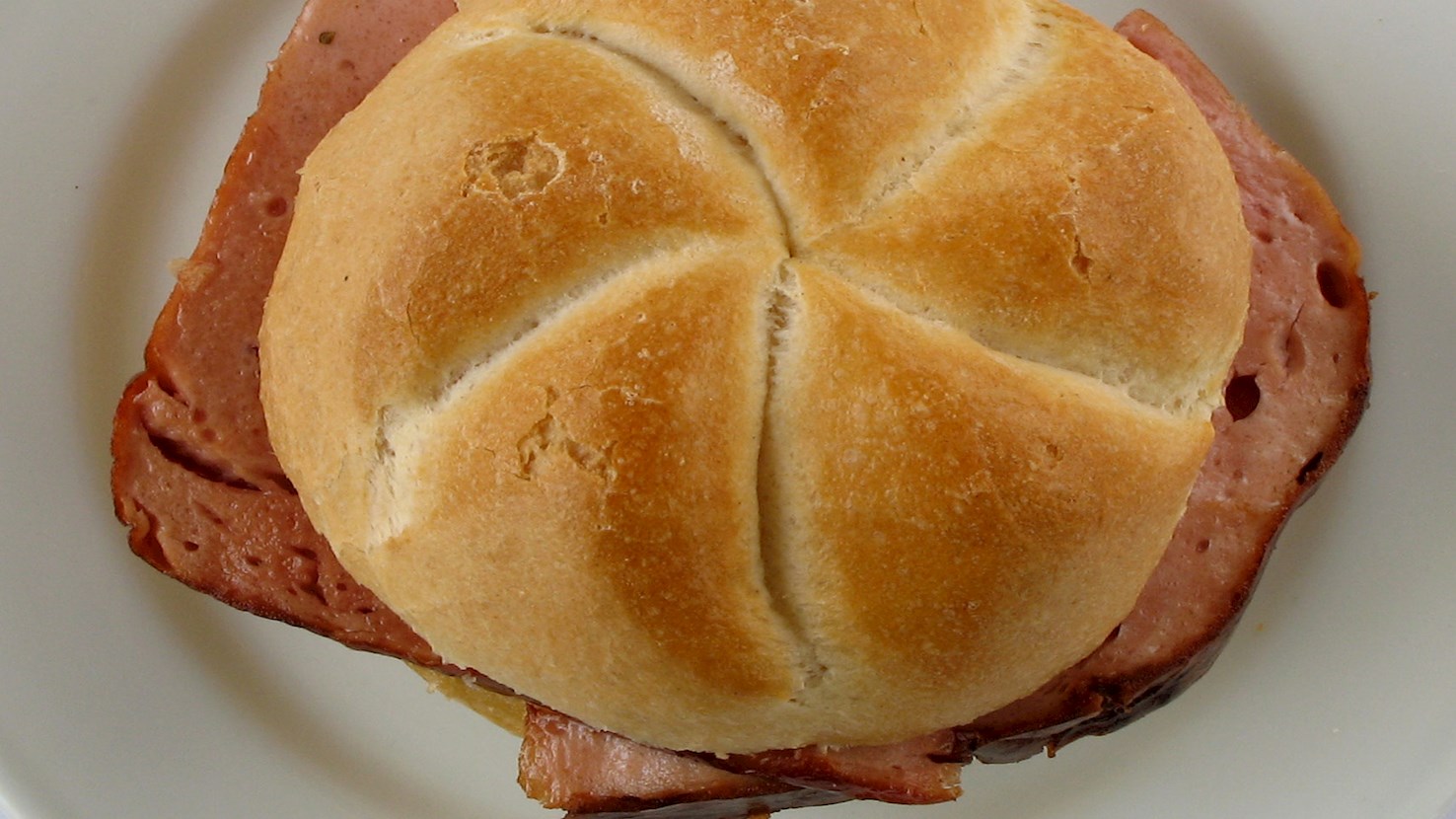
This classic Bavarian and Austrian sandwich consists of a thick slice of leberkäse—a product consisting of ground meat that is baked into a meatloaf—which is served inside a halved bread roll (semmel). Typically, the sandwich will also include a generous slather of sweet mustard. In Bavaria, leberkässemmel is usually served in beer gardens, while the Austrian version is typically prepared and sold at street kiosks.
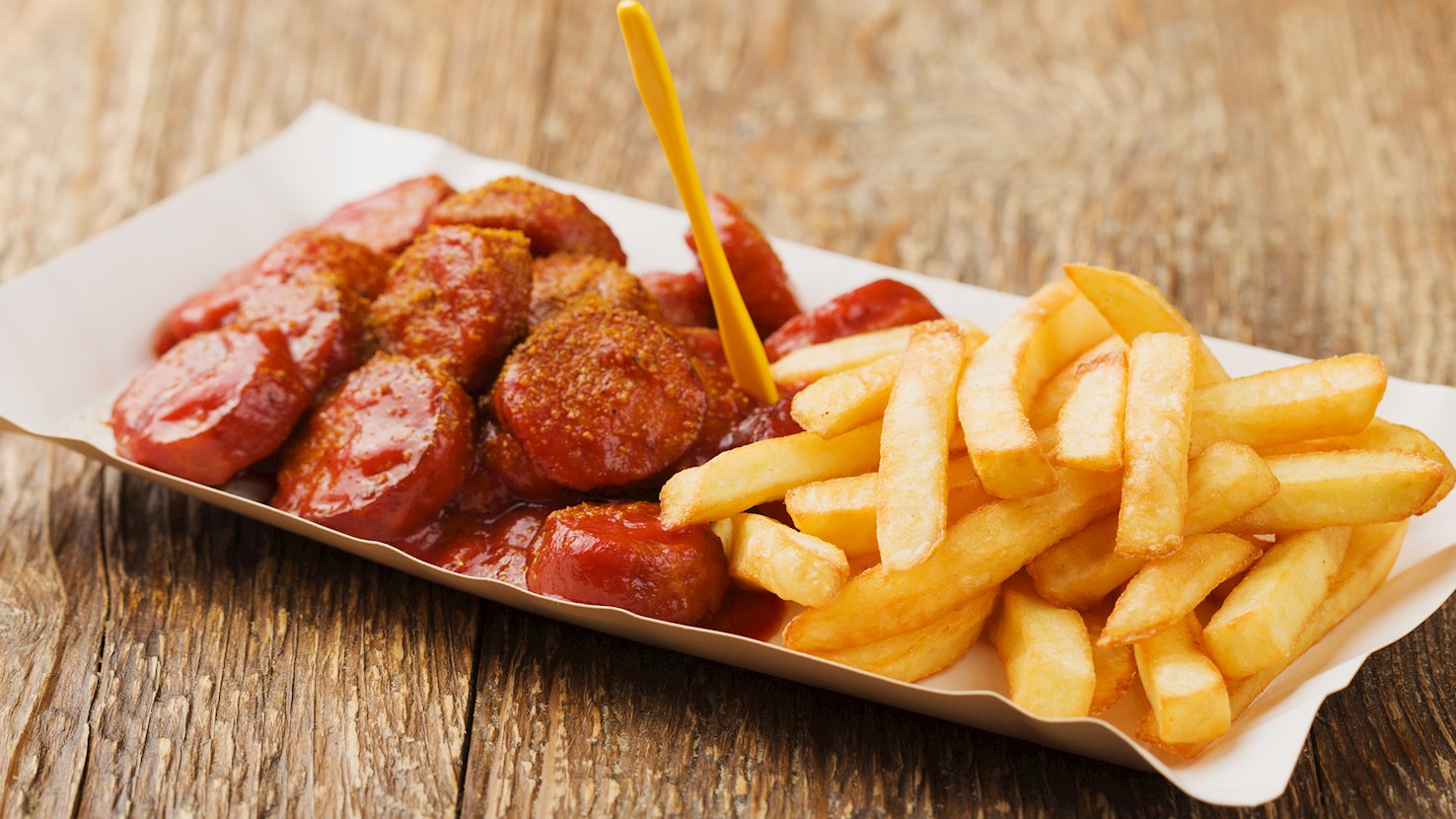
No other dish in Germany is as well known as currywurst, a street snack that has become an indispensable part of Germany’s culinary heritage. The dish is made from two essential parts - boiled and subsequently fried sausage, served whole or sliced, and a smooth and rich curry-spiced tomato sauce. With a portion of french fries or a kaiser roll on the side, the dish is usually lightly dusted with yellow curry powder. A wide range of sausages are used for currywurst, but the famous German bratwurst is the most commonly used variety. The real star of this dish is its gravy-like sauce made with puréed tomatoes and infused with the aromatic curry powder. The popularity of currywurst in Germany has generated numerous legends about its origins. Even though Hamburg is sometimes mentioned as its birthplace, Berlin is the city that is most commonly associated with the invention of this delicious dish. The most famous legend tells the story of Herta Heuwer, a Berlin local who is widely credited as the inventor of the tomato and curry concoction. In 1949, amid the aftermath of World War II, many ingredients were hard to come by and life was tough. However, thanks to Herta’s negotiating skills, she was able to get hold of a hard to come by ingredient – British yellow curry powder. She then mixed it with puréed tomatoes and other spices to create the base sauce, which she served with the sliced sausage. The dish became an instant success. Herta patented her creation and never revealed her original recipe. Later, as currywurst grew in popularity, numerous varieties popped up all over Berlin and the rest of Germany. No two are the same, and every local has their own favorite style and a favorite currywurst place. Germans are so fond of this fast food staple that they have even built a museum in its honor. Located in Berlin, the Currywurst Museum offers a glimpse into the history of the legendary currywurst, as well as a detailed overview of the numerous varieties, cooking styles, and serving options of this famous dish.
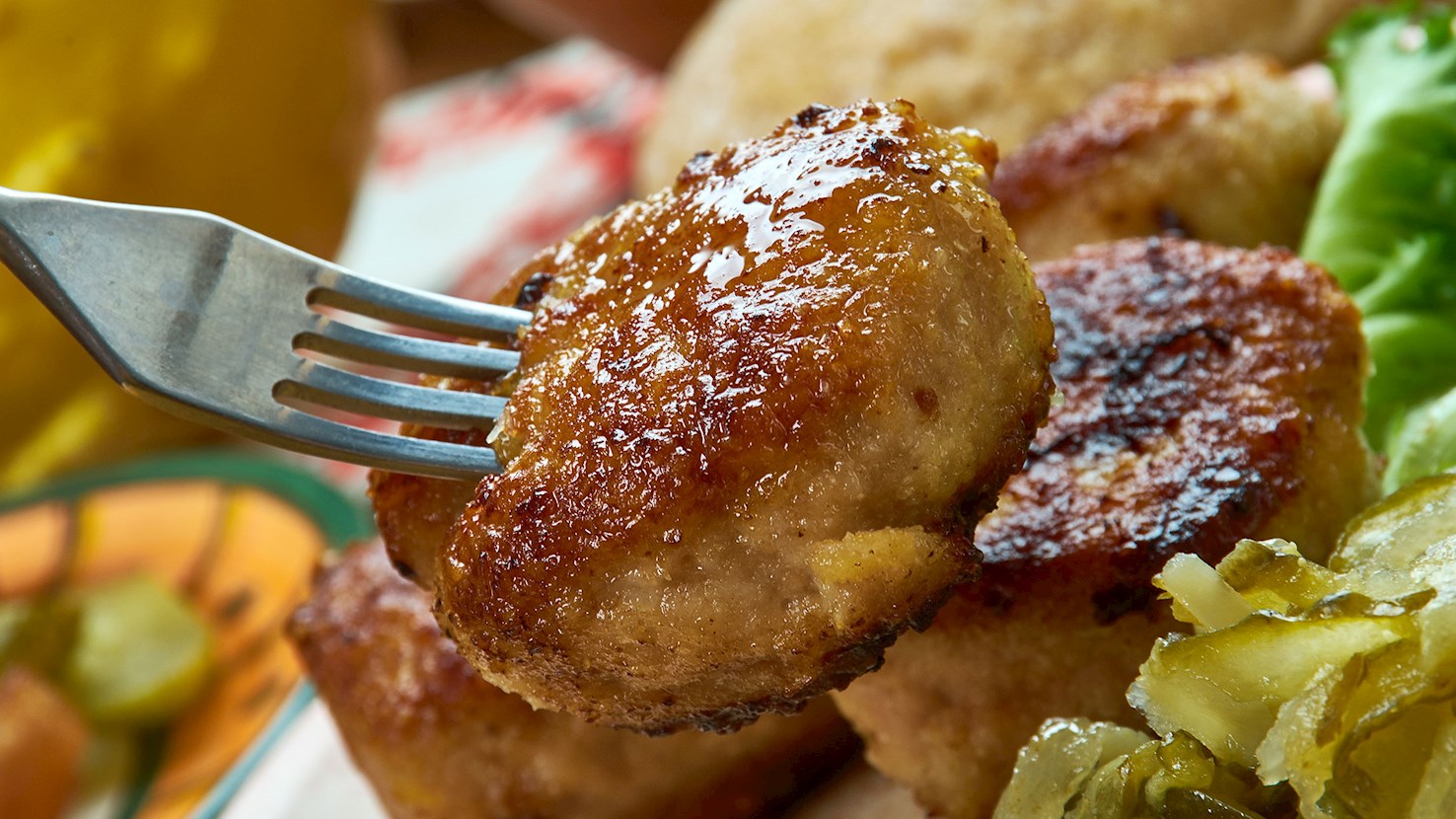
Frikadeller are popular Danish and German meatballs that are usually made with ground pork, with the occasional addition of ground veal. These small meatballs have been prepared and consumed in that part of Europe for more than 200 years. The term frikadelle is German, and there are also many frikadeller sold as street food in Germany, Poland, and throughout Scandinavia. Frikadelle are typically served with boiled potatoes and traditional creamy sauces (for example, Danish brown sauce) on the side, a dish that is usually enjoyed as a hearty weekend meal. Pickled vegetables, mustard, rye bread, potato salad and a variety of other vegetables can also be served alongside frikadeller. However, modern versions use frikadeller in the creation of new dishes such as frikadeller sandwich or frikadeller smørrebrød.
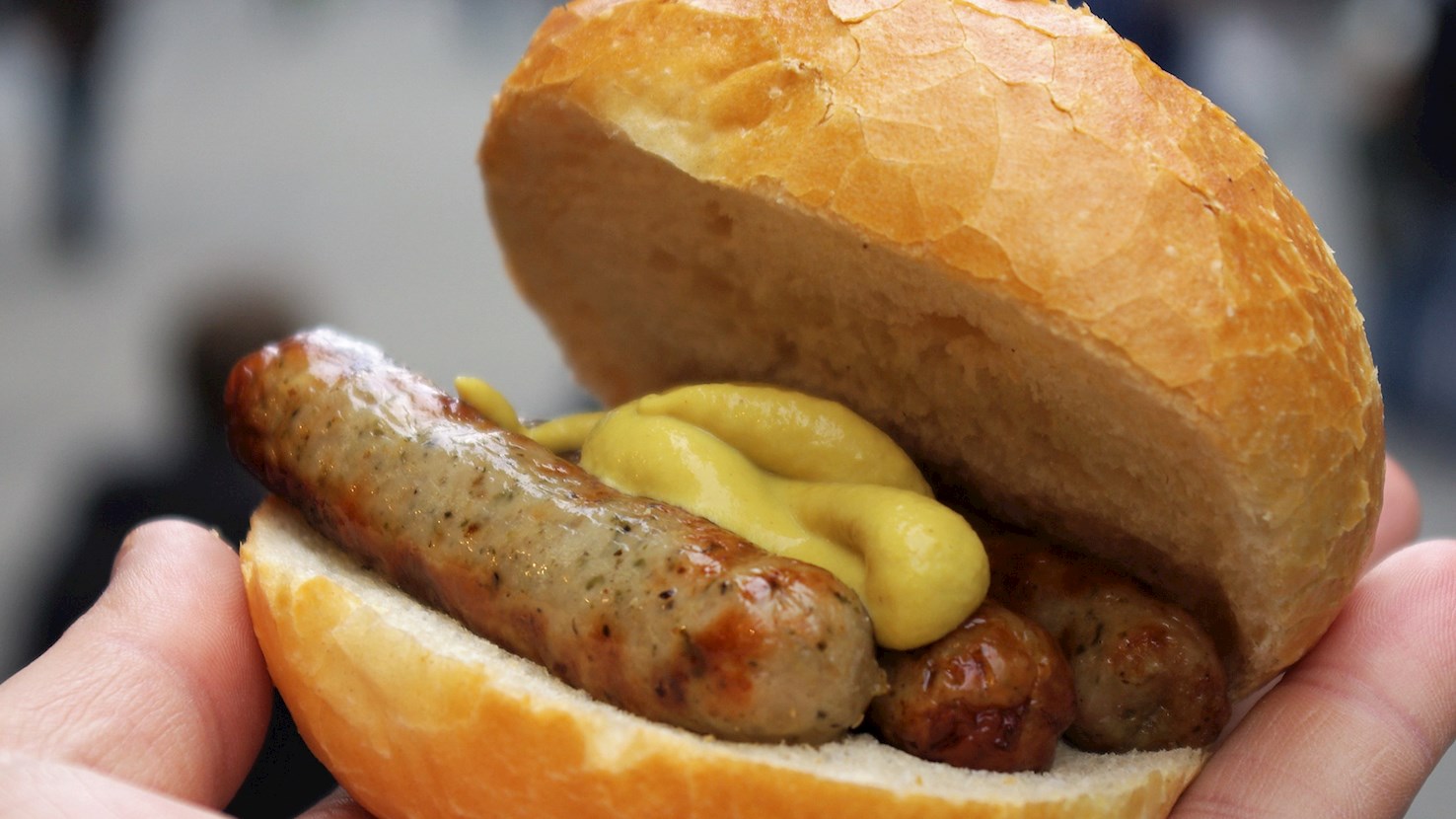
Drei im Weggla is a staple street food in Nuremberg. The sandwich consists of a circular bun that's cut in half and stuffed with three (drei in German) grilled Nürnberger Rostbratwurst sausages with a charred and crunchy skin. The sandwich is completed when the sausages are slathered with sharp yellow mustard. Some vendors even offer sauerkraut on top of it all, but let's be honest, the beauty of this sandwich lies in its simplicity. The bun must be perfectly crisp on the exterior while the inside should be chewy, dense, and yeasty. In the city, Drei im Weggla can be found at restaurants and in numerous food stands, huts, and carts scattered throughout Nuremberg.
TasteAtlas food rankings are based on the ratings of the TasteAtlas audience, with a series of mechanisms that recognize real users and that ignore bot,
nationalist or local patriotic ratings, and give additional value to the ratings of users that the system recognizes as knowledgeable.
For the “6 Worst Rated German Street Food” list until October 16, 2026, 1,647 ratings were recorded, of which 1,424 were recognized by the system as legitimate.
TasteAtlas Rankings should not be seen as the final global conclusion about food. Their purpose is to promote excellent local foods,
instill pride in traditional dishes, and arouse curiosity about dishes you haven’t tried.



What People Say