



shutterstock

36 Worst Rated Indonesian Street Food

Last updated on June 16, 2026
01

Buntil

2.9 ·

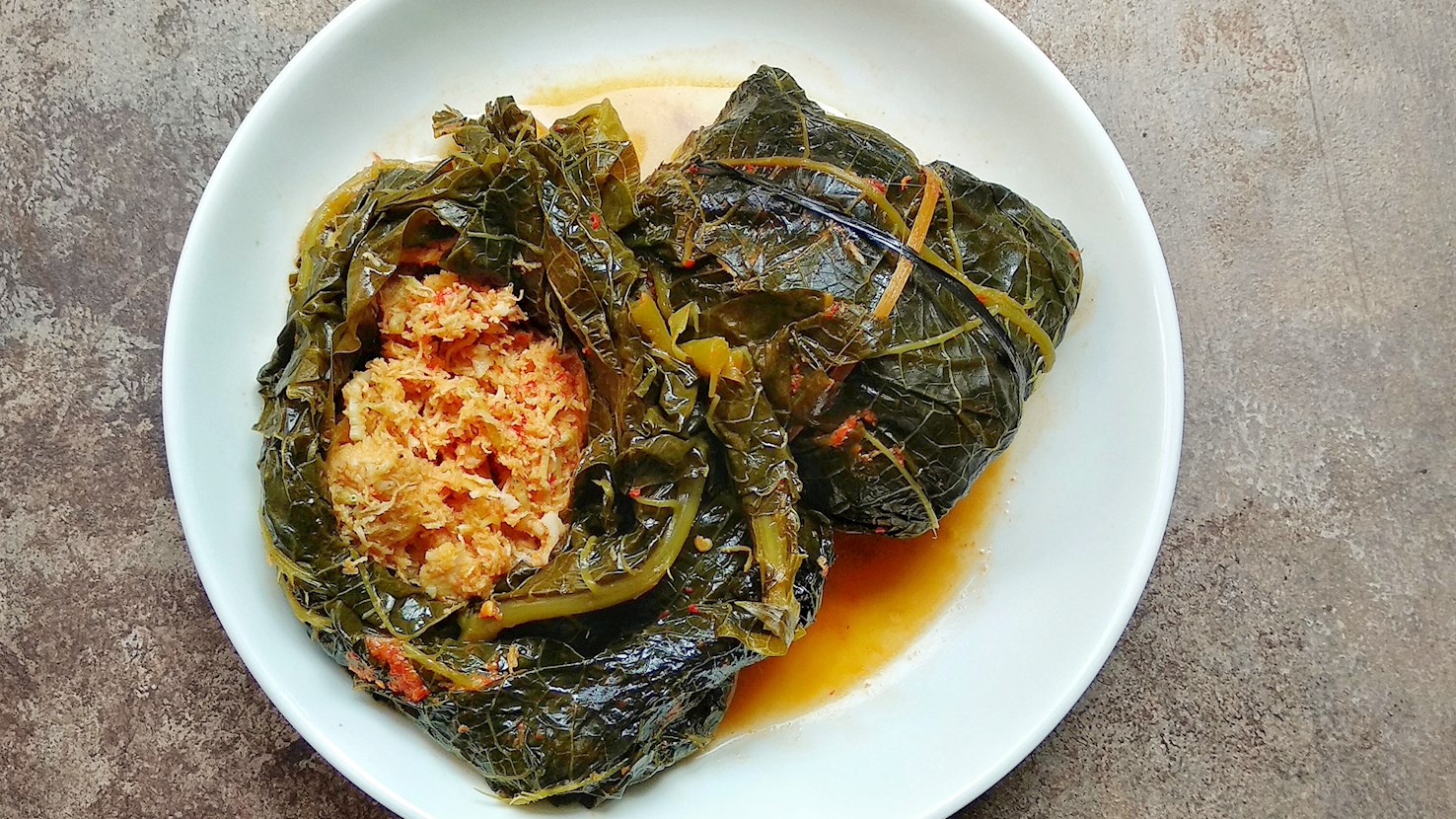
Buntil is a savory Indonesian dish originating from Central Java, that features grated coconut meat mixed with anchovies or dried shrimp, chilies, shallots, and a medley of spices, all tightly wrapped in leaves (typically cassava, papaya, or taro) and then slowly simmered in a rich, spiced coconut milk broth until tender and deeply infused with flavor. This dish is widely associated with home-style cooking in Javanese households, often appearing at communal feasts or during the fasting month of Ramadan, where it is served as part of the evening meal to break the fast. Buntil’s appeal lies in its layered textures and the way it transforms modest ingredients into a dish that feels both hearty and refined. The leaves, once fibrous and raw, become soft and succulent through slow simmering, while the filling takes on a buttery yet structured consistency. While buntil is most often encountered in Javanese kitchens and local warungs, its reputation has spread across the archipelago, appreciated for both its comforting familiarity and its subtle sophistication.

02

Kupat tahu

3.0 ·

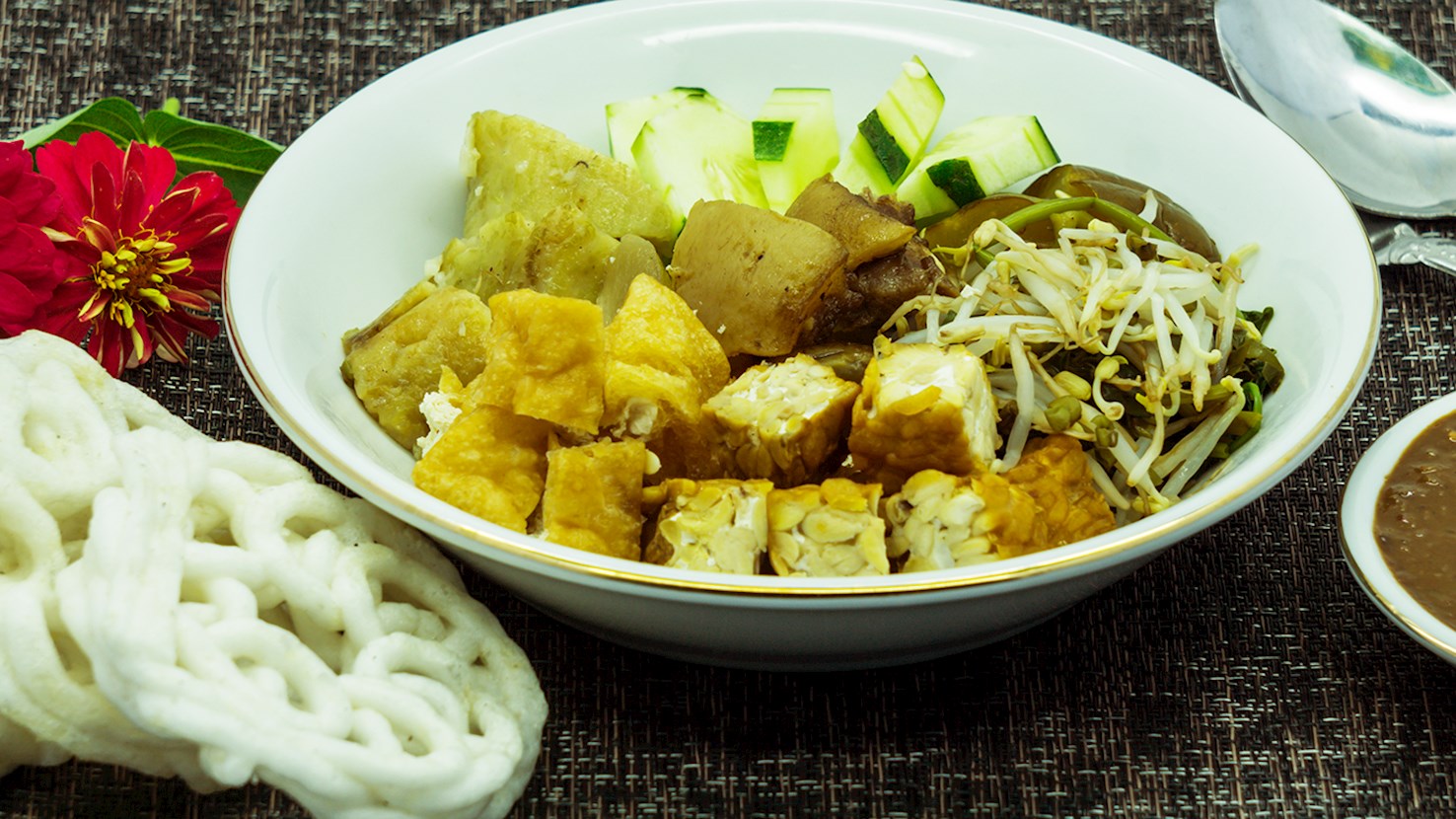
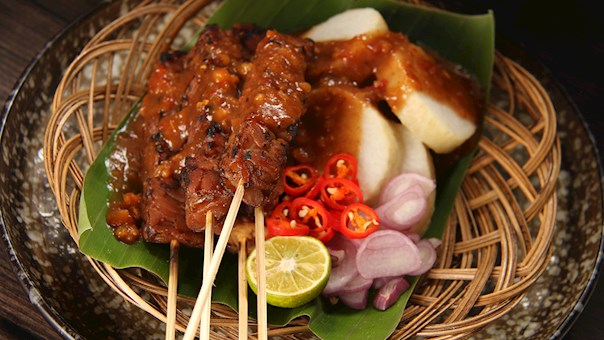
Kupat tahu is an Indonesian dish composed of compressed rice cakes (kupat) and fried tofu (tahu), typically served with peanut sauce and a variety of fresh and savory toppings. It originates from Central Java and West Java, with notable regional versions in cities like Magelang, Singaparna, and Bandung, each offering subtle differences in preparation and flavor. The dish showcases the balance of textures and tastes that characterize Javanese and Sundanese cuisines: soft, chewy rice cakes, crisp tofu, and a rich, slightly sweet peanut sauce made with garlic, chili, palm sugar, and sometimes a touch of tamarind or sweet soy sauce. It is often garnished with bean sprouts, fried shallots, and krupuk, offering contrast in both texture and temperature. Kupat tahu is commonly sold at street stalls and small eateries, especially in the morning or around lunchtime, and is known for being filling, affordable, and comforting. Its variations reflect local preferences: some versions are more garlicky or spicy, others emphasize sweetness or the inclusion of additional vegetables. While modest in appearance, kupat tahu is celebrated for its satisfying combination of plant-based ingredients and its ability to showcase the depth of flavor achieved through minimal but carefully balanced components. It remains a popular everyday food across Java, often prepared at home or enjoyed at warung-style establishments.

03

Rujak petis

3.0 ·

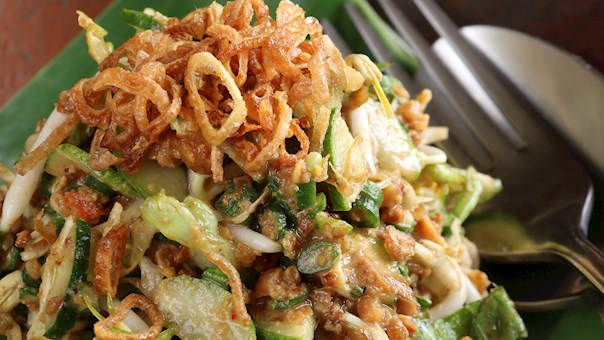
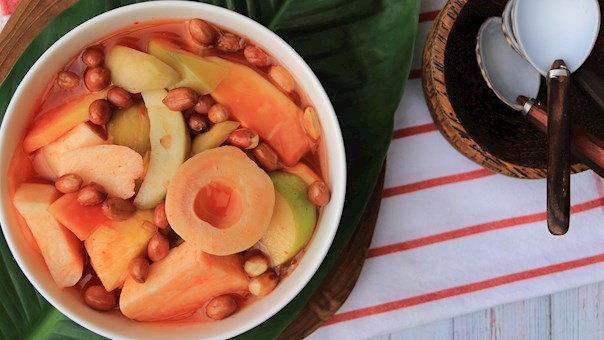
Rujak petis is a savory fruit and vegetable salad that comes from Ponorogo, East Java. The dish is recognized by its distinctive dark sauce made with petis, a thick, sweet fermented shrimp paste that gives it a rich umami flavor. Unlike many other rujak varieties that lean toward sour and sweet profiles, rujak petis is characterized by a pronounced salty depth balanced with palm sugar and tamarind. The base of the salad typically includes slices of cucumber, jicama, unripe mango, water spinach stems, bean sprouts, and sometimes steamed vegetables like long beans. These fresh, crisp ingredients are combined with the sauce just before serving to preserve their texture. Preparation of rujak petis begins by pounding roasted peanuts, bird’s eye chilies, and garlic into a coarse paste. Palm sugar is added along with tamarind water, salt, and a generous portion of petis udang. The mixture is stirred until smooth, forming a thick, sticky dressing that clings to every piece of fruit and vegetable. In many households and street stalls, vendors keep the sauce ready in large bowls and assemble each portion to order by mixing the sauce with freshly cut produce. The final result is a complex combination of crunchy, refreshing bites coated with a concentrated sweet-salty dressing. Rujak petis is widely enjoyed as a snack or light meal, especially during the afternoon. It is often served on banana leaves or small paper wrappers, and sometimes accompanied by krupuk crackers for additional crunch. While it is closely associated with Surabaya and other cities in East Java, variations of rujak petis are found throughout the province, with slight differences in the ratio of petis to palm sugar or in the kinds of vegetables used. The sauce itself is also used in other dishes such as tahu tek and lontong balap, reflecting its importance in East Javanese cooking. Vendors often prepare the petis themselves by simmering shrimp stock and reducing it to a syrupy paste, ensuring a more robust and complex flavor than factory-made versions. In recent years, packaged rujak petis sauce has become popular among people living outside Java, helping spread the dish beyond its original region.

04

Rendang nangka (Jackfruit rendang)

3.0 ·

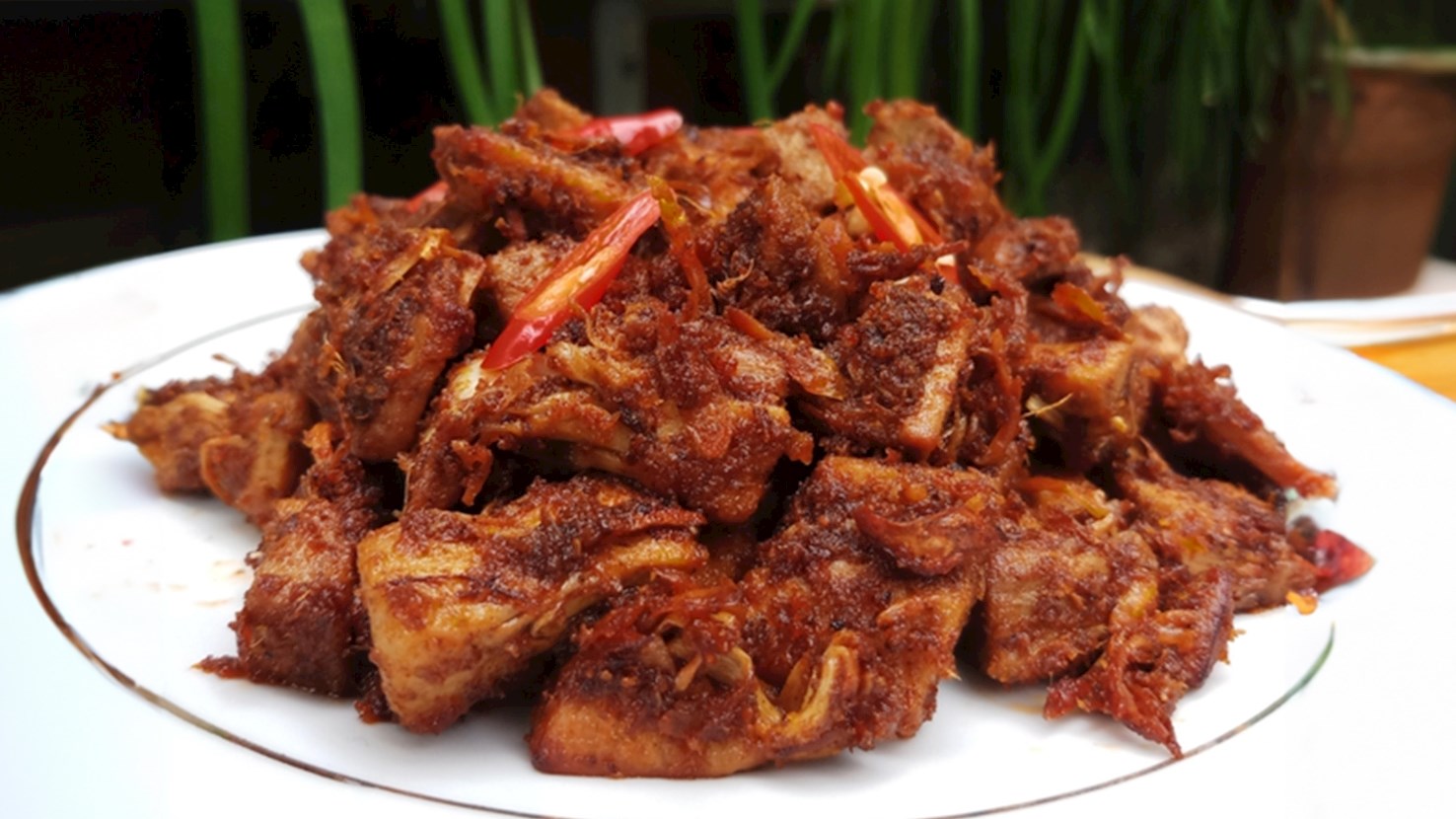
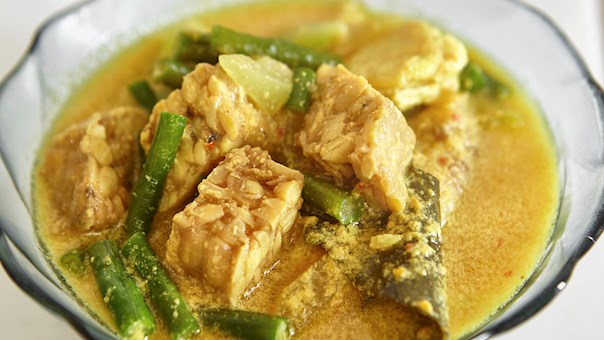
Jackfruit rendang is a vegetarian or vegan version of the classic Indonesian dish known as rendang. Traditional rendang is a rich and tender coconut beef stew that's slow-cooked in coconut milk and a mixture of lemongrass, galangal, garlic, turmeric, ginger, and chilies, among other ingredients. In the jackfruit version, young, unripe jackfruit is used as a substitute for beef. Young jackfruit has a neutral taste and a meaty texture, making it an excellent plant-based alternative for absorbing the complex flavors of the rendang sauce. When cooked, the jackfruit becomes tender and flaky, mimicking the texture of slow-cooked meat. Jackfruit rendang is prepared similarly to the meat version, starting with sautéing a spice paste (rempah) made from grinding together the spices and aromatics. Coconut milk is then added, along with the jackfruit and sometimes kaffir lime leaves and tamarind paste for additional flavor. The mixture is simmered slowly until the jackfruit is tender and has absorbed the flavors of the spices, and the coconut milk has reduced to a thick, rich sauce that clings to the jackfruit pieces. Jackfruit rendang is usually served with rice, much like the original meat-based rendang.

05

Tahu campur

3.0 ·

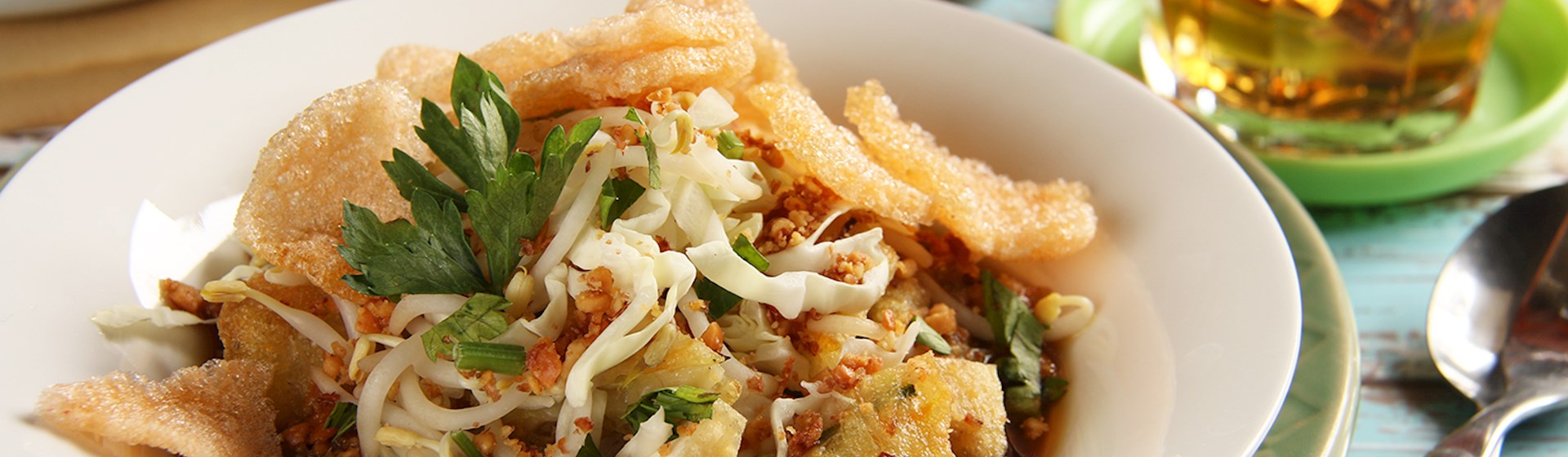
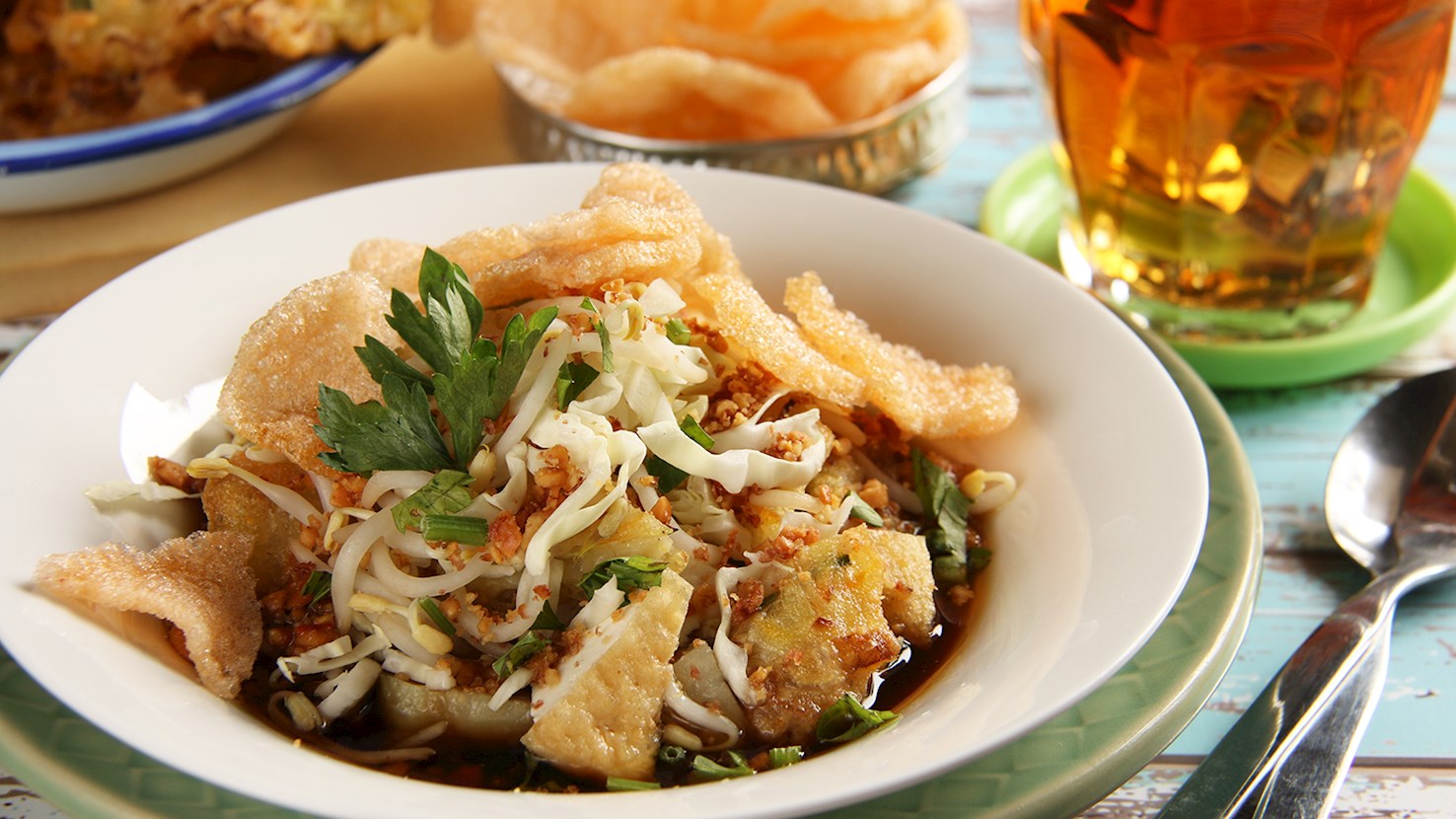
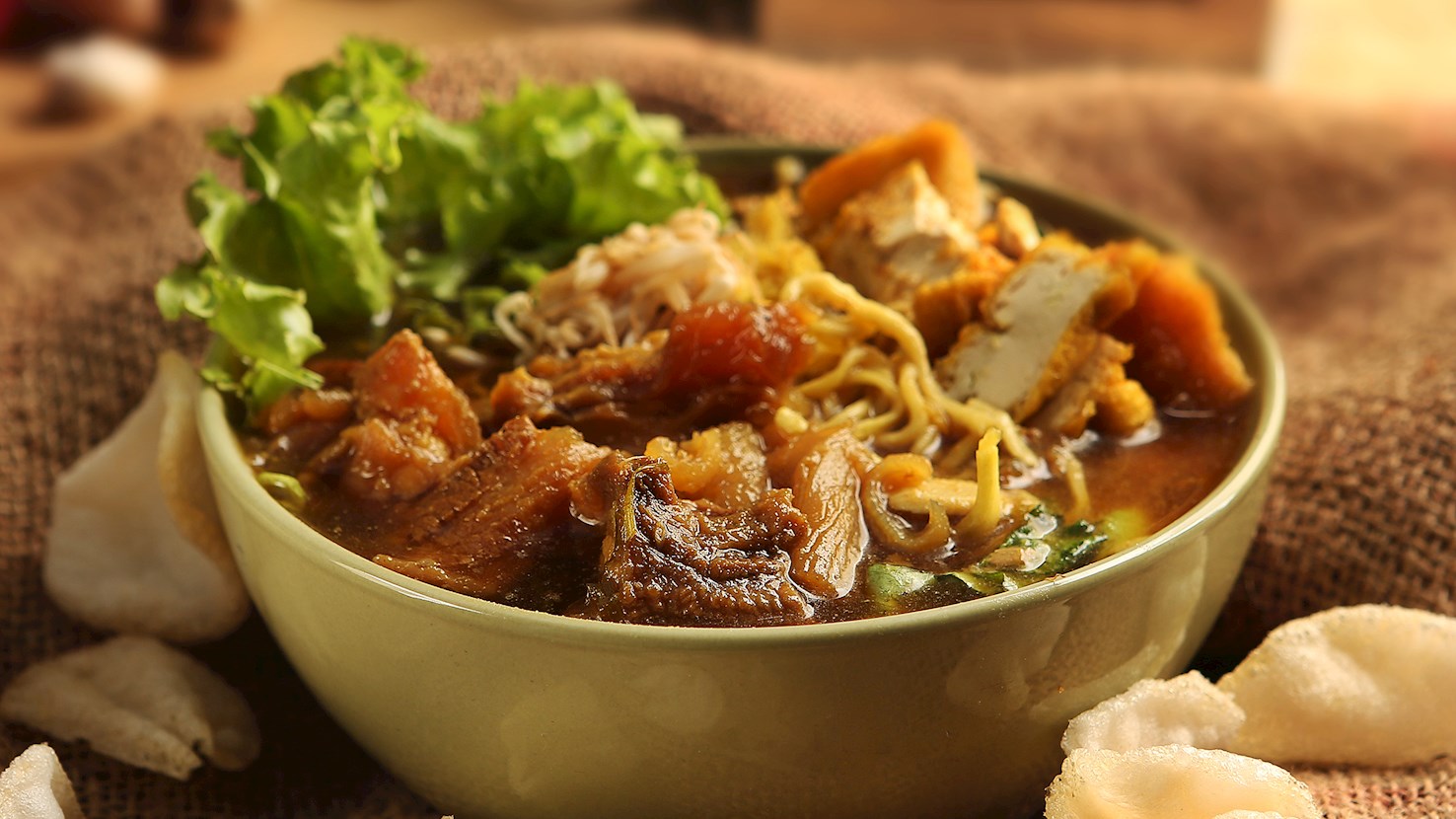
Tahu campur is a an Indonesian soup originating from East Java, particularly associated with the city of Surabaya and its surrounding towns. The name translates to "mixed tofu," but the dish is far more complex and layered than the name suggests. It is a vibrant and hearty combination of fried tofu, sliced beef or beef tendon, yellow noodles, fresh bean sprouts, lettuce, and sometimes rice cake, all brought together with a thick, savory broth enriched by fermented shrimp paste (petis). This deeply flavorful sauce is what gives tahu campur its signature East Javanese character: bold, slightly sweet, umami-rich, and distinctly aromatic. The dish reflects East Java’s culinary style, which is known for its generous use of spices, sweet-savory balance, and strong flavors. The beef, often slow-cooked until tender, adds richness and depth, while the fried tofu contributes a mild, creamy texture that soaks up the broth. The fresh vegetables and sprouts offer crunch and brightness, creating a contrast to the dense sauce. The broth itself, thickened with ground spices and seasoned with petis udang, is ladled generously over the entire bowl, binding all elements together into a dish that is both rustic and complex. Tahu campur is most commonly found at roadside stalls or humble warungs, where it is made to order and served steaming hot. It is often enjoyed in the evening or as a filling lunch, typically accompanied by kerupuk (crackers) and a squeeze of lime for freshness.

06

Nasi kucing

3.1 ·

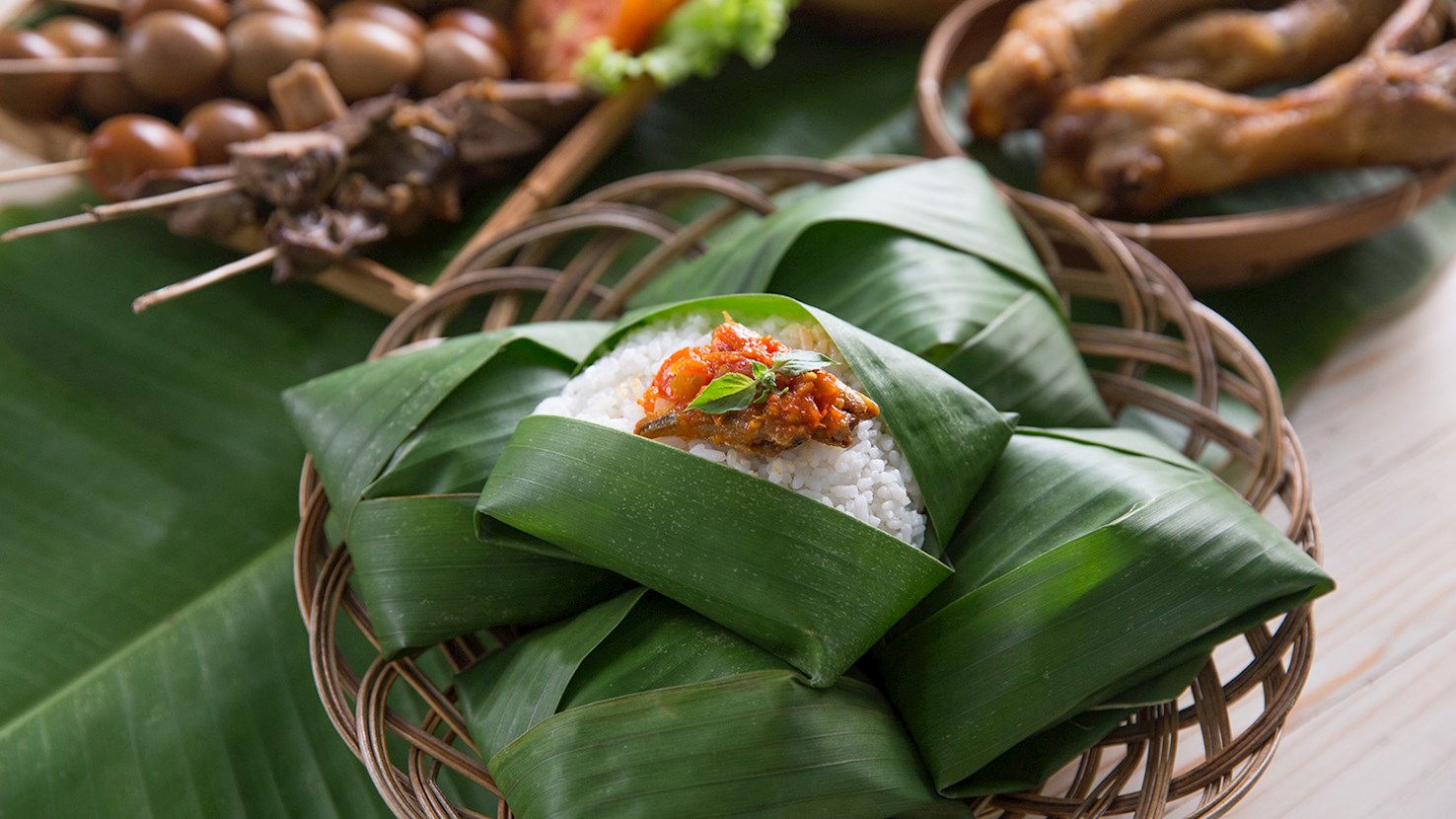
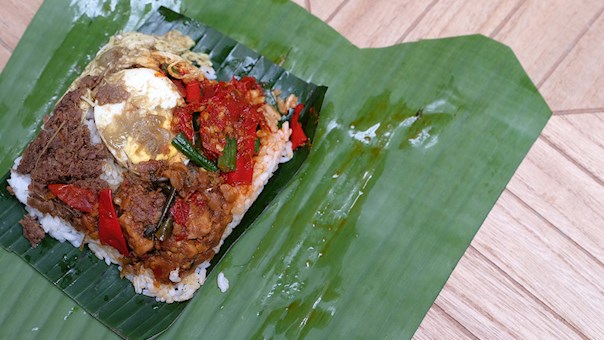
Nasi kucing is a unique and iconic Indonesian street food, a rice dish originating from Central Java, especially popular in cities like Yogyakarta, Solo, and Semarang. The name translates literally to "cat rice" (nasi = rice, kucing = cat), which refers not to the ingredients, but to the portion size — small enough to be a meal for a cat. Nasi Kucing consists of a small scoop of rice served with simple toppings, usually wrapped in a banana leaf or brown paper. Common toppings include sambal, dried anchovies (teri), tempeh, shredded chicken, oseng-oseng (stir-fried vegetables), or sometimes a dollop of chili-fried tuna (abon or tongkol). It’s humble, cheap, and designed to be eaten on-the-go or in a social, communal setting. This dish is famously associated with angkringan, which are small, traditional street food carts typically operated at night. These carts don’t just serve food — they are social hubs where students, workers, and locals gather to eat, chat, drink hot tea or kopi joss (charcoal coffee), and relax. A night at an angkringan often means grabbing multiple packets of nasi kucing, each with different toppings, plus a few skewers of sate telur puyuh (quail egg satay), fried snacks, or grilled tempeh.

07

Arem-arem

3.1 ·

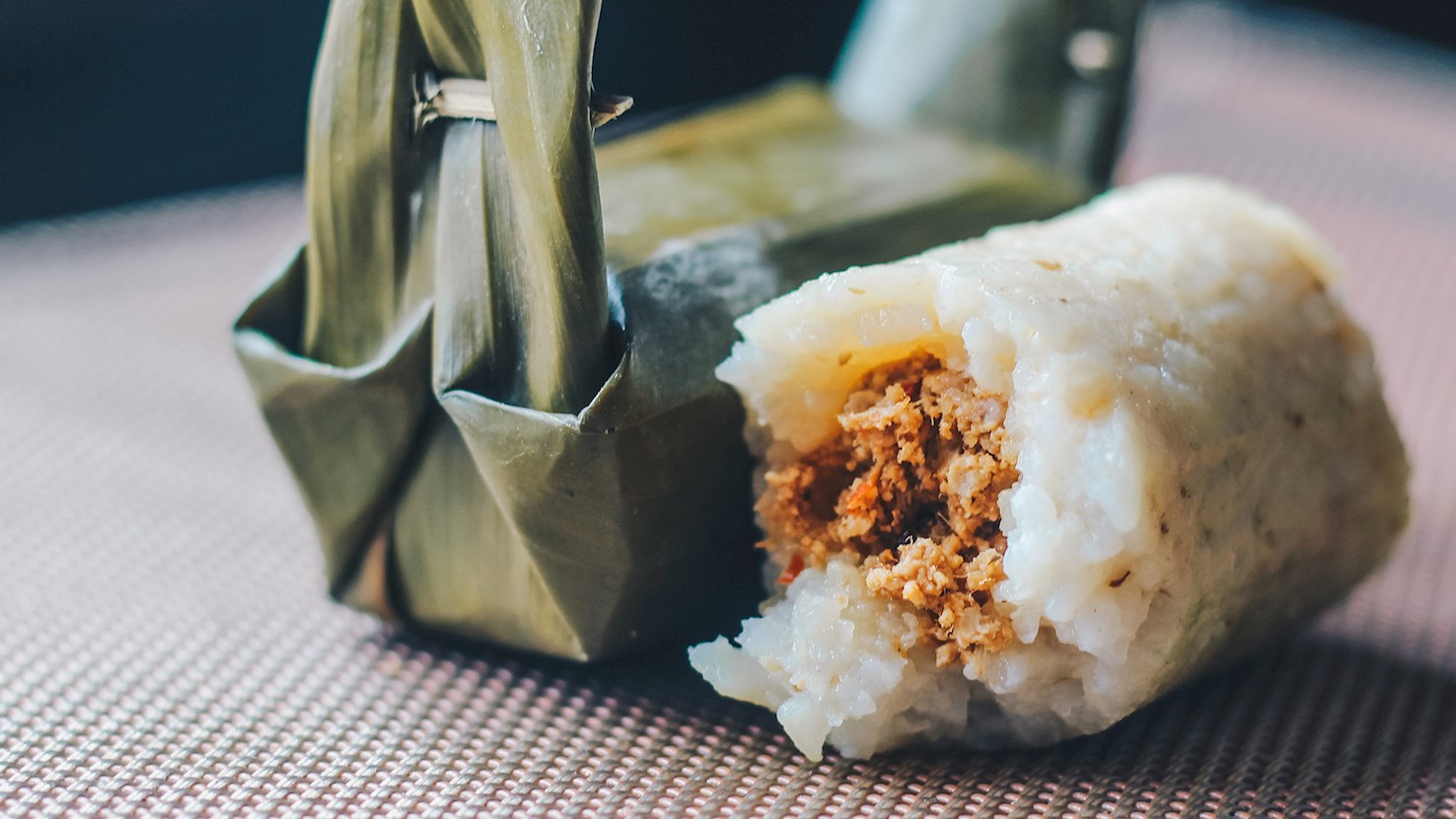
Arem-arem is a rice cake snack from Java, Indonesia, made by wrapping compressed cooked rice and a savory filling in banana leaves, then steaming or lightly grilling the package until firm and aromatic. It is widely consumed across Central and East Java, particularly as a portable breakfast item, street snack, or offering during communal gatherings. Arem-arem is related in form and preparation to lontong and lemper, but is distinct in both texture and filling, often featuring a softer rice layer and a wide variety of fillings, such as spiced vegetables, tempeh, or minced meat. The preparation begins by cooking rice in coconut milk with a small amount of salt until partially absorbed and sticky. A small amount of this rice is then spread onto a piece of softened banana leaf. A spoonful of filling—commonly stir-fried diced tempeh, shredded chicken, ground beef, or sautéed vegetables with chili and spices—is placed in the center, and the rice is rolled tightly around it. The banana leaf is folded to secure the contents, and the wrapped roll is steamed until the rice is fully set and infused with the aroma of the leaf. Arem-arem is often associated with home kitchens, local markets, and small warung stalls, where it is sold alongside fried snacks and sweet cakes. Unlike lemper, which uses sticky glutinous rice, arem-arem is made with regular rice, giving it a less chewy and more tender texture. Its mild coconut flavor and aromatic banana leaf wrapping contribute to its popularity as a savory snack. While simple in appearance, the process of assembling and cooking arem-arem requires precision in rice texture and wrapping technique to ensure the rolls hold together and cook evenly. Its compact shape and wrapping make it convenient for take-away consumption, and it is frequently included in nasi berkat (communal food packages) or served at social events and religious ceremonies. The fillings vary by region and household, ranging from mild to spicy, and from purely plant-based to meat-filled version.

08

Bubur kacang hijau

3.2 ·

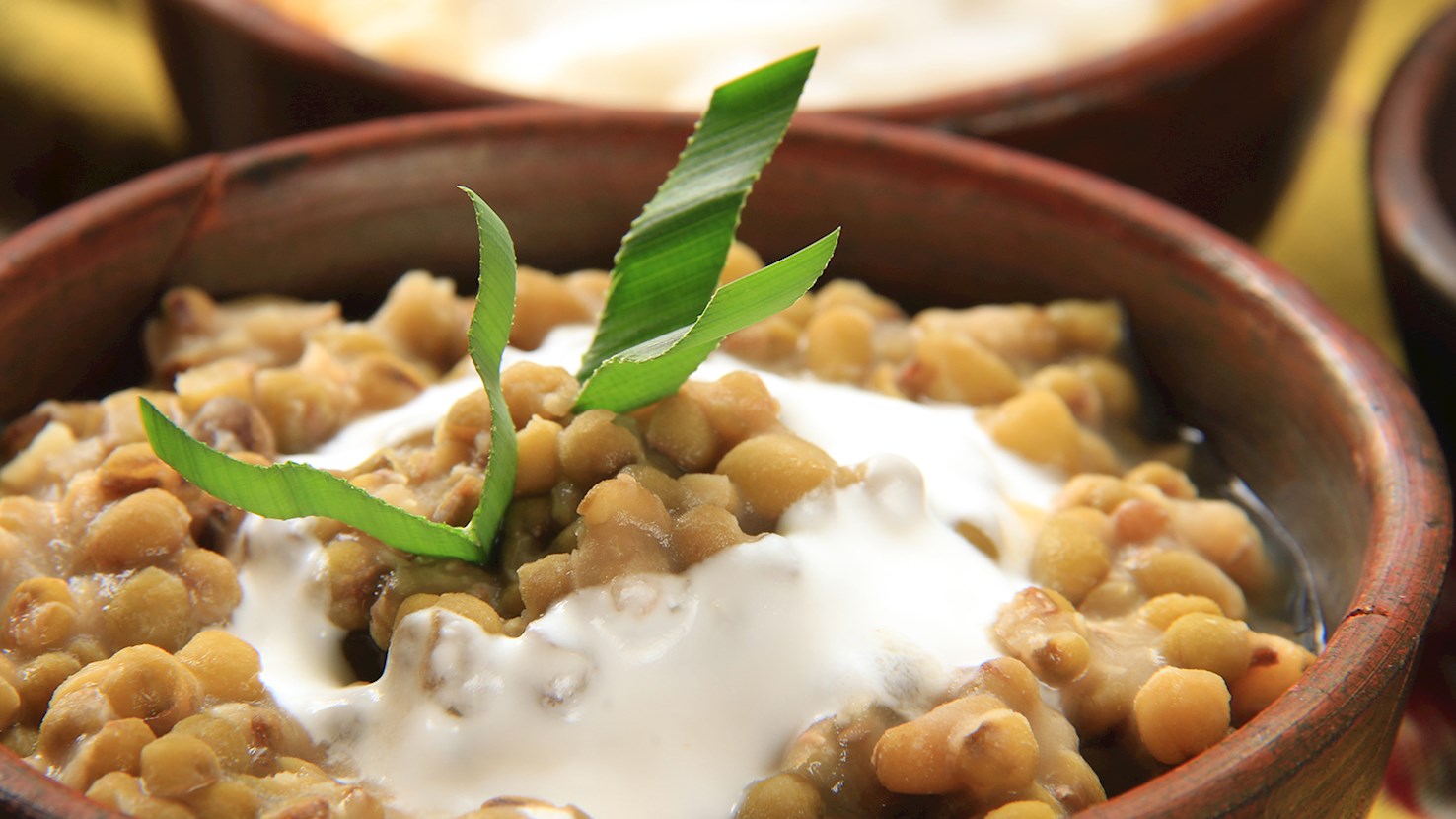
Bubur kacang hijau is an Indonesian dessert porridge made from mung beans, coconut milk, and palm sugar, commonly enjoyed across the archipelago as a breakfast, afternoon snack, or comforting dessert. The mung beans are slowly simmered until tender, then sweetened with rich, dark palm sugar and finished with creamy coconut milk, creating a porridge that is soft, fragrant, and naturally sweet with subtle earthy undertones. Bubur kacang hijau is typically served warm, though it is also enjoyed chilled or at room temperature, especially in the tropical climate where a cool, creamy bowl offers refreshing comfort. In many regions, the dish is enhanced with sticky rice or a pinch of salt in the coconut milk to balance the sweetness, and sometimes a swirl of condensed milk is added for extra richness. Despite its simplicity, preparing this porridge well requires patience, as overcooking can cause the beans to lose their shape, while undercooking leaves them too firm. The perfect version features intact yet tender mung beans suspended in a thick, slightly sweetened broth enriched by the fragrant, velvety coconut milk. It is sold by street vendors, served in local eateries, and made at home for both casual enjoyment and modest celebration.

09

Cilok

3.3 ·

Cilok is a quintessential Indonesian street food snack that hails from West Java. Its name is derived from the Sundanese phrase aci dicolok, which translates to "poked tapioca," referring to the chewy texture of the tapioca-based dough and the traditional way it is served: skewered on bamboo sticks. Widely beloved across Java and beyond, cilok is the kind of humble yet addictive snack that blends texture, flavor, and local charm in a single bite-sized morsel. The base is made from tapioca flour, known locally as aci, which gives the dumplings their signature chewy consistency, similar to mochi or gnocchi. The dough is typically enhanced with garlic, salt, pepper, and sometimes a touch of all-purpose flour to provide more structure. Once shaped into small balls, the cilok is boiled until it rises to the surface, signaling that it’s fully cooked and ready for serving. What elevates cilok from simple starch to savory street food staple is its accompaniment, usually a thick, slightly sweet, and spicy peanut sauce, often drizzled with sweet soy sauce (kecap manis) or fiery sambal for an added kick. In the bustling alleys and roadside stalls of Bandung, cilok is often sold by itinerant vendors who announce their arrival with the clang of metal bowls or the rhythmic call of “cilok, cilok!” Children and adults alike flock to them, eager for this affordable and comforting snack that costs just a few thousand rupiah. While the traditional cilok is plain and unfilled, modern variations have emerged to suit evolving tastes: some are stuffed with minced chicken or beef, others are served in a rich broth, or even battered in egg and deep-fried in a dish known as cilor.

10

Krengsengan

3.3 ·

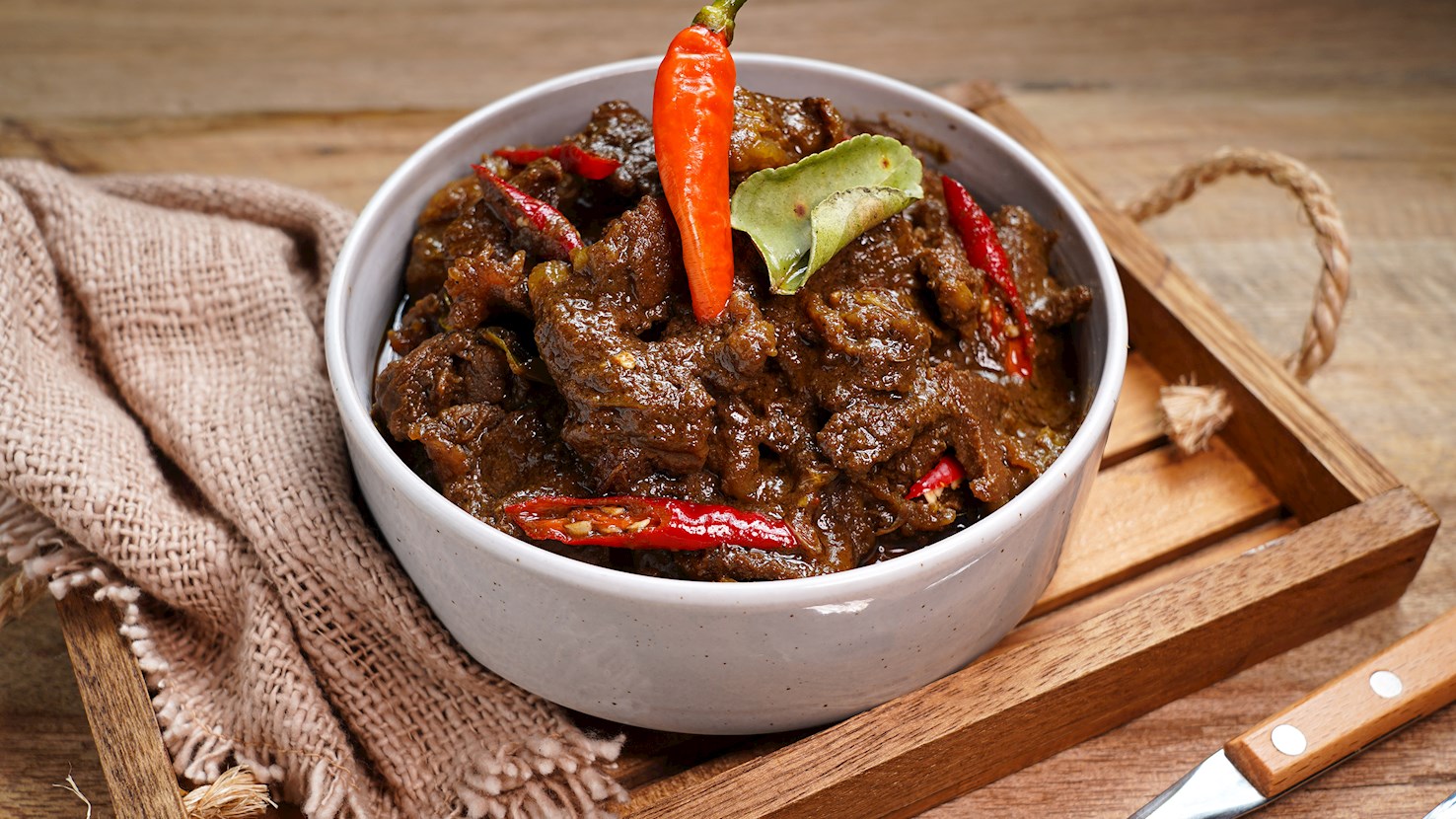
Krengsengan is a spiced meat dish from Surabaya, commonly made with goat or beef and cooked in a sweet soy sauce-based reduction. The dish is known for its rich, slightly sweet flavor and thick, dark sauce that results from the use of kecap manis and a slow simmering process. It begins with sautéing a finely ground spice paste made from shallots, garlic, coriander seeds, ginger, candlenuts, and sometimes turmeric, which forms the aromatic base of the dish. Meat is added and browned before being simmered in the sauce, which is enhanced by optional additions like chili, tamarind, or vinegar to adjust the balance of sweetness and acidity. The dish is usually served with steamed rice and may be garnished with fried shallots or eaten alongside raw vegetables like cucumber or basil. Unlike more elaborate Indonesian stews such as rendang or semur, krengsengan is simpler in its preparation and lighter in consistency, focusing on the deep, caramelized flavor of soy sauce and spices. Although it is most closely associated with goat meat, variations using beef or offal are also common, particularly in urban street food contexts.

Read more
View all
View map
About this ranking

TasteAtlas food rankings are based on the ratings of the TasteAtlas audience, with a series of mechanisms that recognize real users and that ignore bot, nationalist or local patriotic ratings, and give additional value to the ratings of users that the system recognizes as knowledgeable. For the “36 Worst Rated Indonesian Street Food” list until June 16, 2026, 3,447 ratings were recorded, of which 2,320 were recognized by the system as legitimate. TasteAtlas Rankings should not be seen as the final global conclusion about food. Their purpose is to promote excellent local foods, instill pride in traditional dishes, and arouse curiosity about dishes you haven’t tried.

Similar lists