

shutterstock

7 Worst Rated Korean Street Food

Last updated on July 16, 2026
01

Beondegi

2.7 ·

Beondegi is a classic South Korean street food consisting of silkworm pupae insects. These tiny animals are usually boiled or steamed and then seasoned before they are served in small cups. Although of an acquired taste, beondegi is available at numerous street stalls throughout the country, while the canned version is occasionally found in supermarkets. Some restaurants even serve the insects as a side dish. Beondegi became a popular option during Korean War when food was scarce, and there was a shortage of protein-rich ingredients.

02

Sannakji

2.9 ·

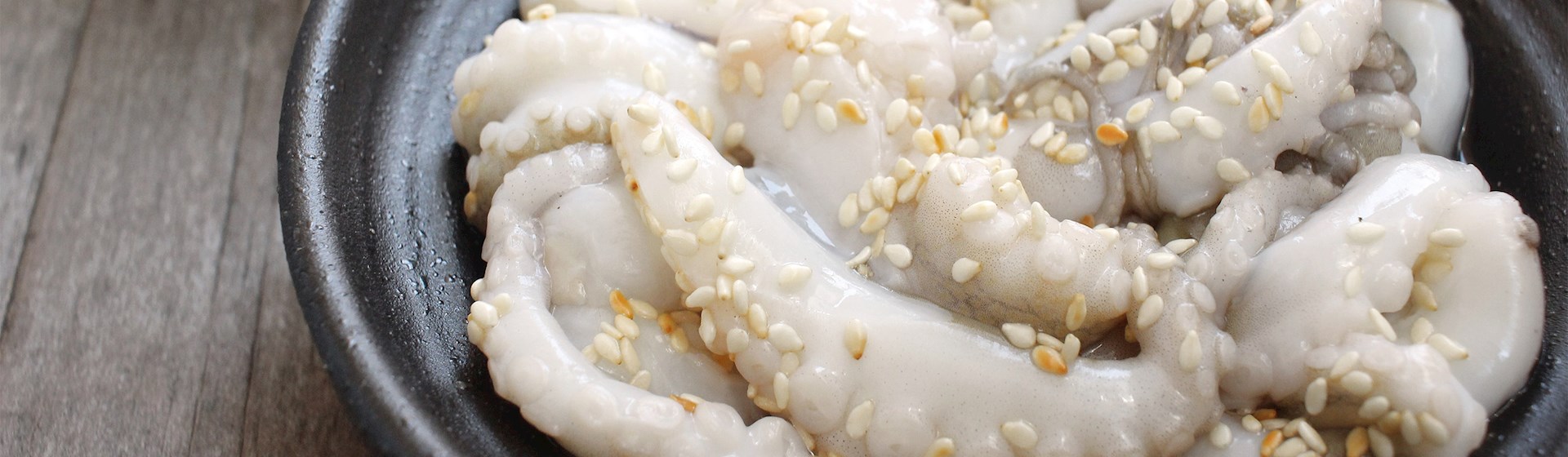
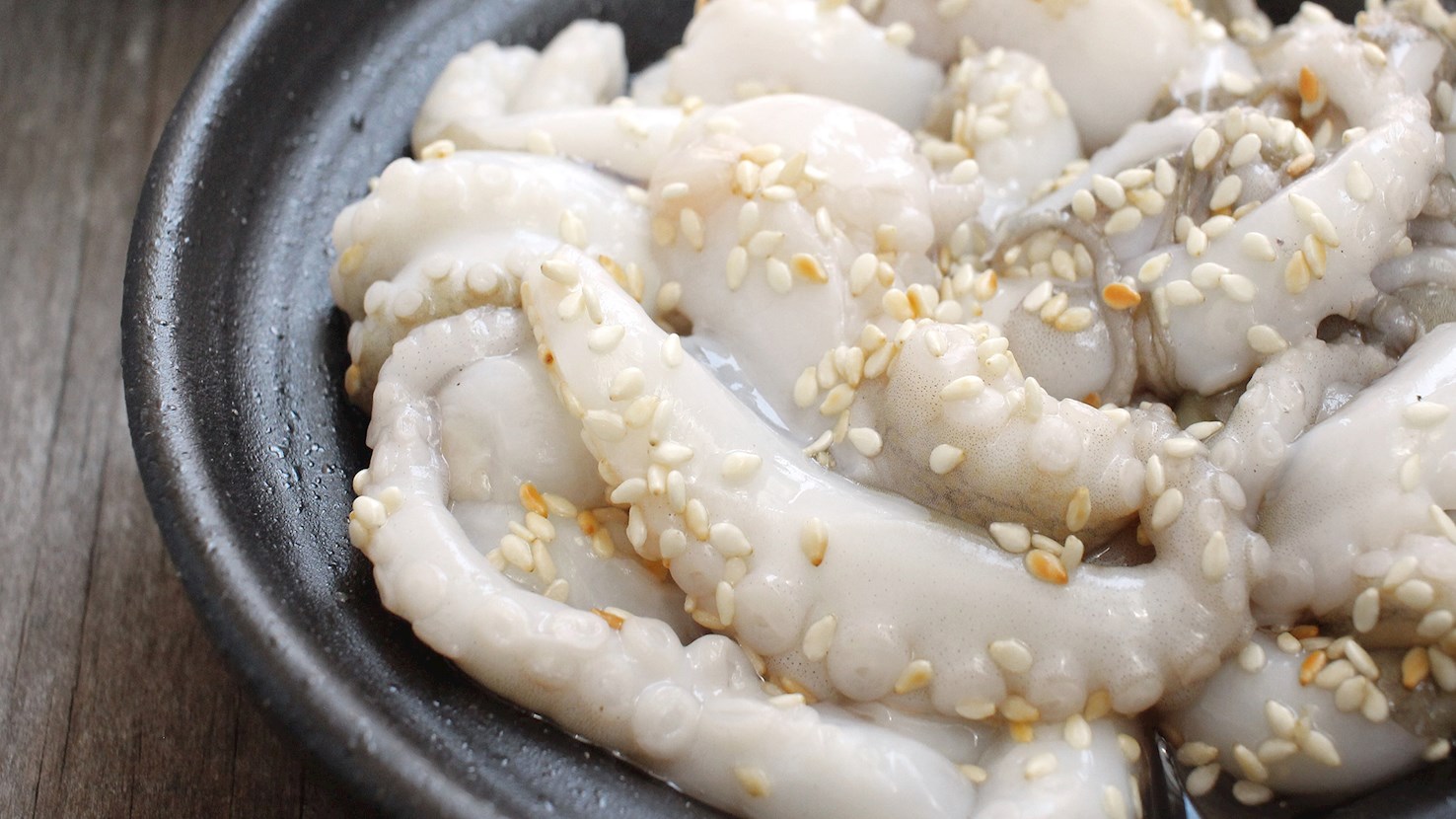
Salty, sticky, and chewy, sannakji is a raw baby octopus that is chopped and traditionally served drizzled with sesame oil. Interestingly, as the dish is served instantly after chopping, some of the pieces are still in motion, twitching on the plate. The dish can be commonly found at Korean street food stalls, and it is recommended to pair it with ssamjang and green tea. A popular Korean movie with a cult following called Oldboy (2003, dir. Park Chan-wook) depicted the dish in one of its most disturbing scenes. Just make sure to chew sannakji while eating, as there have been a few cases in which the octopus grasped onto the diner's esophagus, choking them to death in the process.

Best restaurants
03

Bindaetteok

3.2 ·

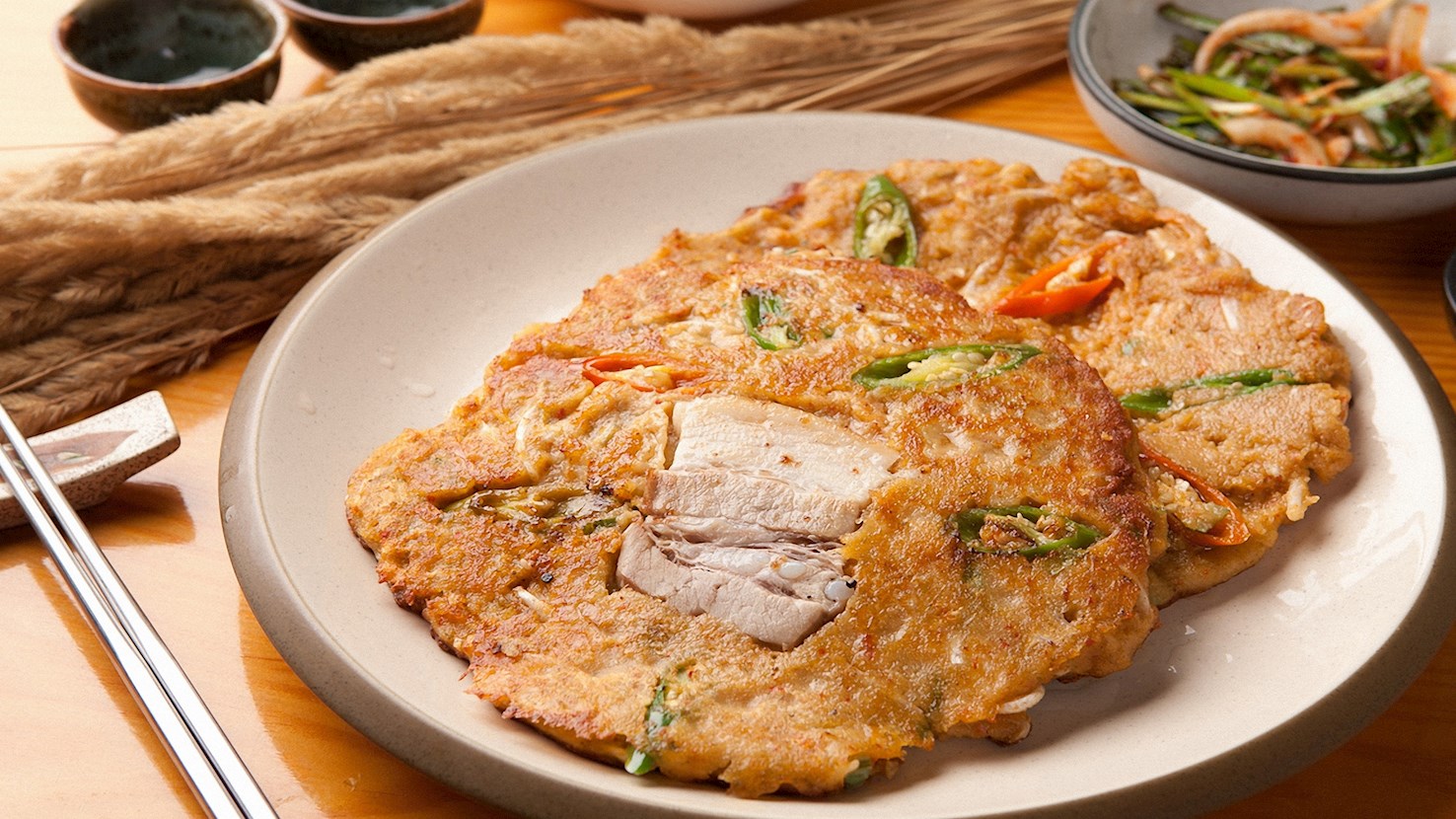
Bindaetteok is a savory mung bean pancake which first appeared in a cookbook in the 1670s under the name binjatteok. Originally, it was topped with savory chunks of pork and was mainly enjoyed by the rich, while the plain varieties were reserved for the lower social classes. Next to ground mung beans, modern-day bindaetteok usually employs a wide variety of other ingredients such as cabbage kimchi, sprouts, onions, glutinous rice, or ground pork. Fried in shallow oil, bindaetteok is best eaten fresh when it is still crispy on the exterior. Different varieties of these thick pancakes are usually eaten as a street food item and commonly come with a spicy dipping sauce served on the side.

04

Gyeran-ppang

3.3 ·

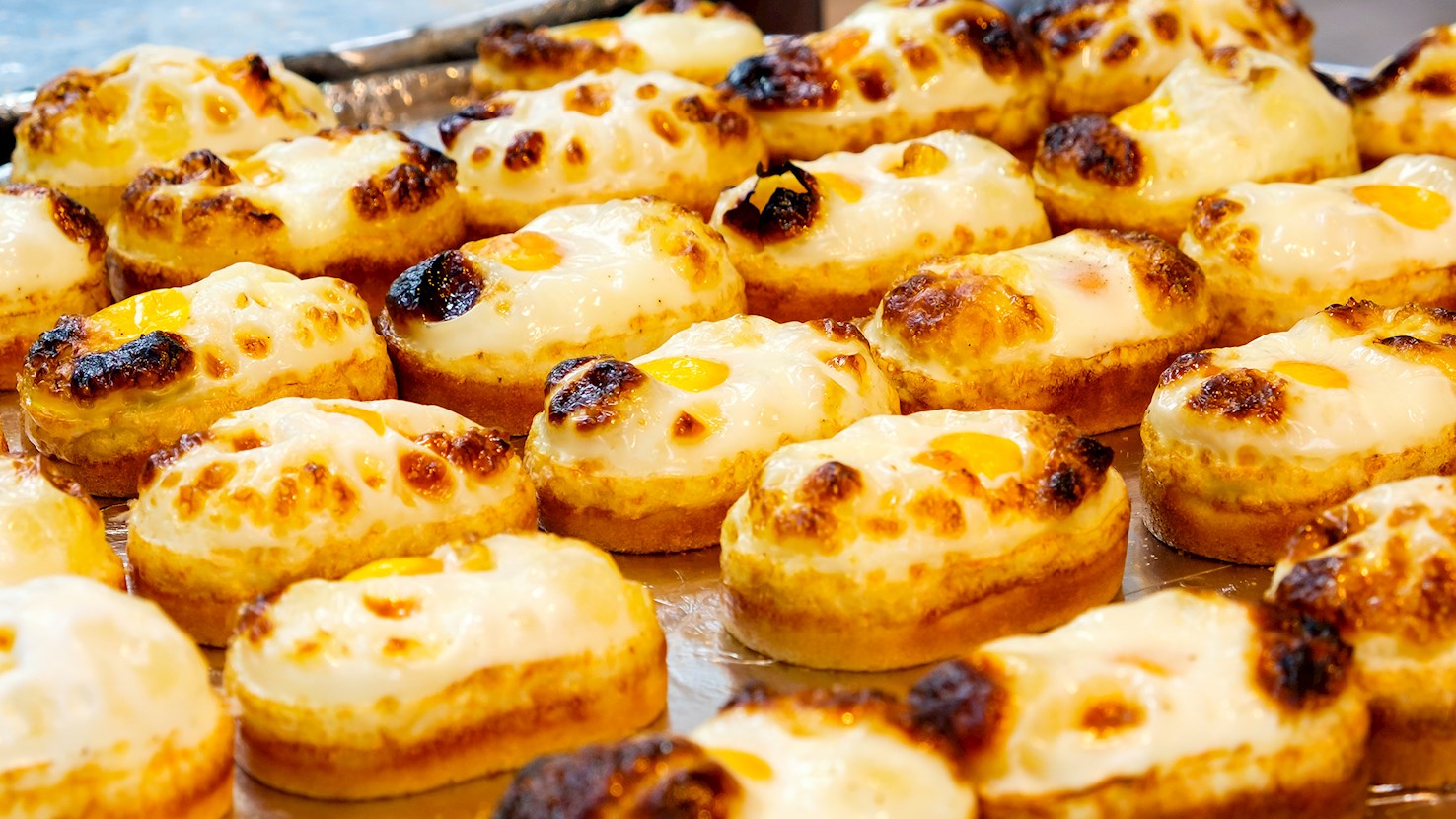
Gyeran-ppang is a South Korean snack consisting of small bread-like loaves that are filled with whole eggs, and sometimes ham, cheese, or parsley. The base is made with a simple egg batter, while the finished loaves may be topped with nuts, tomato sauce, or cheese. These snacks are usually prepared at street stalls where vendors bake them in specialized, oblong molds. They are usually associated with the winter season and are best enjoyed warm and freshly prepared.

05

Korean Corndog

3.7 ·

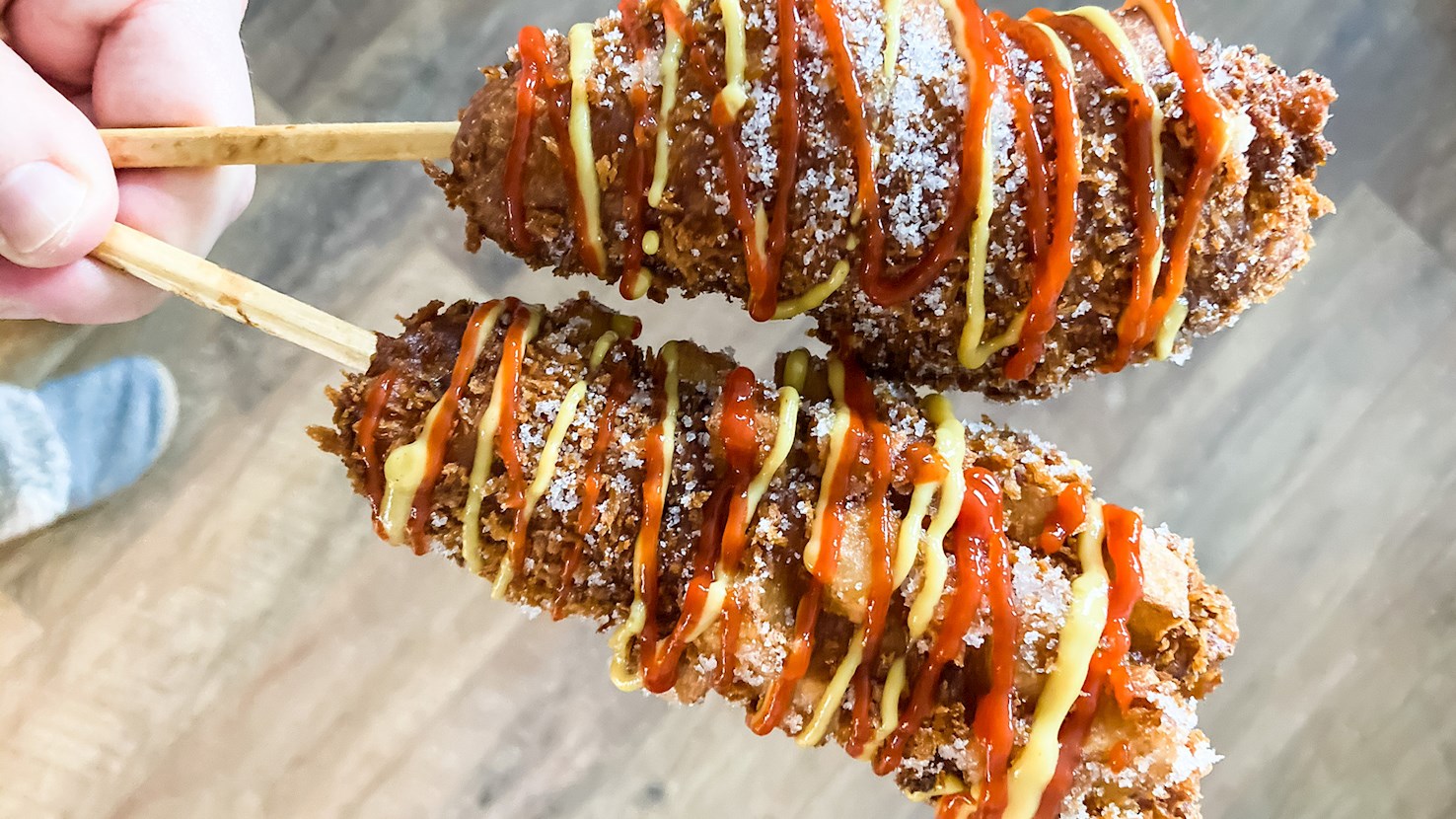
Korean corndog is a unique twist on a hot dog prepared by coating a sausage in corn dog batter, dipping it into french fries, then deep-frying the whole thing in oil. The dish is presented skewered on a stick and it is usually consumed on the go. Hot dog vendors sell them throughout Korea, and there are a few variations, so they can also be wrapped in bacon, mashed potatoes, or seaweed, while tomato ketchup is typically used as the main condiment.

06

Tteokbokki

3.9 ·

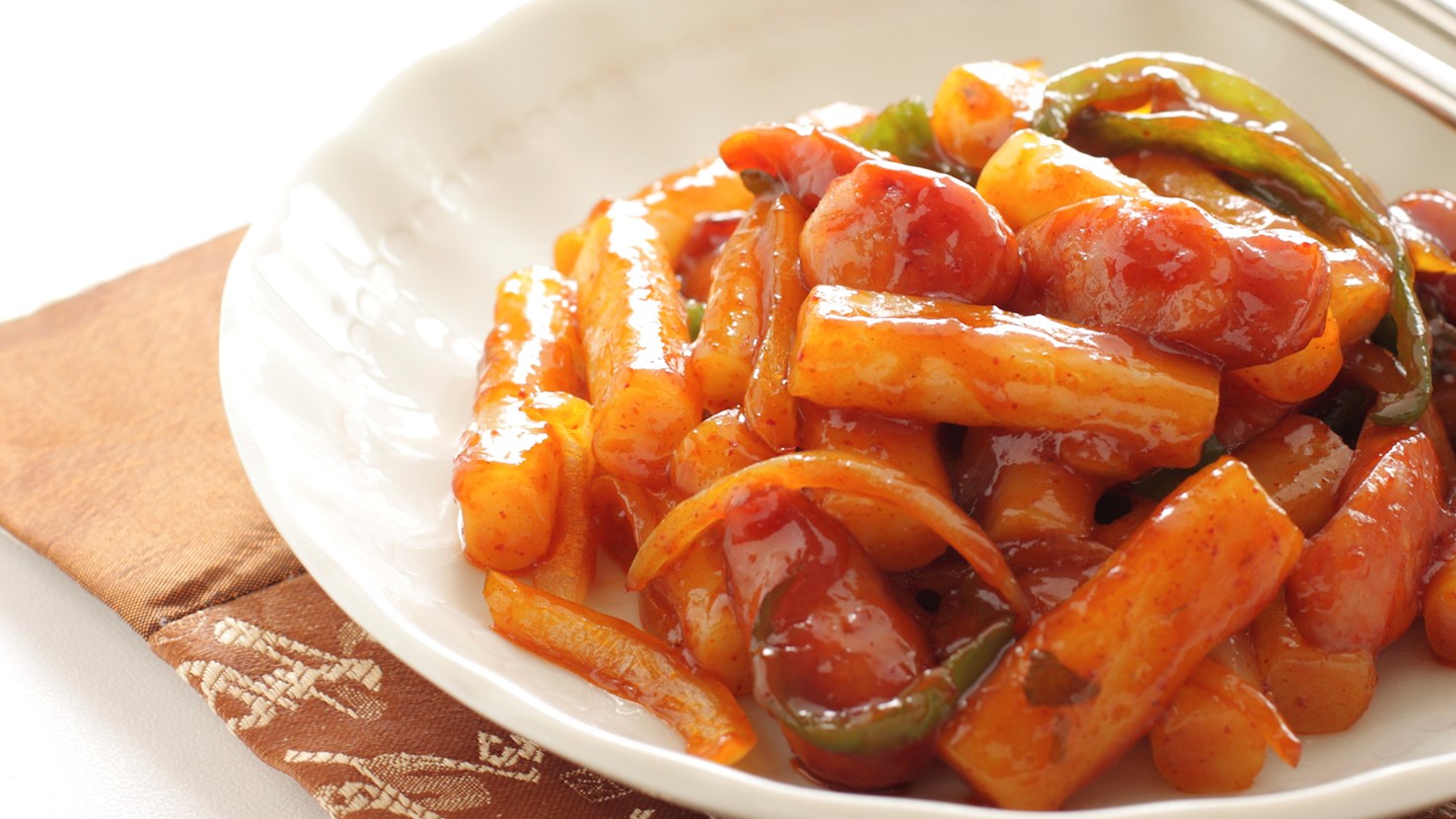
Tteokbokki is a spicy stir-fried dish that usually consists of cylinder-shaped rice cakes, sweet red chili sauce, and fish cakes. It is considered to be one of the top street food items in Korea, and can usually be bought from street vendors known as pojangmacha. The dish originated during the Joseon Dynasty period, when it was used as a cure, and it was also one of the royal court's dishes. Originally, tteokbokki was called tteok jjim, a braised dish of sliced rice cakes, meat, eggs, and seasonings. Although it was brown in color, today it is red, because the colors changed when gochuang (a spicy chili paste) was introduced in the mid-1900s. What was once a dish for the royals is nowadays one of the cheapest street food dishes in Korea, and recently, there have even been efforts to turn it into a food franchise due to continuous demand for tteokbokki among Korean people.

07

Bungeoppang

3.9 ·

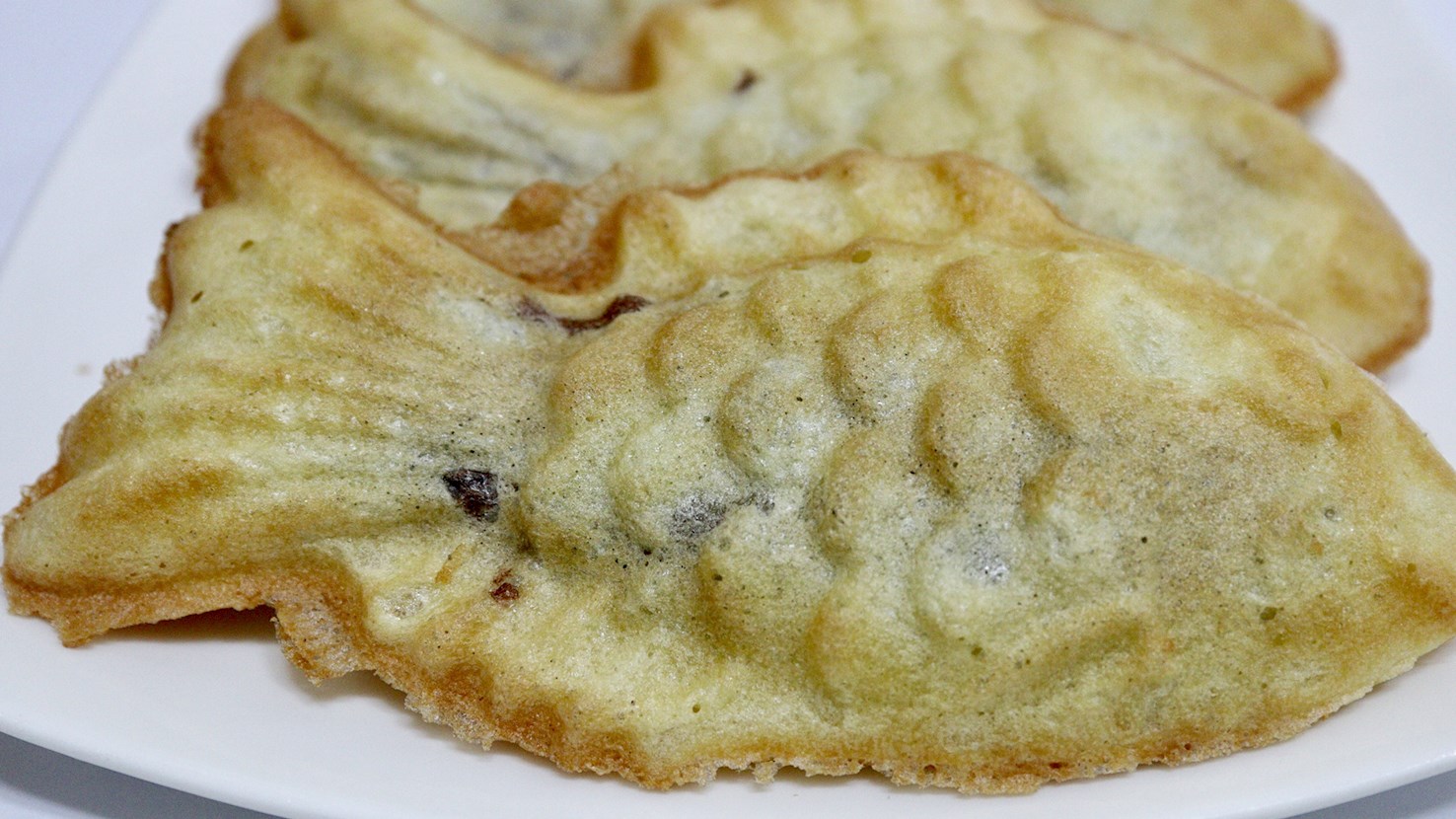
Bungeoppang is an unusual fish-shaped South Korean pastry filled with red beans. The outer shell is made with a simple batter consisting of eggs, flour, raising agents, sugar, and water. It is poured in fish-shaped molds, and a dollop of smooth or coarse red bean paste is then placed in the middle. Enclosed in the mold, the pastry is baked on the stove until golden brown and crisp on the edges. The red bean filling is evenly distributed within the pastry and stays safely tucked inside. One of the most popular varieties of this sweet snack is known as ice bungeoppang, the factory-produced treat which combines ice cream with red bean filling. Traditional bungeoppang is considered to be a less sophisticated version of the Japanese taiyaki, but unlike its Japanese counterpart, the Korean version usually does not incorporate any other fillings besides the lightly sweetened red bean mixture. These filling treats can be found everywhere in South Korea. They are one of the most common portable snacks sold by street vendors. It is recommended to enjoy them freshly baked, while they are still soft and slightly crispy, and the filling remains hot and creamy.

Best restaurants
Read more
View all
View map
About this ranking

TasteAtlas food rankings are based on the ratings of the TasteAtlas audience, with a series of mechanisms that recognize real users and that ignore bot, nationalist or local patriotic ratings, and give additional value to the ratings of users that the system recognizes as knowledgeable. For the “7 Worst Rated Korean Street Food” list until July 16, 2026, 844 ratings were recorded, of which 750 were recognized by the system as legitimate. TasteAtlas Rankings should not be seen as the final global conclusion about food. Their purpose is to promote excellent local foods, instill pride in traditional dishes, and arouse curiosity about dishes you haven’t tried.

Similar lists