

shutterstock

12 Worst Rated Taiwanese Street Food

Last updated on June 16, 2026
01

Tian bu la

2.9 ·

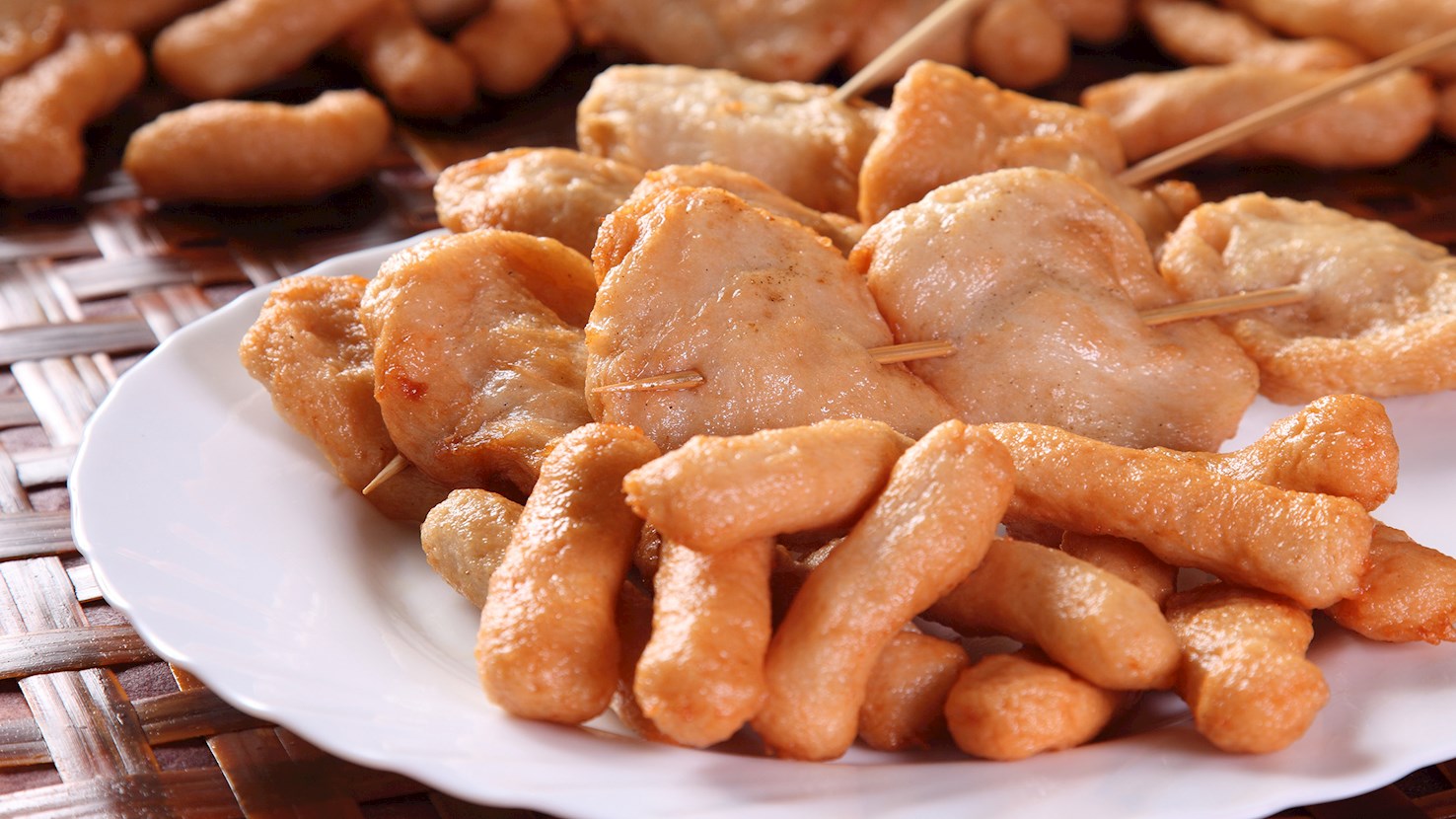
Tian bu la are Taiwanese fish cakes made with a thick paste which incorporates mild white fish fillets, eggs, and potato or tapioca flour. The generously seasoned mixture is piped directly in the sizzling oil, then deep-fried until golden brown. The fish cakes are usually shaped in long and thin cylindrical forms, but they are sometimes flattened into thick, round discs. Even though they can be eaten immediately after frying, the Taiwanese traditionally boil them on low heat in a soy-sauce-based broth, which allows the crispy skin to soften, and the cake to infuse with all the pungent broth flavors. If it is served as a crispy treat, it is usually skewered and enjoyed as a snack on the go. Fried and boiled versions are usually offered in traditional Taiwanese eateries alongside other deep-fried treats such as fish balls or tofu. They are served in bowls and smothered with a sticky brown sauce made with chili paste, soy sauce, miso, and sugar. Traditionally, the sauce leftovers are later mixed with the broth in which the cakes were boiled in order to create a flavorful soup eaten at the end of a meal. Both tian bu la varieties are staples of Taiwanese night markets and one of the favorite Taiwanese street food items.

02

Ti-huih-ko

2.9 ·

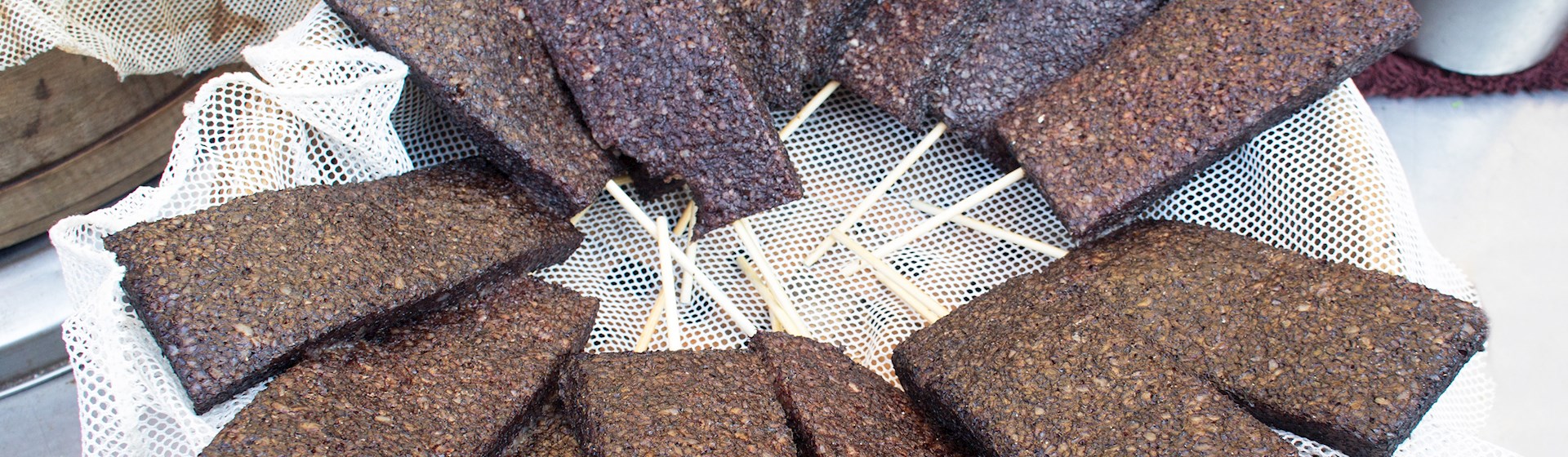
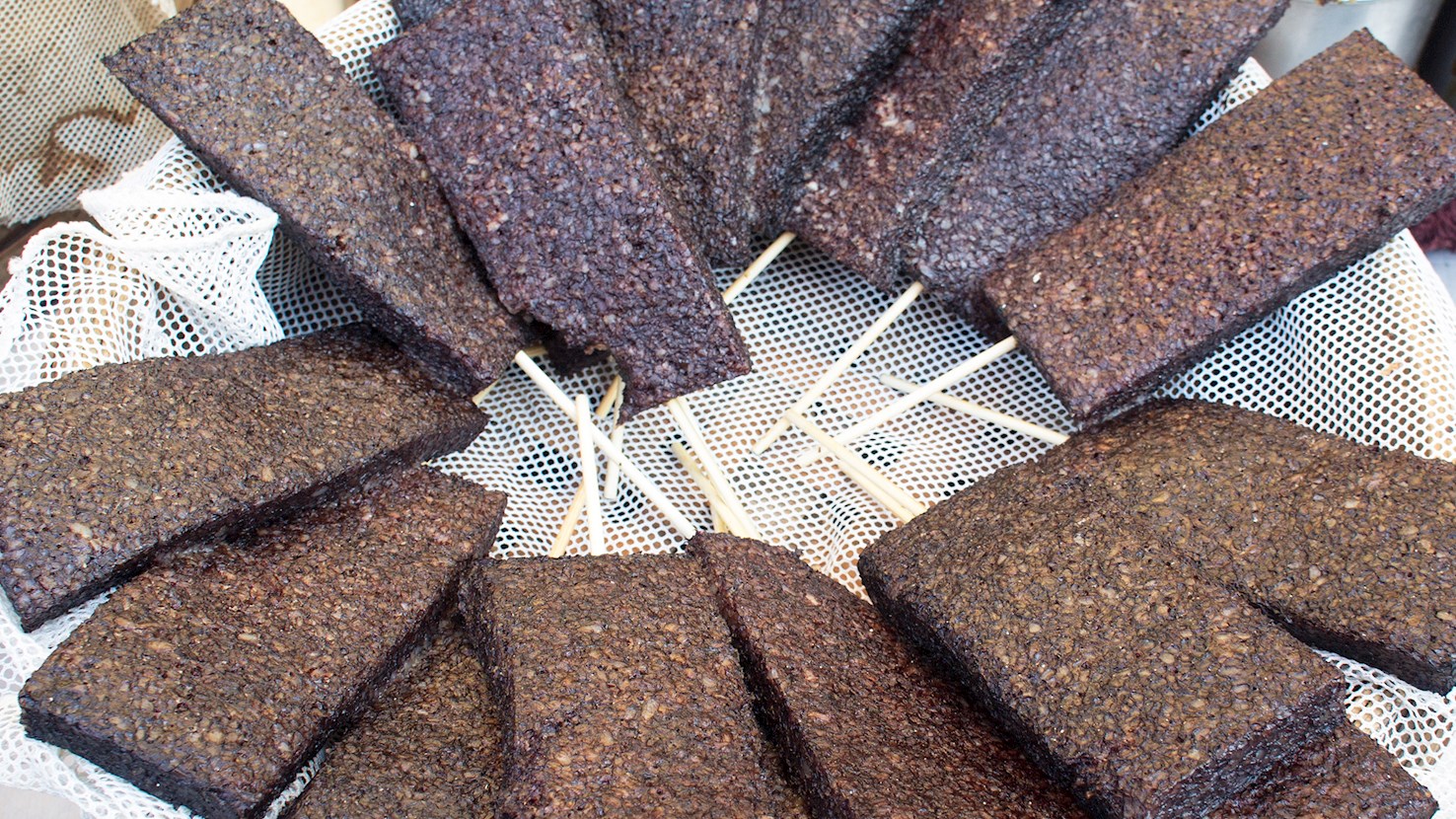
Ti-huih-ko or pig's blood cake is an unusual Taiwanese street food item made by coating sticky rice in pig's blood, steaming or frying the combination, basting it in a slightly sweet pork soy broth, rolling the whole combination in peanut flour, and finally topping the whole thing off with coriander. The dish, which looks like a weird popsicle, is praised for being unique both in its texture and flavor. The final result is something of a cross between mochi and a rice cake. The flavors are porky, sweet, salty, and spicy due to the unusual combination of ingredients. Pig's blood cake can be found throughout Taiwan, at numerous street stalls and night markets, where the vendors keep the cakes nice and warm either in a metal steamer or in a wooden box.

03

Tà-á-mī

2.9 ·

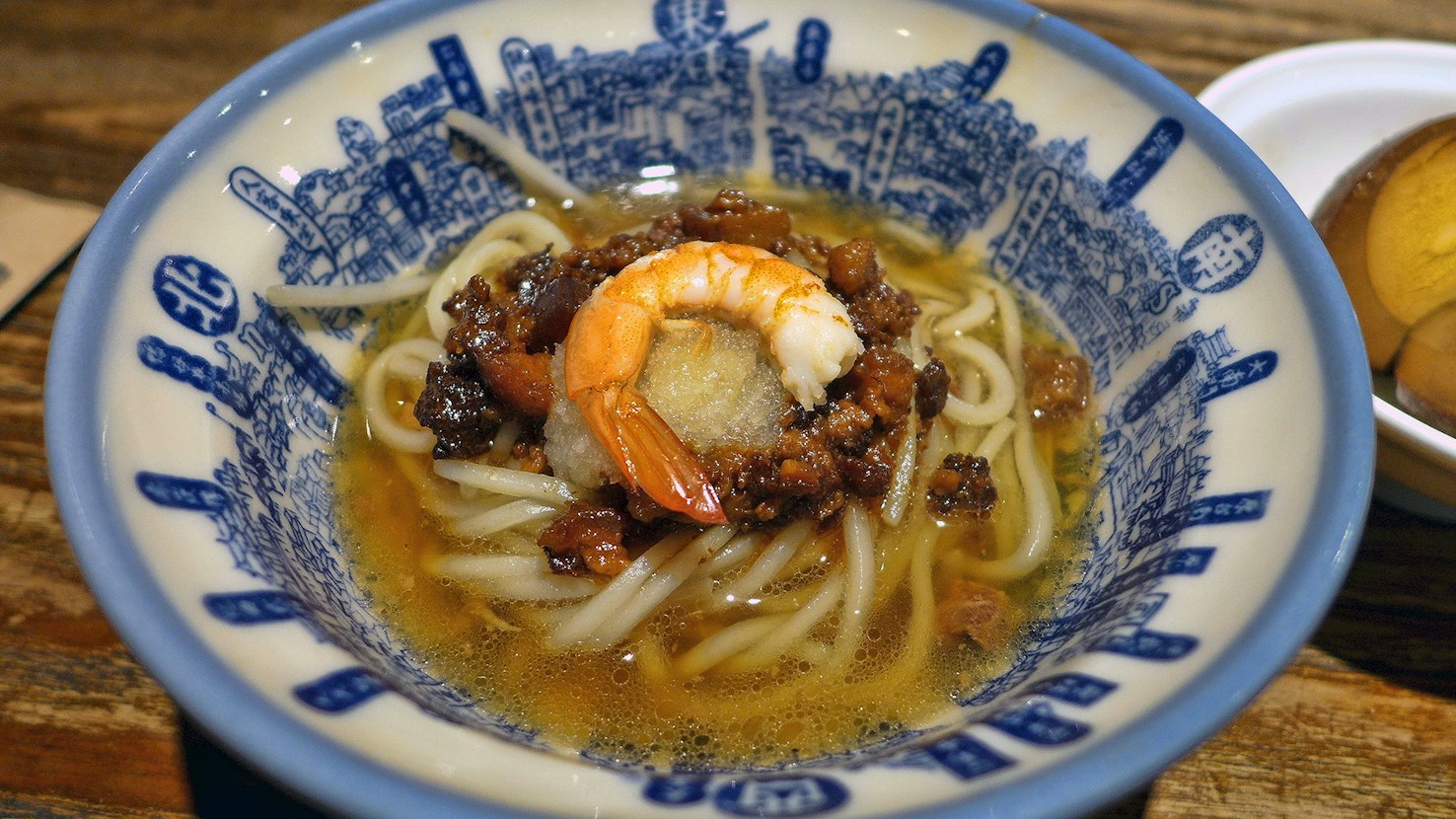
The primary ingredients of the soupy snack known as tà-á-mī noodles or danzi noodles are thick Chinese wheat noodles, shrimp-flavored broth, minced pork, pork sauce, and a single cooked shrimp that sits on the top. A few spices and the amount of ingredients added are kept a secret by vendors and restaurants, creating an air of mystery around the classic snack. Created in 1895 by a local fisherman as a means to earn a living in the off-season, the noodles were carried on shoulder poles on the streets of a small Taiwanese town, giving them the name tà-á-mī or shoulder pole noodles.

Best restaurants
04

Turkey Rice

3 ·

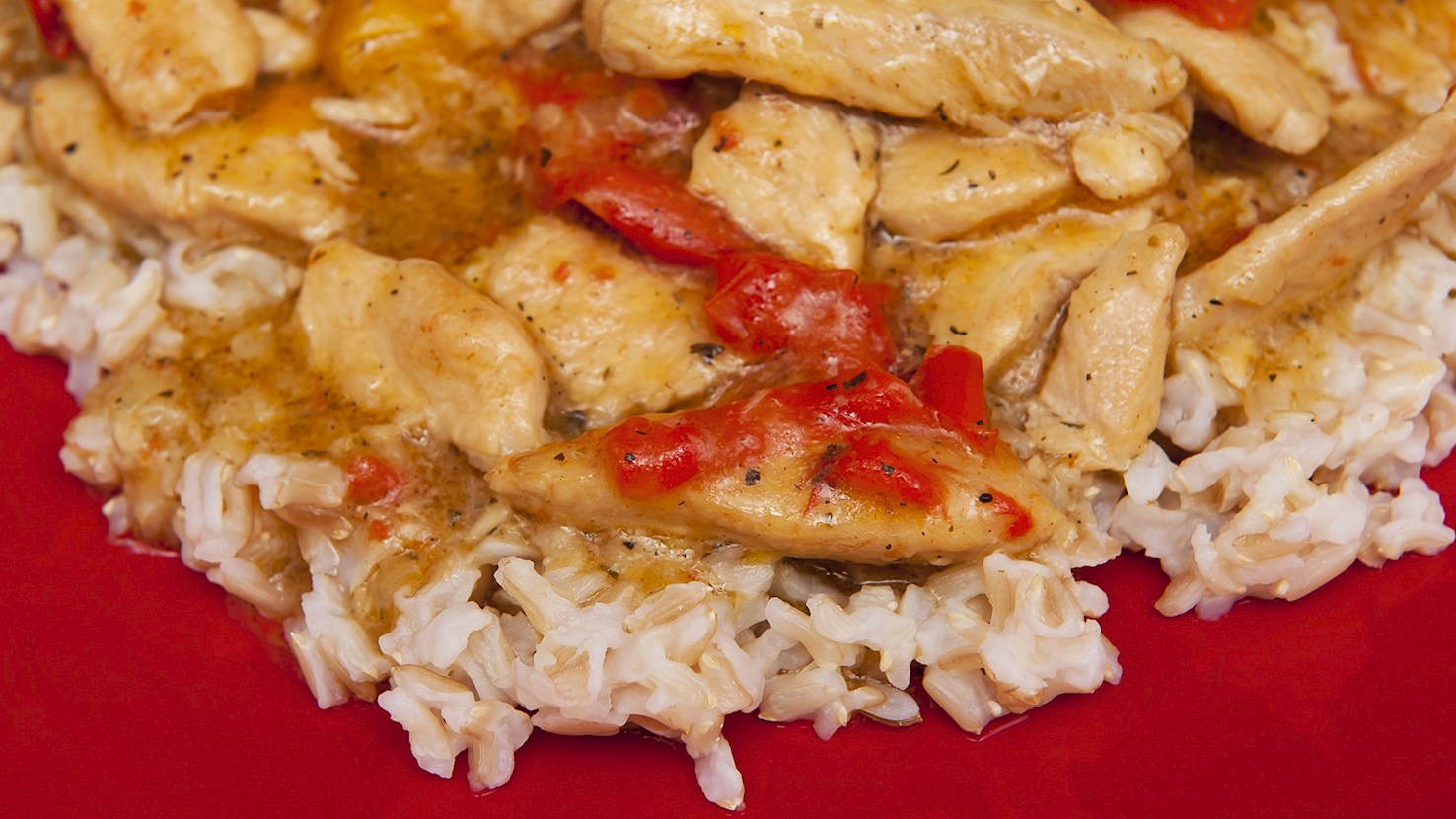
Turkey rice is a simple Taiwanese dish which incorporates shredded turkey meat served over plain boiled rice. Next to tender pieces of steamed turkey and rice, the dish is traditionally topped with soy sauce-flavored drippings and it is usually accompanied by daikon radish. Turkey rice originated in the Taiwanese province of Chiayi as a frugal and straightforward meal that has quickly become one of the most famous dishes in the country. It is usually enjoyed as a late night snack and can be found at many street food stalls and traditional Taiwanese markets.

05

Tōa-tn̂g pau sió-tn̂g

3.3 ·

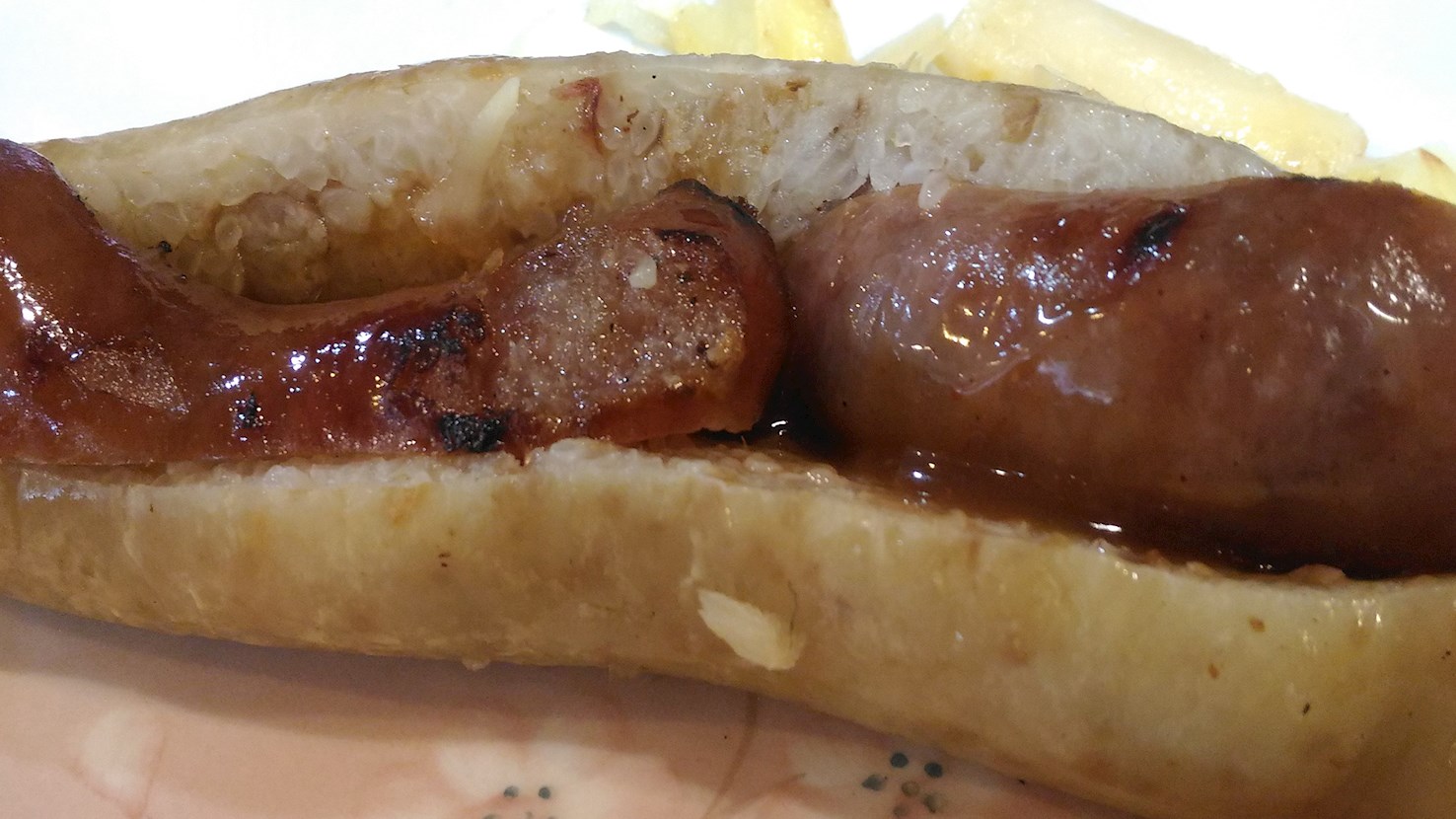
This Taiwanese street food specialty consists of a small pork sausage placed within a larger, sticky rice sausage, which is then grilled. Resembling a classic hot dog, this sausage within a sausage can be complemented by a great variety of accompaniments and condiments including salted vegetables, pickled cabbage, pickled cucumbers, garlic, wasabi, sweet chili sauce, thick soy sauce, peanut powder, cilantro, and basil. The dish is commonly sold at Taiwan’s night markets.

06

Rùn bǐng

3.3 ·

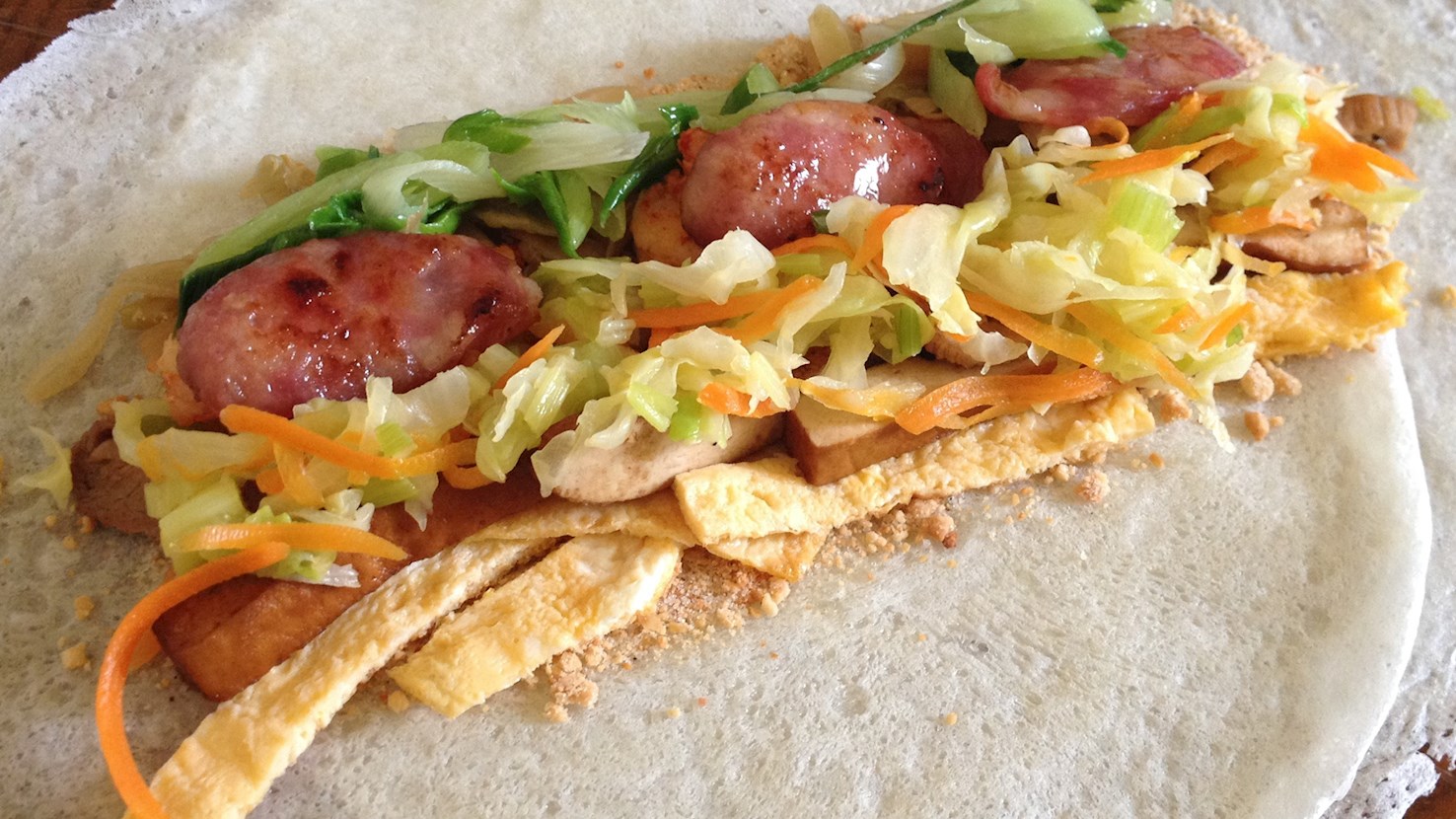
Rùn bǐng is a Taiwanese steamed spring roll that consists of various fillings wrapped in popiah skin, a type of flour crepe. On the inside, rùn bǐng is filled with various ingredients, depending on the region and one’s personal preferences. Typically, the fillings include peanut powder, pork, daikon, bean sprouts, lima beans, cabbage, carrots, shredded chicken, sugar, egg strips, cucumber slices, green garlic, chopped cilantro, celery, dried tofu, shrimps, fish balls, or sweet chili sauce. This authentic spring roll is prepared and eaten only on important holidays when family members get together, such as Tomb Sweeping Day and Lunar New Year’s Eve, a tradition which is mainly associated with Southern Taiwan. Although rùn bǐng is traditionally prepared at home, these days many people resort to buying ready-made spring rolls from shops or street food vendors instead. Interestingly, a summer version of this specialty uses ice cream as a filling.

07

Kòng-ôan

3.3 ·

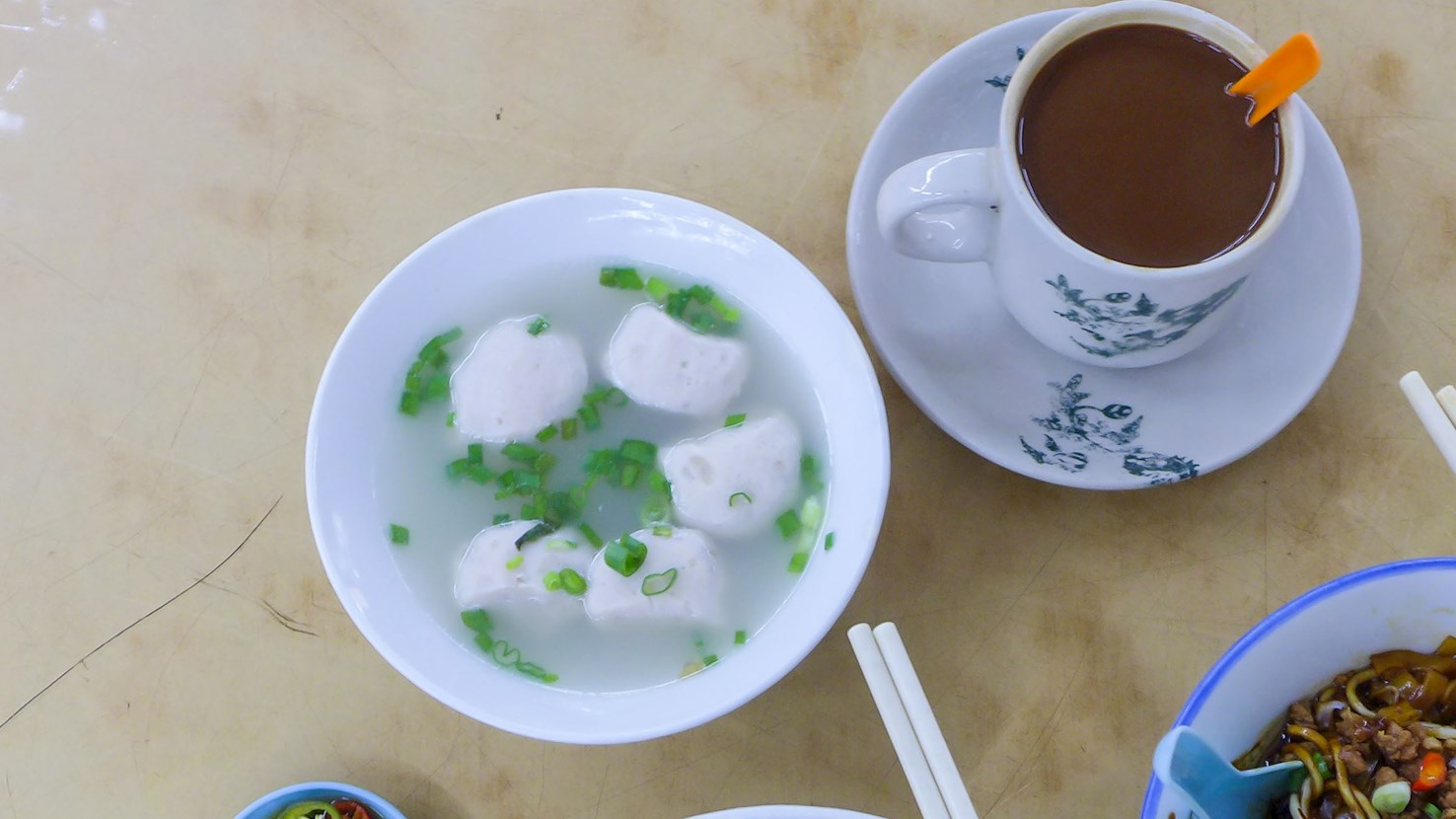
Kòng-Ôan, also known as bouncy meatballs, are typical Taiwanese street food items. These Taiwanese meatballs usually consist of highly seasoned, ground fatty pork mixture combined with chopped shiitake mushrooms, tapioca starch, baking powder, and egg whites. The simmered meatballs are served piping hot, typically in a clear broth, and the dish is then garnished with chopped celery, cilantro, and fried shallots, or accompanied by noodles. These authentic Taiwanese meatballs are also sold in numerous Chinese markets throughout the U.S.

08

A-gei

3.3 ·

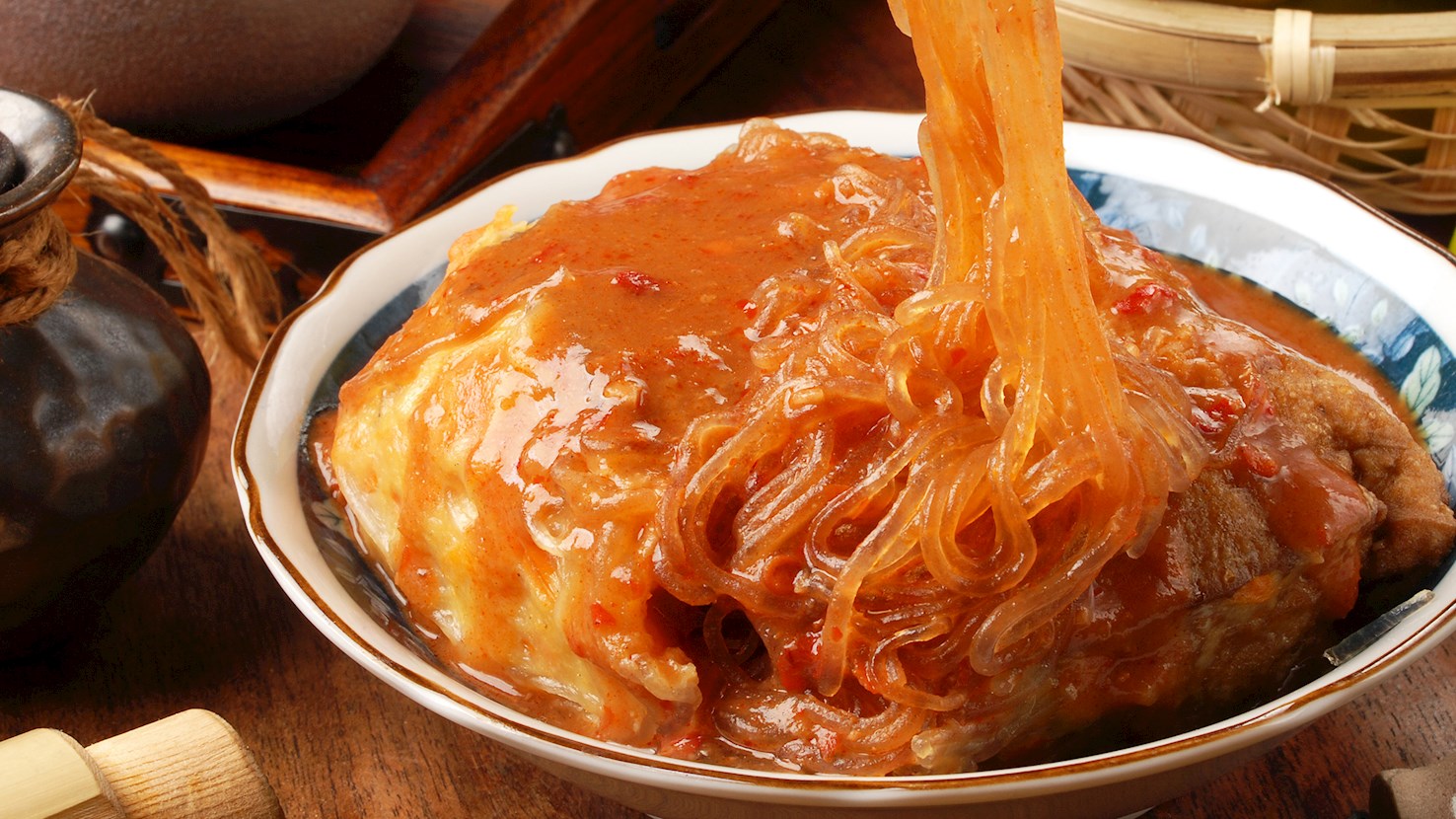
A-gei is a Taiwanese savory delight consisting of a large fried tofu pouch filled with braised mung bean glass noodles, and with its opening secured with a type of fish paste called surimi. The tofu pouch is quite juicy as it absorbs much of the pork stew in which it is cooked. Dubbed as an original creation from 1965, invented by the owner of Ah-Gei, a very old eatery in Tamsui, this Taiwanese specialty got its name from the Japanese word abuurage, referring to deep-fried tofu pockets. It is typically served immersed in a soy-based sauce or a sweet-sour sauce. For added spiciness, the dish can be flavored with chili sauce as well, while the surimi fish paste in the original a-gei is enhanced with a type of carrot mixture for added flavor. Juicy and packed with flavors, the dish is usually accompanied by a bowl of fish ball soup or a glass of cold soy milk. It is sold by numerous food vendors throughout the district and is generally eaten as a snack or a breakfast meal.

09

Thih-nn̄g

3.4 ·

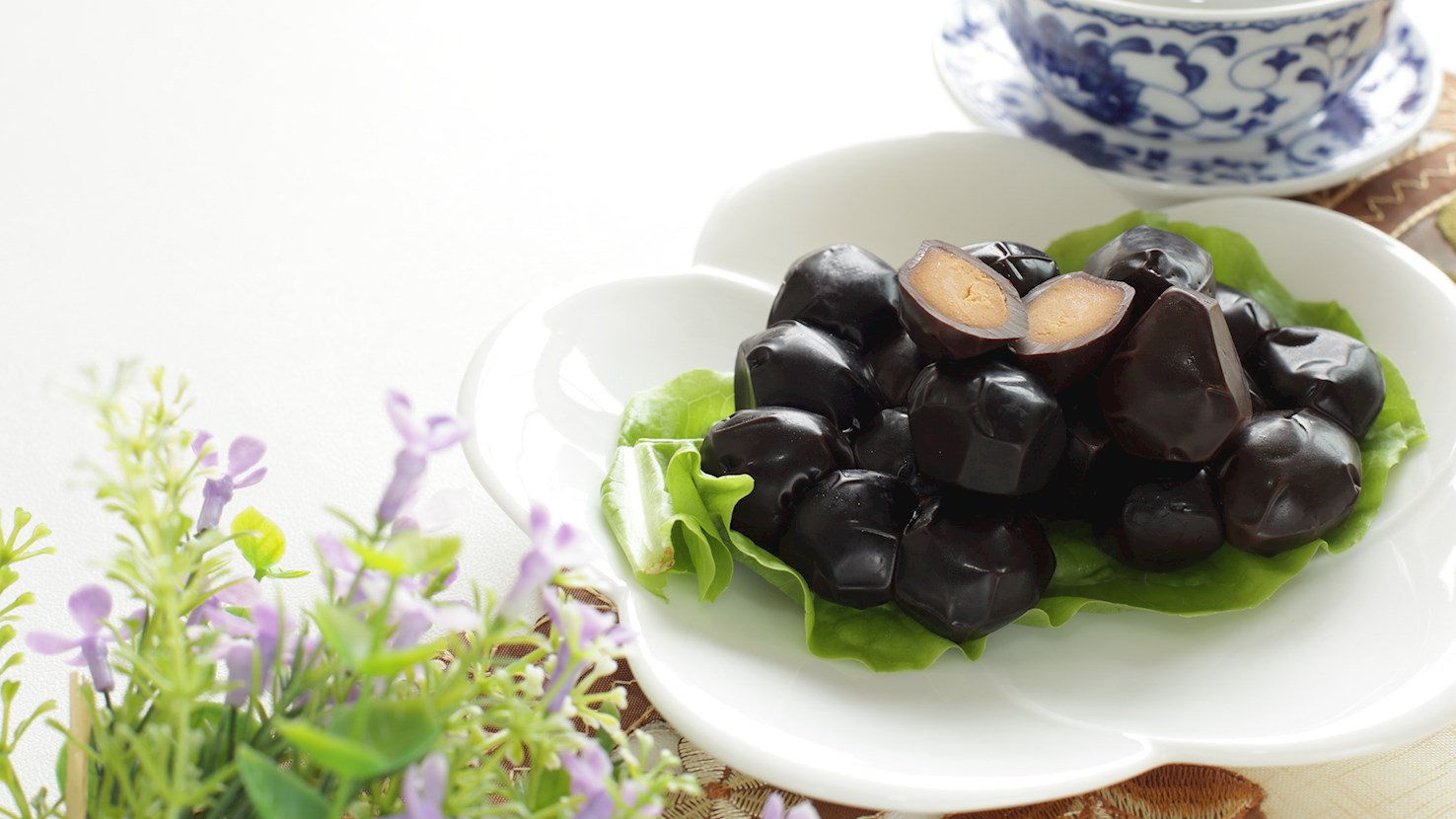
An original creation from Tamsui District, thih-nn̄g or iron eggs are dark-hued eggs with a rubbery and firm texture, hence the name. This local specialty consists of chicken, pigeon, or quail eggs that are boiled and peeled, stewed with a blend of spices until very hard and chewy, and then finally air-dried. Iron eggs are typically braised in soy sauce or strong tea and can be plain or enhanced with a variety of herbs and different flavors such as chili or garlic. With a combination of spicy, sweet, and savory flavors, these stewed eggs are one of Taiwan’s favorite street snacks available at numerous night markets. They are also sold in vacuum bags in supermarkets as well as in specialized stores. In recent years, iron eggs with surprising flavors, like the ones flavored with coffee, chocolate, or cheese can also be found in Taiwan.

10

Ô-á mī-sòa

3.4 ·

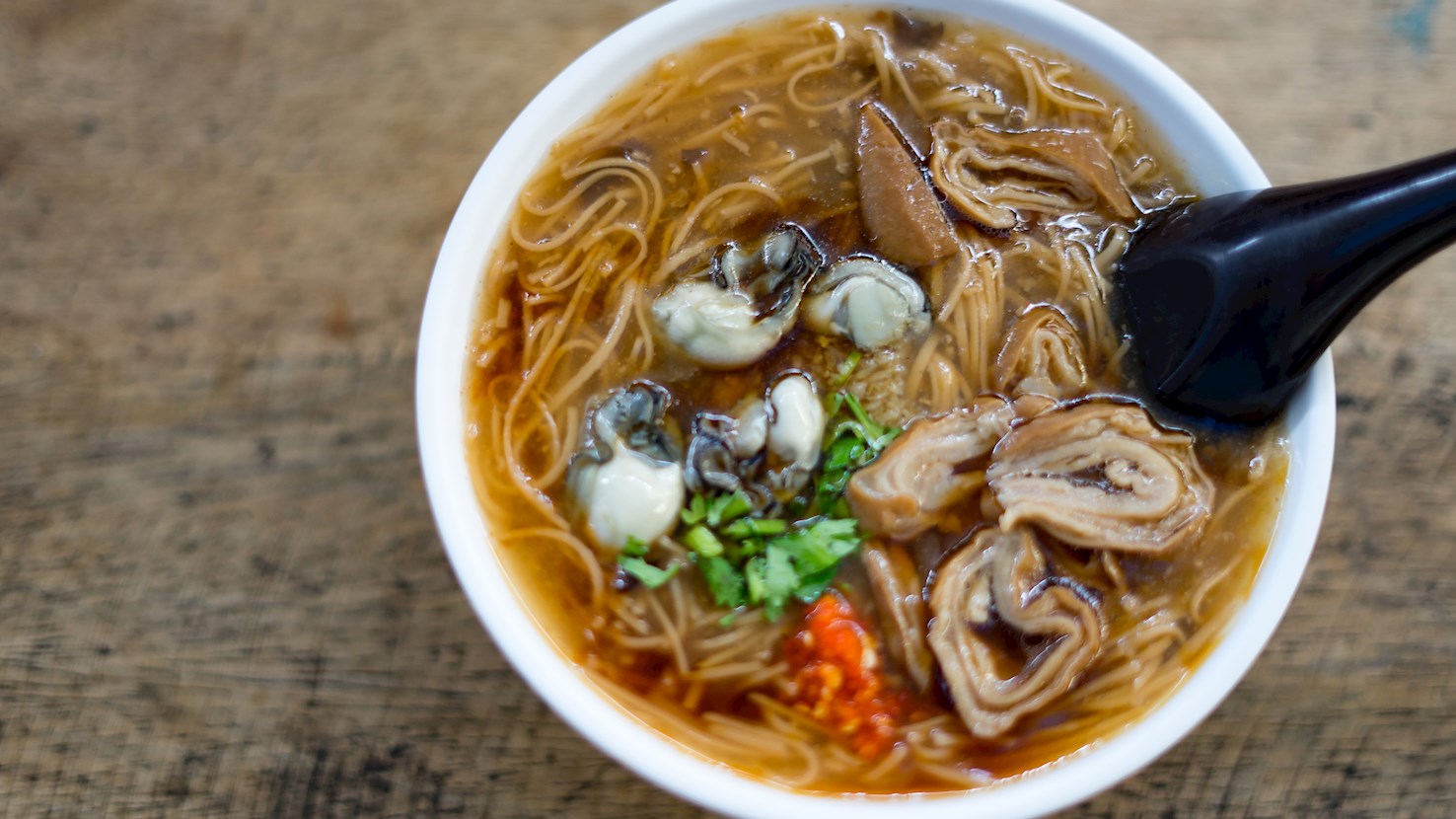
An authentic Taiwanese noodle dish called ô-á mī-sòa combines thin misua noodles with oysters in a thickened, savory soup. This noodle specialty typically consists of red misua noodles cooked in a broth, seasoned with minced garlic, bonito flakes, ginger, rice wine, oyster sauce, basil leaves, and cornstarch for thickening. It is usually consumed hot, accompanied by blanched oysters and (optionally) braised pork intestines. Packed with flavors and garnished with chopped spring onions or fresh cilantro leaves, this noodle dish is usually laced with black rice vinegar, soy sauce, and chili sauce. Oyster vermicelli is a very common street snack sold at Taiwanese night markets.

12

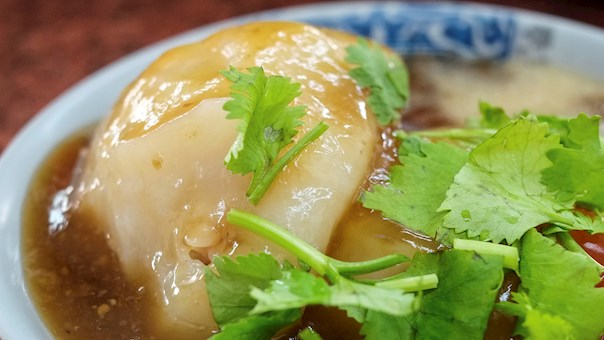
Ba wan

3.9 ·
Read more
View all
View map
About this ranking

TasteAtlas food rankings are based on the ratings of the TasteAtlas audience, with a series of mechanisms that recognize real users and that ignore bot, nationalist or local patriotic ratings, and give additional value to the ratings of users that the system recognizes as knowledgeable. For the “12 Worst Rated Taiwanese Street Food” list until June 16, 2026, 711 ratings were recorded, of which 586 were recognized by the system as legitimate. TasteAtlas Rankings should not be seen as the final global conclusion about food. Their purpose is to promote excellent local foods, instill pride in traditional dishes, and arouse curiosity about dishes you haven’t tried.

Similar lists