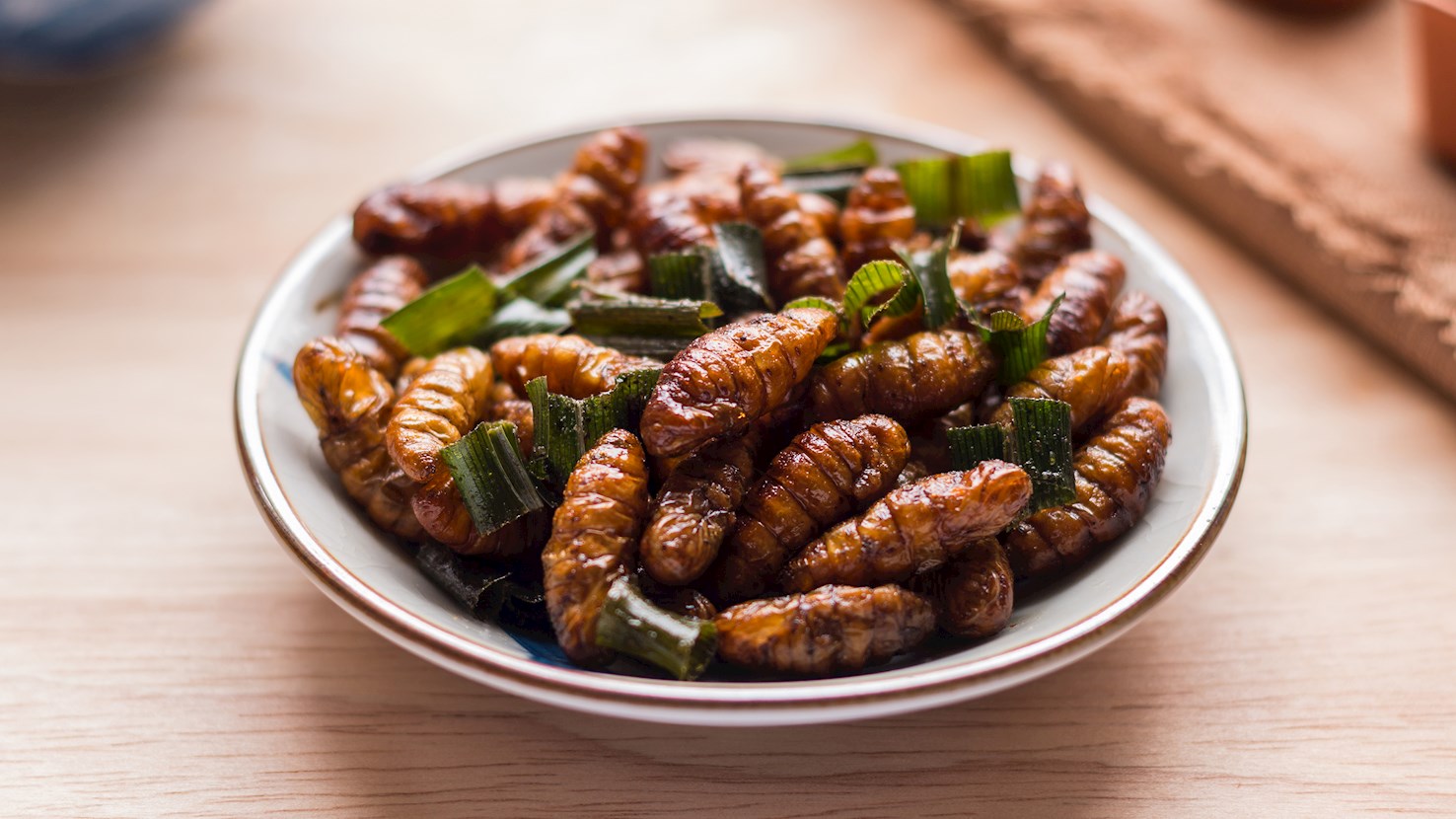
Hon mhai is a traditional insect dish that's especially popular in Bangkok. It's made by deep-frying silk worms, then seasoning them with salt, pepper, and sometimes a secret sauce that's prepared by the vendor, because the snack is usually sold from street carts. Once fried, the silk worms turn crunchy and greasy, while the flavor is sometimes described as slgihtly bitter. Hon mhai silk worms are prized because they're rich in protein and some believe that they have medicinal properties.
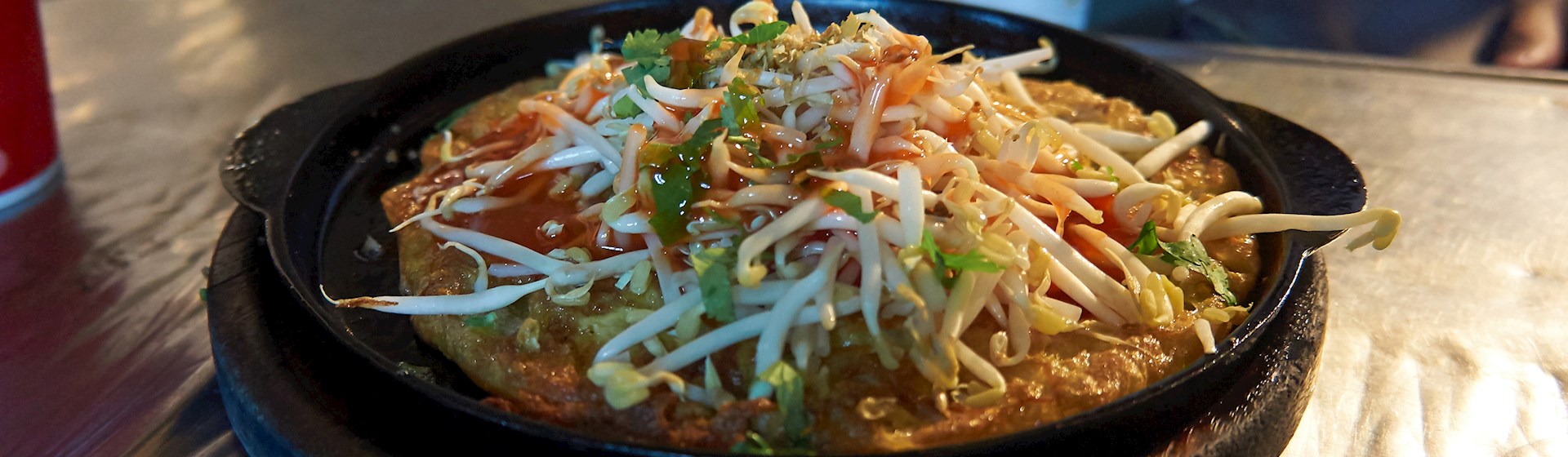
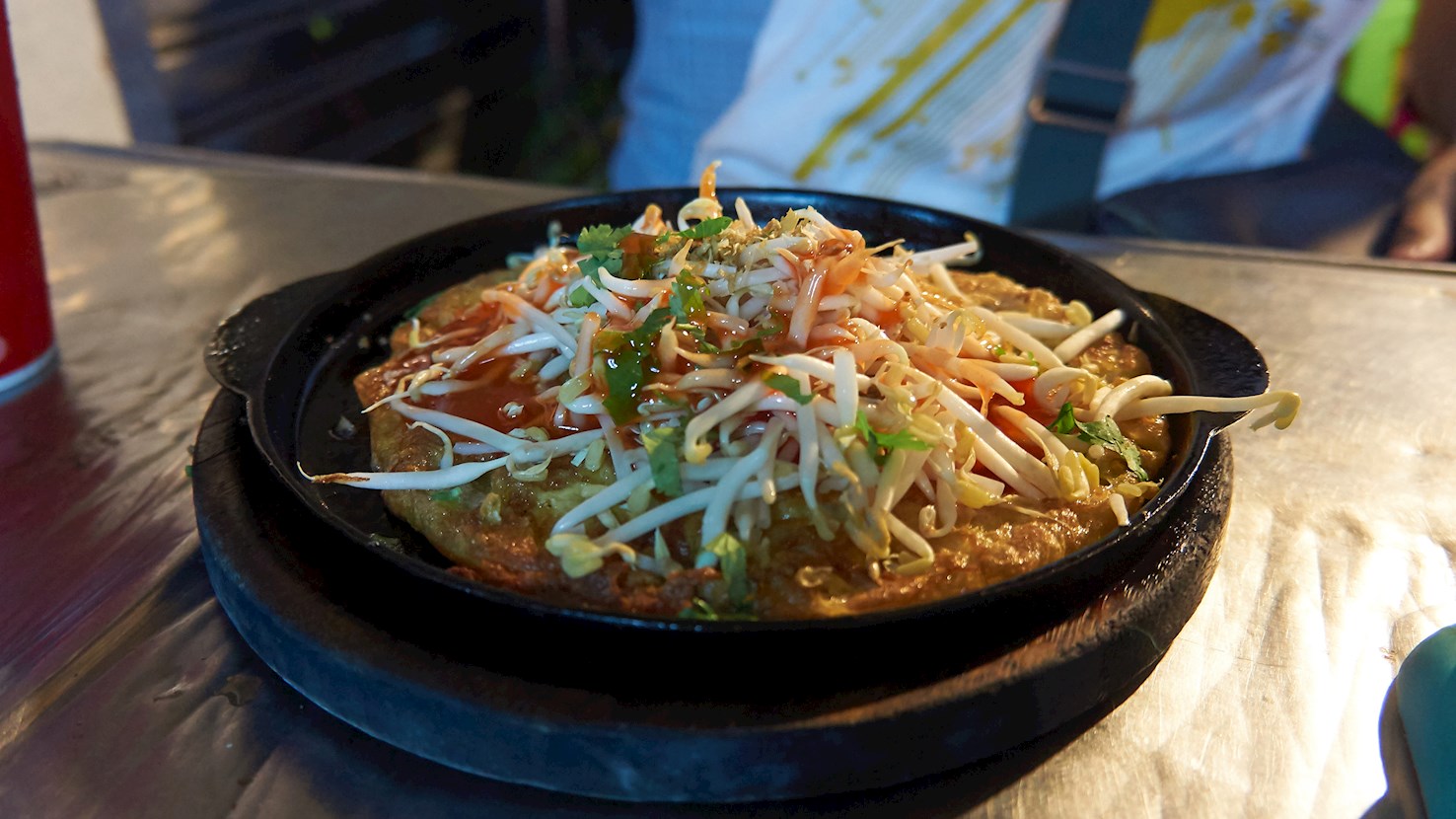
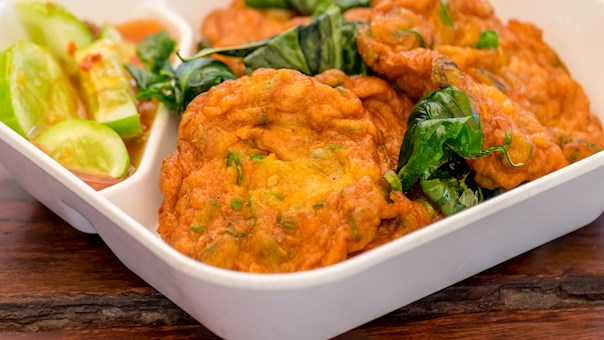
Hoy tod is a traditional dish that's commonly sold at street food stands. This crispy omelet is prepared with plump oysters or mussels (or both) and bean sprouts that are fried after being coated in savory egg batter. Once fried, the omelet is typically garnished with spring onions and served with assorted condiments such as green chili sauce, fish sauce with chili peppers, or tomato sauce. There's also the spongy and gooey version called or suan, and it's said that men usually prefer or suan, while women opt for the crispy hoy tod.
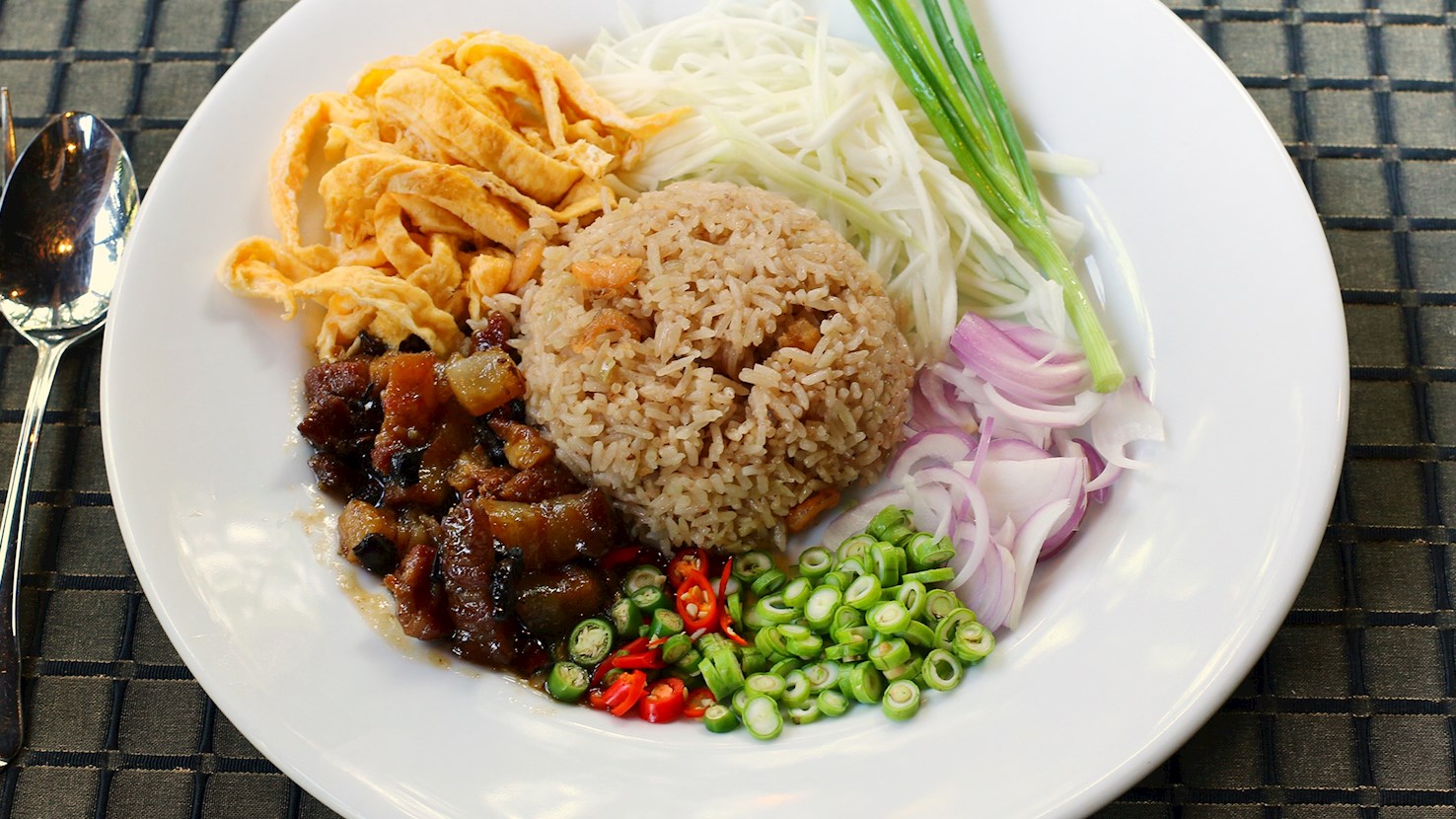
Khao khluk kapi is a Thai rice dish made with cooked rice that is fried with shrimp paste, and then topped with or served alongside a number of ingredients, including crispy dried shrimps, slices of sweet pork or chicken, chilis, raw mango gratings, red onions, omelet shavings, cucumbers, green onions, and cilantro. All these ingredients combined into one make for a colorful dish and create an explosion of flavors and textures in the mouth. This delicious rice and shrimp paste dish is usually sold as a takeaway food at many street stalls throughout Thailand.
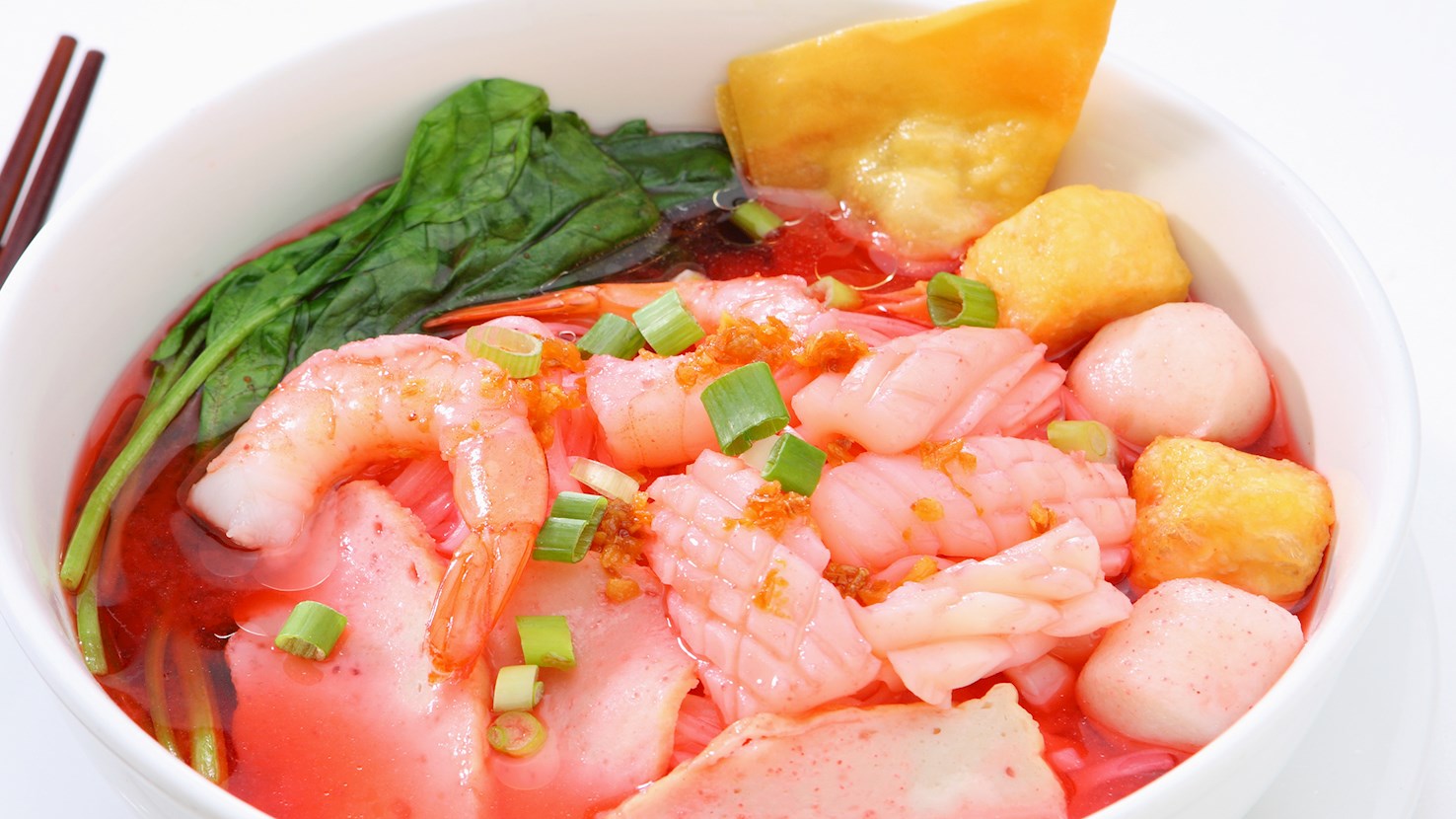
Yen ta fo is a bright pink noodle soup built around a clear pork broth colored and flavored with pungent fermented red bean curd sauce. Rice noodles form the base, joined by seafood, tofu, greens, fish balls, and several other toppings. The broth is usually made by slowly simmering pork bones or a chicken carcass. Its distinctive pink color comes from a sauce blended from fermented red bean curd, garlic, bird’s eye chilies, distilled white vinegar, and cane sugar. The sauce gives the broth a balance of sweetness, acidity, saltiness, and fermented depth rather than simply adding color. Wide, flat rice noodles are briefly blanched in boiling water with water spinach (also known as morning glory) until the noodles soften and the greens wilt. Both are transferred to a deep ceramic bowl and covered with a generous assortment of toppings. Common additions include springy fish balls, slices of fried tofu, scored pieces of crisp pickled squid, and dark cubes of congealed pig’s blood. A ladle of the red sauce is mixed with the hot, clear meat stock and poured over the noodles, turning the liquid a vivid shade of pink or magenta. The soup is commonly served with a condiment caddy holding fish sauce, sugar, dried chili flakes, and sliced chilies preserved in white vinegar. A ceramic spoon is used for the tangy broth, greens, and cubes of blood, while chopsticks handle the slippery noodles, tofu, squid, and fish balls. A crisp, deep-fried wonton wrapper often sits atop the bowl. It provides a brittle contrast at first, then gradually softens as it absorbs the acidic broth. Several variations change the balance of liquid, heat, and acidity. Yen ta fo haeng is the dry version, served without broth and mixed with a larger amount of fermented red sauce so that the noodles and toppings remain heavily coated. Another version adds fresh lime juice, roasted chili paste, and finely crushed roasted peanuts, producing a sharper, hotter, and nuttier result. The roots of yen ta fo are commonly linked to Hakka immigrants who settled in Bangkok during the late 19th century. They brought yong tau foo, centered on tofu stuffed with minced pork or fish paste. In its earlier Hakka form, fermented red bean curd was served separately as a dipping sauce. By the middle of the 20th century, street vendors in Bangkok began stirring the red sauce directly into pork broth, reportedly as a quicker way to serve the components together. The change transformed the clear soup into the distinctive pink version now closely associated with the city’s noodle stalls.
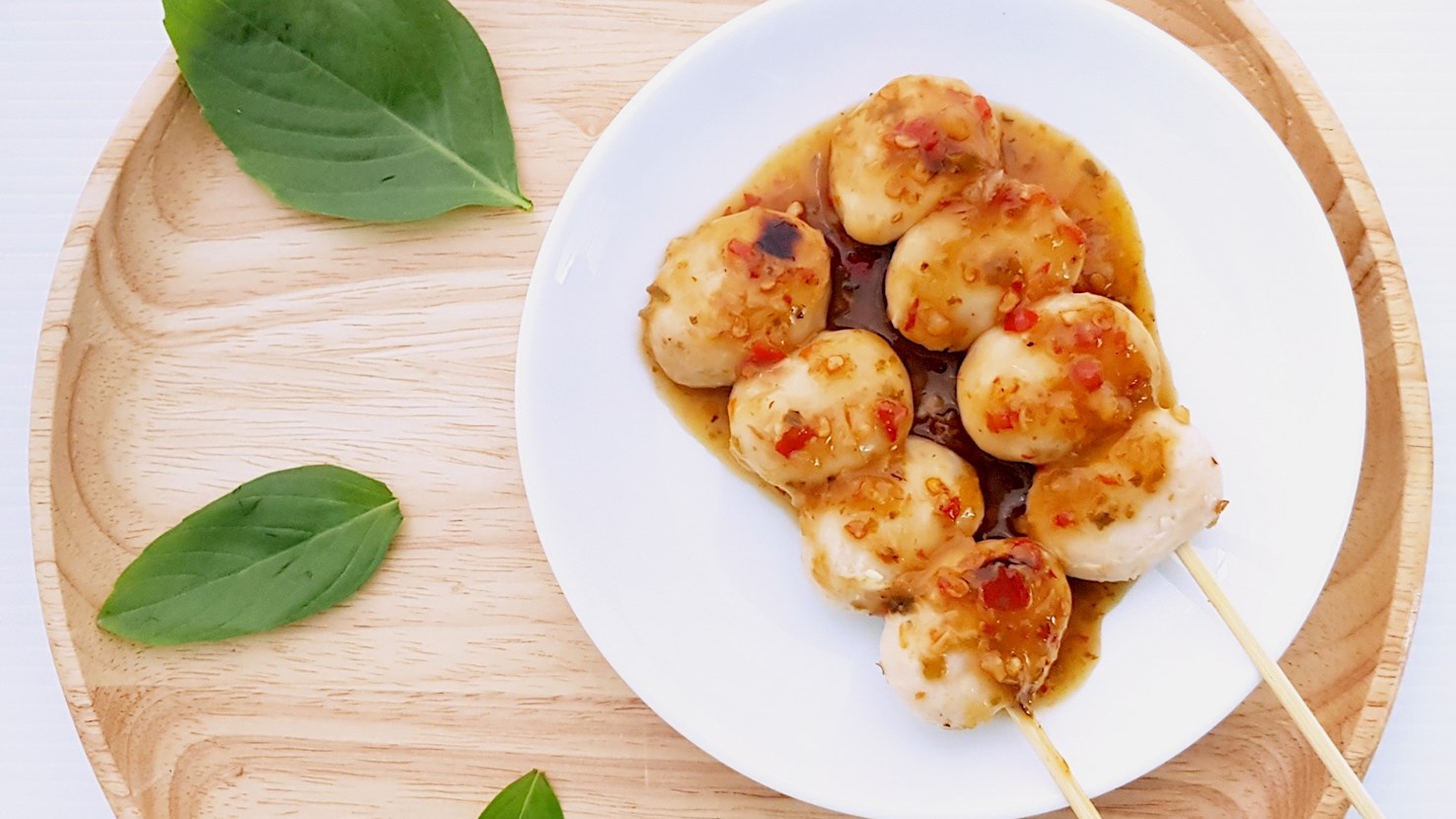
This Thai snack consists of grilled or deep-fried meatballs made with a mixture of ground meat (usually beef or pork) combined with herbs and seasonings. The dish is served on a bamboo skewer, typically accompanied by a sweet-and-spicy dipping sauce. Luk chin ping is sold by many street vendors in Thailand and it is beloved by children and adults alike.
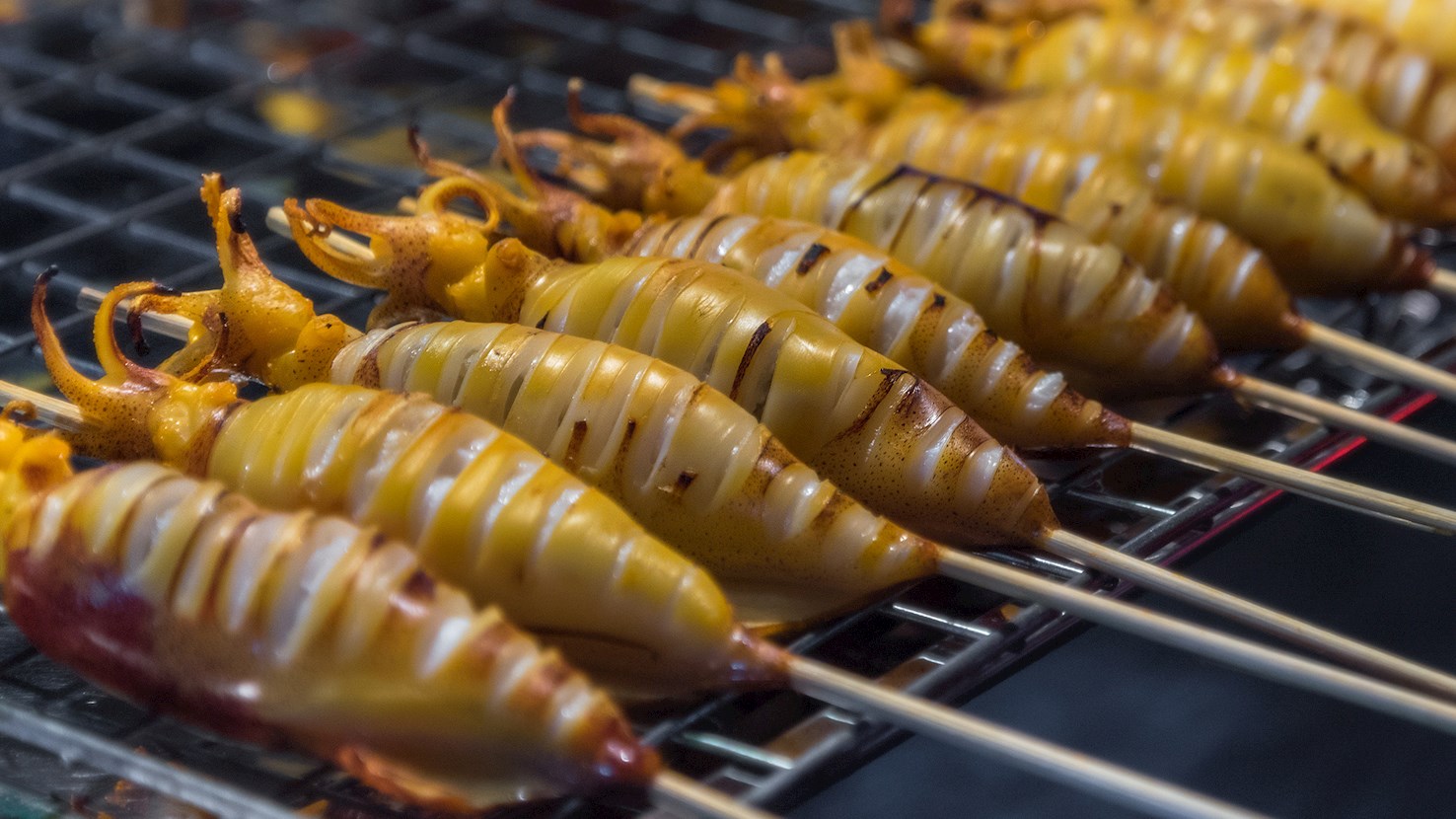
Pla muek yang is a Thai-style chargrilled squid dish typically coated in a spicy, sweet-and-sour sauce consisting of lime juice, fish sauce, garlic, chilis, coriander roots, and sugar. The dish is often served with peanuts and coriander leaves on top and is commonly sold at roadside eateries and street stalls across Thailand. It can be consumed on its own as an appetizer or a main course, or it can be mixed with salads.
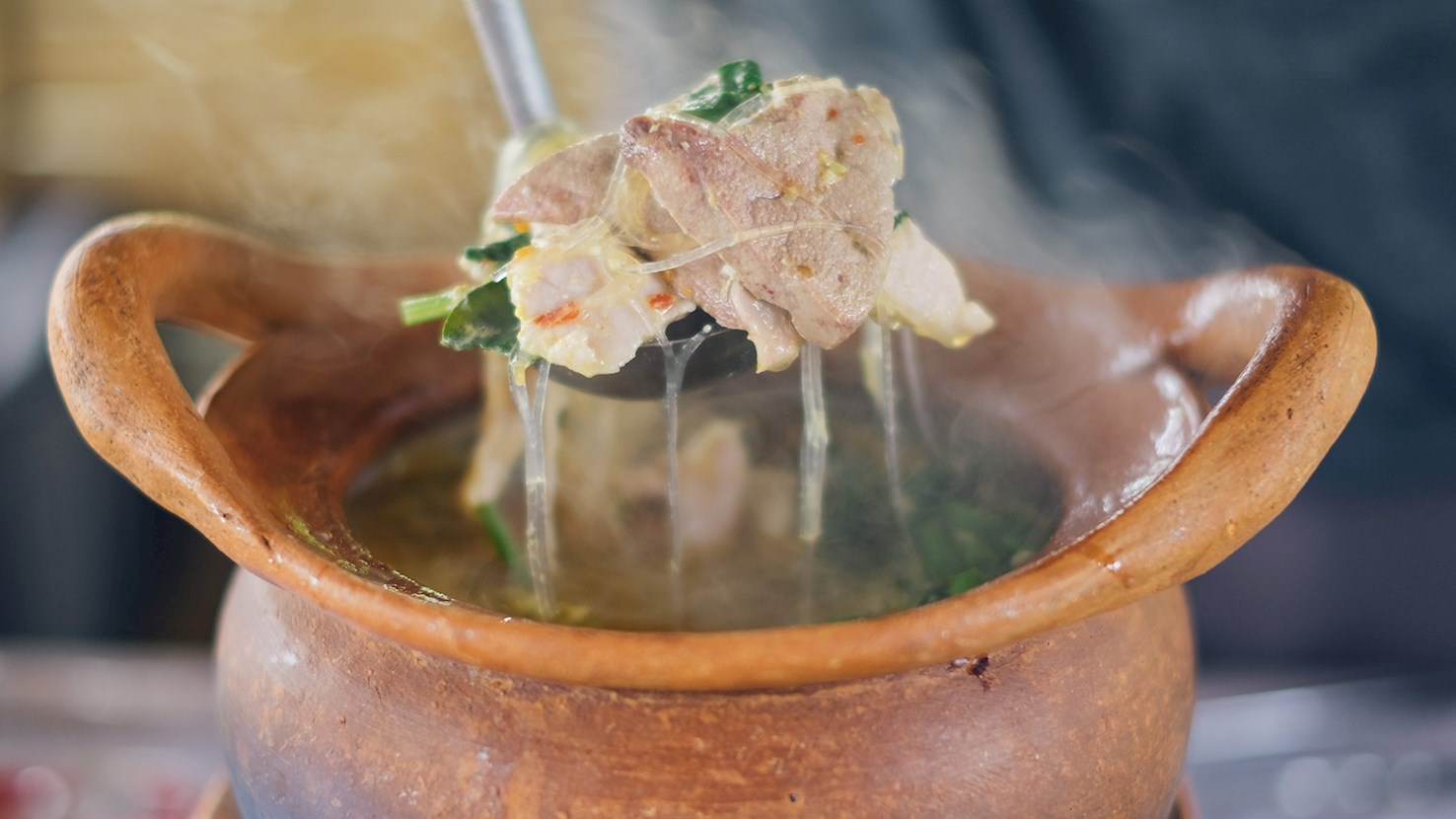
The term chim chum refers to a traditional Thai dish as well as the earthenware pot in which the dish is cooked. The preparation starts with a broth that is flavored with galangal, lemongrass, and Thai basil. Various vegetables are added next, and the broth is served together with marinated pork, chicken, or tofu - which the guest shortly simmer until cooked. Chim chum, which roughly translates as drip and drop, is intended to be eaten as a communal meal, and it is usually served with nam chim - a dipping sauce consisting of garlic, chili peppers, fish sauce, lime juice, coriander, shallots, and palm sugar.
Kai jeow pu is a traditional crab omelet originating from Thailand. It's usually made with a combination of crabmeat, eggs, a bit of flour, fish sauce, and oil. About half of the eggs are fried in hot oil, topped with crab meat, and then the combination is topped with another layer of eggs. The eggs and the crab meat can also be mixed together, then simply fried in lots of hot oil. Once the omelet has been shaped and fully cooked, it is served immediately. Kai jeow pu has recently been popularized by Bangkok's famous chef Jay Fai, whose street food stall was awarded a Michelin Star.
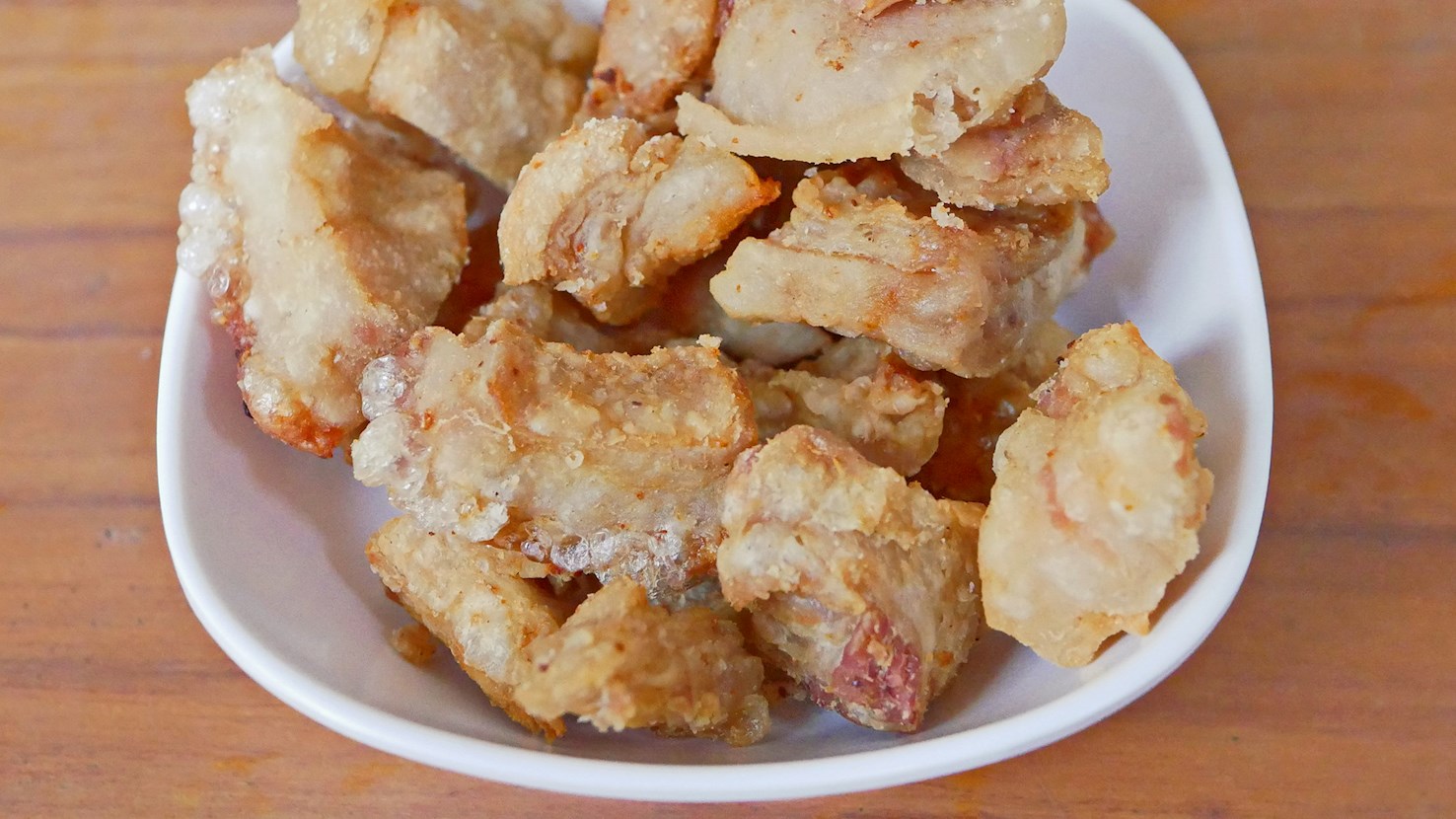
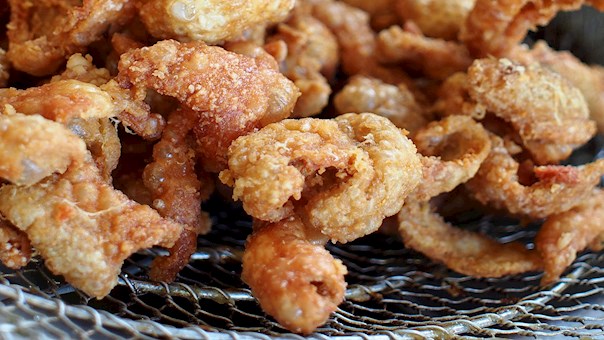
Fried pork rinds are a popular Thai snack that is prepared with cured or dried pork skin. Some fat is usually left on the skin, and the curing process helps the rind attain its typical puffed and crispy texture. Khaep mu is enjoyed as a snack when it is usually accompanied by chili-based nam phrik sauces. It can also be served as a side dish, and when crumbled, it is often added to various dishes as an ingredient or a garnish. This filling snack is traditionally associated with northern Thailand, and it is commonly sold by street vendors.
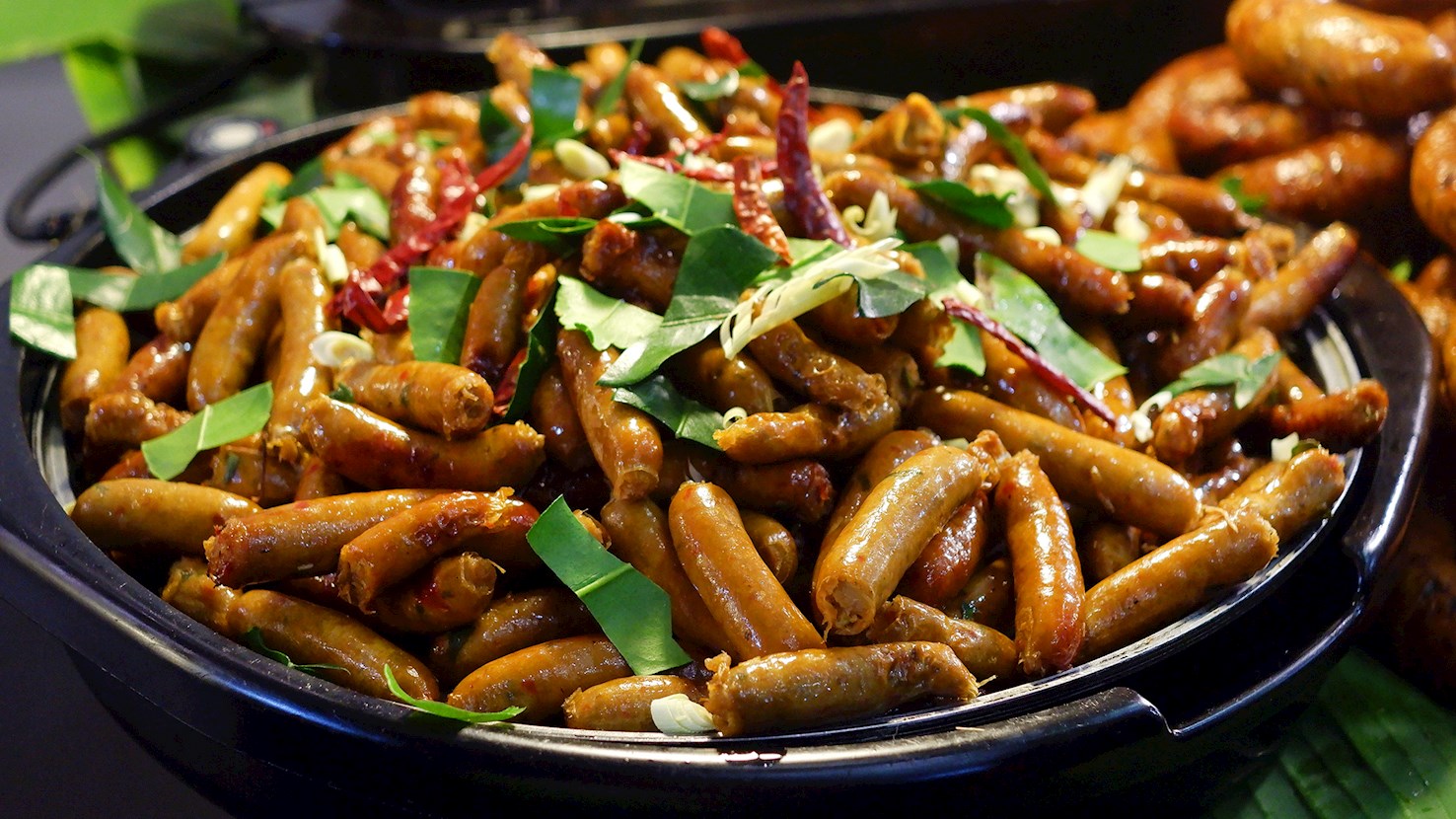
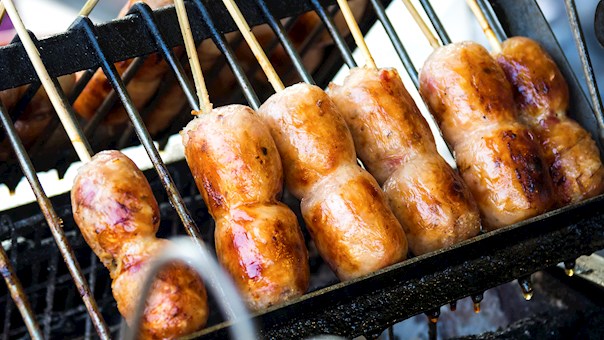
Renowned for being flavor-packed, sai ua is a type of Northern Thai sausage that combines pork with a red curry paste and a variety of herbs and spices. The meat mixture is prepared with ground pork, green onions, kaffir lime leaves, and cilantro stems, which are all finely chopped and combined. It is then mixed with a curry paste usually composed of galangal, kaffir lime zest, lemongrass, garlic, fermented shrimp paste, chilis, shallots, and fish sauce. Traditionally, sai ua is added to an intestine wrapper and formed into a coil that is typically grilled. These days, however, the sausage mixture is not necessarily added to sausage casings and can be shaped into meat patties, balls, or caseless sausages. Sai ua is often broiled, baked, or fried, and consumed as a street snack, an appetizer, or an accompaniment to main dishes. Salty and somewhat spicy, this Thai sausage is usually served with fresh vegetables, sticky rice, and nam prikh num sauce on the side. Sai ua is a staple of northern Thai provinces, especially Chiang Mai, where it is available at numerous street stalls and markets.
TasteAtlas food rankings are based on the ratings of the TasteAtlas audience, with a series of mechanisms that recognize real users and that ignore bot,
nationalist or local patriotic ratings, and give additional value to the ratings of users that the system recognizes as knowledgeable.
For the “19 Worst Rated Thai Street Food” list until September 16, 2026, 2,574 ratings were recorded, of which 1,904 were recognized by the system as legitimate.
TasteAtlas Rankings should not be seen as the final global conclusion about food. Their purpose is to promote excellent local foods,
instill pride in traditional dishes, and arouse curiosity about dishes you haven’t tried.




What People Say