


shutterstock

100 Worst Rated Street Food
in the World

Last updated on May 21, 2026
01

Jellied eels

2 ·

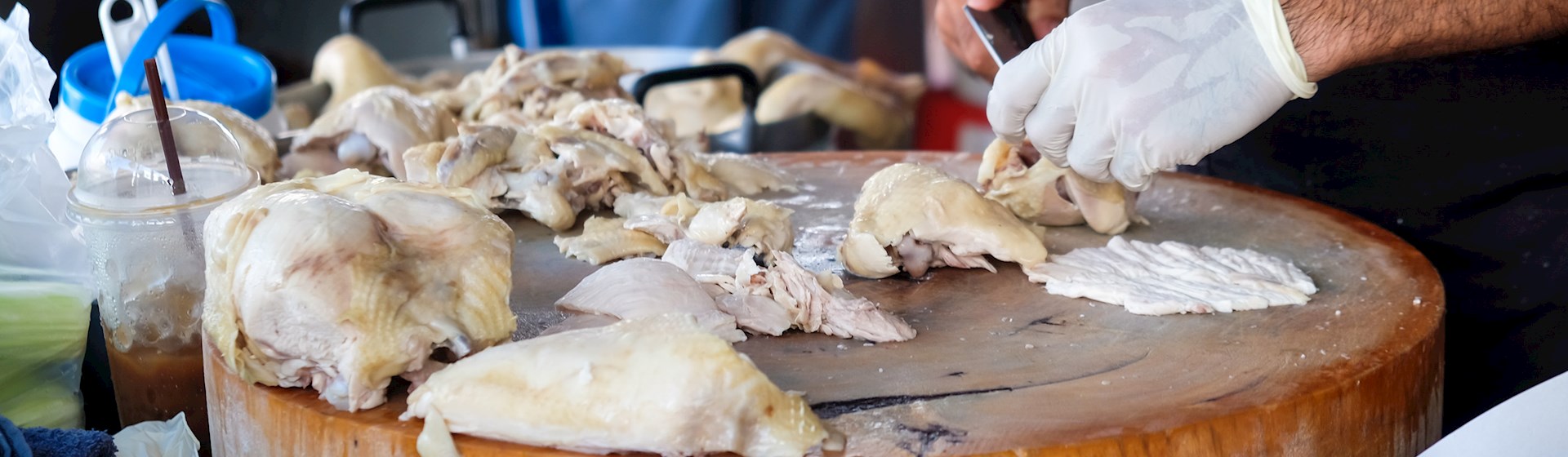
Jellied eels is a traditional Cockney street food item, dating back to the 18th century. Originally, it was a cheap and easy way to make a good dish, with plenty of native eels readily available in the Thames River. The eels would get chopped, boiled for approximately half an hour in herbs, then cooled - that is when the fish would produce their own gelatin, and a soft, transparent jelly would form on the cut pieces. The texture of jellied eels is delicate and soft, and while some may say it's unpleasant, their flavor is unique - mild, slightly salty, like pickled herring, but without the unusual "fishy" scent. They are commonly accompanied by white pepper and vinegar in order to further accentuate the flavors. The dish can be served either hot or cold, and according to jellied eels experts, it tastes perfect when paired with chili vinegar.

02

Hon mhai (Deep-Fried Silk Worms)

2 ·

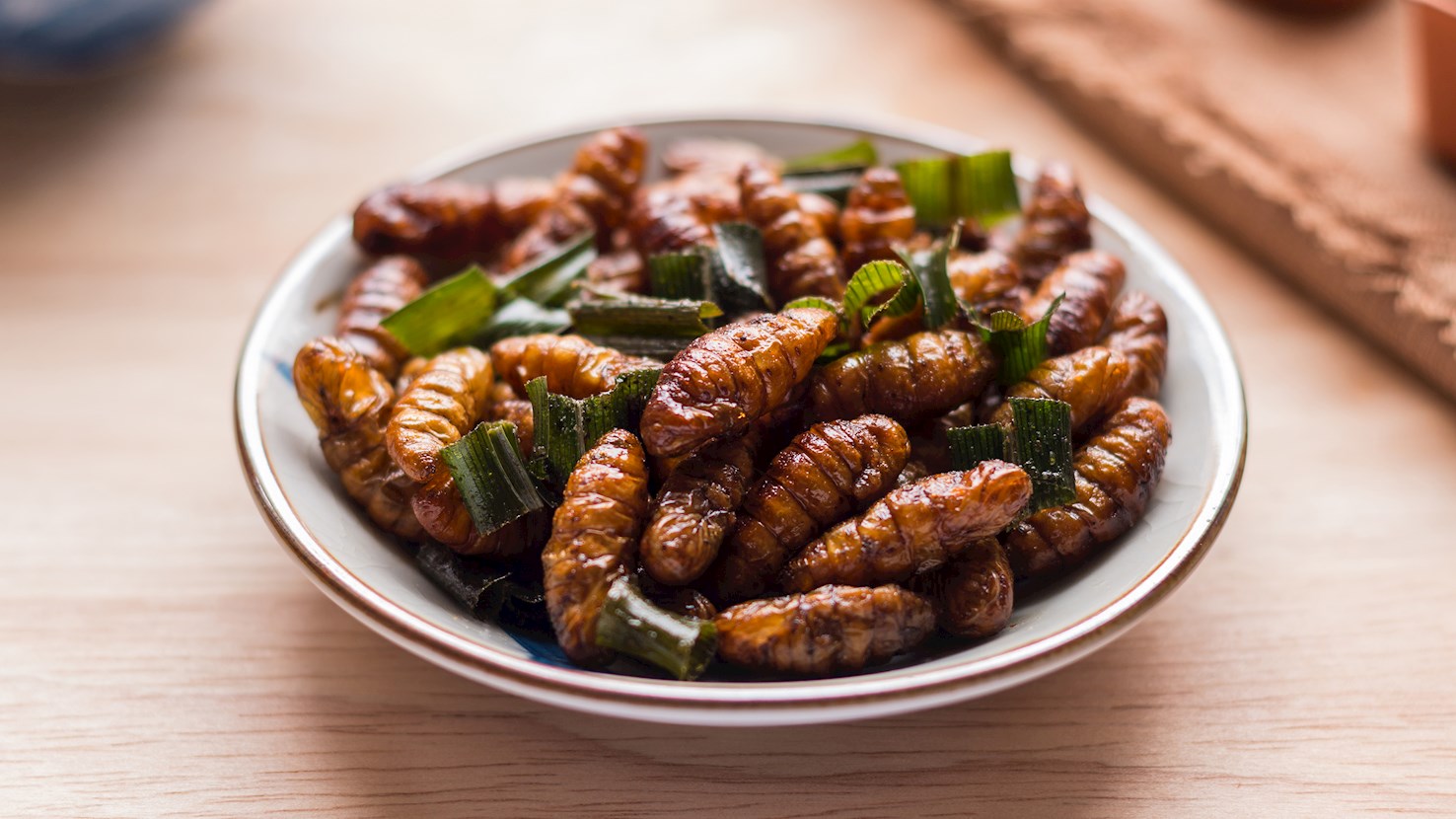
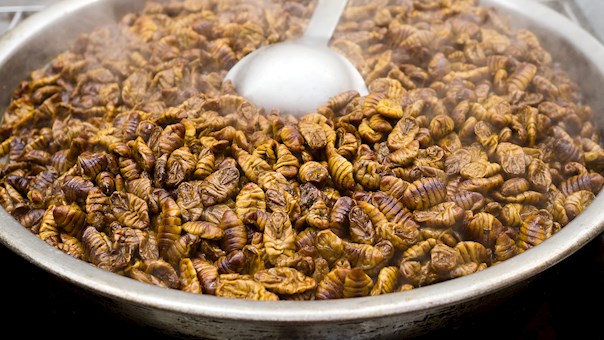
Hon mhai is a traditional insect dish that's especially popular in Bangkok. It's made by deep-frying silk worms, then seasoning them with salt, pepper, and sometimes a secret sauce that's prepared by the vendor, because the snack is usually sold from street carts. Once fried, the silk worms turn crunchy and greasy, while the flavor is sometimes described as slgihtly bitter. Hon mhai silk worms are prized because they're rich in protein and some believe that they have medicinal properties.

03

Ramen Burger

2.1 ·

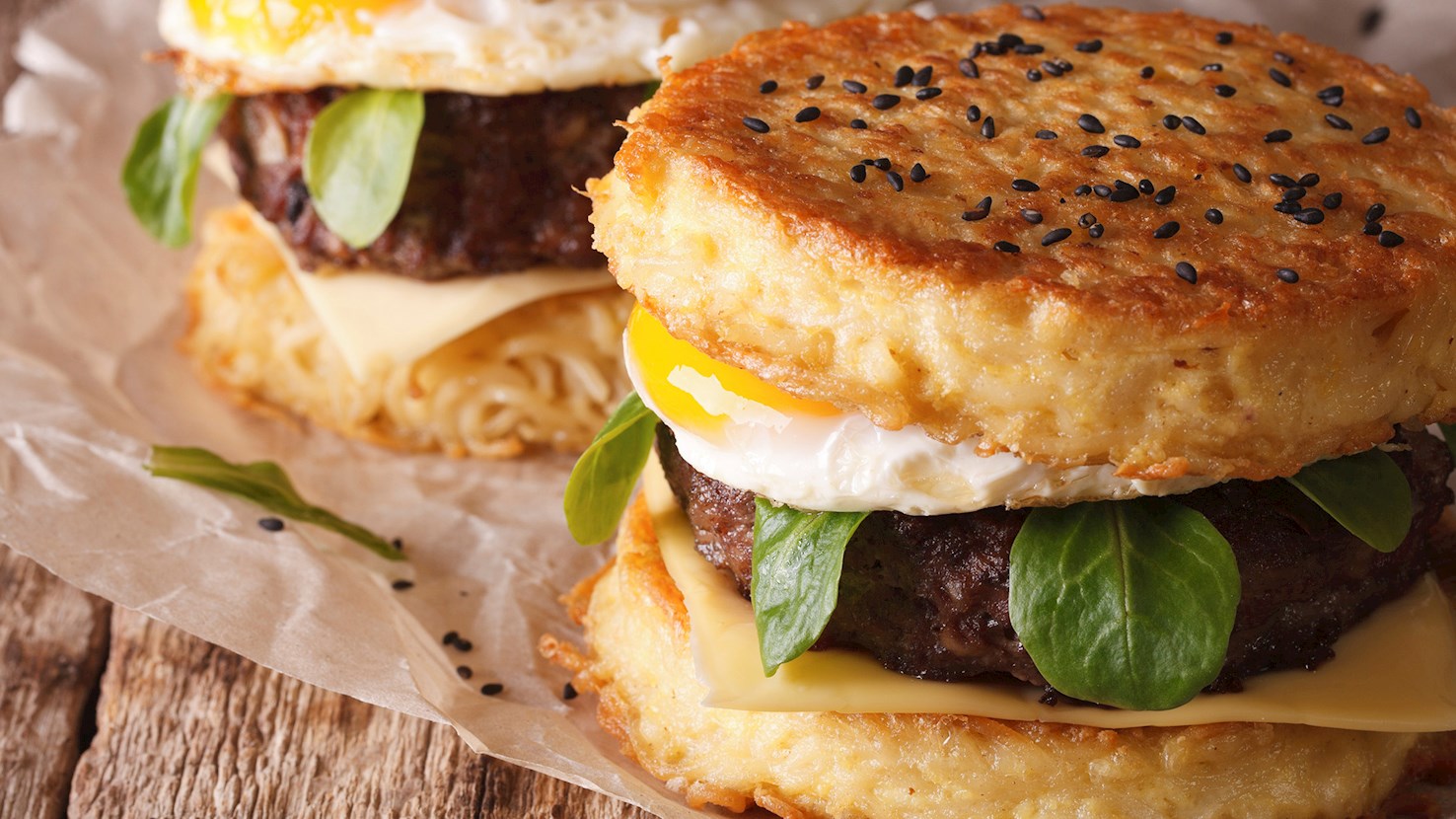
Ramen burger is a unique variety of a hamburger consisting of a meat patty that is sandwiched between two fried ramen noodle buns. The meat patty is typically slathered in shoyu sauce and topped with arugula and scallions. The dish was created by Keizo Shimamoto, a ramen blogger, who debuted it in 2013 in Brooklyn. The ramen burger was so popular that it had been voted by Time Magazine as one of the 17 most influential burgers ever created.

04

A-ping (Fried spider)

2.2 ·

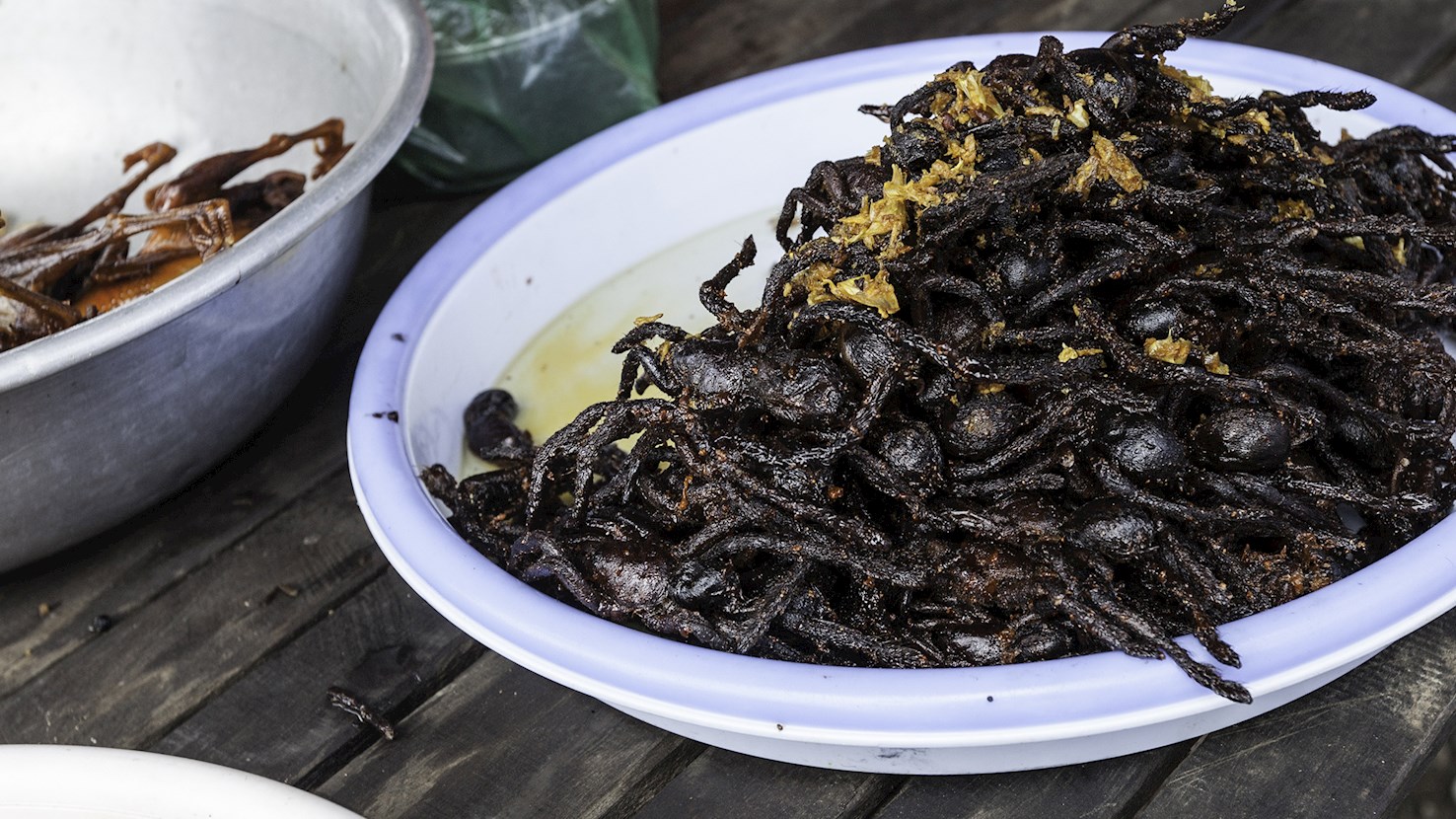
The city of Skuon in Cambodia is so infested with spiders that the nearly-starved locals have adapted and started consuming them in the 1970s, and the practice has continued ever since. It is no wonder that the city is known as Spider Town or Spiderville. The spiders (usually tarantulas) are breaded and deep-fried in hot oil, then served with some fresh local herbs on a bed of rice or noodles. The flavor of these critters has been described as a cross between cod and chicken – at least the hairy legs are supposed to taste so, because consumers are warned not to bite into the abdomen, which contains spiders’ internal organs and bodily fluids.

05

Balut

2.6 ·

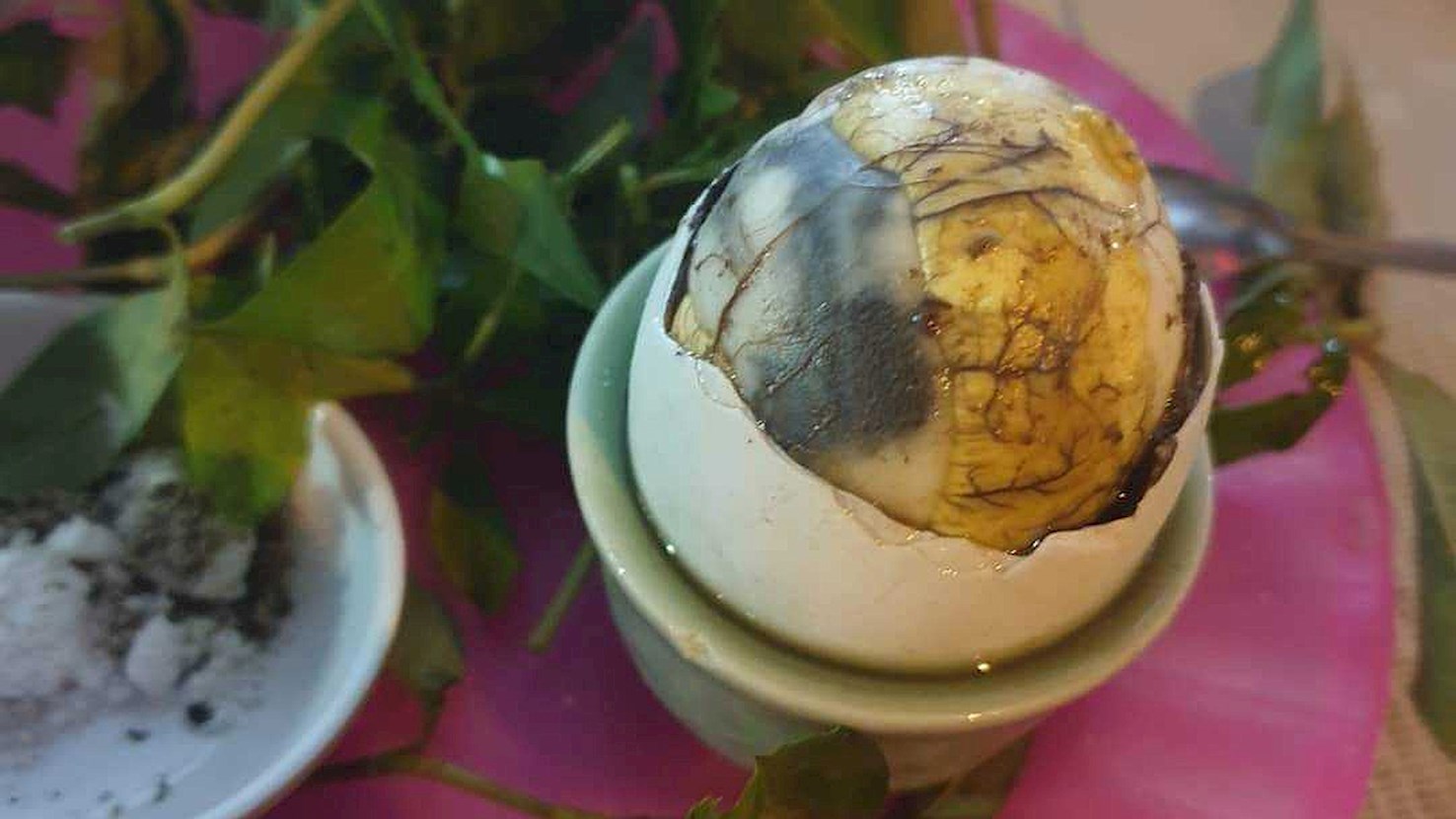
Balut is a popular, although unusual Filipino delicacy, served everywhere from street stalls to upscale restaurants. It is a duck egg that has been hard-boiled, fertilized, and incubated. Traditionally, the cooked embryo is consumed straight from the shell. It is considered an aphrodisiac that is commonly paired with a cold beer on the side. The dish can be seasoned with chili, garlic, vinegar, salt, lemon juice, ground pepper, and mint leaves. It can also be cooked in omelets or used as a filling for pastries. Although balut is closely associated with Filipino cuisine and has achieved popularity throughout the world, it is still considered a poor man's meal in the Philippines.

06

Kalinté

2.6 ·

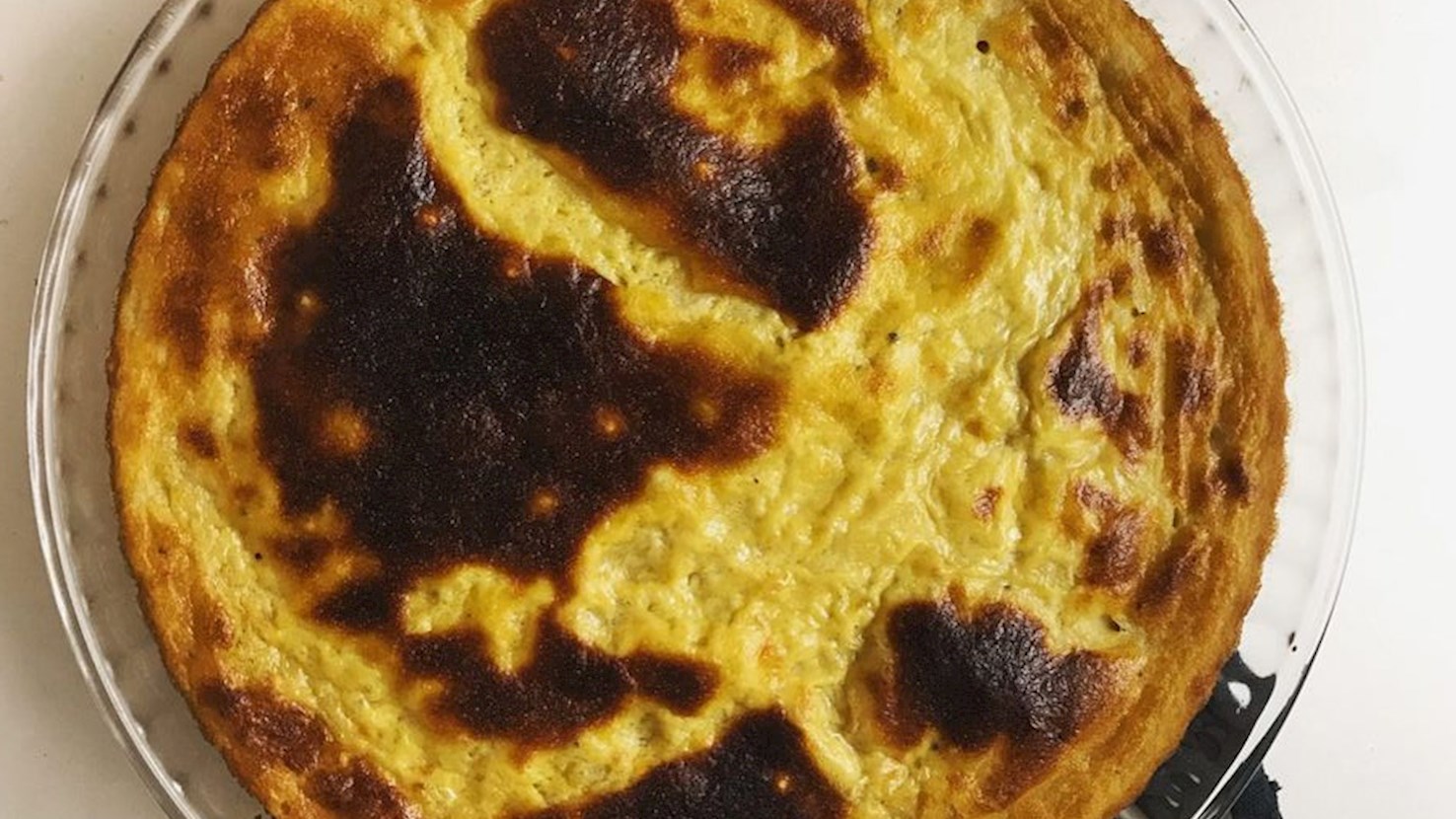
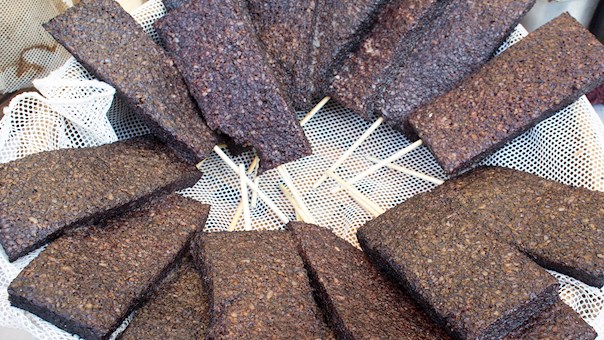
Kalinté is a traditional street bread originating from Tangier. It's usually made with a combination of chickpea flour, eggs, olive oil, salt, lukewarm water, and ground cumin or harissa sauce. Once prepared, the batter should be smooth and chilled for a while before it's baked in a brick oven, usually in a deep-dish pan. The top of kalinté is brushed with oil and it should be golden brown and glazed once it's baked. Kalinté is eaten by the slice, often as a small rectangle, and it's sprinkled with cumin or harissa before serving. The name of this flan-like dish is the Tangier slang word for heat.

07

Hormiga culona

2.7 ·

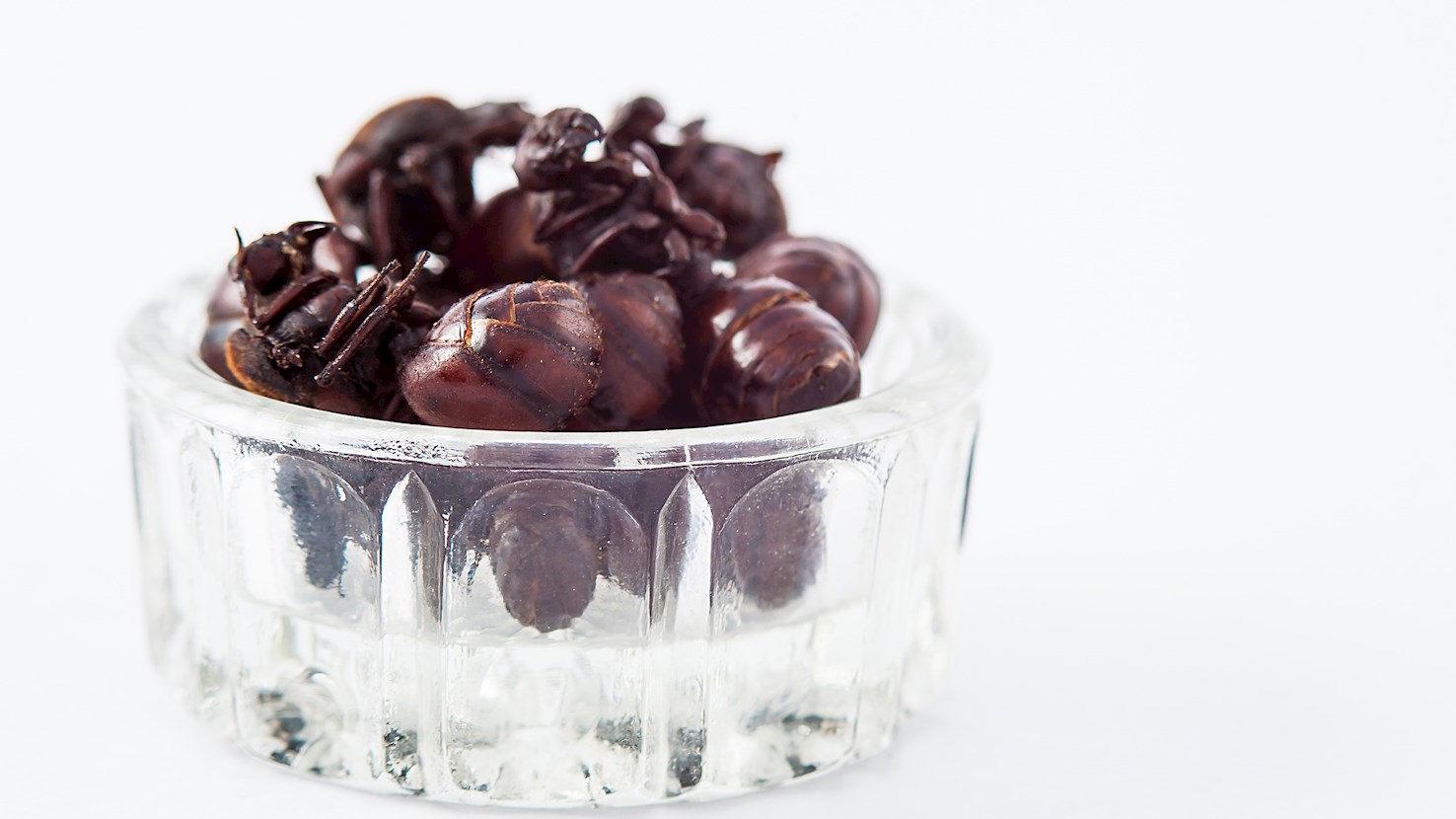
Hormiga culona are world famous fat-bottomed ants, an unusual delicacy from the department of Santander in Colombia. Originally harvested by the Guane Indians as a protein source, today it takes about five hours to gather the ants from their nests in springtime. Their bottoms get soaked in salted water, then they are fried for about 45 minutes and strained, while the wings get removed by hand. The snack is sold on numerous street corners, made with the addition of wine, or toasted with salt, while some upscale restaurants make their own gourmet versions of the dish. Providing a unique taste and flavor of Colombia, ants' bottoms can get seriously expensive due to the fact that they come out of their nests for only one or two days in a year, during the rainy season. They taste like peanut shells, salty and crunchy, and are sometimes also compared to pork rinds. The ants are large and always female, while some believe that they have aphrodisiacal properties, so hormiga culonas are sometimes even given as a wedding gift. Although it is an unusual food, the ants are believed to prevent high cholesterol in blood and are full of protein and Vitamin B, making it an unusual, yet healthy snack.

Best restaurants
08

Porilainen

2.7 ·

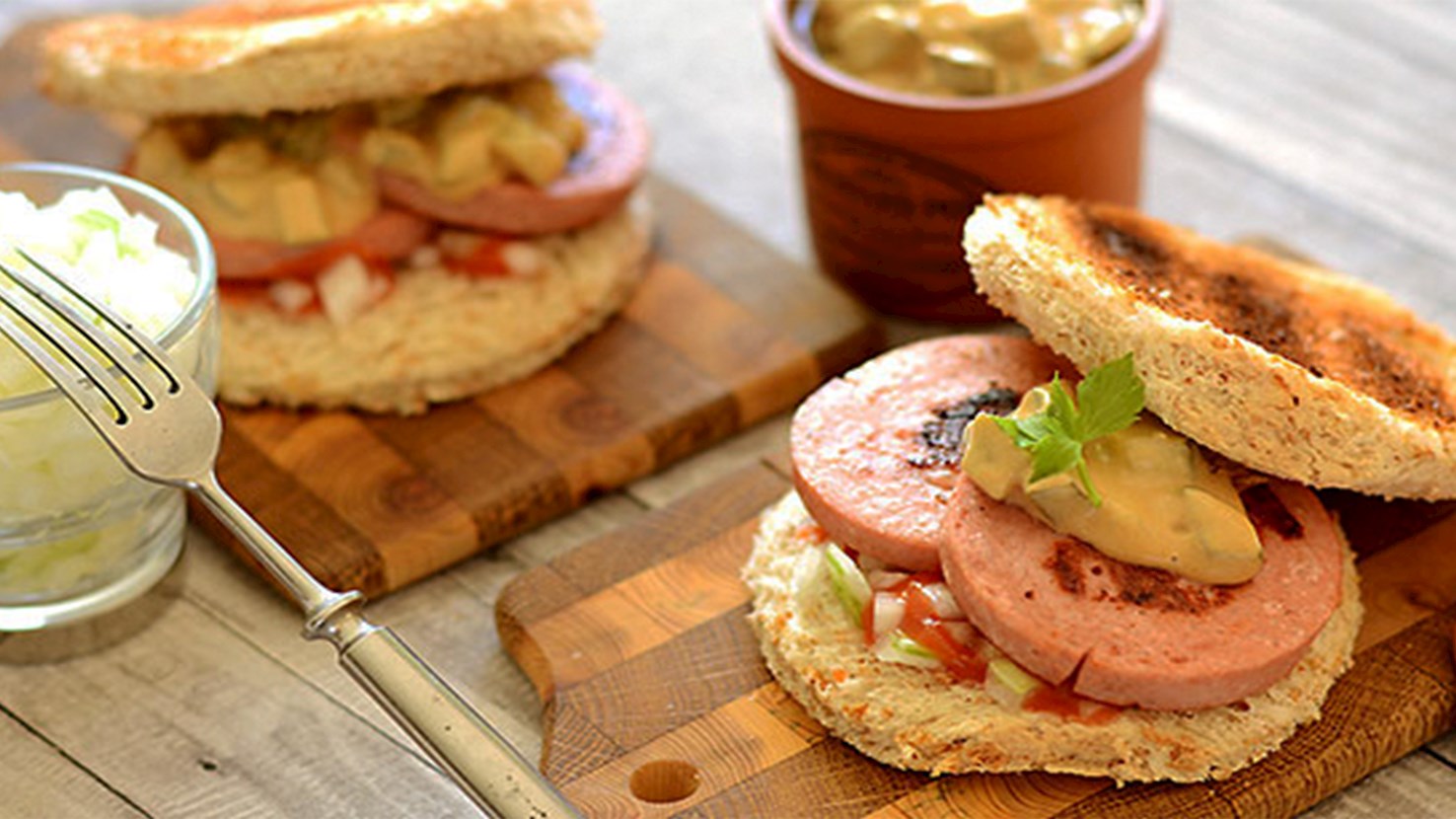
Categorically somewhere between a hamburger and a hot dog, porilainen is a simple Finnish sandwich consisting of slices of white bread filled with sliced pork sausage (usually jahtimakkara), vegetables, garlic flavoring, and condiments such as mayonnaise, mustard, or ketchup. It is believed that the sandwich was named after the city of Pori, although some claim that it was named after hampurilainen, meaning hamburger in Finnish. The sandwich can be bought at fairs and festivals from numerous street vendors.

09

Ganthiya

2.7 ·

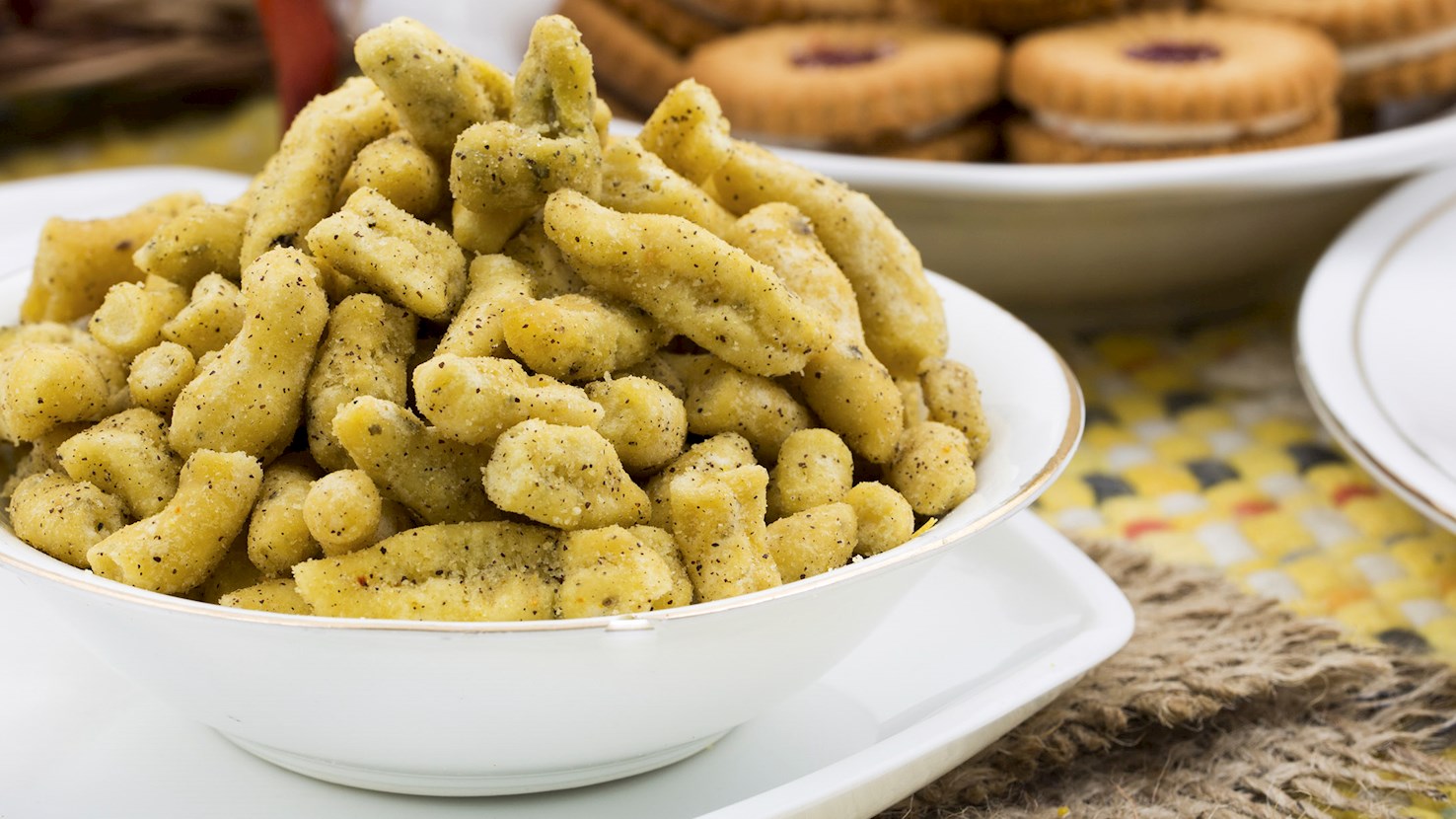
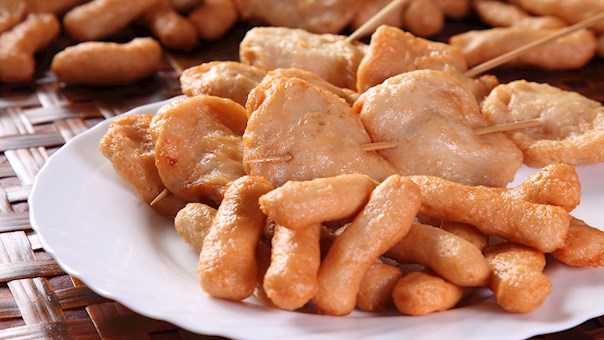
Ganthiya is a popular Indian deep-fried snack made from gram flour. It has origins in the Indian region of Gujarat, where it is commonly served with tea. Unlike most other Indian snacks, ganthiya is not crunchy, but soft and puffy. It can be found throughout Gujarat at numerous street stalls, but the snack is especially popular during Diwali. There is also a sweet version of ganthiya, called mitha ganthiya, while the plain version can be additionally flavored with red chili powder.

10

Texas Tommy

2.7 ·

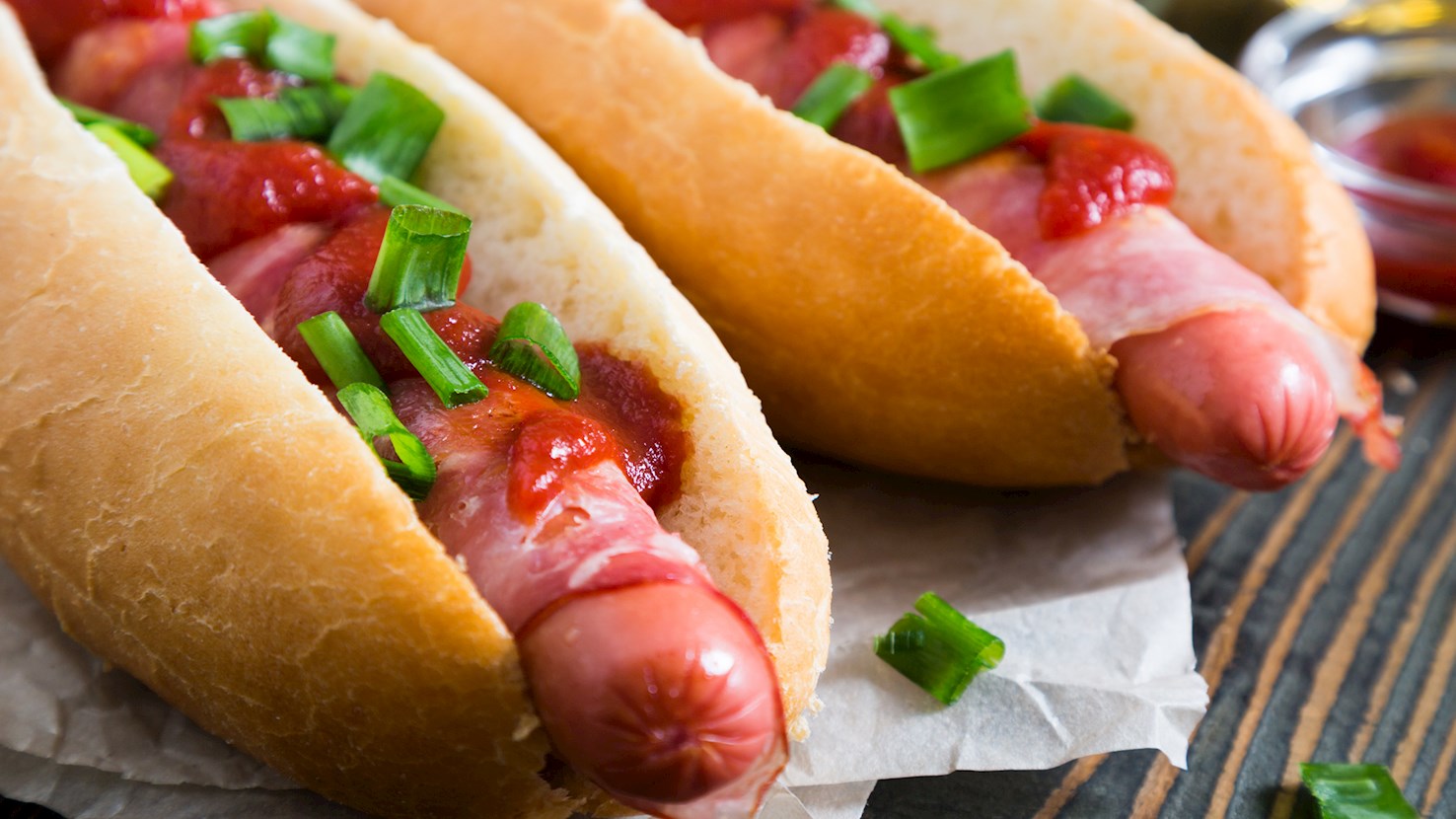
Texas Tommy is a Pennsylvanian variety of a hot dog, consisting of a toasted bun filled with a split and grilled or fried hot dog sausage, crispy slices of bacon, and heaps of cheese. The earliest versions had sausages that were wrapped in bacon before being grilled, and it is suggested that Texas Tommy possible influenced the creation of Tijuana dogs. This hot dog variety gained popularity in the 1950s, especially with housewives, as recipes for bacon-wrapped hot dogs appeared regularly in ladies magazines. Today, it is a staple at diners in Pennsylvania, Philadelphia, and New Jersey.

11

Beondegi

2.7 ·
12

Brathering

2.7 ·
13

Nasibal

2.8 ·
14

Tian bu la

2.9 ·
15

Ti-huih-ko

2.9 ·
17

Tà-á-mī

2.9 ·
18

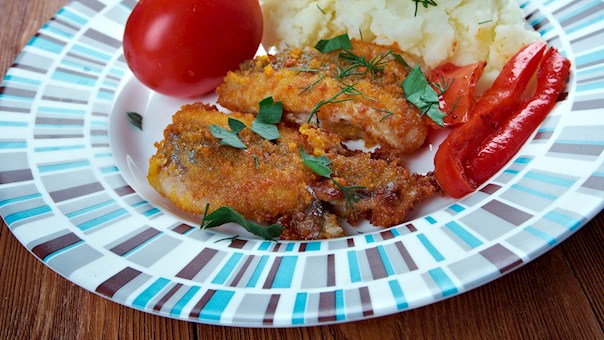
Stekt strӧmming

2.9 ·
19

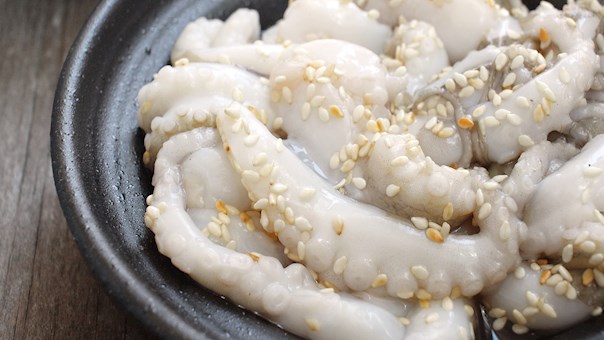
Sannakji

2.9 ·
About this ranking

TasteAtlas food rankings are based on the ratings of the TasteAtlas audience, with a series of mechanisms that recognize real users and that ignore bot, nationalist or local patriotic ratings, and give additional value to the ratings of users that the system recognizes as knowledgeable. For the “100 Worst Rated Street Food in the World” list until May 21, 2026, 92,808 ratings were recorded, of which 59,257 were recognized by the system as legitimate. TasteAtlas Rankings should not be seen as the final global conclusion about food. Their purpose is to promote excellent local foods, instill pride in traditional dishes, and arouse curiosity about dishes you haven’t tried.

Similar lists