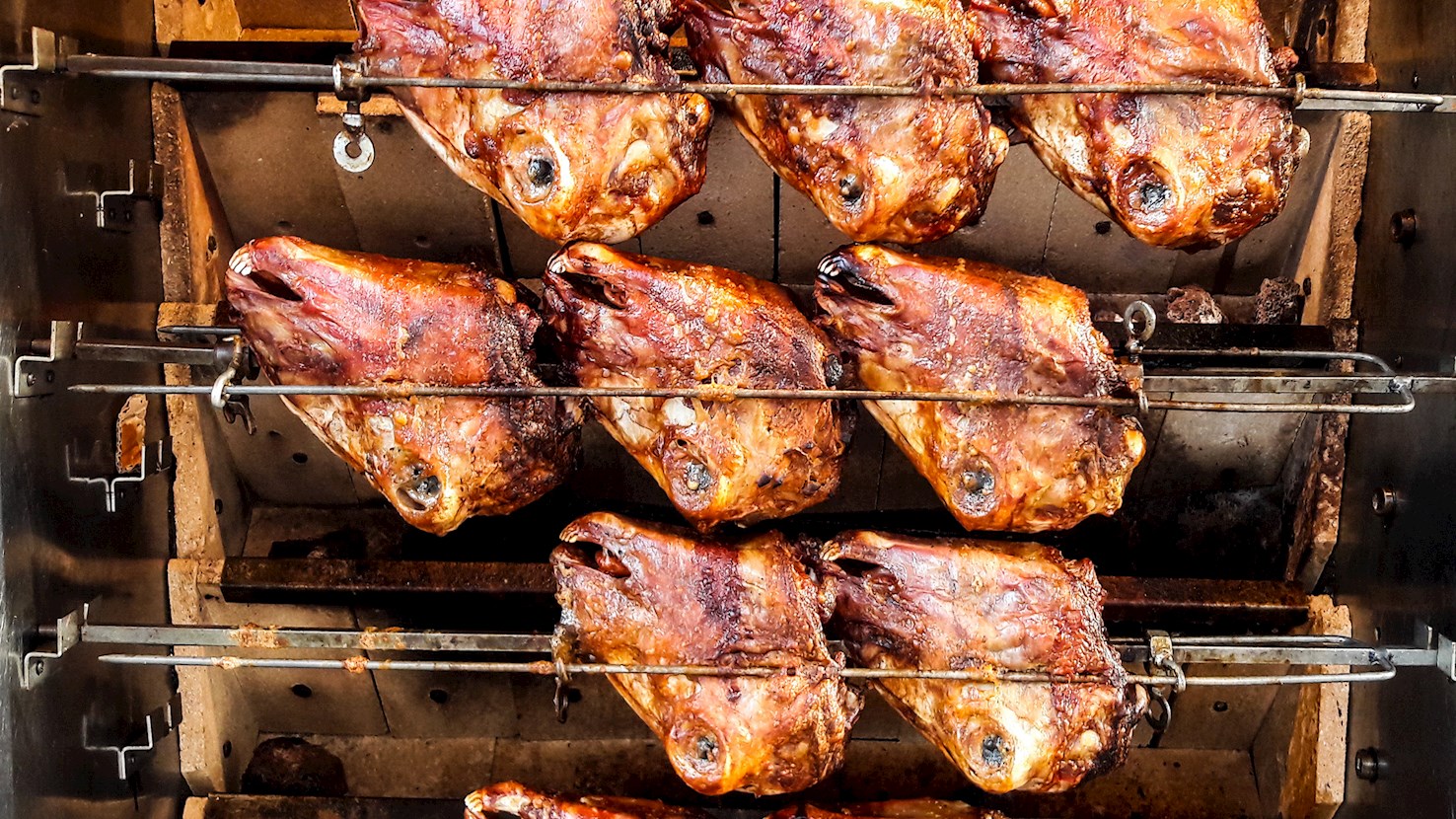
Kuzu kelle is an intriguing Turkish dish employing an unusual ingredient – the sheep’s head. It is prepared in two traditional ways; boiled and served cold, known as kelle söğüş; or roasted and served hot, more familiar under the name tandur kelle. The cold variety is usually cut in thin slices and is generously covered in salt, parsley, and onions before serving. The roasted head is usually served straight from the oven, while still steaming, and the juicy parts are usually delicately separated by the cook and presented to guests. For the locals, the sheep’s head is an authentic delicacy that is commonly enjoyed in local restaurants. It represents an exquisite meal because of the numerous pieces, each employing a different texture and flavor. The lean, firm tongue and the rich, juicy brain are usually considered to be special parts of the meal. If it is not served whole in restaurants and at local markets, where it is usually accompanied by a variety of vegetables, chili, and fresh herbs, sheep’s head can be found at numerous food stalls, served as a snack inside buns or wraps. Locals prefer to consume it as a breakfast dish, eaten before they start their working day. For the tourists, however, the dish represents an unusual meal, not recommended for the faint-hearted, but for those who prefer to enjoy and taste authentic meals without prejudice.
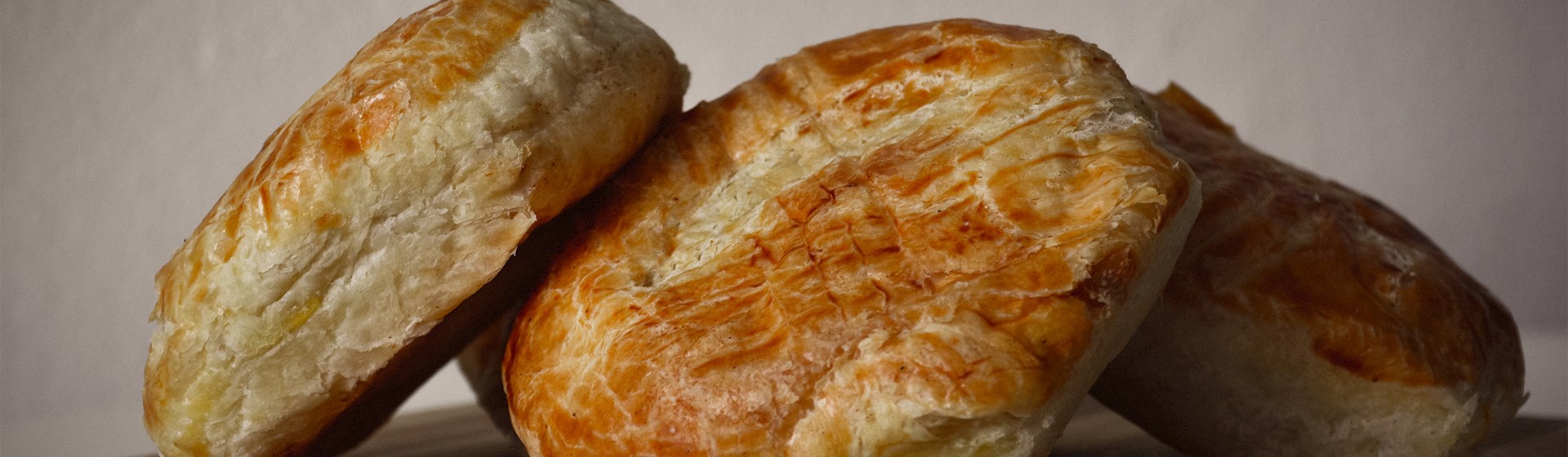
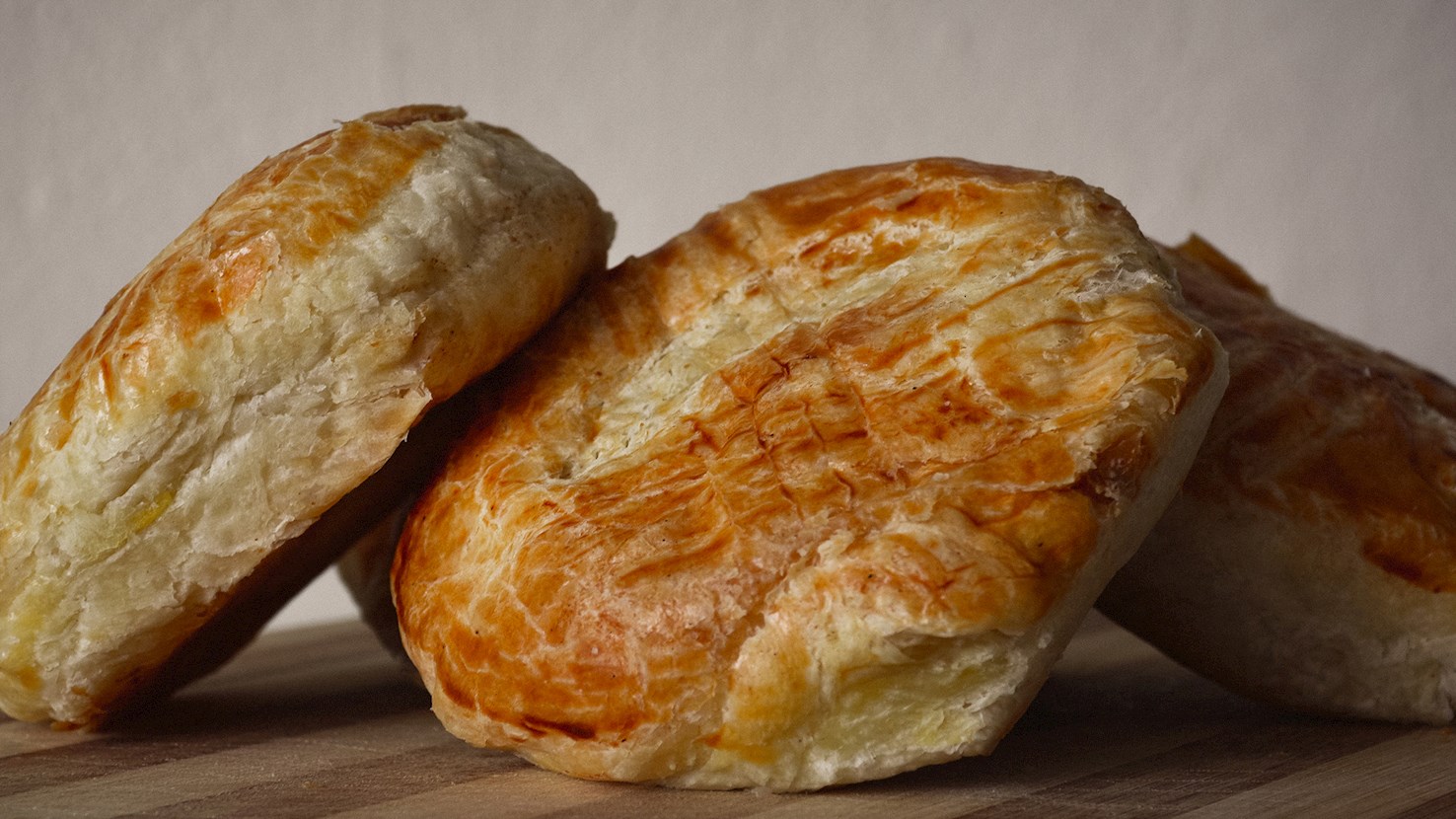
Boyoz is a round, flaky, unleavened pastry from İzmir, Türkiye, whose thin layers separate during baking, creating a crisp, lightly browned exterior and a tender interior that pulls apart easily. Boyoz is closely tied to İzmir’s Sephardic Jewish heritage. Sephardic communities settled in the Ottoman Empire after their expulsion from the Iberian Peninsula at the end of the 15th century. At the same time, İzmir became an important center of Sephardic life, particularly from the 17th century onward. Boyoz became part of the city’s Jewish food culture and eventually spread beyond the community, becoming one of İzmir’s defining foods. Its exact route and date of introduction are not firmly documented. The name is generally traced to Ladino and Spanish words such as boyo and bollo, referring to a bun or small bread. The pastry became so closely associated with the city that İzmir Boyozu received geographical indication protection in Türkiye in 2017. The traditional dough contains no yeast. Flour, water, and salt are kneaded together, rested, and divided into portions. The dough is repeatedly stretched very thin, coated with fat, folded, and rested, producing the numerous delicate layers that give boyoz its characteristic texture. Sesame has an important place in the older boyoz tradition. The Sephardic version uses sesame oil, while tahini is also used in established İzmir methods, usually mixed with oil or fat and spread between layers of dough. In many modern bakeries, sunflower oil has largely replaced the more expensive sesame oil. Tahini adds both richness and a subtle sesame flavor while helping keep the layers distinct. After several stages of stretching, folding, and resting, the dough is rolled into long strips and divided into individual portions. These are shaped into small rounds and baked at high heat until the exterior becomes golden and flaky while the center remains soft. The plain boyoz is the version most strongly identified with İzmir. Filled boyoz is also well established, particularly with cheese, spinach, eggplant, or potato. Boyoz is particularly associated with breakfast. In İzmir, the classic combination is freshly baked boyoz with a fırın yumurtası, an egg cooked slowly in the bakery oven until its shell darkens and the white develops a light brown color and firmer texture. The egg is usually seasoned with salt and black pepper, while strong Turkish tea completes the meal. Bakeries and street stands sell boyoz from early morning throughout İzmir.
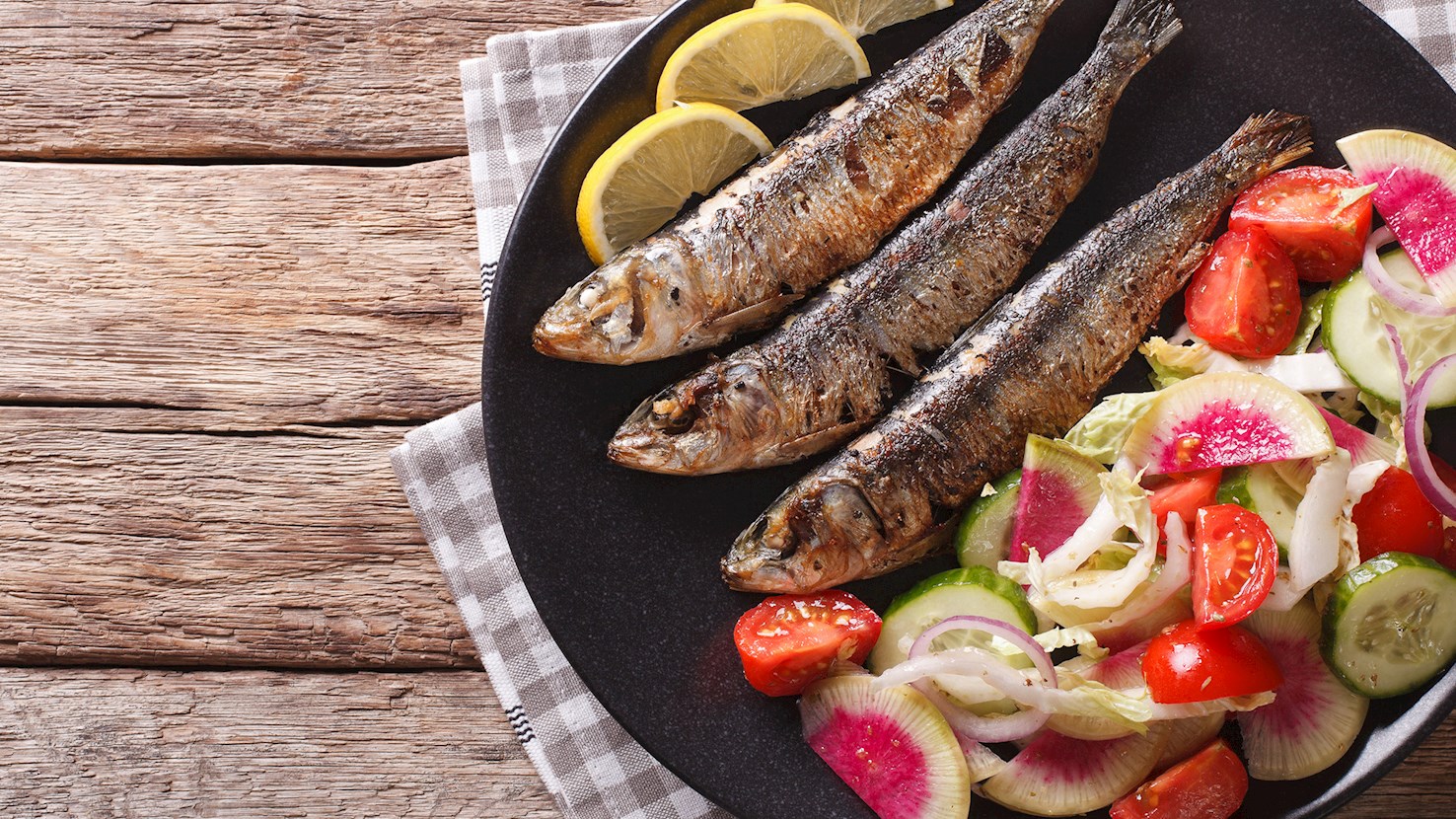
Grilled sardines are a simple, traditional seafood dish especially common in coastal Mediterranean areas and during summer months, when fresh sardines are plentiful. The dish is straightforward and emphasizes the natural flavors of the sardines: they are typically marinated in a mixture of olive oil, lemon juice, black pepper, and salt (although a variety of spices and herbs can also be added, depending on the region) before being grilled over a charcoal fire. The dish is usually served as an appetizer or a part of a meze, along with bread, boiled potatoes, sautéed vegetables, or salads, and is best paired with lighter, sweeter local white wines.
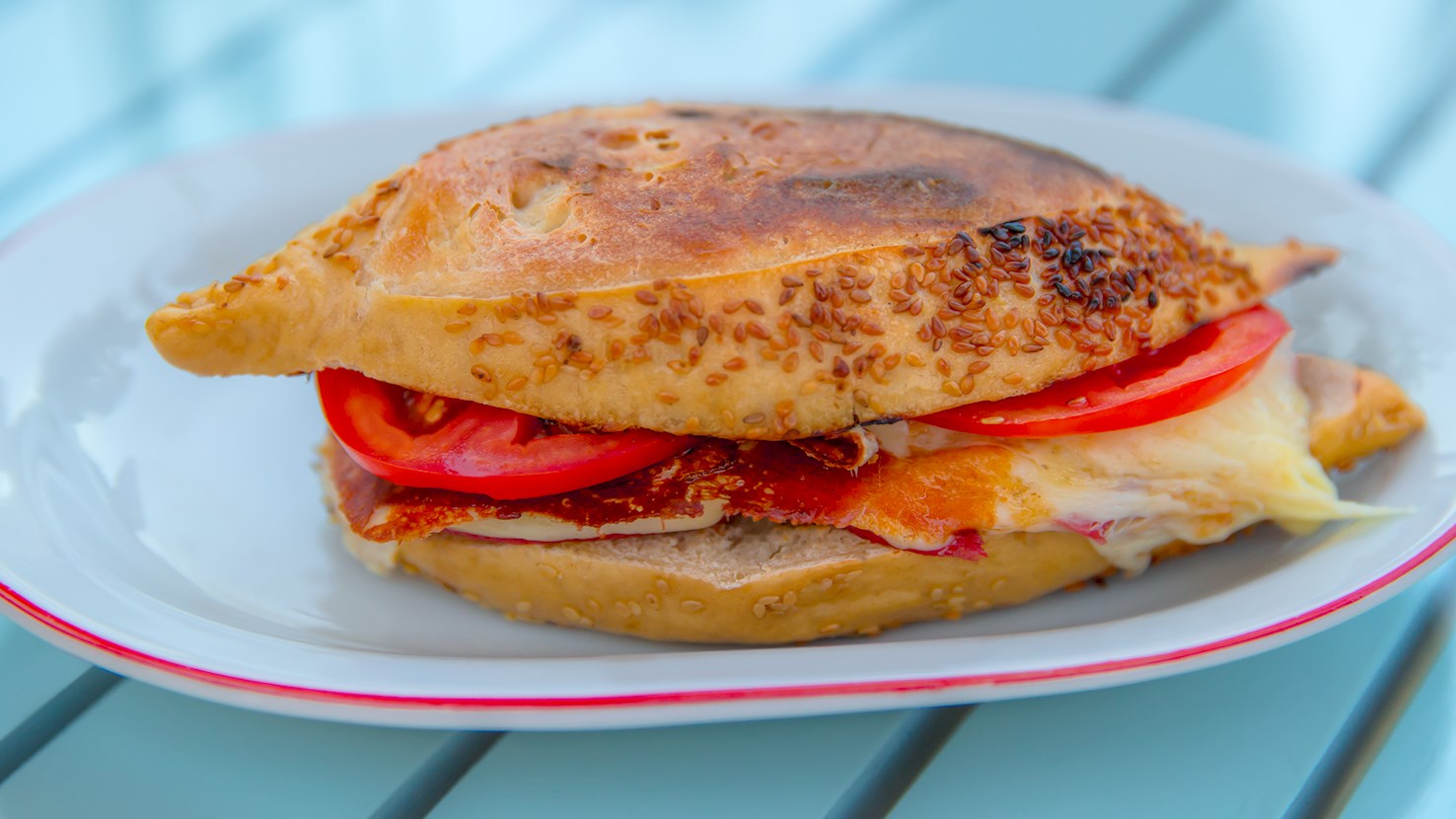
Typically associated with Çeşme, kumru is a toasted sandwich prepared with an artisanal bread that is typically enriched with chickpea flour. It was originally prepared with sinik, a circular bread that was sold by street vendors, but it achieved its current form in the 1950s when sandwiches became a popular option in Türkiye. Nowadays, it is typically filled with kaşar cheese (which is typically griddled before it’s placed on the bread), spicy sausage known as sujuk, and tomatoes, while modern variations may also include pickles, red pepper flakes, other types of cured meat, or even mayonnaise or ketchup, though the latter two are often frowned upon. This filling and affordable street food option is usually found at specialized kumru restaurants.
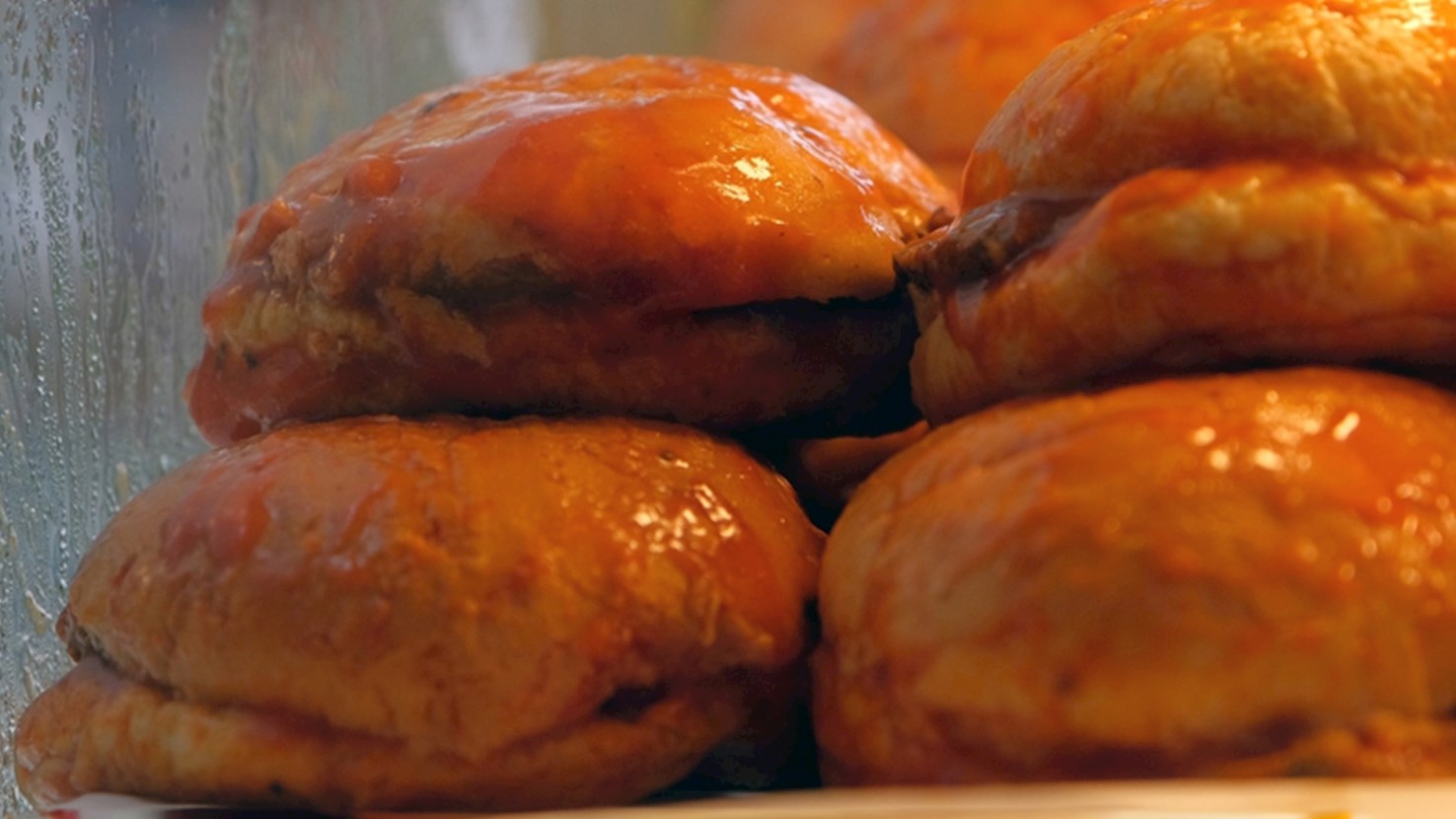
Islak hamburger, also known as wet burger or Taksim hamburger, is a popular street food item in Turkey, especially renowned in Istanbul. This unique take on the hamburger consists of a beef patty placed inside a soft bun that is then drenched in a flavorful tomato-based sauce and steamed, resulting in a moist, tender, and incredibly flavorful burger. The process makes the bun very soft and the entire burger almost melts in your mouth, differentiating it from the typical dry and grilled versions found elsewhere. The sauce, rich in tomatoes and a blend of spices, infuses the burger with a tangy and slightly spicy flavor, enhancing the taste of the beef patty. After being soaked in this sauce, the burgers are stacked in a special steamer to keep them warm, further ensuring that they retain their moistness and flavor until served. Islak hamburgers are typically served late into the night, making them a favorite among night owls and after-party crowds seeking a satisfying and flavorful snack. They are often found in small eateries and street food stalls throughout Istanbul and other parts of Turkey, offering a quick, delicious, and inexpensive meal option.
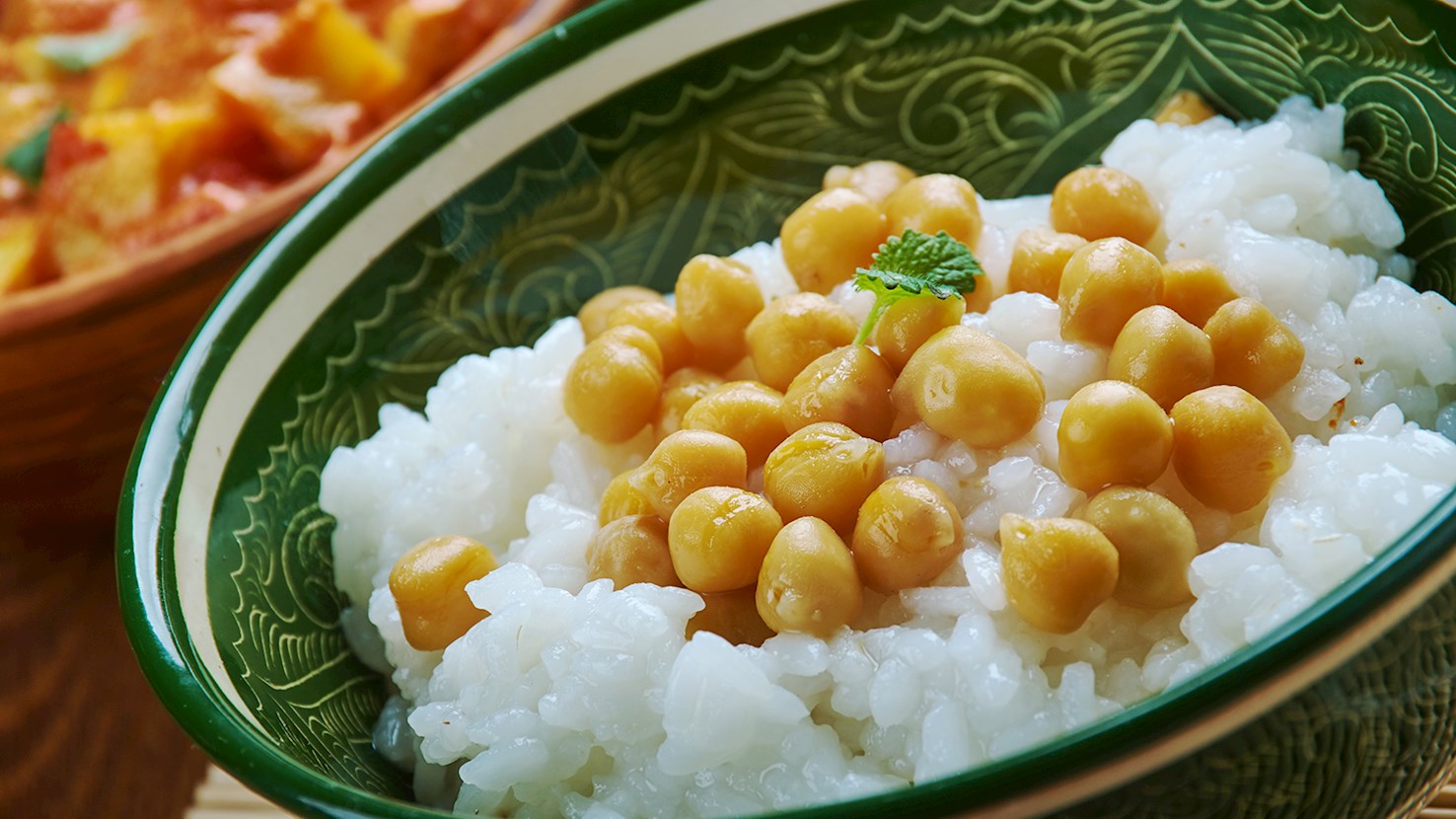
Nohutlu pilav is a traditional dish that's usually sold as street food. This pilaf is made with a combination of white rice, chickpeas, oil, butter, onions, and vegetable stock. The ingredients are cooked and once done, nohutlu pilav is served either on its own or with the addition of pieces of chicken or pickled chili peppers. The dish is usually sold in Istanbul and throughout Turkey from glass street vending carts. It's recommended to pair it with a cup of refreshing ayran.
TasteAtlas food rankings are based on the ratings of the TasteAtlas audience, with a series of mechanisms that recognize real users and that ignore bot,
nationalist or local patriotic ratings, and give additional value to the ratings of users that the system recognizes as knowledgeable.
For the “6 Worst Rated Turkish Street Food” list until September 16, 2026, 7,481 ratings were recorded, of which 4,409 were recognized by the system as legitimate.
TasteAtlas Rankings should not be seen as the final global conclusion about food. Their purpose is to promote excellent local foods,
instill pride in traditional dishes, and arouse curiosity about dishes you haven’t tried.



What People Say