


Ivan Pinezić

28 Worst Rated Central European Sweet Pastries

Last updated on May 21, 2026
01

Meitschibei

2.8 ·

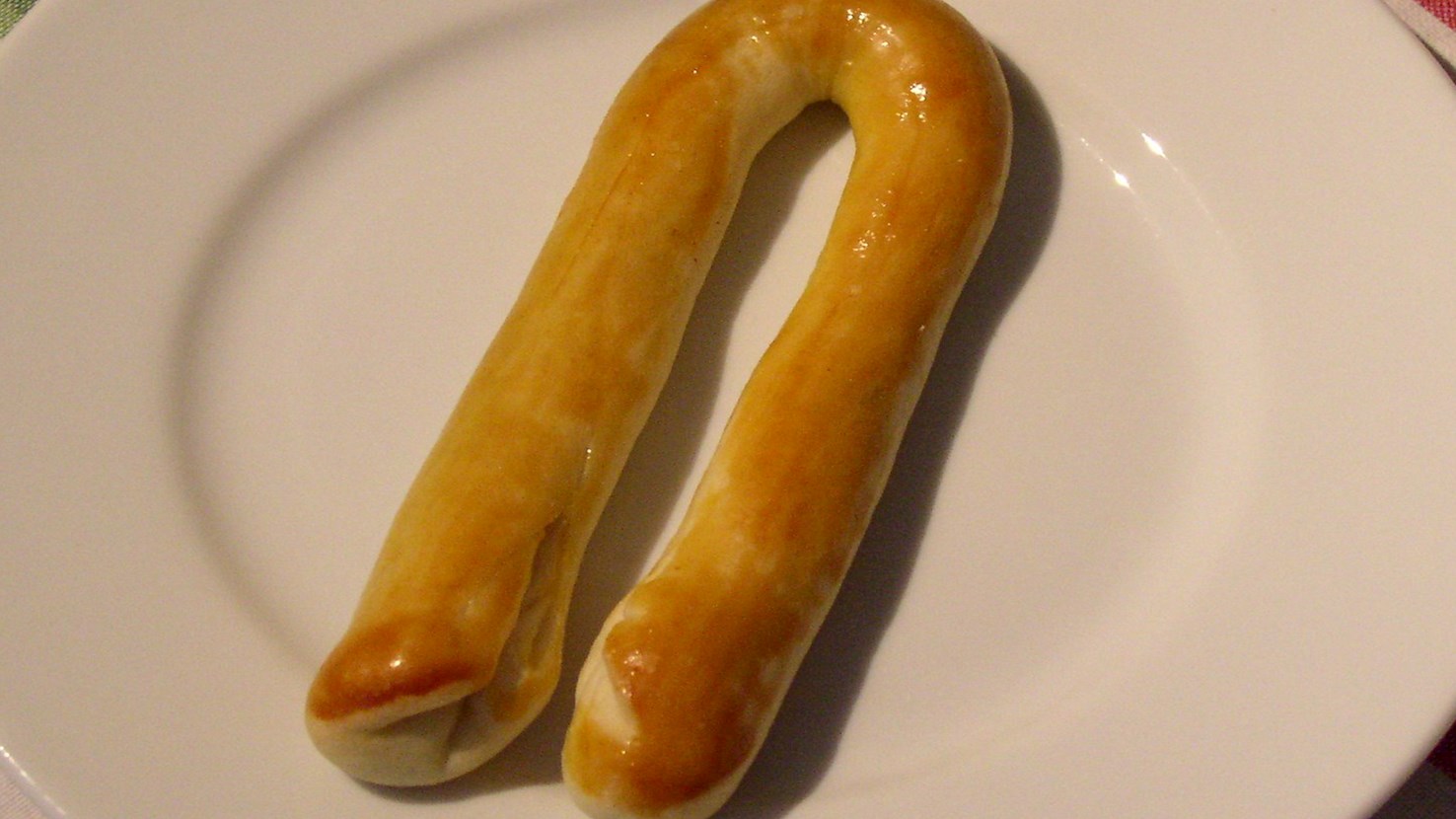
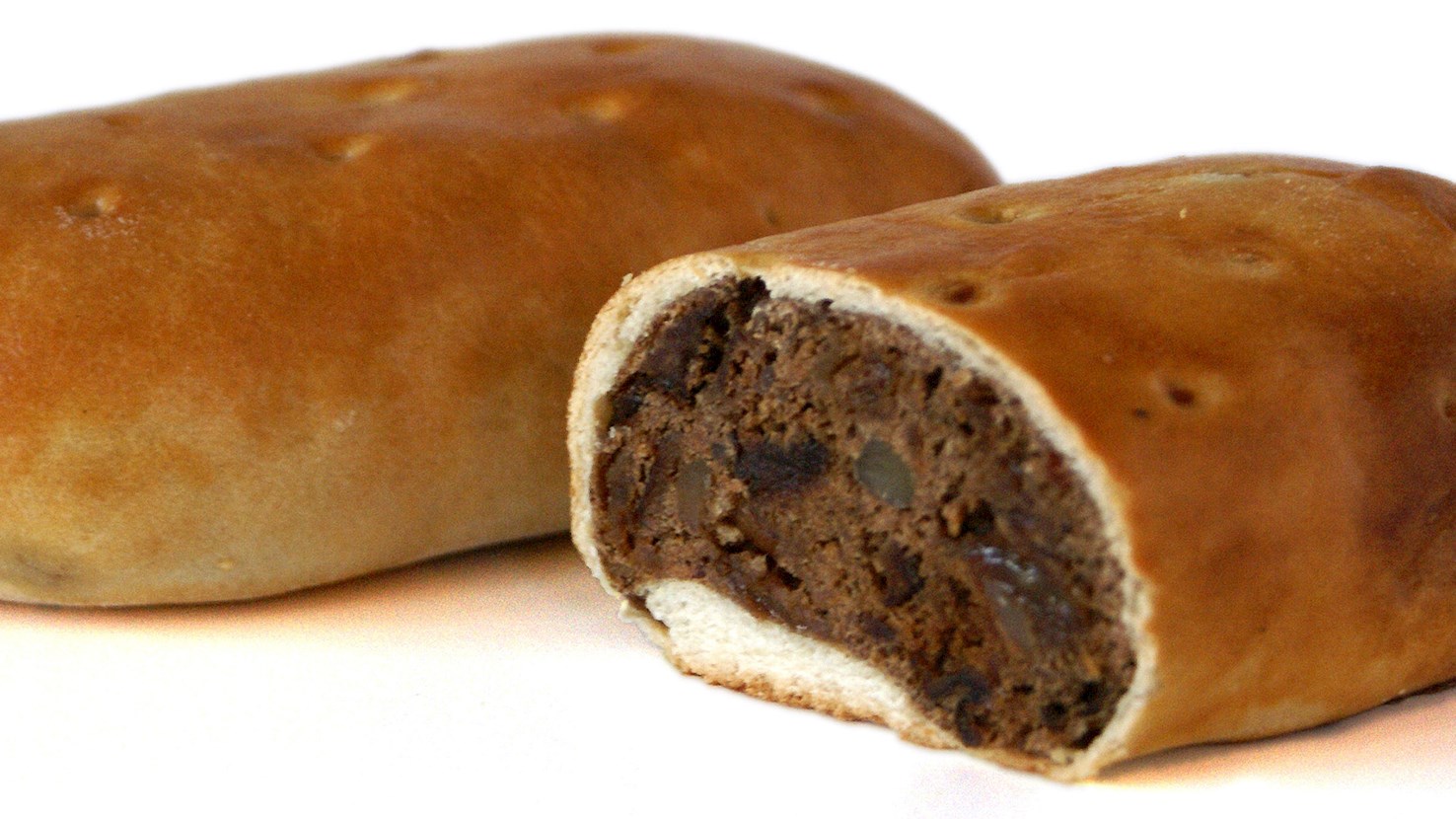
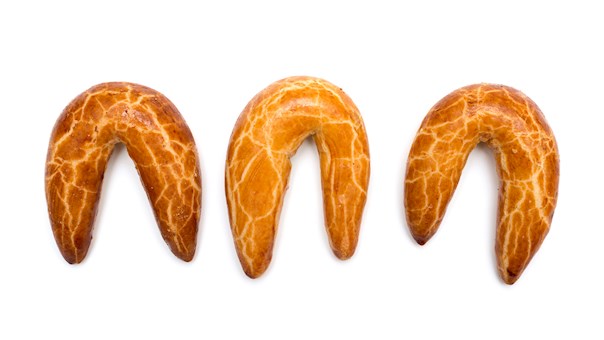
Meitschibei are finger-thick, horseshoe-shaped Bernese pastries filled with sweetened hazelnuts. Their name directly translates to girl’s legs and it comes from their characteristic shape. The dough is made with white flour, butter, milk, yeast, malt, sugar, salt, and eggs, while the filling is made with ground hazelnuts, orange peel, lemon zest, cinnamon, sugar, and a little water. Meitschibei can be easily found in bakeries throughout the German-speaking part of Switzerland. In the French-speaking parts of the country, the product is known as croissant viennois – Viennese croissant. The origins of meitschibei are lost to time, but they most likely originated in Bern at the beginning of the 20th century.

02

Presnac

3 ·

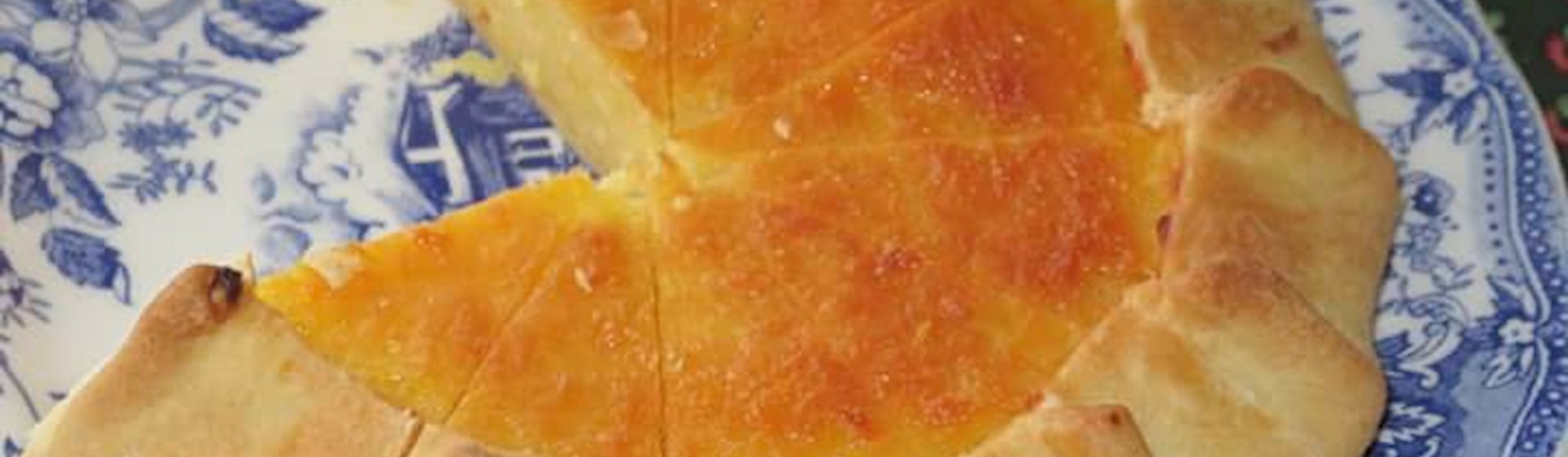
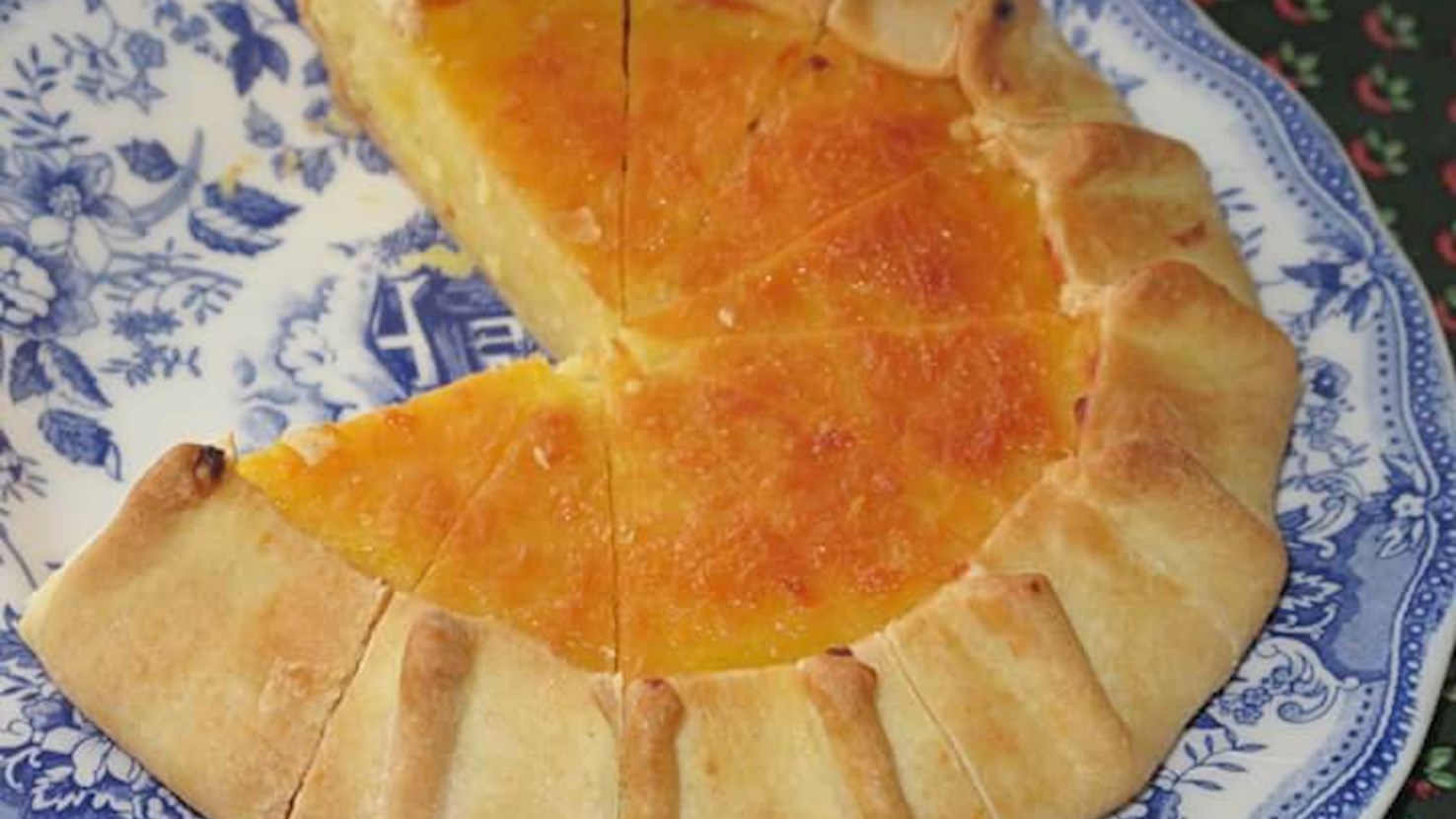
This Croatian pastry is a traditional delicacy that is mainly associated with the island of Krk. Presnac was created as a way to utilize the once abundant fresh sheep cheese and to create a unique, authentic dessert. The dish is assembled out of a pastry base that holds the creamy, lightly sweetened cheese filling. Though tradition suggests only sheep cheese, modern variations often replace it with fresh cow cheese and usually alter the filling with eggs and lemon zest. Presnac was traditionally prepared during the Carnival season, but nowadays the locals use every opportunity to make this specialty and to keep the tradition alive. Every year, a festival called Festa od Presnaci is held in the small town of Kornić, where the locals present their best versions of this traditional pastry.

03

Schneeballen

3.1 ·

This German specialty consists of thin strips of shortcrust pastry that are loosely intertwined and wrapped into balls which are deep-fried until golden and crispy. Traditional versions are dusted with sugar, but there are also variations may be covered in chocolate glaze or different combinations of nuts, coconut, cinnamon, or marzipan. Schneeballen, which translates as snowballs, are traditionally associated with Rothenberg ob der Tauber, but they can be found throughout Bavaria. Although they were once enjoyed only on special occasions, nowadays they are a staple at numerous Bavarian pastry shops.

04

Carac

3.1 ·

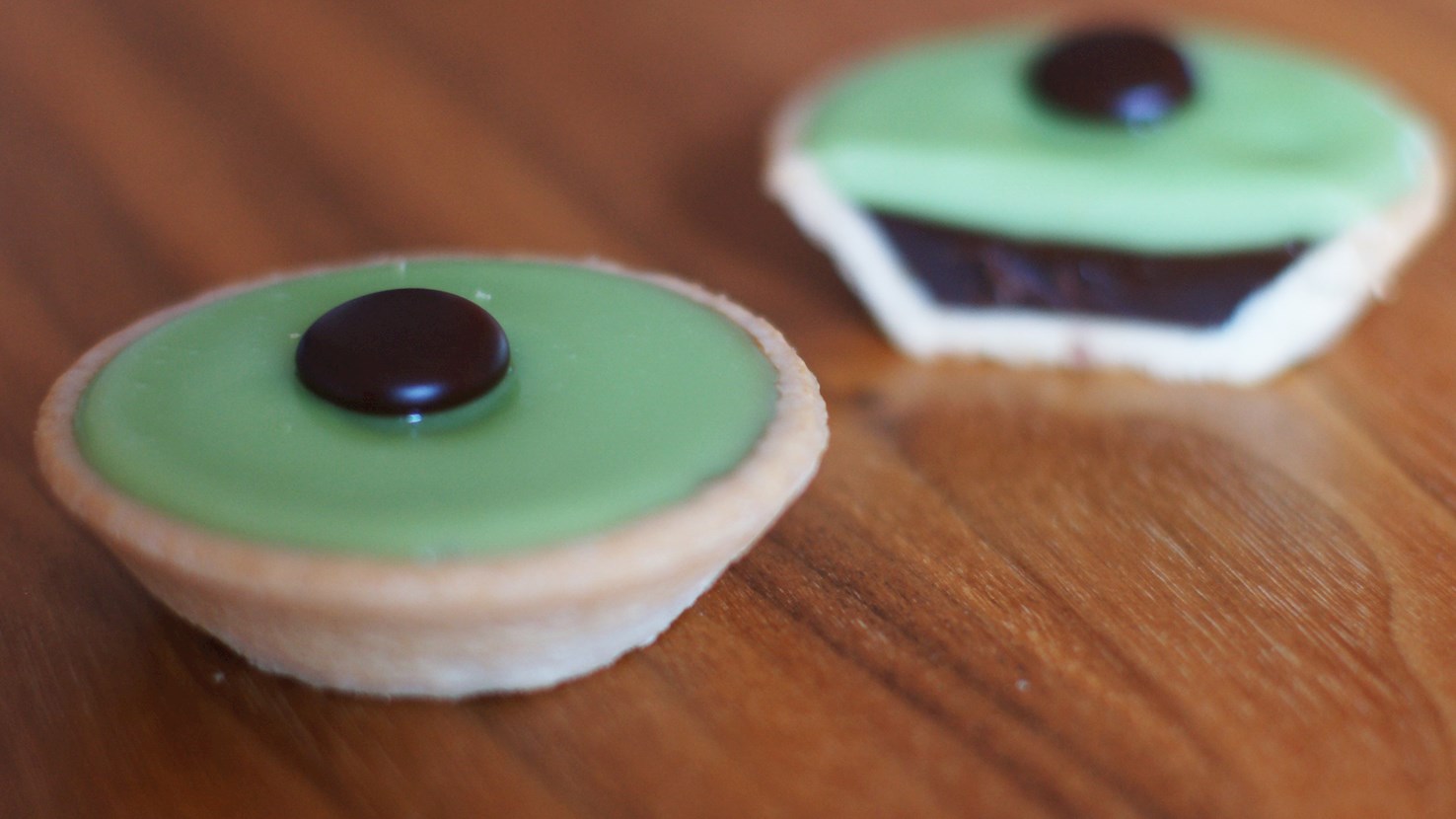
Carac is a small Swiss pastry prepared with shortbread pie crust, chocolate, cream, and green icing. It is especially popular in the French part of the country. Even though most of these pastries are prepared in smaller sizes, they can also be enlarged for festive events and gatherings, when they are served sliced, just like regular pies or cakes. The origin of carac is still quite murky, but it is known that the pastry was available in the early 20th century, while the name carac is phonetically linked to caraque, referring to a type of cocoa of high quality.

05

Liers vlaaike

3.1 ·

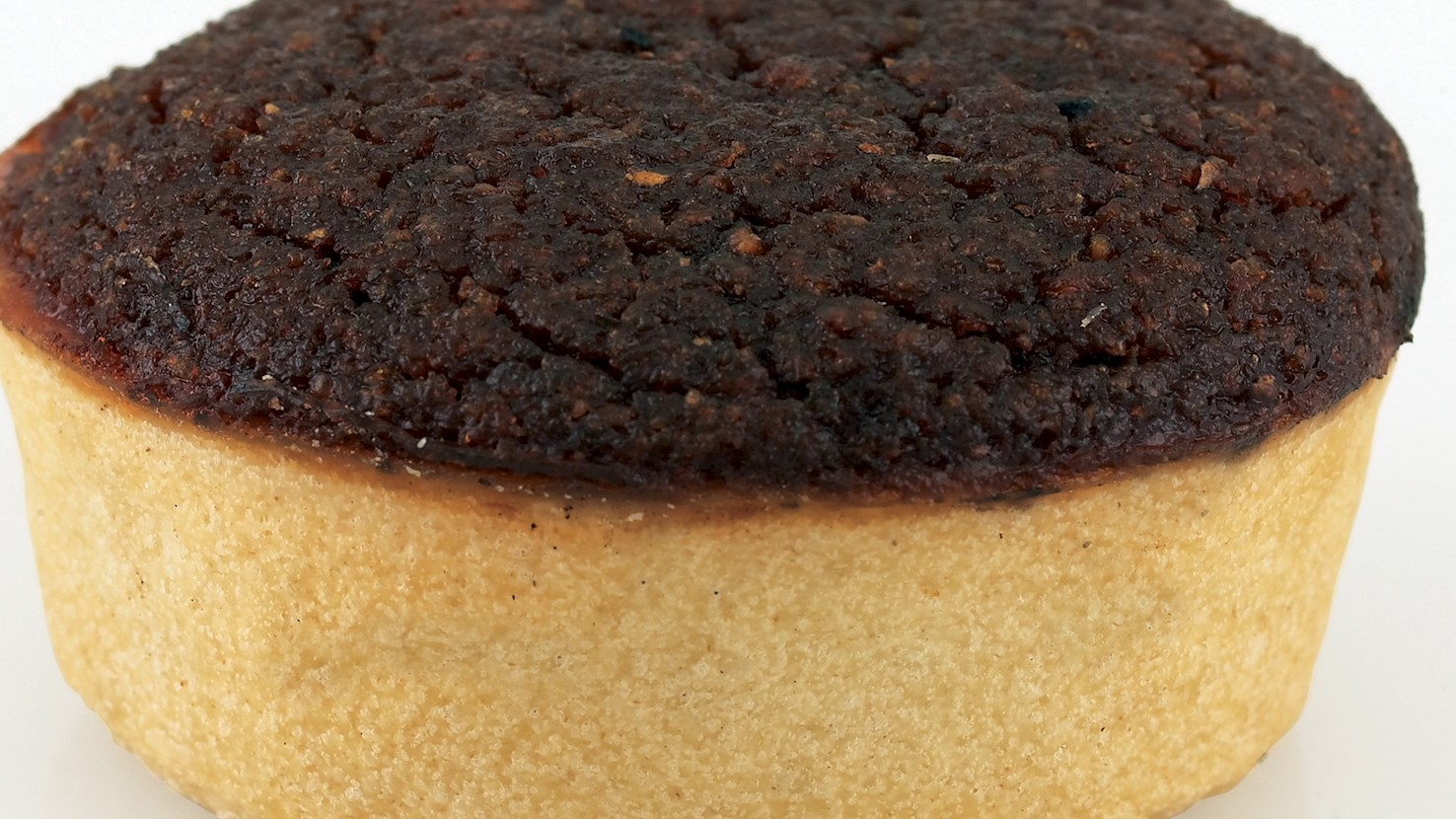
One of the most famous Belgian desserts, this sweet and spicy, tart-shaped filled pastry is prepared exclusively in the Flemish town of Lier. The delectable Liers vlaaike consists of thin, pâté brisée crust filled with a thick, creamy purée—the base is a typical, unsweetened shortbread pie crust, while the aromatic filling consists of coarse breadcrumbs, candy syrup, milk, and flour. However, the spicy flavor of vlaaike tarts comes from a secret combination of spices including cinnamon, cloves, nutmeg, and coriander. The original recipe is believed to be more than 300 years old, which makes Liers vlaaike one of the oldest baked goods from the province of Antwerp.

06

Topfengolatsche

3.1 ·

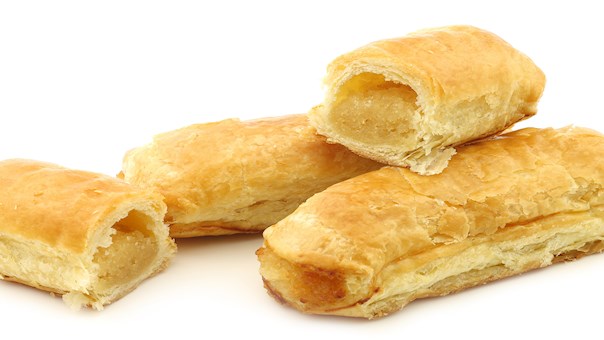
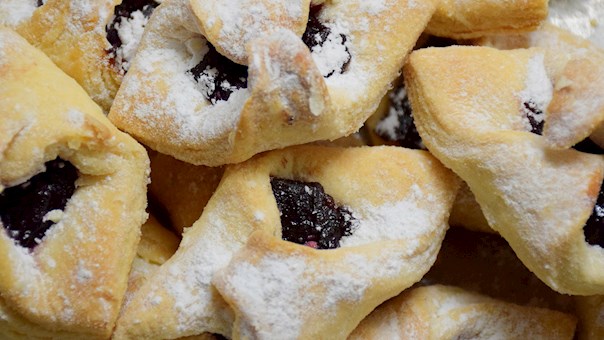
Topfengolatsche is a traditional pastry, part of the broader category of golatschen, which are sweet, folded pastries. It is filled with topfen (a type of soft, fresh cheese similar to quark or ricotta) mixed with sugar, eggs, butter, vanilla, and rum-soaked raisins. The pastry dough is typically yeast-based or made from puff pastry, and it is folded around the creamy filling before being baked until golden. Topfengolatsche is a popular treat in Austria, often enjoyed as a breakfast pastry or dessert.

07

Birnbrot

3.2 ·

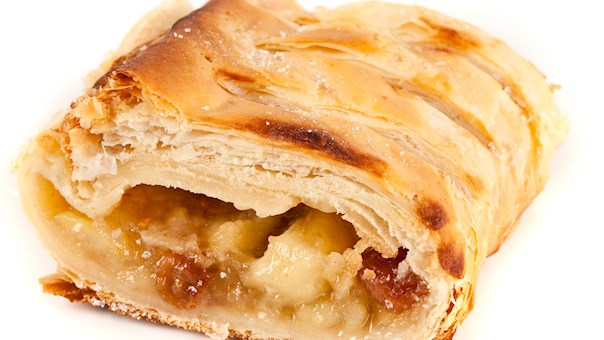
The delectable Swiss treat known as birnbrot is a pastry filled with dried pears as the key ingredient. Other ingredients might include walnuts, raisins, dried figs, some kind of alcohol (usually brandy) and spices such as cinnamon, cloves, coriander, and anise. Another name for this pastry is birnweggen, but the two are different because birnweggen is typically prepared by spreading the filling on the dough, then rolling the whole thing like a roulade, while birnbrot’s filling is fully encased within the dough. In the past, birnbrot was a peasants’ staple, but nowadays it is traditionally prepared during the festive Christmas period, when it is enjoyed by people of all socioeconomic classes. It is recommended to pair it with wine or cheese.

08

Moorkop

3.3 ·

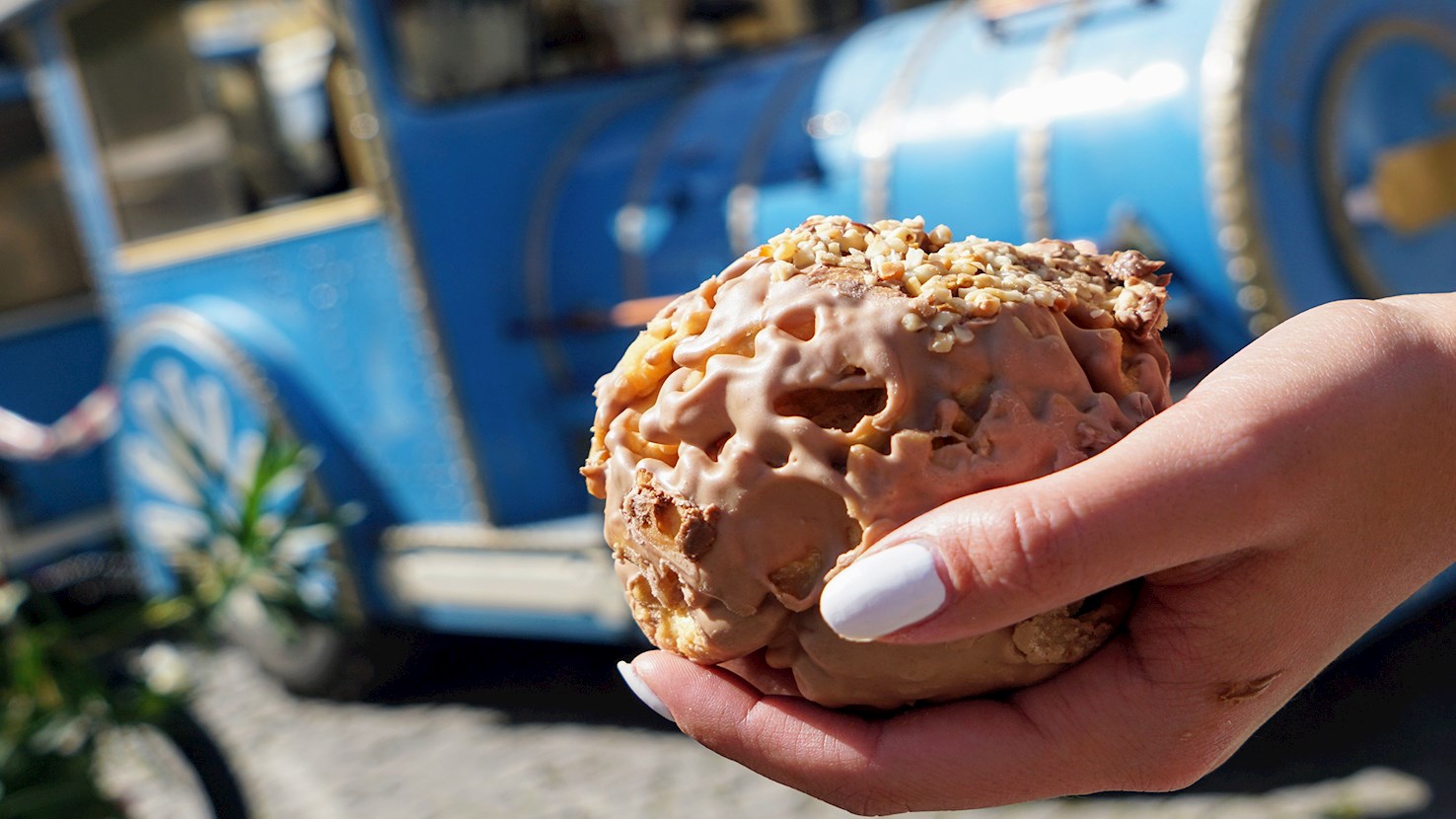
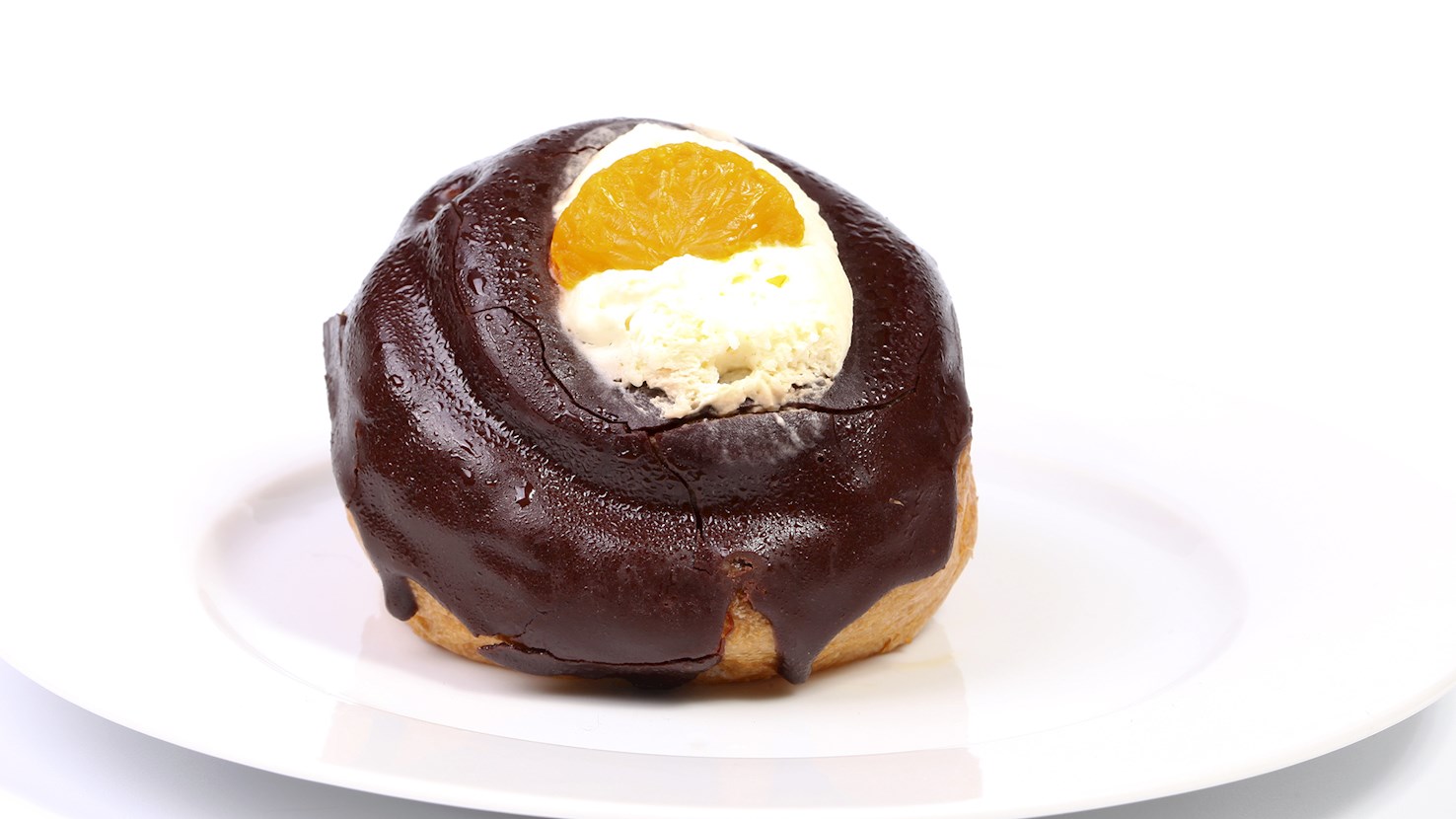
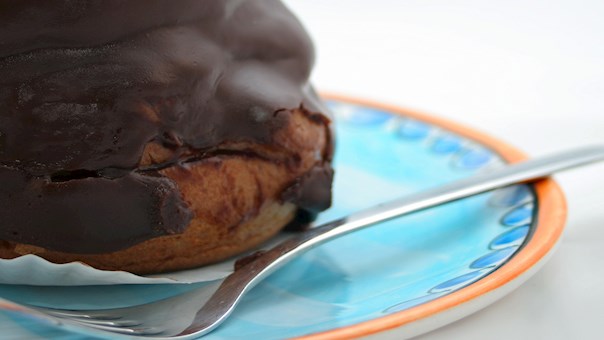
Moorkop is a decadent Dutch dessert consisting of a choux pastry that is filled with whipped cream and glazed with chocolate. The dessert is finished by topping it with some more whipped cream and, optionally, pieces of fruit such as pineapple or tangerine. The name moorkop means Moor's head, referring to the fact that the chocolate topping resembles his turban.

09

Bauernkrapfen

3.3 ·

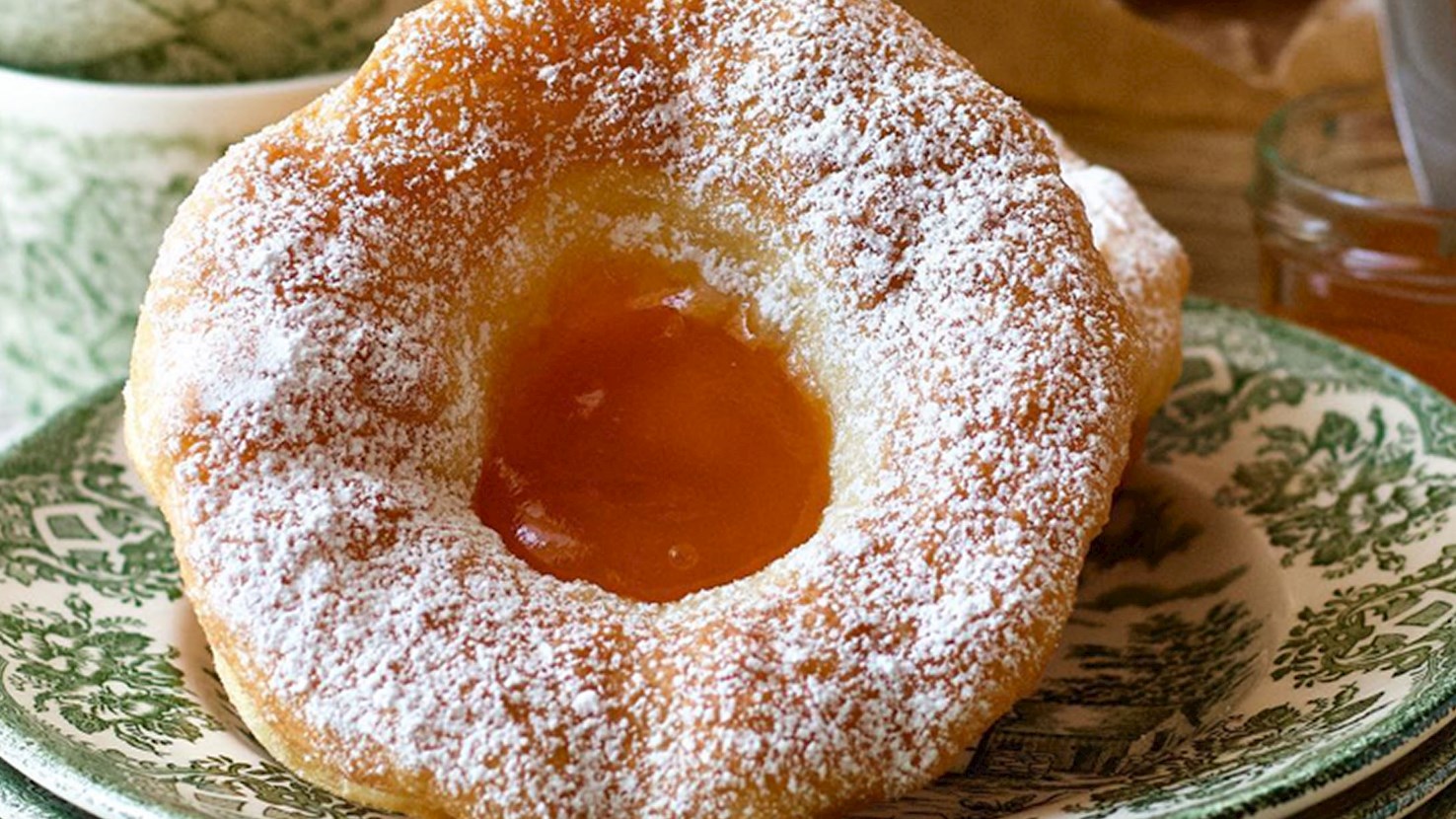
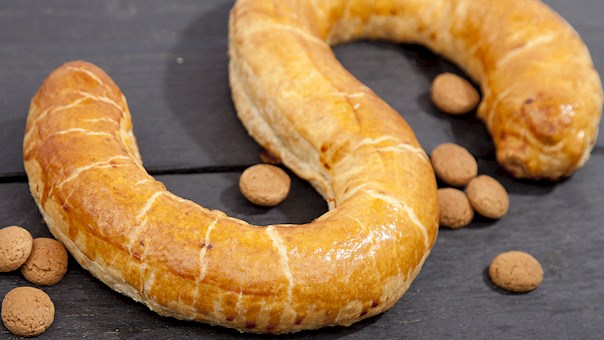
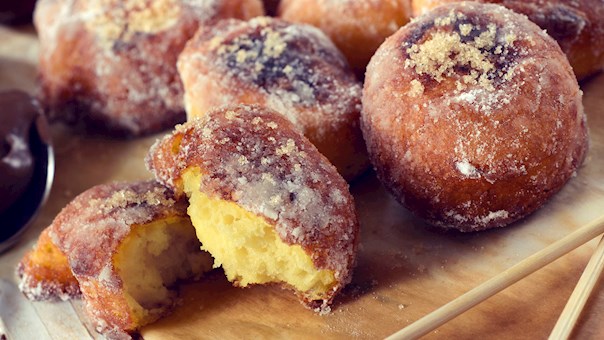
Bauernkrapfen is a traditional pastry that is especially popular in the regions of Styria and Carinthia. They are similar to doughnuts and are often enjoyed as a treat during carnivals, festivals, and other celebratory events. These pastries are made by first forming a yeasted dough into a ring shape, then frying it in oil until golden brown. After frying, the bauernkrapfen are usually dusted with powdered sugar, though some versions may be filled with jam, similar to a jelly doughnut. Like many traditional dishes, there can be variations in the recipe for bauernkrapfen depending on the region or the personal preferences of the cook. Some versions might include additional ingredients like vanilla, rum, or lemon zest for extra flavor.

10

Kroštule

3.4 ·

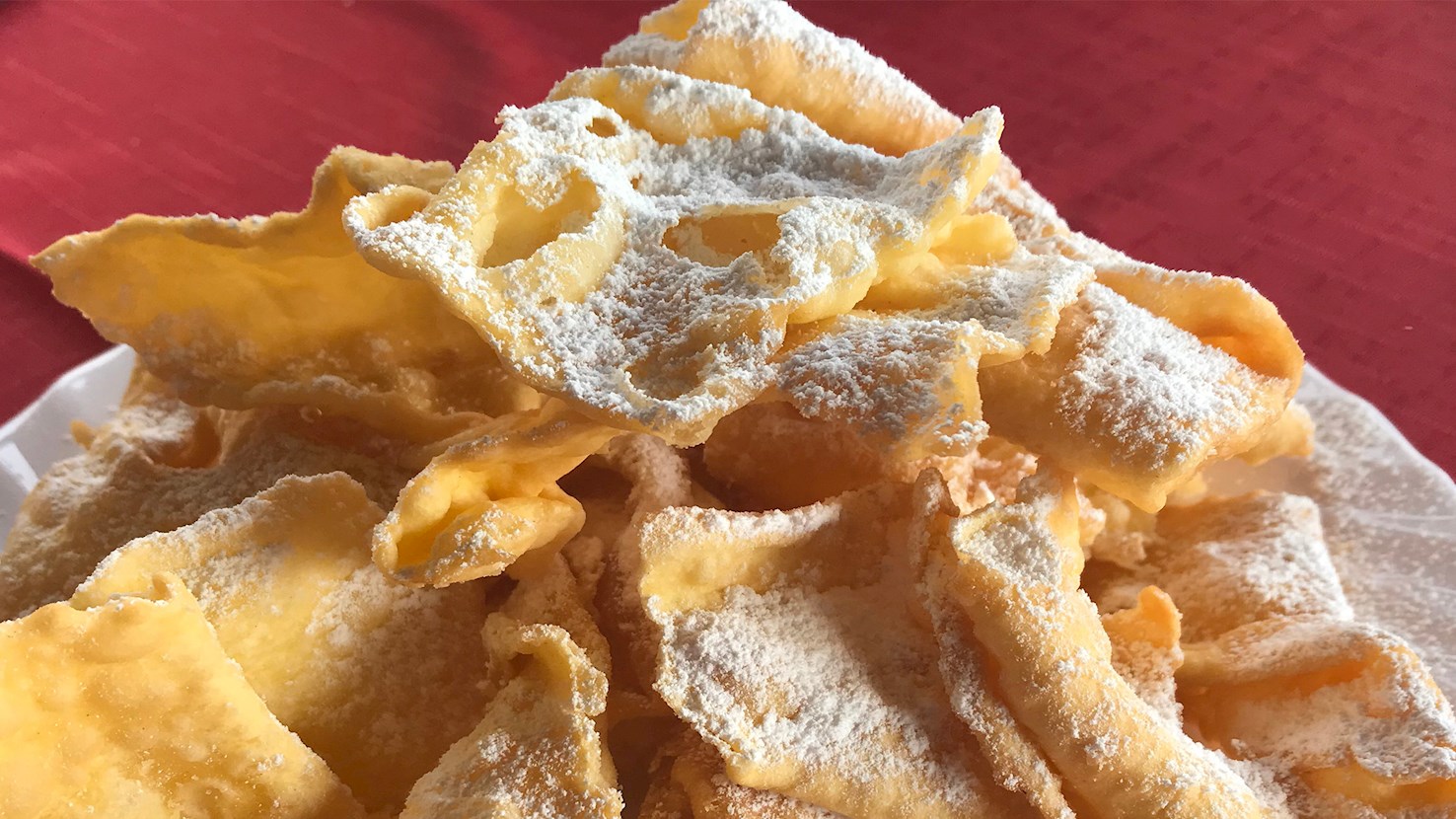
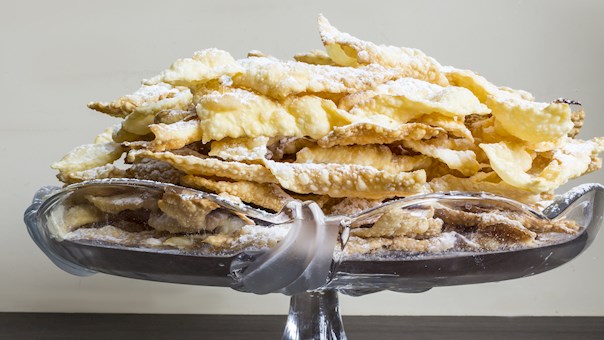
Kroštule are traditional Croatian pastries originating from the regions of Istria and Dalmatia. They are made by deep-frying ribbon-shaped dough. The dough consists of flour, sugar, egg yolks, oil, and milk. It is traditionally flavored with lemon zest, limoncello, or orange liqueur. Kroštule are sprinkled with powdered sugar while they are still warm. Nowadays, these deep-fried pastries are typically associated with the festive carnival season.

Best restaurants
Read more
View all
View map
About this ranking

TasteAtlas food rankings are based on the ratings of the TasteAtlas audience, with a series of mechanisms that recognize real users and that ignore bot, nationalist or local patriotic ratings, and give additional value to the ratings of users that the system recognizes as knowledgeable. For the “28 Worst Rated Central European Sweet Pastries” list until May 21, 2026, 5,166 ratings were recorded, of which 4,089 were recognized by the system as legitimate. TasteAtlas Rankings should not be seen as the final global conclusion about food. Their purpose is to promote excellent local foods, instill pride in traditional dishes, and arouse curiosity about dishes you haven’t tried.

Similar lists