


shutterstock

24 Worst Rated Teas and Herbal Infusions
in East Asia

Last updated on June 16, 2026
01

Daechu-cha

3.0 ·

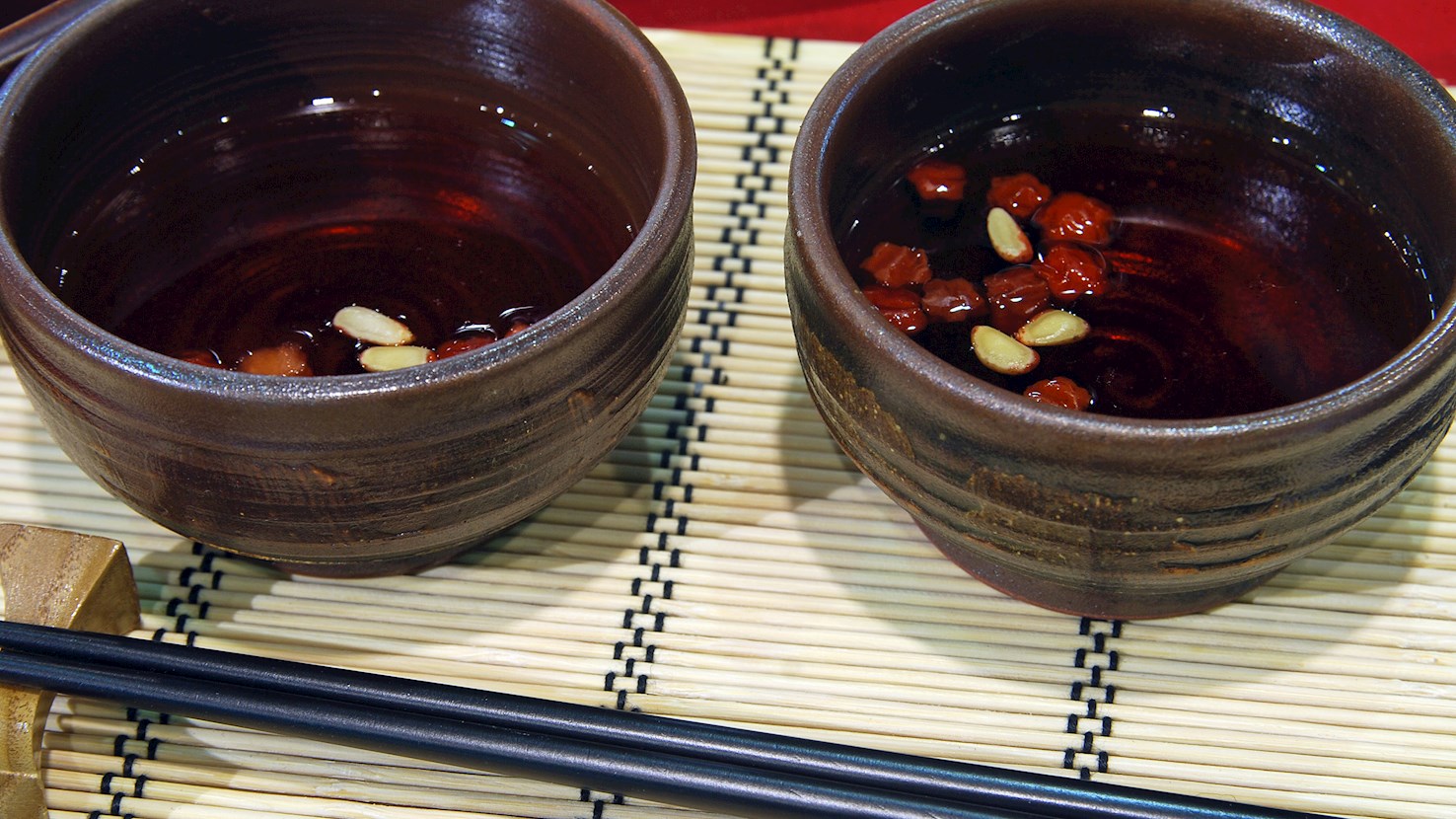
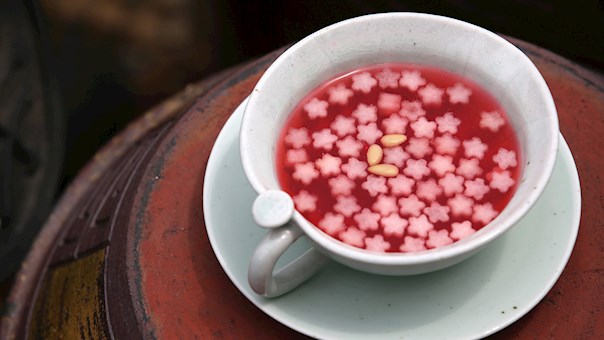
Daechu-cha is a South Korean tea made from jujubes. This tea can be made from dried jujubes, which are boiled in water, or with a jujube preserve, which is diluted in warm water. The tea is usually dark red or brown and is often praised for its health properties. When served, daechu-cha is usually garnished with pine nuts.

02

Suutei tsai

3.0 ·

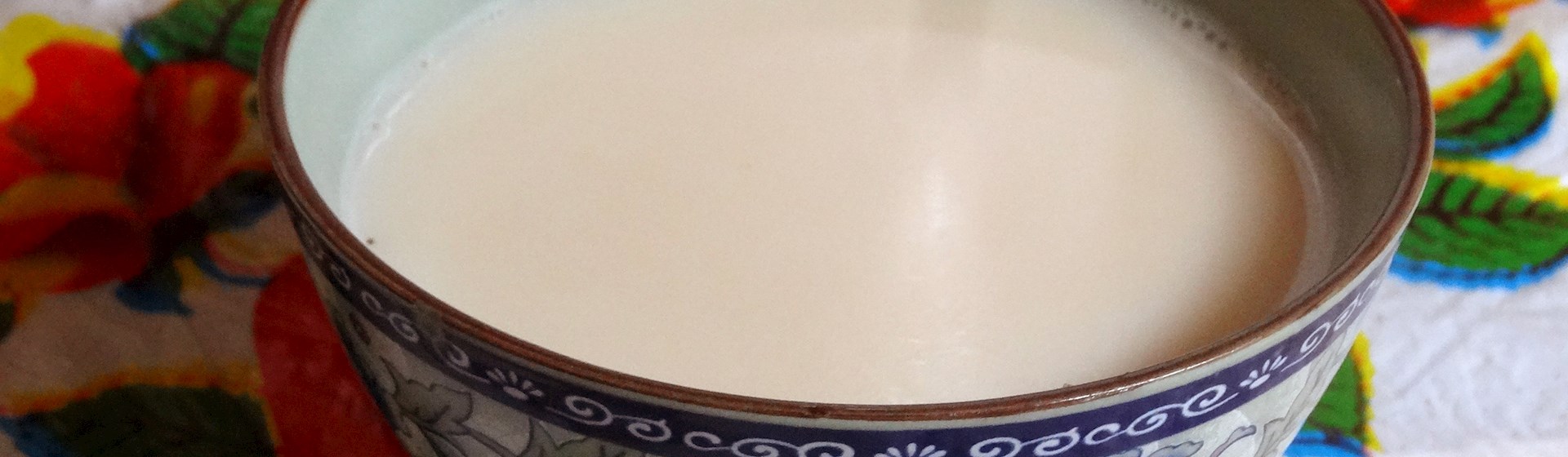
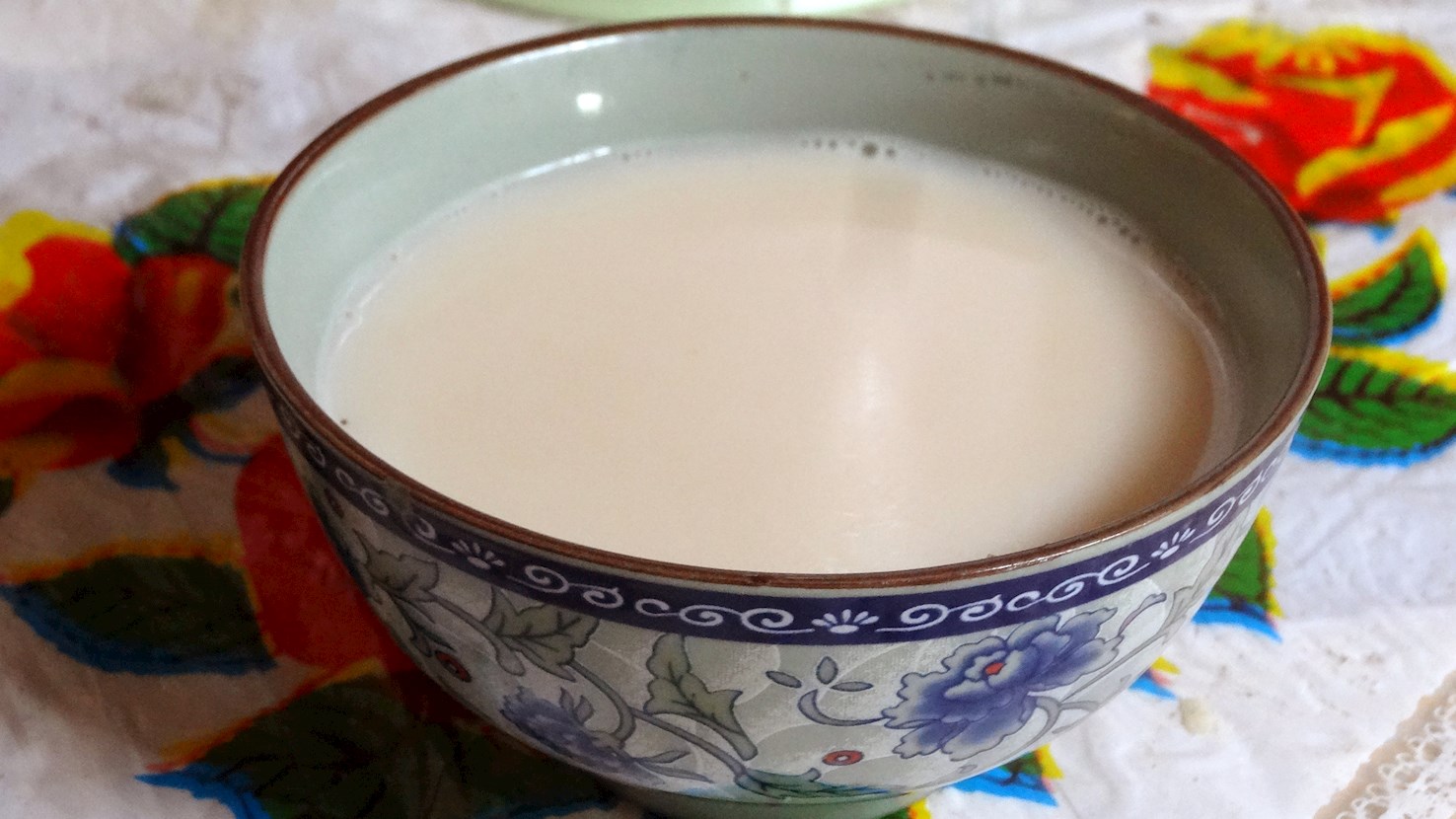
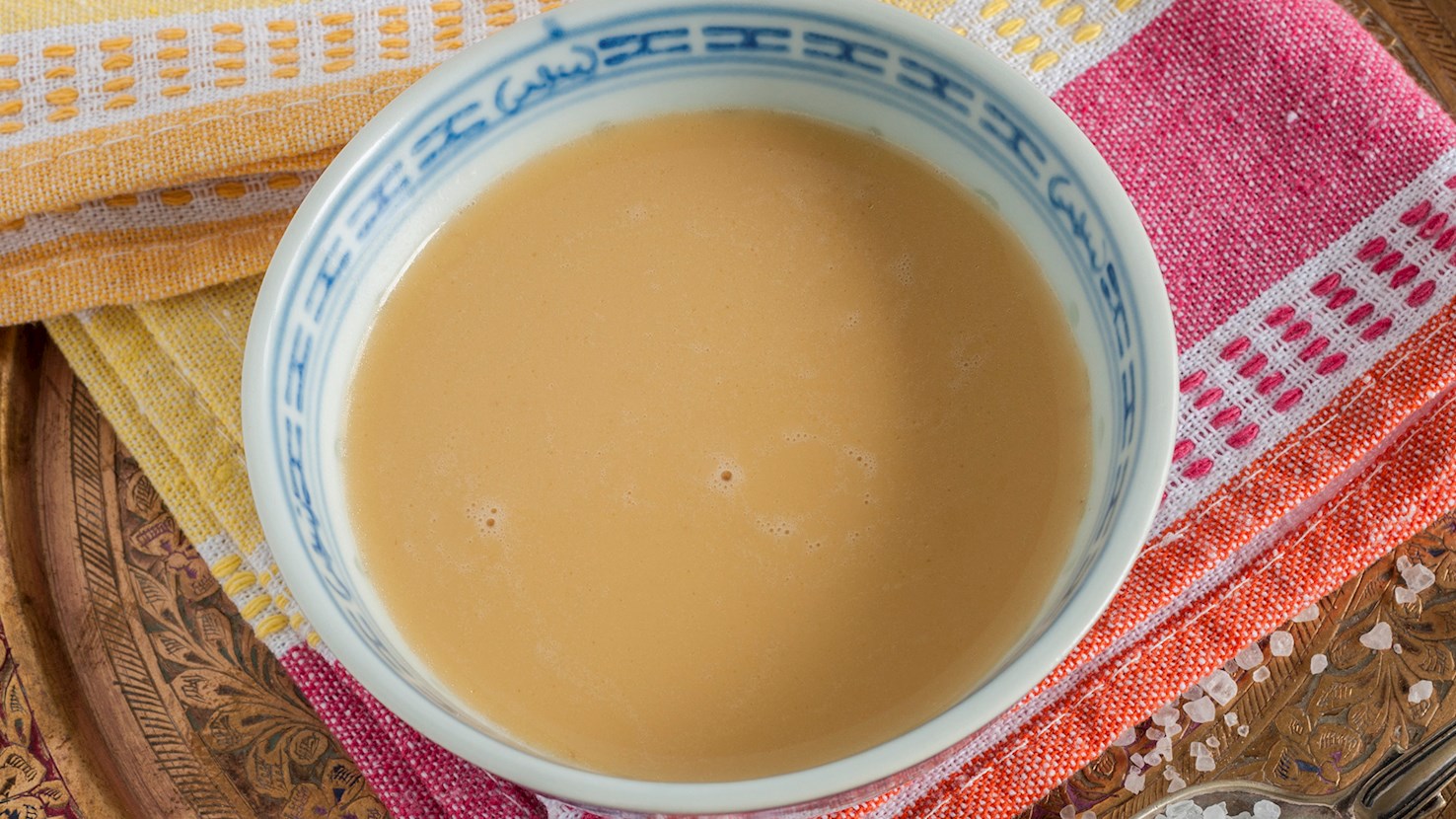
Suutei tsai is a traditional tea made with tea leaves, milk, salt, and water. It is prepared by boiling water and milk and then adding tea leaves. While it brews, the tea is mixed with a ladle, which is also used to continuously pour the tea back to the pot. The tea is seasoned with salt, and it is then strained and served in small bowls. Suutei tsai is an everyday drink, which can be enjoyed throughout the day. It is often offered to guests as a welcome drink. The variations sometimes include millet flour.

03

Sobacha (Buckwheat Tea)

3.2 ·

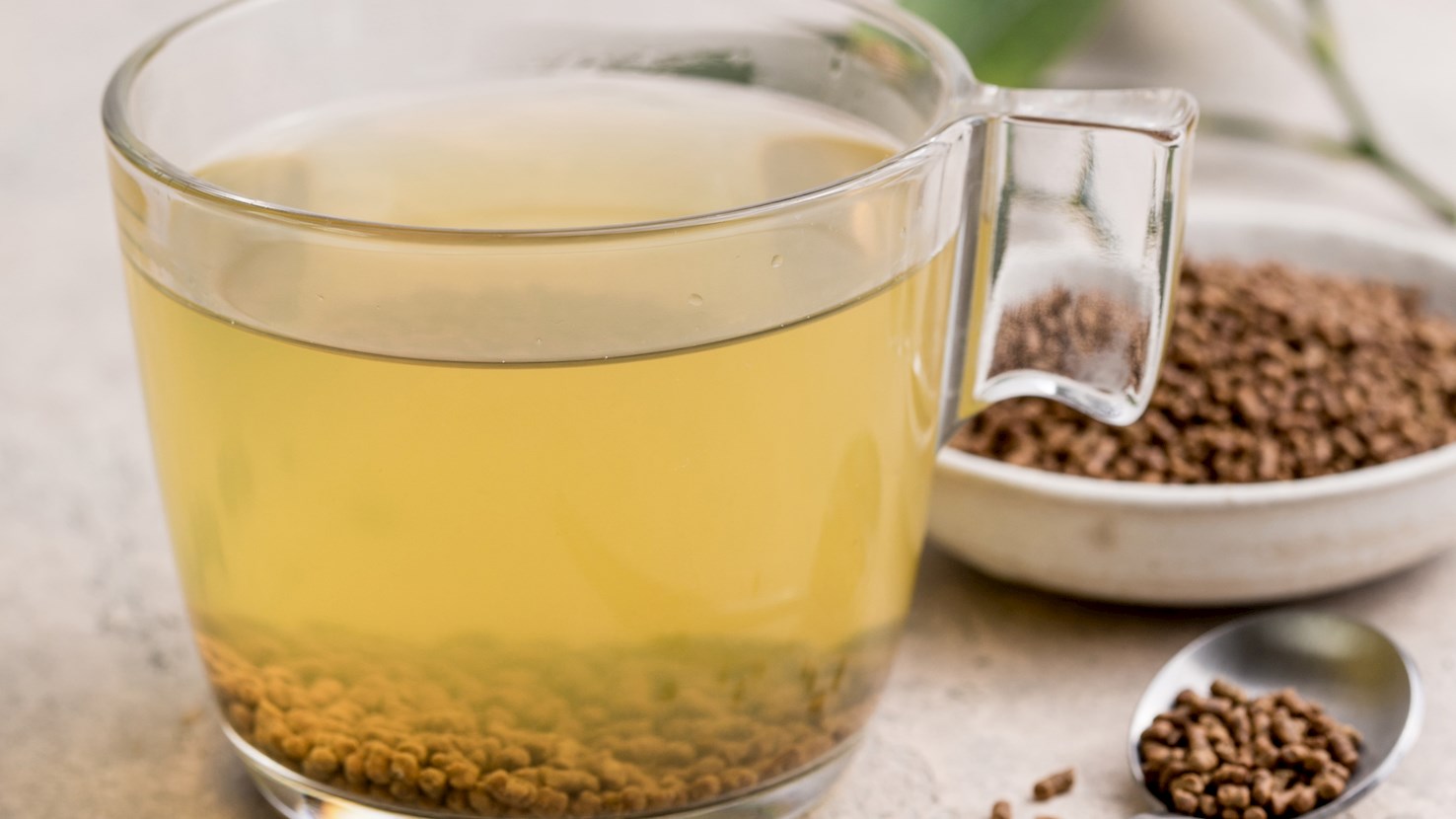
Although it is often labeled as tea, sobacha is an infusion or a tisane made with roasted barley. The blend can include grains, leaves, or flowers. Apart from Japan, the drink is popular in several Asian countries, including China (kuqiaocha) and South Korea (memil-cha). To prepare it, roasted kernels are simply steeped in hot or cold water. Alternatively, it can be made with teabags. The resulting drink has a yellow or a light brown hue, with an earthy and nutty flavor, subtle bitterness, and hints of sweetness. Buckwheat tea is a nutritious drink, and many believe that it has numerous health benefits.

04

Butter Tea

3.2 ·

Butter tea originated in the 7th century in Tibet, but nowadays it is also widely consumed by the people in the Himalayan regions of Nepal, India, and Buthan. The drink, also known as churned tea, ja srub ma, sūyóu chá and gur gur, is traditionally made with tea leaves, water, salt, and yak butter, although cow butter usage increased in modern times due to its lower cost. The process of preparation is very long and consists of boiling tea leaves for hours until they provide the liquid with a dark brown color, which is then shaken with butter and salt. Traditionally served in a ceramic bowl, butter tea plays a big part in Tibetan life - it is typically consumed in the morning, before work, or served to guests as a sign of hospitality, when it is consumed in small, separate sips.

05

Kukicha

3.2 ·

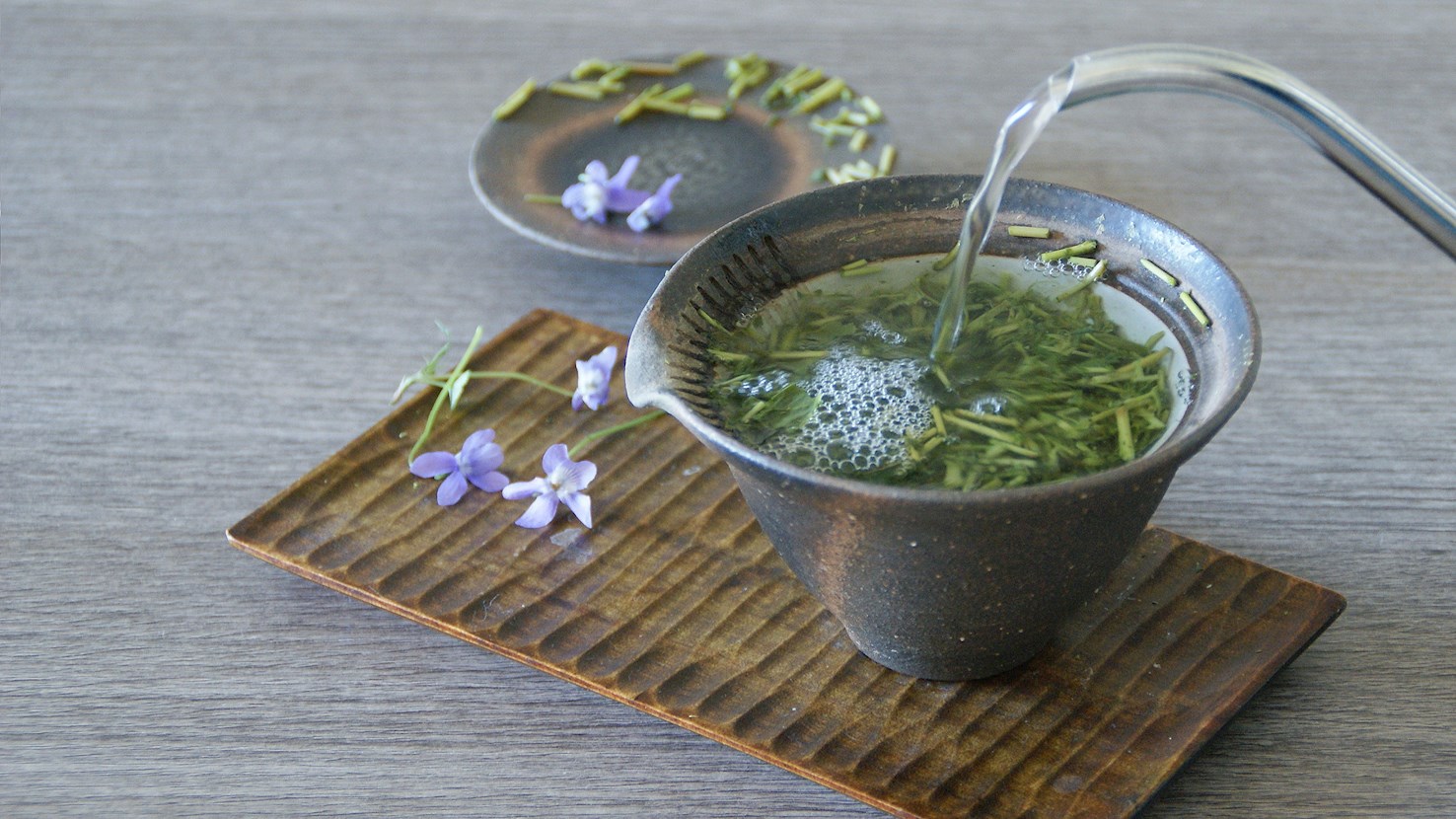
Kukicha is a unique type of Japanese tea that is made with twigs and stems of Camellia sinensis. It typically comes in the form of green tea, though more oxidized varieties are also available. When brewed, the tea has a subtly sweet, vegetal flavor and a pleasant aroma. It has low astringency and makes for an excellent, everyday tea. Karigane is a type of high-quality kukicha. It is produced from stems and stalks of the leaves used in the production of Gyokuro—a type of shaded Japanese tea. Kukicha would pair well with light dishes, poultry, cheese, and desserts.

06

Yulmu-cha

3.2 ·

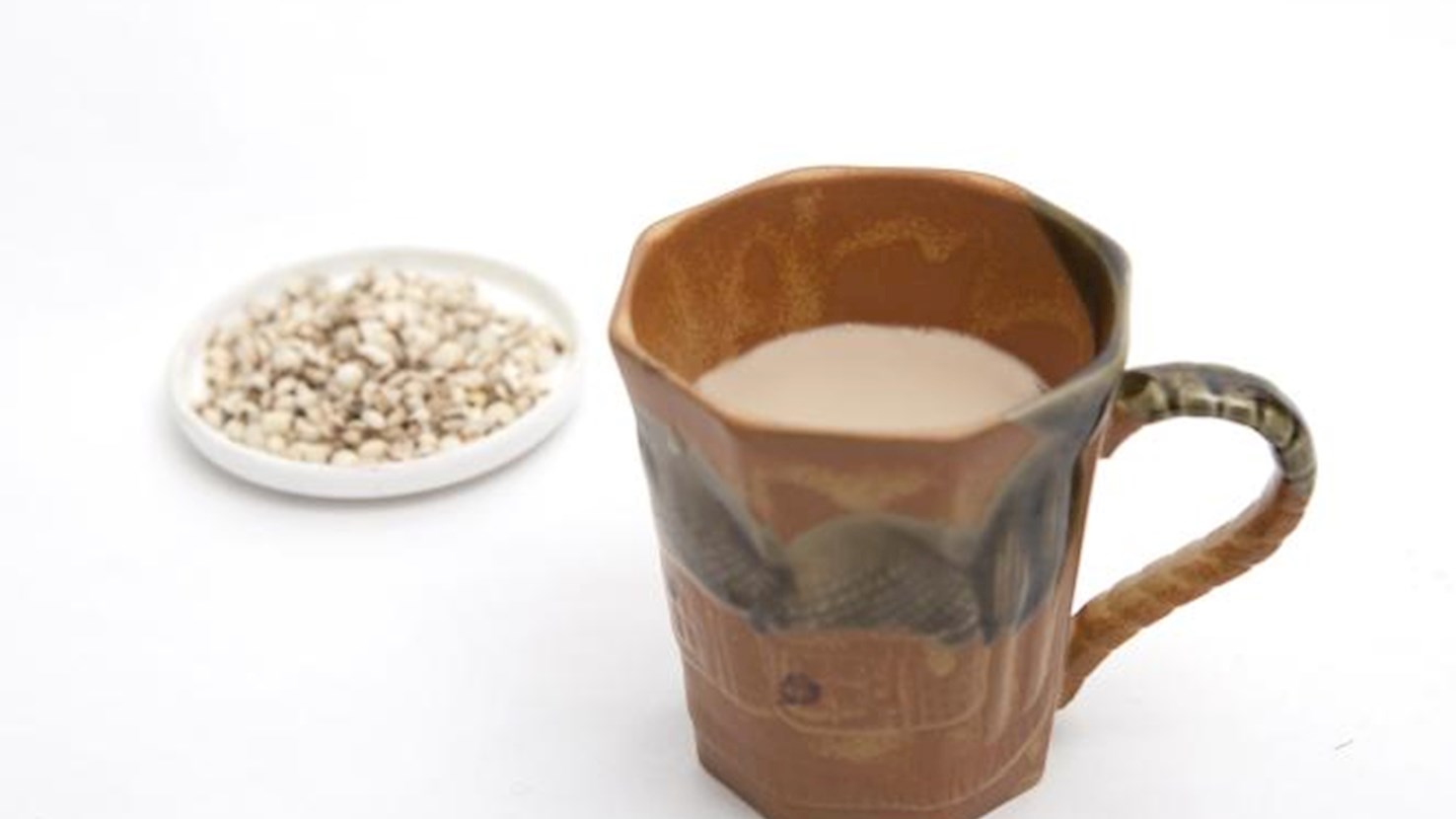
Yulmu-cha is a Korean tea that is made with yulmu—the seeds that are gathered from yulmu plant (also known as Job’s tears). The seeds are roasted and ground into a powder, which is then dissolved in warm water to make the tea. Optionally, yulmu powder can also incorporate other seeds, grains, or nuts. The tea is opaque and creamy with a distinctive nutty flavor. It is usually available as a pre-packed powdered mix, and it is sometimes sold from vending machines.

07

Yuanyang (Coffee with Tea)

3.4 ·

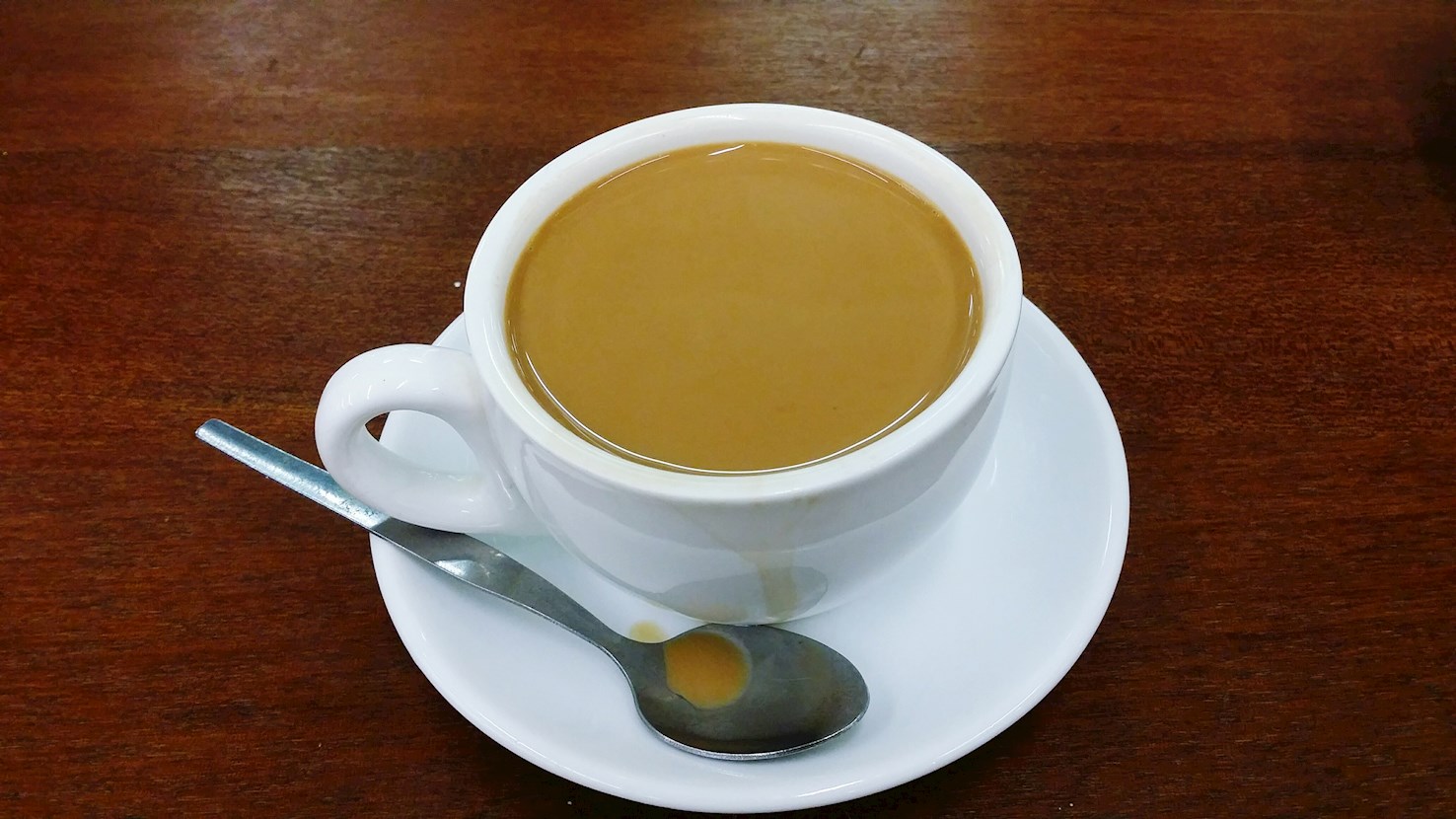
Yuanyang is a drink that combines coffee and tea. It typically consists of three parts coffee and seven parts black milk tea—a combination of water, black tea leaves, and either sweetened condensed milk or evaporated milk and sugar. This coffee-tea combination originated in Hong Kong, where it is commonly sold by street vendors. Each vendor usually has a signature recipe that may differ in the choice of coffee and the proportions of both beverages. The name yuanyang (which refers to mandarin ducks) was given as a poetic reference because the ducks represent a symbol of conjugal love in which opposites attract. It is said that this particular name was coined because it also shows how opposites, in this case, coffee and tea, attract and can function well together. The drink can be enjoyed hot or iced.

08

Saenggangcha (Korean Ginger Tea)

3.4 ·

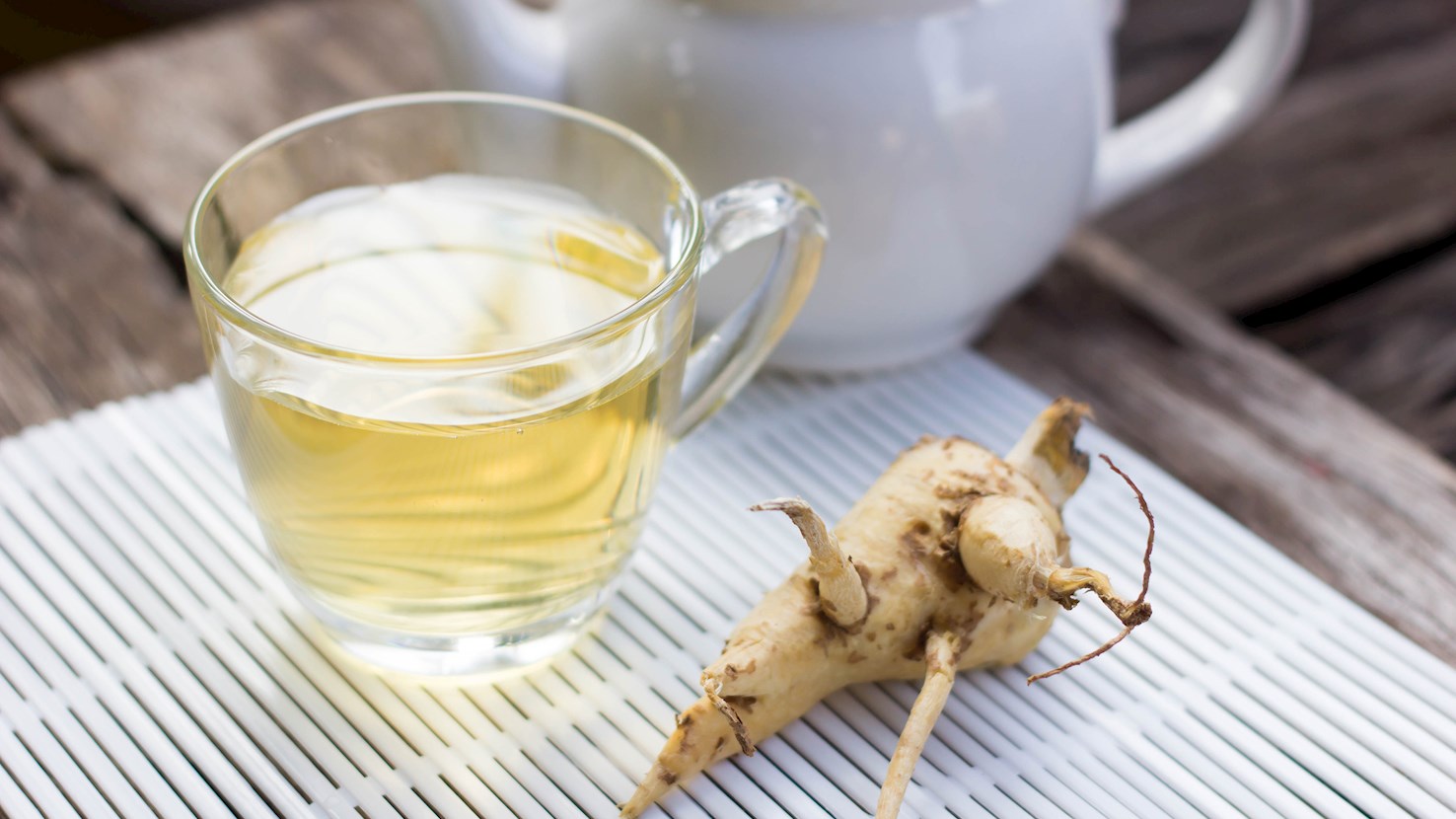
Although it is usually called ginger tea, this ginger-based drink is better described as a ginger infusion. It can be made by simmering sliced ginger in hot water, but in South Korea (saenggang-cha) and Japan (shōgayu), it is often prepared with a mixture of honey and grated ginger. The combination is stored, and it is then just mixed with water. Some variations will also include lemon or starch. The drink is commonly enjoyed as a health remedy, and it can either be made as a hot or cold beverage. Ginger tea comes in numerous variations that are found in various Asian countries.

09

Dongfang meiren

3.4 ·

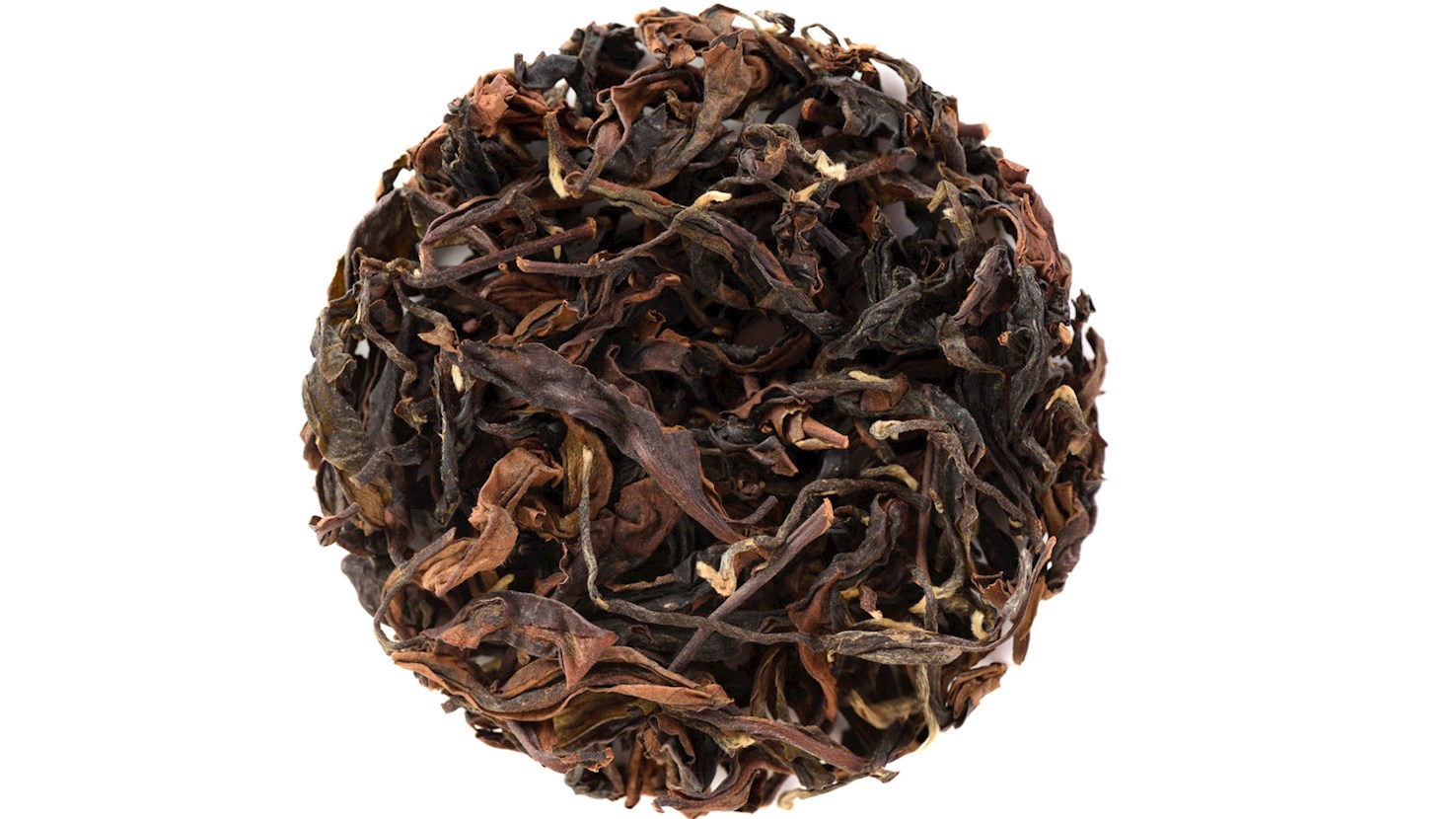
Dongfang meiren is a heavily-oxidized, non-roasted Taiwanese oolong tea. It is cultivated in the hilly areas of Hsinchu County. Authentic dongfang meiren is produced in a unique, time-consuming process. It is harvested during the summer when the leafhopper Jacobiasca formosana feeds on the leaves, stems, and buds. It is believed that the plant defends with a chemical reaction that initiates the development of certain aromatic compounds. Because these qualities cannot develop without insects, farmers mostly avoid the use of pesticides. A high-grade version of this tea is rare and usually comes with a high price tag. Dongfang meiren, also known as the oriental beauty, is sweet and subtly spicy. It does not have astringency, while the aroma and flavor are floral and should always have honey-like notes. The finish is long and sweet, often reminiscent of peaches and stone fruit. This aromatic tea would work well with desserts and spicy and salty dishes.

10

Bai mudan

3.5 ·

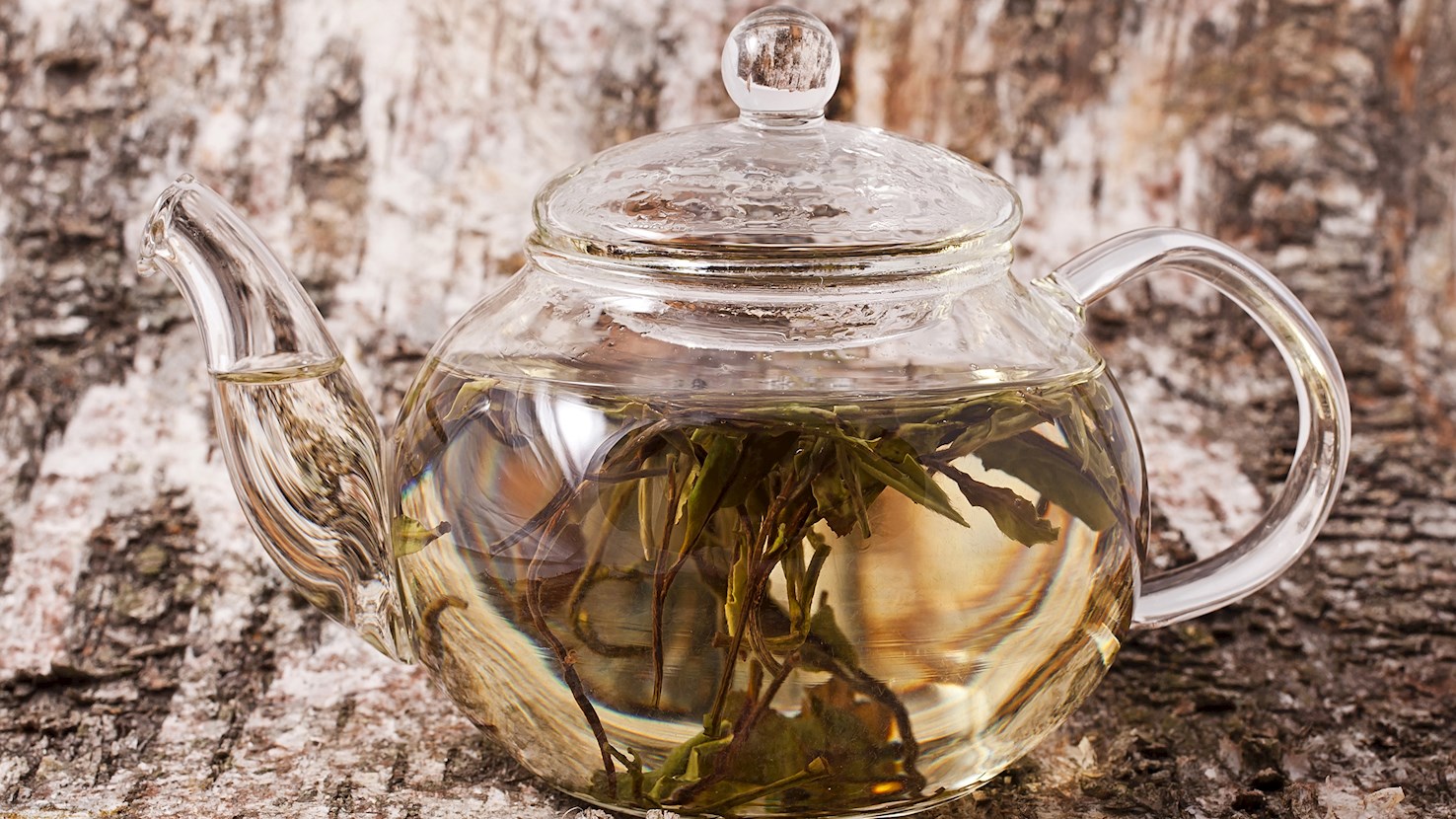
Bai mudan is a type of Chinese white tea that translates as white peony. The tea comes from Fujian, and it is usually hand-picked in spring. Traditionally, one or two leaves and a bud are plucked, and the tea undergoes minimal processing, which typically only includes air-drying. White peony is mostly divided into two varieties: lighter and less fermented version from Fuding and a variety from Zhenghe that usually has a slightly fuller body. Both of these teas praised for their subtle sweetness, refreshing flavor, and typical herbaceous and earthy notes. They also have a light floral and fruity nuances. Bai mudan is slightly stronger than silver needle tea.

About this ranking

TasteAtlas food rankings are based on the ratings of the TasteAtlas audience, with a series of mechanisms that recognize real users and that ignore bot, nationalist or local patriotic ratings, and give additional value to the ratings of users that the system recognizes as knowledgeable. For the “24 Worst Rated Teas and Herbal Infusions in East Asia” list until June 16, 2026, 2,443 ratings were recorded, of which 2,226 were recognized by the system as legitimate. TasteAtlas Rankings should not be seen as the final global conclusion about food. Their purpose is to promote excellent local foods, instill pride in traditional dishes, and arouse curiosity about dishes you haven’t tried.

Similar lists