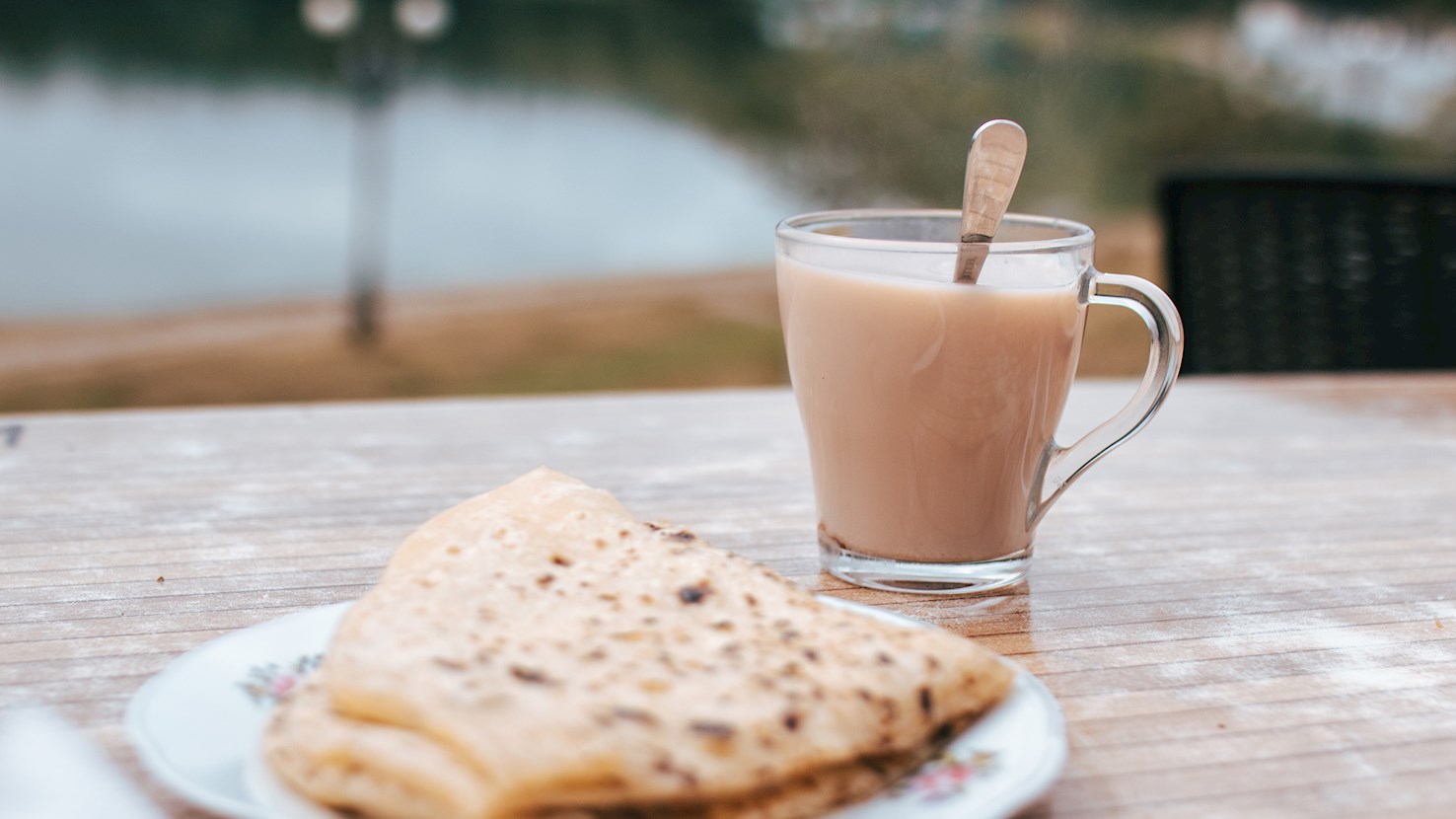
Kalmyk tea or chai is a creamy tea made with pressed green or black tea, usually brewed with butter, milk, and salt. The variations include nutmeg and sometimes other spices such as peppercorns. This tea is mainly made with pressed green tea that includes stems, stalks, and twigs. As the name suggests, Kalmyk tea originated among the Kalmyk, the Mongolian nomadic people in Russia and Kyrgyzstan that make a majority in the Russian region Kalmykia. The tea was most likely initially made with melted butter, salt, and camel milk. It was traditionally enjoyed as a filling and nourishing drink. When paired with bread, it was meant to replace a meal. The tea, and its variations, is still regularly consumed in the region.
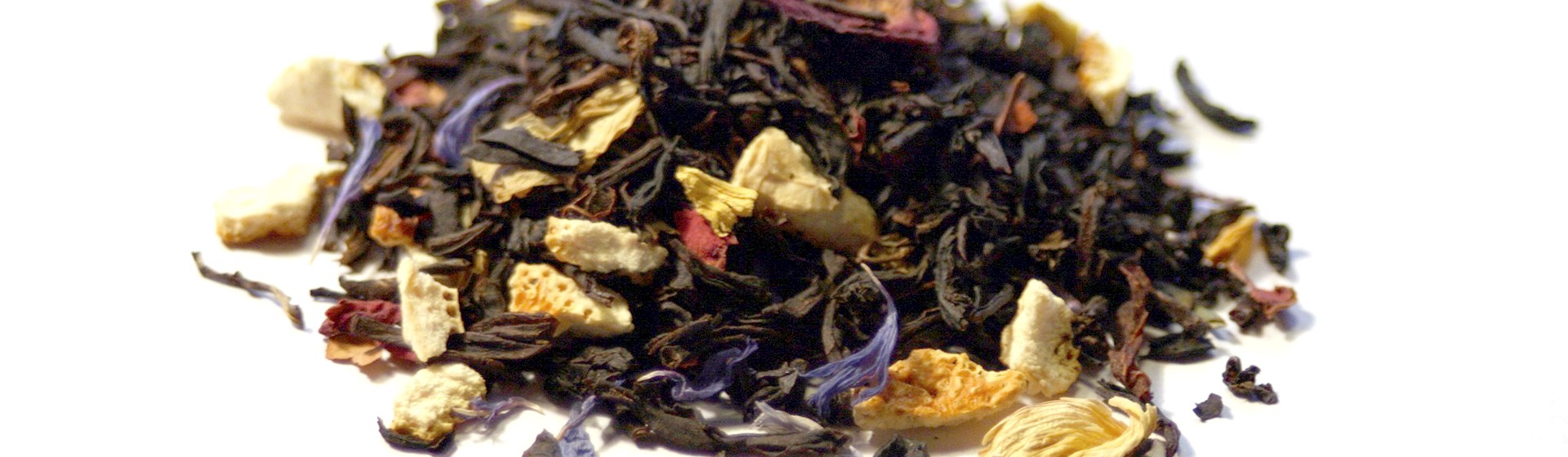
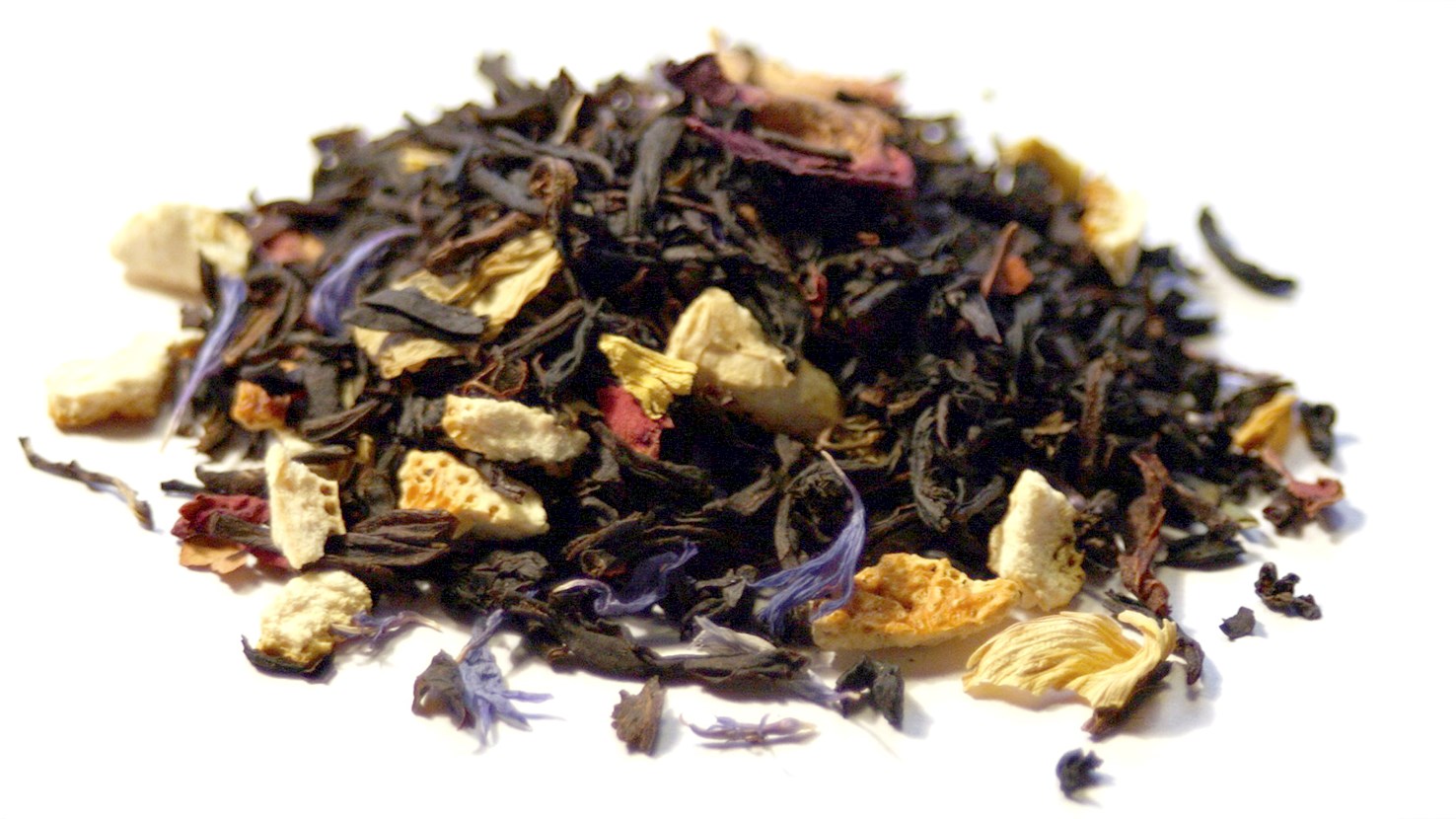
Söderblandning is a tea blend invented in Sweden. It is based on black tea blended with tropical fruit and flowers. The blend was invented in Södermalm, Stockholm—hence the name. It remains one of the most popular teas in Sweden. The exact ingredients are unfamiliar, and there are some differences among brands, but the base is made with Ceylon and Chinese black tea, while the additions may include citrus fruit and various flowers. Söderblandning was allegedly a lucky invention at the Tea Center in Stockholm. The story says that the owner Vernon Mauris accidentally dropped a batch he was working on. His workers refused to throw it away and used it to brew tea. The blend tasted so good that Vernon immediately tried to recreate the combination. It was originally called Misstagsblandningen (The Mistake Blend), later changing its name to Söderblandning to commemorate the district where the tea shop was located.
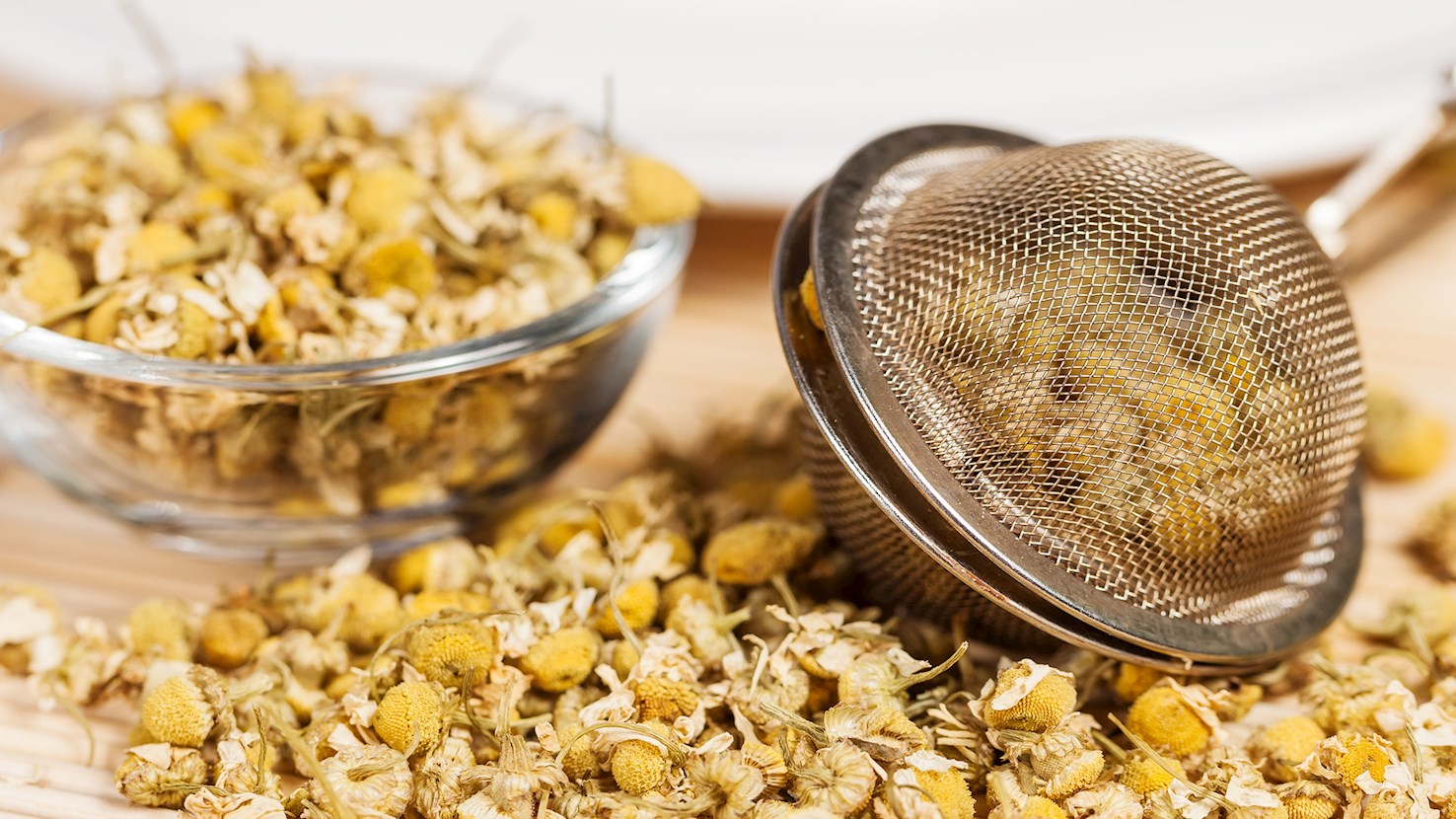
Alföldi kamillavirágzat is a wild chamomile flower grown on the saline soils of the Great Hungarian Plain. This fragile cultivar is hand-picked, dried in central Hungary and then used in tea sachets or infusions. It has a strong, sweet, intense smell and tastes slightly bitter. Since the essential oils in wild chamomile are preserved much better than the ones in normally cultivated chamomile, Alföldi kamillavirágzat is also prized for its medicinal purposes and used in treating gastrointestinal pain or externally, for treating the gums and mouth sores.
Mursalski chai is a herbal infusion that originates from Smolyan Province, Bulgaria. The infusion, or tea as it is usually called, is brewed from Sideritis scardica, a perennial plant endemic to the Balkan Peninsula. The plant is mainly found in the Rhodope Mountains. The preparation of the drink is simple and includes steeping the dried plant in boiling water. The brew is strained, and it is traditionally sweetened with honey. Many believe that this herbal tea has numerous health benefits. It is said that it eases respiratory problems, reduces risks of cardiovascular diseases, has anti-inflammatory effects, and acts as an antioxidant.
Wild lily (Lilium martagon), Turk’s cap lily, or Martagon lily, known locally as bar tamthi, has traditionally been gathered in early to mid-summer from the alpine meadows by the Kelmendi community in Lëpushë, a mountainous village situated in the Northern Albanian Alps. Distinguished by beautiful, turban-like flowers, this wild plant has been harvested for its bulbs and leaves, which are dried and used to prepare traditional teas, infusions, and decoctions. Regarded as "herb of the liver" in traditional medicine, the plant’s bulbs are believed to help with various liver diseases and digestion problems.
Chamomilla bohemica is a dried flowerhead of the chamomile plant from the Flos chamomilla vulgaris species, produced in the Bohemia area in the Czech Republic, consisting of Prague, Central and South Bohemian, Plzeň, Karlovy Vary, Ústí nad Labem, Liberec, Hrádec Králové and Pardubice regions. The designated area of production is characterized by loamy and sandy soils and the average annual rainfall of 500-700 mm/m2, providing favourable conditions for growing the chamomile plant of an excellent quality, where it was grown before the 1950s. As there is lots of sunshine in the region, it influences the essential oils and chamazulene content in the plant. It is harvested in a gentle way, and there is even a special machinery developed especially for the harvest of the flowerheads. The product is mostly sold in tea bags, and used in the preparation of herbal teas, consumed hot to take full advantage of the beneficial properties of this unique plant.
Earl Grey is a type of tea traditionally made with black tea flavored with bergamot oil. As the name is not trademarked, there are several varieties that may appear under the same name and which use different tea varieties or additional flavorings. Earl Grey is sold in the form of loose tea leaves or tea bags, and it typically yields a slightly tannic tea that has intense aromas of citrusy bergamot. It is believed that the tea was named after Prime Minister Charles Grey. Although the name Grey’s Tea probably appeared before, the first written reference of Earl Grey Tea dates back to the 1880s, while the researchers at Oxford English Dictionary argue that a variety of bergamot-flavored tea was first mentioned in 1824. Despite numerous theories of its origin, it is likely that the tea was already familiar among some Chinese tea masters, and it was then given to the Prime Minister, or it was a simple way to show respect to the nobleman. Some theories claim that it was Grey’s wife who was smitten by this fragrant combination and eventually promoted the tea among the British upper classes. The company Twinings is mostly cited and credited as the first distributor of this aromatic tea. Apart from its regular use, Earl Grey can be used as a flavoring in savory and sweet dishes. Although it is a classic afternoon tea, Earl Grey also pairs well with desserts and can be a surprisingly good match to curry dishes.
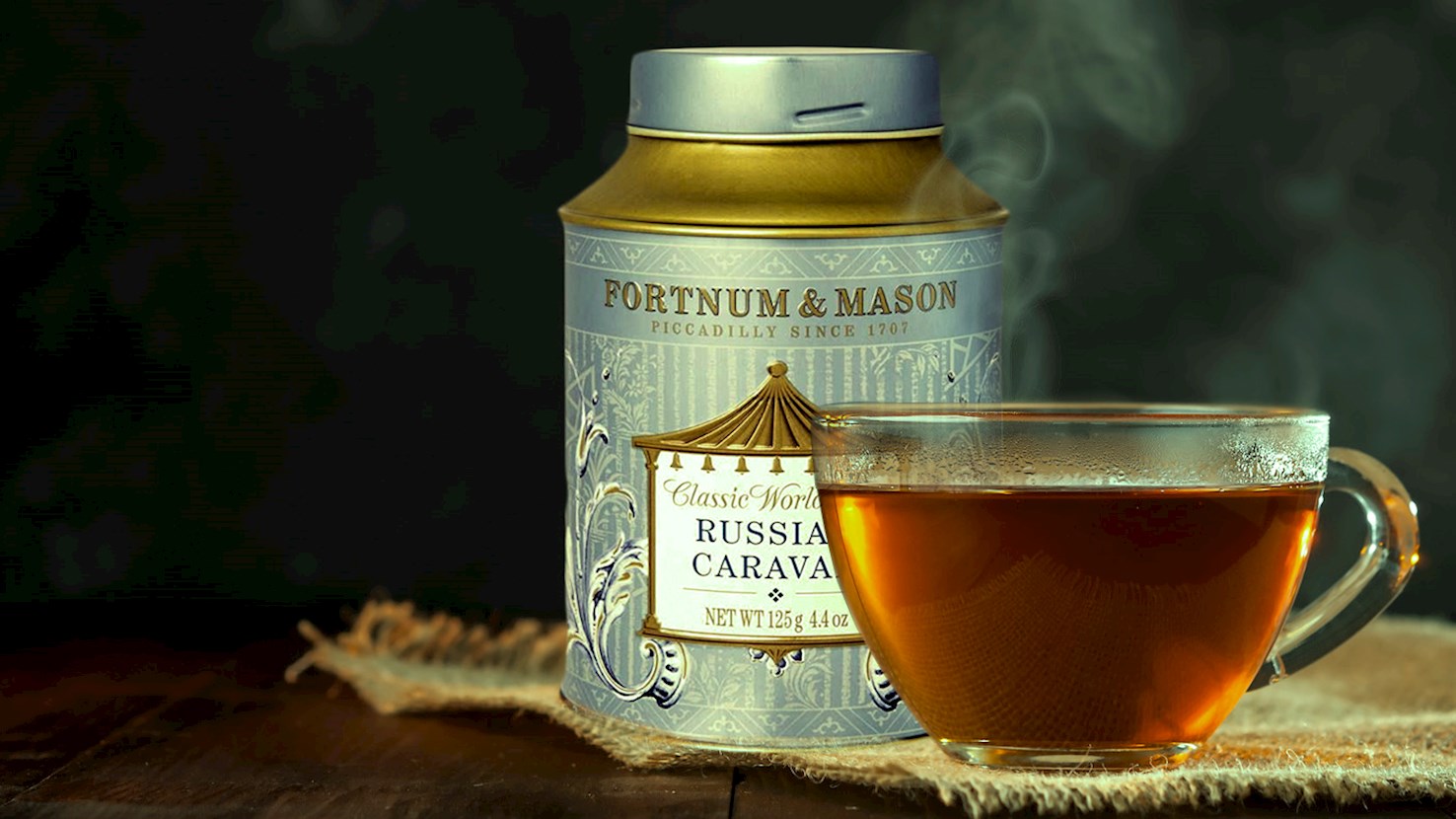
Russian Caravan is a tea blend that is typically made with Chinese oolong and black teas. The blends may vary, but it mostly consists of at least two tea types, while the most common combinations include Keemun black tea, the smoky Lapsang Souchong, and oolong teas. Although the exact selection may vary, Russian Caravan is based on fully or partially oxidized teas, and the final character is typically dark, smoky, spicy, and malty. Traditionally, Chinese black teas were used in the blend, but as there are no set ingredients, the variations may include Indian (Assam) or Taiwanese teas. The intriguing name is linked with the origin of this tea. It is associated with the ancient caravan route used to transport Chinese tea to Tsarist Russia. The route was long, and it went through roughed Siberian terrain. Although there was a shorter route, it was avoided due to the unfavorable climate. The Siberian route was cold and dry, which preserved the quality of the tea. It is said that during these long journeys, the tea would sit next to a fire, and it usually attained subtle smoky notes. As the Russian Caravan blend is an effort to re-create these teas, it traditionally has a smoky note, which is generally acquired with Lapsang Souchong, but it is not mandatory. This tea would pair well with red meat, game, lamb, and lemon-based desserts. They can also work well with BBQ dishes and smoked salmon.
TasteAtlas food rankings are based on the ratings of the TasteAtlas audience, with a series of mechanisms that recognize real users and that ignore bot,
nationalist or local patriotic ratings, and give additional value to the ratings of users that the system recognizes as knowledgeable.
For the “8 Worst Rated European Teas and Herbal Infusions” list until June 16, 2026, 679 ratings were recorded, of which 584 were recognized by the system as legitimate.
TasteAtlas Rankings should not be seen as the final global conclusion about food. Their purpose is to promote excellent local foods,
instill pride in traditional dishes, and arouse curiosity about dishes you haven’t tried.