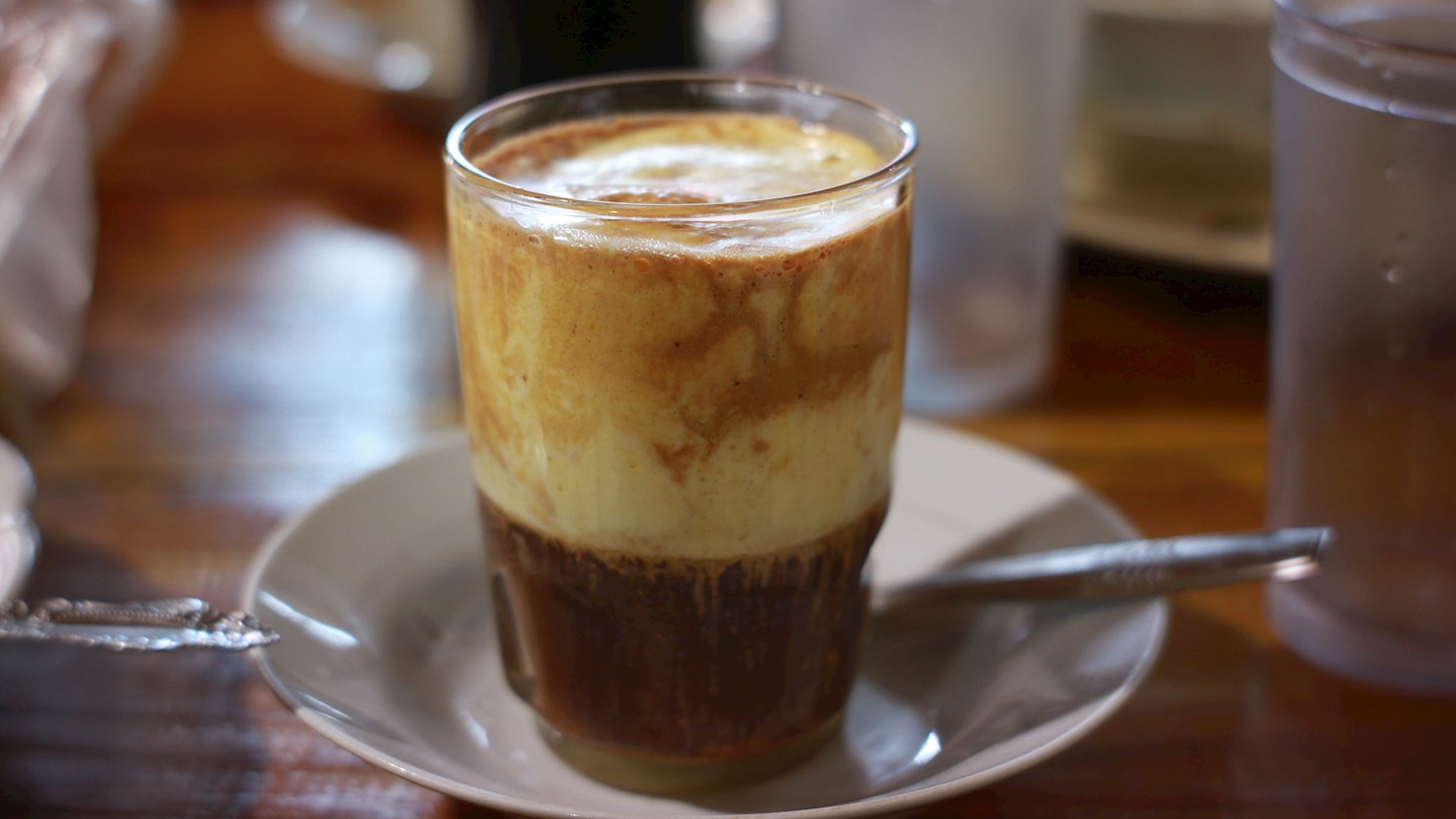
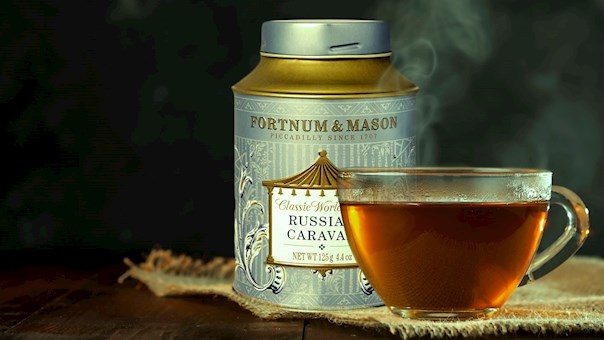
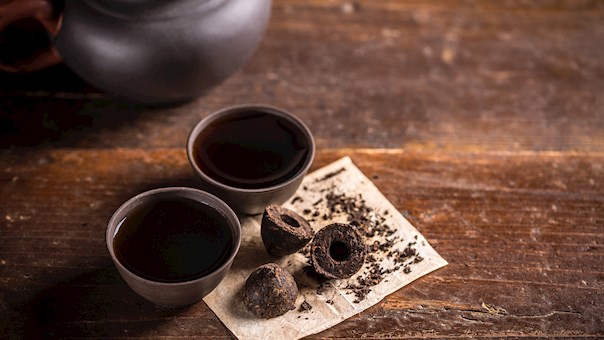
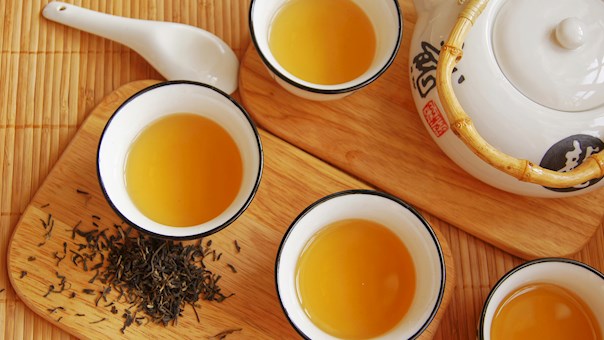
Teh talua is a unique egg-based tea originating from West Sumatra, where it is an established part of Minangkabau food culture. The name comes from the Minangkabau and Indonesian words for tea (teh) and egg (telur, pronounced talua in the local dialect). It is made by combining brewed black tea with sugar and raw egg yolk, often enhanced with a small amount of lime juice or condensed milk. This beverage is commonly consumed in Padang eateries and rural cafes throughout the region, particularly by adults seeking a filling and energizing drink. The preparation of teh talua involves whipping raw egg yolk with sugar until it becomes thick, pale, and creamy. The key to the texture is incorporating enough air during this process to form a stable foam. Hot black tea, typically strong and slightly bitter, is then poured slowly into the mixture while stirring continuously to prevent the egg from curdling. The result is a layered drink with a frothy surface, rich mouthfeel, and subtle balance between the tannins of the tea and the richness of the egg. In some variations, a few drops of lime juice are added not only for flavor but also to neutralize the eggy aroma and help stabilize the foam. Teh talua is considered by many in West Sumatra to be a nourishing drink, often enjoyed in the morning or during breaks from work. It is sometimes served as an alternative to coffee, particularly among older generations or those who prefer a less acidic option. While it has gained attention from outside the region for its unusual combination of ingredients, it remains deeply rooted in the daily and social habits of local communities. The drink is commonly served in glass cups, and part of its appeal lies in the technique of preparation, which is often done in front of the customer. The visual contrast between the clear tea and the yellow foam, along with the effort put into whipping the egg mixture by hand, contributes to its place as a carefully prepared, yet accessible drink. Vendors take pride in achieving a stable froth and a clean, well-balanced taste.
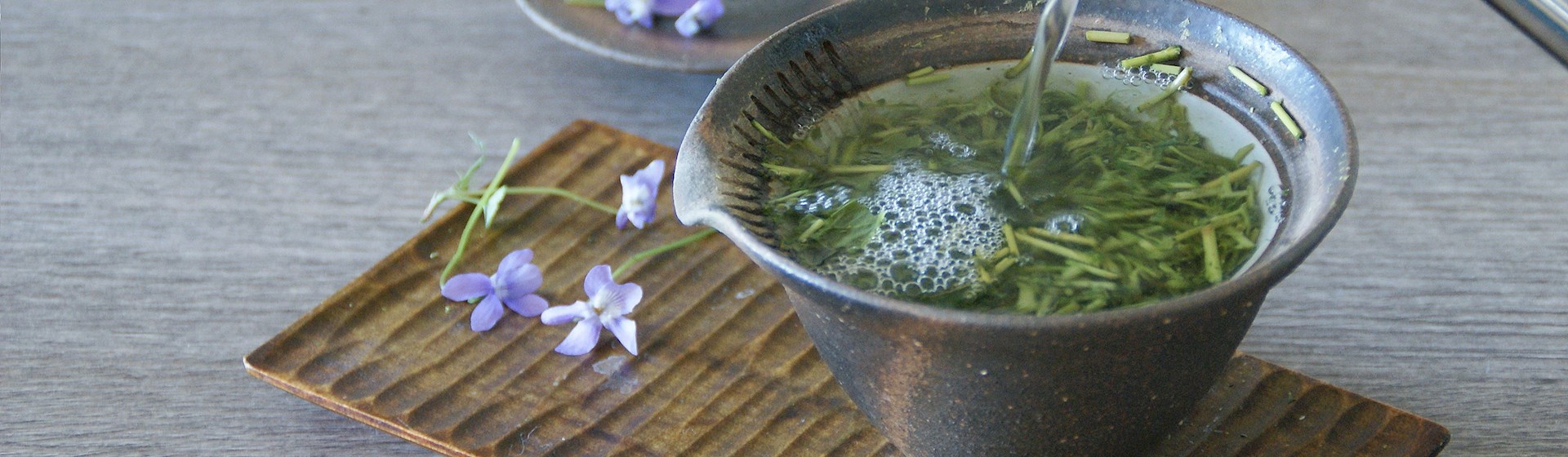
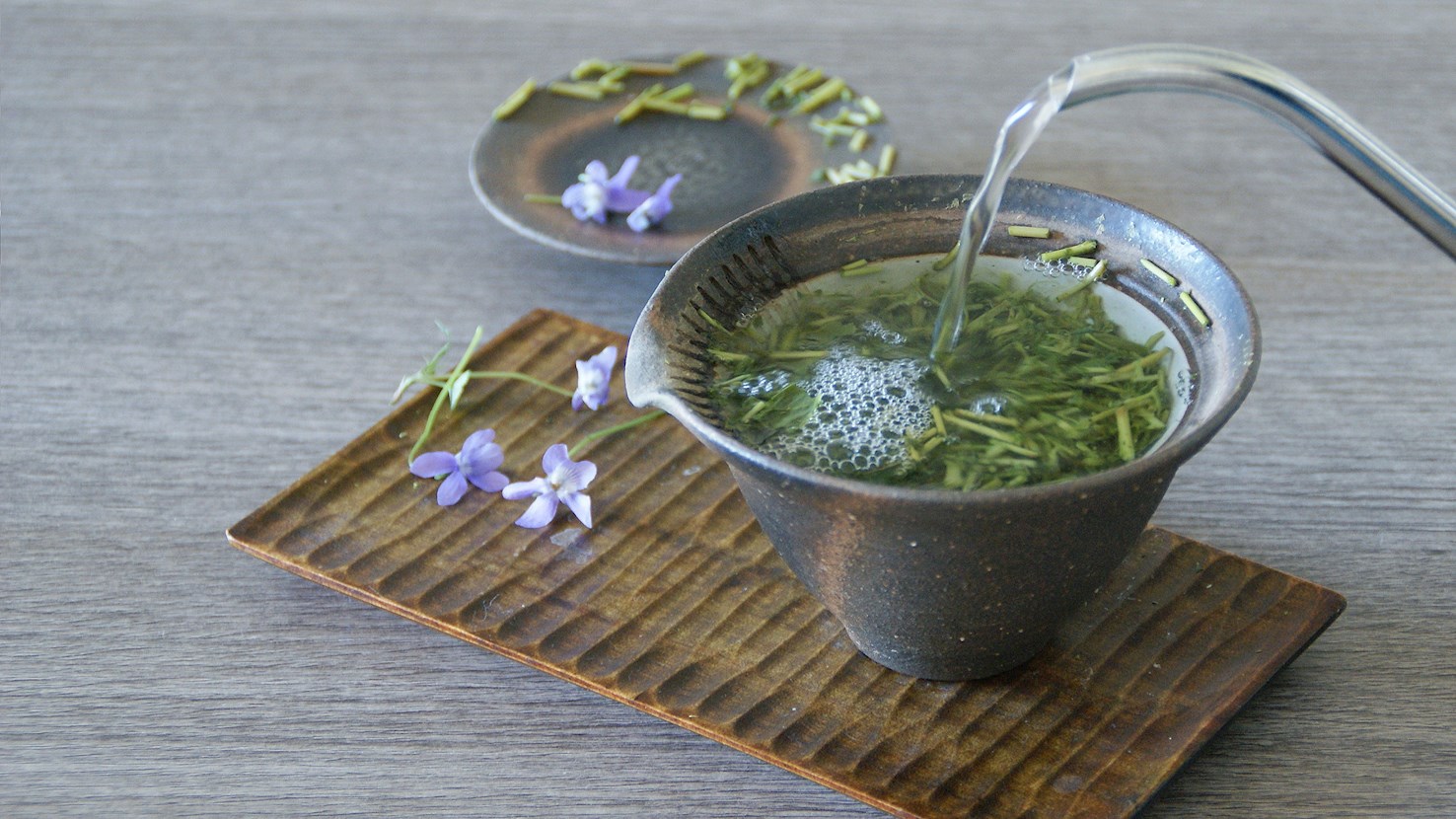
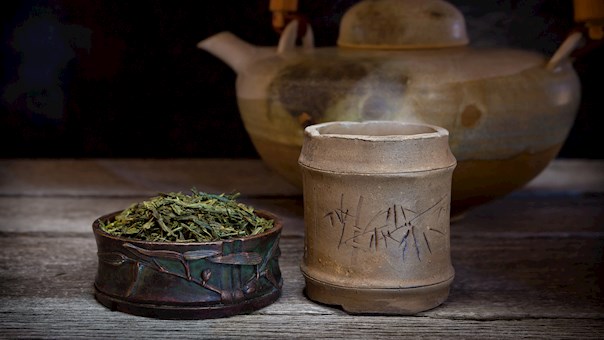
Kukicha is a unique type of Japanese tea that is made with twigs and stems of Camellia sinensis. It typically comes in the form of green tea, though more oxidized varieties are also available. When brewed, the tea has a subtly sweet, vegetal flavor and a pleasant aroma. It has low astringency and makes for an excellent, everyday tea. Karigane is a type of high-quality kukicha. It is produced from stems and stalks of the leaves used in the production of Gyokuro—a type of shaded Japanese tea. Kukicha would pair well with light dishes, poultry, cheese, and desserts.
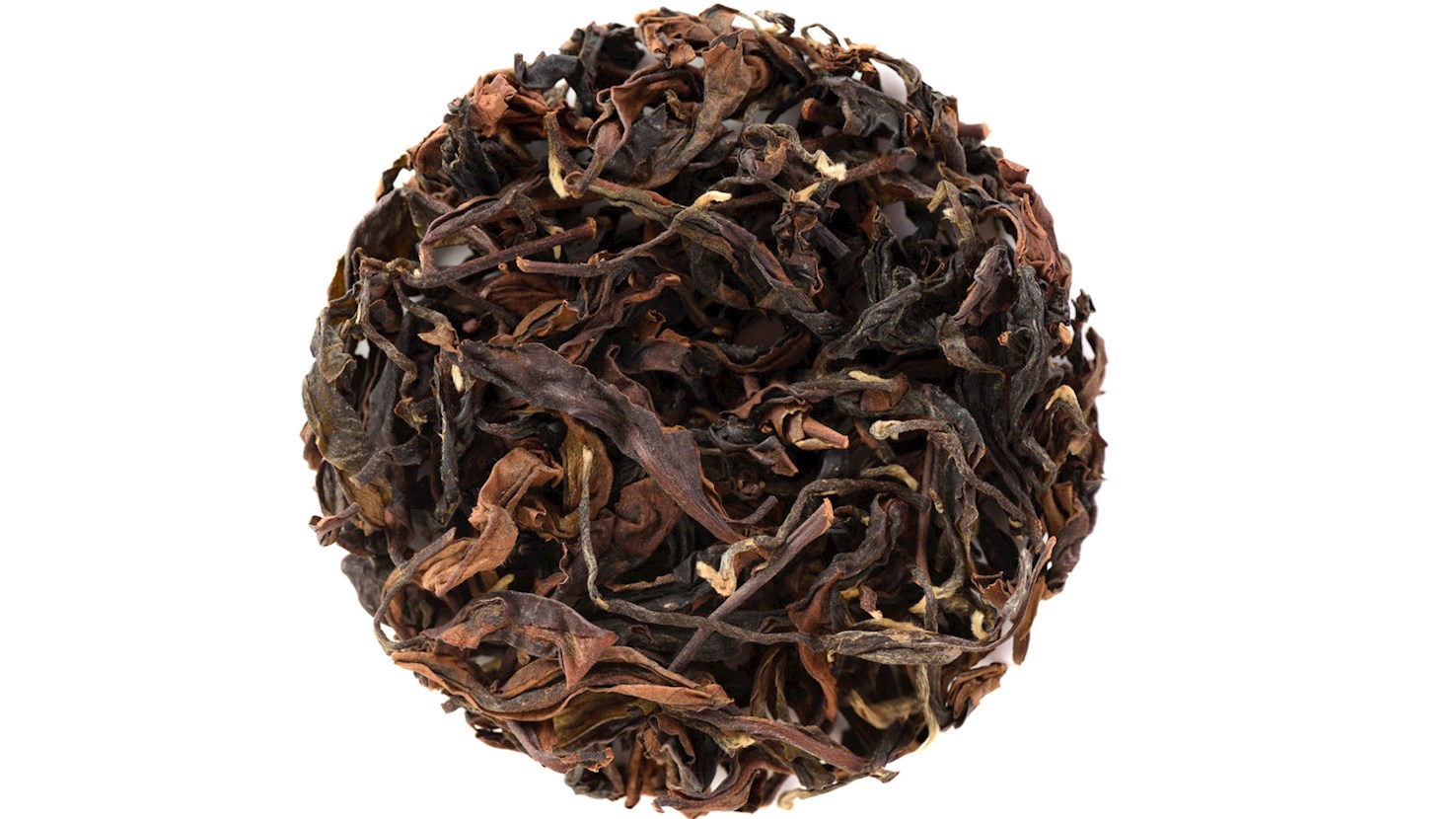
Dongfang meiren is a heavily-oxidized, non-roasted Taiwanese oolong tea. It is cultivated in the hilly areas of Hsinchu County. Authentic dongfang meiren is produced in a unique, time-consuming process. It is harvested during the summer when the leafhopper Jacobiasca formosana feeds on the leaves, stems, and buds. It is believed that the plant defends with a chemical reaction that initiates the development of certain aromatic compounds. Because these qualities cannot develop without insects, farmers mostly avoid the use of pesticides. A high-grade version of this tea is rare and usually comes with a high price tag. Dongfang meiren, also known as the oriental beauty, is sweet and subtly spicy. It does not have astringency, while the aroma and flavor are floral and should always have honey-like notes. The finish is long and sweet, often reminiscent of peaches and stone fruit. This aromatic tea would work well with desserts and spicy and salty dishes.
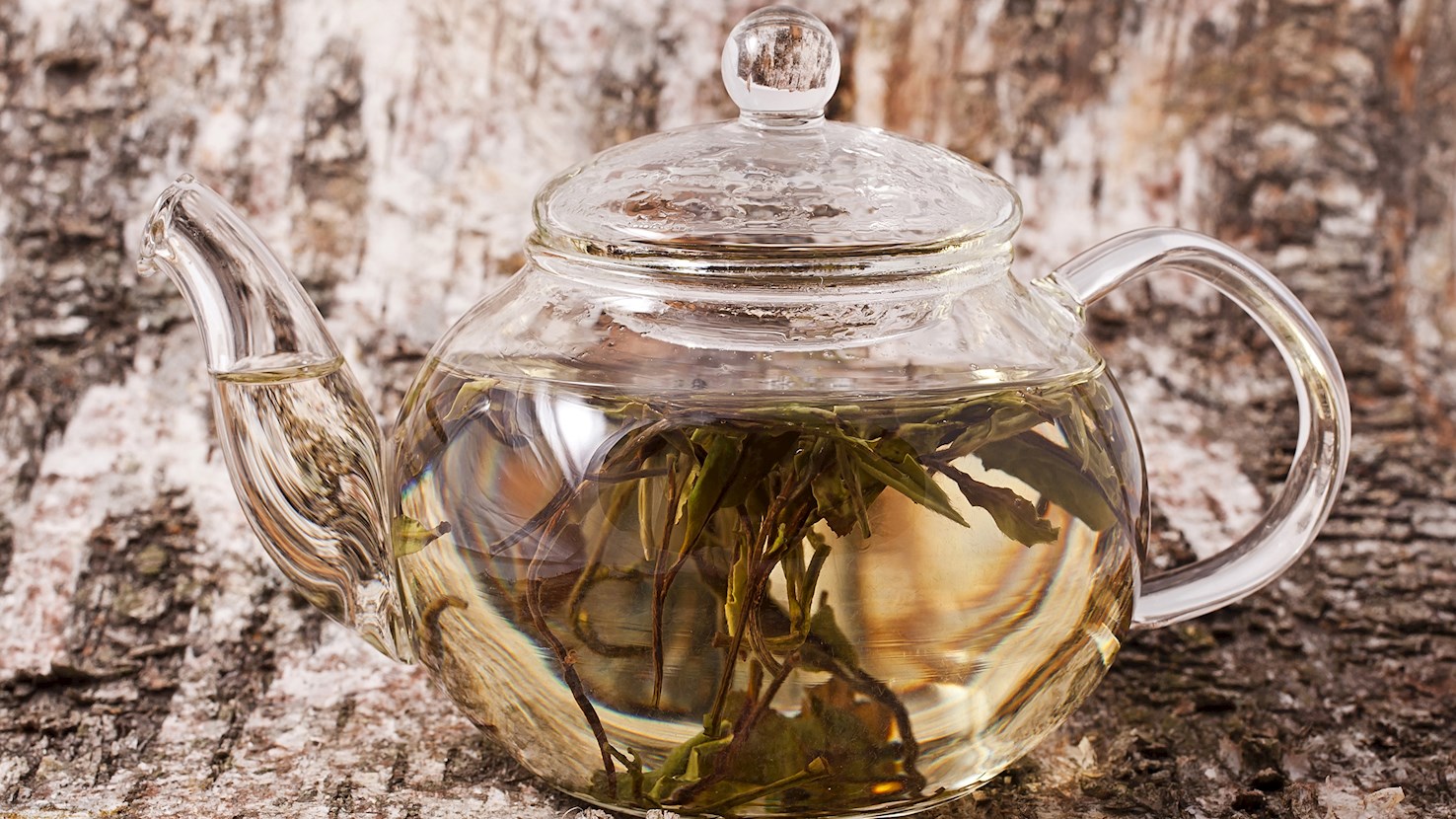
Bai mudan is a type of Chinese white tea that translates as white peony. The tea comes from Fujian, and it is usually hand-picked in spring. Traditionally, one or two leaves and a bud are plucked, and the tea undergoes minimal processing, which typically only includes air-drying. White peony is mostly divided into two varieties: lighter and less fermented version from Fuding and a variety from Zhenghe that usually has a slightly fuller body. Both of these teas praised for their subtle sweetness, refreshing flavor, and typical herbaceous and earthy notes. They also have a light floral and fruity nuances. Bai mudan is slightly stronger than silver needle tea.
Dong ding, which translates as frozen peak, is a type of Taiwanese oolong tea that was originally brought from Fujian in the 1860s. The tea shares the name with the mountain where it is traditionally cultivated. After it is harvested and withered, it is usually lightly oxidized in bamboo baskets. It is then traditionally slow-roasted—which helps to bring out distinctive roasted and toasty flavors and aromas. The infusion is golden yellow, smooth, and subtly sweet, usually accompanied by aromas of honey and caramelized nuts.
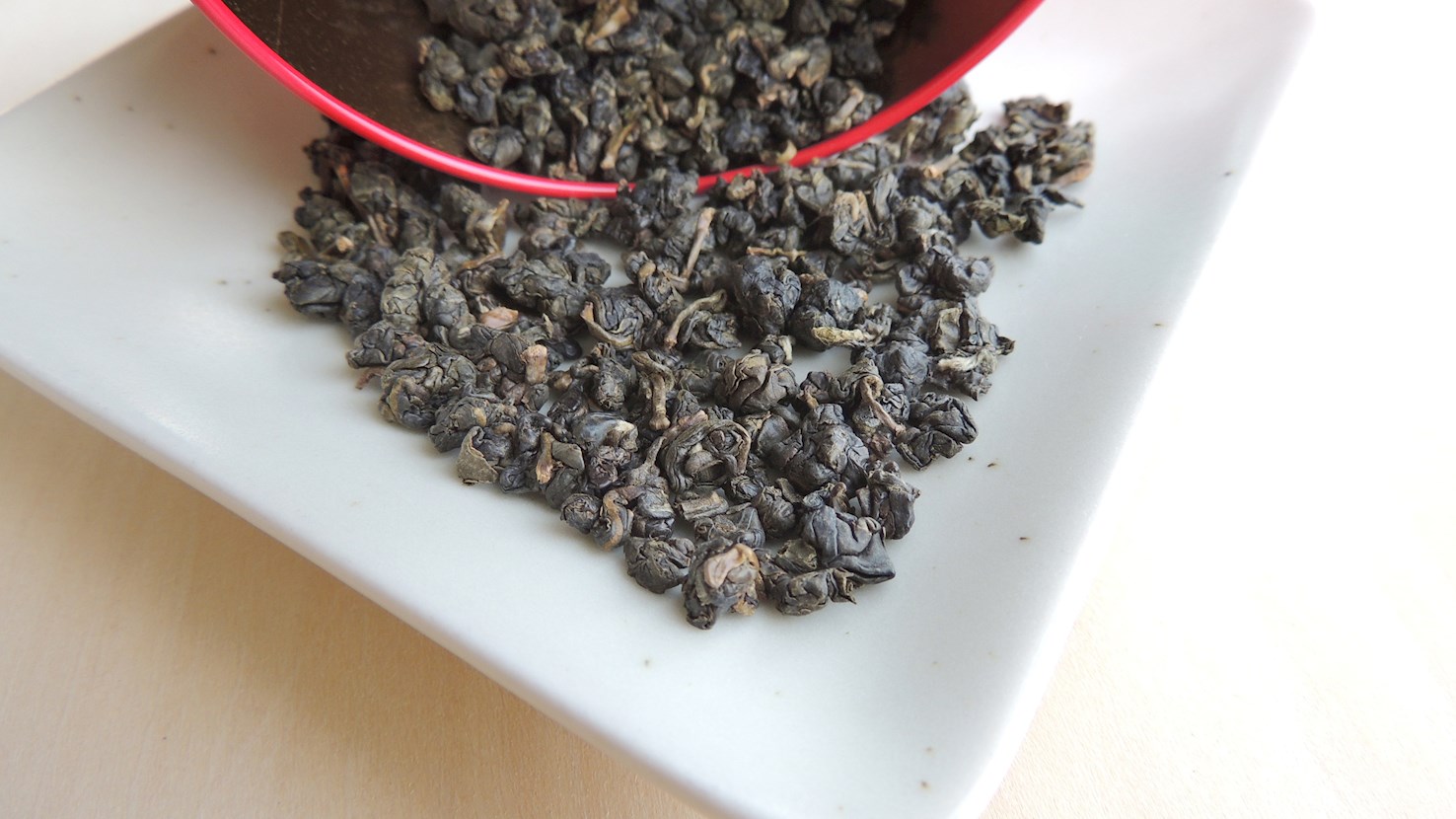
Baozhong (pouchong) is the least oxidized variety of Taiwanese oolong teas. Often called a green oolong, this tea is only lightly oxidized—oxidation typically ranges from 10 to 20%. The laves are long and slightly twisted. Because of the light oxidation, this tea has a vegetal character that is more similar to green tea. The tea liquor will have a pale golden color and a creamy, rich, and subtly sweet flavor, with no astringency. The aroma is delicate and floral, reminiscent of jasmine and white lily. This tea would pair well with spicy or smoked dishes, shellfish, buttery desserts, fresh fruit, and cheese.
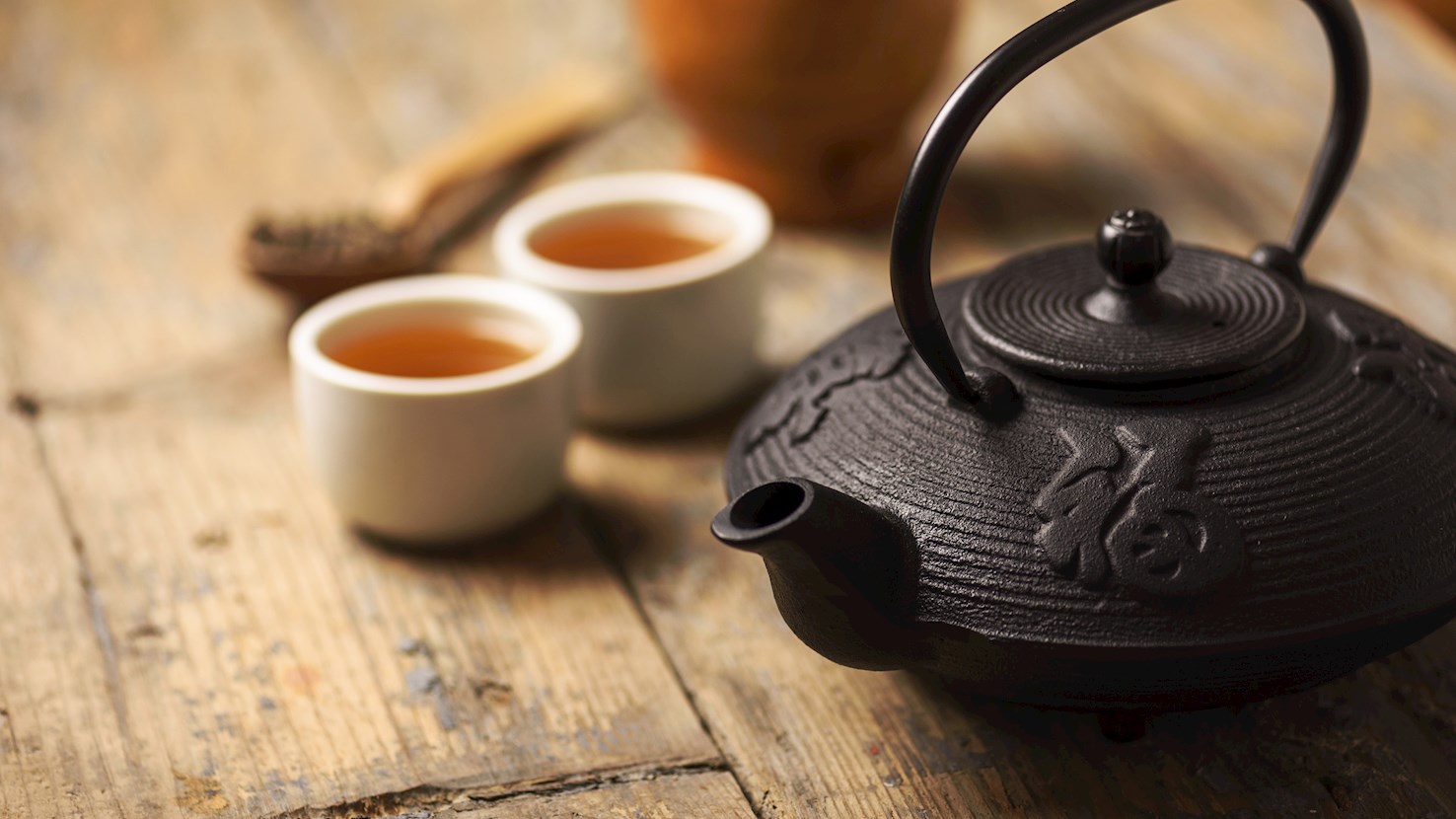
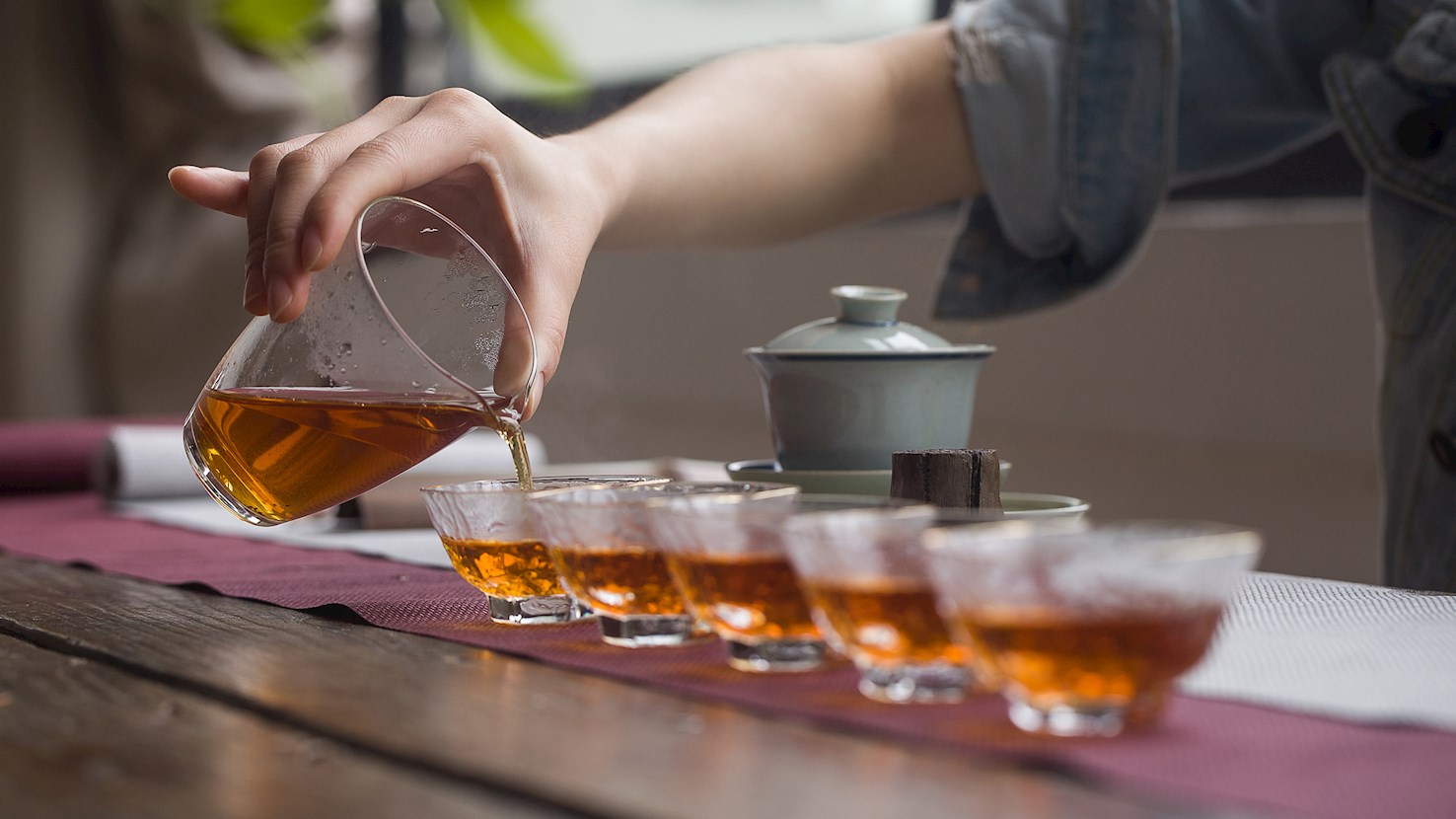
Rize çayı refers to a type of black tea that is cultivated in the Rize Province on the eastern Black Sea coast of Türkiye. This region's humid and mild climate, along with abundant rainfall, creates ideal conditions for growing tea, making it the heart of Türkiye's tea cultivation. Rize tea is known for its strong, bold flavor and dark color. It is typically brewed very strong and often served in small glasses without milk. In Türkiye, it is commonly consumed throughout the day, and it plays a central role in Turkish culture as a symbol of hospitality and companionship. The tea is typically prepared using a two-pot method, where one pot is used to brew a very strong tea concentrate, and the other is used to dilute this concentrate to the drinker's preference. Sugar may be added, but milk or lemon is usually not used in traditional Turkish tea service. Rize tea is an integral part of daily life in Türkiye, offered to guests and enjoyed during breaks and meals.
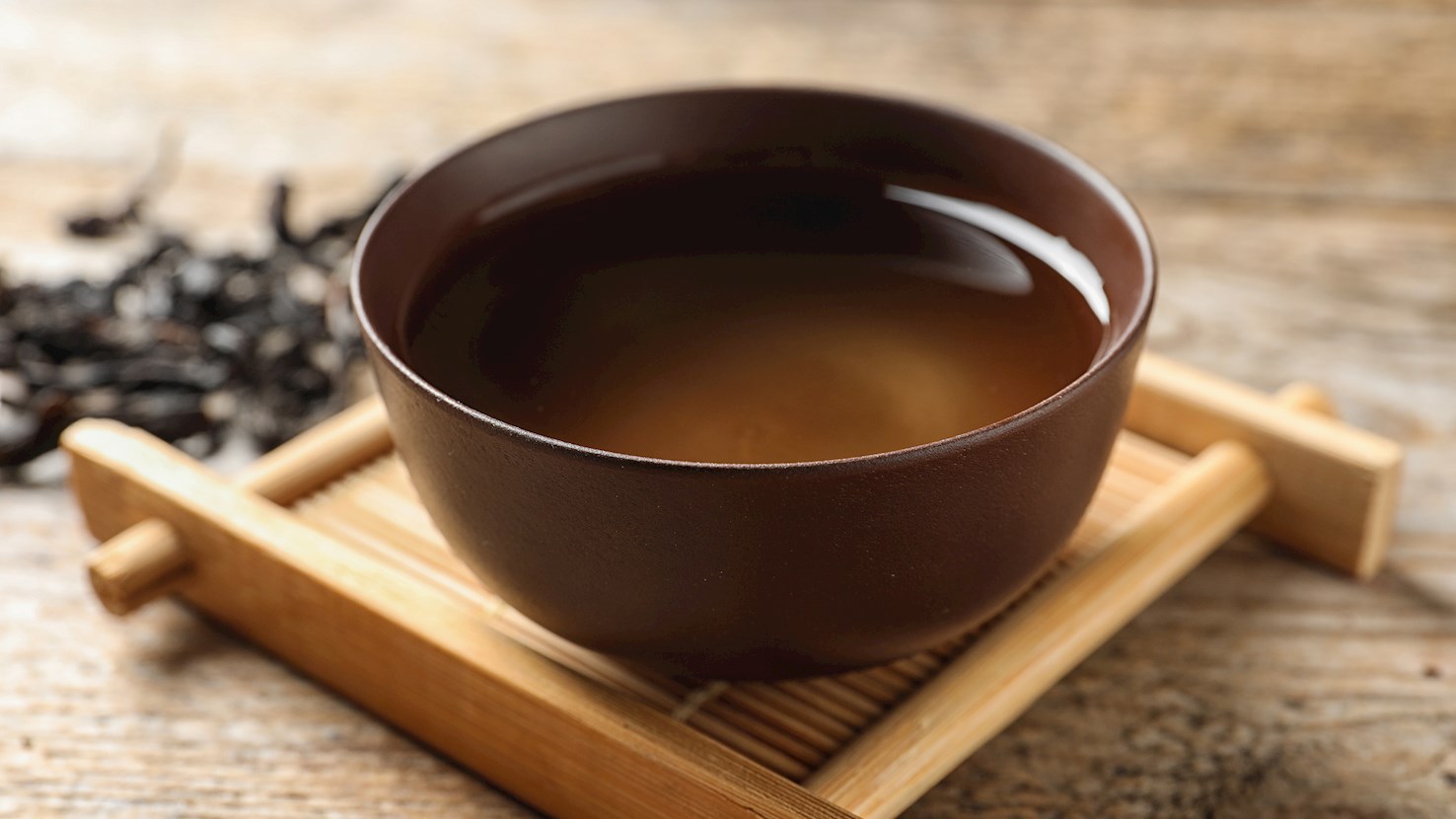
Da hong pao is an esteemed variety of Chinese oolong tea and one of the most expensive teas in the world. It is cultivated and harvested in the Wuyi Mountains of northern Fujian from the plants that mostly grow on cliffs and ledges. This tea is usually heavily-oxidized and typically has an earthy and mineral character with complex aromas and a sweet finish. Da hong pao has a centuries-old tradition and holds a somewhat mythical status in China. The most expensive varieties came from six mother trees, which are considered the only authentic type of da hong pao. These mother trees are no longer used for harvesting and have been protected and insured. In 1998, 20g of da hong pao harvested from mother trees was sold for a remarkable $28,000. Some amount of da hong pao is produced from the mother tree cultivars, but it is mostly available as da hong pao blend, which is made by master tea blenders.
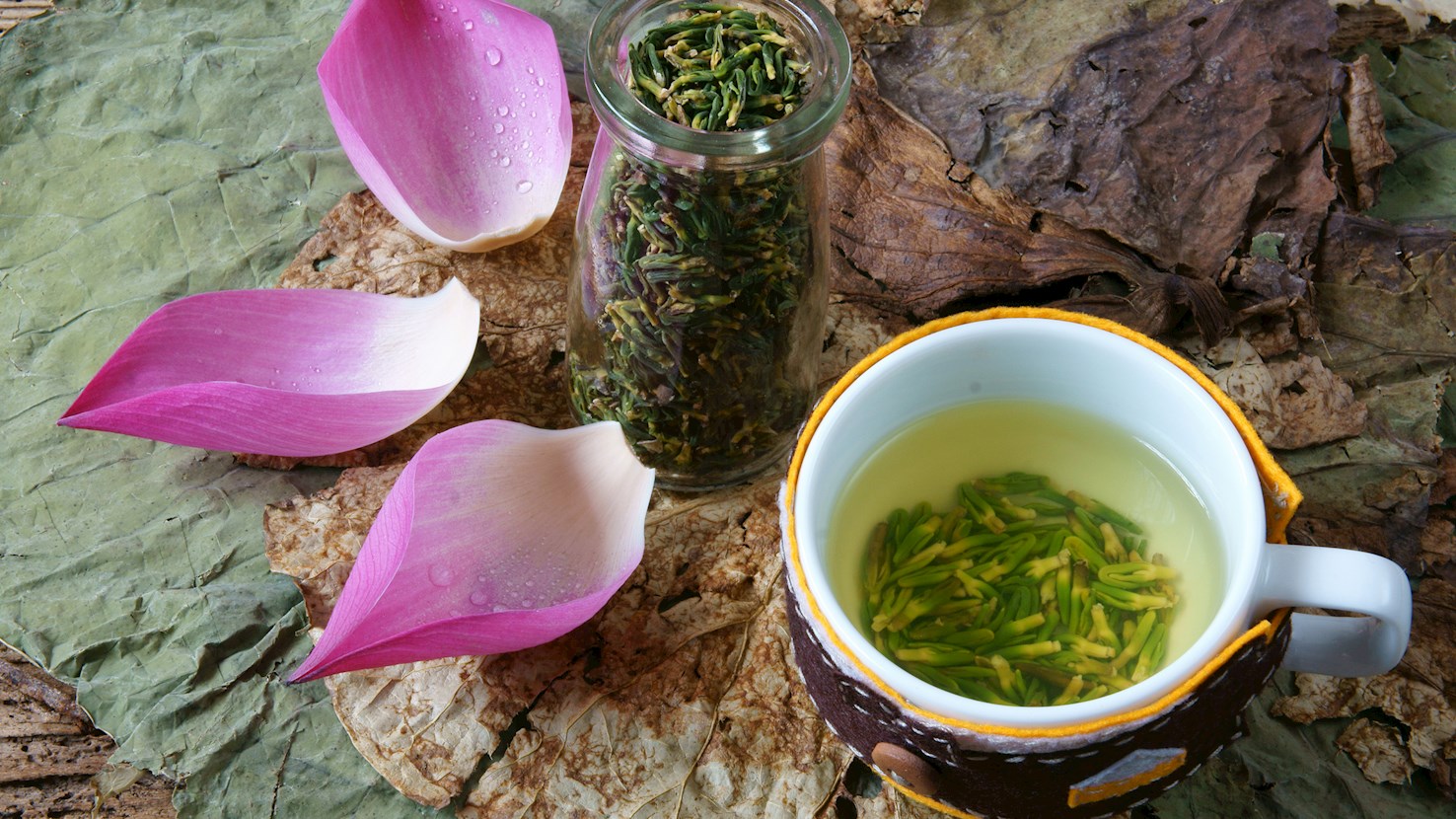
Vietnamese lotus tea is a type of green tea flavored with lotus flowers. Often regarded as the most prestigious Vietnamese tea, it is produced on a small scale in a labor-intensive and time-consuming process that is rarely seen nowadays. The production first started during the reign of the emperor Tu Duc. During the night, his servants would fill the lotus flowers with green tea and then let it infuse. By the morning, the tea already had a subtle lotus aroma, and it could be brewed. Most contemporary production relies on imparting flavor by mixing green tea with hand-picked lotus stamens. The mixing process can be repeated several times until the tea attains desired flavor. When brewed, the tea is amber-colored and has a clean flavor with subtle vanilla hints. This tea is an integral part of Vietnamese culture and is often enjoyed on festivals, ceremonies, and other special occasions. The best and the most expensive version of this tea comes from the West Lake in Hanoi.
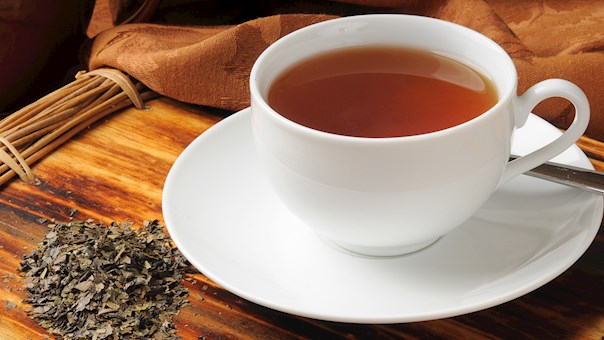
Keemun hails from Qimen County in the Anhui Province, and it is one of the most popular Chinese black teas. Often dubbed as the Burgundy of teas, it is a fragrant and complex tea with a layered flavor profile. Standard Keemun tea is known for its earthy character, which is often accompanied by spice and cocoa hints. The best expressions will be rounded, mellow, subtly floral and fruity, with a full body and hints of sweetness. When brewed, it has a distinctive red copper hue and is typically low in tannins. Although Keemun is now best known for its black tea, regional production was initially oriented towards green tea. Black tea was introduced in 1875, and since then, it has dominated the entire region. Keemun black is also known as one of the types of black tea commonly used in blends, such as Earl Grey and English Breakfast. Earthier varieties of Keemun would pair well with vanilla or chocolate-based desserts, but generally, Keemun black would pair well with breakfast, meat dishes, cheese, spicy dishes, and eggs. There are several classifications among Keemun teas, but Maofeng Keemun is considered the most refined variety.
TasteAtlas food rankings are based on the ratings of the TasteAtlas audience, with a series of mechanisms that recognize real users and that ignore bot,
nationalist or local patriotic ratings, and give additional value to the ratings of users that the system recognizes as knowledgeable.
For the “17 Worst Rated Asian Teas” list until June 16, 2026, 2,453 ratings were recorded, of which 2,161 were recognized by the system as legitimate.
TasteAtlas Rankings should not be seen as the final global conclusion about food. Their purpose is to promote excellent local foods,
instill pride in traditional dishes, and arouse curiosity about dishes you haven’t tried.