

shutterstock

38 Worst Rated Techniques
in the World

Last updated on May 21, 2026
01

Khorkhog

2.8 ·

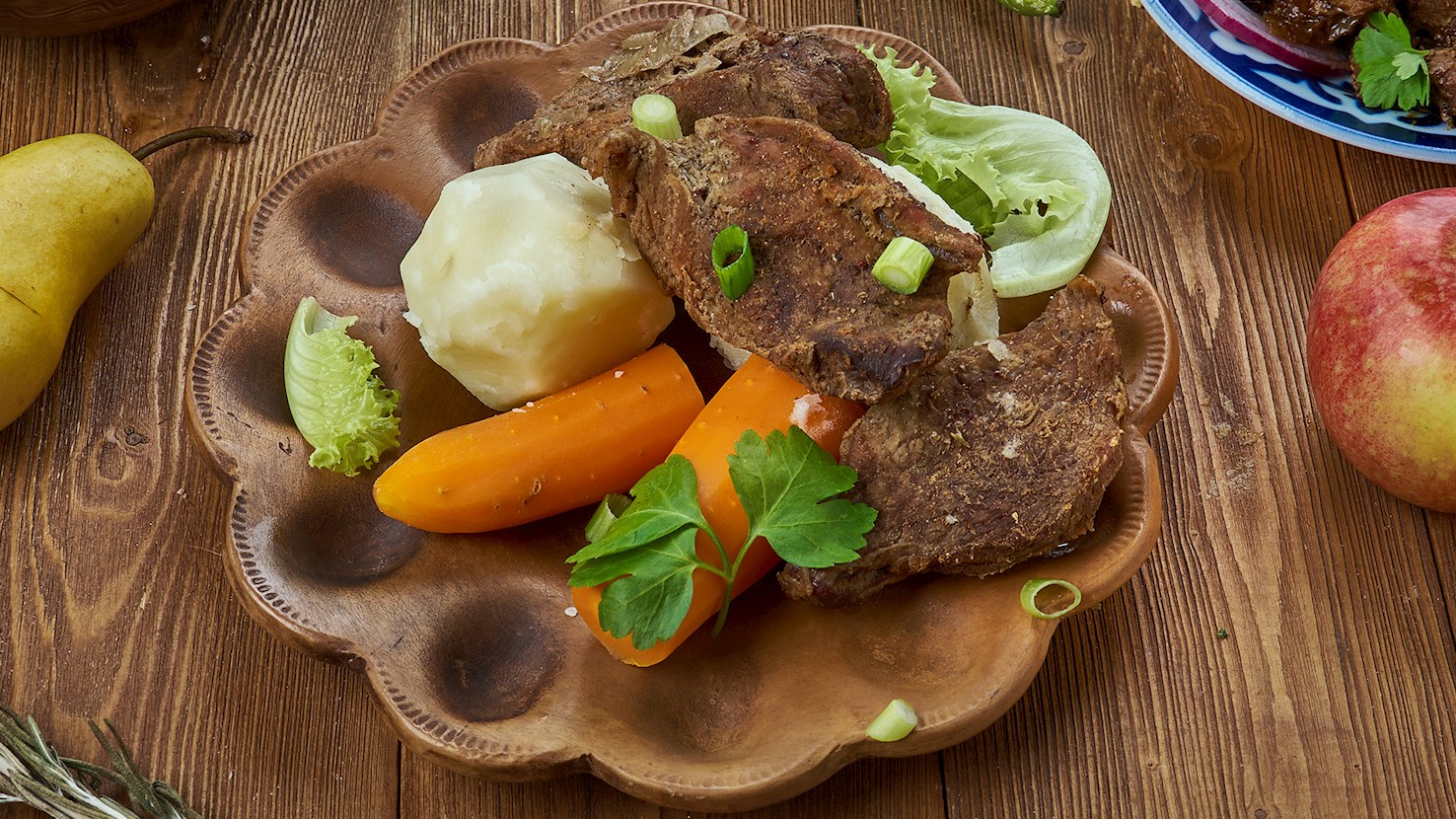
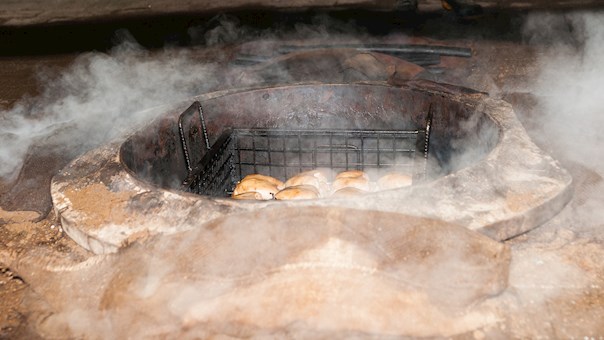
Khorkhog is a traditional barbecue that is prepared in large milk jugs together with heated stones. The meat and the stones are placed in the containers, and the water is then added, creating steam that cooks the meat. Invented by nomadic Mongolian tribes, khorkhog is usually made with bone-in cuts of mutton, lamb, or goat meat, as well as vegetables such as cabbage, onions, potatoes, and carrots. The dish is meant to be eaten by hands and it's rarely found in restaurants. Khorkhog is usually prepared by nomadic families living in the Mongolian countryside.

02

Riñón

3.1 ·

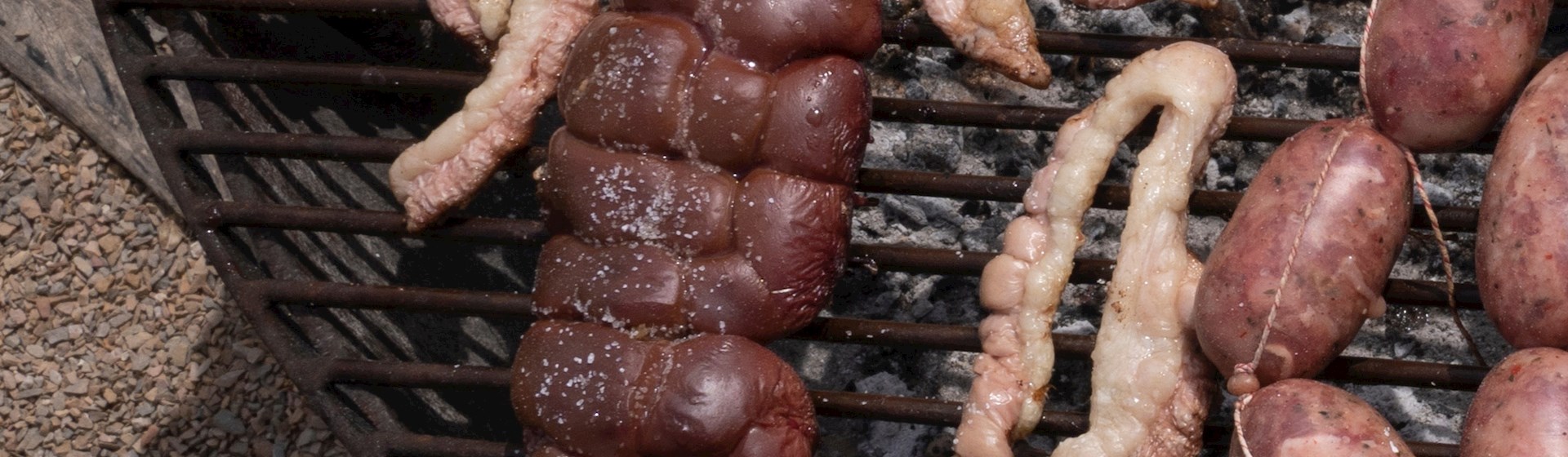
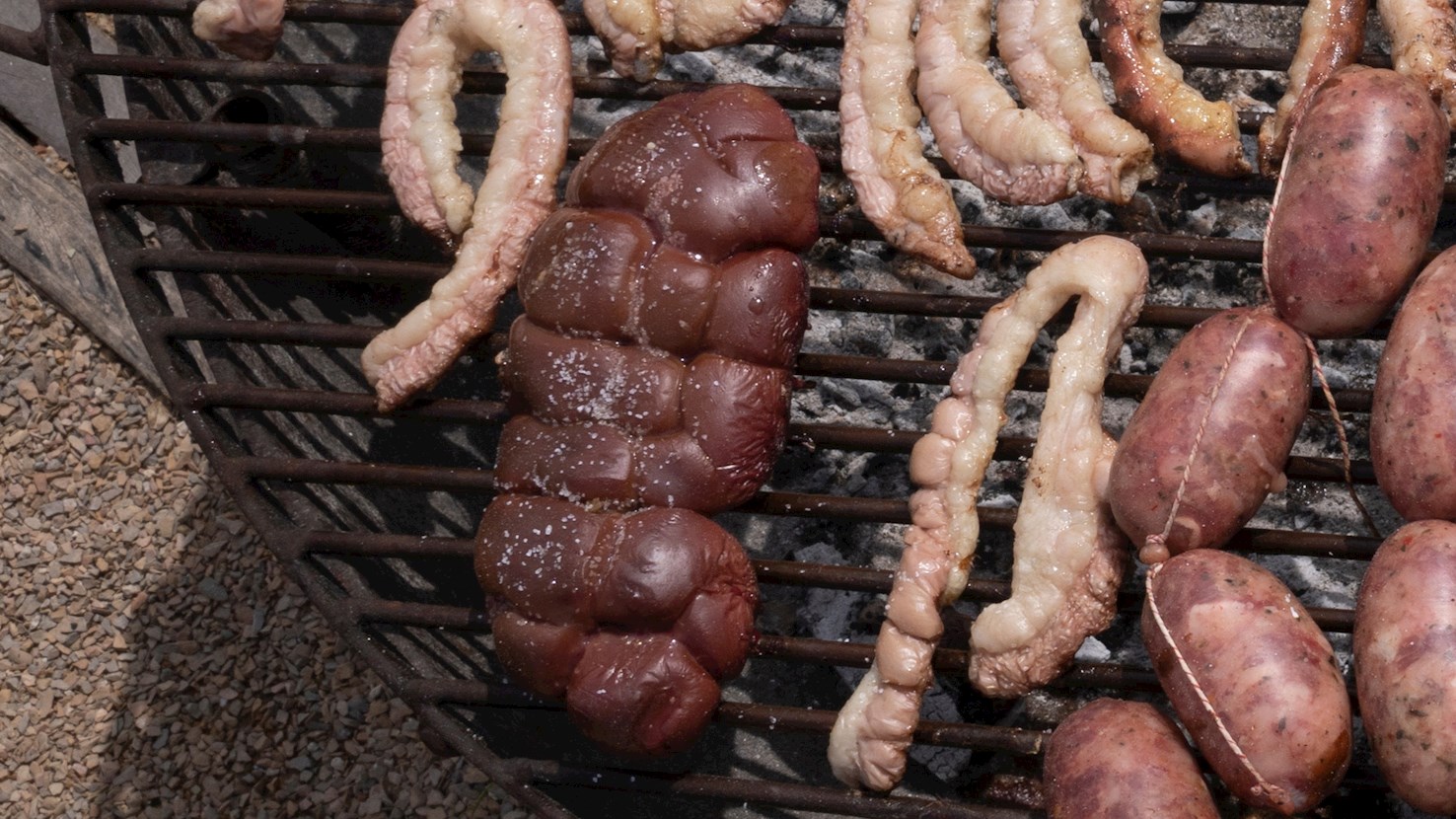
Riñón or kidney is a piece of beef offal that’s a favorite of few. It needs a thorough cleaning before grilling, which includes removing fats and veins and soaking it in water, vinegar, or lemon juice. It can be grilled whole, without its membrane, sliced in half or into more pieces but always over high heat, so a crust forms on the outside. It is served with lemon slices and salt for sprinkling over.

03

Morcilla a la parrilla

3.2 ·

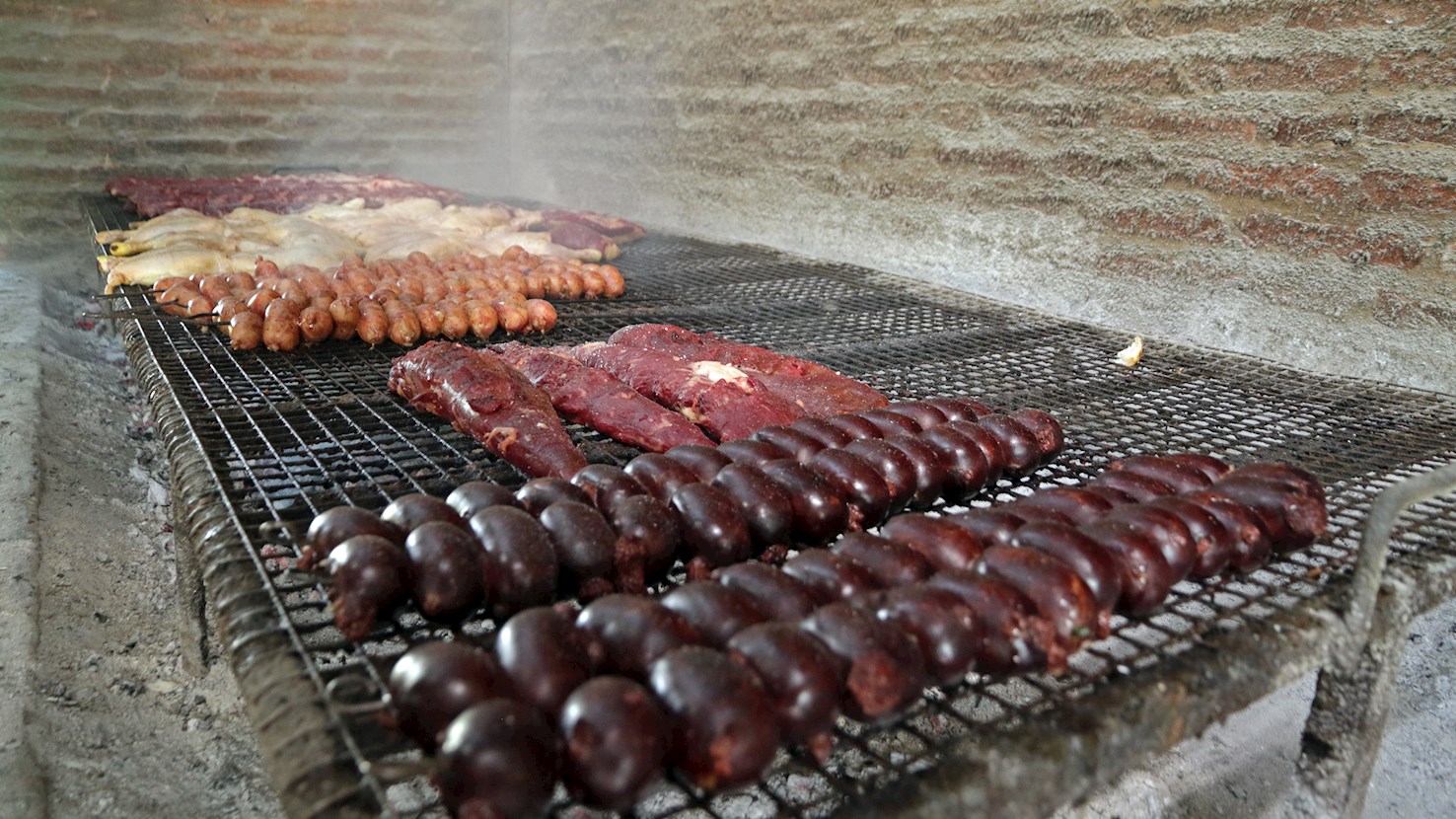
Morcilla a la parilla is a sausage dish that’s prepared by grilling morcilla blood sausage. Every morcilla is different. Some are savory, seasoned with salt, pepper, garlic, and onion, and some are sweeter and have things like raisins, cloves, and nuts, so the dish is each time different depending on the sausage used. Also, because morcilla is a pre-cooked sausage, technically, it is only heated on the grill, not cooked. It can be eaten plain or spread on bread.

04

Paksiw

3.3 ·

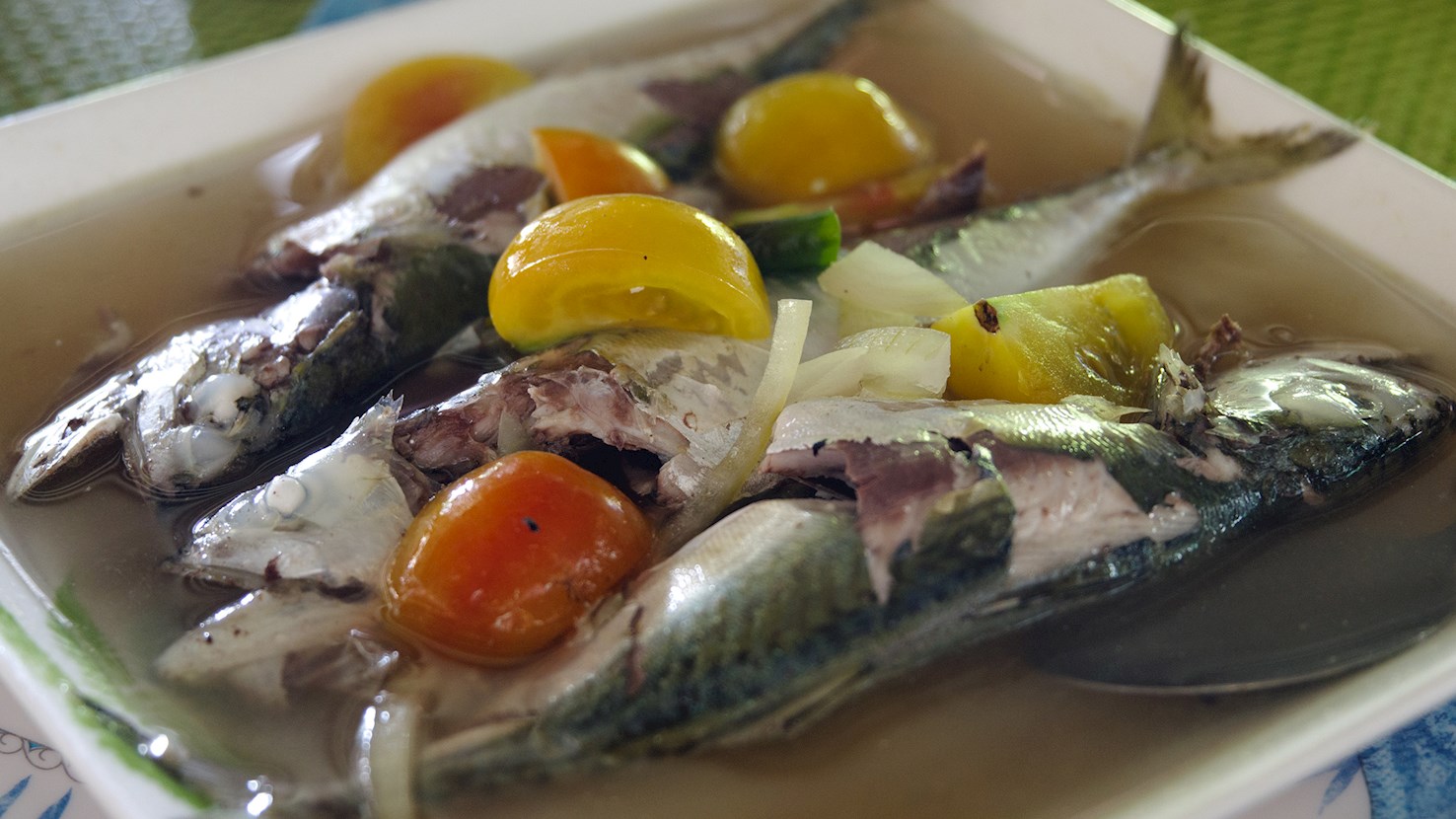
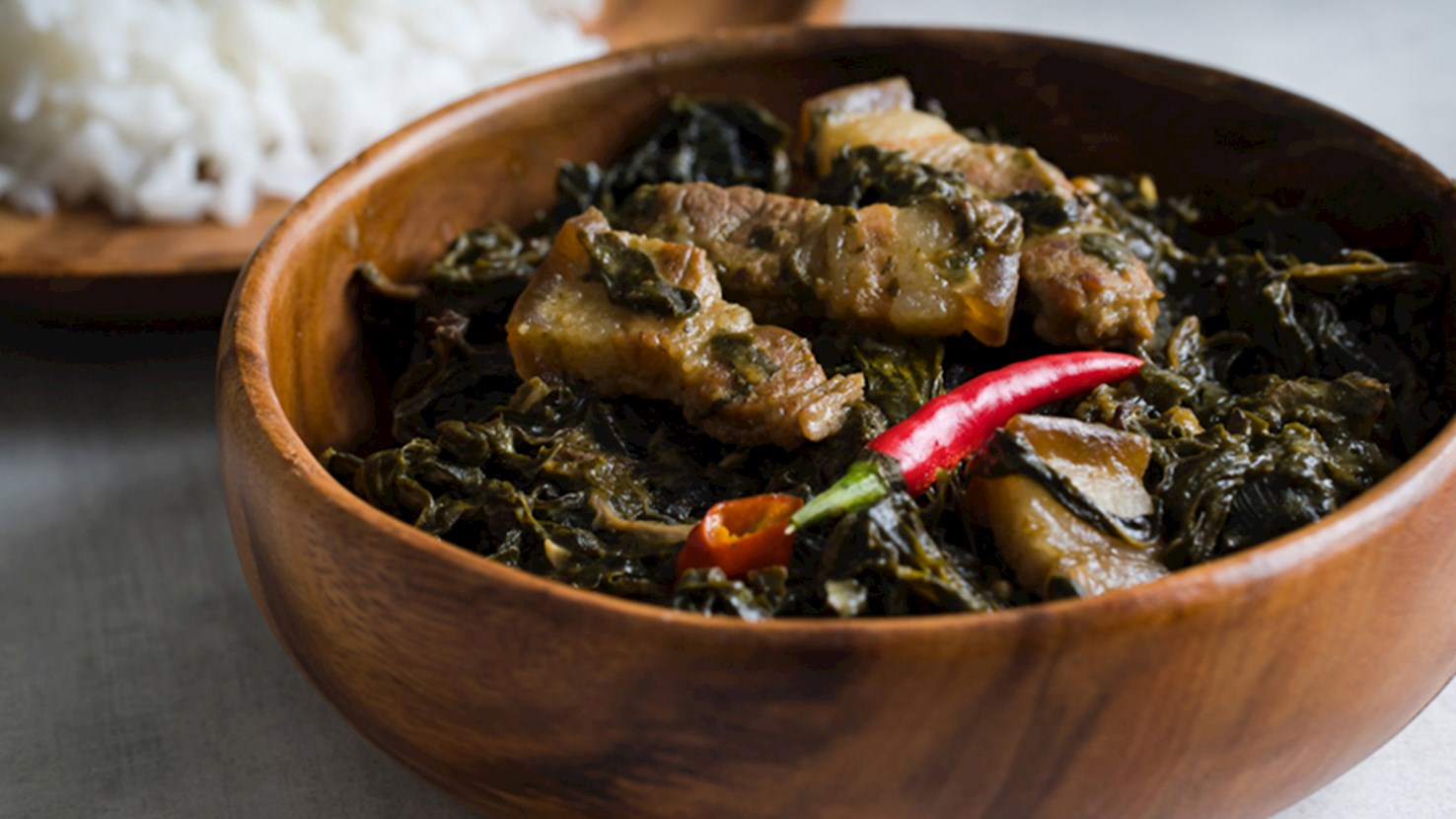
Paksiw is a Filipino cooking technique that refers to various dishes that are simmered in vinegar. The method is used in the preparation of fish or meat-based dishes which can also incorporate additional ingredients such as garlic, vegetables, seasonings, and various spices. The most popular dishes that fall into this category include pork-based paksiw na baboy and paksiw na isda that employs fish as the main ingredient. Paksiw dishes are usually served with rice on the side.

05

Nizakana

3.3 ·

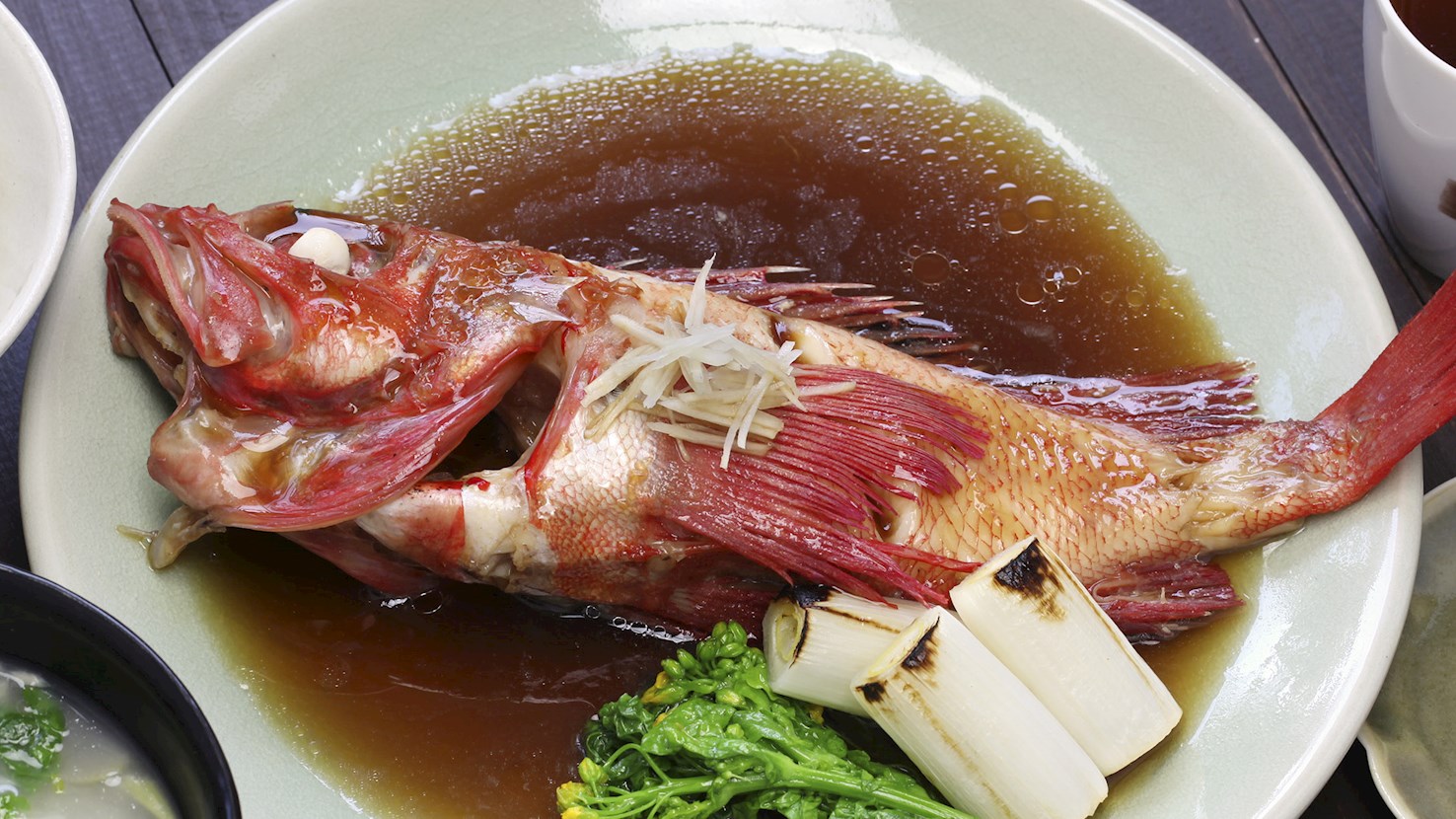
In Japanese cuisine, nizakana dishes fall into the wider category of boiled foods collectively called nimono, which are traditionally a part of every meal except breakfast. Also known as nitsuke or sakana no nimono (lit. boiled fish), nizakana refers to any fish that is gently poached in a sweetened dashi stock which is typically flavored with either soy sauce or miso. The first and the most important step for making the Japanese-style boiled fish is to do the so-called shimofuri, meaning to quickly blanch the ingredients before cooking them. This technique is used to subdue the strong natural aromas and flavors of fattier fish, but it also removes sliminess of the fish and prevents the broth from becoming cloudy. The sweetened dashi stock is often flavored with mirin or sake, but also with vegetables such as green scallions, gobo root, shimeji mushrooms, and sliced ginger, whose freshness and zestiness marries well with all the strong and savory flavors, while the boldness of the soy sauce and the sweetness from sugar and mirin mask any possible fishiness, taking any nizakana dish to another level.

06

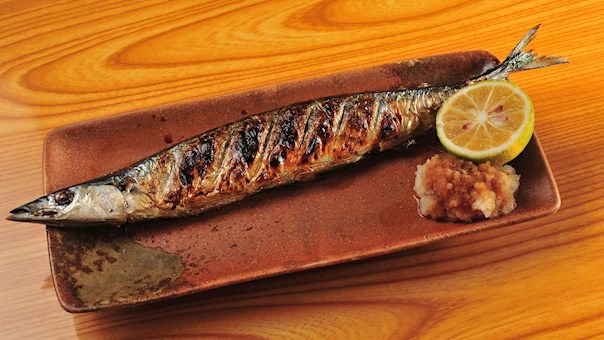
Shioyaki

3.3 ·

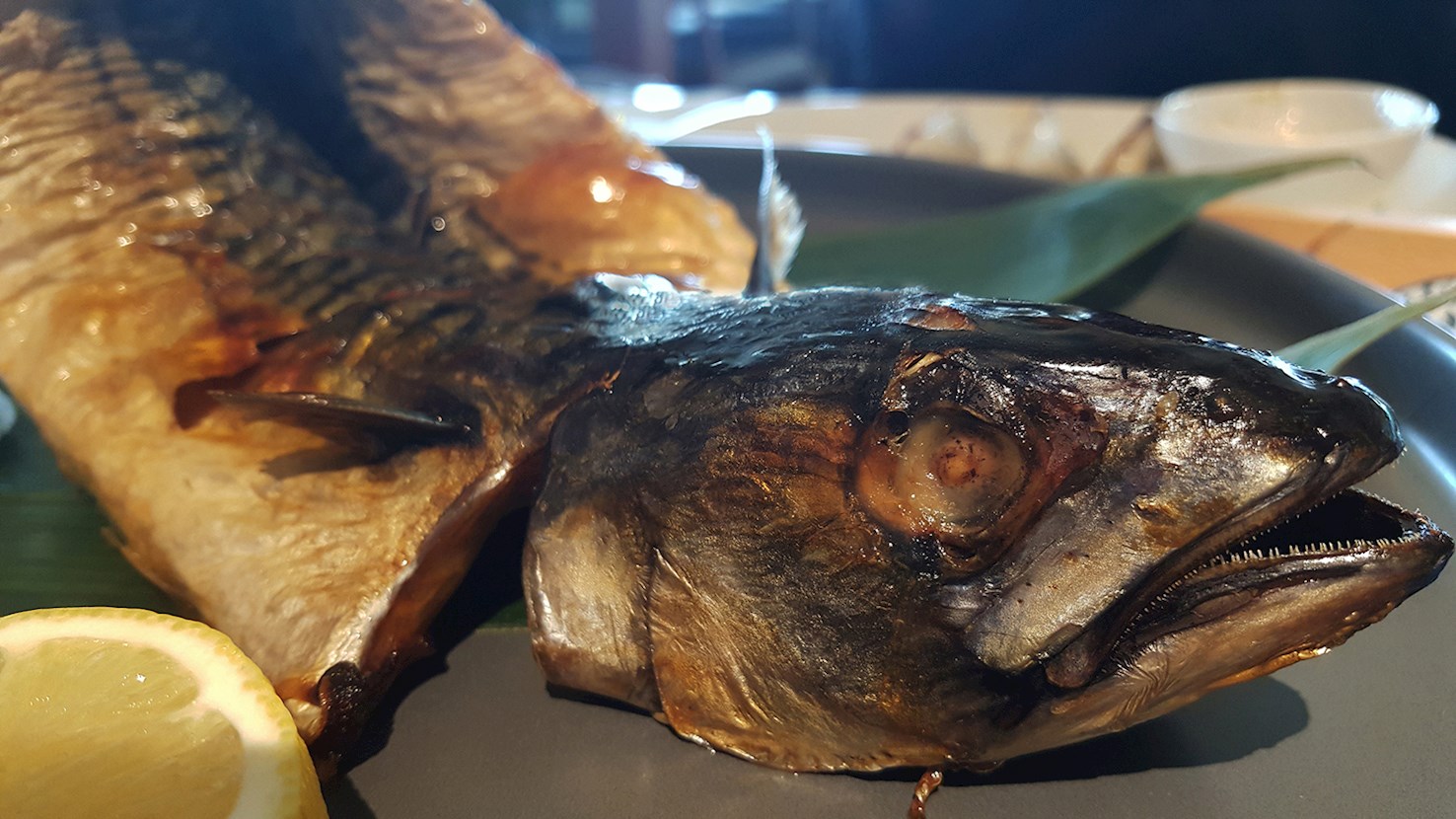
Shioyaki is a traditional technique of preparing fish. Shio means salt and yaki means to grill, so the shioyaki way is to salt fresh fish (usually overnight), then grill it to perfection, often in the morning, because shioyaki fish is sometimes served for breakfast in Japan. The fins should also be seasoned with salt in order to protect them from charring. Once the eye becomes white, the fish is turned and grilled on the other side. Some of the most common fish used for shioyaki include salmon, sardines, ayu, mackerel, and seabream. If properly prepared, the meat should be juicy and the skin crispy.

07

London Broil

3.3 ·

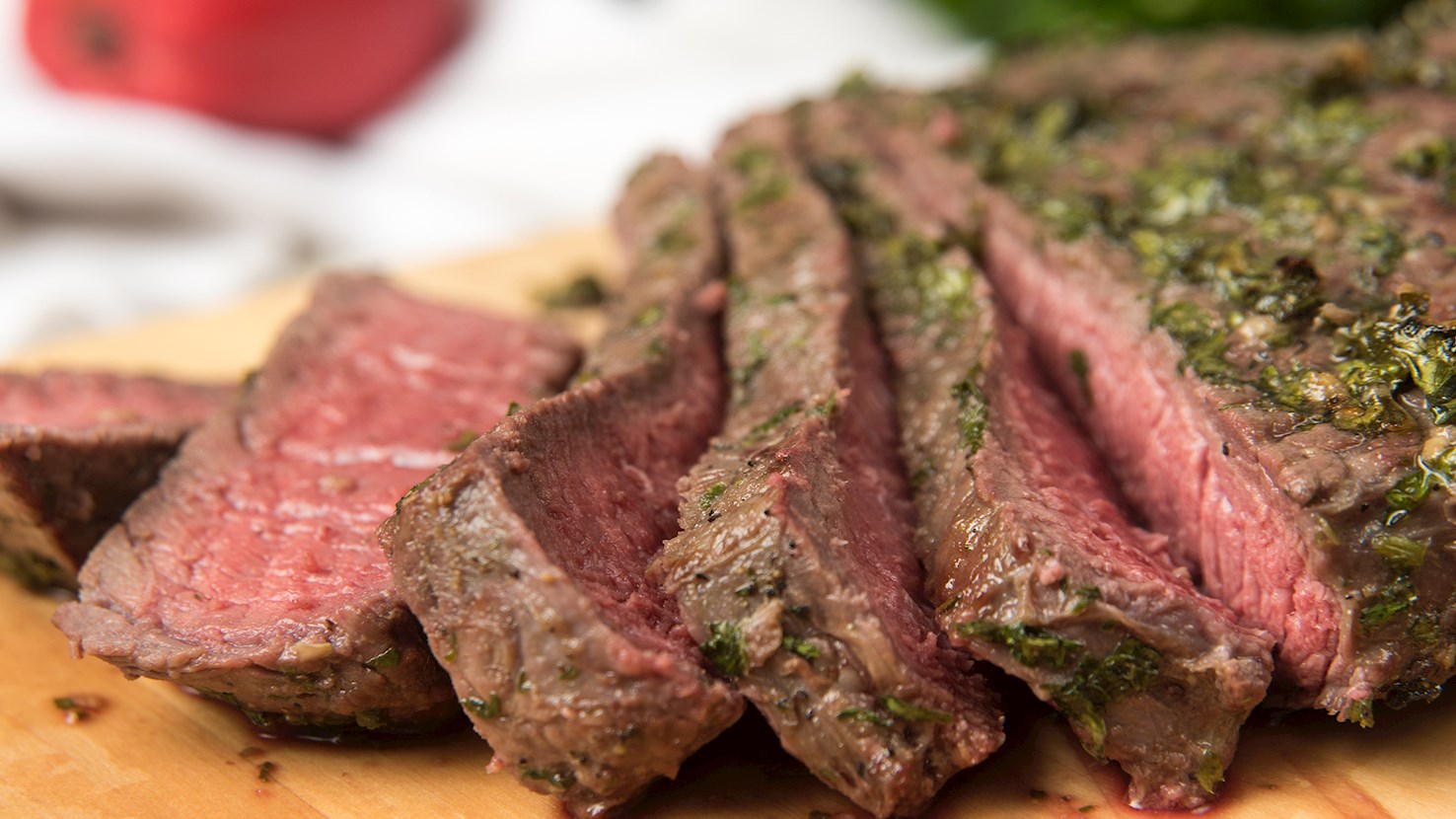
The name London broil originally referred to a flank steak that was first pan-fried, then sliced against the grain. This basic technique evolved over time to include the crucial element of marinating the steak, then broiling it, hence the name. Essentially, London broil is a technique that converts a tough, large, thick, lean, and inexpensive cut of meat into tender slices of steak. Although it is called London broil, the technique has nothing to do with England, and it is a North American creation. It first appeared in print in the United States in 1931, and the famous James Beard says that its city of origin is Philadelphia. When prepared using this technique, the meat can be paired with a number of side dishes, while leftovers can be used in sandwiches or salads.

08

Paupiette

3.3 ·

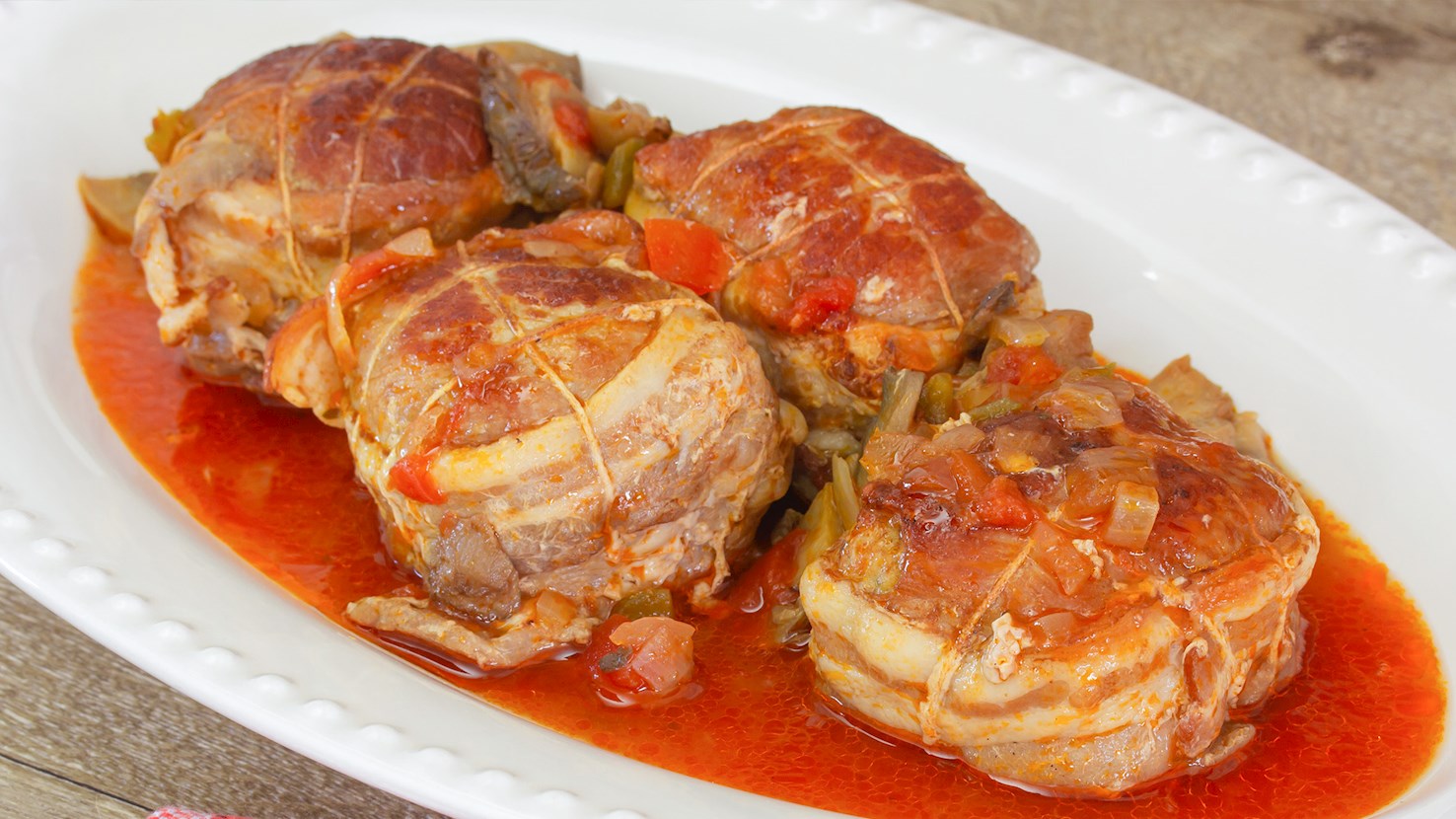
Paupiette is a French culinary term referring to a thin slice of meat, such as veal, beef, or chicken, that is stuffed with a filling, rolled up, and then cooked. The filling often includes ingredients like herbs, vegetables, and sometimes other meats or breadcrumbs. The rolled meat is typically tied with string to hold the filling in place and then braised, baked, or simmered in a sauce until tender. Paupiettes are known for their flavorful and moist texture, making them a popular choice in French cuisine. They are usually sold ready-made in supermarkets and by butchers and rarely made at home.

09

Ginataan

3.3 ·

Ginataan is a term used in Filipino cuisine to describe dishes that are cooked with coconut milk (gata). This method of cooking is prevalent throughout the Philippines and can include a wide variety of dishes, ranging from savory to sweet. In savory dishes, ginataan often involves seafood, meat, vegetables, or a combination thereof, cooked in coconut milk, sometimes with the addition of chili peppers for heat and various spices for flavor. Examples of savory ginataan dishes include ginataang manok (chicken cooked in coconut milk), ginataang gulay (vegetables in coconut milk), and ginataang alimango (crab cooked in coconut milk). The term ginataan is also used for a category of Filipino desserts and snacks that combine coconut milk with sweet ingredients and often glutinous rice or rice flour. These sweet ginataan dishes might include fruits, tapioca pearls, sweet potatoes, and taro. A popular example is ginataang bilo-bilo, a warm, sweet stew that contains glutinous rice balls (bilo-bilo), various tubers and fruits, and sometimes tapioca pearls, all cooked in sweetened coconut milk.

10

Saor

3.4 ·

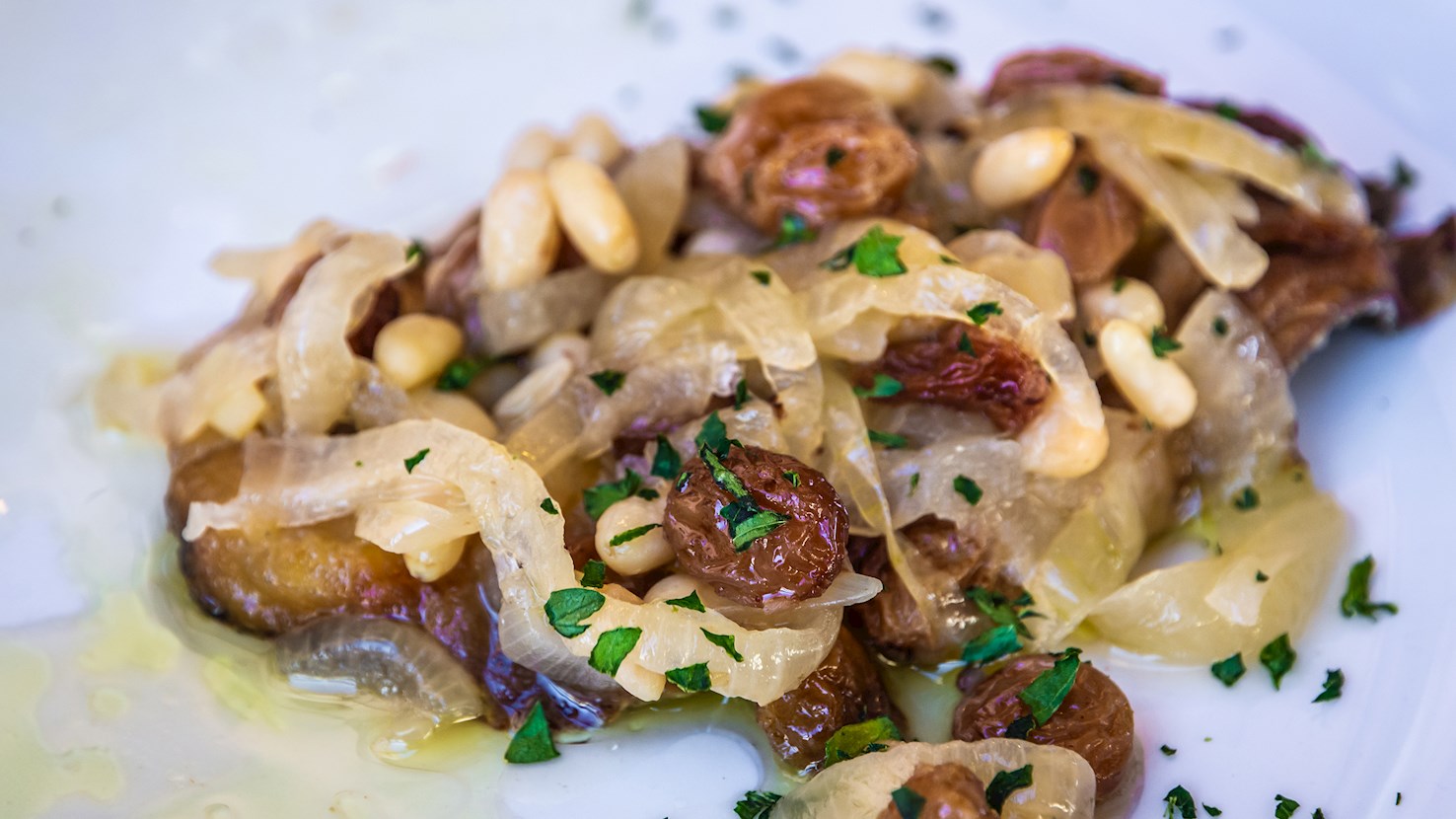
Saor is a traditional food preparation technique originating from Veneto. The word means flavor in Venetian dialect, and in the past it was used as a preservation technique by sailors during their long sea trips. Saor consists of onions (with pine nuts and raisins, although they were originally not a part of the technique) cooked in oil, vinegar, and white wine. The most famous dish made with this technique is called sarde (sardines) in saor, in which fresh sardines are fried and marinated in a mixture of white wine, vinegar, onions, pine nuts, and raisins. The onions must be white, and the variety from Chioggia is preferred. When prepared in saor, the sardines are typically accompanied by grilled polenta for a complete meal, although the dish is traditionally served as an appetizer. It is best to consume in saor dishes after they've rested for at least 24 hours. In the past, in saor wasn't limited to sardines, but to sole fish and eels as well, among others.

11

Escabeche

3.4 ·
12

Hāngi

3.4 ·
13

Kinpira

3.4 ·
15

Nyama choma

3.5 ·
16

Yakizakana

3.5 ·
17

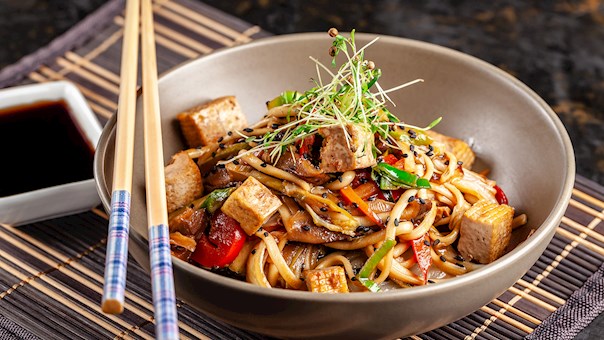
Itamemono

3.5 ·
18

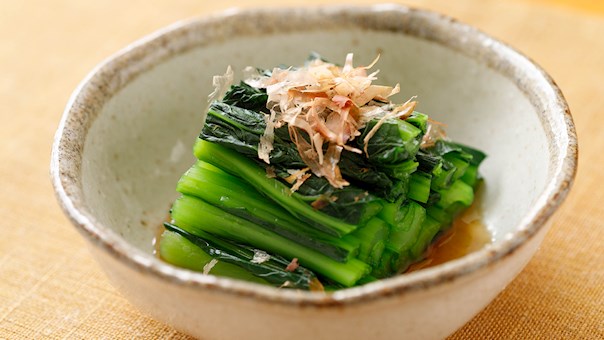
Ohitashi

3.6 ·
19

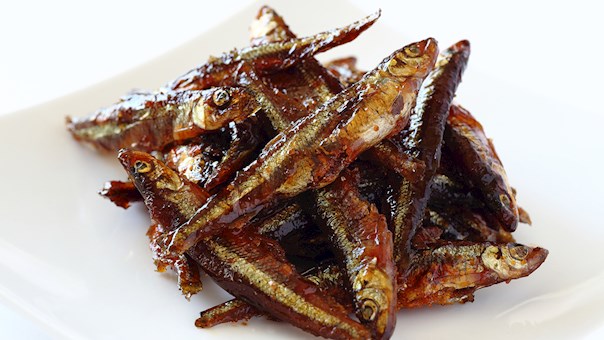
Tsukudani

3.7 ·
20

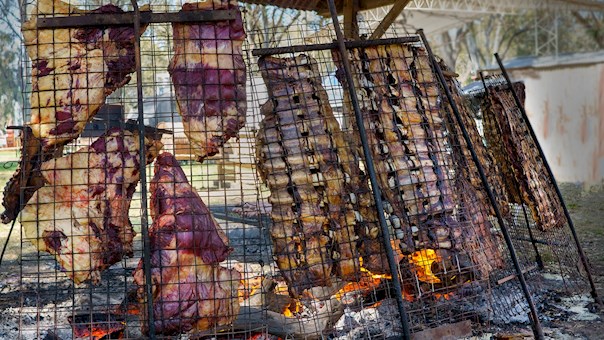
Asador criollo

3.7 ·
About this ranking

TasteAtlas food rankings are based on the ratings of the TasteAtlas audience, with a series of mechanisms that recognize real users and that ignore bot, nationalist or local patriotic ratings, and give additional value to the ratings of users that the system recognizes as knowledgeable. For the “38 Worst Rated Techniques in the World” list until May 21, 2026, 12,436 ratings were recorded, of which 8,971 were recognized by the system as legitimate. TasteAtlas Rankings should not be seen as the final global conclusion about food. Their purpose is to promote excellent local foods, instill pride in traditional dishes, and arouse curiosity about dishes you haven’t tried.

Similar lists