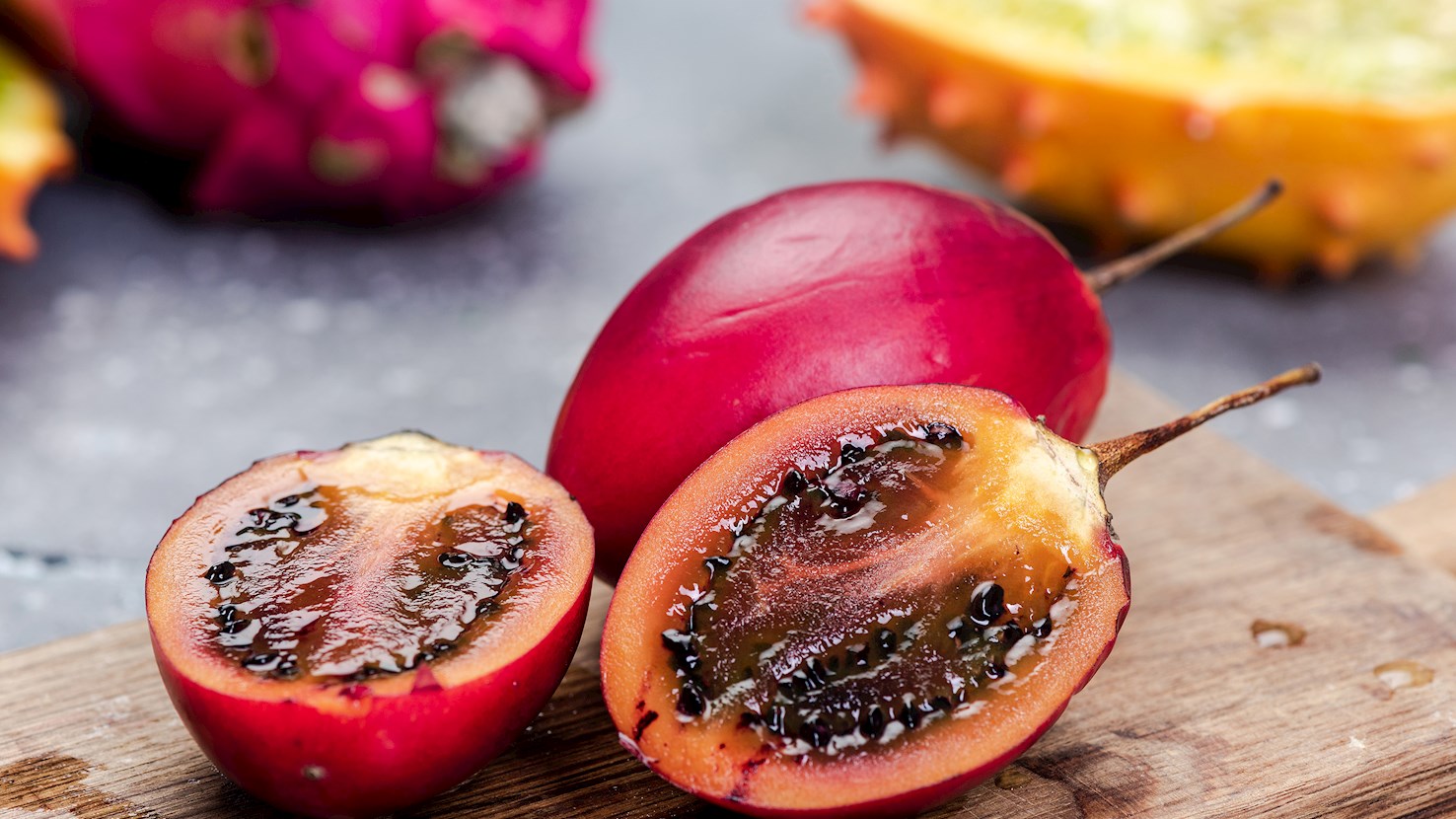
Tamarillo is a small shrub or tree that’s native to the Andean regions of Colombia, Ecuador, Peru, Bolivia, and Chile. The small egg-shaped fruits are succulent and have a slightly sweet to subacid flavor of the pulp. The flavors are often described as similar to kiwi and underripe tomatoes. Tamarillo fruits are used in numerous sweet and savory dishes, beverages, salads, dips, spreads, chutneys, pickles, jams, and sweet or savory sauces. In Ecuador, cooks make a tamarillo sauce by mixing the fruits with garlic, onions, salt, hot peppers, and spices such as coriander. The name tamarillo is a hybrid of tomato and amarillo, meaning yellow.
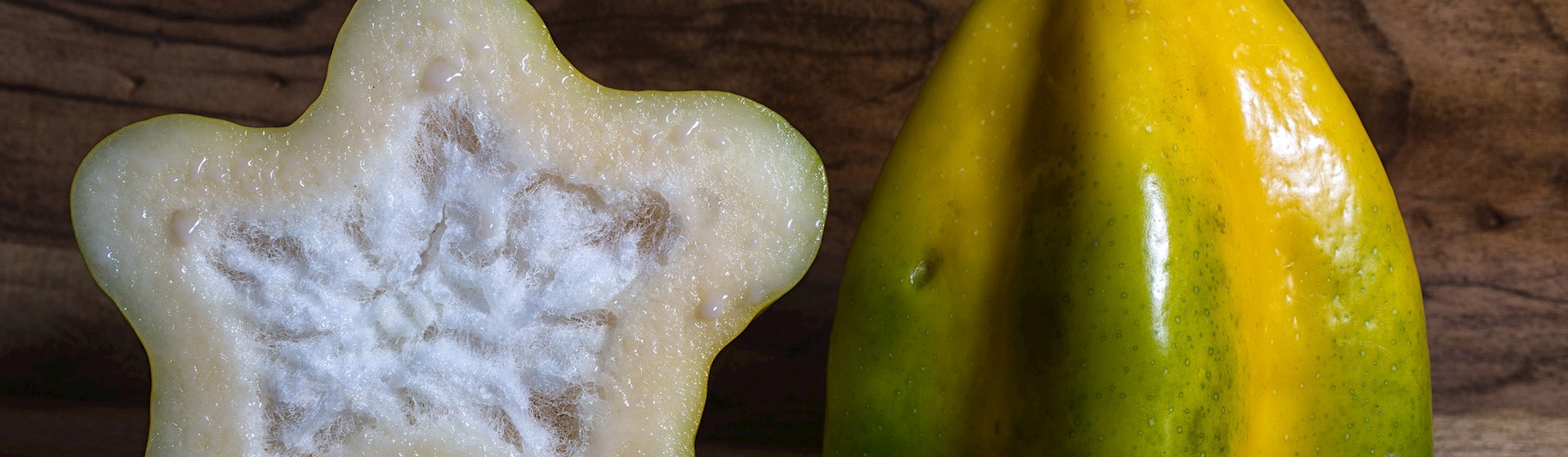
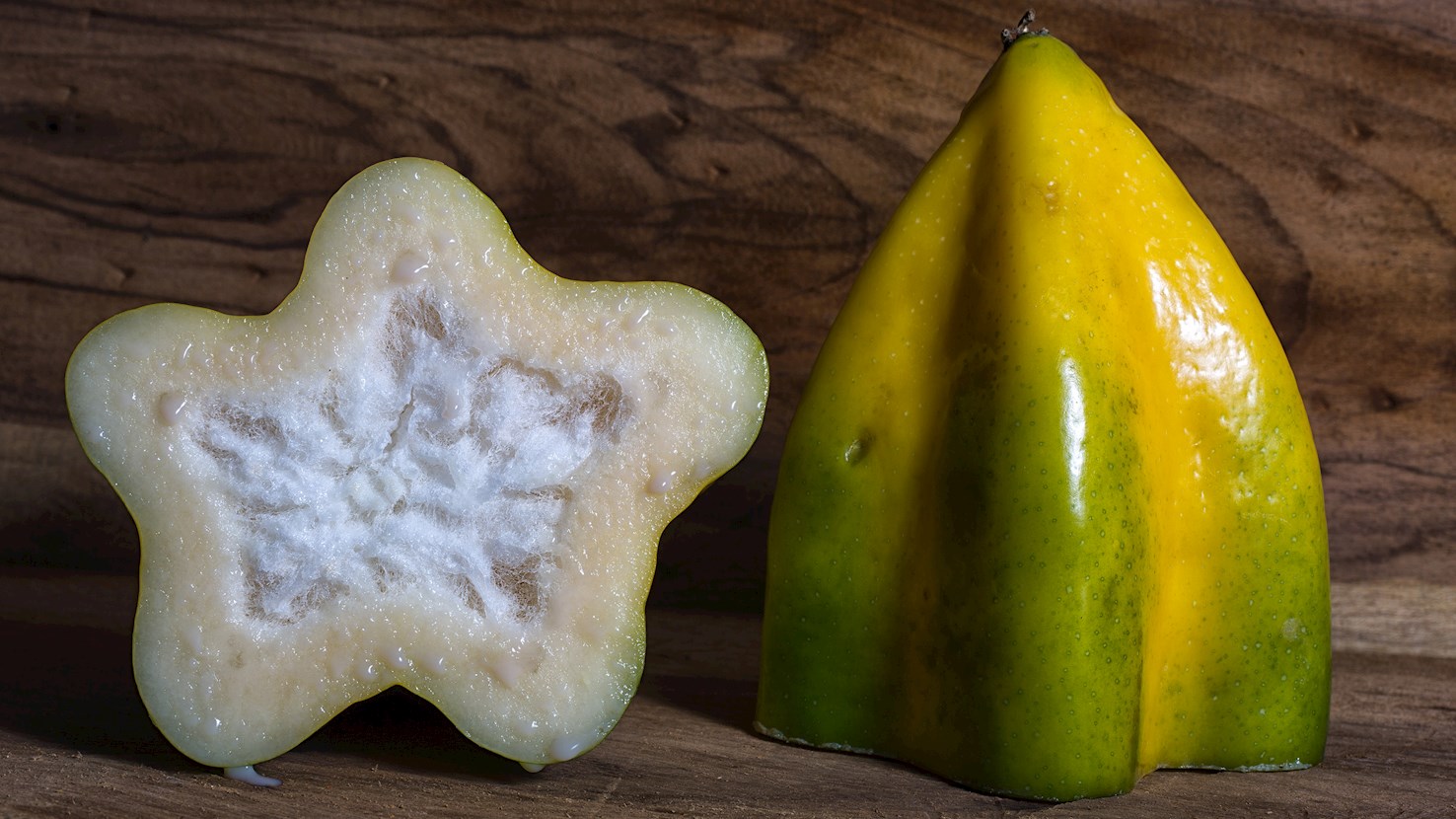
Mountain papaya is an evergreen softwood tree that’s native to the Andes from southern Colombia to central Chile, but it’s also cultivated in subtropical and cool mountain climates of Southeast Asia and Africa. The tree produces fruits that have soft flesh with many round brown seeds. When fully ripe, the fruits are slightly tart and acidic with an intense aroma. They’re usually enjoyed fresh or sprinkled with sugar. The fruits are also used to produce jellies and marmalades. Mountain papaya can be stewed and served as dessert, while chunks of the fruit are sometimes preserved in syrup. These obovoid fruits are also a great source of vitamin C.
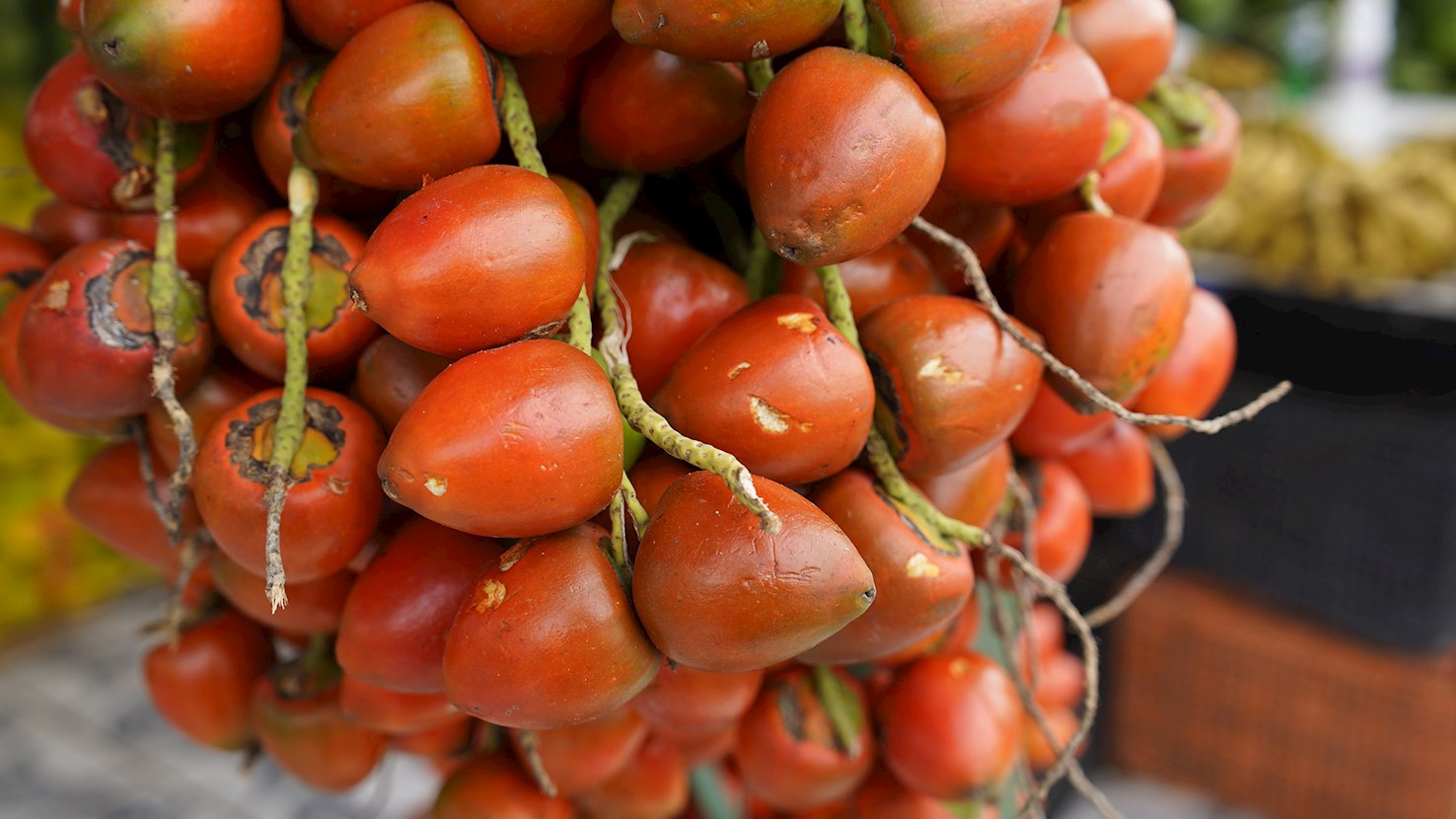
Peach palm fruit is the edible fruit of the peach palm tree (lat. Bactris gasipaes). This tropical palm is cultivated for both its fruit and its heart of palm, making it an important crop in various parts of Central and South America. The fruit itself is small, typically about the size of a large olive or small peach, and has a hard, thick skin ranging in color from yellow to orange to red when ripe. Nutritionally, peach palm fruit is rich in carbohydrates, dietary fiber, vitamins A and C, and contains some protein. Its flesh is dense and starchy, with a texture and taste that can be compared to a combination of pumpkin, potato, and chestnut. Because of its hard flesh, the fruit must be cooked before it can be eaten, usually boiled in salted water for an hour or more until it becomes soft. Once cooked, it can be consumed on its own, often with a dab of mayonnaise or lime juice, or used as an ingredient in various dishes.
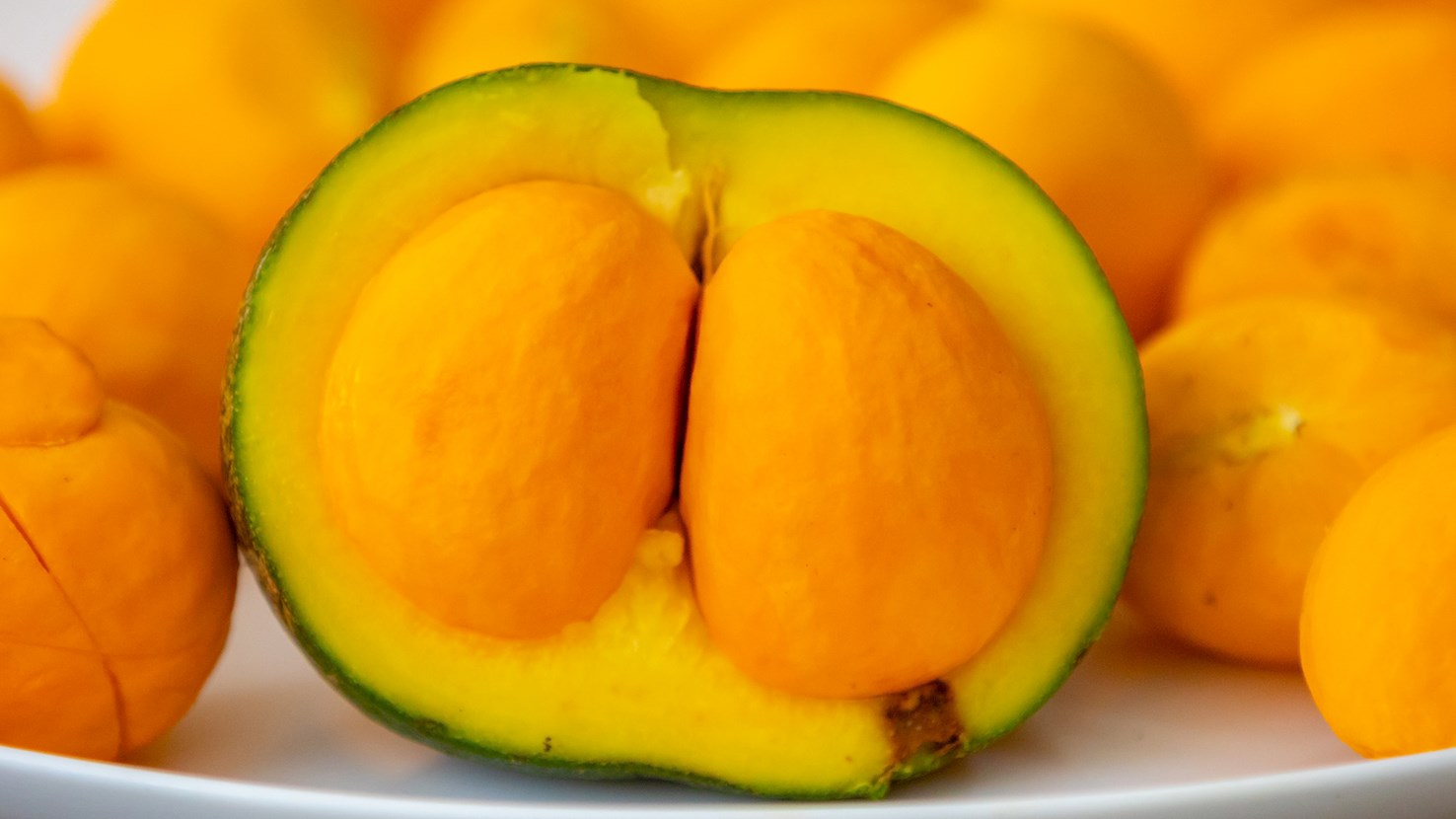
Pequi (lat. Caryocar brasiliense), also known as souari nut, is a fruit native to Brazil and commonly found in the Brazilian Cerrado region. It is a small, round fruit with thick, yellow, or orange skin that is covered in small, sharp spines. Inside the fruit is a large seed surrounded by bright yellow pulp. The pulp has a distinct flavor and aroma, often described as a combination of citrus, pine, and almonds. It is known for its strong, unique taste and is often used in traditional Brazilian cuisine. Pequi is used in a variety of dishes, particularly in the Brazilian states of Goiás and Minas Gerais, where it is a popular ingredient in regional recipes. It is commonly used in stews, soups, and rice dishes, adding a rich and flavorful taste to the meals. Pequi is also sometimes used to make oils, liqueurs, and preserves.
A passion fruit (Passiflora edulis) variety that grows wild in the province of Misiones in the Parana Forest of northeastern Argentina, mburucuya is distinguished by bright green leaves, white flowers, and shallow roots. This perennial climbing plant bears edible yellow or purple berries which are oval or spherical and contain a mucilaginous, juicy pulp with numerous seeds. The flowering period depends on the weather and latitude, and it typically takes place in spring or fall, although it can sometimes last even for up to 9 months in a row. The fruit of this plant can be consumed fresh or it can be processed into a golden-yellow-colored fruit juice with a distinctive aroma and flavor. Although this fruit and its juice have long been a part of the local people’s diet, during recent years, there’s been a marked decrease in mburucuya’s traditional consumption. Due to gradual loss of interest in this native fruit, numerous local organizations and agencies have been making efforts to promote mburucuya and preserve the knowledge of its traditional uses. Products featuring this fruit are sold in shops and at local fairs in the area.
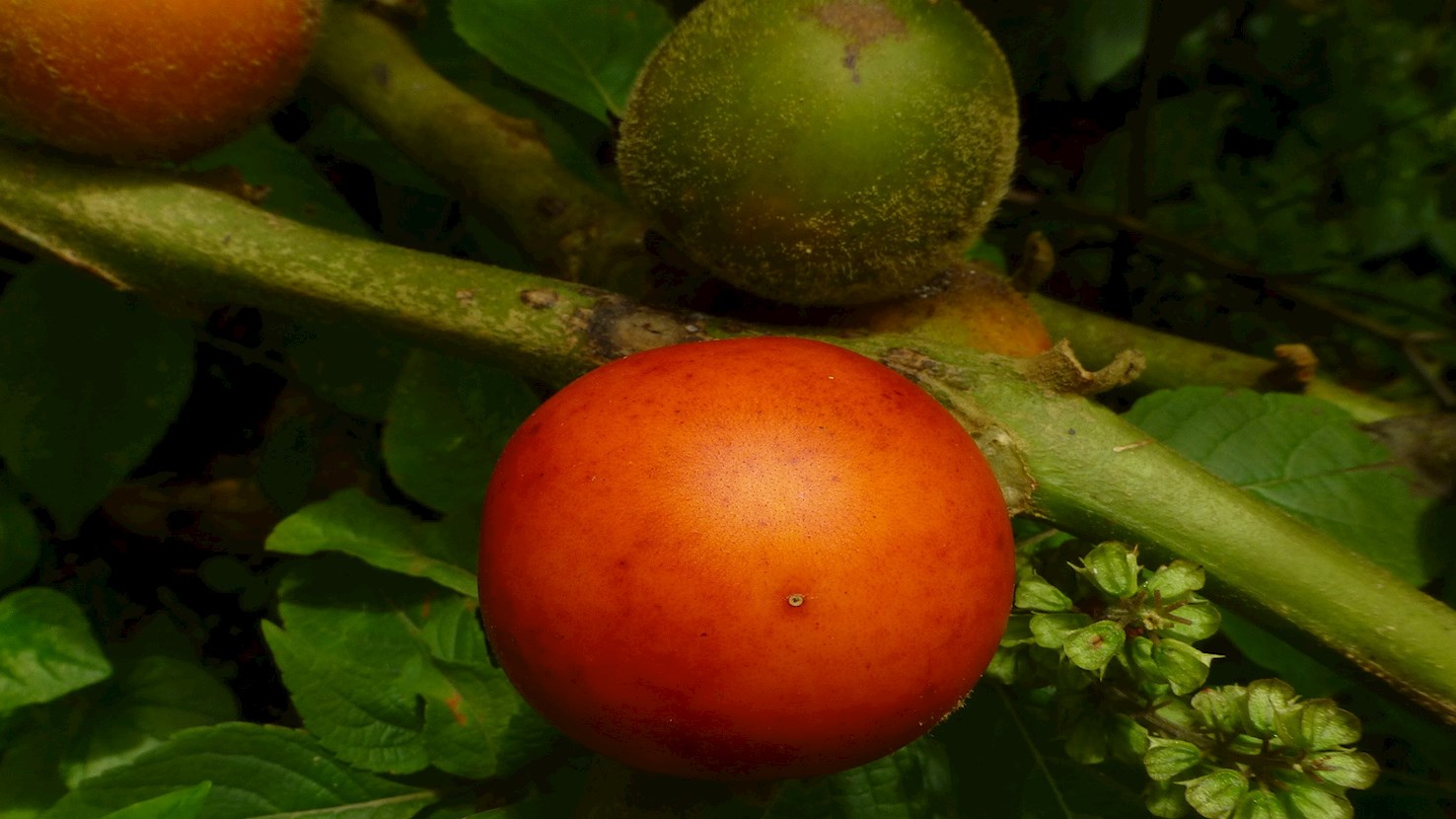
Cocona is a tropical fruit growing in South America and the Andean region. It is characterized by its thin, yet tough skin, and a tart, fruity flavor. Cocona's flesh is very similar to that of a tomato, and it is often used in the preparation of sauces, juices, ice creams, and desserts. The fruit is very rich in vitamin B5 and iron, making it a healthy, yet flavorful and versatile ingredient for numerous culinary uses.
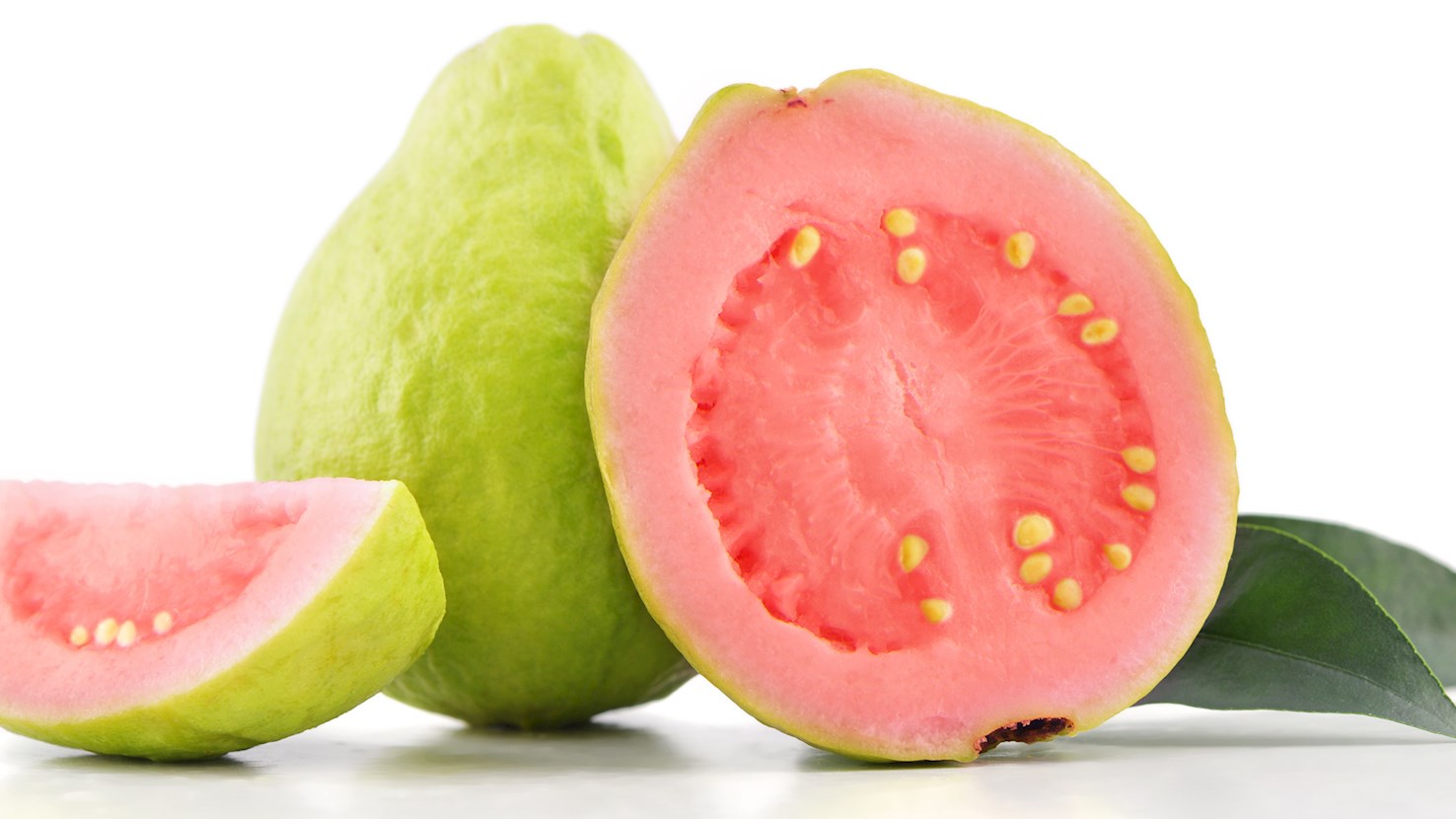
Native to tropical America, from where it has spread to other tropical parts of the world, guava (Psidium guajava) is a fruit-bearing tree or bush that has long been harvested by the local indigenous people living in Argentina, especially in the northwestern province of Misiones. The fruit is distinguished by a sweet and somewhat granular flesh which represents a great source of essential nutrients such as vitamin C, iron, calcium, and phosphorus. It can be consumed in a variety of ways - fresh, in salads or as a dessert, canned, or in the form of jellies, jams, or juices. Although it used to be highly appreciated by local communities in the past, the consumption of guava has declined in recent years due to the availability of imported fruit in local stores. Guava fruit is, nevertheless, generally sought-after by local hotels and restaurants. Efforts are being made to preserve the traditional knowledge about native fruits such as guava by promoting their use and helping with the fruit production and the preparation of traditional specialties which contain guava as an ingredient.
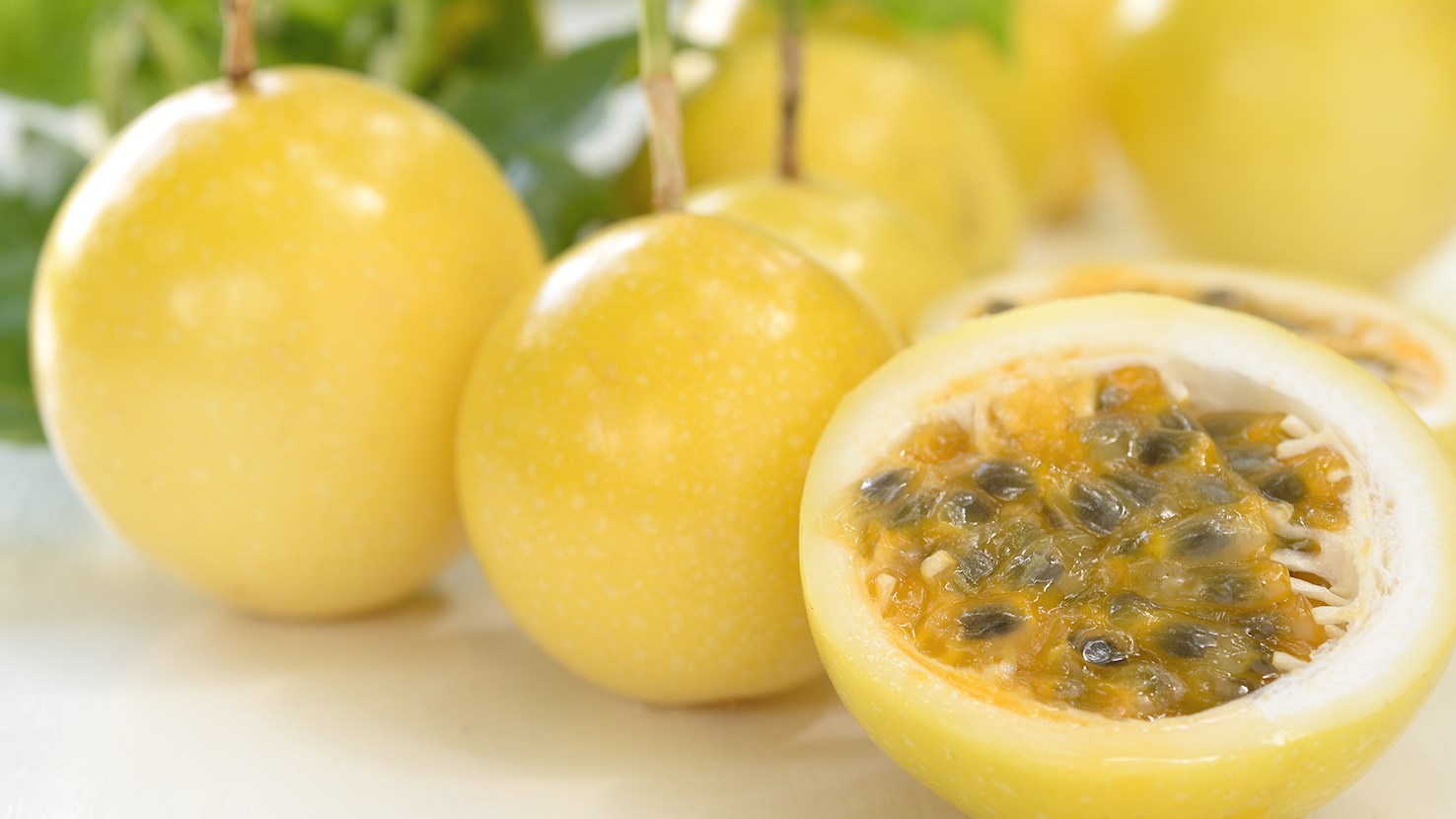
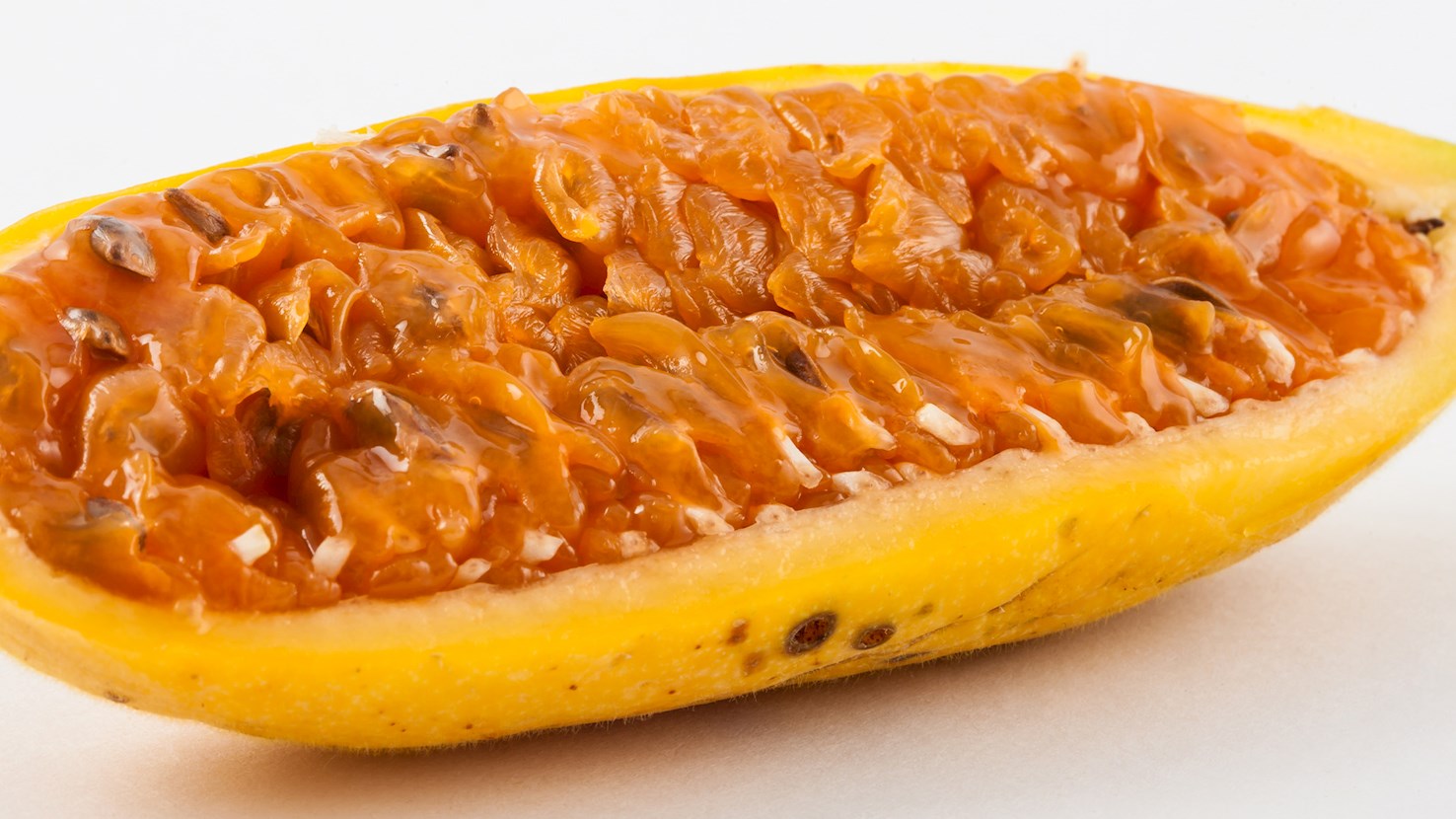
Belonging to the passionfruit family, banana passionfruit is a tropical fruit that is native to South America’s Andean regions of Bolivia, Peru, Colombia, Venezuela, and Ecuador. With its distinctive oval shape and light yellow to orange-yellow leathery skin, this fruit closely resembles a small banana, hence the name banana passionfruit. The fruit’s banana-like resemblance, however, ends with its visual appearance of the exterior since the interior reveals a juicy, orange pulp that surrounds many small black seeds. This exotic fruit has a pleasant fragrance reminiscent of oranges, while the flavors are sweet, tangy, and tart. Known by many other names including curuba, parcha, and tumbo, the fruit can be enjoyed raw on its own, but also in fruit salads, or it can be used to flavor a wide range of beverages, cakes, pies, jellies, jams, relishes, and ice cream. In some countries, the pulp is often combined with milk, water, and sugar or honey to make a sweet, nonalcoholic beverage called sorbete de curuba, while another common beverage pairs the fruit with aguardiente and sugar to make a refreshing cocktail. Although New Zealand and Hawaii have proven to be well-suited for its production, both countries have imposed a ban on cultivation and distribution of banana passionfruit due to the fruit’s tendency to act as an invasive species outside of its native habitat.
TasteAtlas food rankings are based on the ratings of the TasteAtlas audience, with a series of mechanisms that recognize real users and that ignore bot,
nationalist or local patriotic ratings, and give additional value to the ratings of users that the system recognizes as knowledgeable.
For the “8 Worst Rated South American Tropical Fruits” list until May 22, 2026, 920 ratings were recorded, of which 381 were recognized by the system as legitimate.
TasteAtlas Rankings should not be seen as the final global conclusion about food. Their purpose is to promote excellent local foods,
instill pride in traditional dishes, and arouse curiosity about dishes you haven’t tried.