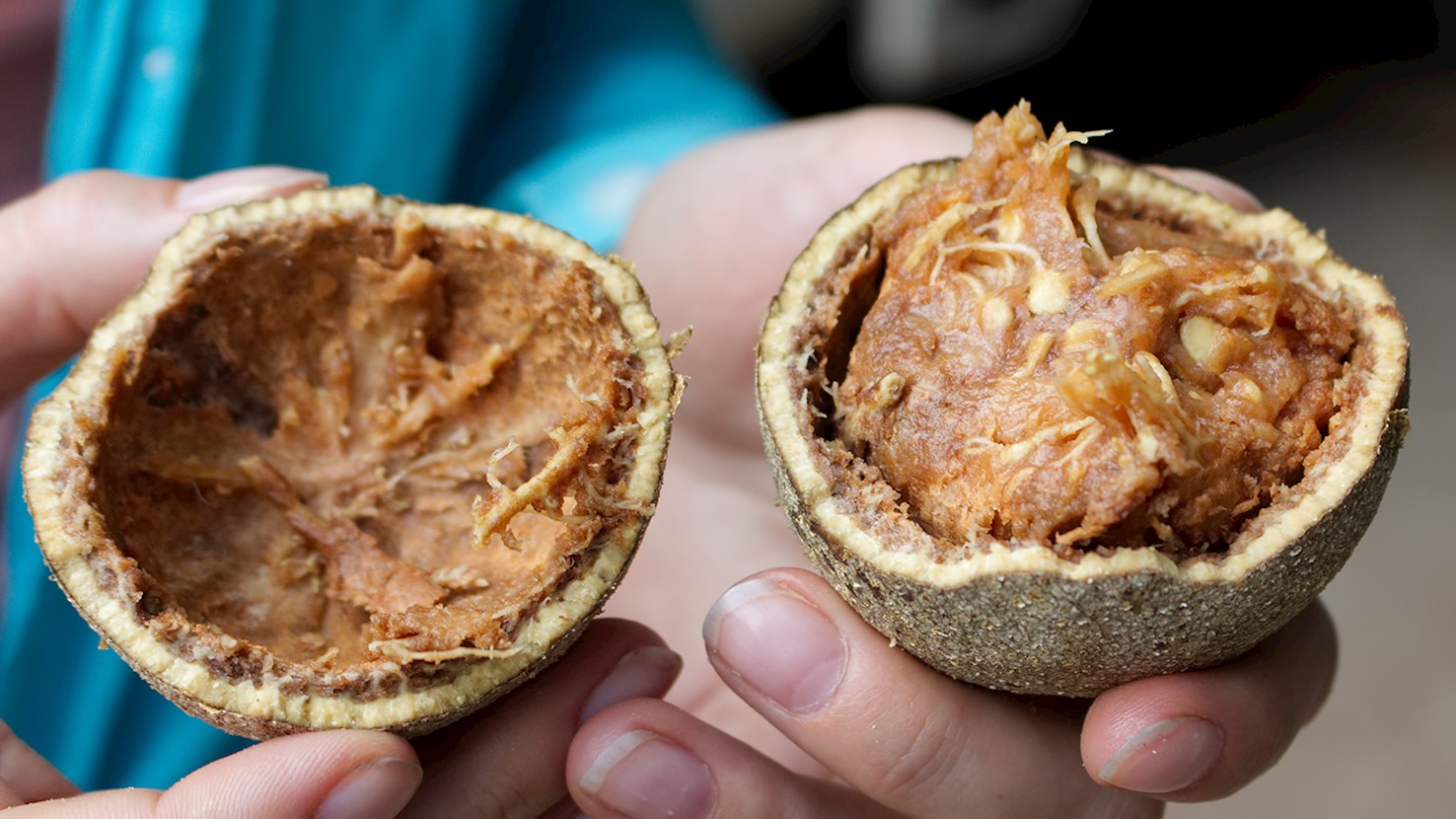
Wood apple is the tropical fruit of a tree with rough bark and sharp spines that’s native to India and Sri Lanka. The fruits are egg-shaped or round, with a hard and thick rind that must be crushed with a hammer or a stone in order to get to the pulp. The pulp is mealy, with an astringent, acid, or sweet flavor and numerous white seeds scattered throughout it. Whether sweet-sour or sweet, the pulp is usually enjoyed fresh after it’s been scooped out. It can also be made into jams, jellies, and chutneys. When mixed with palm syrup and coconut milk, the pulp can be made into ice cream, beverages, and various desserts. Interestingly, unripe fruits are used in traditional Indian medicine to treat diarrhea.
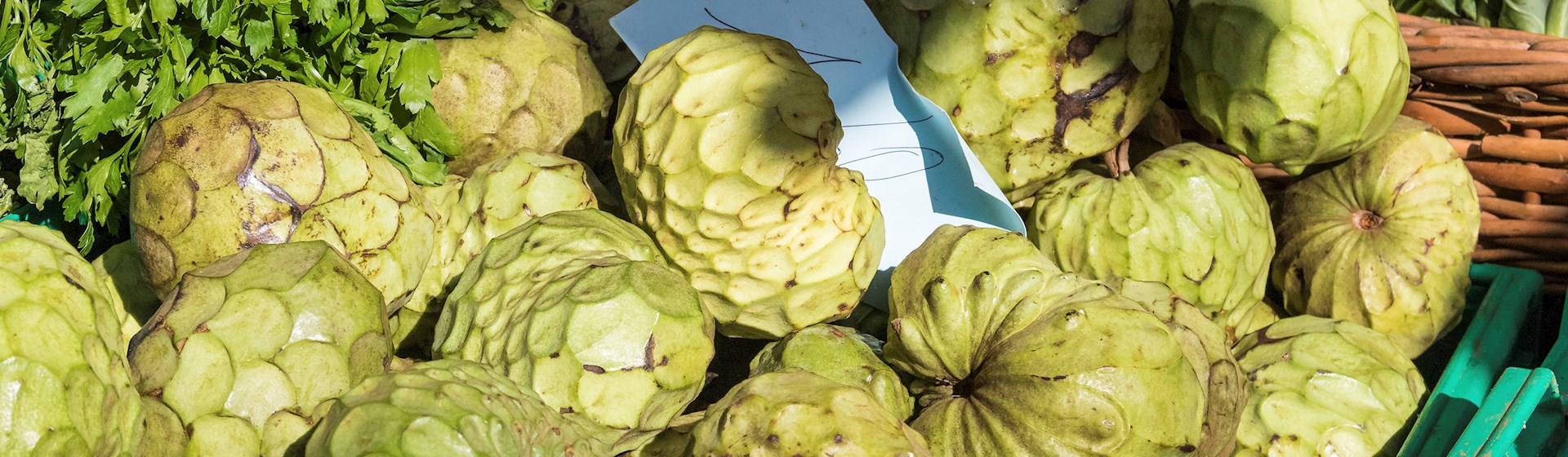
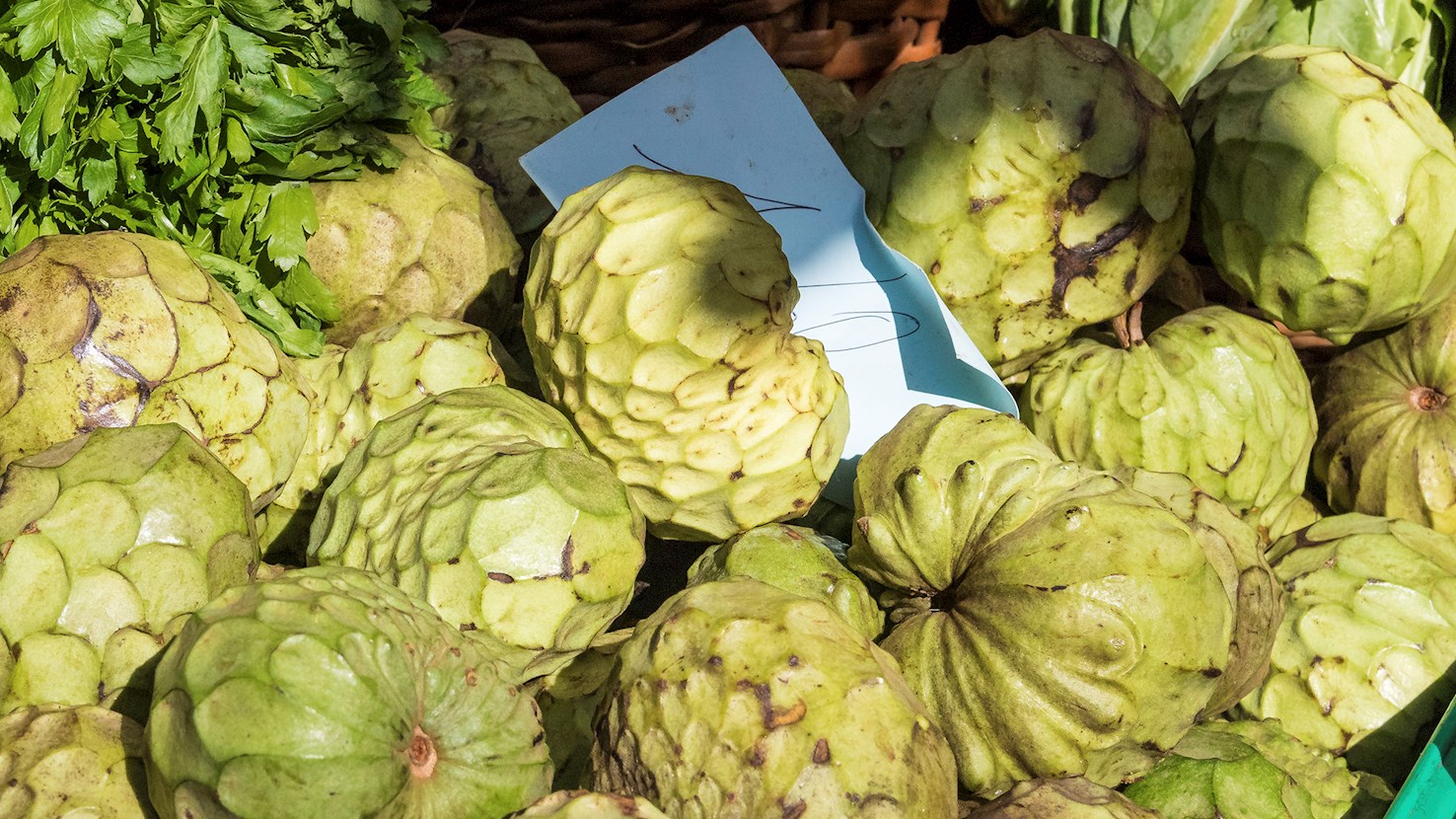
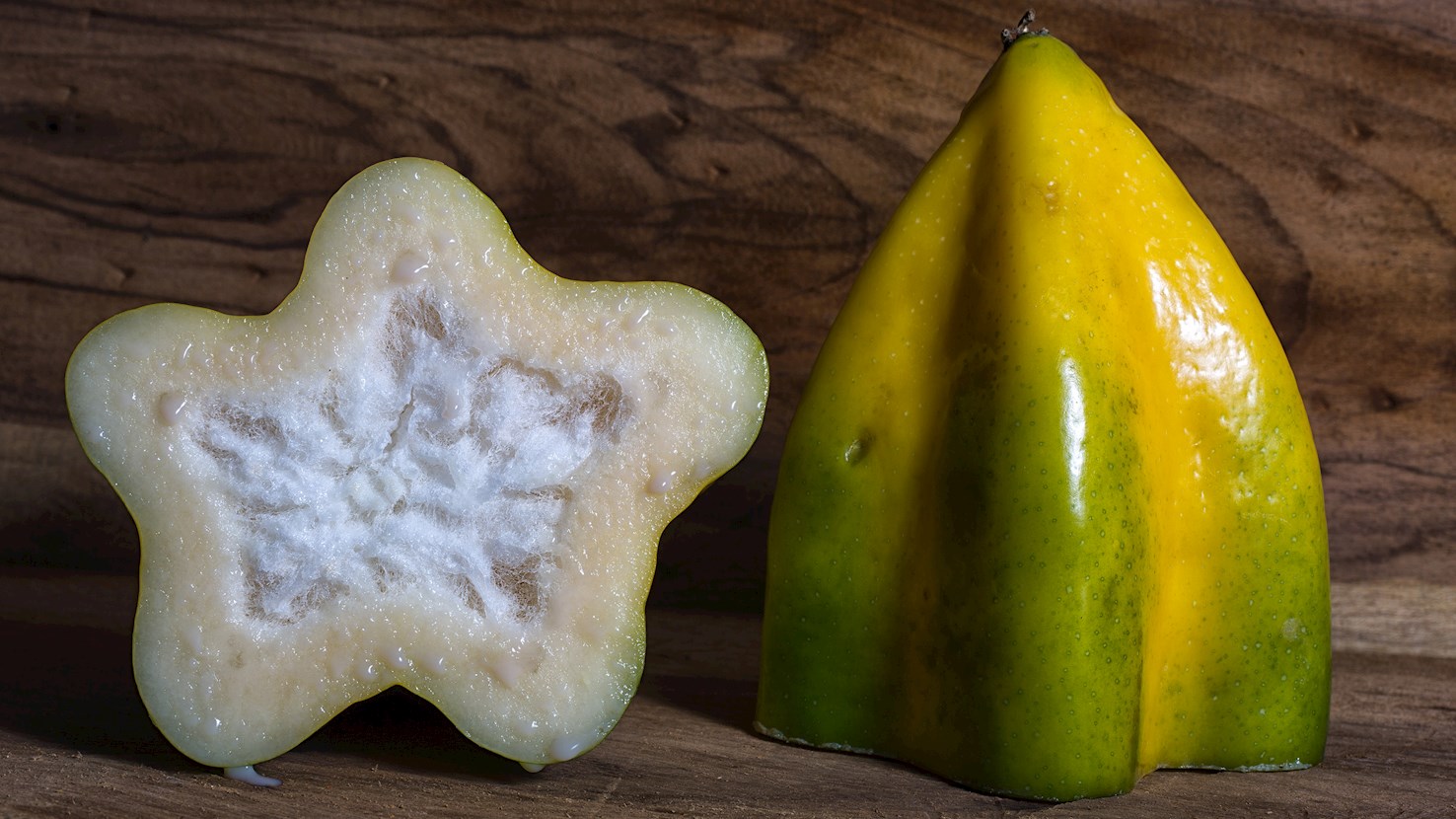
Originally found in the Andes, this hardy, exotic fruit has been grown on the island of Madeira for centuries thanks to the island's exceptionally favorable weather conditions. The Anona da Madeira, a fruit resembling an artichoke, is a fine and tender fruit with a white, sweet pulp, and its velvety texture and unique flavor resembles that of bananas, pineapples, and strawberries. This odd-looking fruit is wildly popular among the local population and tourists alike.
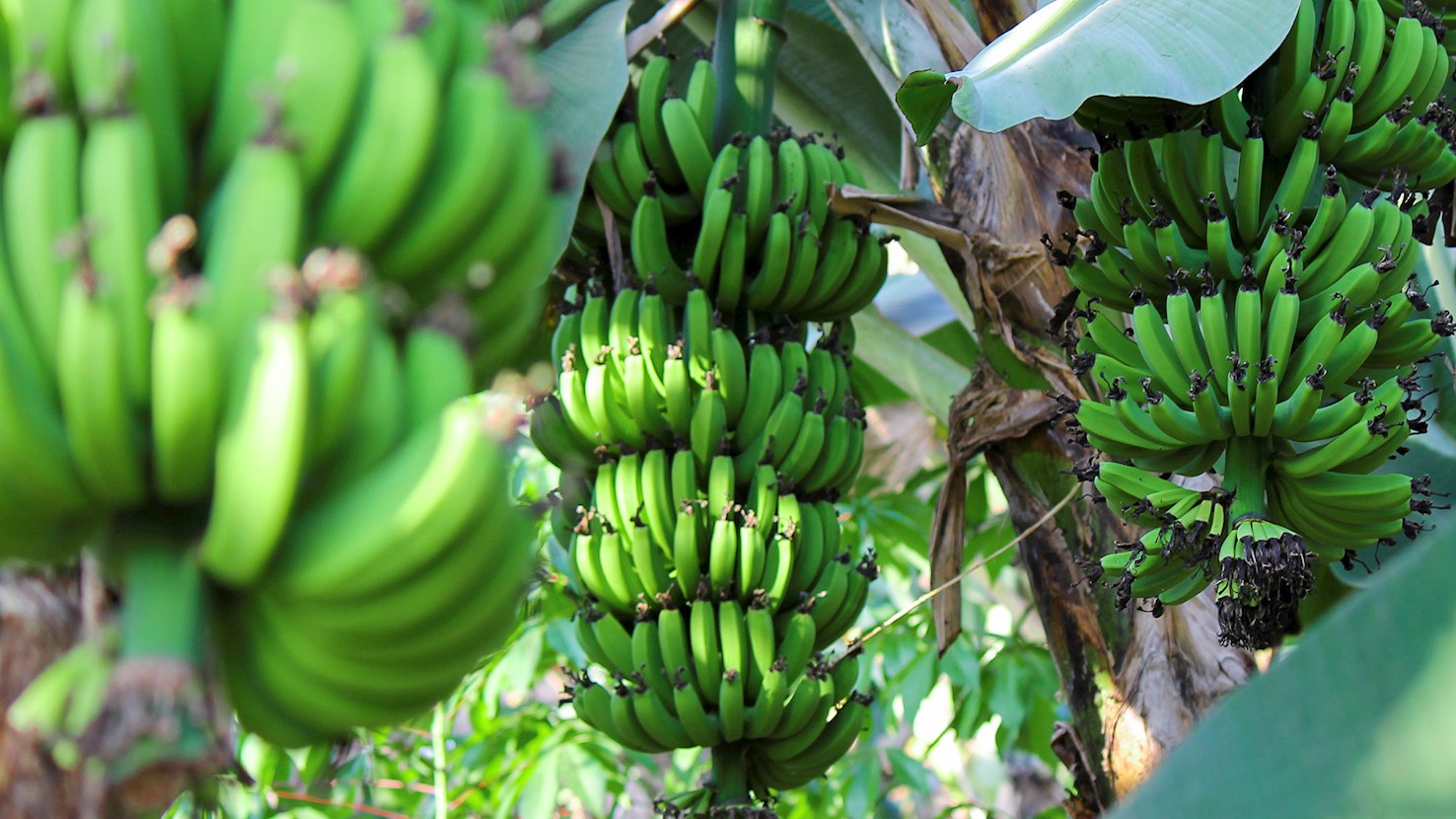
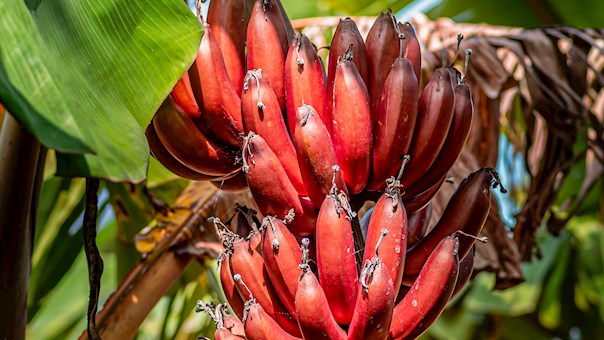
Matoke is a banana variety that is indigenous to Uganda. There are about 50 different types, and most have subtypes. They are shorter than regular bananas and are somewhat thicker at the mid section as a result. Due to the high starch content, the flesh of unripe matoke bananas is especially hard, so they need to be boiled, steamed, or roasted before consumption. If the bananas are fully ripe, they can be consumed as normal fruit, but it is considered a waste since matoke is known as a green cooking banana. These bananas are typically mashed and paired with vegetable sauces, ground peanuts, or meat such as beef and goat, and the full dish is then also called matoke or matooke.
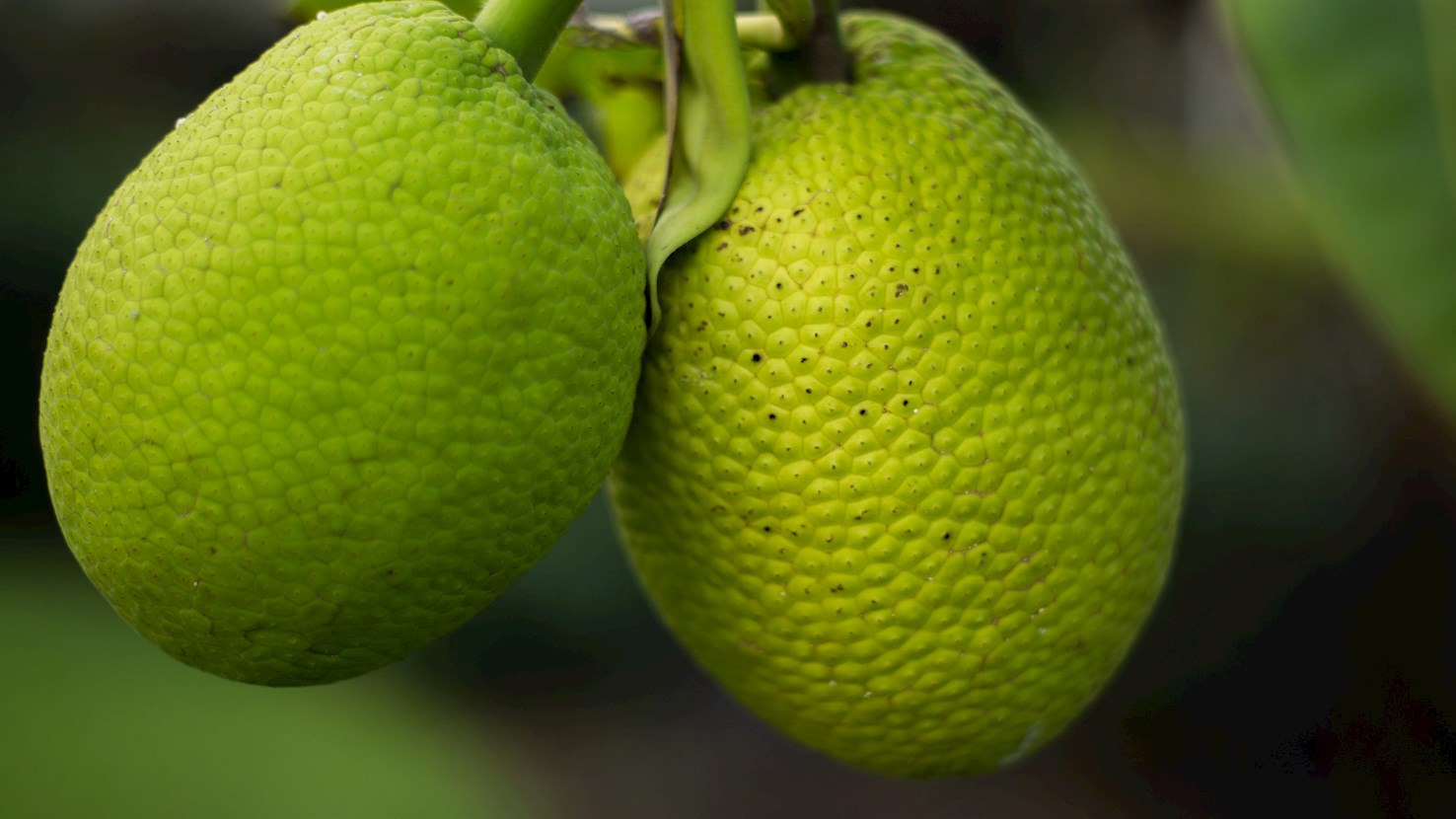
Breadfruit is an evergreen tree that’s probably native to New Guinea and the Malay Archipelago. The fruits have a warty light green exterior, while the flesh is cream-colored and starchy. When ripe, the pulp of the breadfruit turns soft. It can be baked, stuffed, mashed, and roasted. When unripe, the fruit can be used like a potato and it has a similar flavor, which is why it’s often used cooked in Asian curries. Ripe breadfruits have a sweet flavor and they’re often used in desserts or cut into slices and dried in the sun for preservation. They can also be buried in the ground and fermented, also for preservation purposes, and the result is a soft and sour paste that’s sometimes mixed with coconut milk and cooked in banana leaves. In Africa, baked slices of breadfruit are usually seasoned with salt and pepper and served as an accompaniment to staple meals.
Mountain papaya is an evergreen softwood tree that’s native to the Andes from southern Colombia to central Chile, but it’s also cultivated in subtropical and cool mountain climates of Southeast Asia and Africa. The tree produces fruits that have soft flesh with many round brown seeds. When fully ripe, the fruits are slightly tart and acidic with an intense aroma. They’re usually enjoyed fresh or sprinkled with sugar. The fruits are also used to produce jellies and marmalades. Mountain papaya can be stewed and served as dessert, while chunks of the fruit are sometimes preserved in syrup. These obovoid fruits are also a great source of vitamin C.
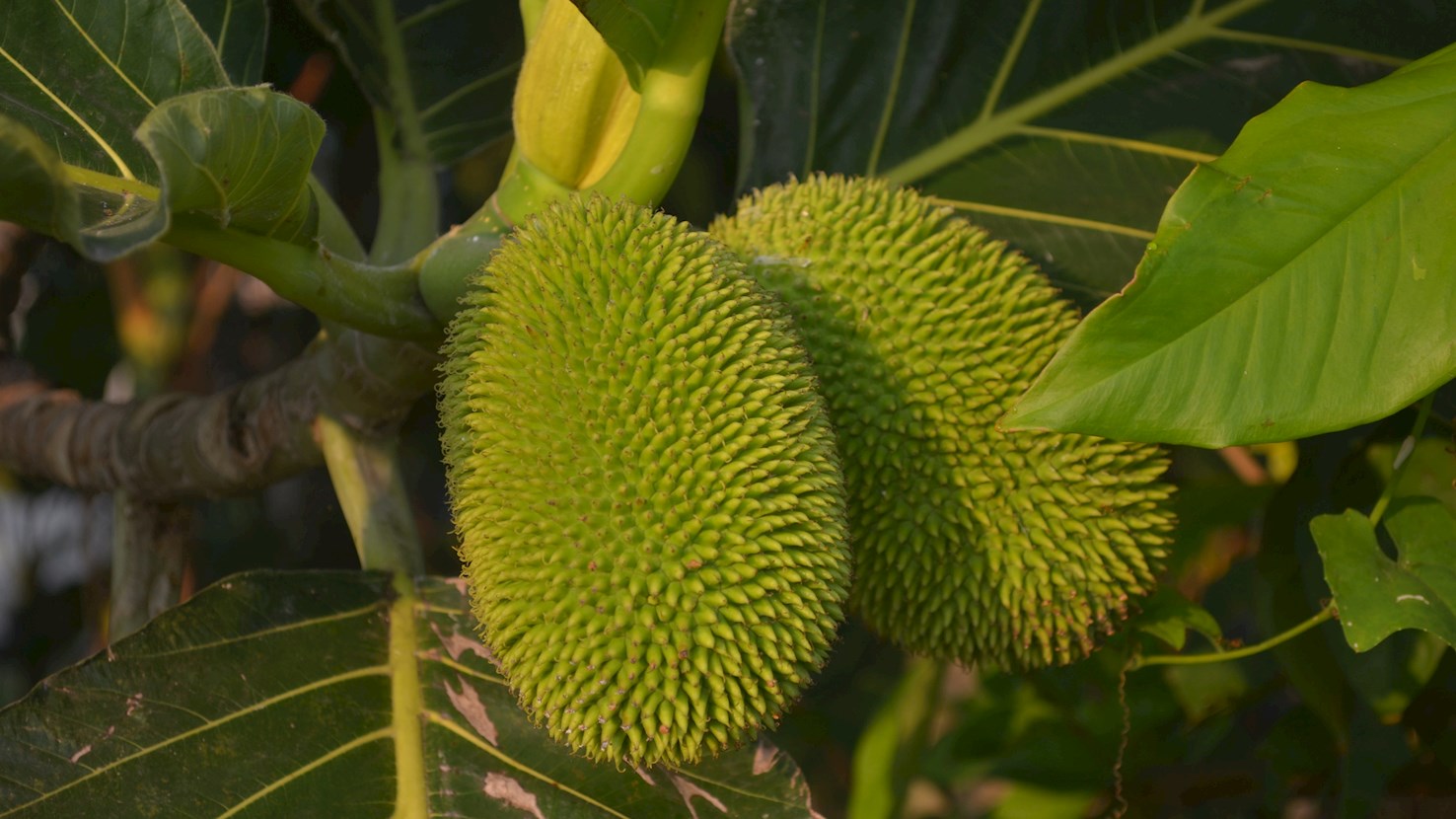
Breadnut is a starchy tropical fruit that comes from New Guinea and the surrounding islands of eastern Indonesia, where it is known by names such as kapiak and sukun berbiji. Its scientific name is Artocarpus camansi, and it is closely related to breadfruit but distinct because its fruits are filled with numerous large seeds. The tree produces round, spiny fruits that are harvested when mature but still green. Inside, the flesh is pale and firm, and the seeds are large enough to be separated and cooked on their own. The flavor of breadnut flesh is mild and starchy, while the seeds have a nutty taste and can be boiled, roasted, or added to stews as a filling ingredient. In the Philippines, where it is commonly called kamansi or kolo, breadnut is often prepared by peeling and slicing the immature fruit, then simmering it in coconut milk with spices and sometimes meat or seafood. The cooked flesh absorbs the flavors of the sauce and softens to a texture similar to firm potatoes. In some regions, the seeds are the main focus of cooking, valued for their nutritional content and dense texture. Unlike breadfruit, which is often eaten when fully ripe and soft, breadnut is harvested while still firm to make it easier to handle and preserve. The tree itself is valued for its resilience, as it grows well in humid, lowland environments with minimal care. Botanists have identified breadnut as the likely ancestor of the seedless breadfruit varieties cultivated across Oceania. The domestication process involved selecting trees that produced progressively fewer seeds, ultimately leading to the breadfruit most people recognize today. Breadnut continues to be planted in home gardens and small farms because it provides a dependable food supply during periods when other crops are scarce. Its seeds are high in starch and contain significant amounts of protein, making them a versatile ingredient in both savory and sweet preparations. In some regions, breadnut wood is used for making lightweight tools and utensils.
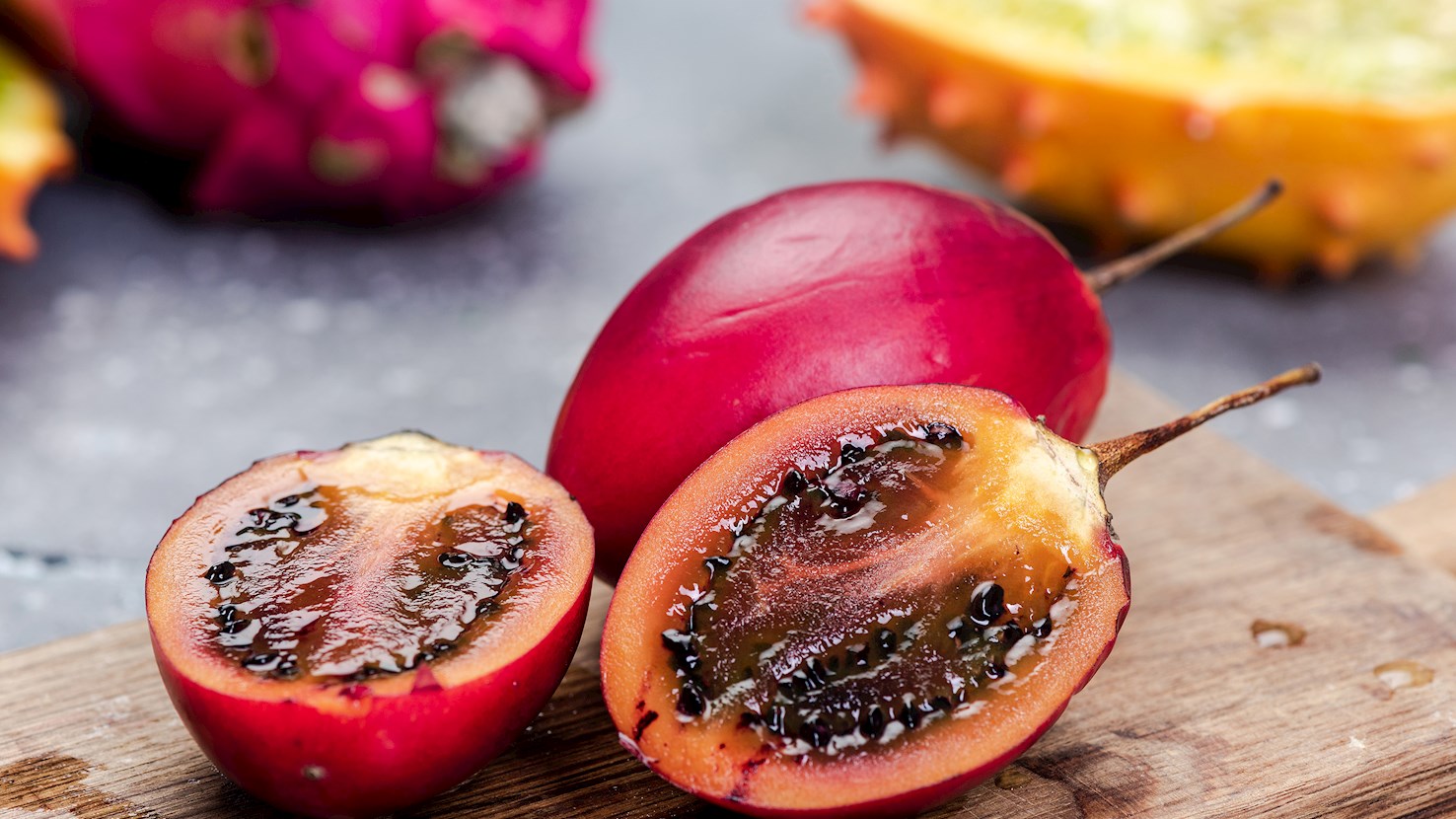
Tamarillo is a small shrub or tree that’s native to the Andean regions of Colombia, Ecuador, Peru, Bolivia, and Chile. The small egg-shaped fruits are succulent and have a slightly sweet to subacid flavor of the pulp. The flavors are often described as similar to kiwi and underripe tomatoes. Tamarillo fruits are used in numerous sweet and savory dishes, beverages, salads, dips, spreads, chutneys, pickles, jams, and sweet or savory sauces. In Ecuador, cooks make a tamarillo sauce by mixing the fruits with garlic, onions, salt, hot peppers, and spices such as coriander. The name tamarillo is a hybrid of tomato and amarillo, meaning yellow.
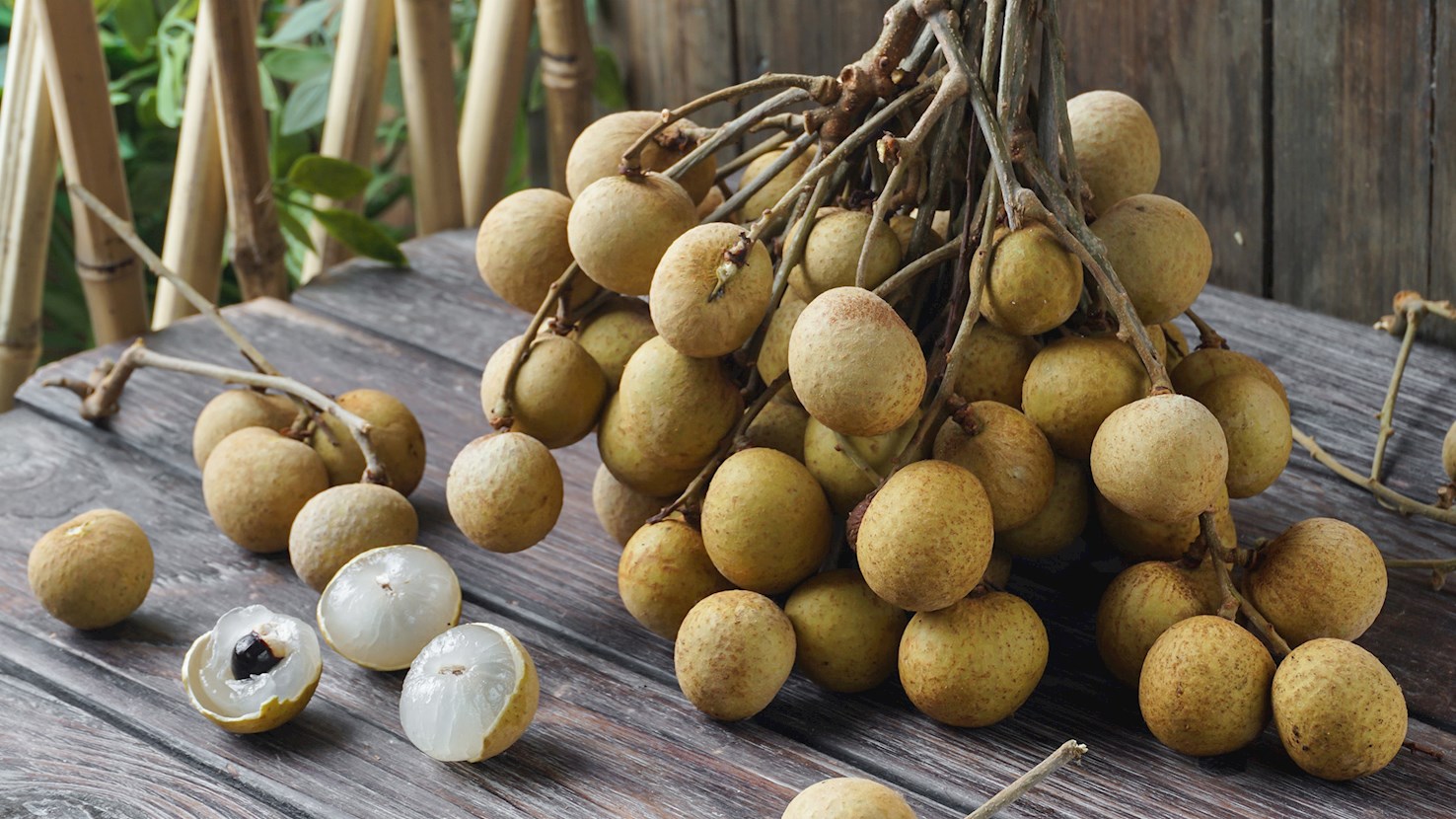
Longan is a tropical fruit (lat. Dimocarpus longan), a part of the soapberry family, which also includes lychee and rambutan. Longans are small, round, and have a thin, brown shell that is easy to remove. Inside, they have translucent white flesh that is sweet and juicy, with a texture similar to that of a grape but slightly firmer. At the center of the fruit is a large, black seed, which gives it the nickname "dragon's eye" — which is what "longan" means in Chinese. Longan is commonly eaten fresh, dried, or canned and is also used in various Asian dishes and desserts, including traditional soups and sweet tonics. In traditional Chinese medicine, longan is thought to have a warming effect on the body and is used to improve circulation and relieve stress.
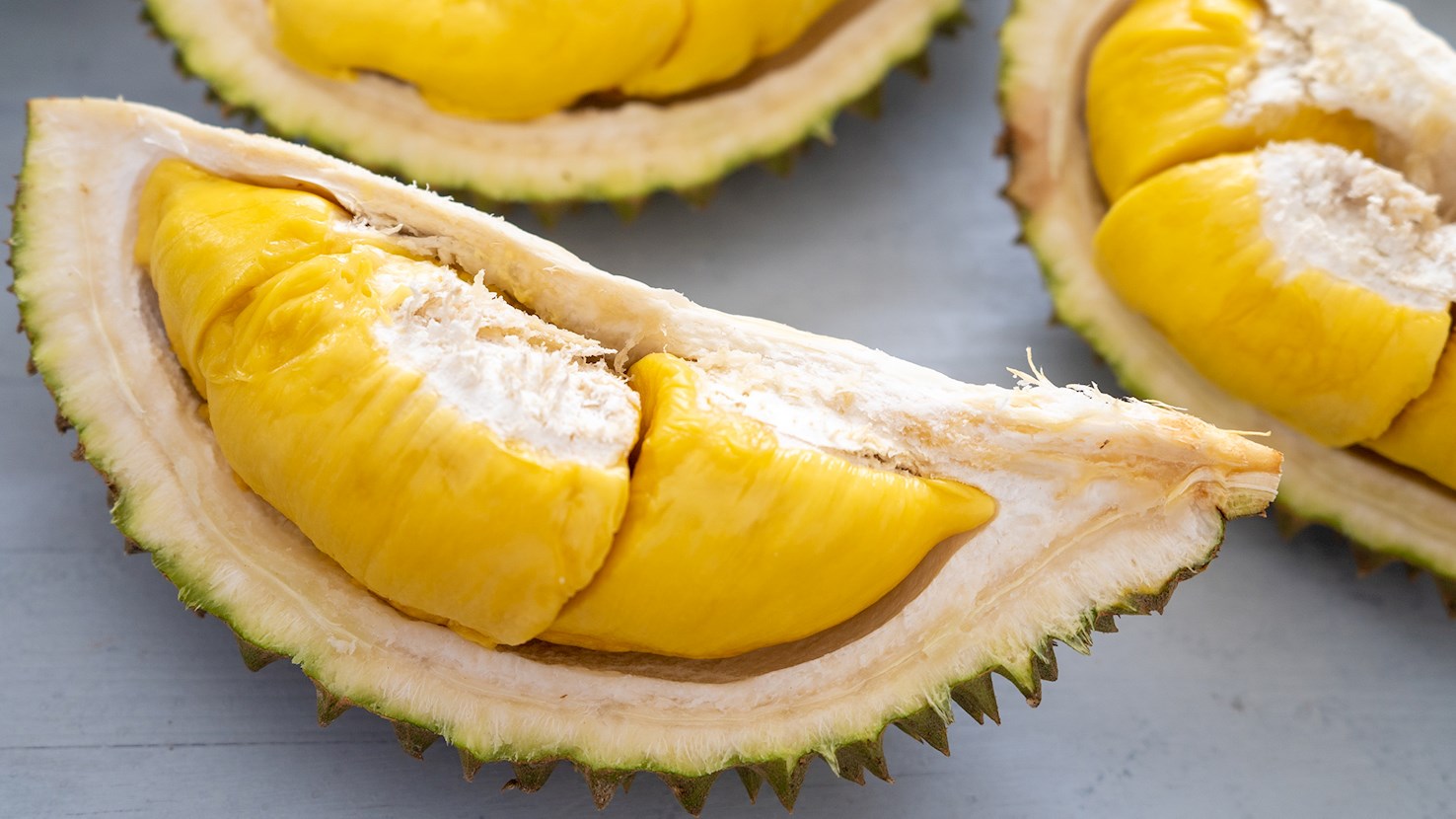
Malaysian Musang King, also known as Mao Shan Wang, is considered one of the best durian varieties and is highly sought after for its rich, creamy texture and intense taste. It has a bright yellow flesh that is thick and custard-like, with a complex flavor profile that combines sweetness with a hint of bitterness. The fruit is large and has a distinctive spiky husk. Although this cultivar was known as Raja Kunyit for at least 200 years, it only gained popularity in the 1980s, when its consistency was stabilized, and the fruit was registered with MARDI (The Malaysian Agricultural and Research Development Institute). Today, Musang King durians are primarily cultivated in Malaysia, particularly in the region of Pahang. The fruit is praised for its premium quality and is also enjoyed in other Asian countries, most notably Singapore and China. It is commonly consumed fresh or used in various desserts, such as ice cream, cakes, and pastries.
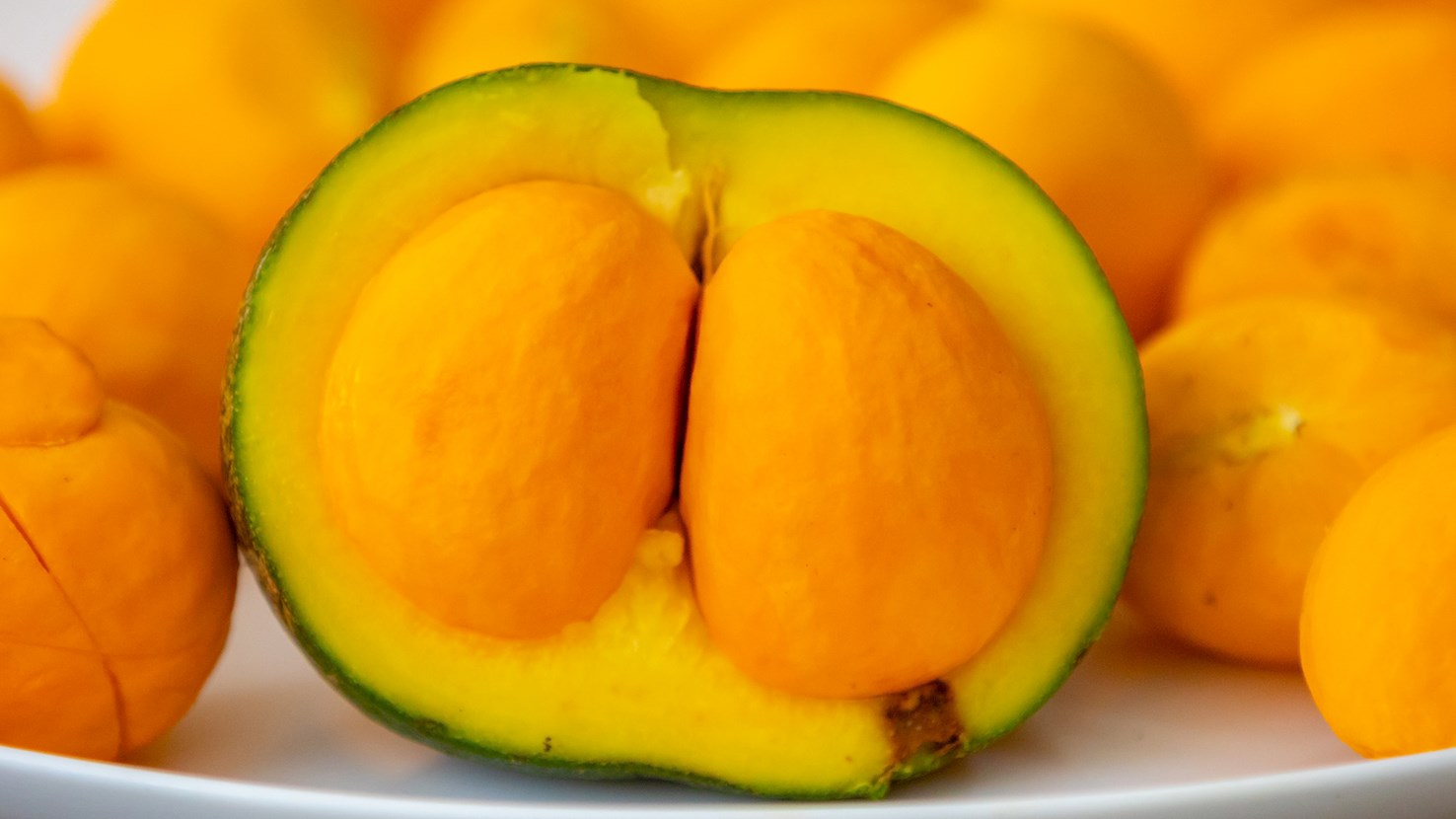
Pequi (lat. Caryocar brasiliense), also known as souari nut, is a fruit native to Brazil and commonly found in the Brazilian Cerrado region. It is a small, round fruit with thick, yellow, or orange skin that is covered in small, sharp spines. Inside the fruit is a large seed surrounded by bright yellow pulp. The pulp has a distinct flavor and aroma, often described as a combination of citrus, pine, and almonds. It is known for its strong, unique taste and is often used in traditional Brazilian cuisine. Pequi is used in a variety of dishes, particularly in the Brazilian states of Goiás and Minas Gerais, where it is a popular ingredient in regional recipes. It is commonly used in stews, soups, and rice dishes, adding a rich and flavorful taste to the meals. Pequi is also sometimes used to make oils, liqueurs, and preserves.
TasteAtlas food rankings are based on the ratings of the TasteAtlas audience, with a series of mechanisms that recognize real users and that ignore bot,
nationalist or local patriotic ratings, and give additional value to the ratings of users that the system recognizes as knowledgeable.
For the “37 Worst Rated Tropical Fruits in the World” list until September 16, 2026, 2,884 ratings were recorded, of which 1,886 were recognized by the system as legitimate.
TasteAtlas Rankings should not be seen as the final global conclusion about food. Their purpose is to promote excellent local foods,
instill pride in traditional dishes, and arouse curiosity about dishes you haven’t tried.








What People Say