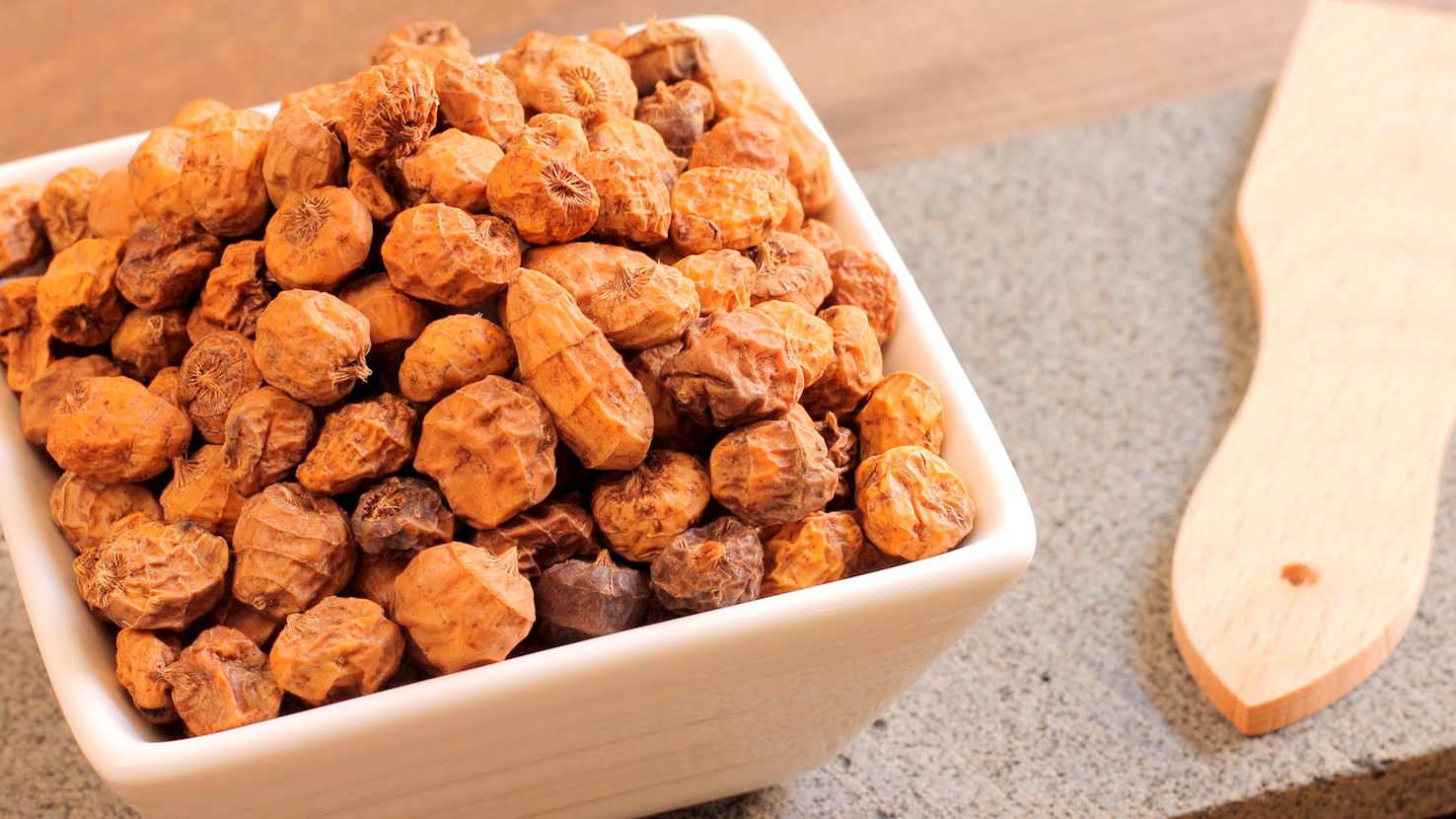
Chufa de Valencia is a tigernut cultivated in l’Horta Nord de Valencia. The tigernuts are grown, harvested, washed and dried in the designated area. These unique nuts must be intact, clean and free from any blemishes. The flavor of this nut is quite sweet and nutty; the texture is very hard and the nuts must be soaked in water before consumption. This nut is traditionally used in Spain for the production of Horchata; a non-alcoholic beverage similar to other plant-based milk alternatives. It is made using tigernuts, sugar and water, sometimes accompanied by sweet spices such as cinnamon.
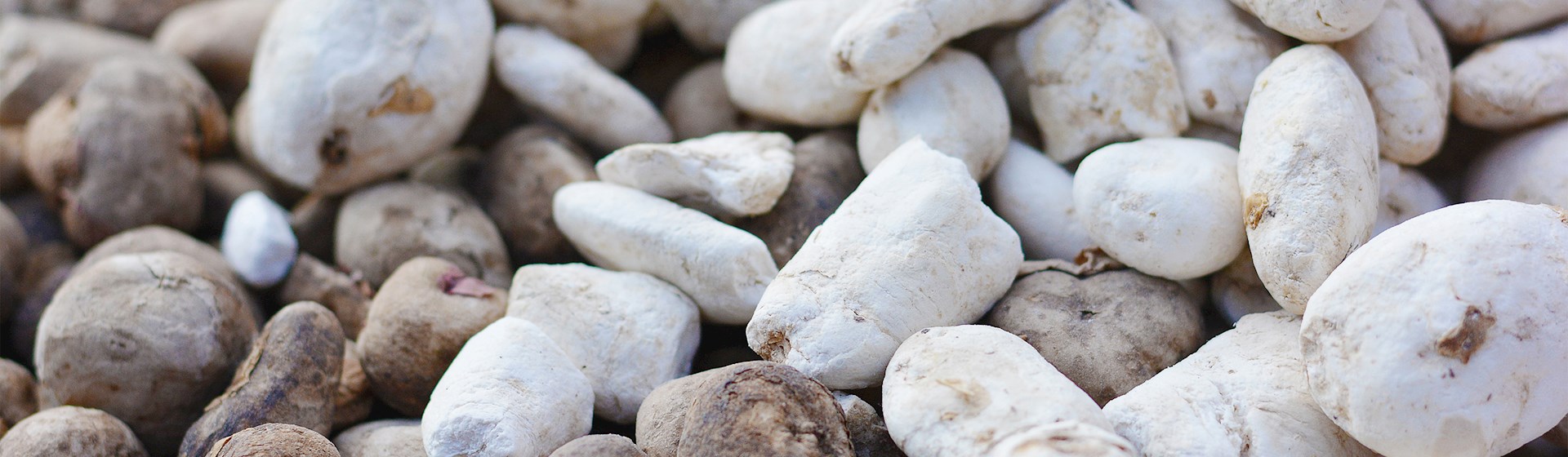
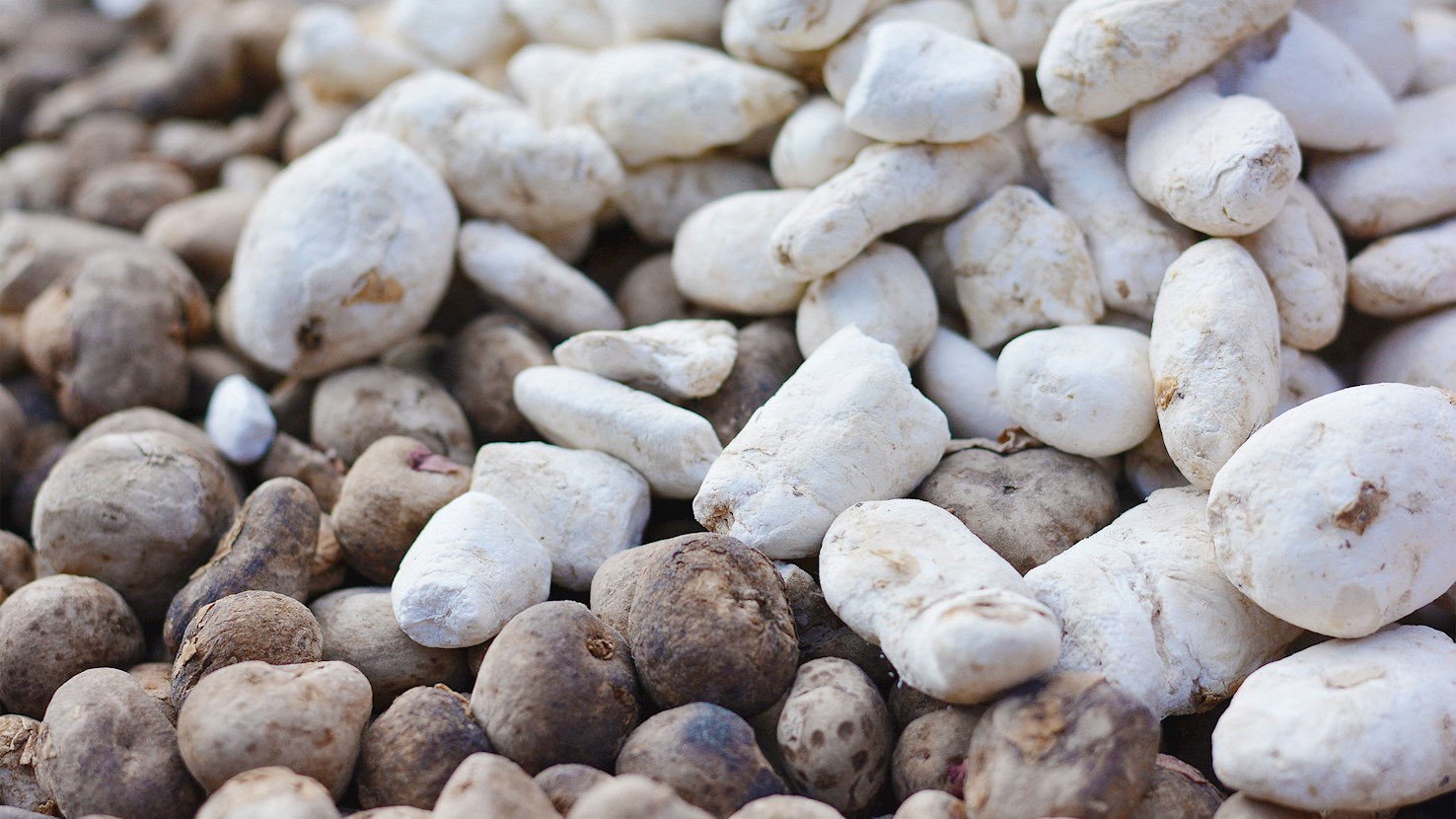
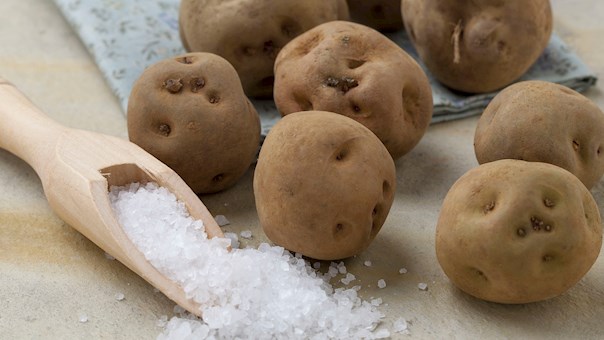
Chuño is an unusual variety of Andean naturally freeze-dried potatoes. The name comes from a Quechua word ch'uñu, which can be literally translated as freeze-dried potatoes. The potatoes have a very long shelf life and are often used in dishes such as stews and soups. Before consumption, the potatoes need to be soaked in water in order to rehydrate. There are two basic varieties of these potatoes – black and white. White chuños are soaked in cold water, then sun-dried, while the black variety is left to freeze overnight, and is then crushed in the morning in order to extract the liquid, but at night, it gets frozen again, so the process is repeated until the potatoes are totally dehydrated.
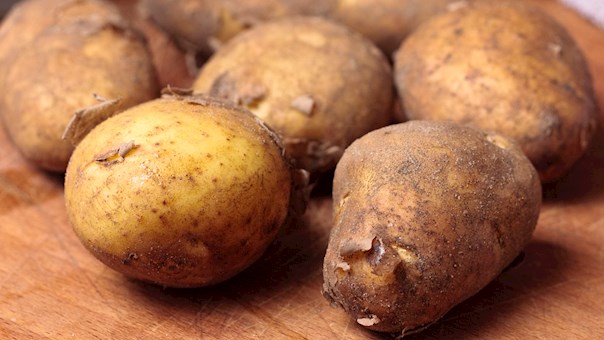
Nevesinjski krumpir is a potato variety originating from Nevesinje in Bosnia and Herzegovina. In Nevesinje, there’s almost no household that doesn’t grow potatoes, either for their own needs or for the market. The annual yield is 6,000 tons of potatoes. The conditions for growing these potatoes in the region are great, and they don’t need irrigation, chemistry, nor supplementation, so it’s a truly organic product. The potatoes from Nevesinje are currently in the process of acquiring the geographical protection label, which will ensure higher prices for the growers, while the customers will know that the potatoes which they’re buying are guaranteed to come from Nevesinje.
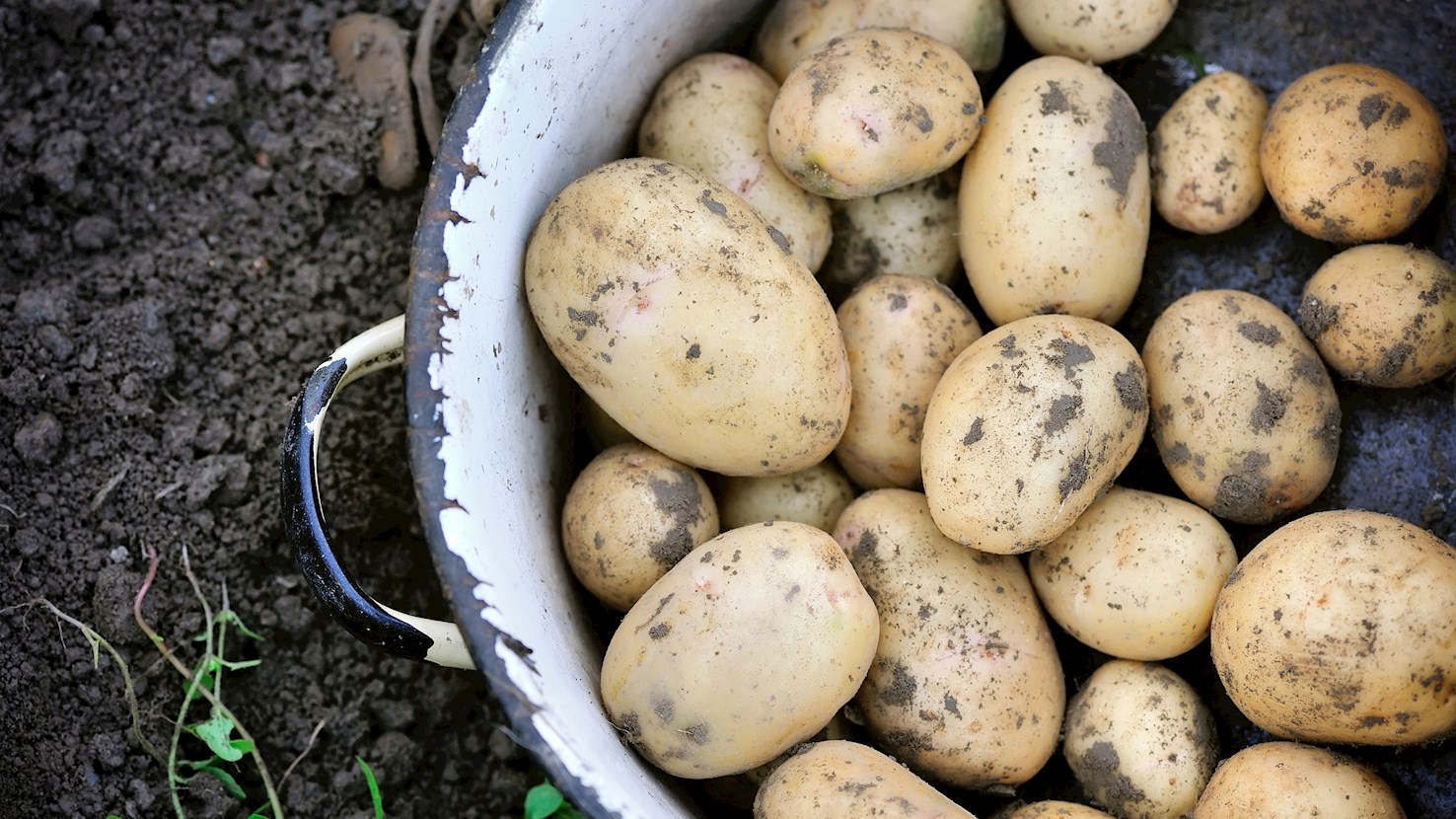
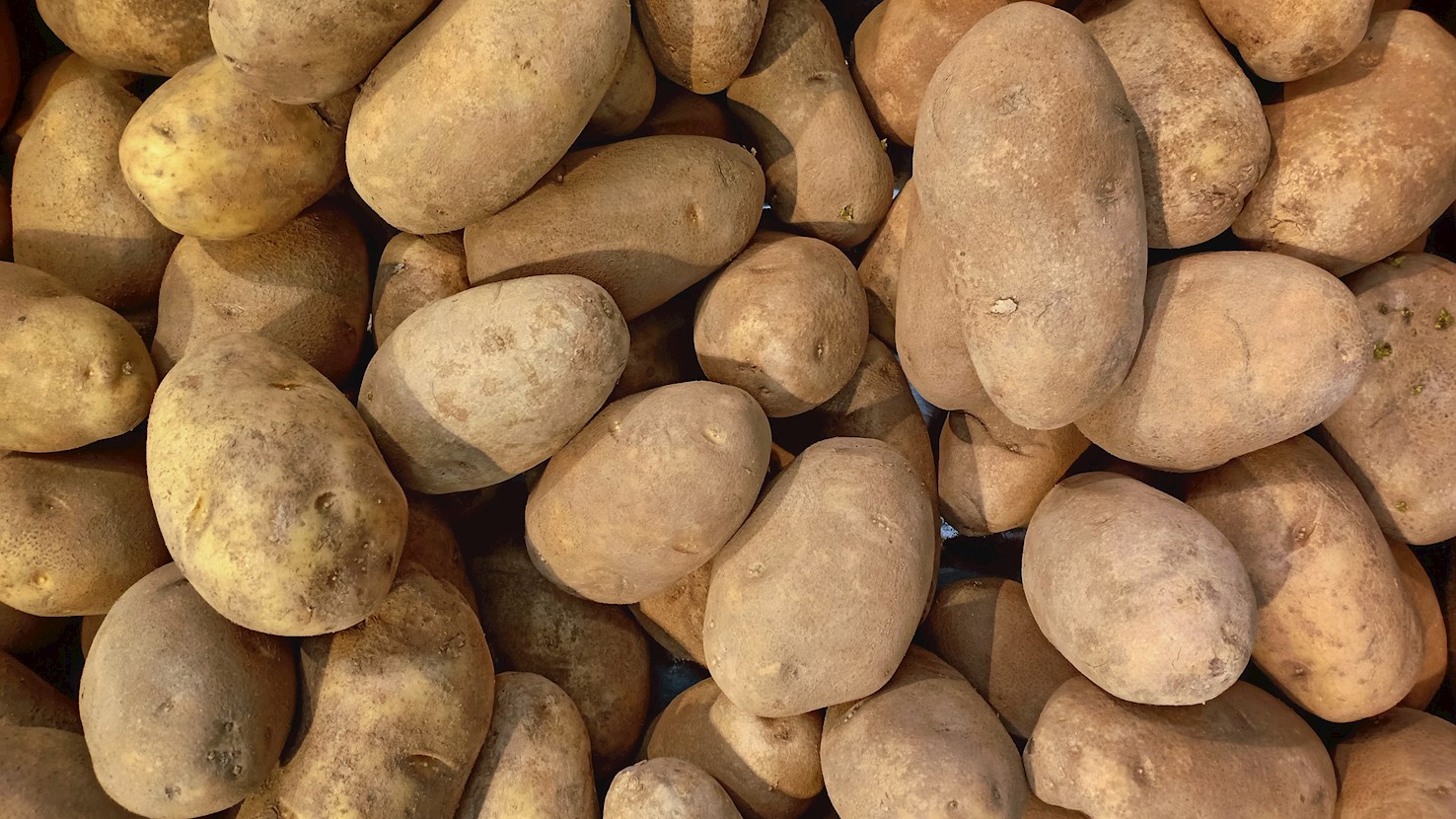
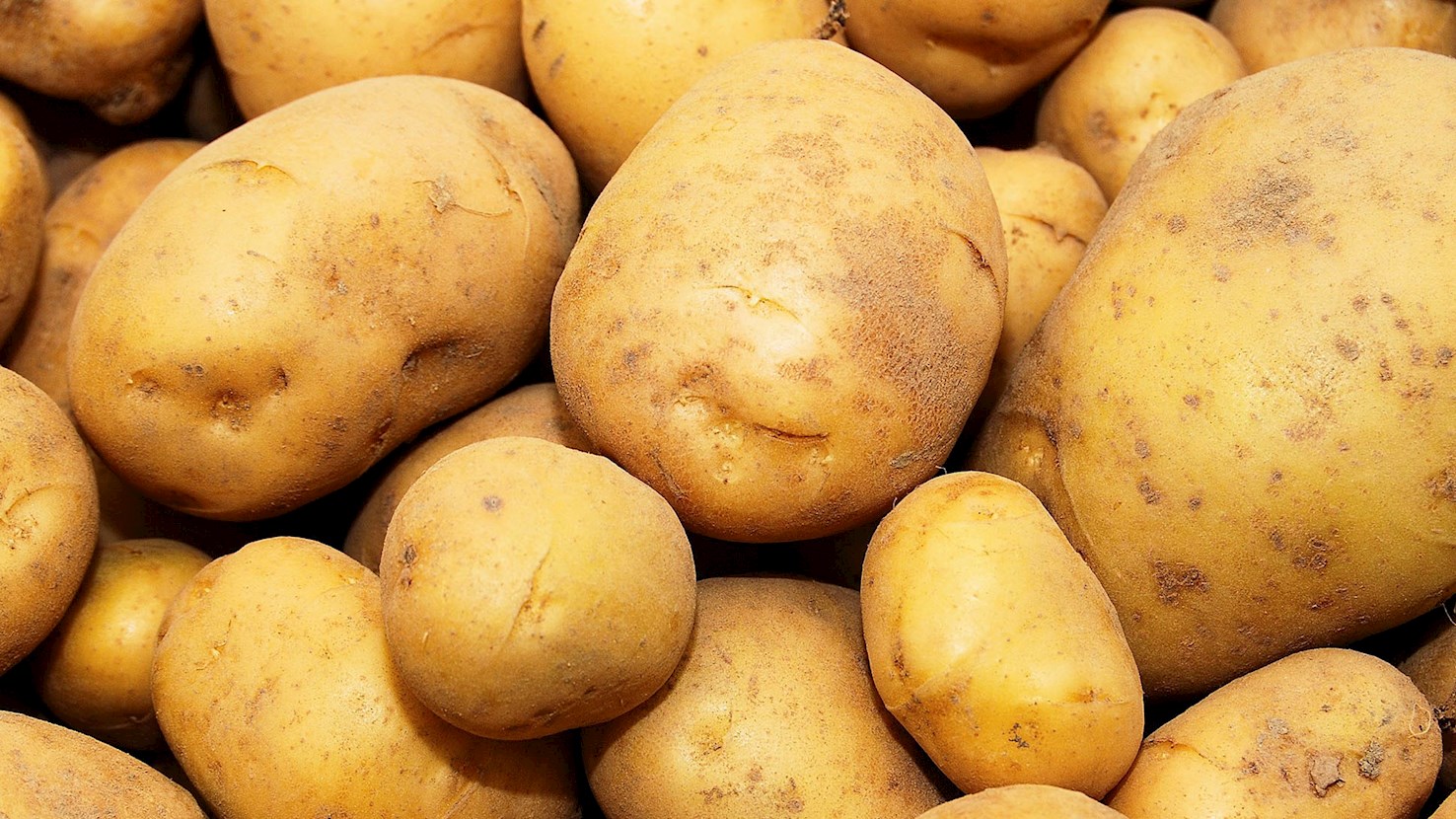
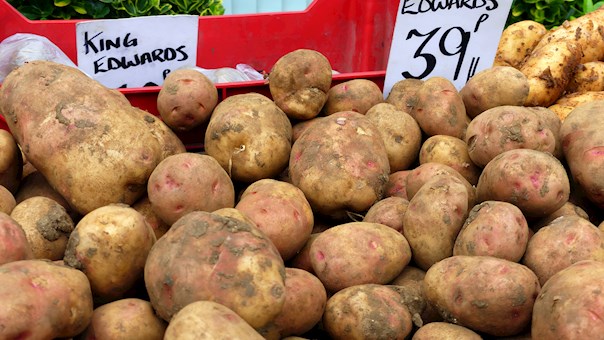
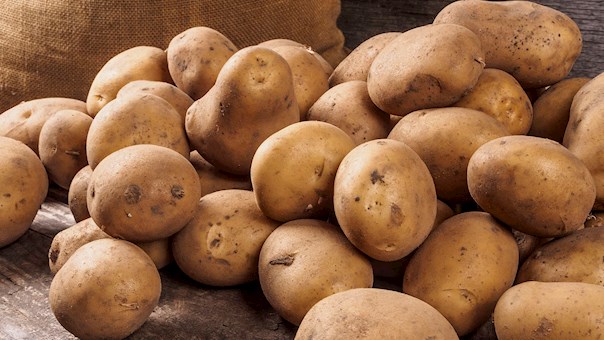
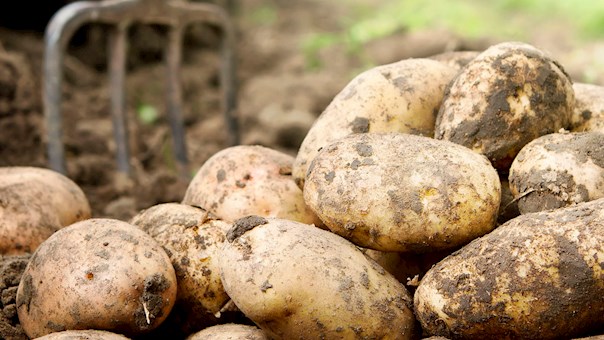
Kennebec is a potato variety that's predominantly grown and used in the United States and Canada. These all-purpose potatoes are large in size with thin skin and a texture that's slightly rough, with brown spots and shallow eyes visible on the skin. The flesh is firm and starchy with minimal water content, while the flavor is nutty, rich, and earthy. The potatoes are most commonly used for potato chips, fries, hash browns, shoestring potatoes, and Hasselback potatoes. They can be roasted, mashed, baked, or fried due to their versatile qualities. This hybrid variety was originally created in Beltsville, Maryland in 1941. The name of these potatoes is derived from a famous river in Maine.
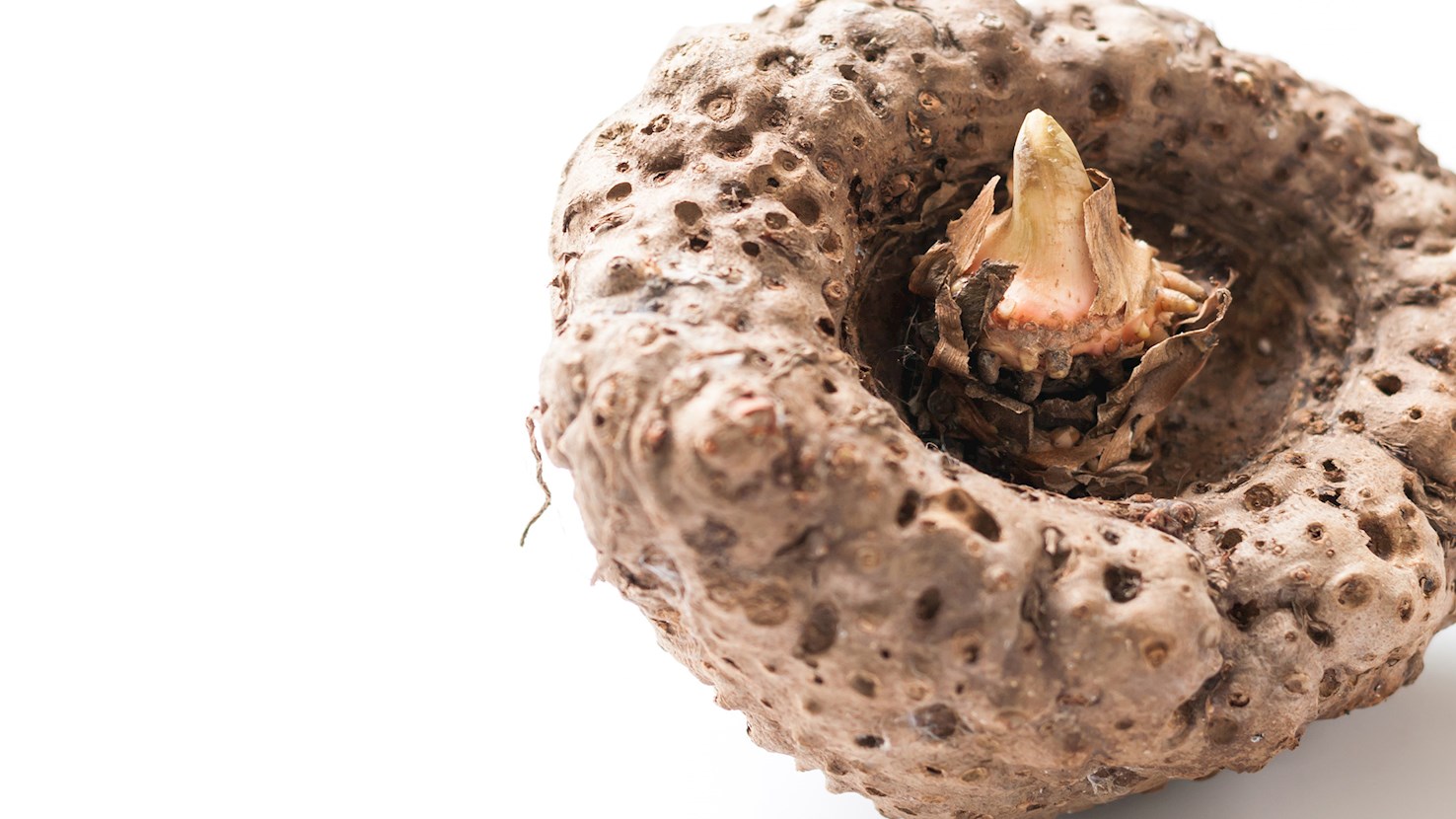
Konjac is the widely used root, or a tuber, produced by the konjac plant, a crop native to China that is also very popular in Japan, where it has been cultivated since the 6th century. The root has an oval shape and is especially praised for its numerous beneficial properties. It is rich in glucomannan sugar, a fiber widely used in powdered form that is incorporated in many traditional and modern remedies. In gastronomy, it is often used as flour that easily swells in liquid, so it is mainly employed as a thickening agent in dishes to give them a denser, jelly-like consistency. Konjac is one of the most common ingredients used in traditional Japanese cuisine and an important element in the famous shirataki noodles and konnyaku gel, a unique Japanese condiment.
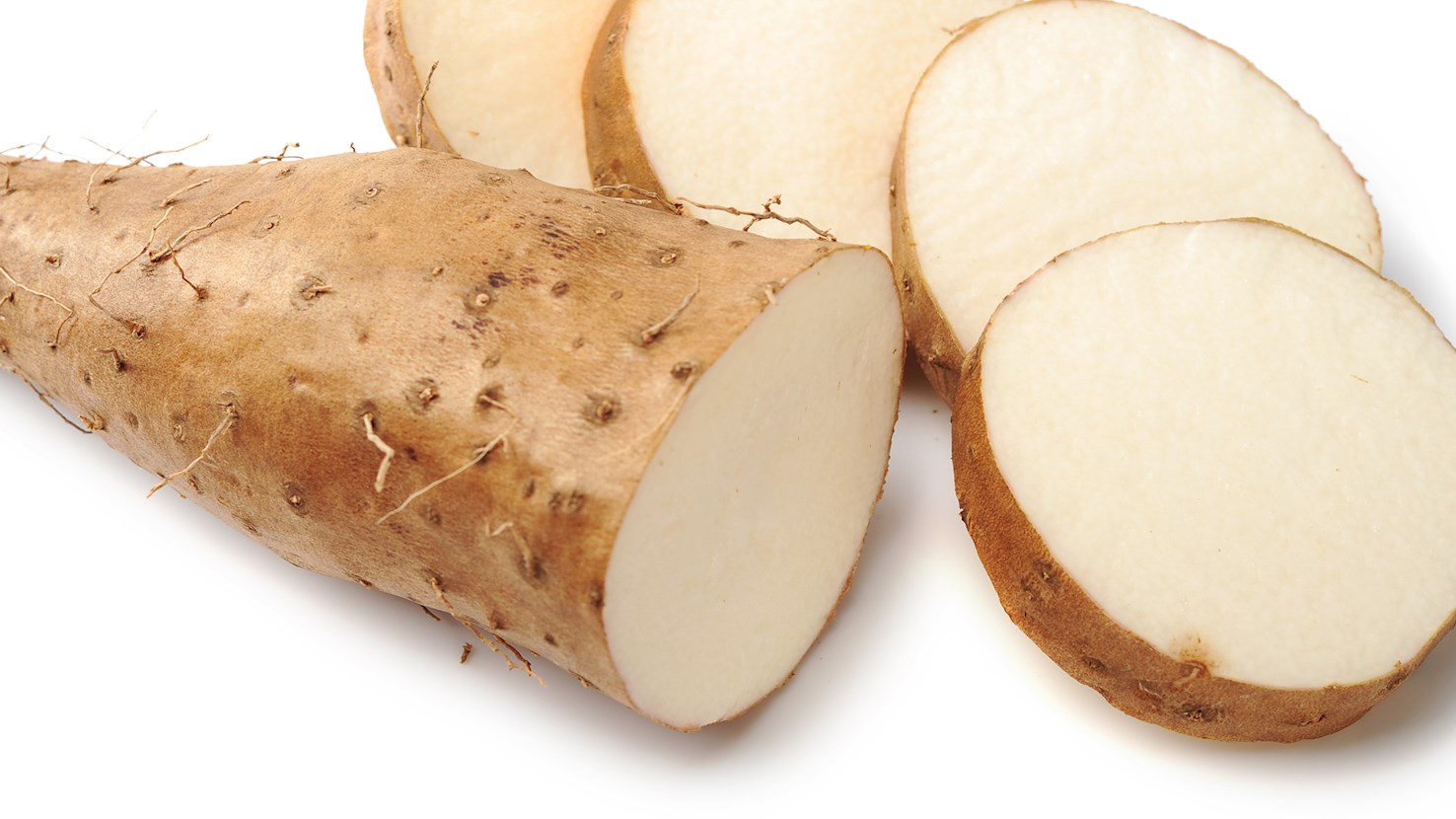
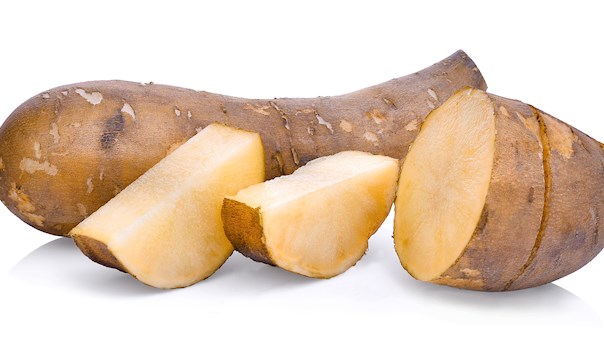
Native to China, yamaimo or Chinese yam is a climbing plant that bears edible tuberous roots with hard white flesh that is encased in a thin, light brown or yellowish outer skin. The tuberous roots are similar in flavor to potatoes or water chestnuts and are widely used as traditional medicine and an ingredient in Asian cuisine. Raw or cooked, Chinese yam is typically consumed on its own, added to soups, stews, and many other dishes for extra flavor and texture. This plant is cultivated throughout East Asia, including Japan, Korea, Kuril Islands, and Vietnam, and may vary in shape and color. Chinese yam can be found fresh, dried, or in powder form in almost any Asian food store, pharmacy, and health food store. It is also known as huai shan in China, khoai mai in Vietnam, seyeo in Korea, and nagaimo in Japan.
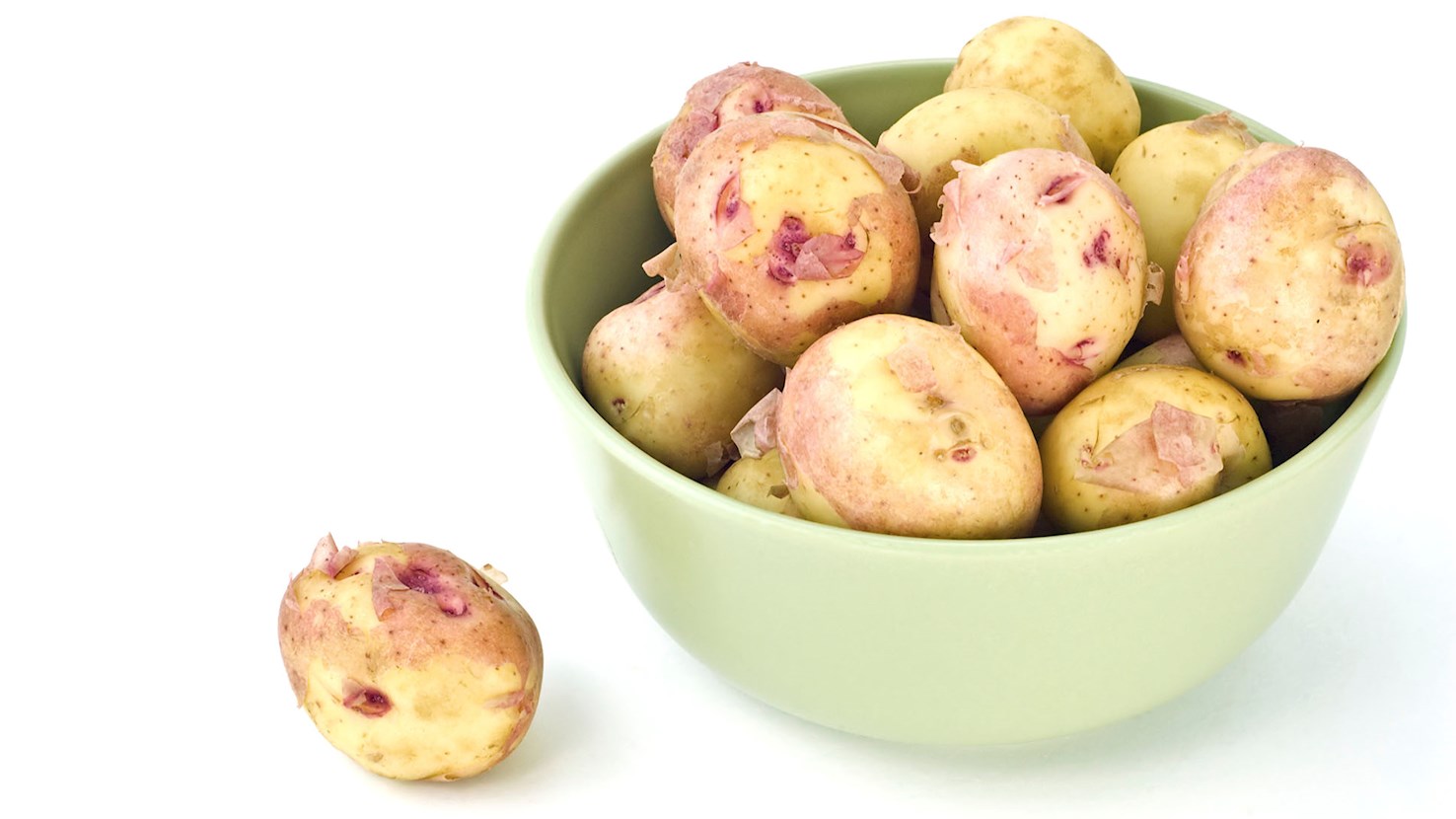
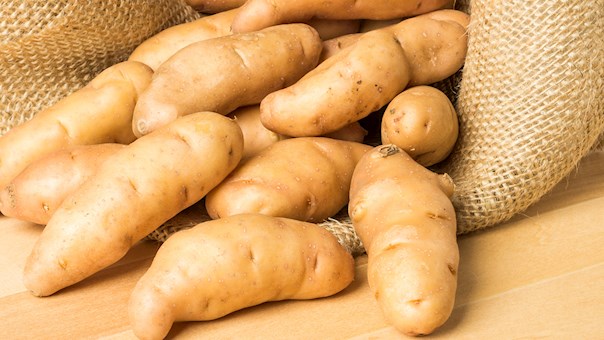
Opperdoezer Ronde is a variety of yellow or white-fleshed potatoes. Even though it is not the prettiest looking potato, considering its irregular, oval shape, it is full of vitamins (B1, B2, B6, B11, C) and is valued by many chefs who prepare it boiled or fried, although the traditional way is to serve them boiled with creamery butter. The first potatoes are harvested at the beginning of May, and until the beginning of September, all the potatoes are harvested and then sold at auctions. Since this variety has a very delicate and thin skin, it is mainly harvested by hand in order to protect it. The potatoes are sorted into groups - above or below 35 millimeters. One can obtain the potatoes only in the summer and autumn, making it a valuable rarity in the potato world. The potatoes are cultivated on light sandy clay soil, with a particular composition of sulfur, around the village of Opperdoes in the Netherlands region of Noord-Holland, which is why they have such a distinctively rich and creamy taste, and a distinctively low starch content.
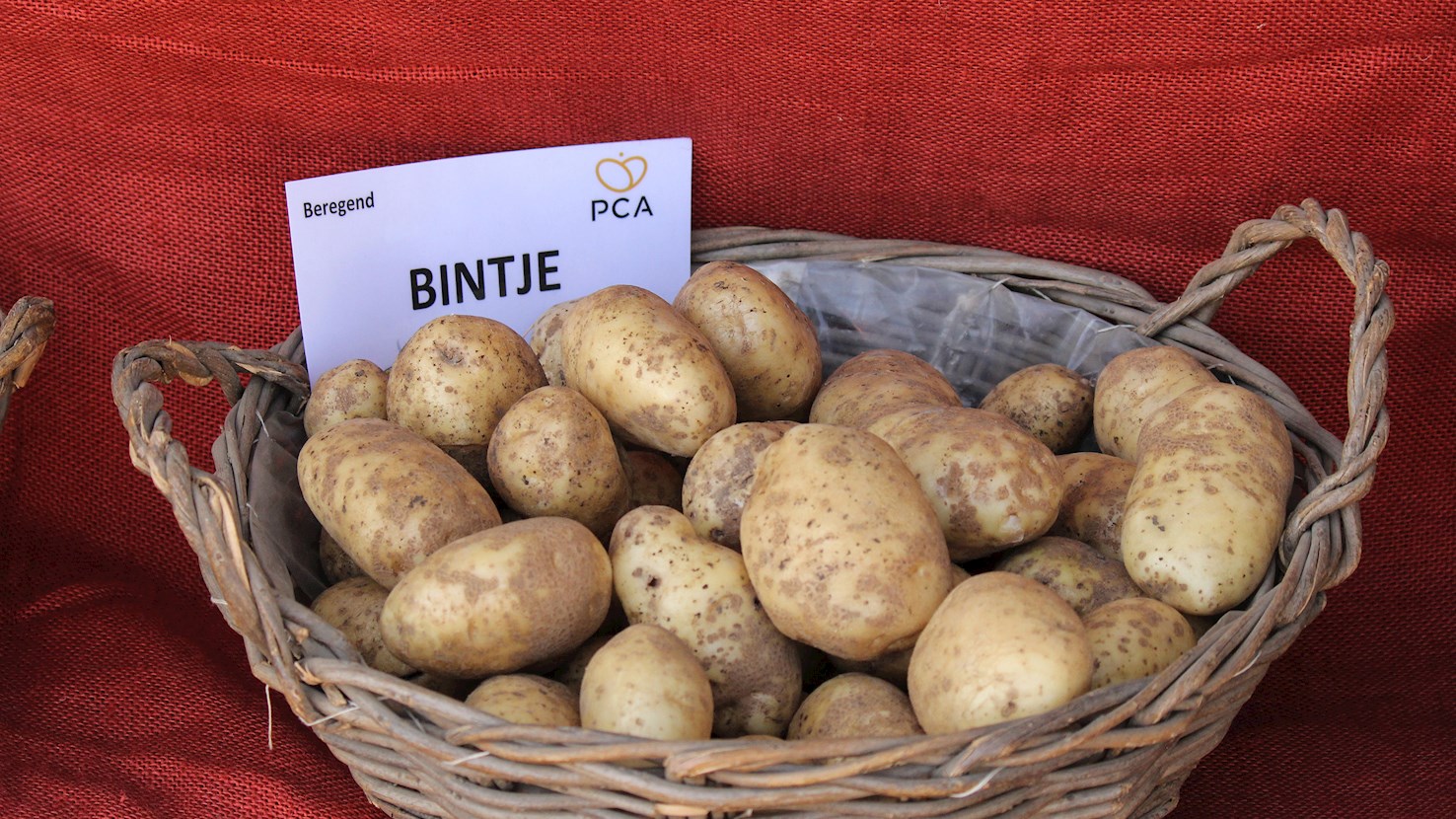
Bintje is a potato variety originating from the Netherlands, where it was bred by Kornelis Friesland in 1904 as a cross between Fransen and Munstersen. These tubers are small to medium in size and round in shape, with a golden skin and yellow flesh underneath. The skin also has a silk-like finish, while the flavor is often described as light, unique, and nutty. It's recommended to serve Bintjes roasted or as french fries.
Patates de Prades are the potatoes of the Kennebec variety grown in the district of Baix Camp, Tarragona Province, in the Autonomous Community of Catalonia. This location offers optimal soil and climatic conditions which ensure the proper development and superior characteristics of these potatoes. Patates de Prades have smooth and firm skin, and white flesh. They are floury when cooked and have a sweet and strong flavor reminiscent of chestnuts. These potatoes have a longer growing cycle that only allows for one harvest per year, thus making them firmer than other potatoes. To ensure the superior quality and appearance of these potatoes, harvesting is done exclusively by hand.
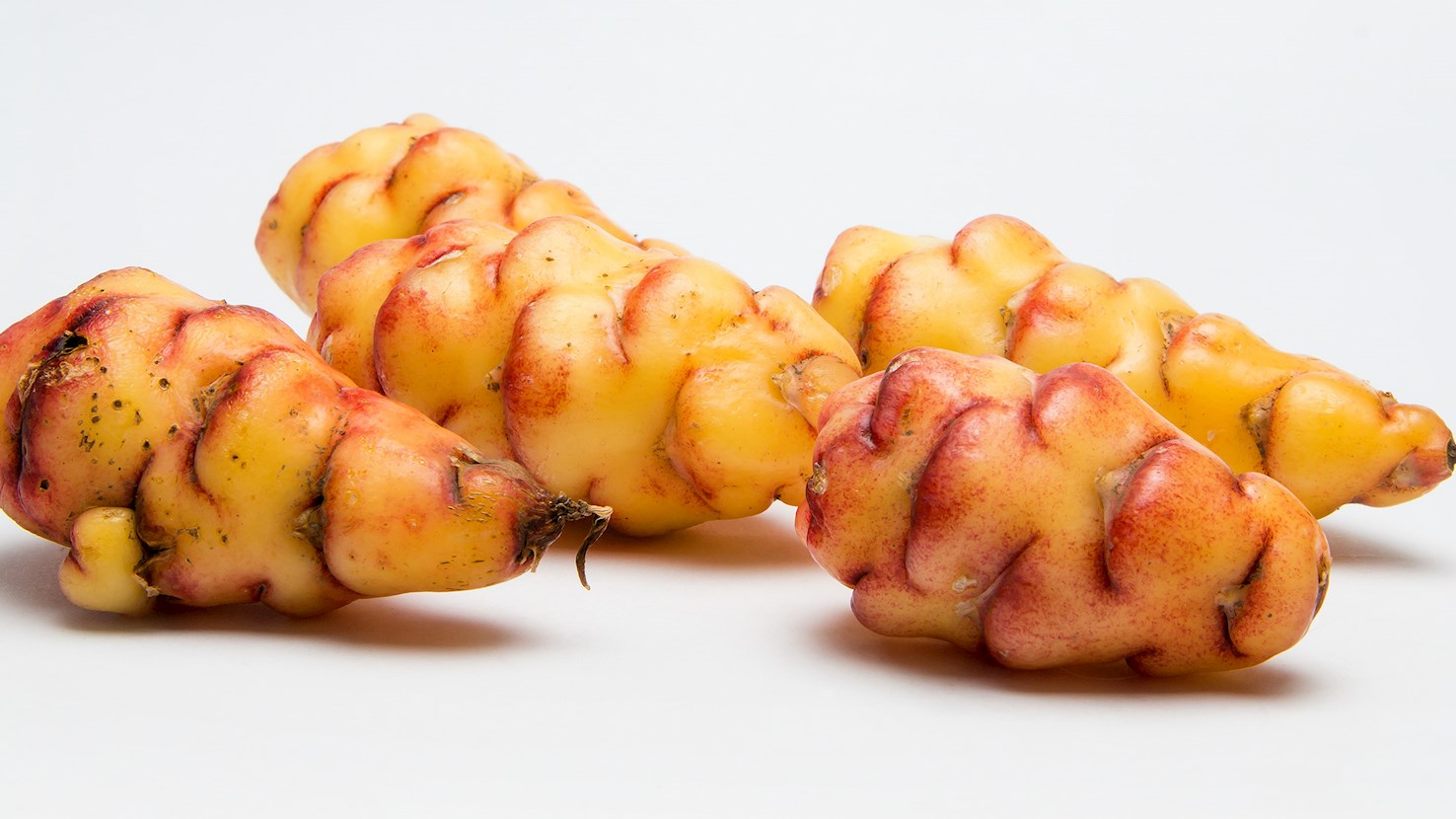
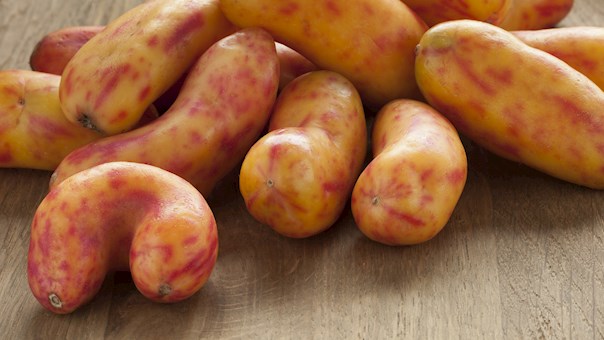
One of the valuable food sources and medicinal plants of indigenous Andean populations, and native to the Andean region, mashua is a type of tuberous crop that continues to be grown in countries such as Peru and Bolivia (and to lesser extent in Ecuador), although mostly for household consumption. There are both domesticated and wild mashua varieties, and the plant’s tubers vary in size and color, depending on the variety. Mashua tubers are shiny and cone-shaped and may come in white, pale yellow, orange, red, purple, or even black color. Fresh mashua tubers are crispy on the outside and tender on the inside, while a slightly bitter or sour flavor, sometimes with a spicy finish, characterizes their flesh. Although they can be eaten both raw and cooked, mashua tubers are typically preferred cooked, as the flavor of the cooked tubers is more pleasant and somewhat reminiscent of cabbage. They're generally boiled, baked, roasted, or even pickled or sun-dried, and they go particularly well with roasted meat. The flowers and leaves of mashua are also edible, and just like the tubers, they can be enjoyed either raw, in salads, or cooked. The lack of knowledge about its high nutritional value and medicinal properties, along with the common practice of associating its consumption with the lower classes are making this crop undesirable and threatening its existence.
TasteAtlas food rankings are based on the ratings of the TasteAtlas audience, with a series of mechanisms that recognize real users and that ignore bot,
nationalist or local patriotic ratings, and give additional value to the ratings of users that the system recognizes as knowledgeable.
For the “26 Worst Rated Tubers in the World” list until August 16, 2026, 1,503 ratings were recorded, of which 819 were recognized by the system as legitimate.
TasteAtlas Rankings should not be seen as the final global conclusion about food. Their purpose is to promote excellent local foods,
instill pride in traditional dishes, and arouse curiosity about dishes you haven’t tried.










What People Say