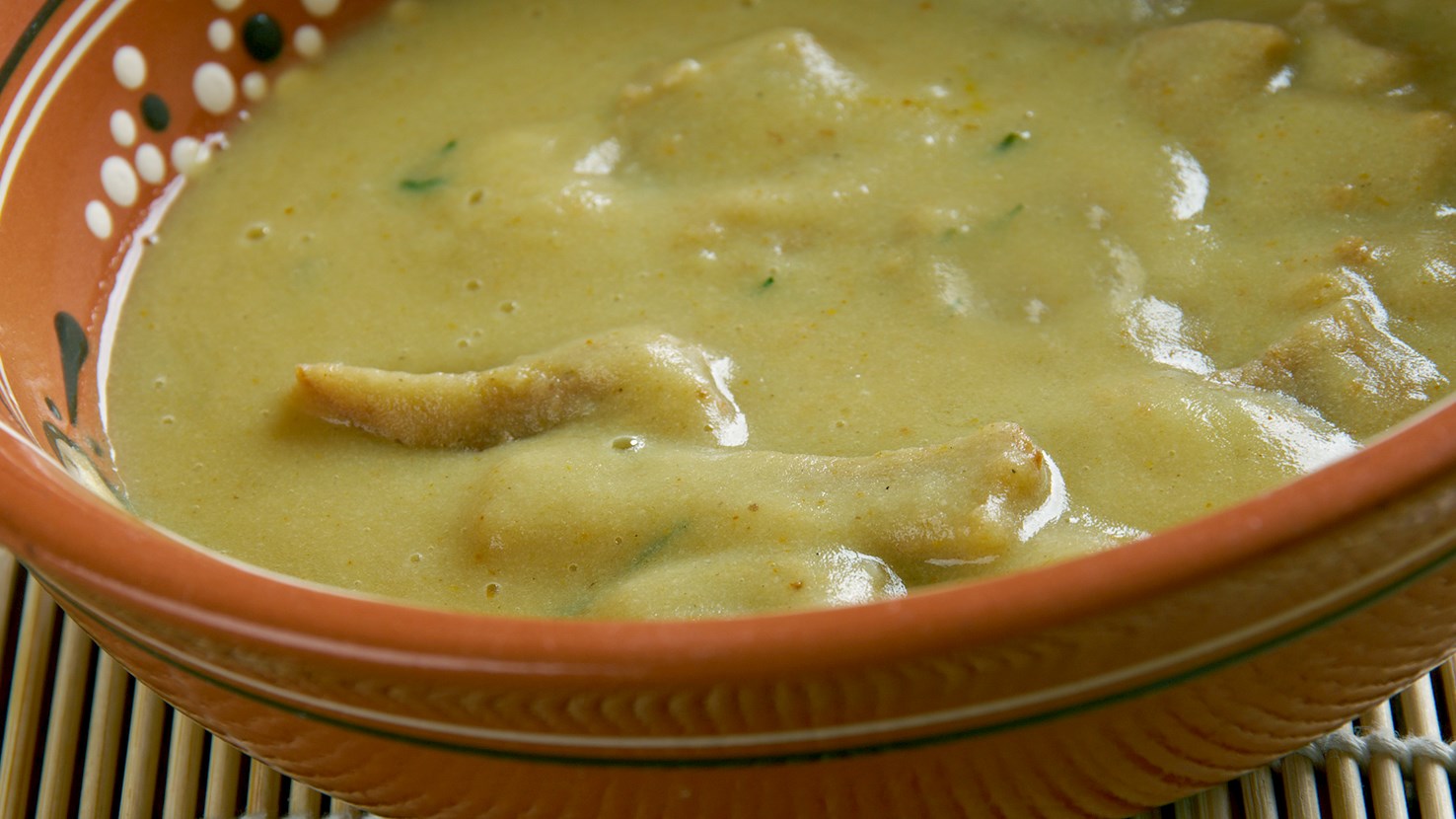
Gachas is an ancient, traditional Spanish dish consisting of a few basic ingredients: flour, water, salt, olive oil, and garlic. In the past, it was a staple dish among shepherds and farmers, but today it is popular throughout the country. Its texture can vary from soup-like to pie-thick with a golden-brown crust, depending on the method of preparation. The dish is served warm, and some cooks like to add saffron, paprika, or fried onions in order to improve the flavors.
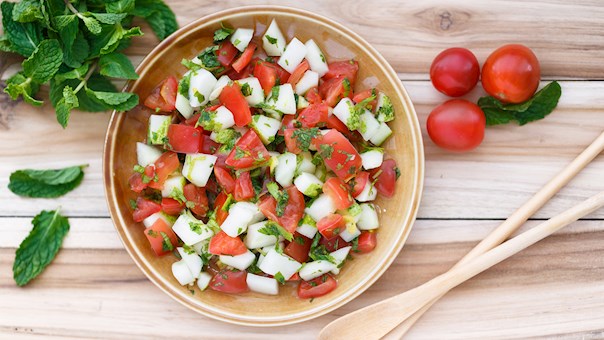
Ceviche de chochos is a traditional and Ecuatorian dish in made with chochos or tarwi (lupini beans) as the primary ingredient. These beans have a unique, slightly bitter flavor that pairs well with the acidic components of the dish. The chochos are mixed with ingredients typical of ceviche preparations, like tomatoes, onions, coriander, lime juice, and usually aji peppers. The mix is left to marinate, allowing the flavors to meld. Often, ceviche de chochos is garnished with toasted corn (maiz tostado), chifles (thin plantain chips), or avocado slices. The combination of textures – the softness of the beans, the crunch of the corn, and the creaminess of the avocado – adds to the appeal of the dish.
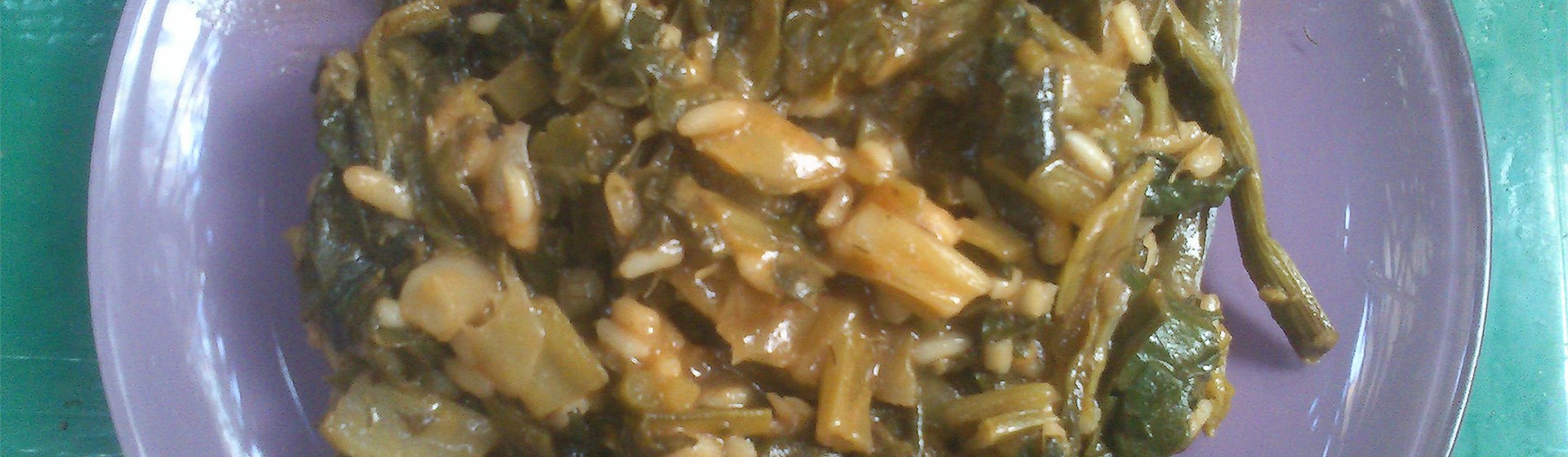
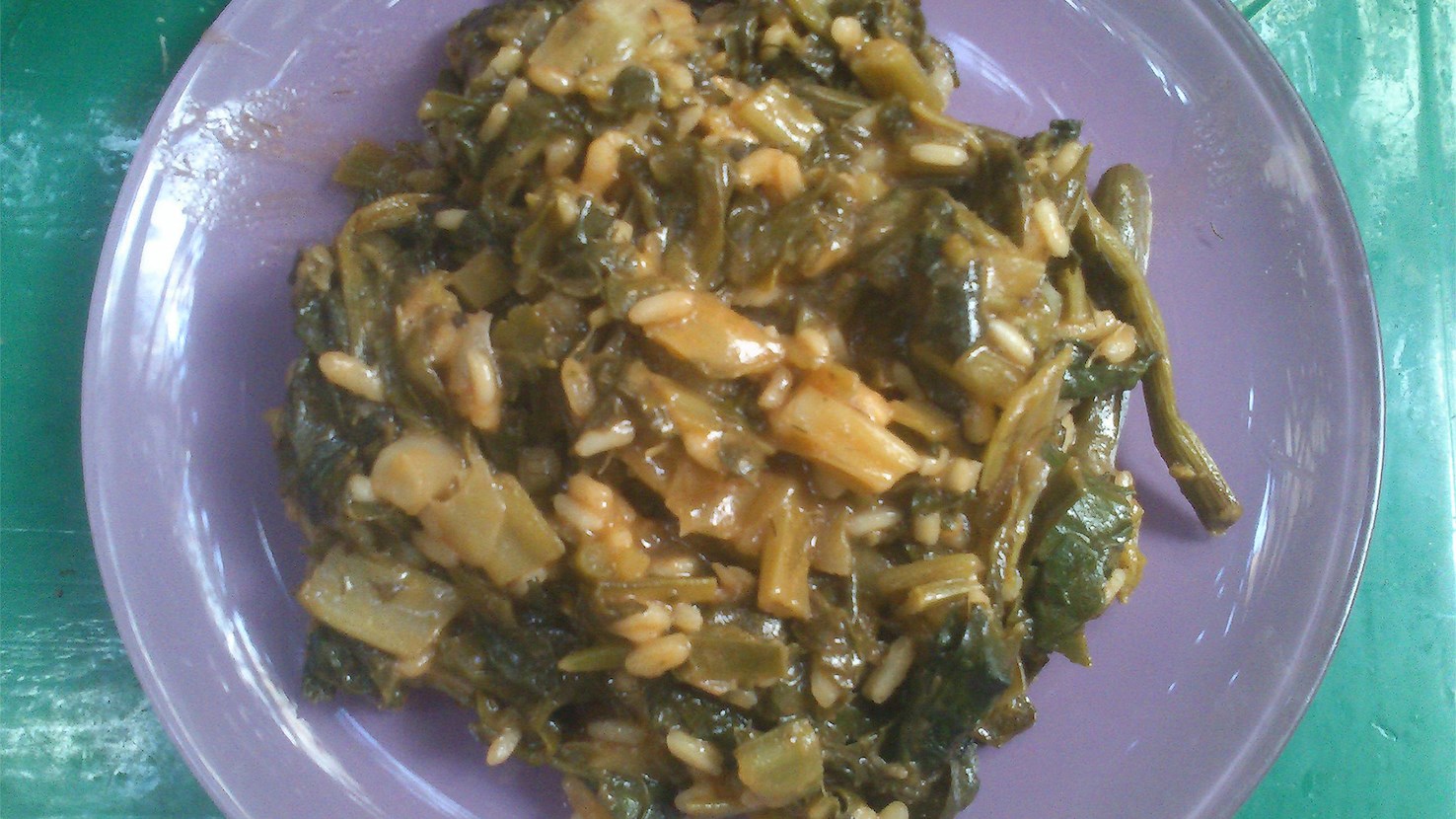
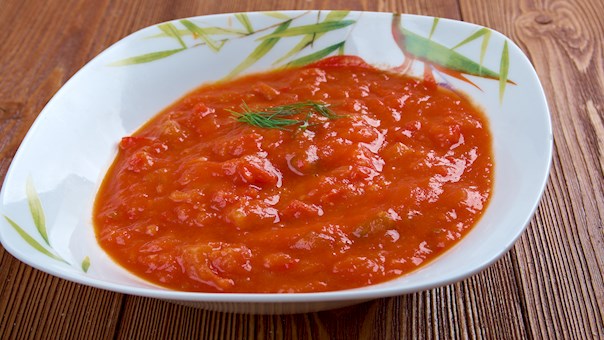
This Cephalonian dish consists of various greens that are stewed alongside tomatoes and various spices and herbs. The dish typically employs onions, celery, leeks, or spinach, and different choice of wild greens such as chard or sorrel. It is occasionally enriched with rice and is best prepared during spring when there is an abundance of wild greens. Tsigaridia is traditionally enjoyed as the main course and is best paired with bread.
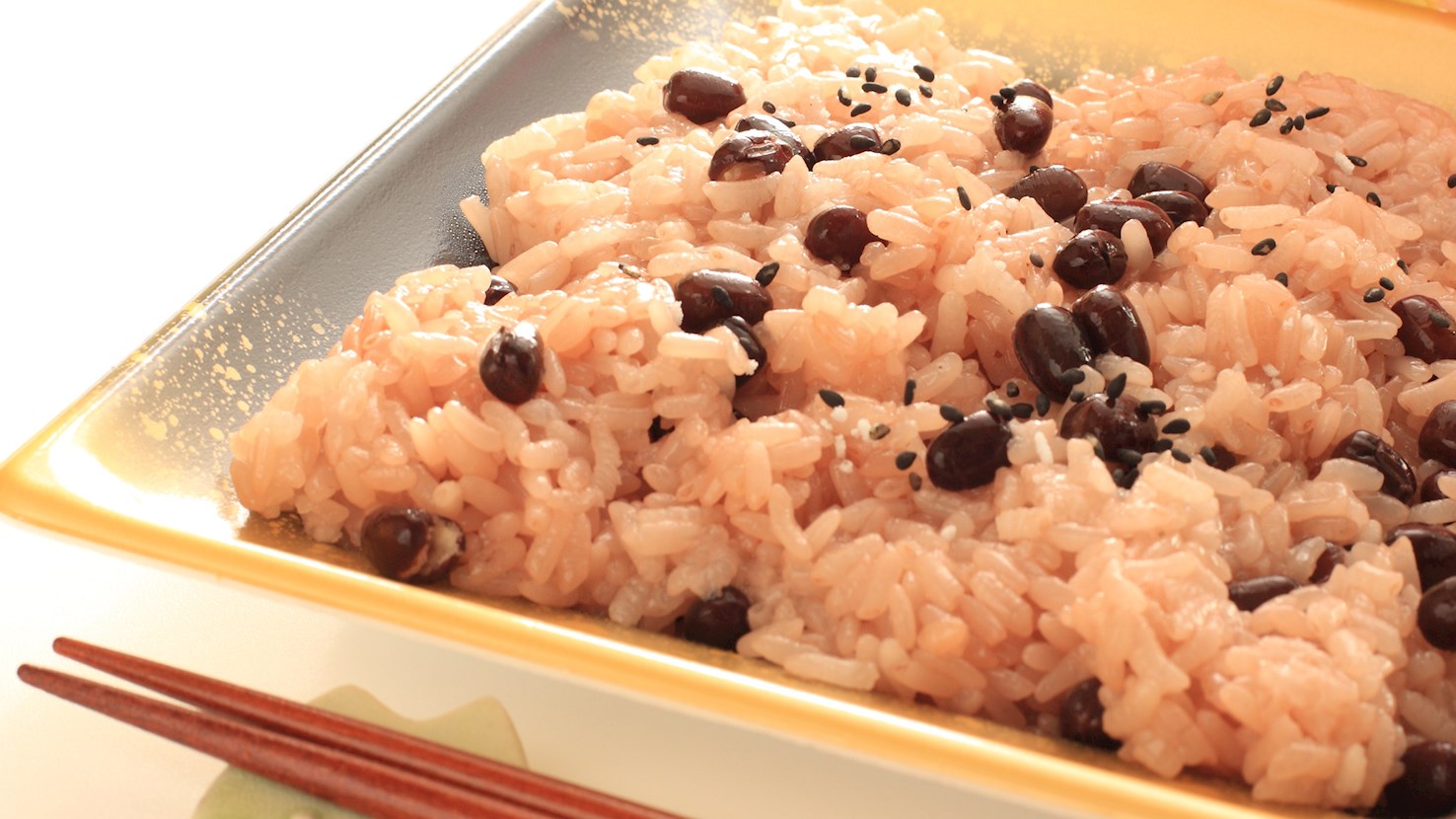
Sekihan is a traditional dish consisting of only two main ingredients – glutinous rice and red azuki beans. The dish has a reddish hue which is a result of the cooking liquid from azuki beans. In the past, the color red was a symbol of good fortune and it supposedly warded off evil. Nowadays, sekihan is typically consumed for good luck – it is served mostly on special occasions such as birthdays, weddings, and celebrations. The dish is usually served on okuizome (a baby's first meal when it is 100 days old) and shichi-go-san (a ritual for children aged 3, 5, and 7). Traditionally, sekihan is consumed with gomashio – a combination of toasted black sesame and salt.
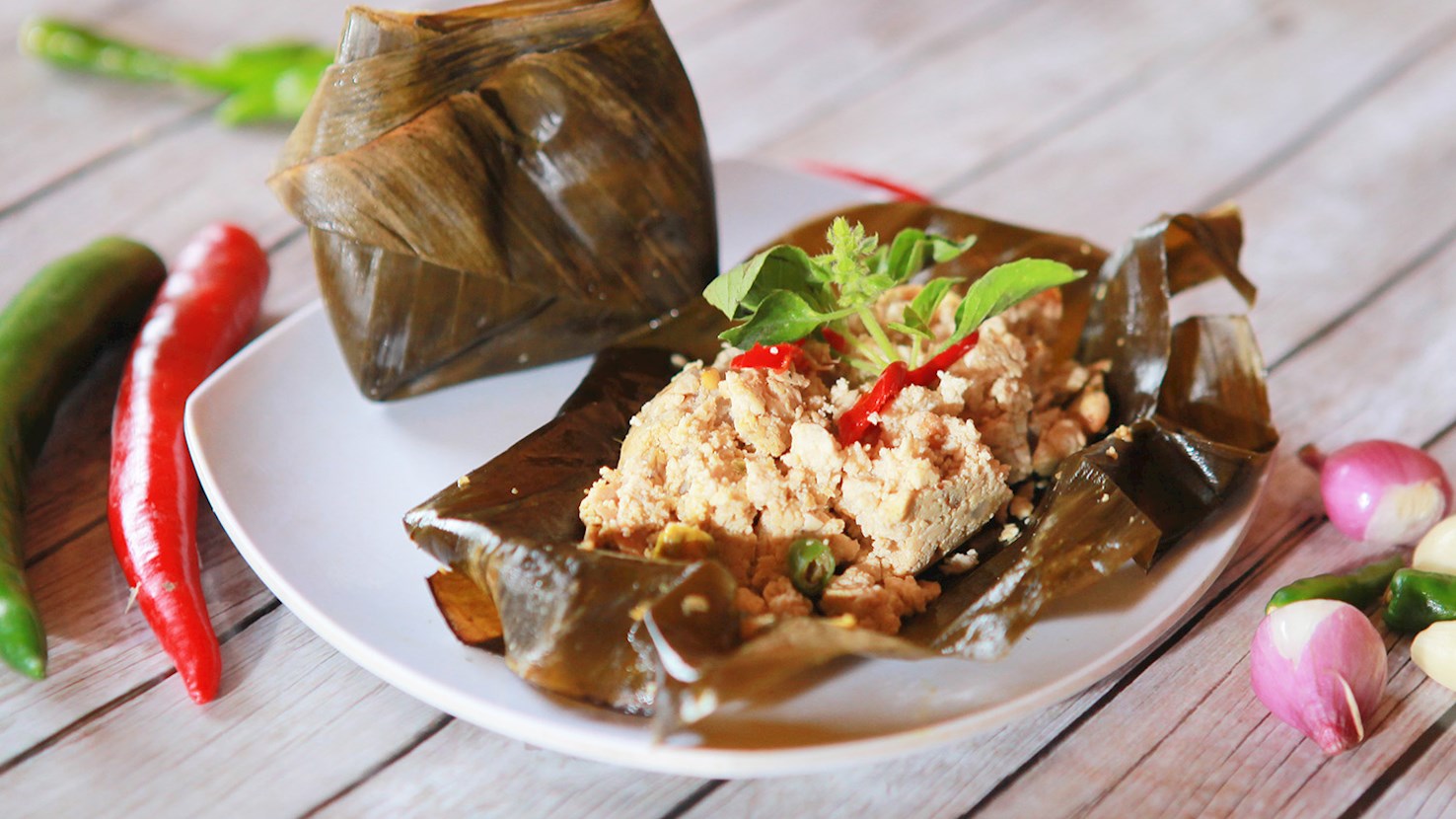
Pepes tahu is an Indonesian steamed tofu dish originating from Java, where the method of cooking in banana leaves, known as pepes, is commonly used for preparing both plant-based and protein-rich foods. In this version, tofu serves as the primary ingredient, mixed with a ground spice paste and sometimes combined with vegetables or aromatic herbs before being wrapped in banana leaves and steamed until firm and fragrant. The use of banana leaves allows the ingredients to cook evenly while absorbing the subtle aroma from the leaf itself, creating a dish that is both practical and flavorful. The preparation of pepes tahu starts with mashing firm tofu until smooth, then blending it with a spice mixture typically made from shallots, garlic, chilies, coriander, candlenuts, and turmeric, with the occasional addition of lemongrass or makrut lime leaves to enhance the aroma. The mixture is seasoned with salt, pepper, and sometimes a small amount of sugar, depending on regional preference. Other optional ingredients include finely sliced chayote, carrots, basil leaves, or chopped mushrooms, which contribute texture and variation. Once the tofu and spices are well-mixed, the seasoned mash is portioned onto softened banana leaves, folded tightly into packets, and secured with toothpicks or small bamboo pins. These packets are then steamed until the contents are cooked through and set, typically for about 20 to 30 minutes. Some variations call for an additional step of grilling the steamed packets briefly to introduce a smoky aroma, though this is optional and often depends on local practice. Pepes tahu is usually served as a side dish with rice and other accompaniments, especially in vegetarian or plant-focused meals. It is appreciated for its soft texture, balanced seasoning, and the clean, slightly earthy fragrance imparted by the banana leaf wrapping. In many parts of Java, it is a common feature in lunchboxes, market stalls, and home meals, valued for its lightness, portability, and ease of preparation.
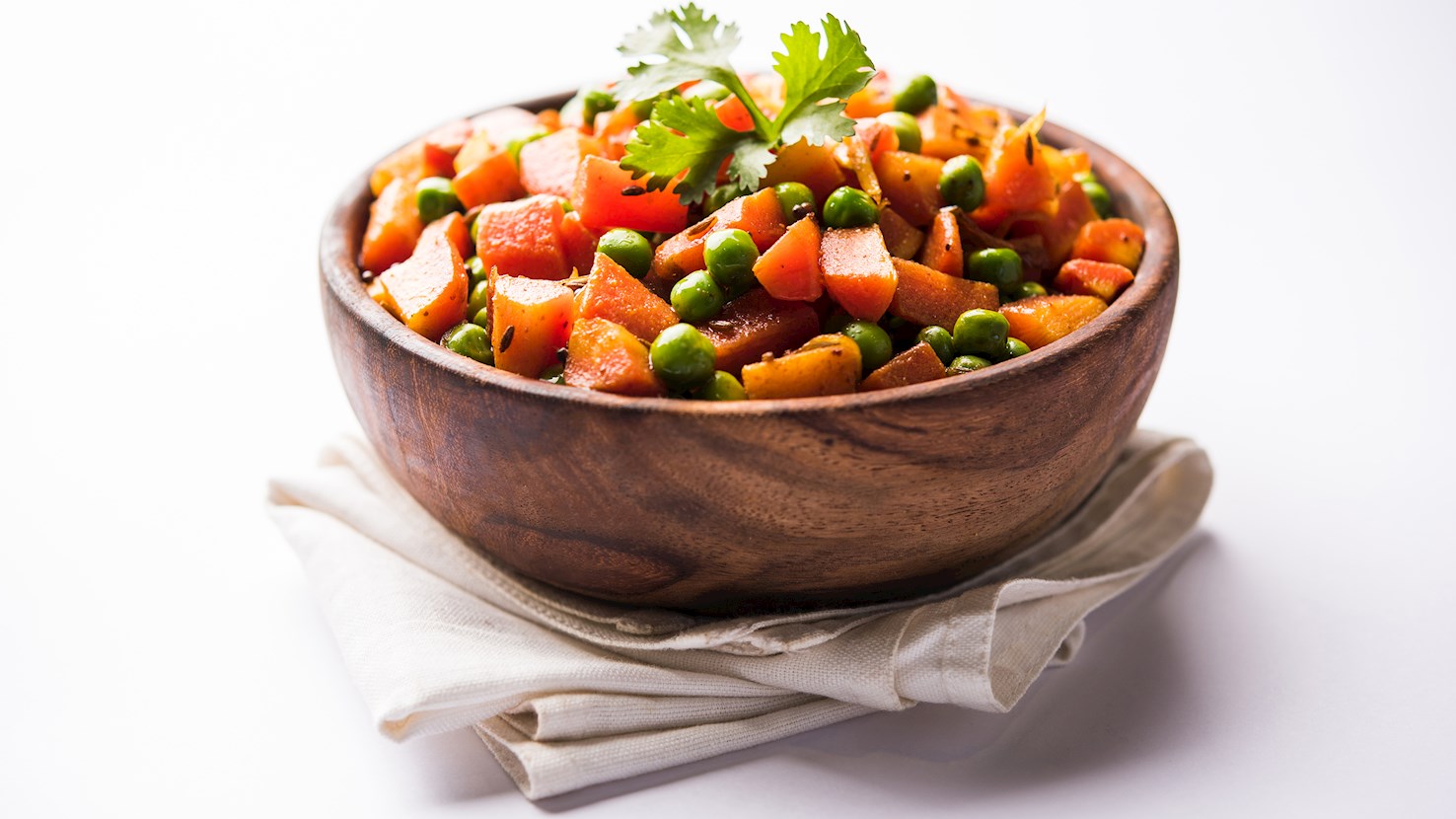
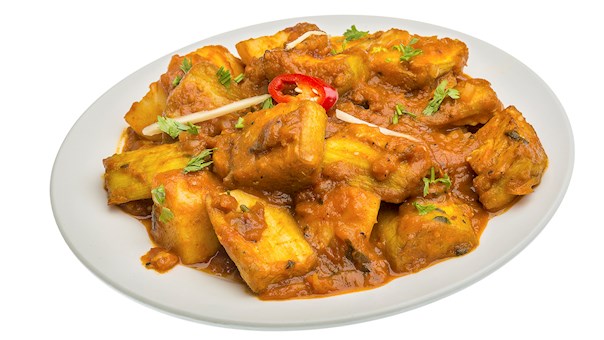
Gajar matar is a traditional vegetable-based dish originating from Punjab, where it's considered a wintertime staple. This stir-fry is usually made with a combination of peas, carrots, oil, cumin, onions, hot chili peppers, garlic, ginger, coriander, tomatoes, and salt. All of the ingredients are stir-fried, often with the addition of water, while the chopped tomatoes, peas, and carrots are added near the end of cooking. In order to finish the dish, the heat is reduced to low, the pan is covered, and the dish is cooked until the vegetables are tender. It's recommended to serve gajar matar with hot rotis on the side.
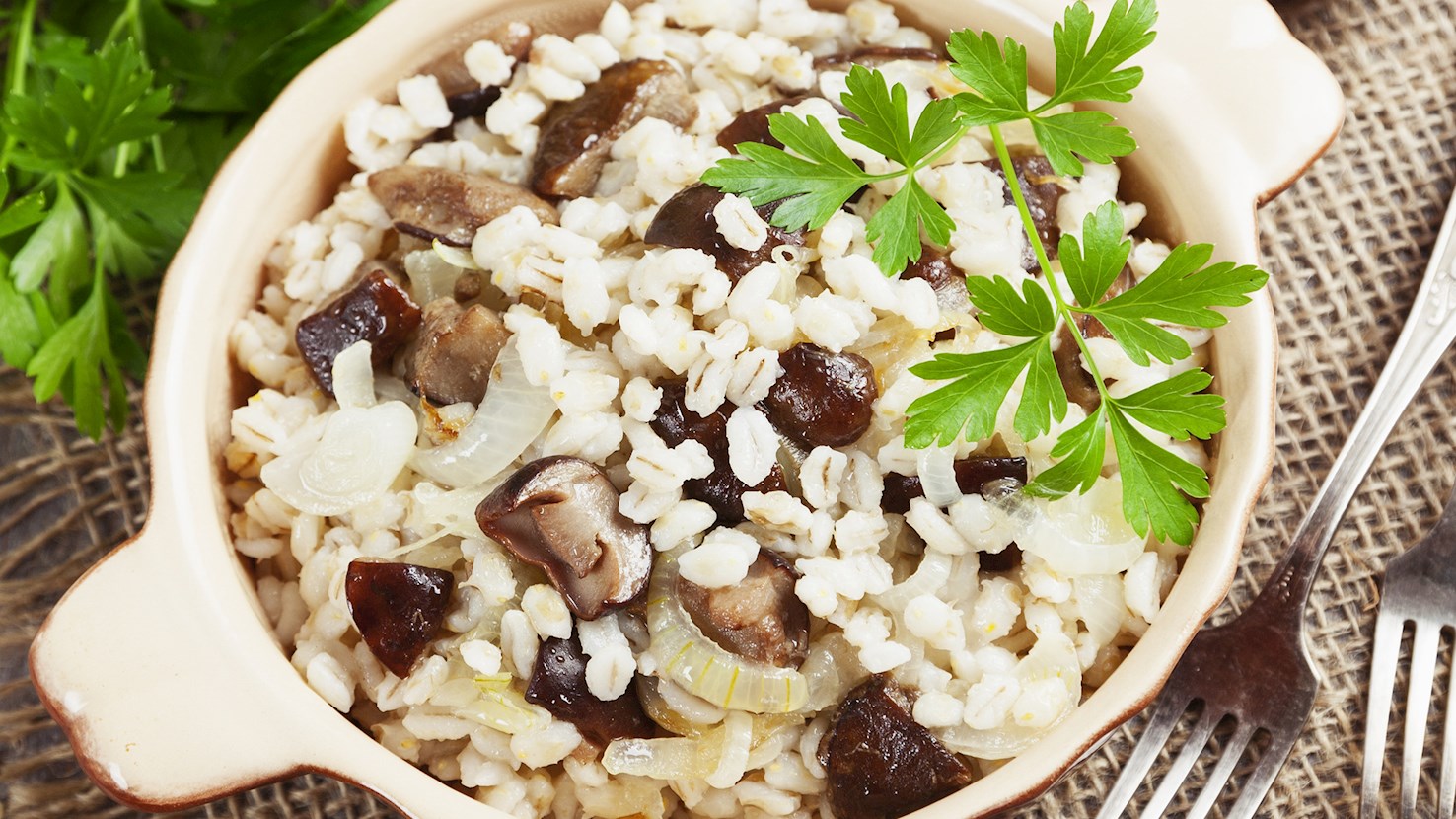
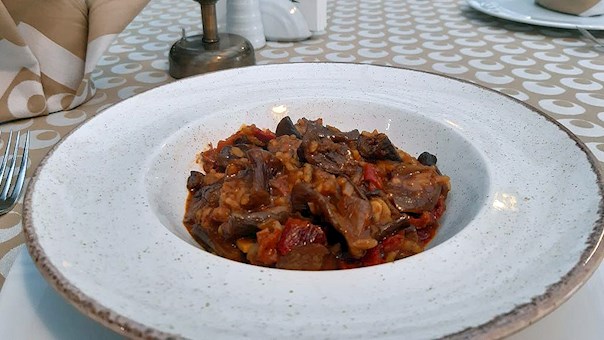
Traditionally associated with Christmastime, this Czech casserole consists of precooked barley and a combination of various dried forest mushrooms. Typically seasoned with caraway and marjoram, houbový kuba is baked until crispy and served warm. With its rustic appeal and strong, earthy flavors, this nutritious casserole is mainly enjoyed as a side dish during traditional Christmas dinners.
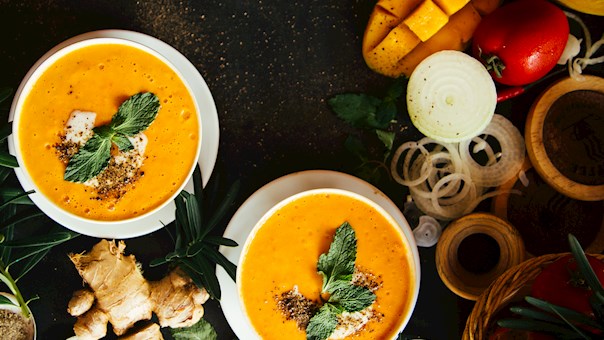
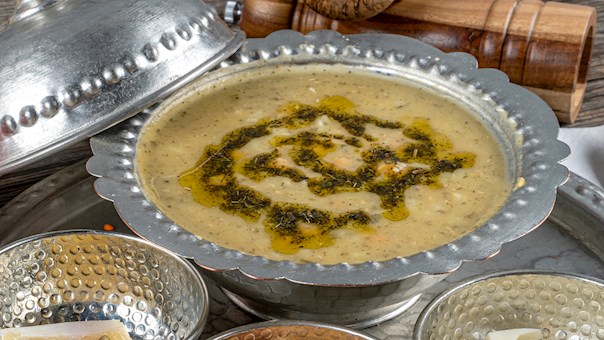
Hortosoupa is the Greek-style vegetable soup that comes in numerous versions and is easily adaptable to taste. The vegetables used in the soup are mainly seasonal, but they typically include potatoes, carrots, leeks, celery, onions, and zucchinis. Though they can be puréed, finely diced vegetables are usually left whole to give the soup its distinguishable thick consistency. The soup is traditionally served with a splash of lemon juice and bread on the side.
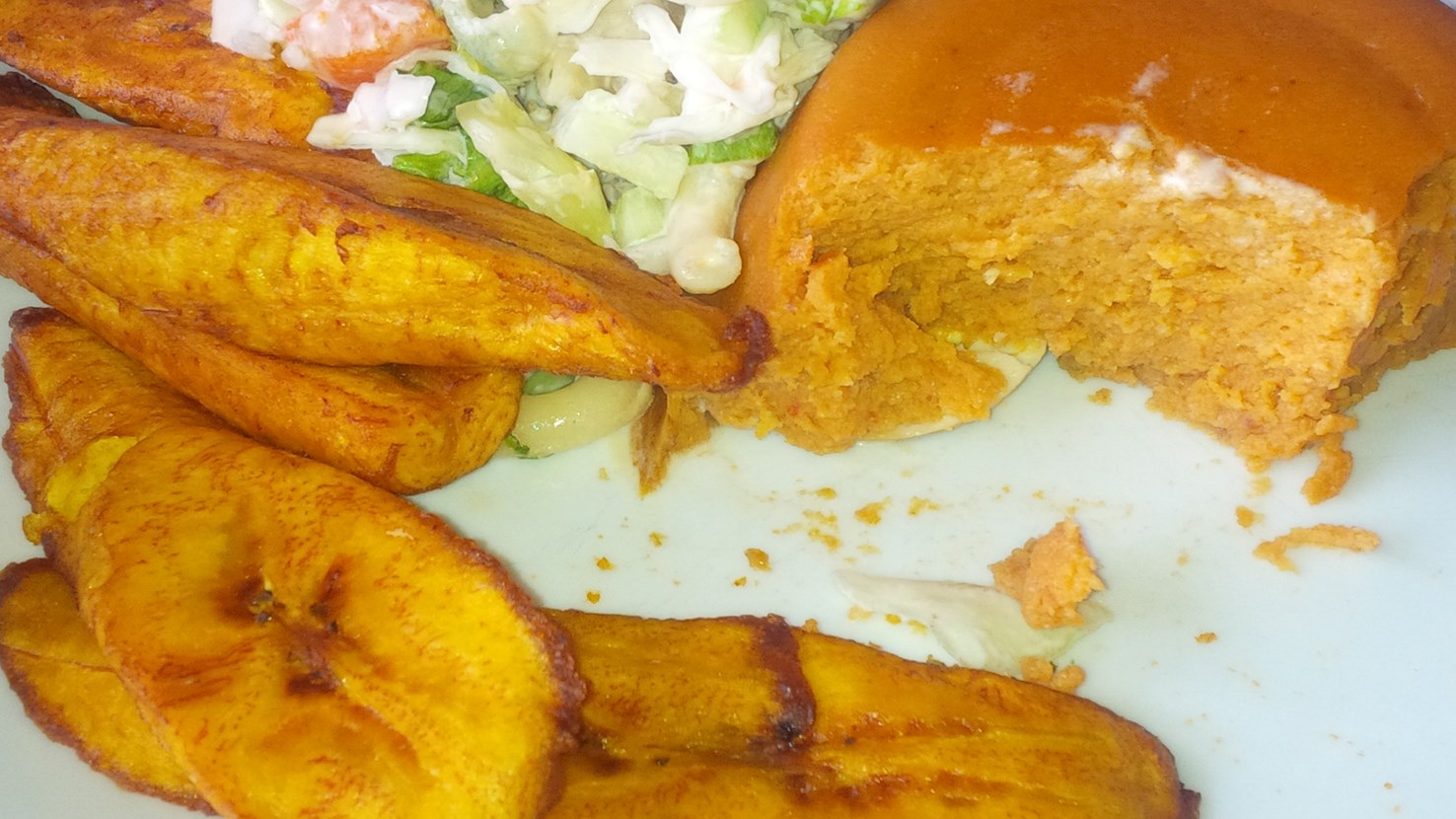
Moin moin is a savory steamed pudding made from peeled black-eyed peas or brown beans blended with peppers, onions, chilies, and seasonings. Closely associated with Yoruba food culture in West Africa, it reflects the region’s long history of growing and using cowpeas. These hardy legumes have been cultivated for thousands of years and remain an important source of protein, especially in areas where they thrive despite heat and limited rainfall. The process begins by soaking the beans until their skins soften. Rubbing them between the hands loosens the husks, which are rinsed away to leave the pale inner beans. These are blended with red bell peppers, onions, Scotch bonnet or habanero chilies, and often ground crayfish. The mixture should be smooth and light rather than thick and grainy. Red palm oil or another oil is then stirred into the stock, along with salt and additional seasonings, giving the batter a richer flavor and a softer texture. Moin moin can be kept simple or filled with several additions. Hard-boiled eggs, smoked fish, corned beef, fresh fish, shrimp, or pieces of meat may be placed inside the batter before steaming. One elaborate variation is known as moin moin elemi meje, commonly translated as “moin moin with seven lives,” a name that refers to its generous assortment of fillings. Simpler versions rely only on beans, peppers, onions, oil, and seasoning, allowing the legumes' earthy flavor to remain at the center. The batter is commonly wrapped in broad Thaumatococcus daniellii leaves, also known as uma leaves. The leaves are folded into compact parcels that hold the liquid securely while allowing steam to circulate around them. They also give the finished pudding a subtle herbal aroma that cannot be reproduced by metal tins, foil, or plastic containers. The parcels are arranged in a pot above simmering water and steamed until the batter sets into a soft but firm cake. Once unwrapped, moin moin has a smooth, moist interior and a warm orange or reddish color from the peppers and palm oil. It may be eaten on its own as a filling snack or served as part of a larger meal. Common pairings include jollof rice, fried plantains, bread, pap, or garri soaked in cold water. Its mild bean base, peppery heat, and rich fillings make it satisfying without feeling heavy.
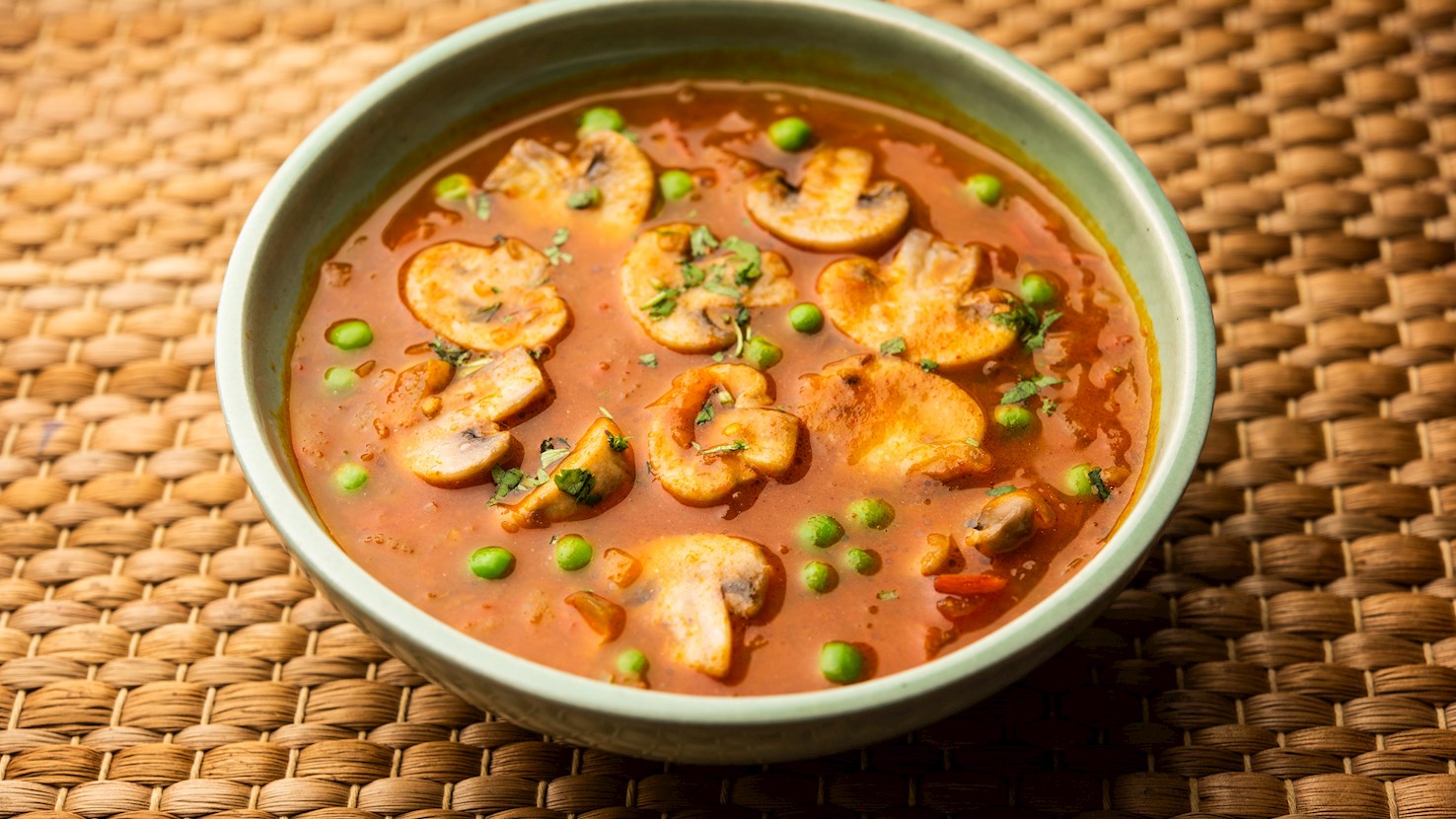
Matar mushroom is a traditional dish made with mushrooms and green peas as the main ingredients. Other ingredients include onions, tomatoes, ginger-garlic paste, green chili peppers, cumin, oil, garam masala spices, turmeric, coriander, and red chili powder. The gravy is prepared first, while the peas, mushrooms, and turmeric are added to the pot near the end of cooking. The combination is simmered until done, and the dish is often garnished with chopped coriander leaves. It’s recommended to serve this vegan dish with jeera rice and roti or chapati flatbread on the side. Matar mushroom can be prepared in two versions – dry curry or gravy, depending on personal preferences. It’s especially popular during winter, when fresh peas are in season.
TasteAtlas food rankings are based on the ratings of the TasteAtlas audience, with a series of mechanisms that recognize real users and that ignore bot,
nationalist or local patriotic ratings, and give additional value to the ratings of users that the system recognizes as knowledgeable.
For the “100 Worst Rated Vegan Dishes in the World” list until August 16, 2026, 28,392 ratings were recorded, of which 15,811 were recognized by the system as legitimate.
TasteAtlas Rankings should not be seen as the final global conclusion about food. Their purpose is to promote excellent local foods,
instill pride in traditional dishes, and arouse curiosity about dishes you haven’t tried.









What People Say