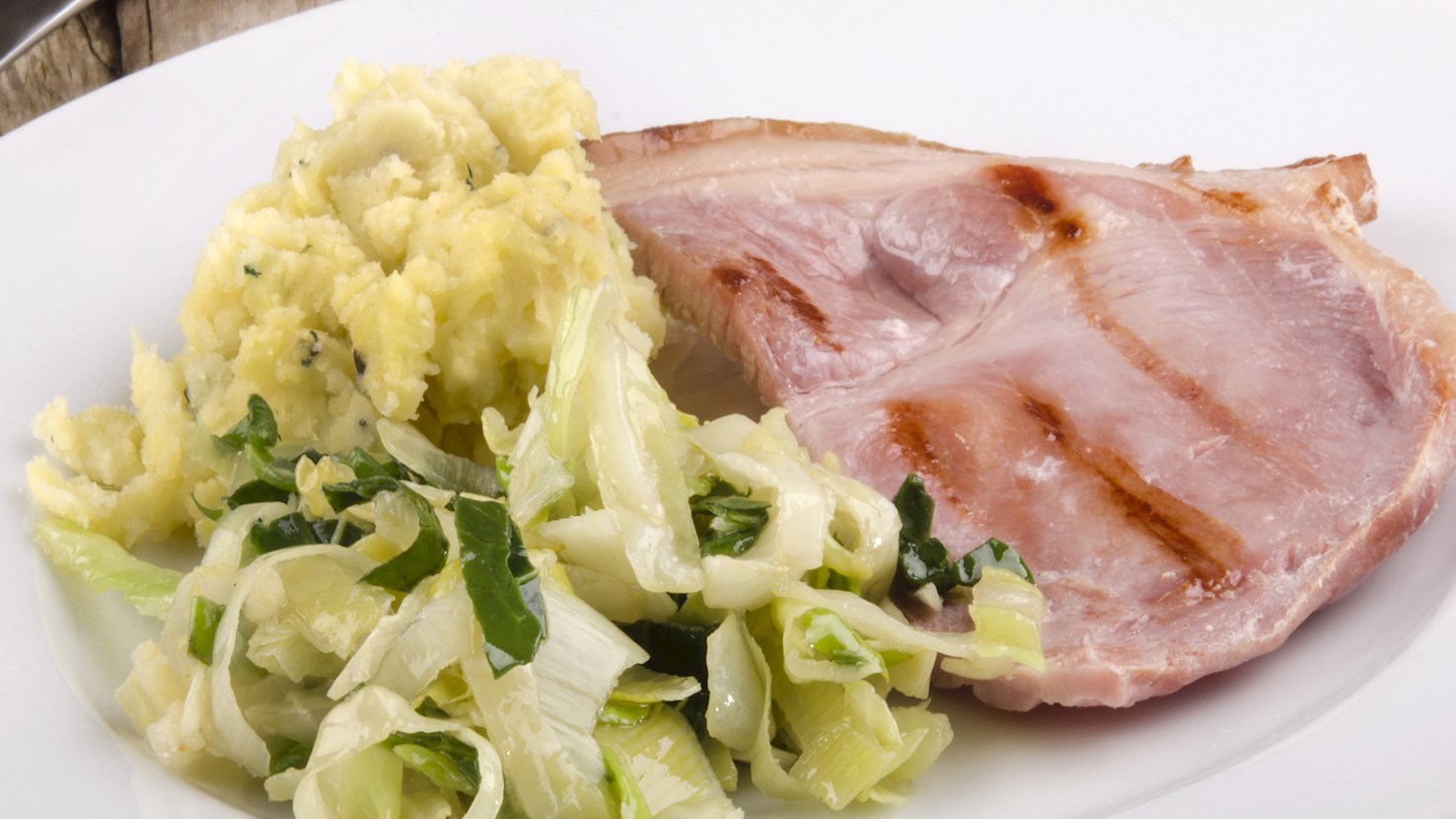
Bacon and cabbage is a classic Irish dish consisting of cured pork served with boiled cabbage and potatoes. It is rooted in the farming culture of Ireland, where pigs were a common household animal and cabbage one of the most dependable vegetables. Together with potatoes, which became central to the Irish diet after their introduction in the 16th century, these ingredients formed the basis of a hearty, filling meal that could sustain rural families through hard work and long days. The dish developed in an environment where self-sufficiency was vital, and pork was preserved through curing or salting to ensure it lasted. This curing method produced the cut of meat commonly referred to as Irish bacon, distinct from the streaky bacon more familiar elsewhere. Paired with boiled cabbage and potatoes, it created a complete meal that was both economical and nourishing. Over time, bacon and cabbage became closely associated with Irish identity and remained a staple long after the country’s diet began to modernize. Preparation begins with simmering the bacon joint gently in water, often with aromatics like onions, carrots, or bay leaves, until tender. The cabbage is then cooked in the same water, which has absorbed the flavor of the pork, giving it a savory depth. Potatoes, whether boiled or mashed, are served alongside to round out the dish. The simplicity of the cooking allows the natural flavors of each element to shine while blending together harmoniously. Today, bacon and cabbage is still enjoyed across Ireland, often considered a comfort food that reflects the country’s agrarian past. It is commonly served at family gatherings and also appears in pubs and restaurants, especially on menus that highlight Irish heritage. The dish is frequently paired with stout beers or a glass of Irish whiskey, both of which balance its rich and savory qualities.
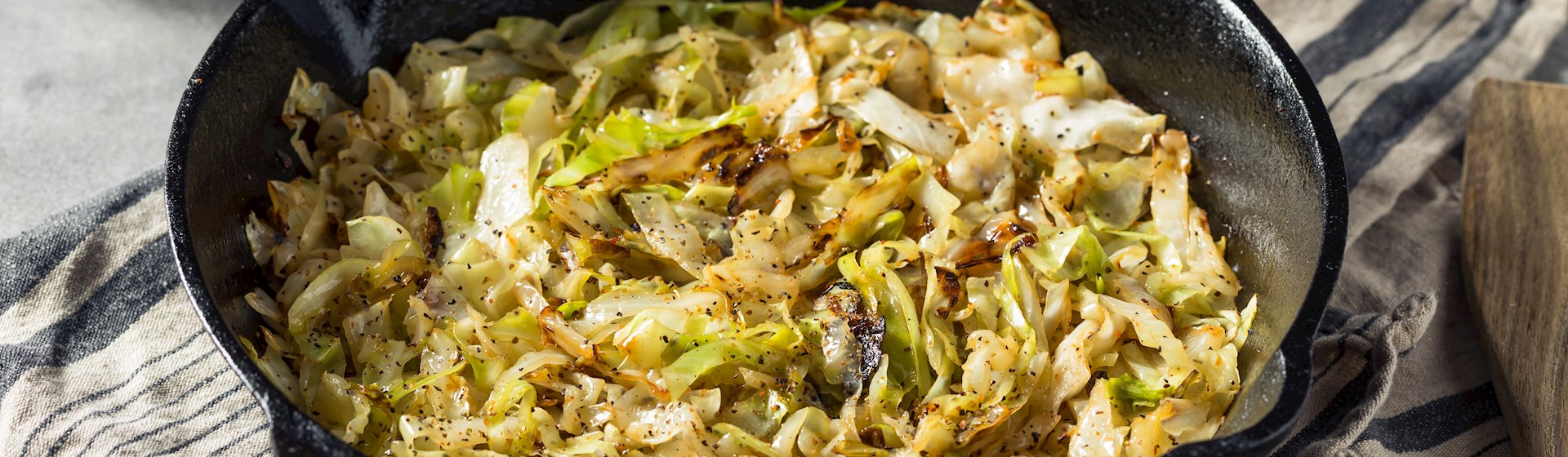
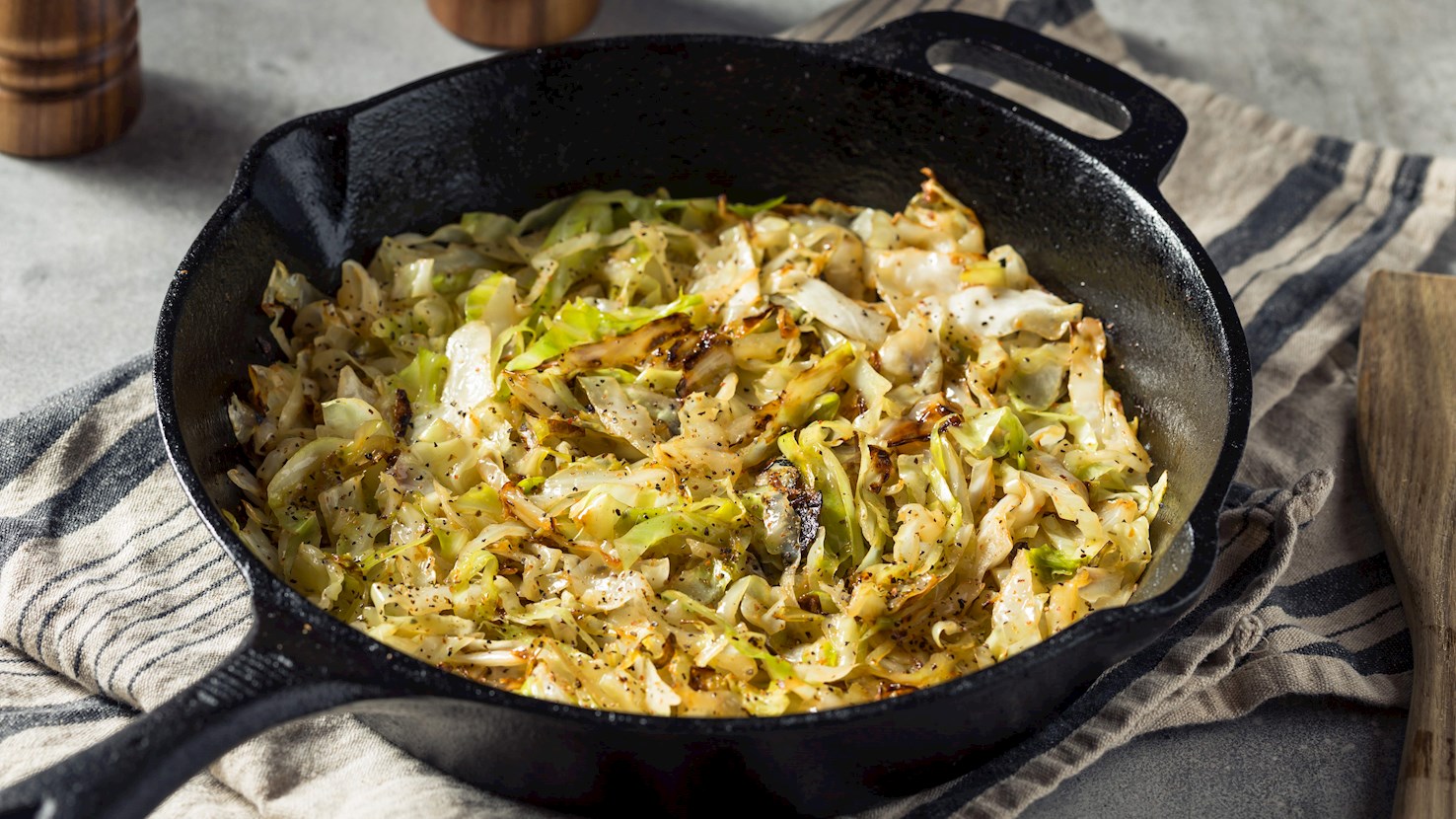
Irish buttered cabbage is a simple cooked vegetable dish consisting of boiled or steamed cabbage finished with butter and salt. It is widely eaten throughout Ireland and often served as part of a main meal, especially with pork, bacon, or corned beef. Cabbage, particularly green or Savoy varieties, grows well in Ireland’s mild, damp climate and has long been one of the most reliable crops in both rural gardens and commercial farming. Its abundance and low cost made it a staple in Irish diets, appearing frequently alongside potatoes and meat in everyday meals. The use of butter as a finishing ingredient reflects the country’s long association with dairy farming. In regions such as Cork, Kerry, and Tipperary, where butter production was historically significant, cooks commonly used it to enrich plain vegetables and grains. Cabbage prepared this way became a fixture in domestic and farm kitchens, where boiling or steaming was the preferred cooking method for preserving the vegetable’s texture and color while ensuring tenderness. The practice of combining cabbage and butter also paralleled similar dishes in northern Europe, but Irish butter’s high fat content and natural sweetness gave the dish a distinctive richness. Preparation begins with firm, green cabbage, which is trimmed, cored, and sliced into ribbons. It is then boiled or steamed in salted water until tender but not soft. After draining thoroughly, the hot cabbage is tossed in a generous amount of butter until each strand is coated and glossy. A pinch of salt and black pepper is added for seasoning, and some cooks include a small amount of chopped scallions or parsley for freshness. The result is a dish that balances softness and richness, with a mild, earthy flavor that pairs easily with meat or potatoes. The texture depends on timing; overcooked cabbage becomes limp, while precise cooking retains slight bite and color. Irish buttered cabbage is eaten throughout the country, from rural homes to restaurants offering regional fare. It pairs naturally with boiled bacon, ham, and roast pork, and also works well with poached salmon or smoked fish. Beverages that complement it include Irish stout, which balances the butter’s richness, or a dry cider, whose acidity cuts through the fat.
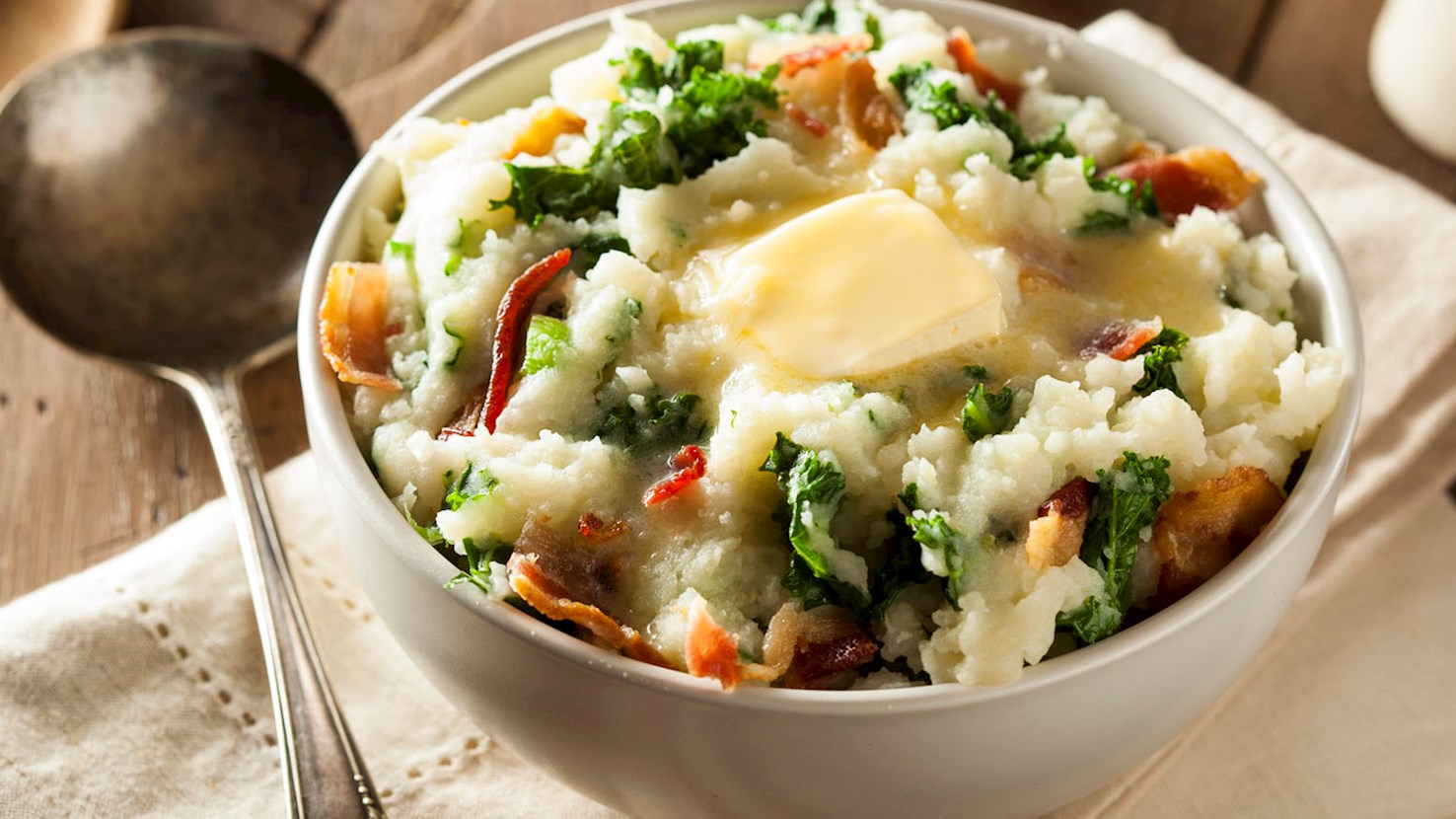
Colcannon is an Irish dish made from mashed potatoes combined with cabbage or kale, often enriched with butter, milk, and sometimes scallions. It comes from the rural cooking of Ireland, where potatoes formed the backbone of the diet for centuries and green vegetables were among the most reliable companions to the staple crop. The name itself is believed to derive from the Gaelic “cal ceannann,” meaning white-headed cabbage, which points directly to the importance of leafy greens in the dish. Potatoes became a central food in Ireland after their introduction from the Americas in the 16th century, and by the 18th century they were a staple of nearly every household. Colcannon arose naturally from the combination of potatoes with locally available greens, making it filling, nourishing, and inexpensive. It was more than everyday sustenance, though, as it also gained a place in Irish festivals. On Halloween, for example, colcannon was sometimes served with small charms or coins hidden inside, believed to foretell the fortunes of those who found them. This festive role gave the dish cultural significance beyond the table. Preparation begins with boiling potatoes until soft, mashing them with warm milk and butter to create a smooth base. Finely shredded cabbage or kale is cooked until tender, often sautéed lightly in butter to develop flavor, then folded into the mashed potatoes along with chopped scallions or leeks. The result is a balance of creamy texture with the slight bite of greens and a subtle onion sharpness. It is typically seasoned simply with salt and pepper, letting the ingredients speak for themselves. Today, colcannon is still eaten across Ireland, often as a side dish to roasted meats or stews. It pairs naturally with sausages, lamb, or corned beef, and its buttery, hearty consistency makes it especially popular in colder months. In Irish pubs and homes, it is equally at home as comfort food or as part of festive holiday meals. The dish has also traveled abroad with the Irish diaspora, appearing in Irish-American cooking and being celebrated on St. Patrick’s Day tables around the world.
TasteAtlas food rankings are based on the ratings of the TasteAtlas audience, with a series of mechanisms that recognize real users and that ignore bot,
nationalist or local patriotic ratings, and give additional value to the ratings of users that the system recognizes as knowledgeable.
For the “3 Worst Rated Irish Vegetable Dishes” list until May 21, 2026, 99 ratings were recorded, of which 92 were recognized by the system as legitimate.
TasteAtlas Rankings should not be seen as the final global conclusion about food. Their purpose is to promote excellent local foods,
instill pride in traditional dishes, and arouse curiosity about dishes you haven’t tried.