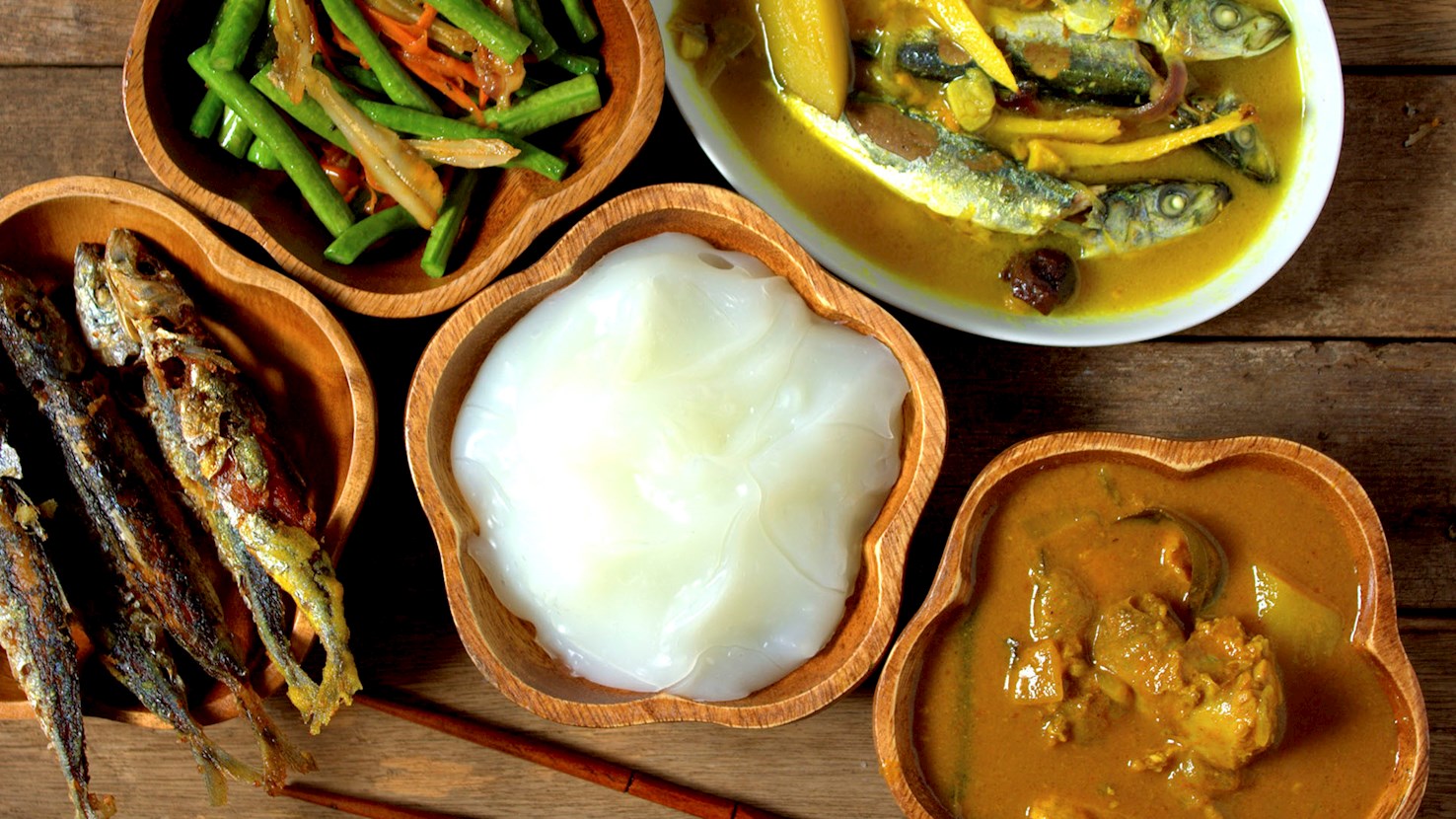
Ambuyat is the extremely sticky national dish of Brunei, made with sago palm tree starch that gets cooked into a substance similar to glue. It is typically eaten for lunch with a fermented sour sauce and a variety of vegetables on the side. Ambuyat is traditionally prepared for special occasions where it serves as a substitute for rice. Locals eat it with a double pronged bamboo stick known as chandas and the best way to eat Ambuyat is by twirling it around the stick, then dipping it into a sauce and swallowing it instead of chewing. Ambuyat may be accompanied by a variety of side dishes, dips, and sauces due to its blandness (a minimum of three main and side dishes), and some say it tastes like "nothing at all." The most popular dips are binjai, made from a local sour fruit, and tempoyak, made with the (in)famous durian fruit. The dish can also be served with meat. Being a must-try delicacy, this iconic dish with a unique texture is not to be missed.
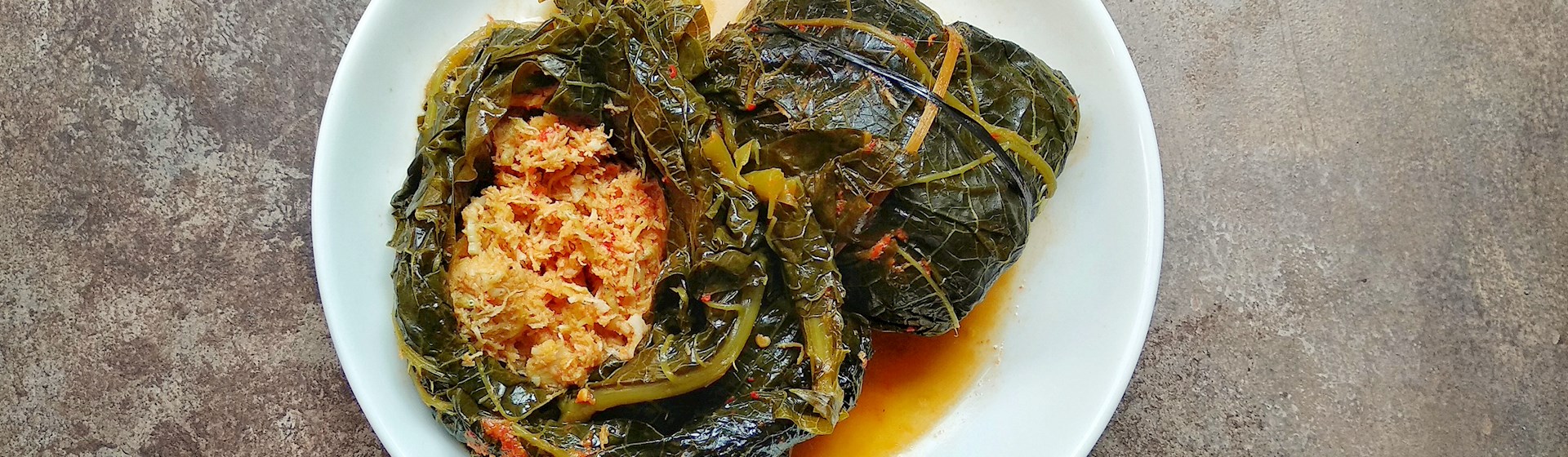
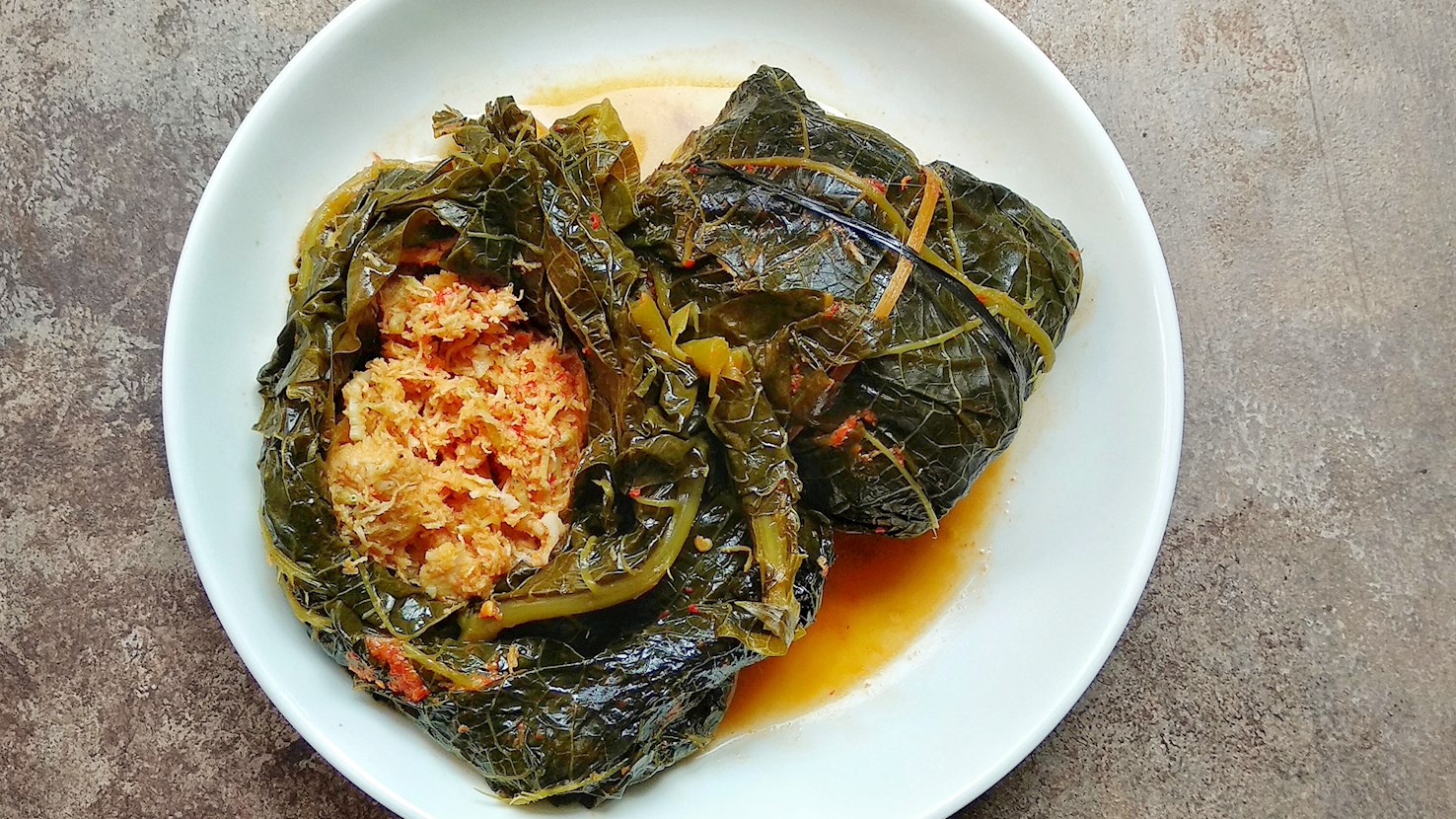
Buntil is a savory Indonesian dish originating from Central Java, that features grated coconut meat mixed with anchovies or dried shrimp, chilies, shallots, and a medley of spices, all tightly wrapped in leaves (typically cassava, papaya, or taro) and then slowly simmered in a rich, spiced coconut milk broth until tender and deeply infused with flavor. This dish is widely associated with home-style cooking in Javanese households, often appearing at communal feasts or during the fasting month of Ramadan, where it is served as part of the evening meal to break the fast. Buntil’s appeal lies in its layered textures and the way it transforms modest ingredients into a dish that feels both hearty and refined. The leaves, once fibrous and raw, become soft and succulent through slow simmering, while the filling takes on a buttery yet structured consistency. While buntil is most often encountered in Javanese kitchens and local warungs, its reputation has spread across the archipelago, appreciated for both its comforting familiarity and its subtle sophistication.
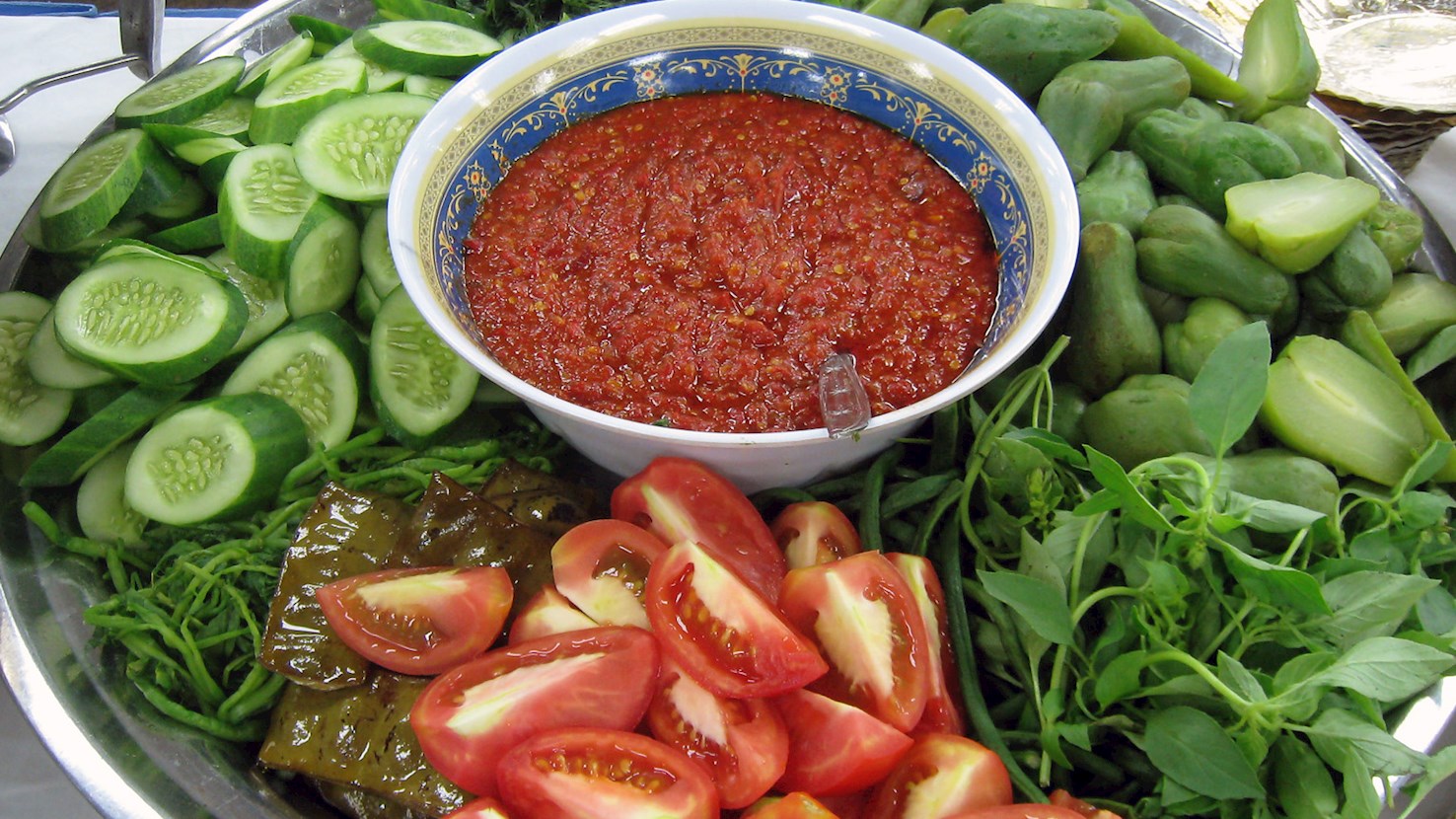
Lalap is a raw vegetable dish from Indonesia, particularly associated with Sundanese cuisine of West Java. It consists of assorted uncooked or lightly blanched vegetables served alongside sambal, a spicy chili-based condiment. Lalap is commonly eaten as part of daily meals, especially in West Javanese households, and is often paired with fried or grilled proteins such as chicken, fish, or tempeh. Its function on the plate is to provide freshness, texture, and contrast to heavier or oily components of the meal. The typical vegetables used in lalap include cucumber, long beans, basil leaves (kemangi), cabbage, lettuce, and sometimes eggplant, tomatoes, or young cassava leaves. Some vegetables are served raw for crispness, while others may be briefly blanched to soften their texture or reduce bitterness. The selection depends on regional availability, seasonal produce, and personal preference. There is no fixed combination, and the emphasis is placed on freshness and balance. Lalap is always served with sambal, most commonly sambal terasi, which contains chili, shrimp paste, lime juice, and a small amount of sugar and salt. The sambal provides the central flavor element of the dish, while the vegetables function more as a neutral base to carry the spiciness. In Sundanese meals, lalap and sambal are considered essential components, and the quality of sambal is often seen as a marker of the cook’s skill. The dish reflects the Sundanese culinary philosophy, which emphasizes raw and lightly cooked foods, balanced flavors, and minimal use of heavy sauces. It also serves a practical purpose by offering a quick, low-cost way to include vegetables in daily meals without complex preparation. Despite its simplicity, lalap holds an important place in Indonesian food culture, especially in the western part of Java where it is consumed regularly and often made from ingredients grown in household gardens.
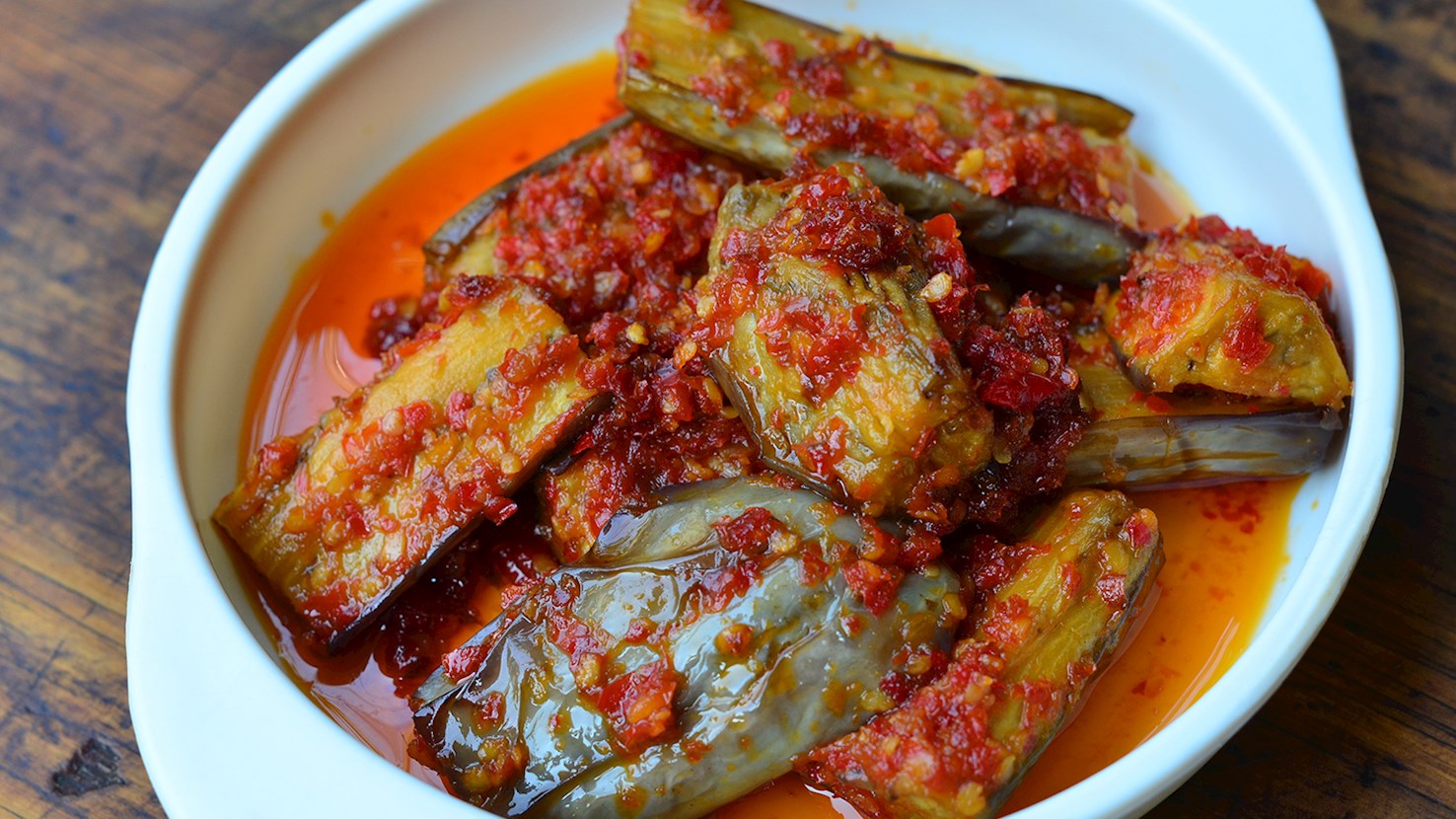
Terong balado is an Indonesian eggplant dish originating from West Sumatra, particularly within the Minangkabau culinary tradition, which is known for its bold use of spices and chili-based preparations. The dish consists of fried eggplant slices coated in a spicy red chili sambal, and it is typically served as a side dish in a larger meal alongside rice and other protein-based components. The term terong means eggplant in Indonesian, while balado refers to a style of cooking involving sautéing ingredients in a red chili paste made from a blend of chilies, shallots, garlic, tomatoes, and sometimes lime juice or kaffir lime leaves. The eggplant used in terong balado is usually of the long, slender Asian variety, though other types may be used depending on availability. It is commonly sliced lengthwise or into rounds, then deep-fried or pan-fried until soft and slightly browned. This process gives the eggplant a tender interior and a surface that can absorb the sambal effectively. The chili paste is made separately by grinding or blending fresh red chilies, shallots, garlic, and tomato into a coarse mixture, which is then sautéed in oil until fragrant and slightly reduced. The fried eggplant is then added to the sambal and gently stirred until coated. Terong balado is widely served in rumah makan Padang (Padang restaurants), where it is one of many dishes offered in the typical spread of Minang cuisine. It stands out for its simplicity, rich color, and assertive flavor profile, combining heat from the chilies, sweetness from the tomato, and a mild smokiness from the fried eggplant. The dish is commonly eaten with steamed rice and may accompany more complex main dishes such as rendang or ayam pop, balancing the richness of those items with its spiciness and soft texture.
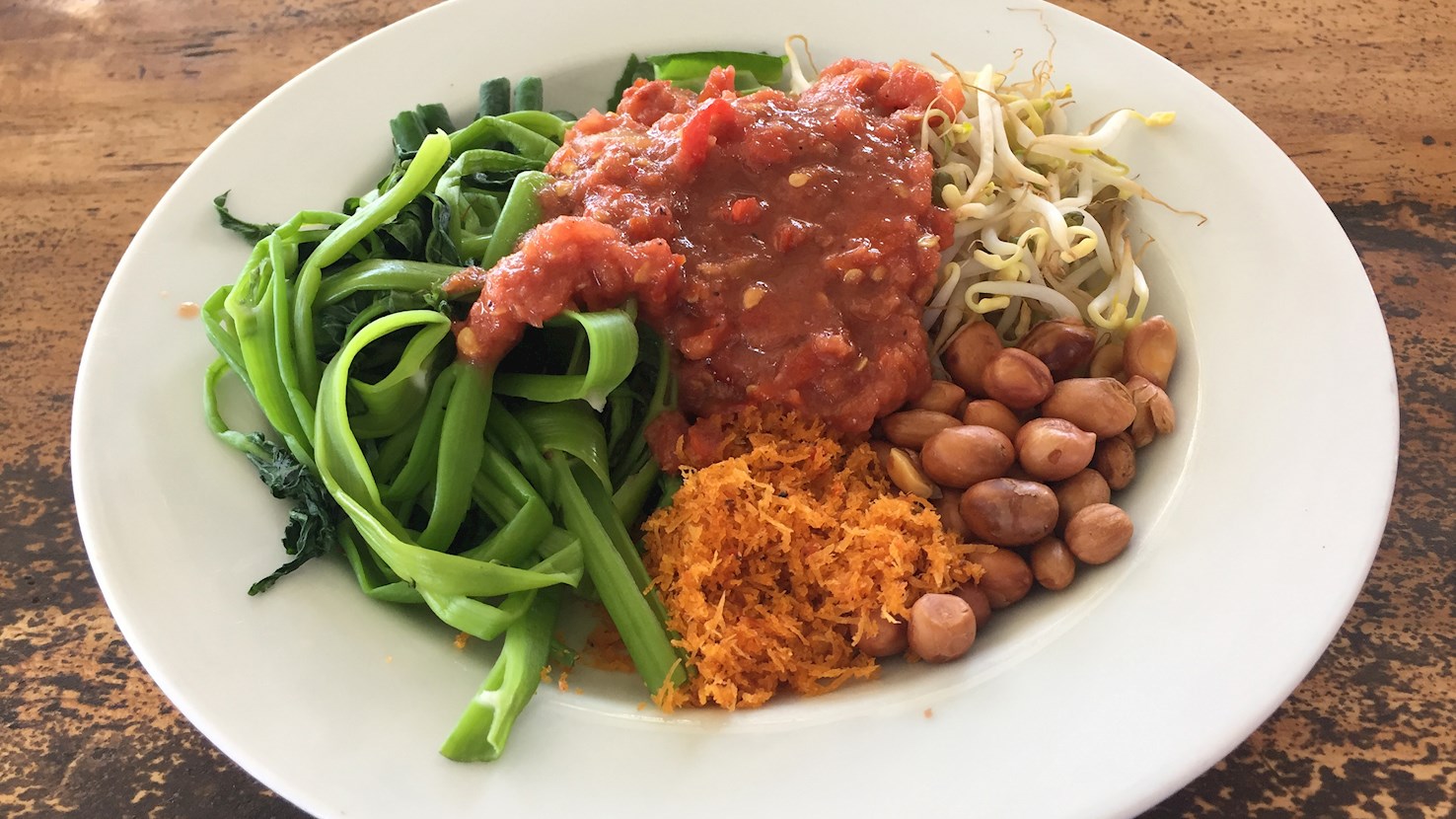
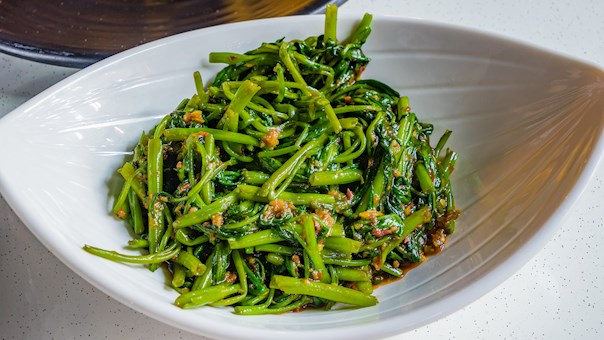
Plecing kangkung is a vegetable dish from the island of Lombok in Indonesia, known for its use of blanched water spinach served with a distinctive spicy sambal. It is a signature component of Sasak cuisine, which is the culinary tradition of the island’s native Sasak people. Though water spinach, or kangkung, is a common vegetable across Southeast Asia, the Lombok version stands out due to the specific preparation of the chili-based sauce that defines the dish. The dish begins with fresh kangkung, which is typically blanched just until tender but still vibrant and slightly crisp. The vegetable is then drained and arranged simply, often as a bed for the sauce. What sets plecing kangkung apart is the sambal that accompanies it. This sauce is typically made by grinding together fresh red chilies, shallots, garlic, salt, and a touch of shrimp paste (terasi), then mixing it with lime juice and, often, grated coconut or tomato. The result is a bright, spicy, and tangy condiment that complements the earthiness of the greens and reflects the bold flavor profile associated with Lombok, which is known for its affinity for heat and spice. Plecing kangkung is often served as a side dish alongside grilled chicken (ayam taliwang), fried fish, rice, and other elements of a complete Sasak meal. It is especially popular during communal meals or festive occasions, but it is also widely available at local warungs and food stalls. The simplicity of the base vegetable contrasts with the complexity and intensity of the sambal, a balance that reflects regional preferences in flavor and preparation.
This simple vegetarian dish hails from East Timor. It is prepared with a combination of diced squash, mung beans, and corn that are sautéed alongside onions and garlic. The dish is merely seasoned with salt and pepper and is traditionally enjoyed as a main course, usually accompanied by rice, but it also makes an excellent side when paired with meat or fish dishes.
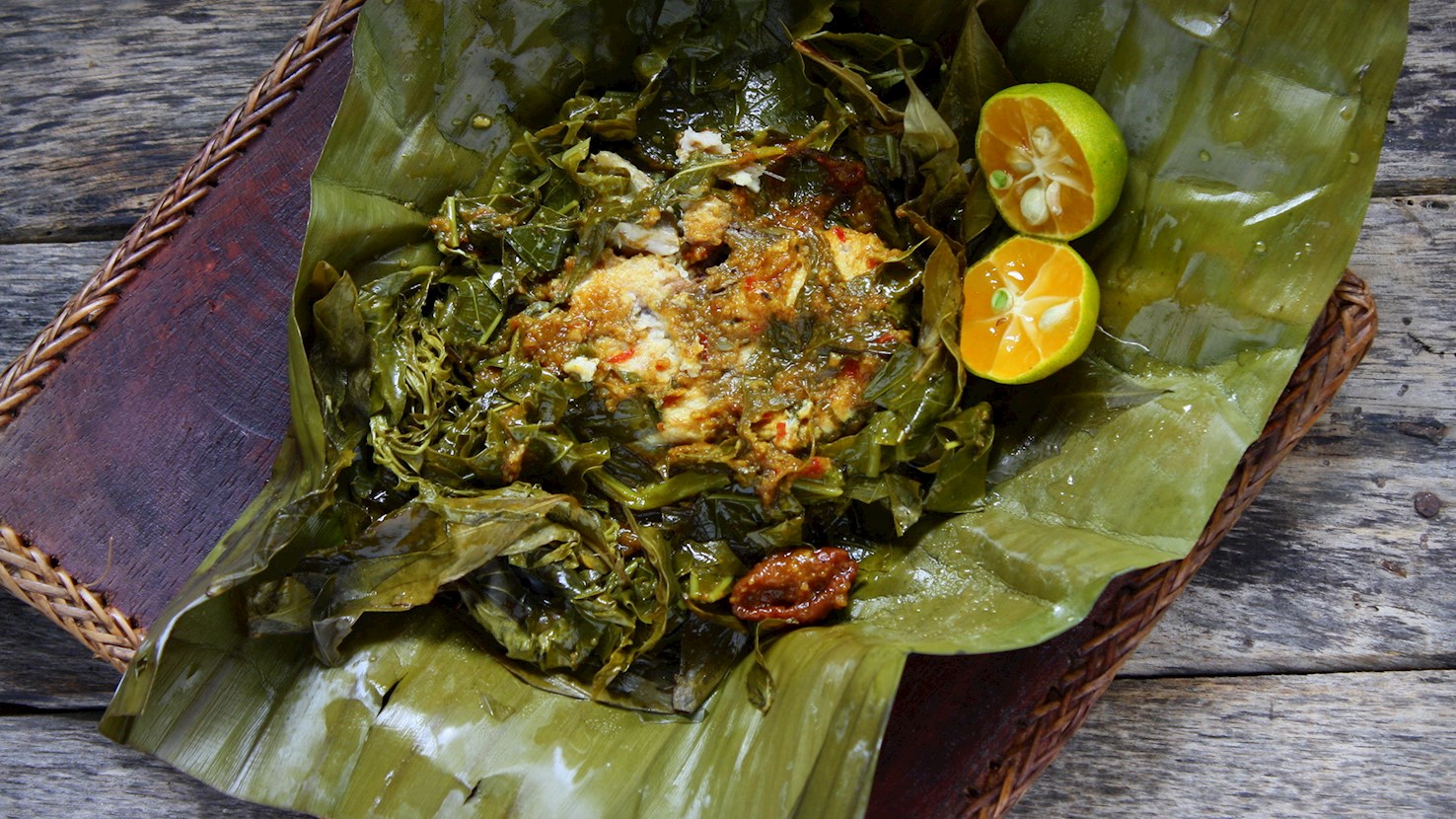
Botok is Javanese dish made from a mixture of grated coconut and various ingredients, wrapped in banana leaves and steamed until aromatic and tender. The heart of botok lies in the grated coconut flesh, usually the by-product of making coconut milk, which is then mixed with a medley of aromatic spices such as shallots, garlic, chilies, galangal, lemongrass, and turmeric, and seasoned with salt, bay leaves, and sometimes shrimp paste (terasi). This spiced coconut base acts as a flavorful carrier for a variety of proteins or vegetables. Traditional versions of botok include fillings like tempeh, tofu, anchovies (teri), salted fish, mushrooms, or even local herbs and edible flowers, depending on what is available or in season. Once the filling is combined, it is wrapped in banana leaves to form small, tight parcels, which are then steamed. This cooking method not only keeps the ingredients moist and tender but also infuses the dish with the subtle, vegetal aroma of banana leaves, adding a layer of authenticity and depth to the overall flavor. The result is a dish that is soft, richly spiced, and slightly sweet-savory, with a texture that is both crumbly and juicy from the coconut. Botok is typically served as part of a larger rice meal, often alongside steamed rice, sambal, and fried tempeh or tofu. Over time, more elaborate versions of botok have emerged, using ingredients like prawns, eels, or even minced meat, though its soul remains firmly tied to its humble, plant-based origins. Today, botok is enjoyed not just in rural kitchens but also in traditional food stalls and modern Indonesian restaurants that celebrate heritage cuisine.
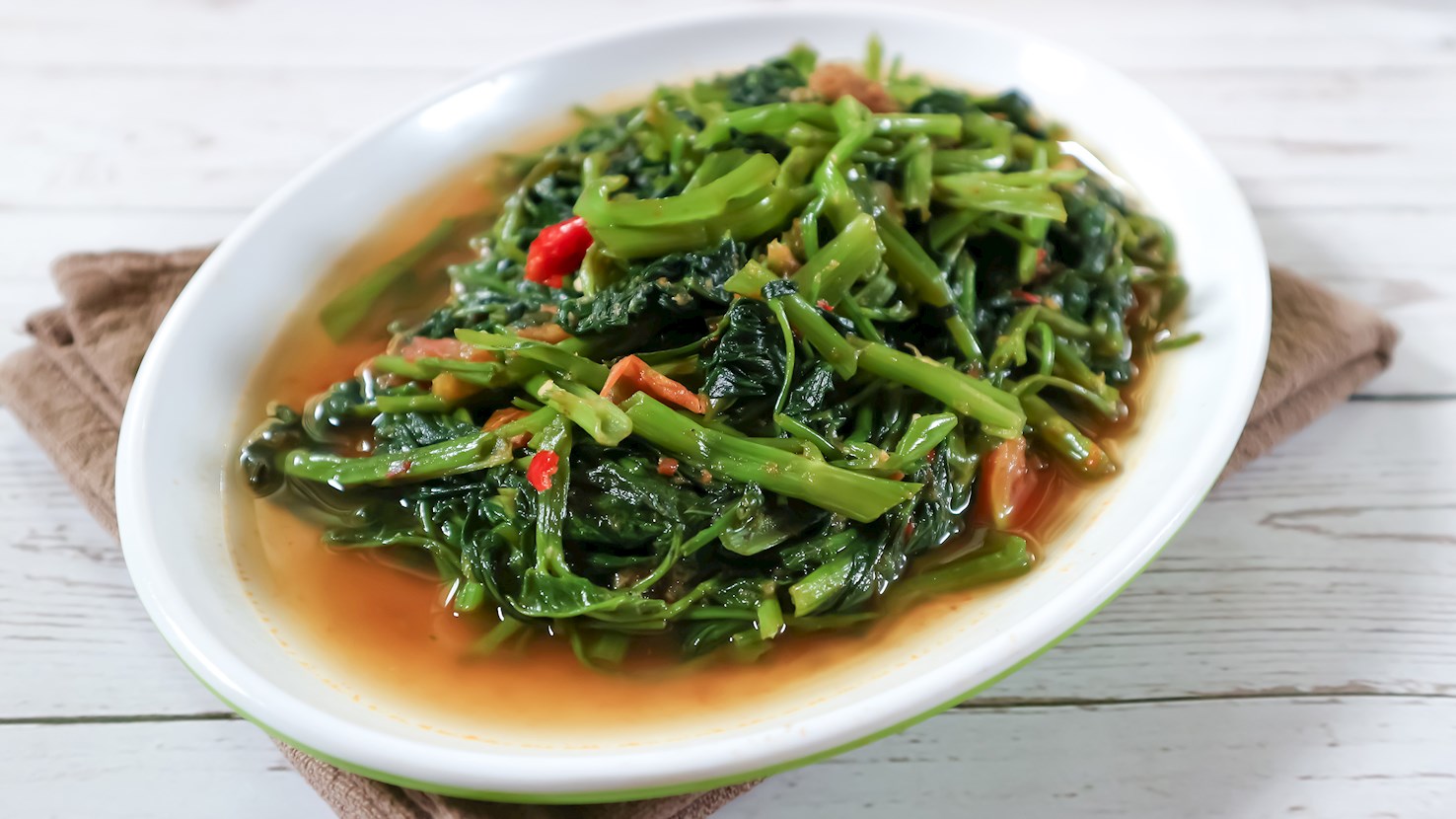
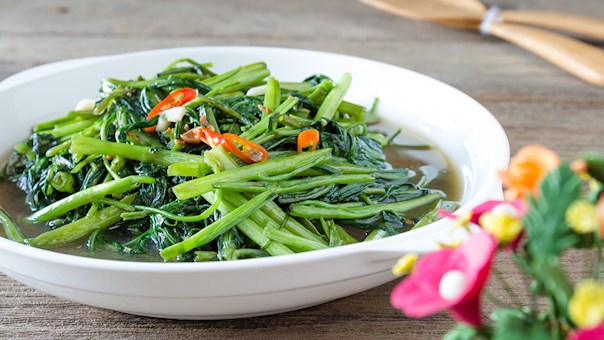
Tumis kangkung is one of the quintessential dishes of everyday Indonesian cooking, a deceptively simple stir-fry of water spinach that delivers far more flavor than its humble ingredients might suggest. Kangkung, also known as water spinach or morning glory, grows abundantly in the humid tropical lowlands of Indonesia, often along rice paddies and riverbanks. Its hollow stems and tender leaves make it an ideal canvas for bold flavors, and in the case of tumis kangkung, those flavors come in the form of garlic, shallots, bird’s eye chilies, and the all-important terasi, a fermented shrimp paste that infuses the dish with a deep, savory backbone. Cooked over high heat in a wok or skillet, the ingredients come together in minutes: first the aromatics sizzling in oil until fragrant, then the chopped greens tossed in quickly so they wilt and soften while retaining their vibrant color and snappy stems. The result is a dish that is spicy, pungent, and slightly sweet, with a balance of textures that keeps every bite interesting. Unlike the milder stir-fried greens of neighboring cuisines, tumis kangkung embraces the assertiveness of Indonesian flavor. The use of terasi sets it apart, providing a layer of umami that is earthy and complex without being overpowering when handled with care. Some cooks add a splash of kecap manis, Indonesia’s sweet soy sauce, to round out the heat with a caramel-like sweetness, while others prefer to keep it lean and hot, allowing the vegetable’s natural earthiness to come through. It is rarely eaten on its own; instead, it plays the supporting role in a typical Indonesian meal, served with rice and proteins like fried tempeh, grilled fish, or spicy chicken. Found in warungs, street stalls, and family kitchens across the archipelago, tumis kangkung is a culinary equalizer, enjoyed by all classes and cooked with nearly the same method from city to village.
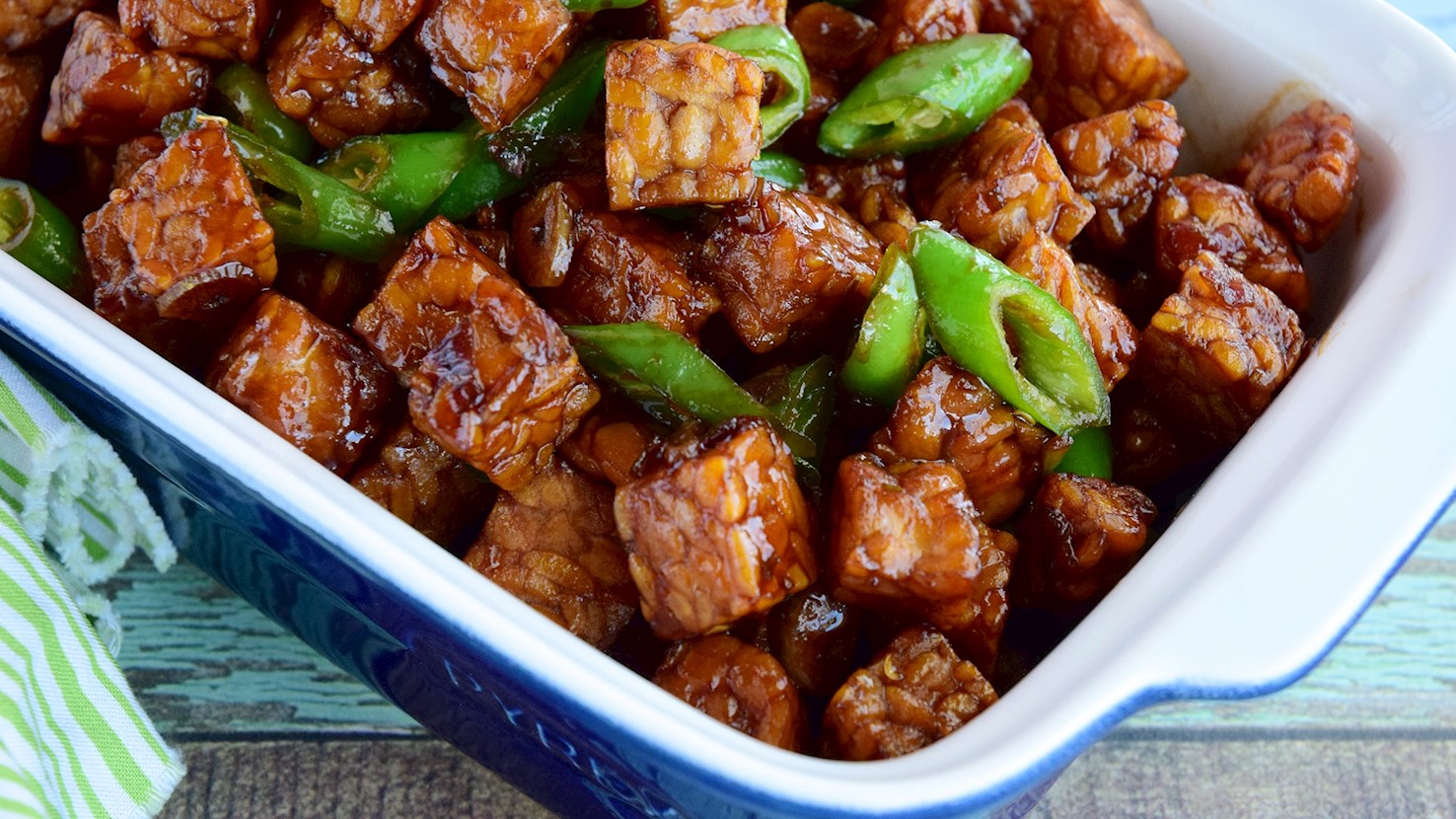
Tempe orek is an Indonesian stir-fry dish made with tempe, a traditional fermented soybean cake that originated in Java. In tempe orek, tempe is typically sliced into small matchsticks or cubes and then fried until golden, giving it a satisfying chew and slightly crispy edges. The fried tempeh is then tossed in a rich caramelized sauce made from a combination of kecap manis (Indonesian sweet soy sauce), garlic, shallots, and chilies, sometimes enhanced with bay leaves, galangal, or a touch of tamarind for added complexity. The result is a glossy, aromatic dish that balances sweetness, saltiness, and mild heat—flavors that are quintessential to Javanese cooking. Tempe orek is commonly served as a side dish alongside steamed rice, vegetables, and other main courses, often as part of a larger nasi rames or nasi campur spread. In some homes, it is made dry and stir-fried until the sauce clings tightly to the tempe, making it suitable for travel or packed lunches; in others, it’s prepared with a bit more sauce, ideal for soaking into warm rice.
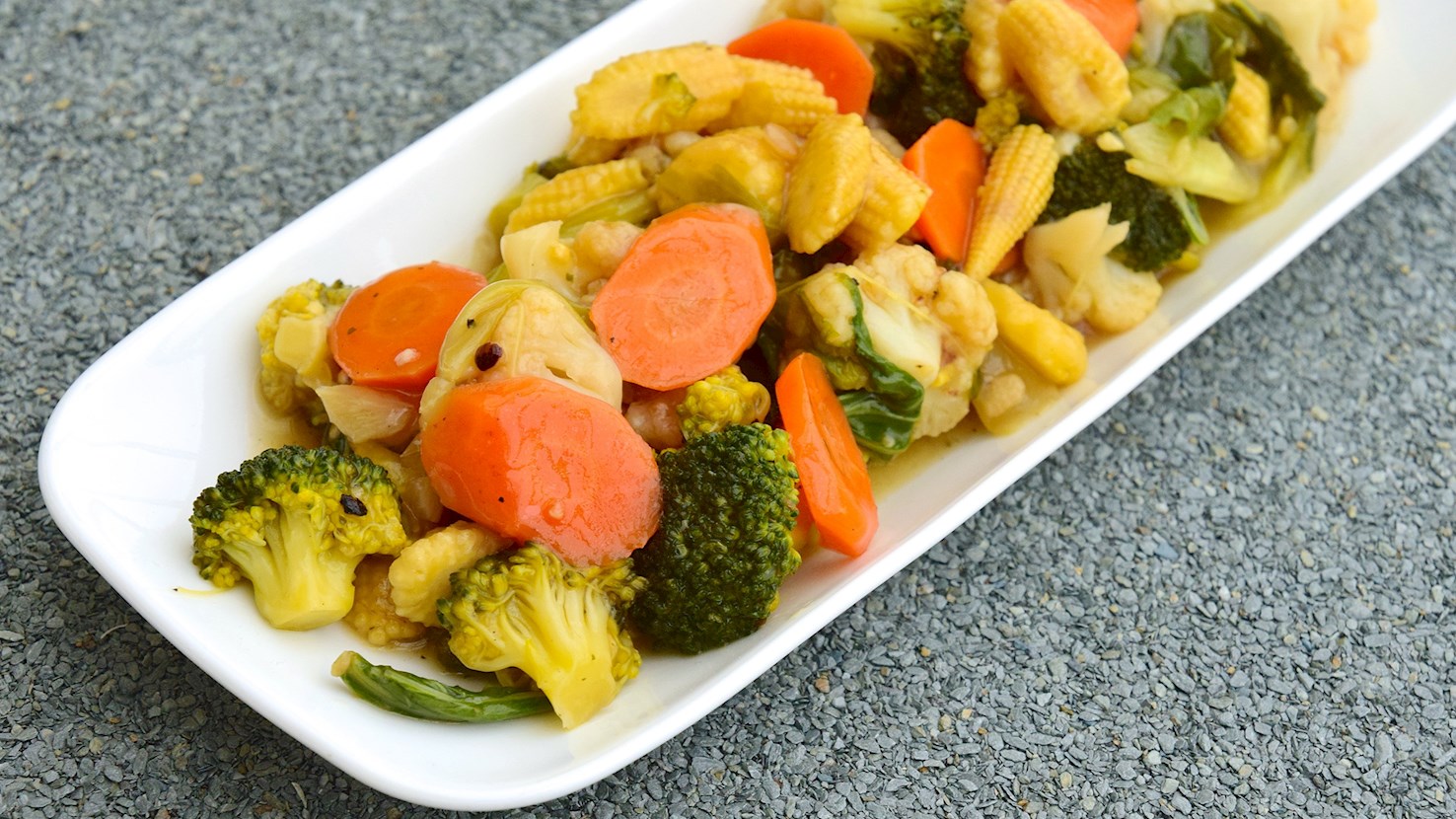
Cap cai (also spelled cap cay) is a popular Indonesian-Chinese stir-fry dish featuring a colorful medley of mixed vegetables, sometimes combined with meat, shrimp, or tofu, all cooked in a savory garlic-based sauce. The name comes from Hokkien Chinese, where cap means "ten" and cai means "vegetables" — though the number of vegetables used is flexible and symbolic rather than literal. Cap cai originated from Chinese immigrants in Indonesia and has since become a beloved household dish, especially known for its versatility, affordability, and balance of flavors. The vegetable mix often includes carrots, cabbage, cauliflower, baby corn, mushrooms, and Chinese greens, stir-fried quickly to retain their crunch and color. Protein additions like chicken, prawn, or meatballs are common, especially in the cap cai kuah (with broth) version, which has a light, soupy sauce. The dry version (cap cai goreng) has a thicker, richer glaze. The seasoning is typically a blend of garlic, oyster sauce, soy sauce, a touch of sesame oil, and sometimes chicken stock or cornstarch slurry for body, and the dish is served with steamed rice or as part of a larger meal.
TasteAtlas food rankings are based on the ratings of the TasteAtlas audience, with a series of mechanisms that recognize real users and that ignore bot,
nationalist or local patriotic ratings, and give additional value to the ratings of users that the system recognizes as knowledgeable.
For the “12 Worst Rated Southeast Asian Vegetable Dishes” list until June 16, 2026, 361 ratings were recorded, of which 271 were recognized by the system as legitimate.
TasteAtlas Rankings should not be seen as the final global conclusion about food. Their purpose is to promote excellent local foods,
instill pride in traditional dishes, and arouse curiosity about dishes you haven’t tried.