

6 Worst Rated Spanish Vegetable Soups

Last updated on May 21, 2026
01

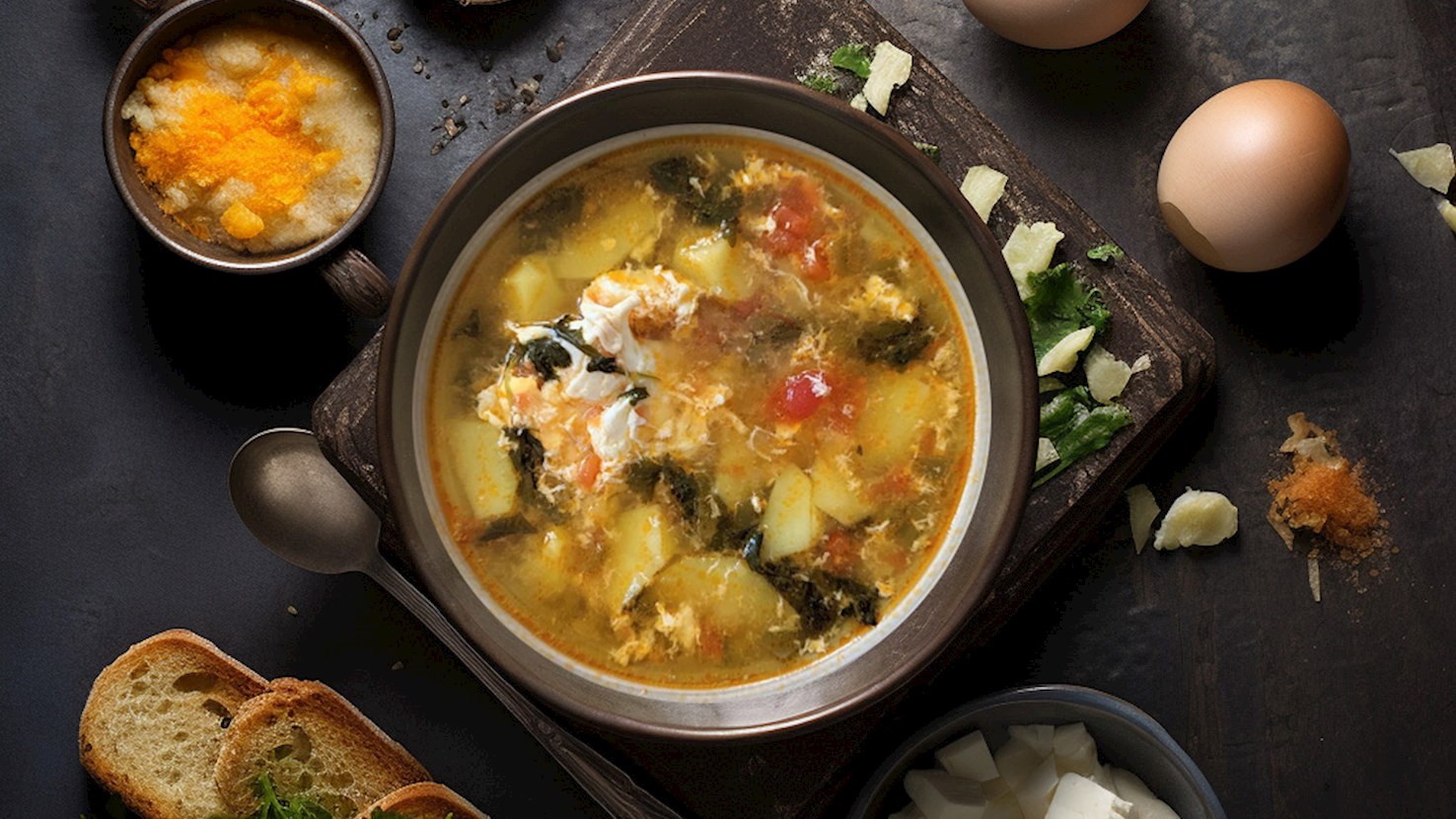
Caldo de papas

2.5 ·

Caldo de papas is a hearty soup hailing from the Canary Islands. It is made with a combination of onions, potatoes, tomatoes, bell peppers, cilantro, saffron, and eggs. The soup is slowly simmered until the potatoes are fully cooked, and it is then finished by cracking a few raw eggs into the pot. The final result is a starchy and thick soup which should, ideally, be served in warmed bowls.

02

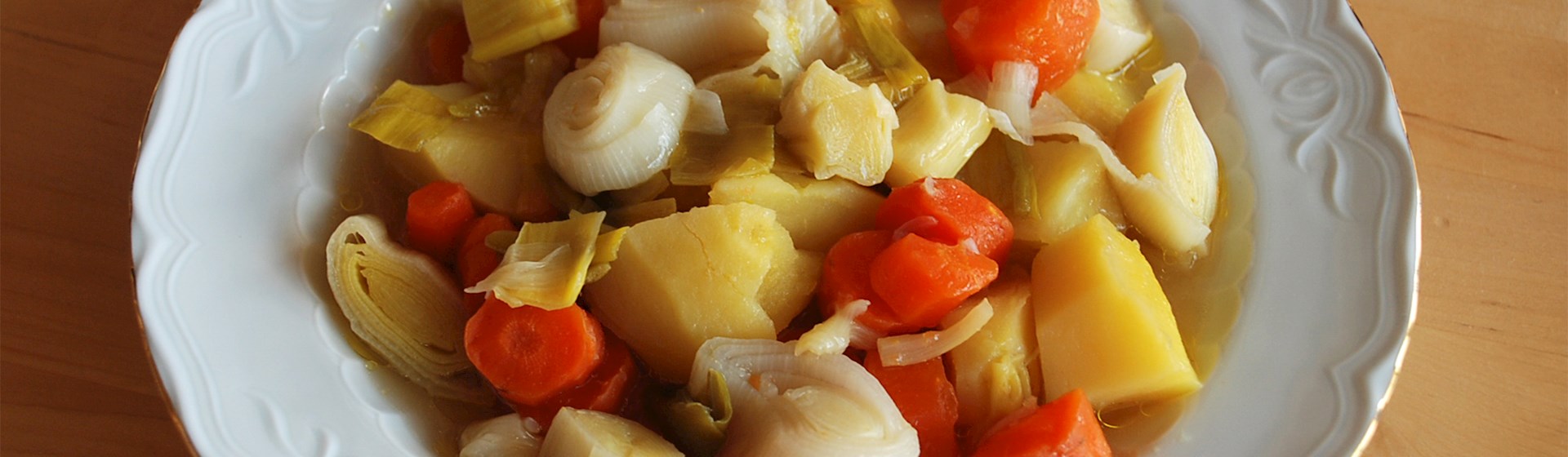
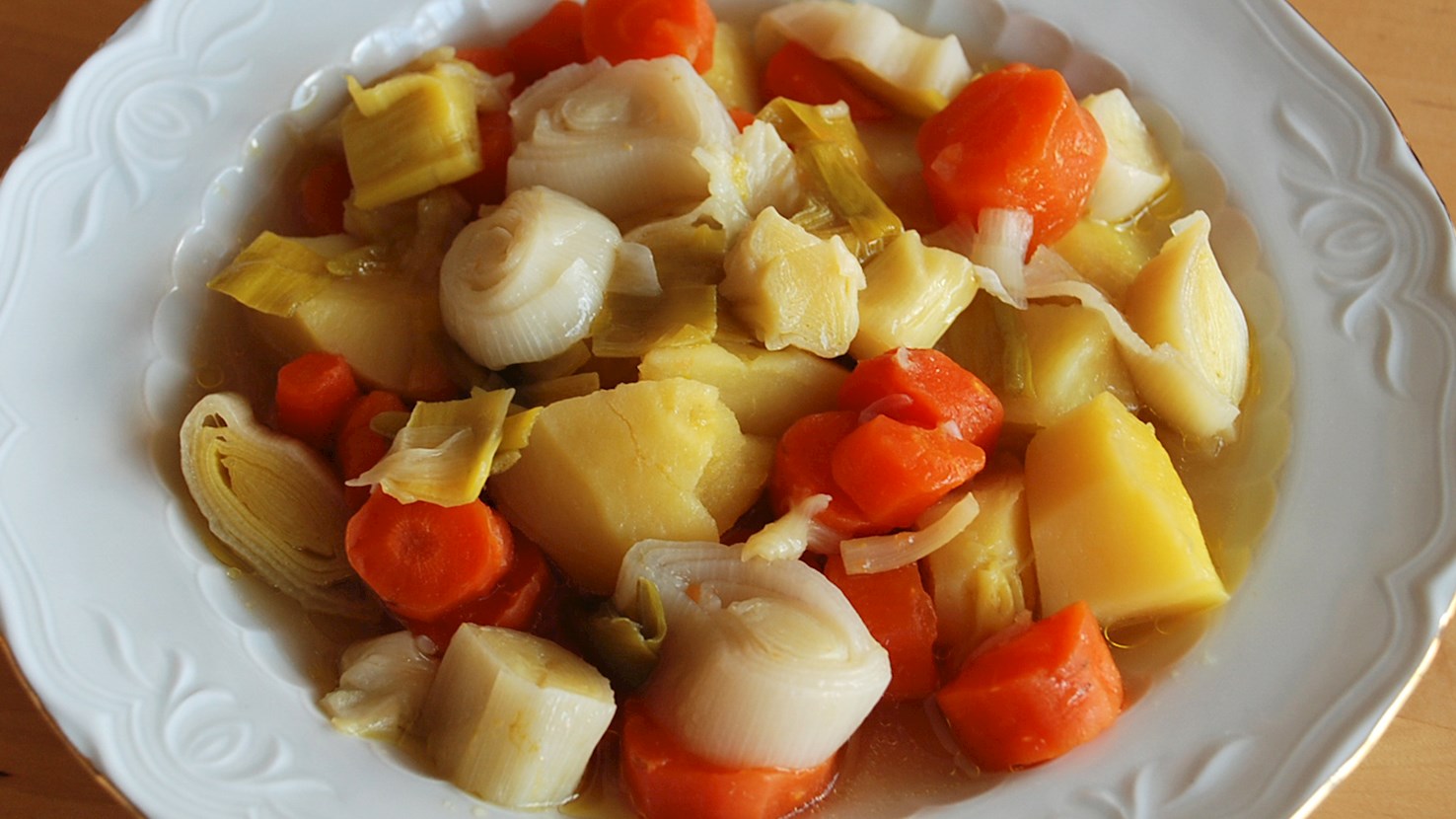
Porrusalda

2.7 ·

Warm and comforting, porrusalda is a traditional Basque soup made with vegetables such as carrots, potatoes, leeks, and onions. The soup is flavored with garlic and salt, while dried salt-cod is sometimes added to porrusalda in order to enhance its flavors. Although it is a Basque dish, the soup is more commonly consumed in other parts of Spain such as La Rioja and Castilla y León. It is recommended to garnish this hearty soup with some chopped parsley before serving.

03

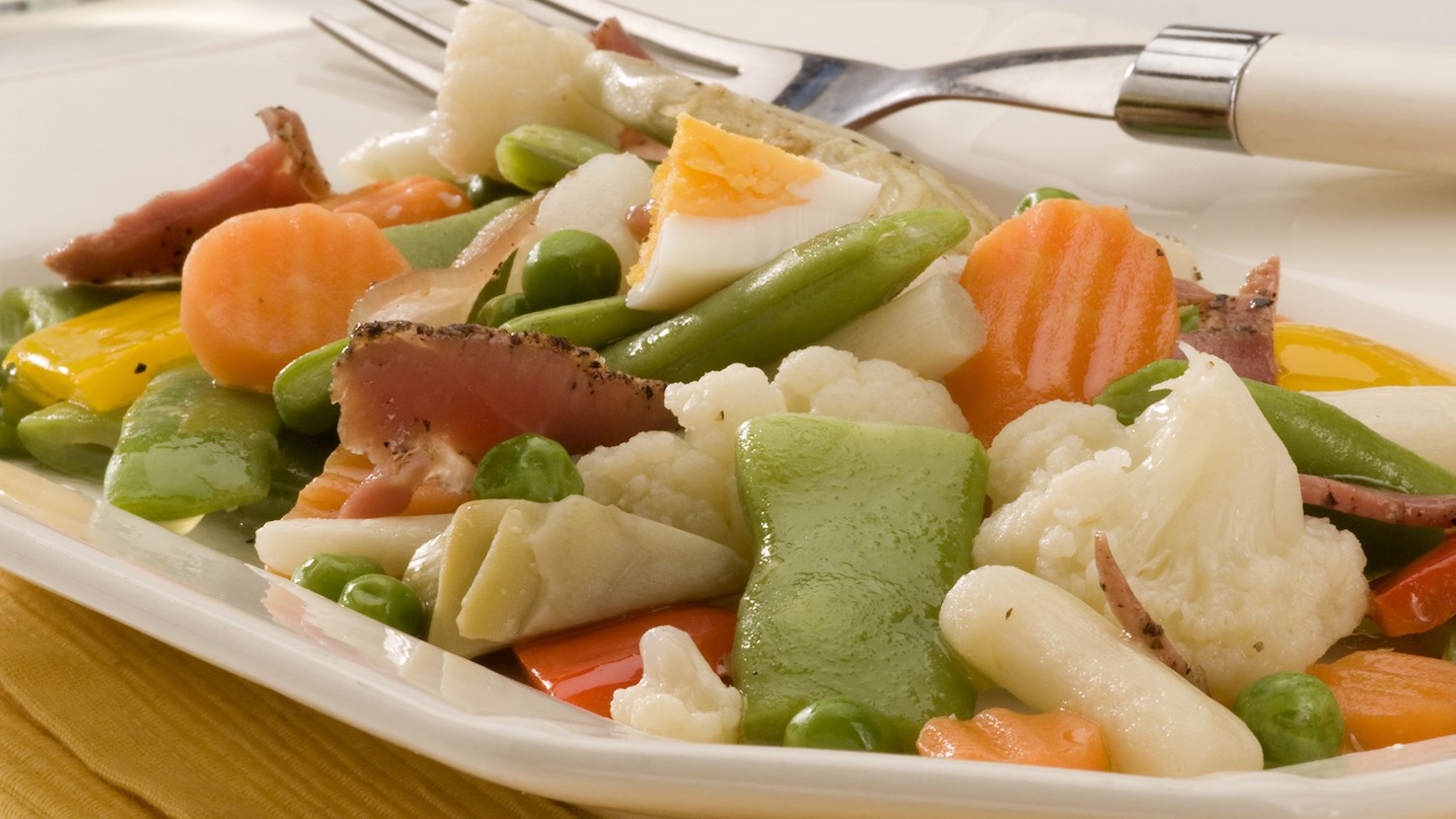
Menestra de verduras

2.8 ·

Menestra de verduras is a Spanish dish that cannot be easily classified – on the other hand, some might say that it's very versatile – it can be served as a side dish, a soup, or a stew, depending on the method of preparation. The dish itself is quite simple – filled with fresh, seasonal vegetables such as asparagus, peas, artichokes, green beans, olives, potatoes, white beans, turnip, or onions. Pieces of Serrano ham are often added to the pot for extra flavor. Menestra de verduras is ideally served hot, preferably on colder days in spring or summer.

04

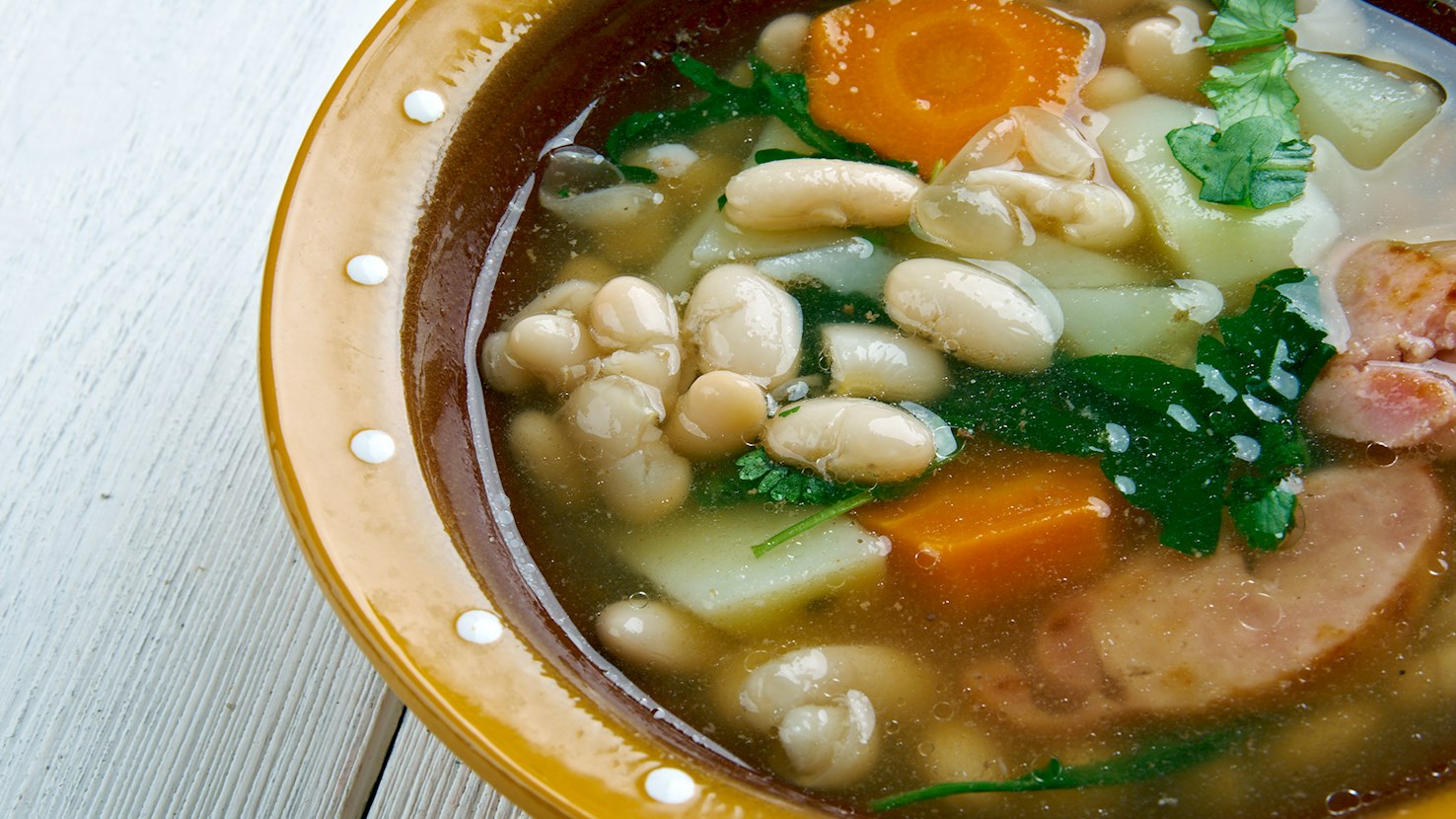
Caldo gallego

3.5 ·

This traditional Galician dish is hearty, inexpensive, and nourishing. Although the ingredients vary from one household to the next, this flavorful broth is most often prepared with collard greens, cabbage, turnips, potatoes, white beans, lard, and meat products such as chorizo, bacon, and ham. The dish has humble origins and is mainly associated with Spanish farmers who lived off their own produce and served the dish in traditional earthen bowls known as cuncas. Caldo gallego is typically consumed in colder months because it is always served piping hot. It is believed that the soup tastes even better when reheated the next day.

05

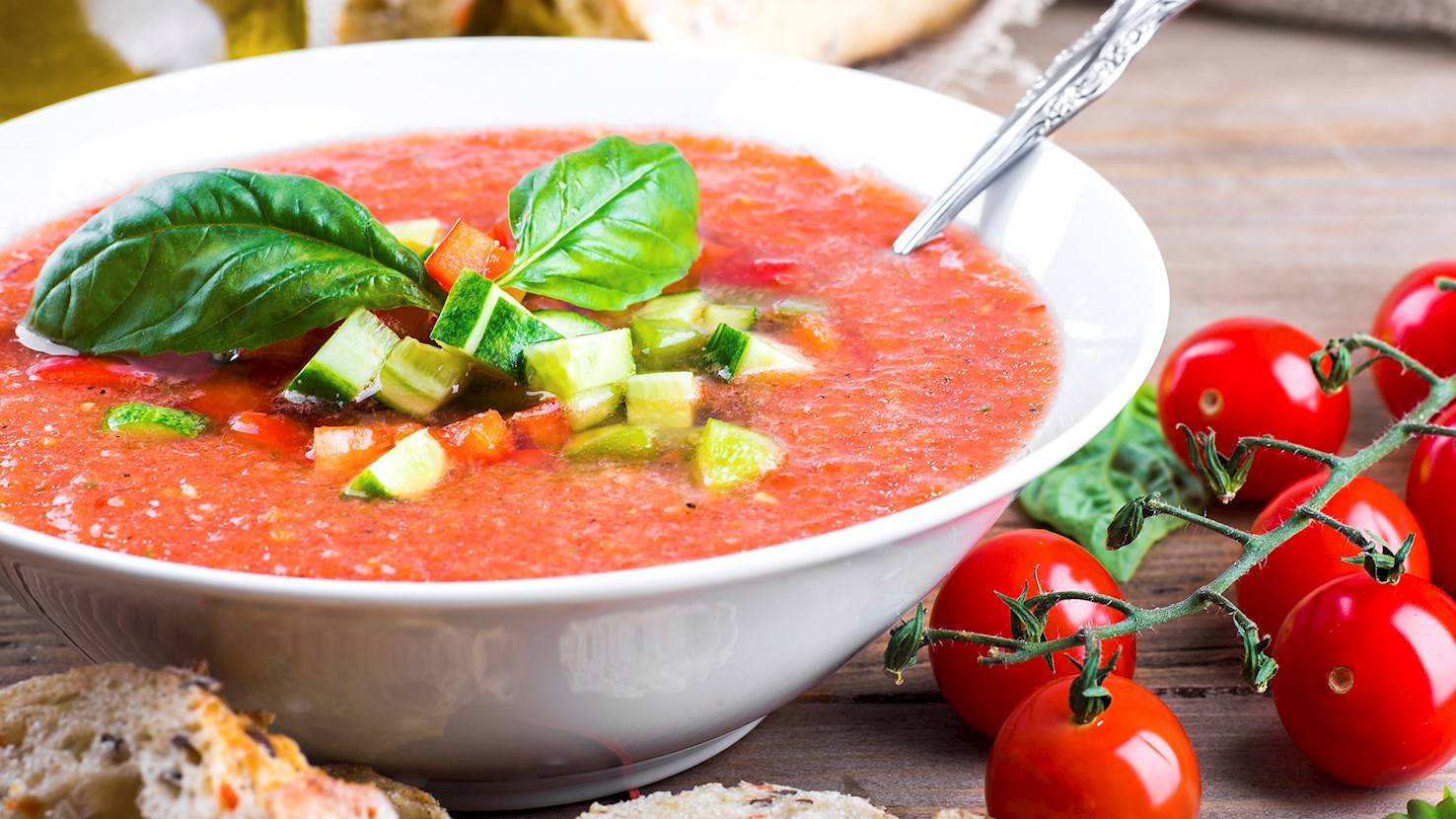
Gazpacho

3.6 ·

A perfect remedy for a hot summer day called gazpacho is a cold soup consisting of crushed tomatoes, finely chopped cucumbers, onions, peppers, croutons, vinegar, and olive oil. With the same level of familiarity as paella to the consumers worldwide, the soup's refreshing, cool and acidic flavors promote Spanish cuisine at its best. The dish began as a light lunch that the wives brought to their husbands in the field in order to cool them down from the hot summer sun. Shortly after, it began to be served at the end of big meals, although today it is a popular summer appetizer. Throughout Spain, there are a number of gazpacho varieties, such as gazpacho blanco (white gazpacho) or ajo blanco, a Málaga specialty made with garlic, bread, and almonds, with a garnish of green grapes. As the dish evolved, all kinds of ingredients started to be added to the soup, such as watermelon and cantaloupe. Regardless of the varieties, all gazpachos share a common thread of three key ingredients - bread, vinegar, and oil.

06

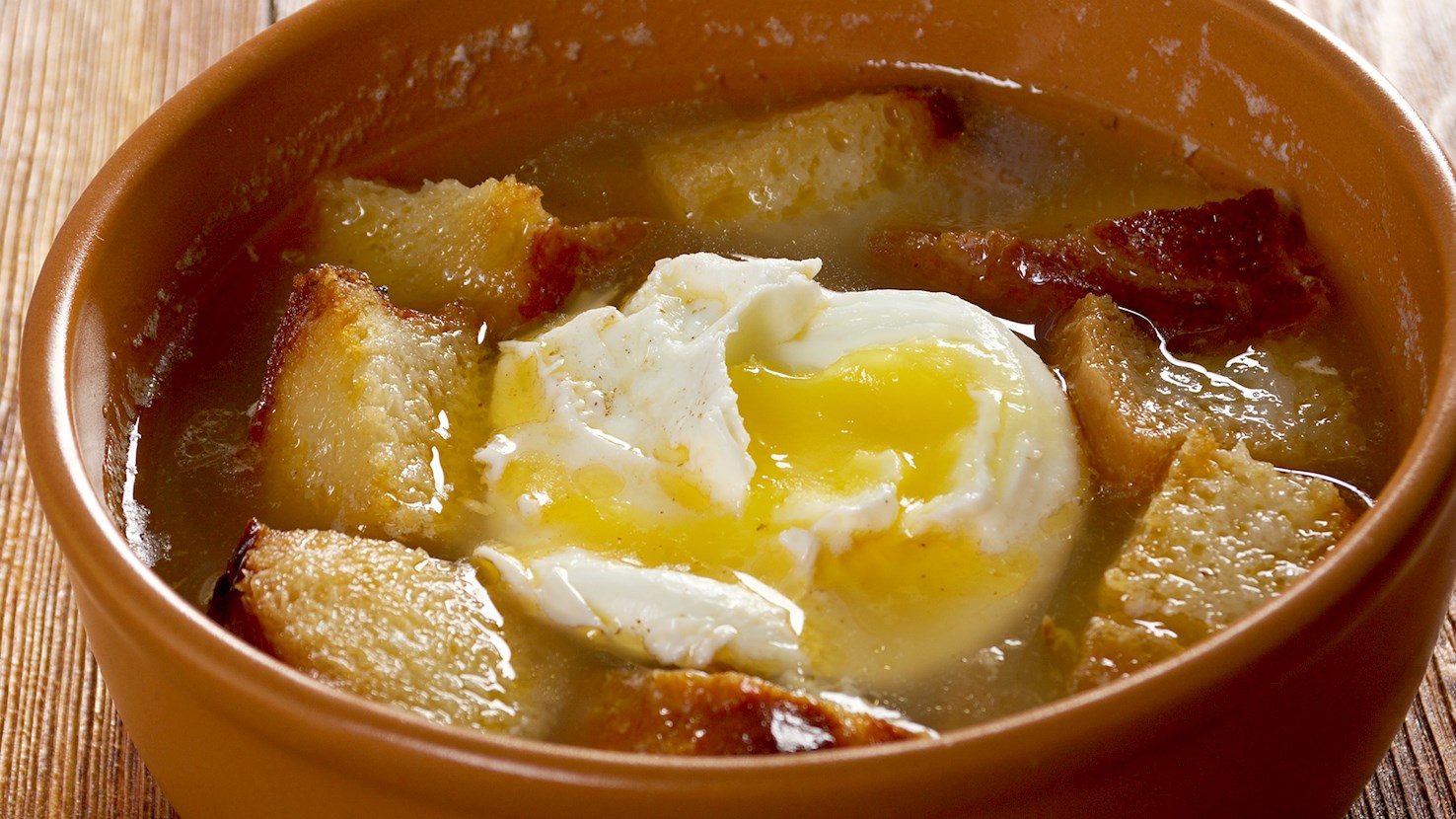
Sopa de ajo

3.6 ·

Sopa de ajo is a traditional garlic soup. It's prepared by sautéeing garlic in olive oil and Spanish smoked paprika. Stale bread and whisked or poached eggs are then added to the soup for the final touch. As for the liquids, chicken broth, vegetable broth, or even plain water will work. The soup is served piping hot, garnished with a few croutons or fresh parsley. Traditionally, sopa de ajo is consumed in the morning on Good Friday, and it's recommended to serve it with a few slices of grilled bread on the side.

Read more
View all
View map
About this ranking

TasteAtlas food rankings are based on the ratings of the TasteAtlas audience, with a series of mechanisms that recognize real users and that ignore bot, nationalist or local patriotic ratings, and give additional value to the ratings of users that the system recognizes as knowledgeable. For the “6 Worst Rated Spanish Vegetable Soups” list until May 21, 2026, 766 ratings were recorded, of which 612 were recognized by the system as legitimate. TasteAtlas Rankings should not be seen as the final global conclusion about food. Their purpose is to promote excellent local foods, instill pride in traditional dishes, and arouse curiosity about dishes you haven’t tried.

Similar lists