



97 Worst Rated Vegetable Soups
in the World

Last updated on May 21, 2026
01

Bourbourelia

2.3 ·

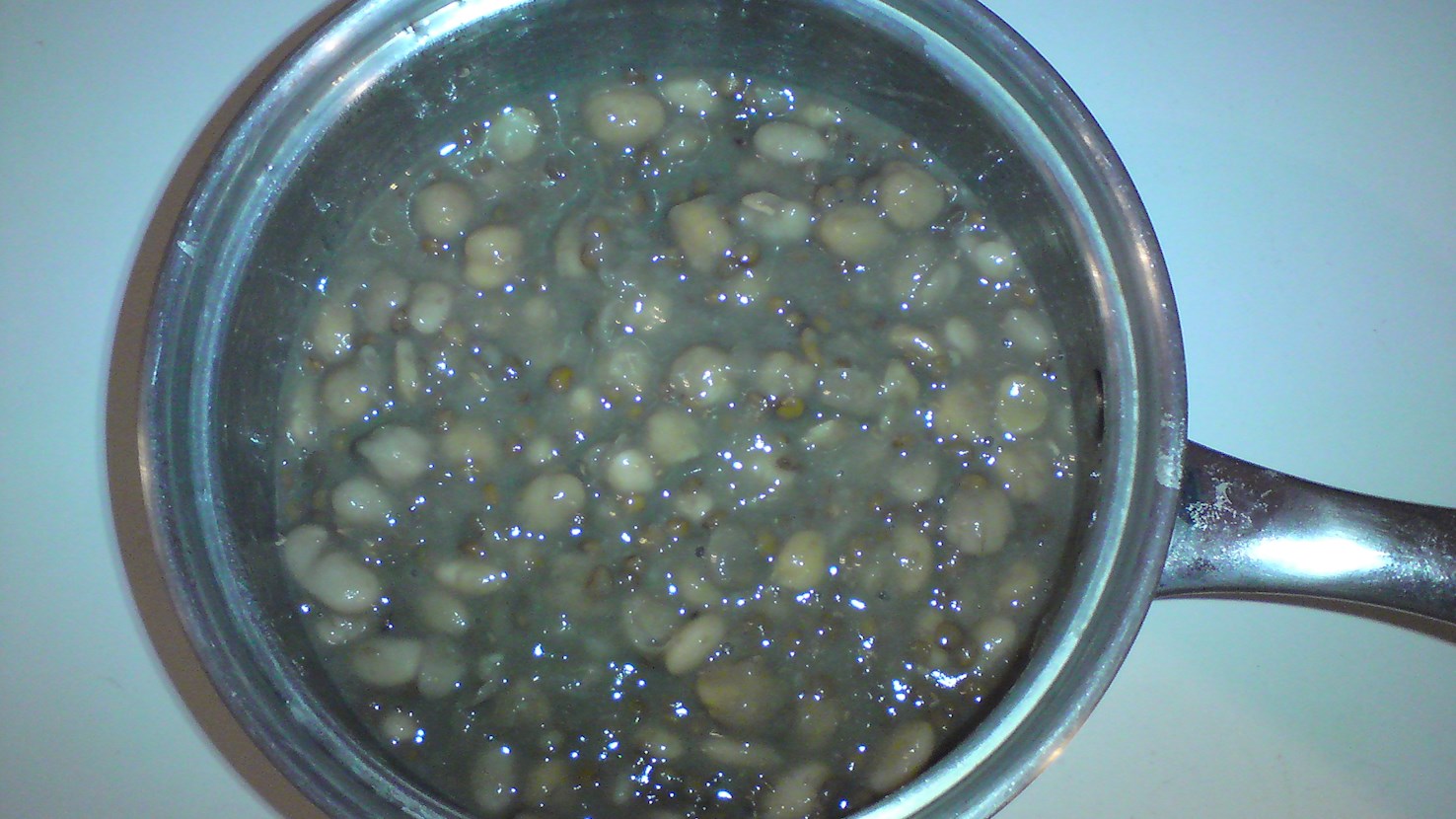
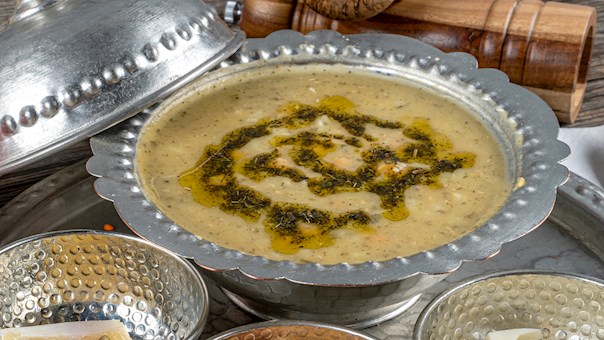
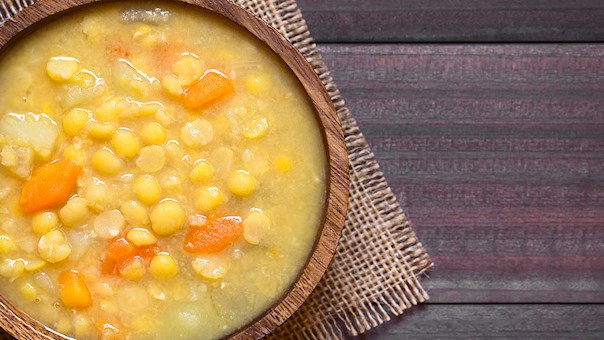
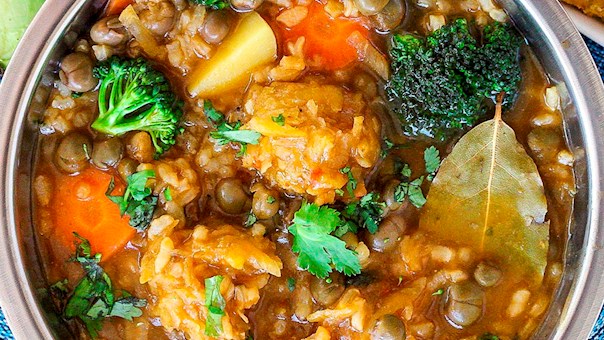
This rustic Greek dish is prepared with a variety of mixed beans which are transformed into a hearty soup. The most common ingredients include a combination of lentils, beans, chickpeas, or fava beans, and the soup is usually seasoned with olive oil and lemon juice. The dish is traditionally associated with Cephalonia, but similar varieties are found throughout the country.

02

Tom chuet

2.4 ·

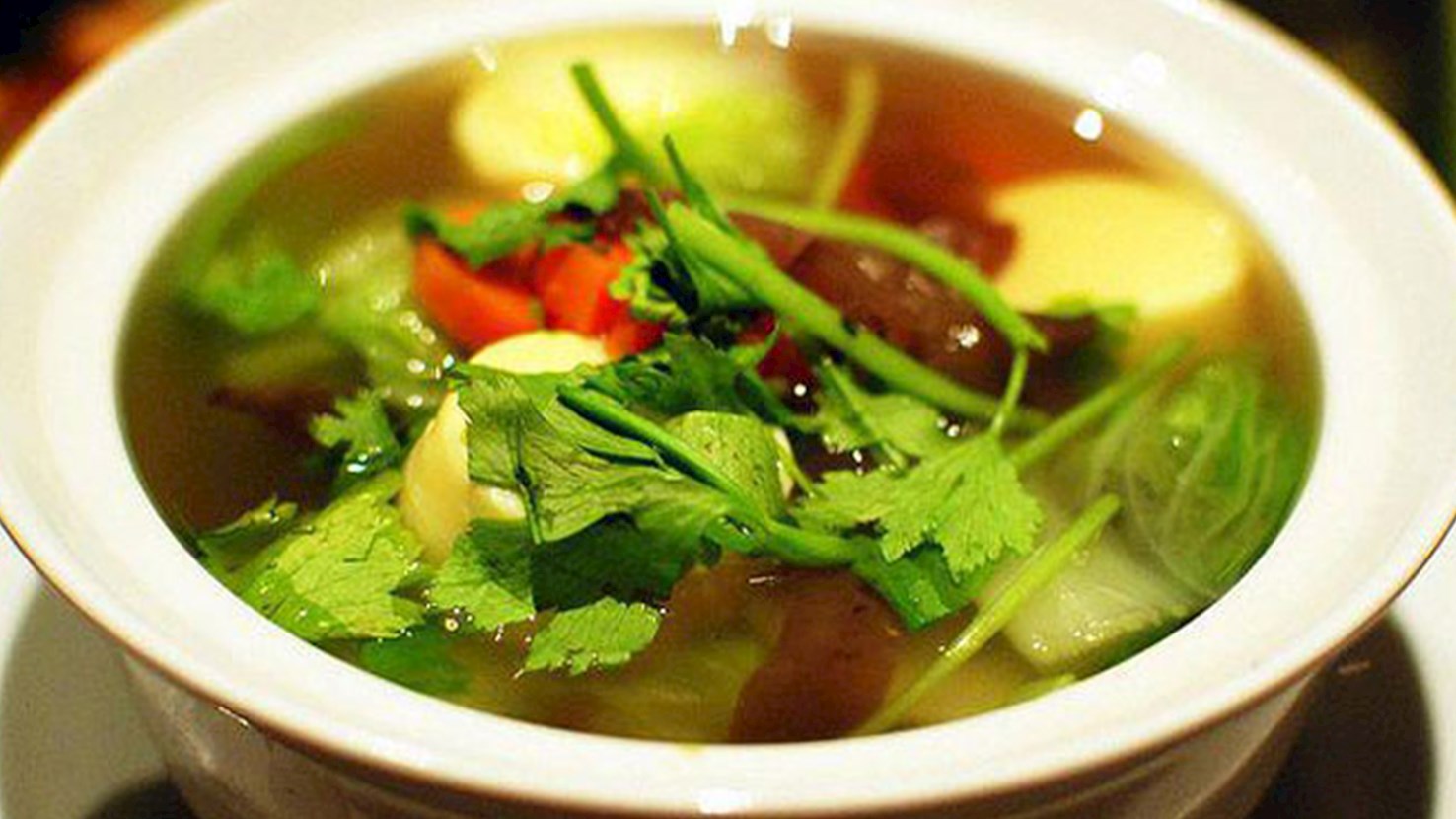
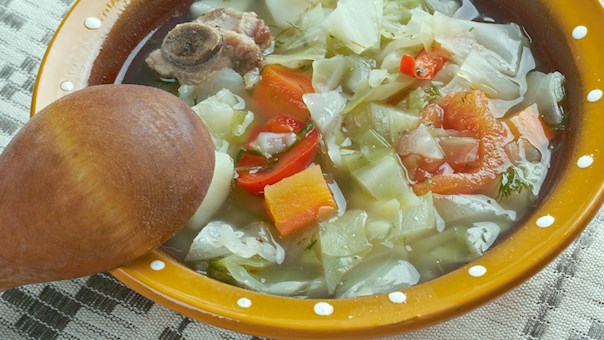
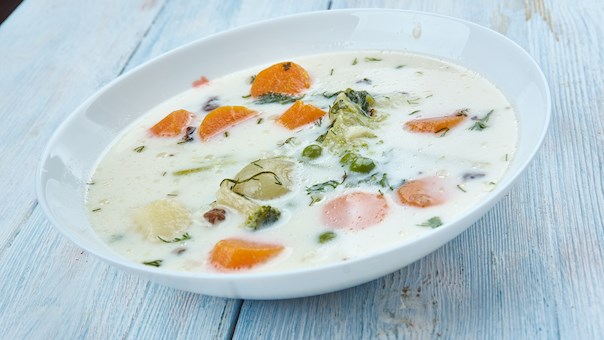
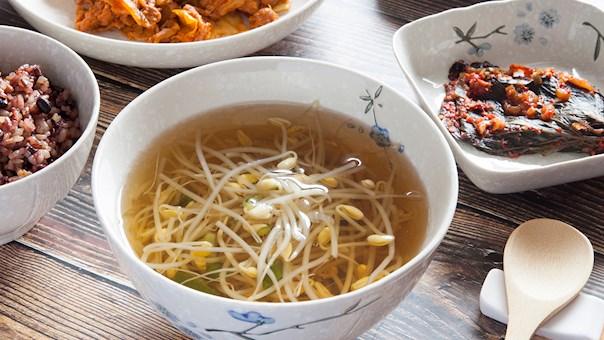
Tom chuet is a simple, clear soup made with vegetables, usually Chinese cabbage, carrots, and french beans, simmered in vegetable broth along with seasonings, celery, spring onions, garlic, and soy sauce. This dish can also use chicken or pork broth instead of vegetable broth and is often enriched with pork meatballs, glass noodles, soft tofu pieces, seaweed, and mushrooms. Also known as kaeng chuet or tom jued, this dish has a mild flavor that makes it quite different from other Thai dishes, which typically combine several flavors in one. It is traditionally served hot or warm, usually followed by other, spicier dishes.

03

Caldo de papas

2.5 ·

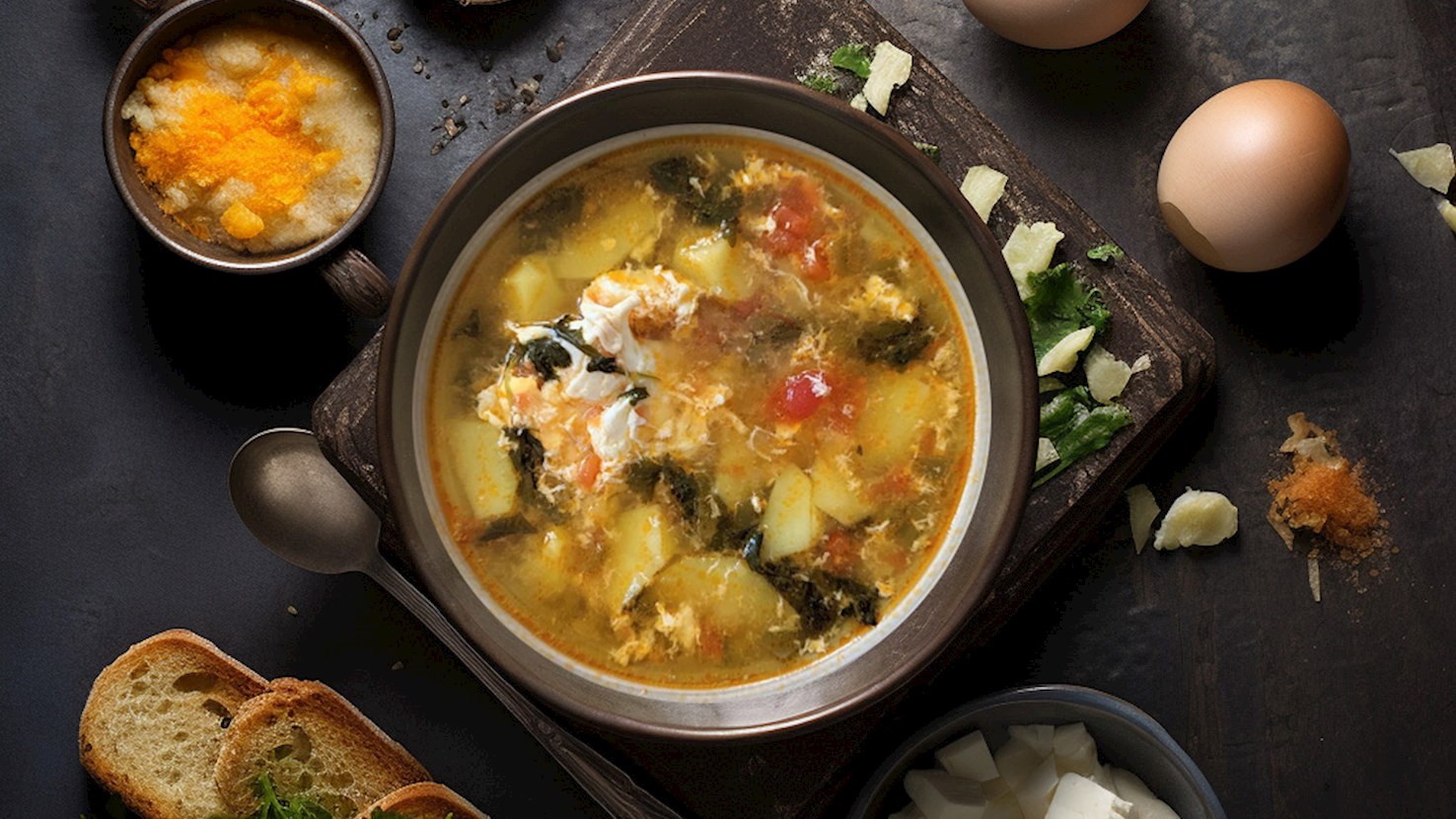
Caldo de papas is a hearty soup hailing from the Canary Islands. It is made with a combination of onions, potatoes, tomatoes, bell peppers, cilantro, saffron, and eggs. The soup is slowly simmered until the potatoes are fully cooked, and it is then finished by cracking a few raw eggs into the pot. The final result is a starchy and thick soup which should, ideally, be served in warmed bowls.

04

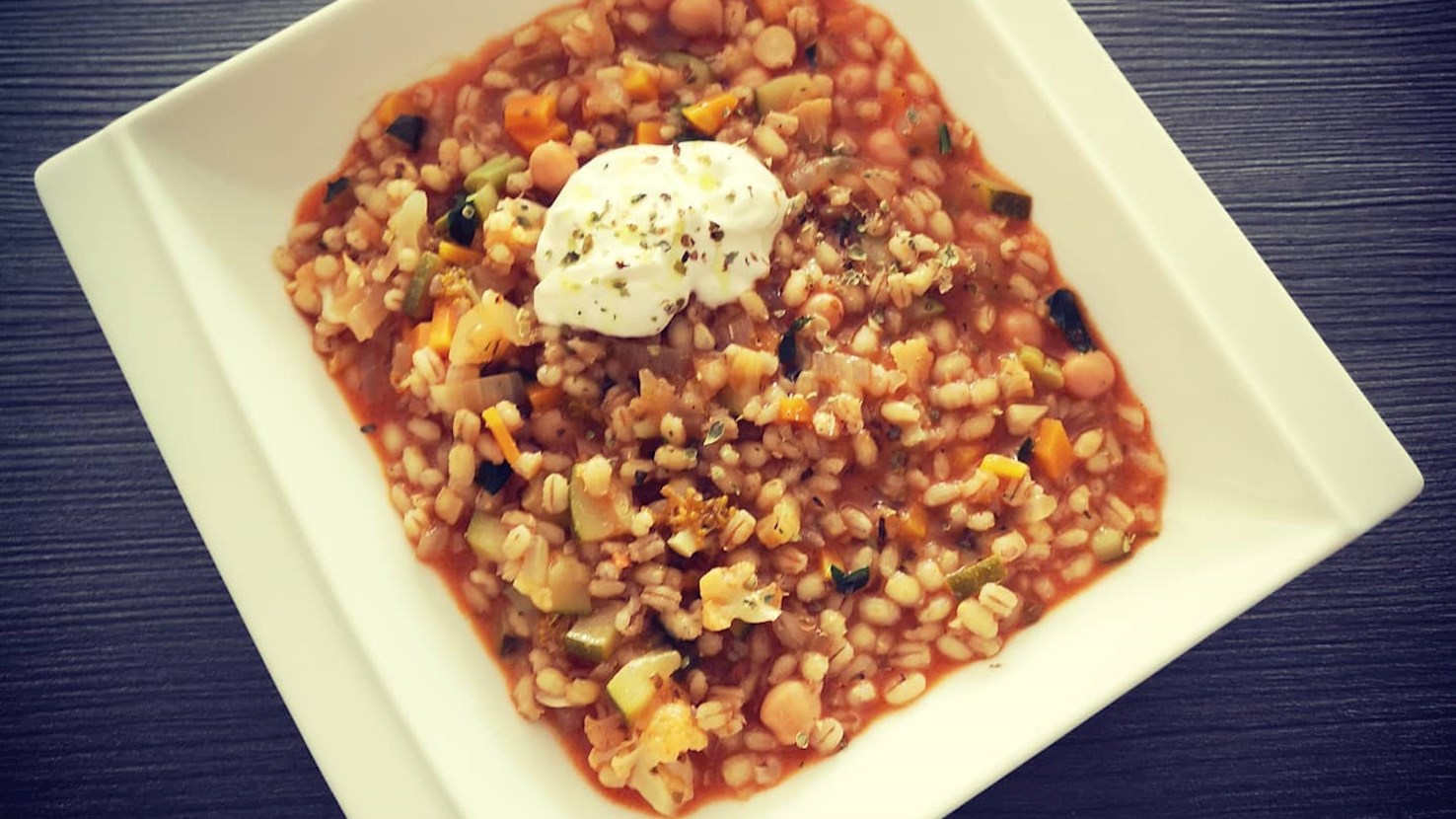
Ješprenj

2.6 ·

Ješprenj or ričet is a traditional dish originating from Slovenia. Ričet is often called ješprenj in Slovenia, which is Slovenian for dehulled barley. Although there are many variations, the dish is usually made with a combination of dehulled barley, onions, garlic, leeks, carrots, olive oil, beans, pork ribs, bay leaves, tomatoes, stock, and herbs such as parsley, lovage, and savory. The vegetables are sautéed in olive oil, mixed with the other ingredients, covered with stock or water, and the dish is then simmered until the barley is soft. The meat is taken out of the pot, sliced, and added to this thick soup according to personal preferences. It is believed that ješrenj tastes even better the following day.

05

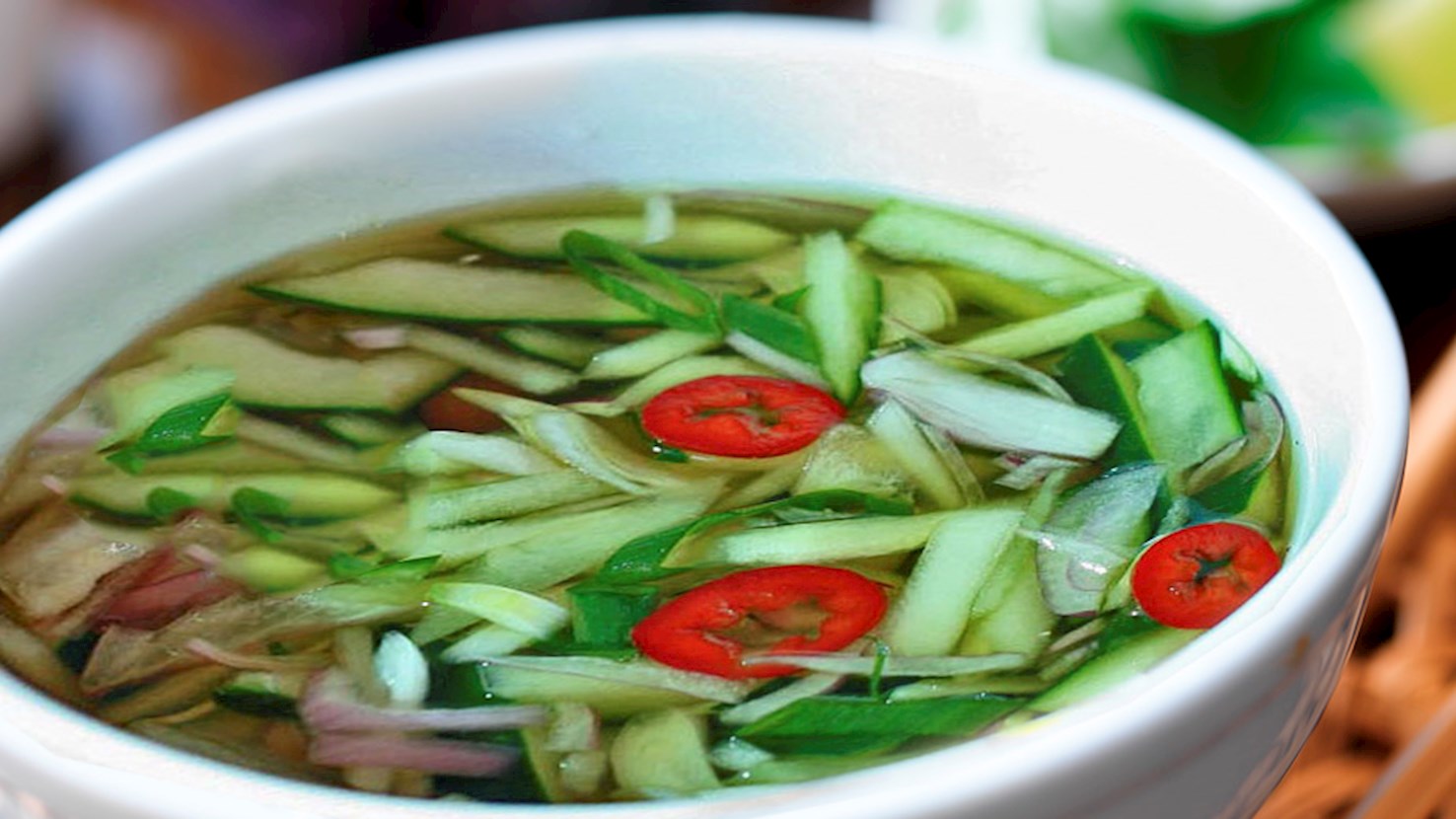
Naengguk

2.7 ·

Naengguk is a common name for a group of South Korean cold soups that are usually consumed during summer. It is believed that there is no better refreshment than a bowl of cold naengguk on a hot summer day. The soups are typically divided into two main categories: for the first one, cold water is combined with vinegar and ingredients such as cucumbers, spring onions, garlic, wakame, or nori seaweed. The second category of naengguk is reserved for soups that benefit health, such as the ones made with sesame, soybeans, or chicken. Naengguk first appeared in the 12th century in a poem written by Yi Gyu-bo, where it was referred to as soup with sunchae and was praised for its refreshing, clear flavor.

06

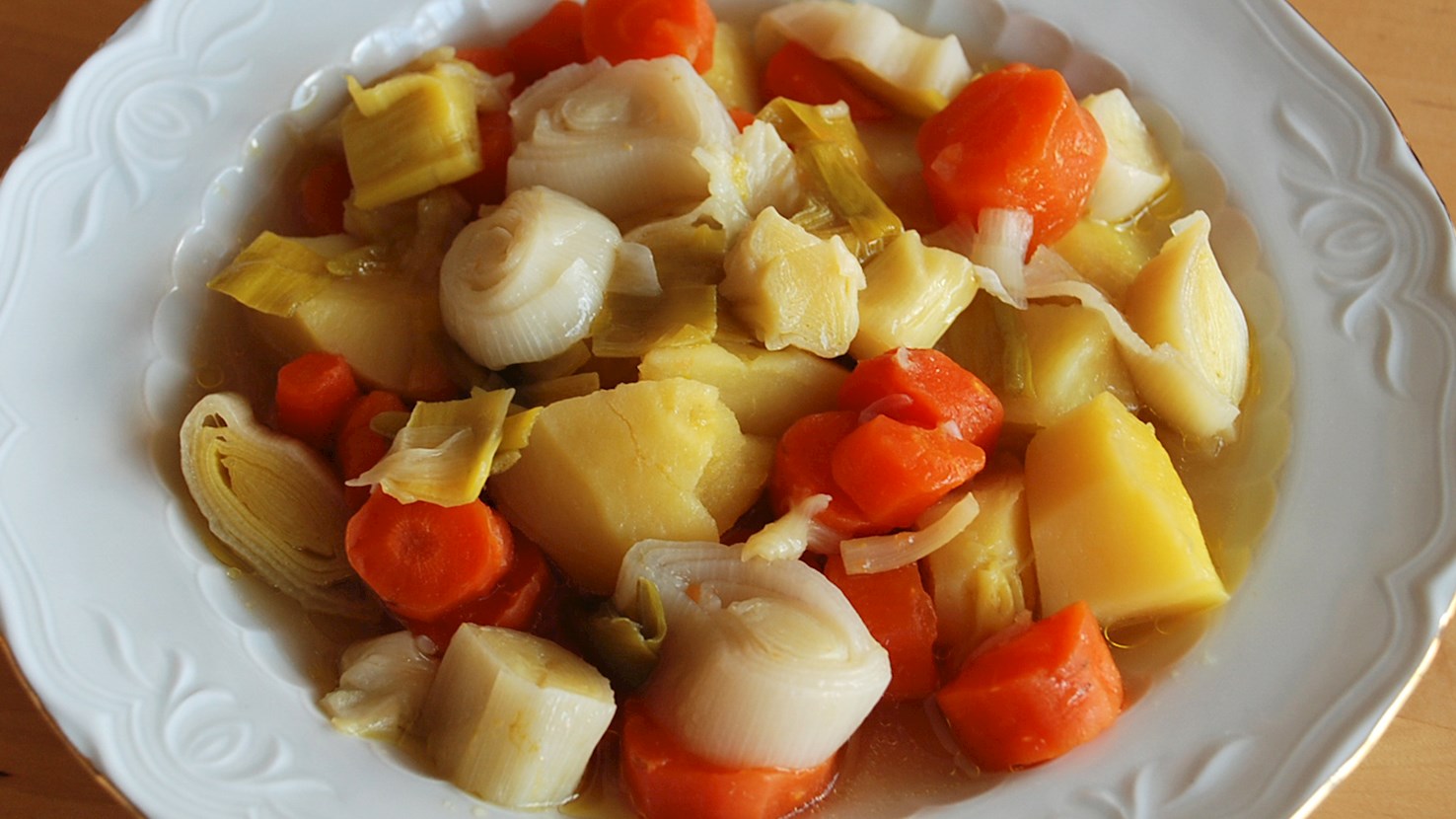
Porrusalda

2.7 ·

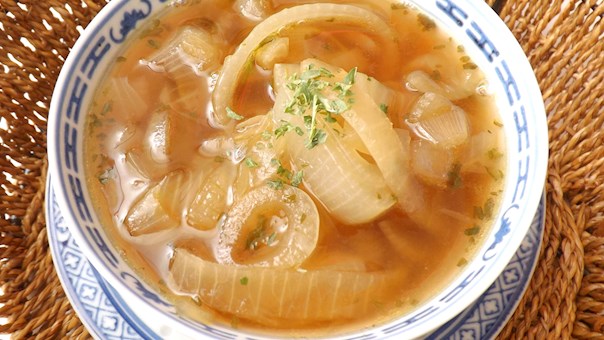
Warm and comforting, porrusalda is a traditional Basque soup made with vegetables such as carrots, potatoes, leeks, and onions. The soup is flavored with garlic and salt, while dried salt-cod is sometimes added to porrusalda in order to enhance its flavors. Although it is a Basque dish, the soup is more commonly consumed in other parts of Spain such as La Rioja and Castilla y León. It is recommended to garnish this hearty soup with some chopped parsley before serving.

07

Hortosoupa

2.8 ·

Hortosoupa is the Greek-style vegetable soup that comes in numerous versions and is easily adaptable to taste. The vegetables used in the soup are mainly seasonal, but they typically include potatoes, carrots, leeks, celery, onions, and zucchinis. Though they can be puréed, finely diced vegetables are usually left whole to give the soup its distinguishable thick consistency. The soup is traditionally served with a splash of lemon juice and bread on the side.

08

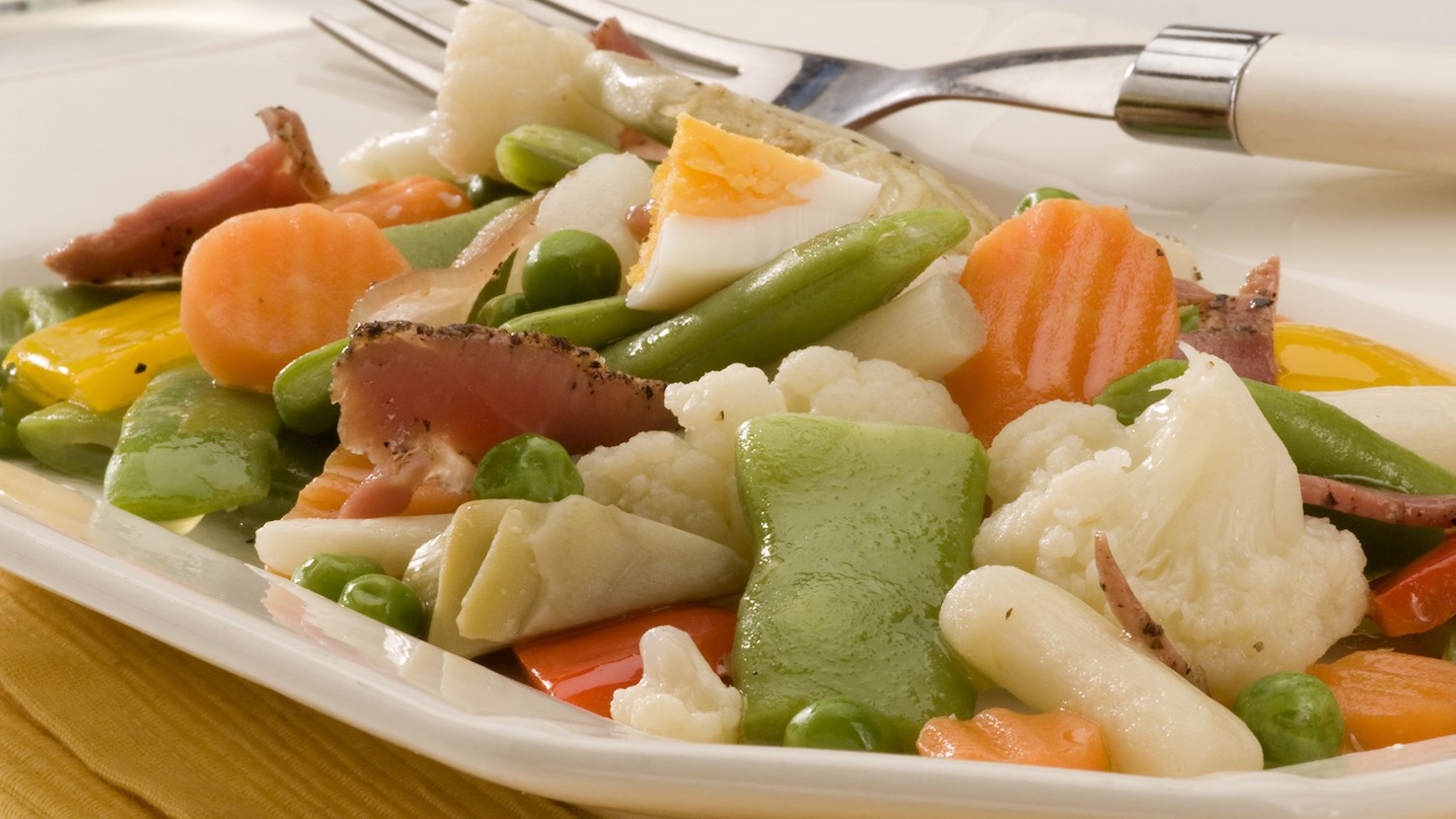
Menestra de verduras

2.8 ·

Menestra de verduras is a Spanish dish that cannot be easily classified – on the other hand, some might say that it's very versatile – it can be served as a side dish, a soup, or a stew, depending on the method of preparation. The dish itself is quite simple – filled with fresh, seasonal vegetables such as asparagus, peas, artichokes, green beans, olives, potatoes, white beans, turnip, or onions. Pieces of Serrano ham are often added to the pot for extra flavor. Menestra de verduras is ideally served hot, preferably on colder days in spring or summer.

09

Čorba od spanaća

2.8 ·

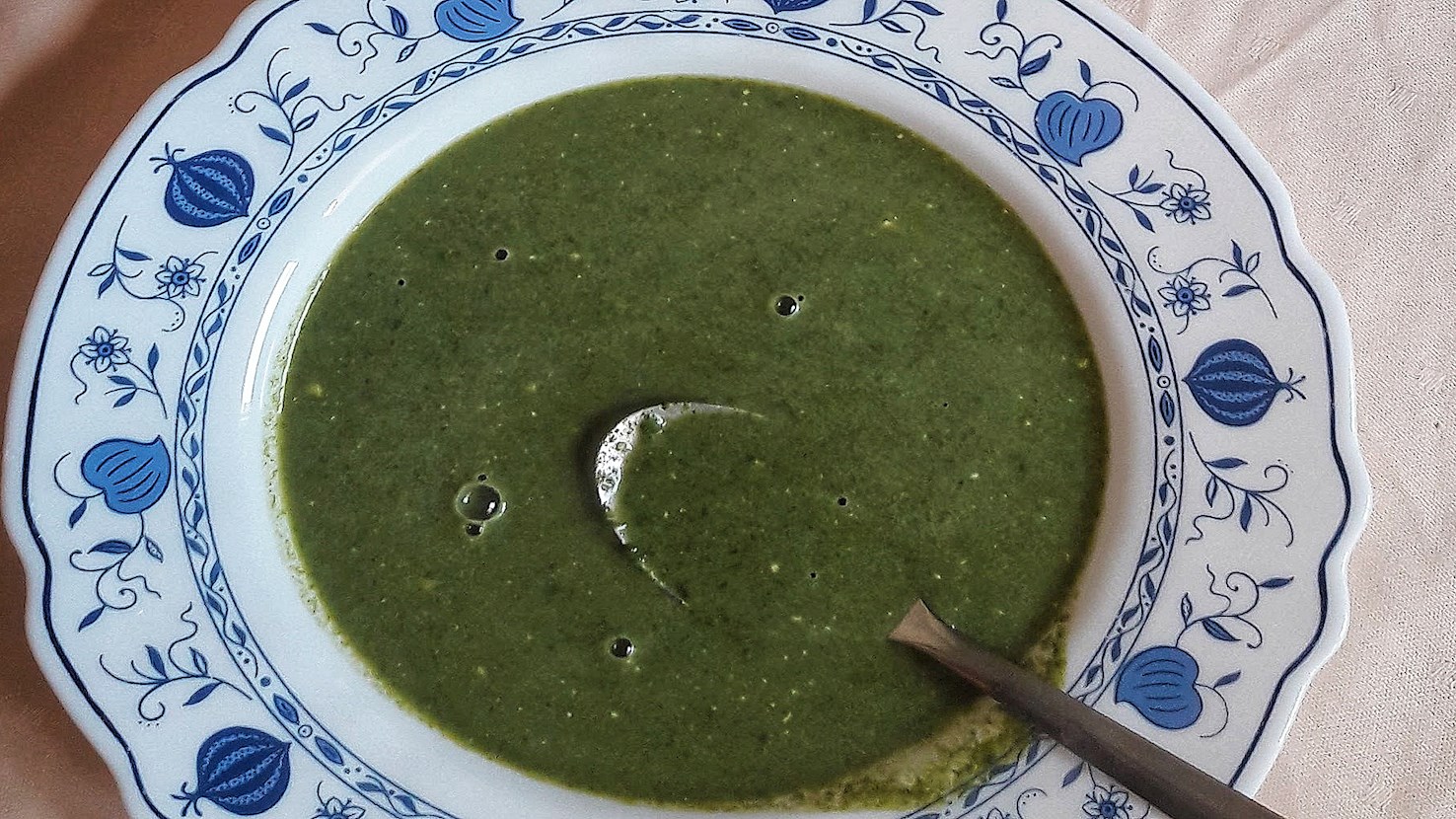
Čorba od spanaća is a traditional soup originating from Serbia, although nowadays it is quite common throughout the Balkans. The soup is prepared with pork fat, spinach, onions, garlic, flour, water, and milk. In order to prepare it, the spinach is cooked and set aside. The lard is placed in the pot with the onions and garlic, which are then sautéed. Flour is then lightly fried in the pot, followed by milk and spinach, and the concoction is slowly simmered until the soup thickens. When served, čorba od spanaća is usually enriched with the addition of a spoonful of sour cream.

10

Soupe au pistou

2.9 ·

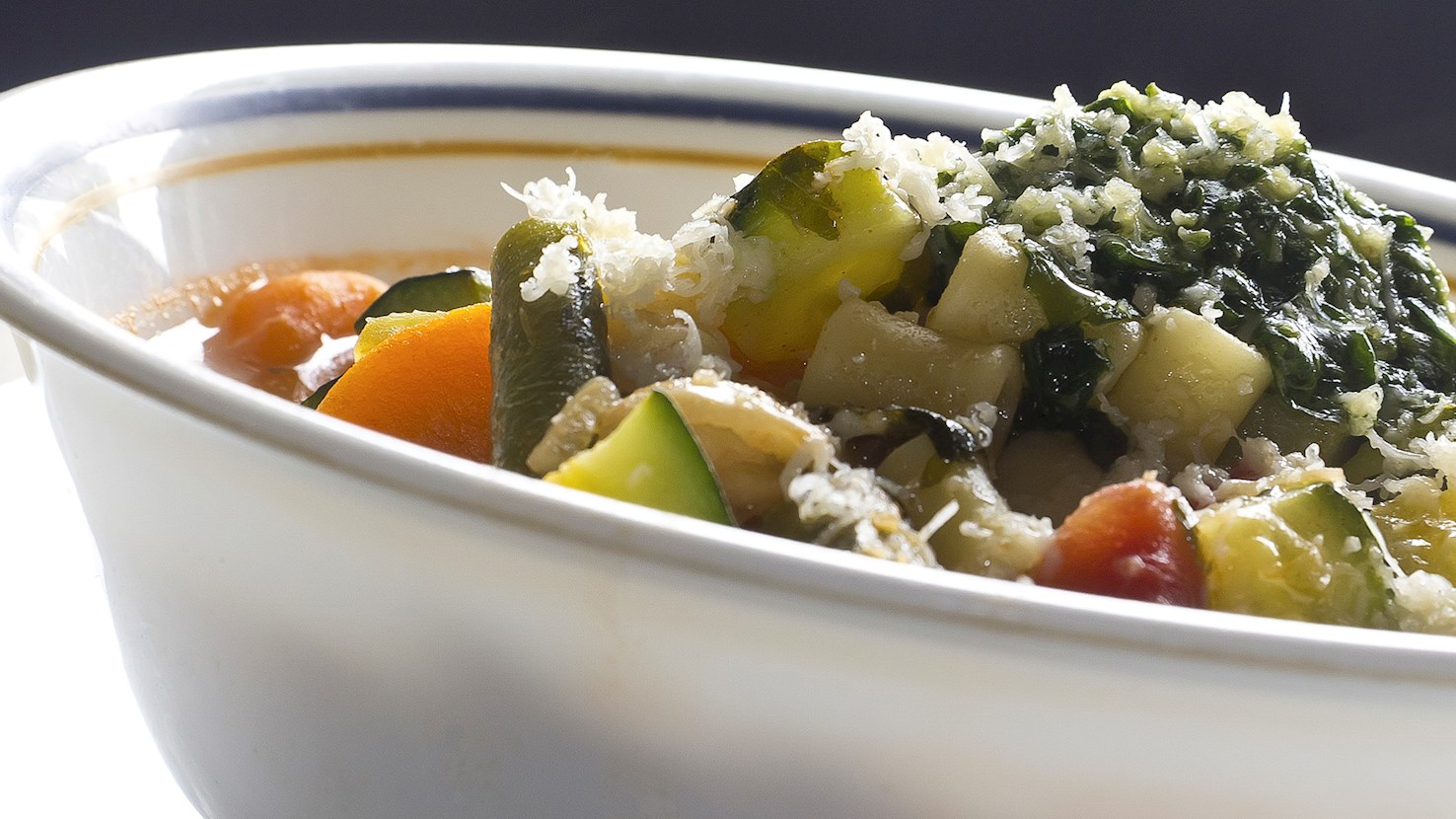
Borrowing its name from a traditional French paste, soupe au pistou is a popular soup similar to the Italian minestrone. Based on fresh seasonal ingredients, the soup can be made with various vegetables such as carrots, potatoes, beans, zucchini, peas, long green beans, or any other available vegetables. Pasta is typically added to improve the texture of the soup. However, the crucial ingredient is pistou, a traditional French paste made with basil, olive oil, and garlic, with the occasional addition of grated cheese or tomatoes. The paste can be thoroughly mixed in the entire pot of soup, but it can also be placed in individual bowls and left for the guests to swirl it in and adjust the taste according to their preferences. The soup is usually served warm and it is traditionally prepared during the summer season, when there is an abundance of fresh vegetables. Believed to have originated in the 18th century, this fresh and flavorful vegetable soup still stands as one of the most authentic Provençal dishes.

About this ranking

TasteAtlas food rankings are based on the ratings of the TasteAtlas audience, with a series of mechanisms that recognize real users and that ignore bot, nationalist or local patriotic ratings, and give additional value to the ratings of users that the system recognizes as knowledgeable. For the “97 Worst Rated Vegetable Soups in the World” list until May 21, 2026, 14,176 ratings were recorded, of which 7,872 were recognized by the system as legitimate. TasteAtlas Rankings should not be seen as the final global conclusion about food. Their purpose is to promote excellent local foods, instill pride in traditional dishes, and arouse curiosity about dishes you haven’t tried.

Similar lists