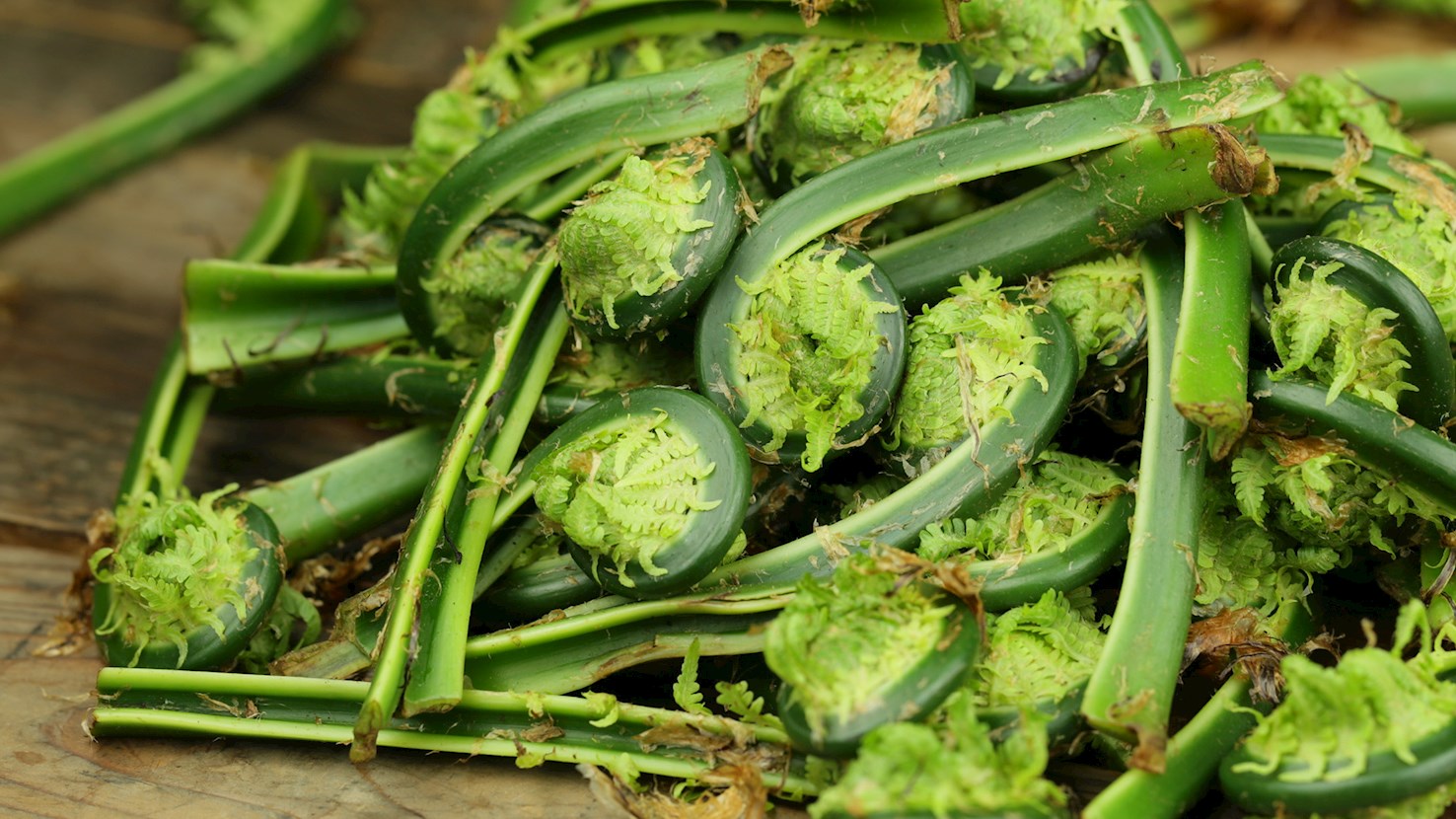
Boiled fiddleheads is a simple dish of native Canadian greens that are called ostrich ferns or fiddlehead ferns. The bright green curled leaves of ostrich ferns are first thoroughly rinsed before being boiled in salted water until fully cooked and tender. Once ready, the boiled fiddleheads are usually consumed while still hot and are often topped with melted butter. Boiled fiddleheads are said to have a flavor reminiscent of asparagus, broccoli, and artichokes. In Canada, this dish is enjoyed as a spring delicacy, especially in those parts where ostrich ferns grow, including Ontario, Québec, New Brunswick, and Nova Scotia.
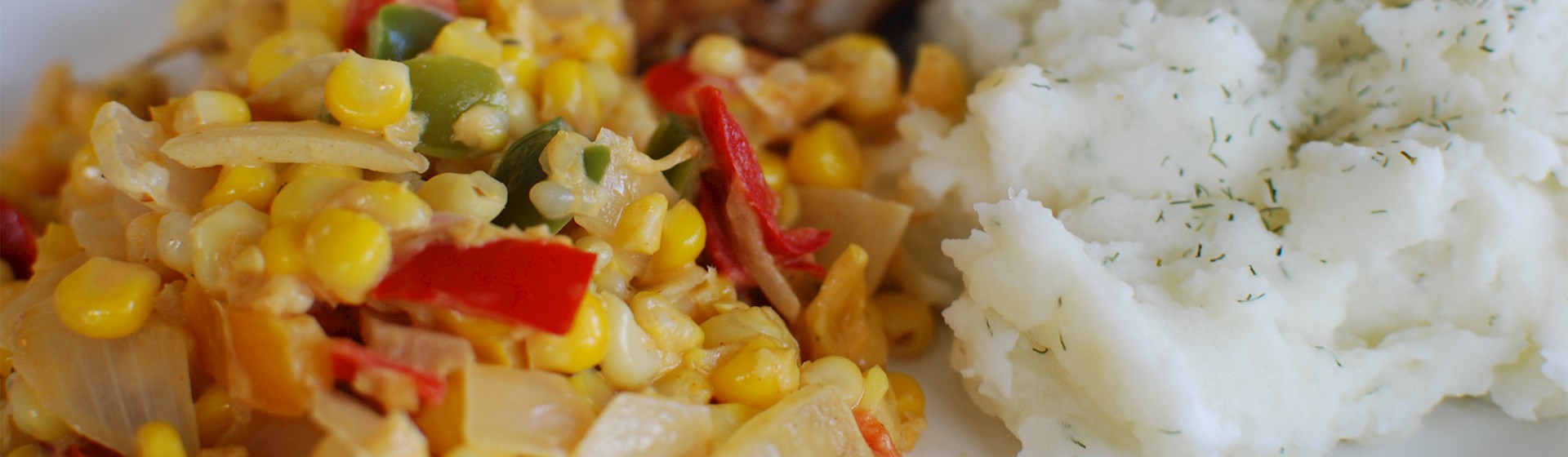
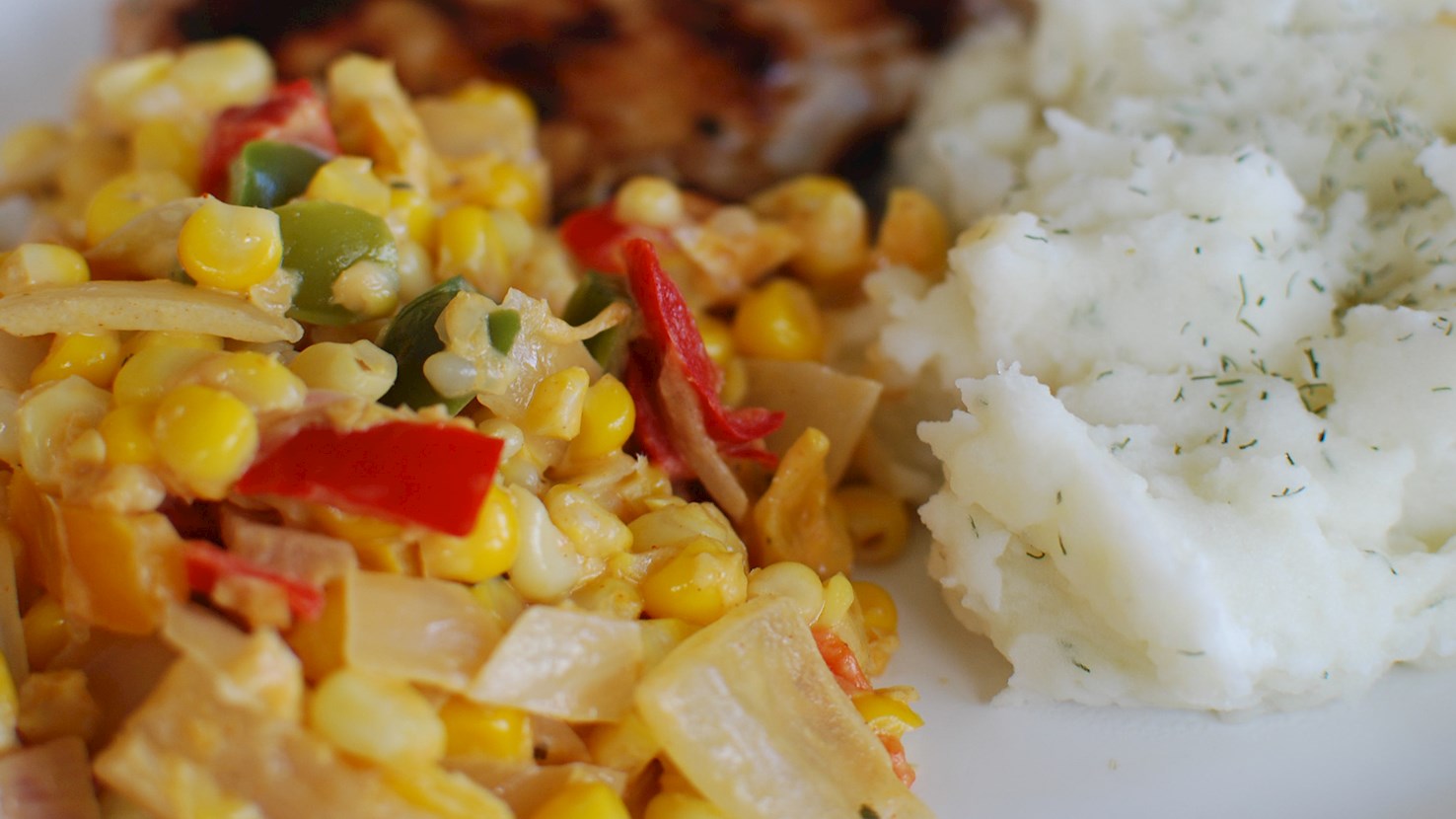
Maque choux is a Creole dish originating from Louisiana. It is typically prepared with a combination of corn, bell peppers, tomatoes, and onions, and some recipes also call for the addition of celery and garlic. The ingredients are braised until tender, and maque choux is then served as a side dish. Hot sauce or sugar might be added to the pot before serving in order to add more flavor. Although maque choux is typically served as a side dish, it can also be consumed as a main meal when served over rice.
Calabacitas a la mexicana or Mexican-style zucchini is a traditional vegetable-based dish that's prepared all over Mexico. The dish is usually made with a combination of chopped zucchini, onions, corn, hot chili peppers, tomatoes, epazote sprigs, sea salt, sour cream, and grated fresh cheese. The onions are cooked in oil until transparent, and then the corn, zucchini, diced tomatoes, epazote, and hot peppers are added to the pan and seasoned with salt. The mixture is cooked until the zucchini become tender. The dish is transferred to a large plate, and it's garnished with sour cream and sprinkled with grated cheese before serving.
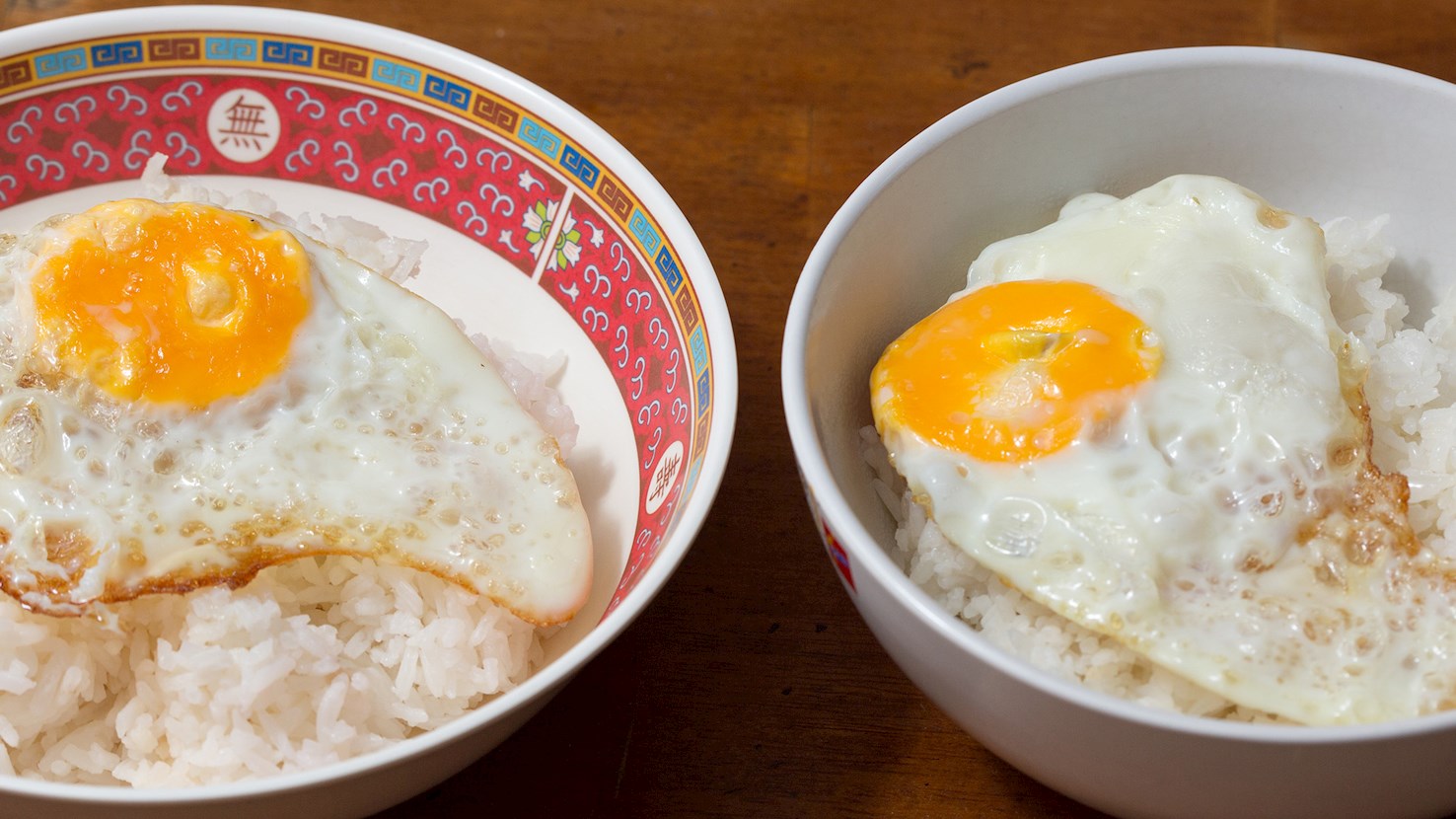
Arroz con huevo is a popular lazy lunch throughout Latin America, consisting of rice that’s topped with a fried egg. This humble dish used to be called comida de pobre (poor people food), but today it is enjoyed by people of all socio-economic classes. The dish has numerous variations, so in the Caribbean it is commonly accompanied by plantains, while the Spaniards pair it with a savory sofrito. It is recommended to top arroz con huevo with some freshly grated cheese and finely chopped parsley.
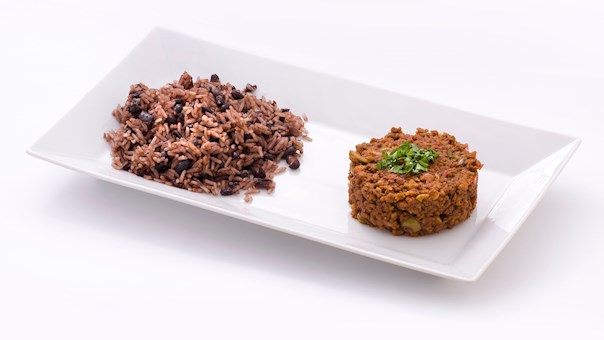
Diri ak djon djon is a Haitian dish consisting of rice combined with black mushrooms. During the boiling process, these mushrooms release a natural coloring (gray to black), giving the dish its distinctive colors and flavors. Black mushrooms are native to the northern parts of the island, so diri ak djon djon is considered a regional delicacy in Haiti. The dish can be consumed on its own, when it is typically paired with a salad, but it is also served as an accompaniment to various meat and fish dishes.
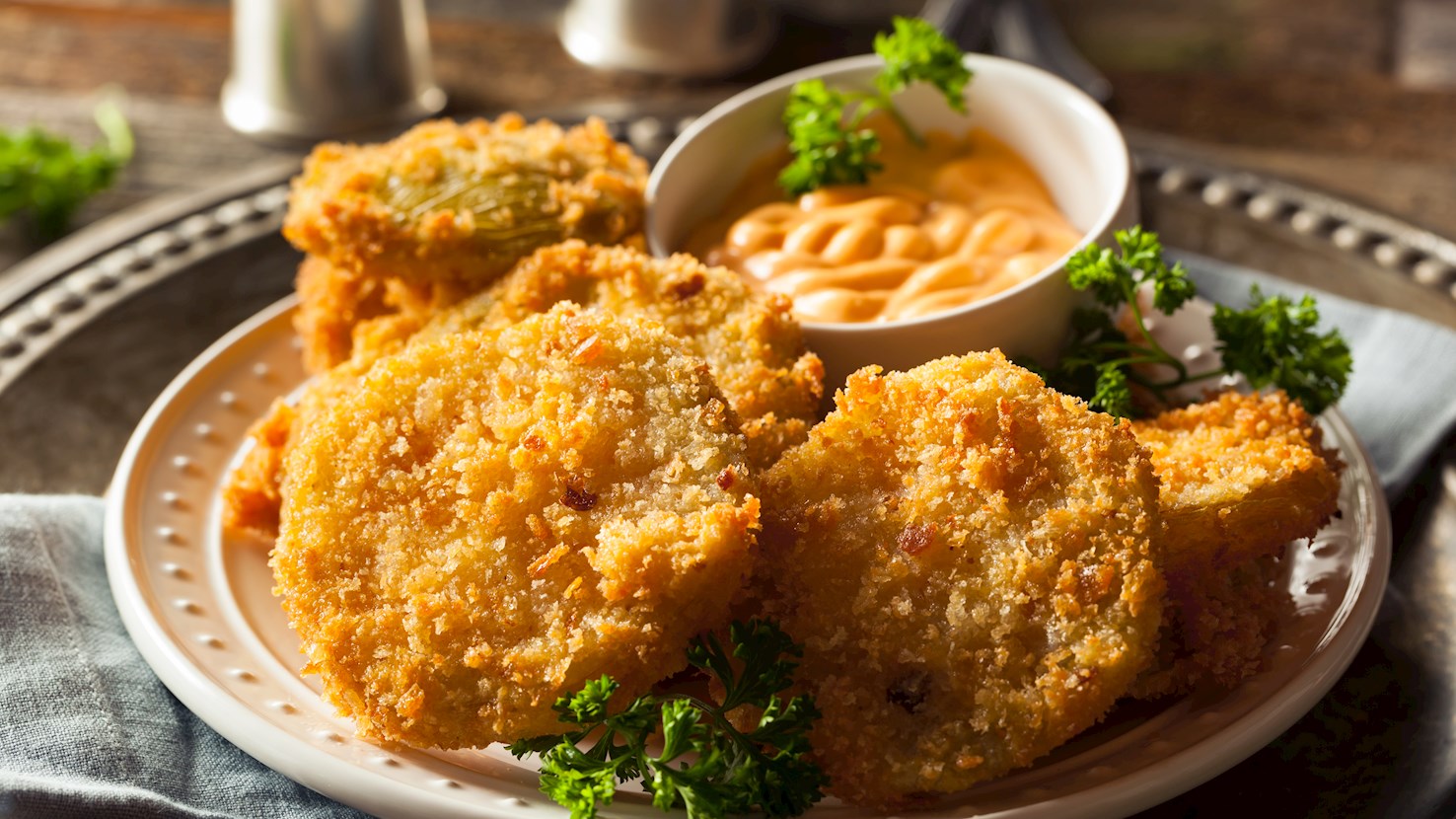
Fried green tomatoes are a staple of Southern United States. The dish is made with firm, unripe, and tangy green tomatoes that are sliced, dipped in seasoned cornmeal, then deep-fried. Ideally, the tomatoes should have a crunchy crust and a succulent interior after the deep-frying. Fried green tomatoes are typically served as an appetizer or a side dish, and sometimes even as a mid-afternoon snack. They can also be used as an ingredient for sandwiches, such as the fried green tomato po'boy. The dish gained popularity in the 1980s with Fannie Flagg's novel called Fried Green Tomatoes at the Whistle Stop Cafe (which was later also made into a movie).
Baiganee is a classic Trini snack that can also be served as a side dish. This vegetarian treat consists of sliced eggplant or baigan (hence the name) that is coated in a spicy batter, then deep-fried to golden-brown perfection. It is typically sold by street vendors who often pair it with a tamarind dipping sauce or mango chutney. Baiganee is also quite popular during festivities such as Divali.
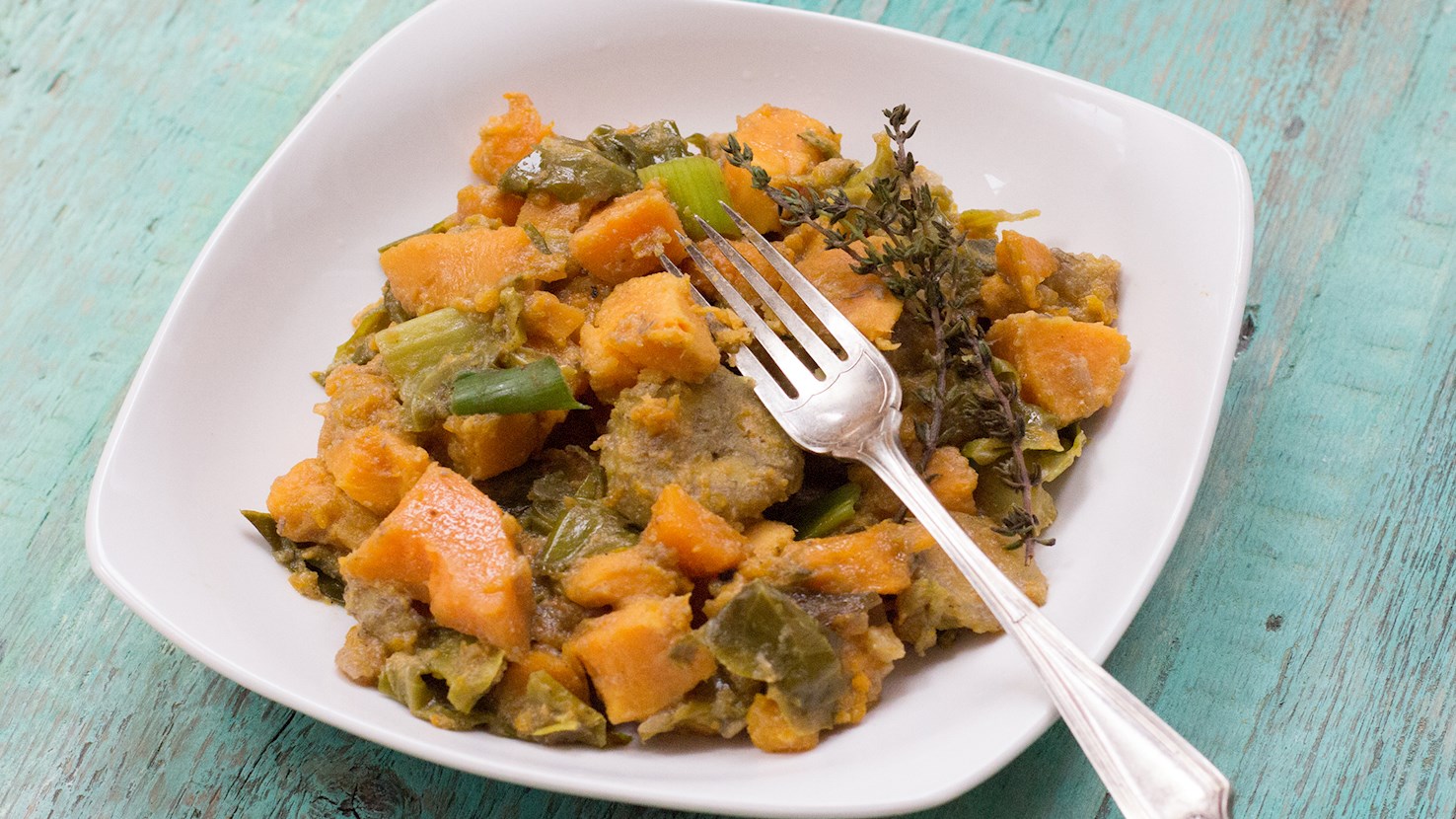
Ital stew is a plant-based Jamaican dish prepared with vegetables, legumes, coconut milk, herbs, and natural seasonings, cooked without meat and often without salt. The name “Ital” refers to the Rastafarian dietary principle that food should be vital, pure, and derived directly from natural sources, avoiding processed ingredients, artificial additives, or anything seen as diminishing the life force of the eater. Ital food is therefore centered on whole foods, minimal intervention, and methods that preserve the integrity of the ingredients. Ital stew appears in homes, community gatherings, and Ital cookshops, and has become widely recognized outside Jamaica as one of the core expressions of Rastafarian cooking. Its development is linked to the growth of Rastafari in the mid-twentieth century, when adherents shaped dietary practices to align with spiritual beliefs that emphasize natural living and a close relationship with the earth. As Ital cooking spread in urban and rural areas, the stew evolved into a flexible preparation that accommodates local produce such as pumpkin, callaloo, beans, and ground provisions. Preparation begins with a base of onions, scallions, garlic, thyme, and Scotch bonnet pepper, which are sautéed in coconut oil or cooked directly in coconut milk. Vegetables such as pumpkin, carrots, okra, and chocho are added along with red peas or broad beans. Coconut milk provides the liquid and helps thicken the stew. Ingredients such as Irish potato or sweet potato may be included to increase the stew’s body. Salt is often omitted or replaced with natural substitutes such as seaweed or celery, in keeping with Ital practice. The stew simmers until the vegetables are tender and the coconut milk reduces to a cohesive, lightly creamy texture. Its character depends on the use of fresh herbs and natural seasonings rather than manufactured sauces. Ital stew is eaten across Jamaica, especially in Rastafarian communities and in Ital restaurants that focus on plant-based meals. It is served with rice, bulgur, quinoa, or boiled ground provisions such as yam and green banana. Beverage pairings include coconut water, herbal teas, sorrel, and fresh fruit juices, all of which align with the emphasis on unprocessed foods and complement the clean, earthy flavors of the stew.
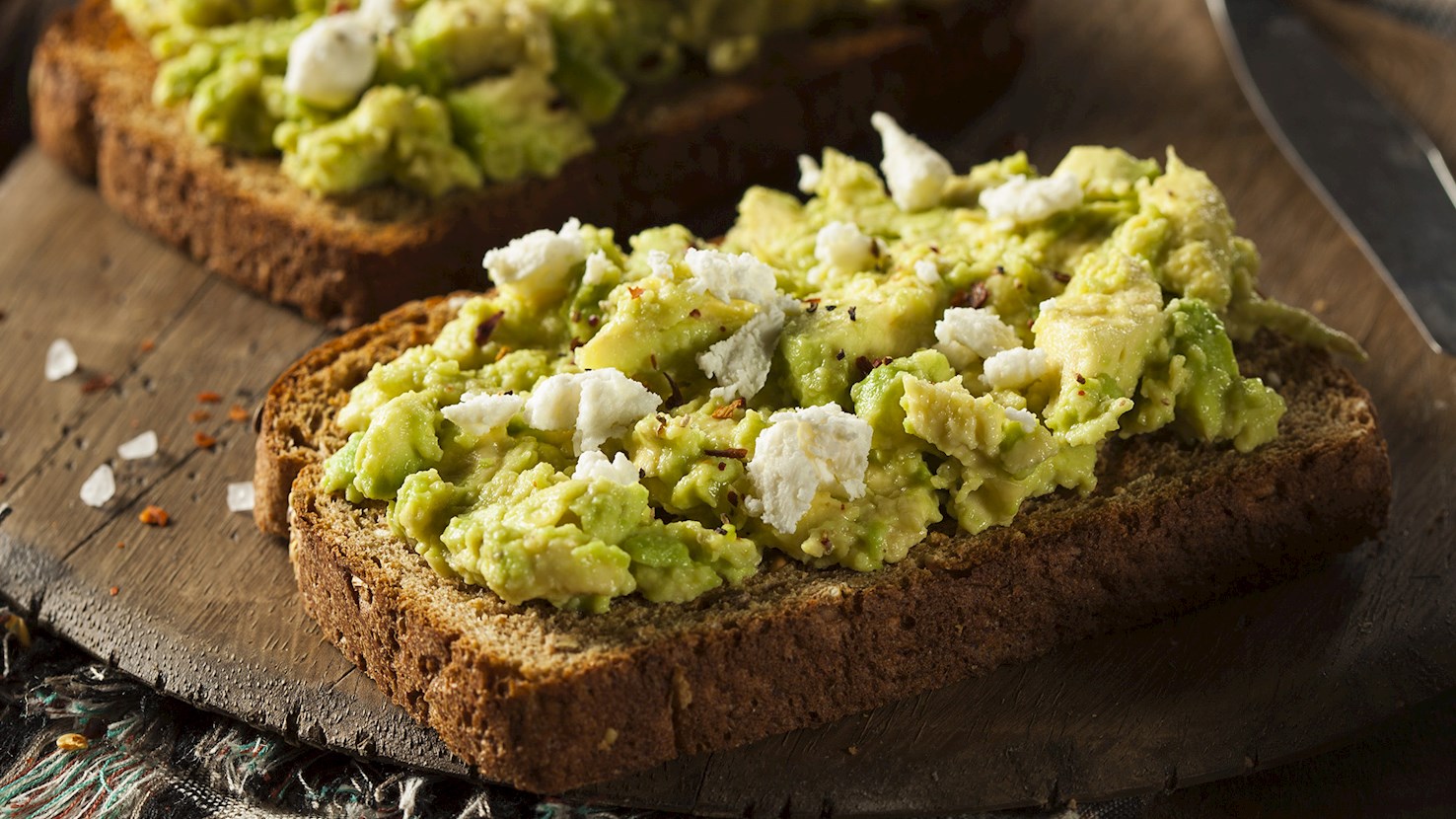
Avocado toast is a dish consisting of a piece of toasted bread topped with a combination of mashed avocados, salt, pepper, and (sometimes) citrus juice. There are many varieties of this dish, so it can be enriched with ingredients such as salmon, tomatoes, onions, eggs, garlic, cheese, olive oil, or red pepper flakes. Although the dish is quite simple and straightforward, the location of its origin is not – some claim that it is an Australian invention, while others proclaim that Los Angeles is the place where it was born. Regardless of its origin, avocado toast started its modern-day revival on Instagram, and it has been trending across the globe ever since.
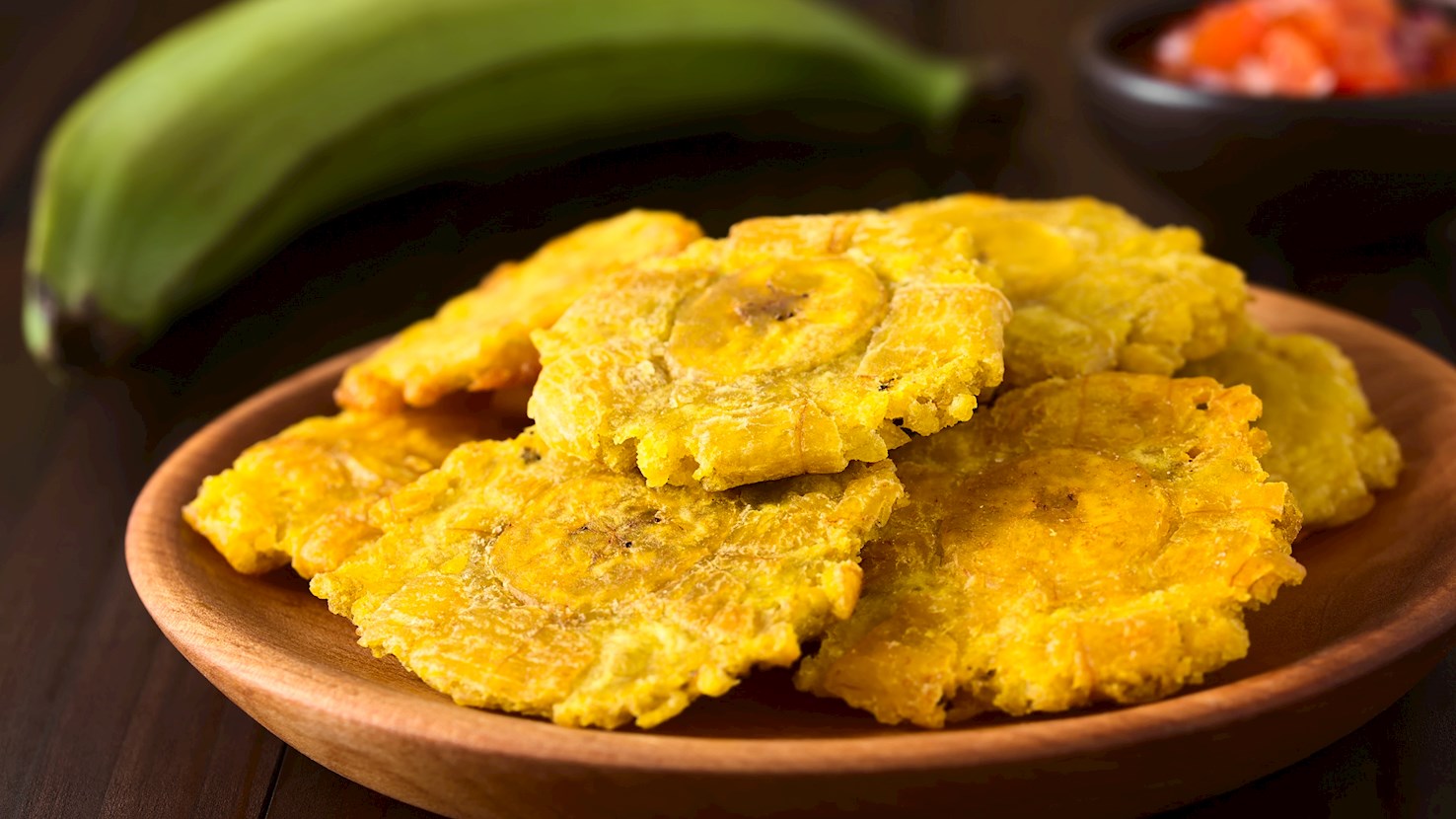
Tostones is a traditional side dish that's popular throughout Latin America and the Caribbean, especially in Puerto Rico. Unlike platanos fritos, where only ripe plantains are used, tostones are made with unripe, hard, very green plantains. They are sliced into pieces, fried on each side, then smashed or flattened and deep-fried one more time until they become golden. Once prepared, the tostones are sprinkled with sea salt and served as a side dish to various dishes. They are often served with garlic mojo sauce (mojo de ajo), either on top of the tostones, or on the side as a dip.
TasteAtlas food rankings are based on the ratings of the TasteAtlas audience, with a series of mechanisms that recognize real users and that ignore bot,
nationalist or local patriotic ratings, and give additional value to the ratings of users that the system recognizes as knowledgeable.
For the “12 Worst Rated North American Vegetarian Dishes” list until June 16, 2026, 2,889 ratings were recorded, of which 2,095 were recognized by the system as legitimate.
TasteAtlas Rankings should not be seen as the final global conclusion about food. Their purpose is to promote excellent local foods,
instill pride in traditional dishes, and arouse curiosity about dishes you haven’t tried.