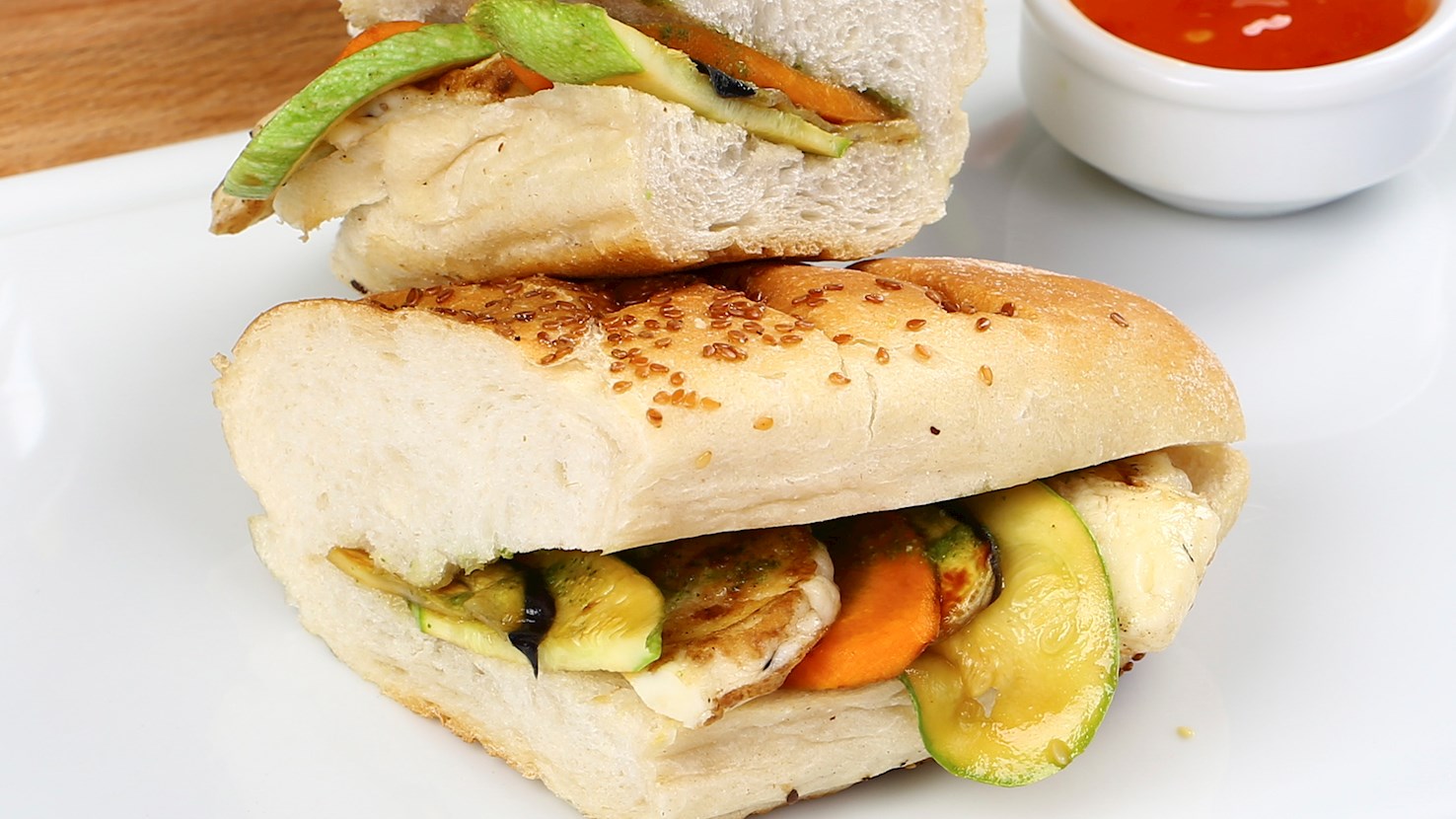
Bocadillo de verduras is a Spanish sandwich made with a hunk of bread that's filled with a variety of vegetables, usually roasted. The sandwich typically consists of a ciabatta bread roll or a Spanish-style baguette (barra de pan) that's been cut in half along the middle and filled with vegetables. Typical vegetables for the sandwich’s filling include zucchinis, peppers, eggplants, carrots, tomatoes, onions, artichokes, salad greens, broccoli, cauliflowers, and peas. The bread is sometimes broiled for added crispiness, while the sandwich's filling may also be enhanced with other ingredients such as queso de cabra (goat cheese) or queso fresco (fresh cheese), slices of salami, mushrooms, or eggs. This bocadillo sandwich variety makes for an excellent, filling snack, and it can be savored at numerous tapas bars in the country.
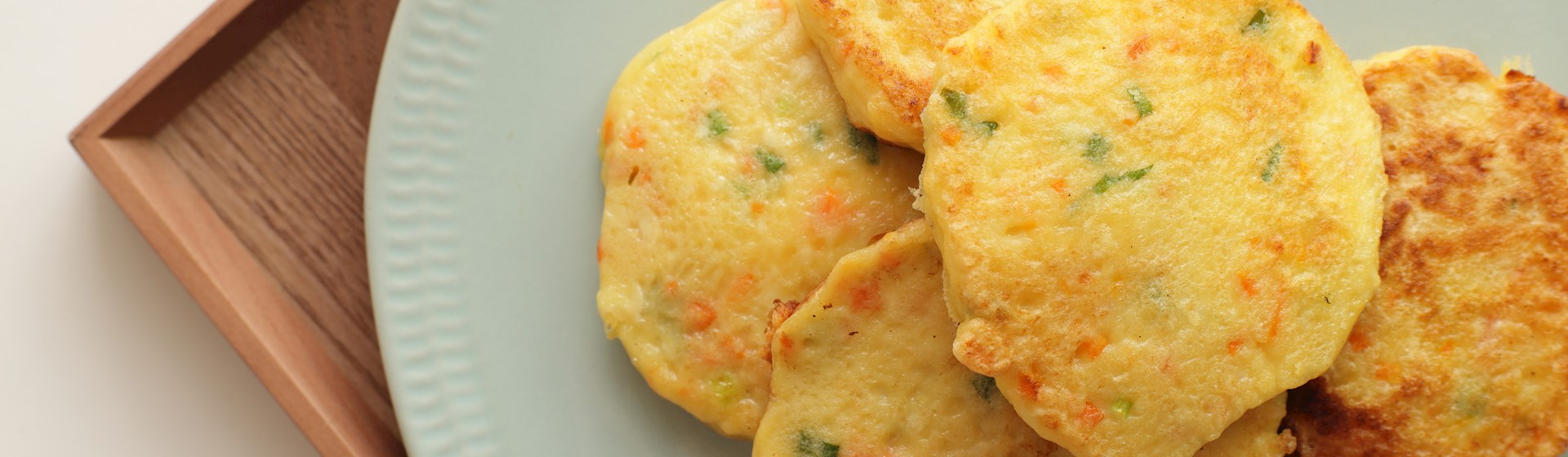
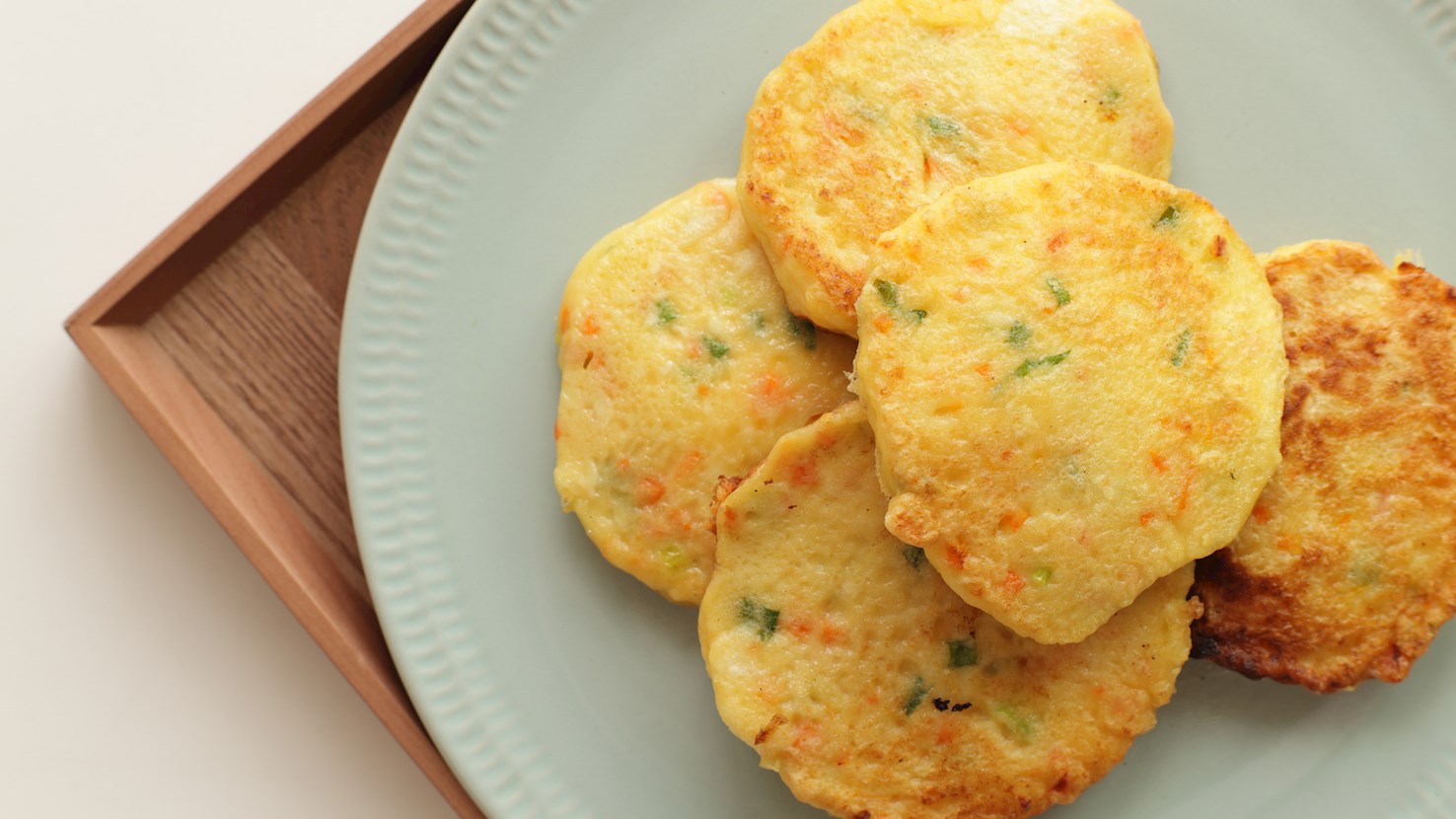
Dubujeon is a traditional dish originating from South Korea. This type of jeon (pan-fried battered food) is made with tofu. Other ingredients usually include flour, oil, eggs, scallions, salt, pepper, and vegetables such as onions and carrots. The tofu and the vegetables are chopped and mixed together with beaten eggs, flour, and salt. The mixture is divided into smaller portions and pan-fried in hot oil on both sides until golden and fully cooked. Once done, dubujeon is served hot with a dipping sauce on the side.
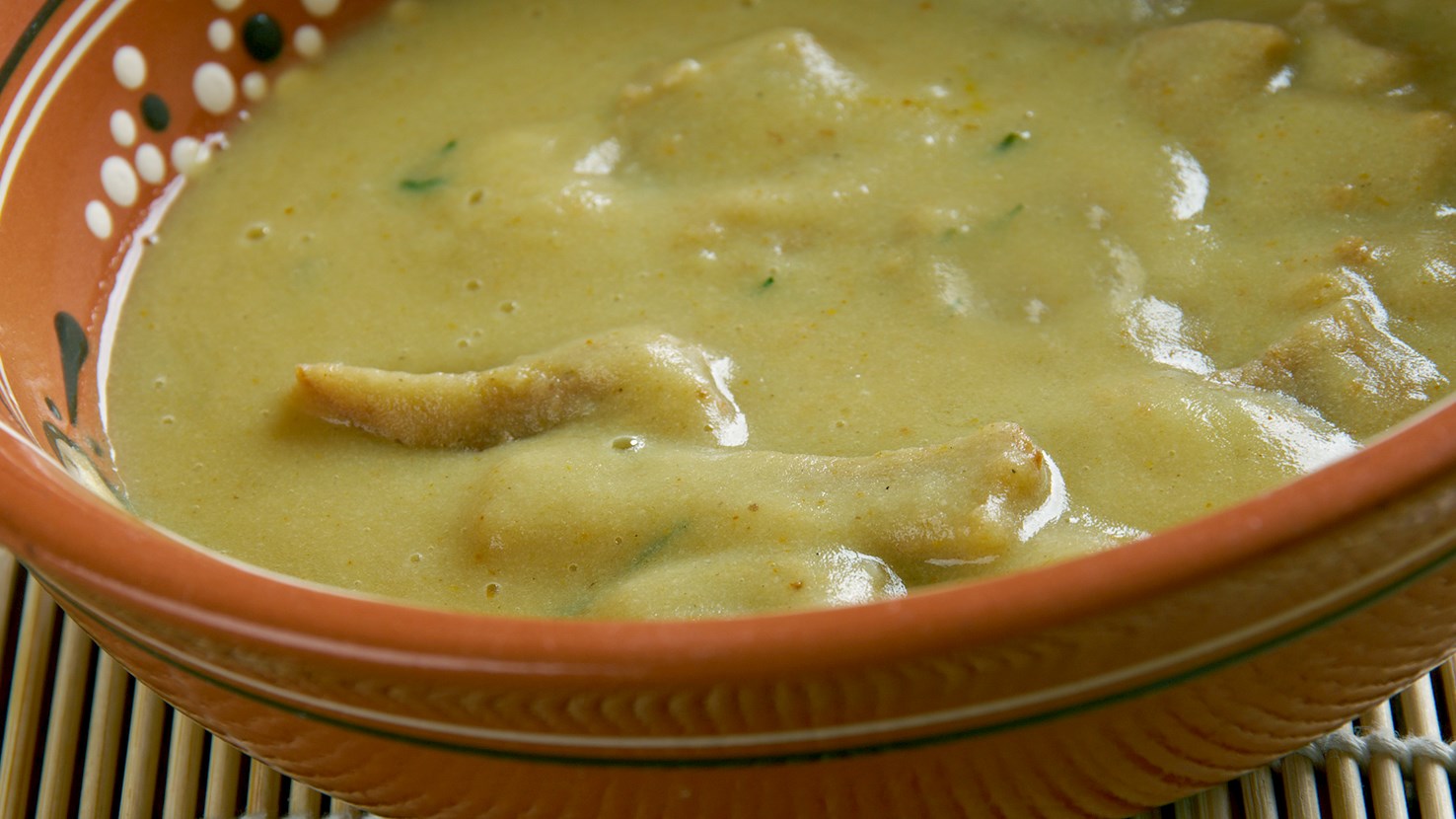
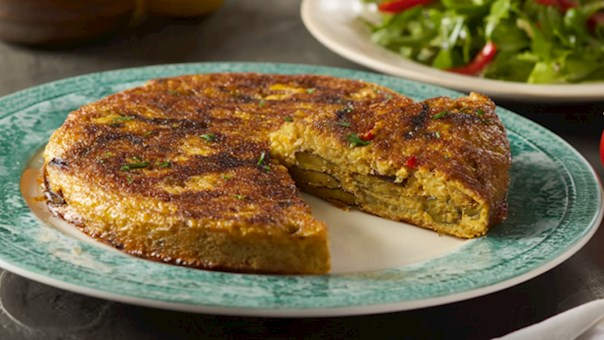
Gachas is an ancient, traditional Spanish dish consisting of a few basic ingredients: flour, water, salt, olive oil, and garlic. In the past, it was a staple dish among shepherds and farmers, but today it is popular throughout the country. Its texture can vary from soup-like to pie-thick with a golden-brown crust, depending on the method of preparation. The dish is served warm, and some cooks like to add saffron, paprika, or fried onions in order to improve the flavors.
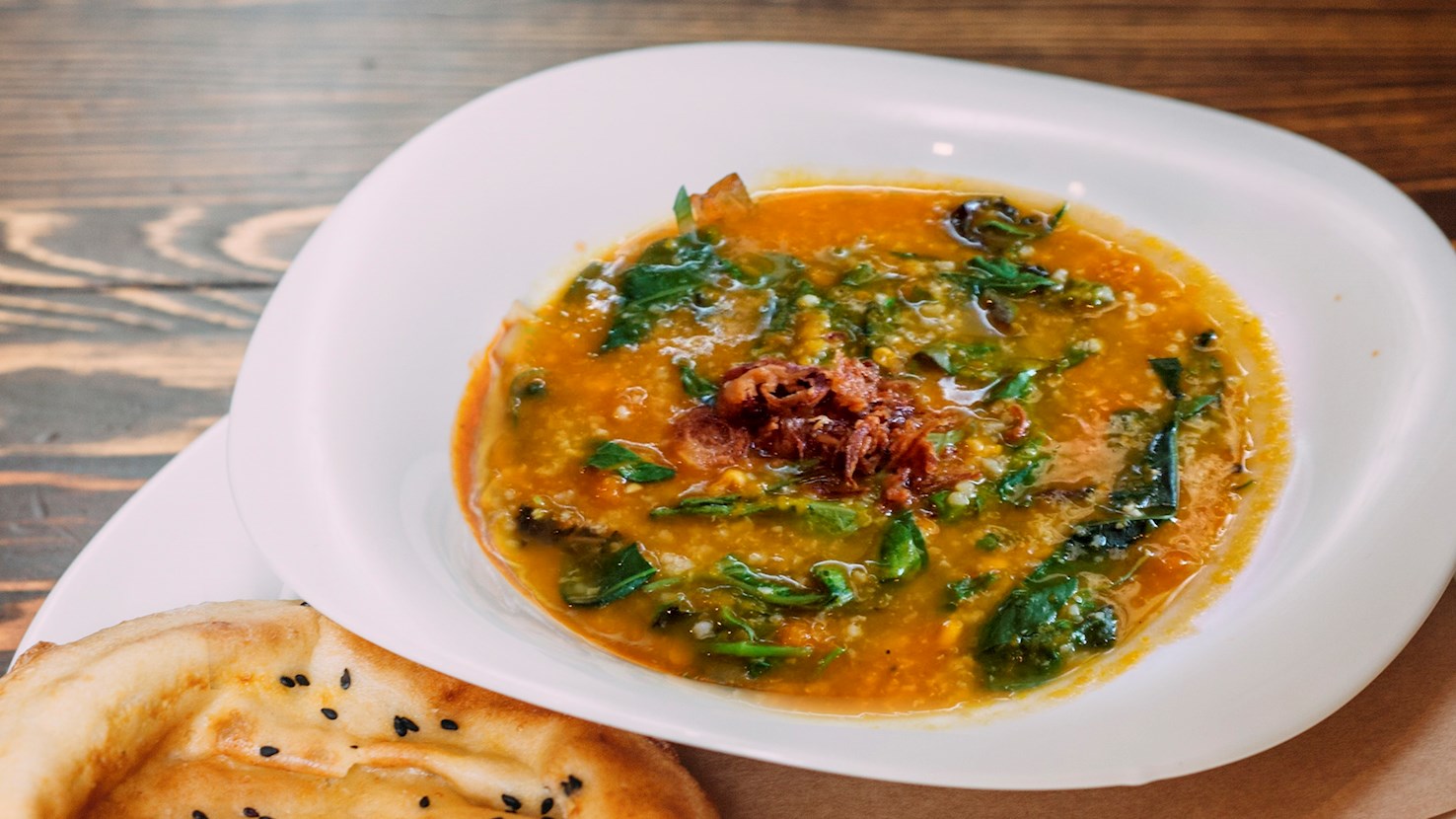
Tinutuan is a hearty rice porridge originating from Manado, the capital of North Sulawesi in Indonesia. It is considered a regional breakfast staple, widely appreciated for its comforting texture and use of locally available vegetables and herbs. Often referred to as Manadonese porridge, tinutuan reflects the agricultural and coastal influences of North Sulawesi, where rice, corn, and leafy greens are readily grown and incorporated into everyday cooking. Unlike plainer rice porridges found in other parts of Indonesia or Asia, tinutuan is notable for its rich combination of starches and vegetables, creating a thick, savory dish that is both filling and nutrient-dense. The base of tinutuan is made by simmering rice with corn kernels, cassava, or sweet potatoes until everything breaks down into a soft, porridge-like consistency. Toward the end of cooking, a variety of chopped vegetables are added, commonly including spinach, water spinach (kangkung), pumpkin, and sometimes basil or melinjo leaves. The mixture is cooked until the greens are wilted and well integrated into the porridge. The result is a flavorful and textured dish that combines sweetness from the corn, earthiness from the greens, and a soft, spoonable consistency from the rice and root vegetables. Tinutuan is typically served warm and accompanied by a range of side dishes and condiments. These may include fried shallots, salted fish, boiled eggs, sambal (chili paste), and sometimes smoked skipjack tuna or fermented soybeans (tempeh). The toppings vary according to availability and personal preference, but the balance of the base with savory and spicy accompaniments is central to the eating experience. In Manado, it is common to find tinutuan sold by street vendors or small eateries in the morning, often alongside other Minahasan breakfast items. The dish has also become a symbol of local culinary identity. In efforts to promote it more broadly, the local government of Manado has supported tinutuan as a signature dish of the city. A dedicated area known as “Wakeke Street” in Manado is even known for its morning porridge stalls that specialize in tinutuan and its variations.
Ceviche de chochos is a traditional and Ecuatorian dish in made with chochos or tarwi (lupini beans) as the primary ingredient. These beans have a unique, slightly bitter flavor that pairs well with the acidic components of the dish. The chochos are mixed with ingredients typical of ceviche preparations, like tomatoes, onions, coriander, lime juice, and usually aji peppers. The mix is left to marinate, allowing the flavors to meld. Often, ceviche de chochos is garnished with toasted corn (maiz tostado), chifles (thin plantain chips), or avocado slices. The combination of textures – the softness of the beans, the crunch of the corn, and the creaminess of the avocado – adds to the appeal of the dish.
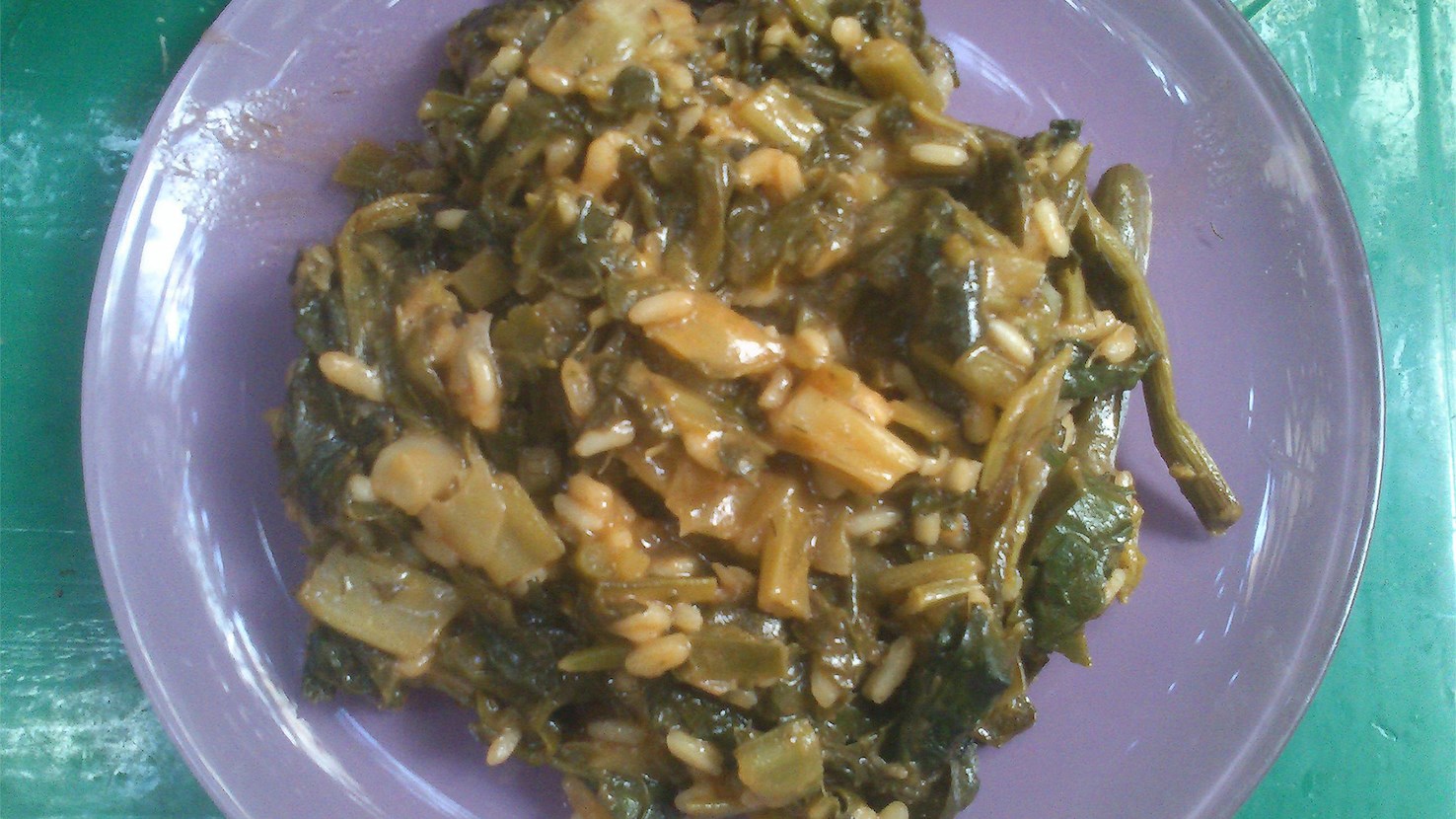
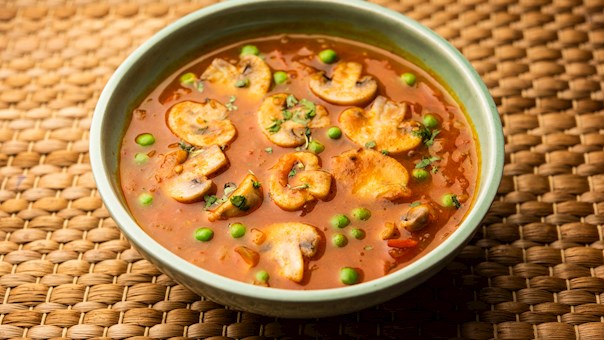
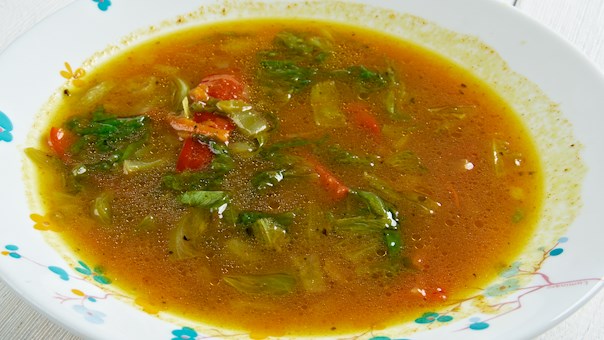
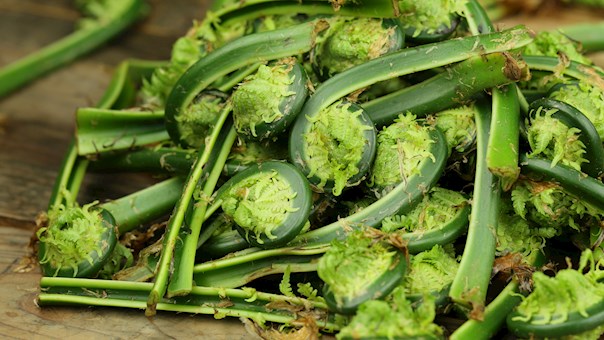
This Cephalonian dish consists of various greens that are stewed alongside tomatoes and various spices and herbs. The dish typically employs onions, celery, leeks, or spinach, and different choice of wild greens such as chard or sorrel. It is occasionally enriched with rice and is best prepared during spring when there is an abundance of wild greens. Tsigaridia is traditionally enjoyed as the main course and is best paired with bread.
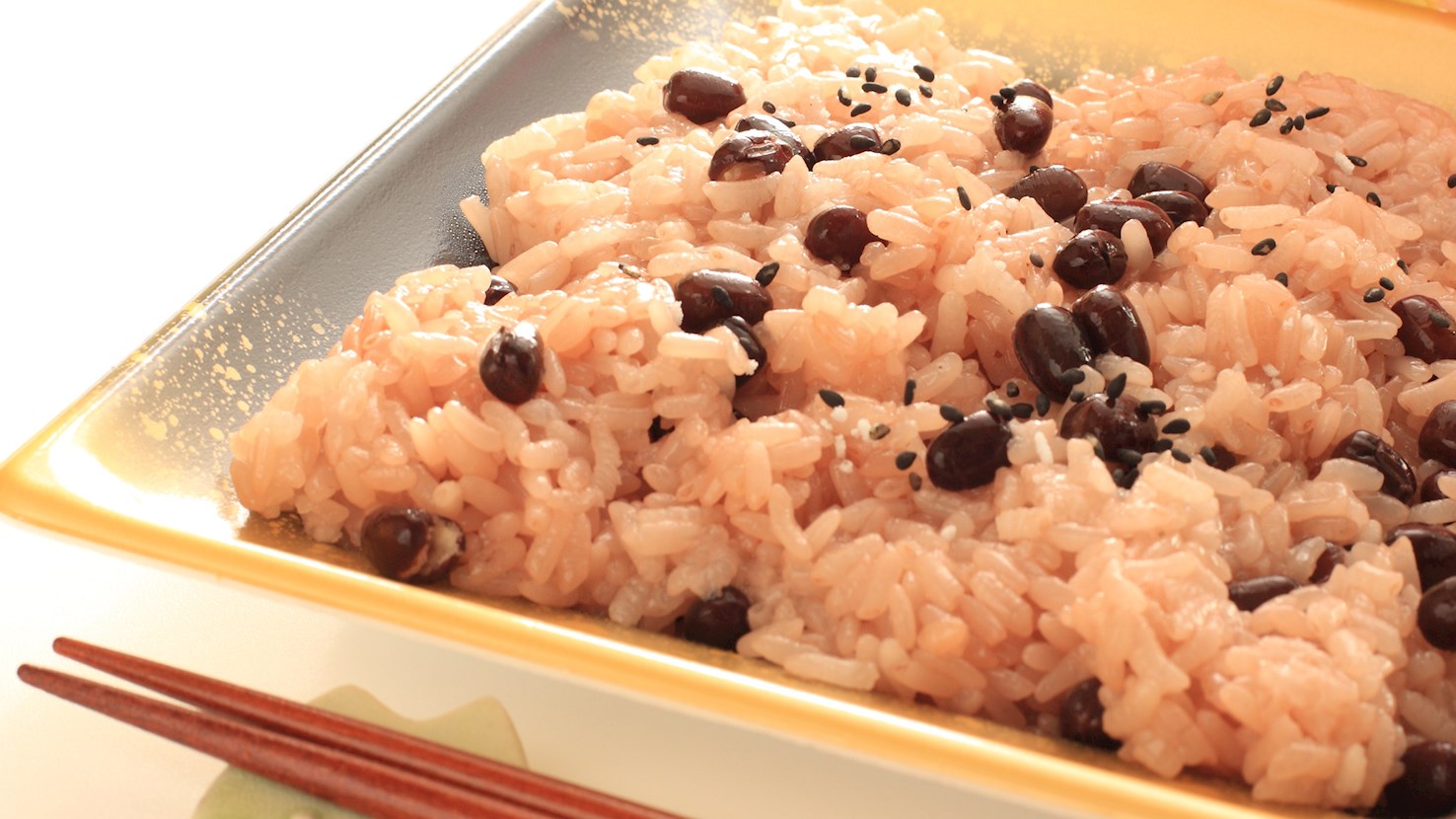
Sekihan is a traditional dish consisting of only two main ingredients – glutinous rice and red azuki beans. The dish has a reddish hue which is a result of the cooking liquid from azuki beans. In the past, the color red was a symbol of good fortune and it supposedly warded off evil. Nowadays, sekihan is typically consumed for good luck – it is served mostly on special occasions such as birthdays, weddings, and celebrations. The dish is usually served on okuizome (a baby's first meal when it is 100 days old) and shichi-go-san (a ritual for children aged 3, 5, and 7). Traditionally, sekihan is consumed with gomashio – a combination of toasted black sesame and salt.
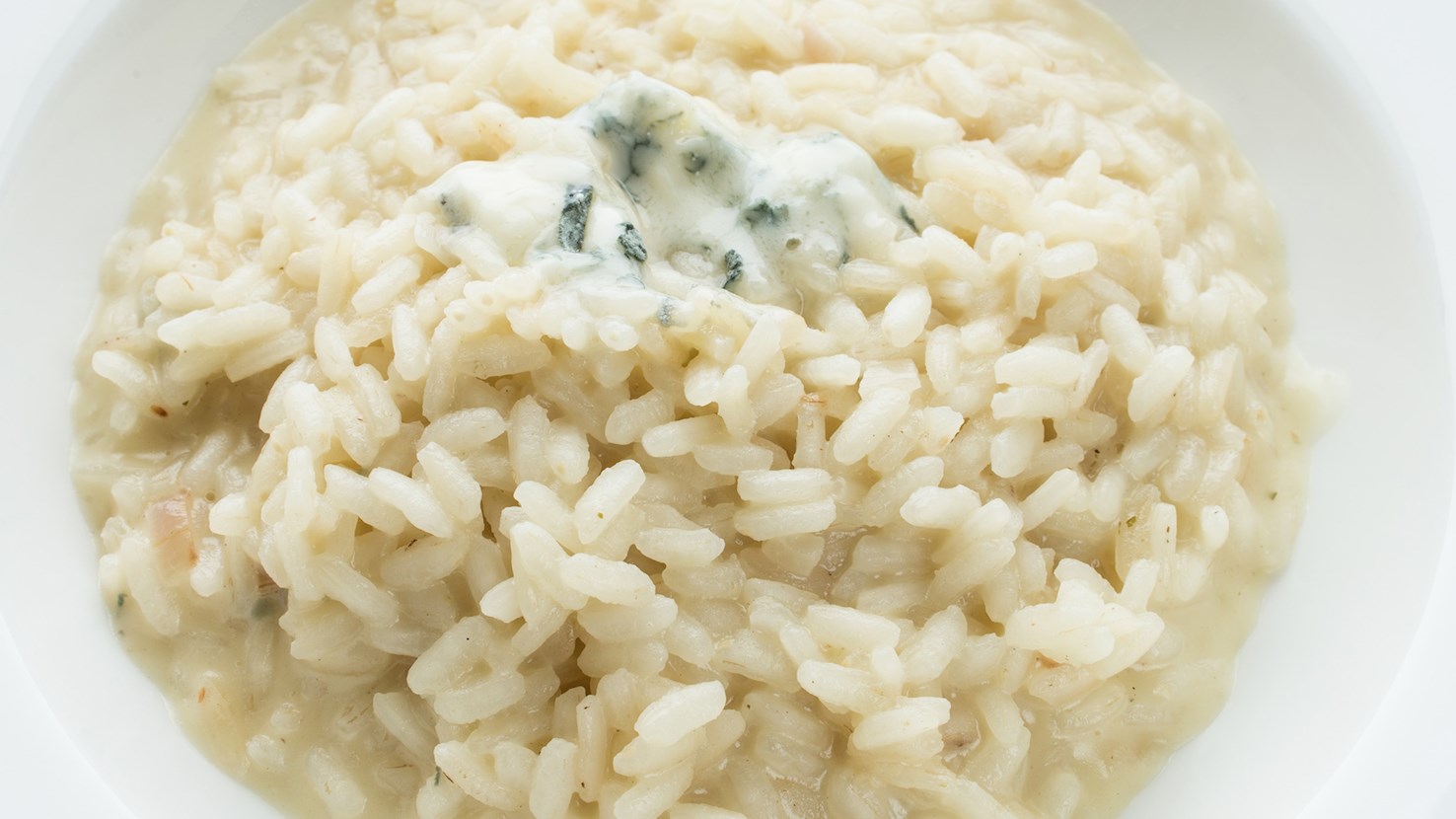
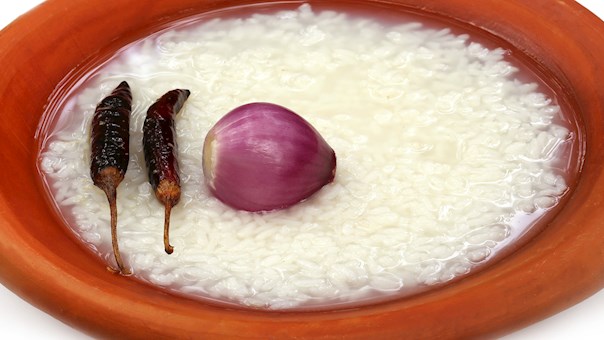
Arroz con queso is a traditional dish with a strikingly white color. It consists of rice (preferrably short and plump, such as Arborio), milk, and semi-firm white cheese. Rich and creamy, this popular dish can often be found alongside churrasco dishes and other grilled meat dishes, and it is recommended to serve arroz con queso while it is still hot.
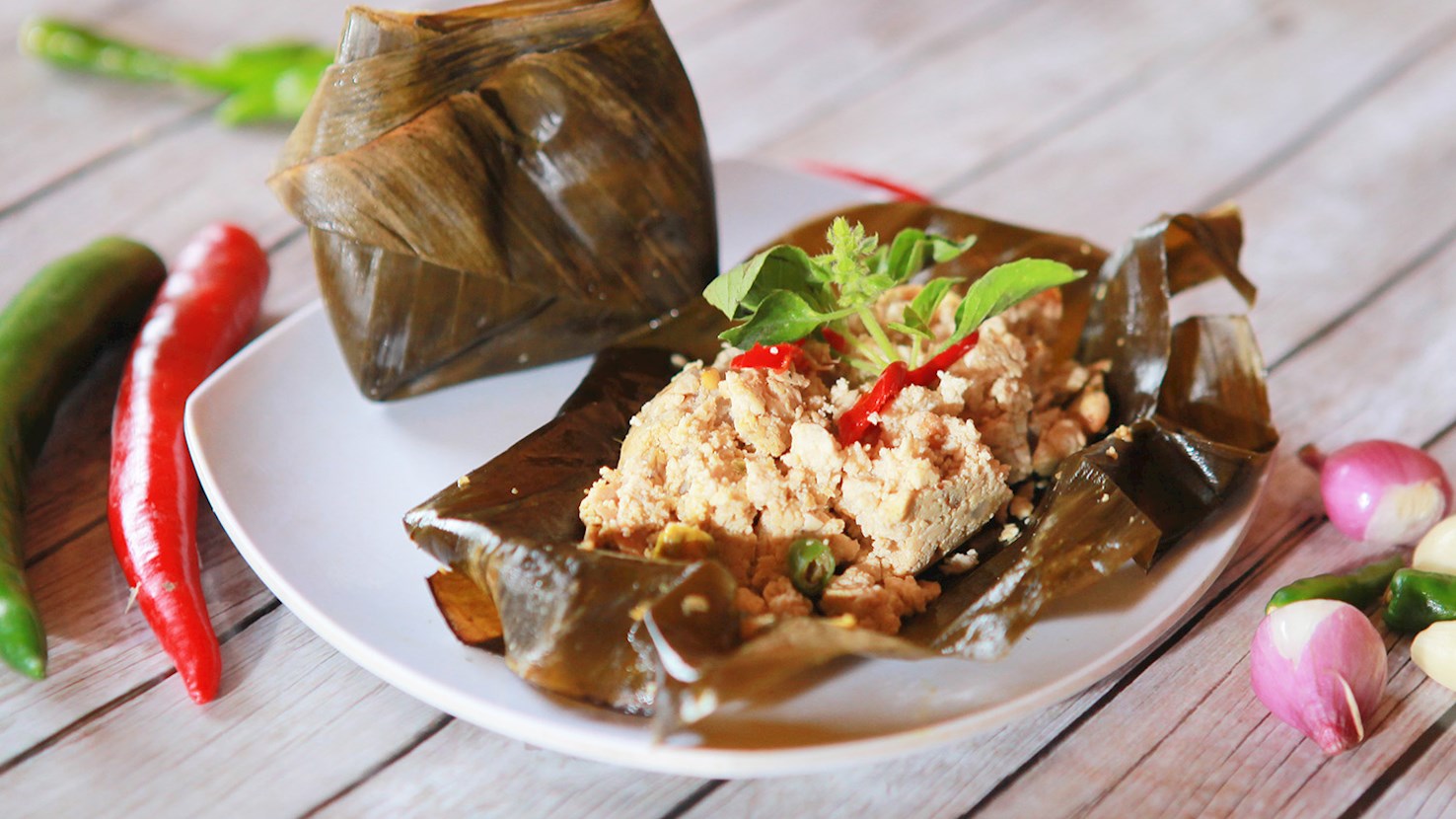
Pepes tahu is an Indonesian steamed tofu dish originating from Java, where the method of cooking in banana leaves, known as pepes, is commonly used for preparing both plant-based and protein-rich foods. In this version, tofu serves as the primary ingredient, mixed with a ground spice paste and sometimes combined with vegetables or aromatic herbs before being wrapped in banana leaves and steamed until firm and fragrant. The use of banana leaves allows the ingredients to cook evenly while absorbing the subtle aroma from the leaf itself, creating a dish that is both practical and flavorful. The preparation of pepes tahu starts with mashing firm tofu until smooth, then blending it with a spice mixture typically made from shallots, garlic, chilies, coriander, candlenuts, and turmeric, with the occasional addition of lemongrass or makrut lime leaves to enhance the aroma. The mixture is seasoned with salt, pepper, and sometimes a small amount of sugar, depending on regional preference. Other optional ingredients include finely sliced chayote, carrots, basil leaves, or chopped mushrooms, which contribute texture and variation. Once the tofu and spices are well-mixed, the seasoned mash is portioned onto softened banana leaves, folded tightly into packets, and secured with toothpicks or small bamboo pins. These packets are then steamed until the contents are cooked through and set, typically for about 20 to 30 minutes. Some variations call for an additional step of grilling the steamed packets briefly to introduce a smoky aroma, though this is optional and often depends on local practice. Pepes tahu is usually served as a side dish with rice and other accompaniments, especially in vegetarian or plant-focused meals. It is appreciated for its soft texture, balanced seasoning, and the clean, slightly earthy fragrance imparted by the banana leaf wrapping. In many parts of Java, it is a common feature in lunchboxes, market stalls, and home meals, valued for its lightness, portability, and ease of preparation.
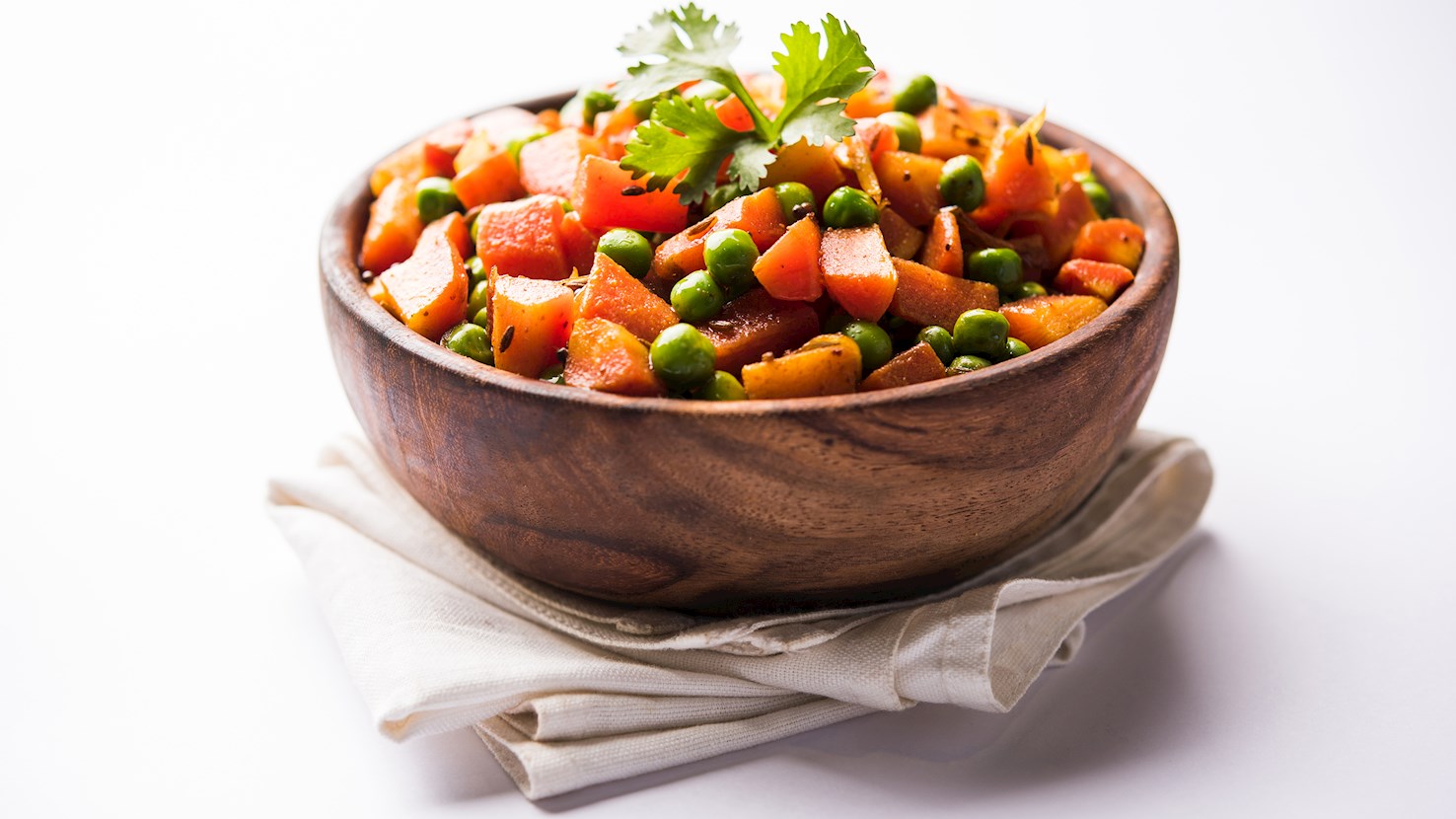
Gajar matar is a traditional vegetable-based dish originating from Punjab, where it's considered a wintertime staple. This stir-fry is usually made with a combination of peas, carrots, oil, cumin, onions, hot chili peppers, garlic, ginger, coriander, tomatoes, and salt. All of the ingredients are stir-fried, often with the addition of water, while the chopped tomatoes, peas, and carrots are added near the end of cooking. In order to finish the dish, the heat is reduced to low, the pan is covered, and the dish is cooked until the vegetables are tender. It's recommended to serve gajar matar with hot rotis on the side.
TasteAtlas food rankings are based on the ratings of the TasteAtlas audience, with a series of mechanisms that recognize real users and that ignore bot,
nationalist or local patriotic ratings, and give additional value to the ratings of users that the system recognizes as knowledgeable.
For the “100 Worst Rated Vegetarian Dishes in the World” list until October 15, 2026, 39,432 ratings were recorded, of which 22,548 were recognized by the system as legitimate.
TasteAtlas Rankings should not be seen as the final global conclusion about food. Their purpose is to promote excellent local foods,
instill pride in traditional dishes, and arouse curiosity about dishes you haven’t tried.










What People Say