

shutterstock

4 Worst Rated Czech Wafers

Last updated on June 16, 2026
01

Hořické Trubičky

3.7 ·

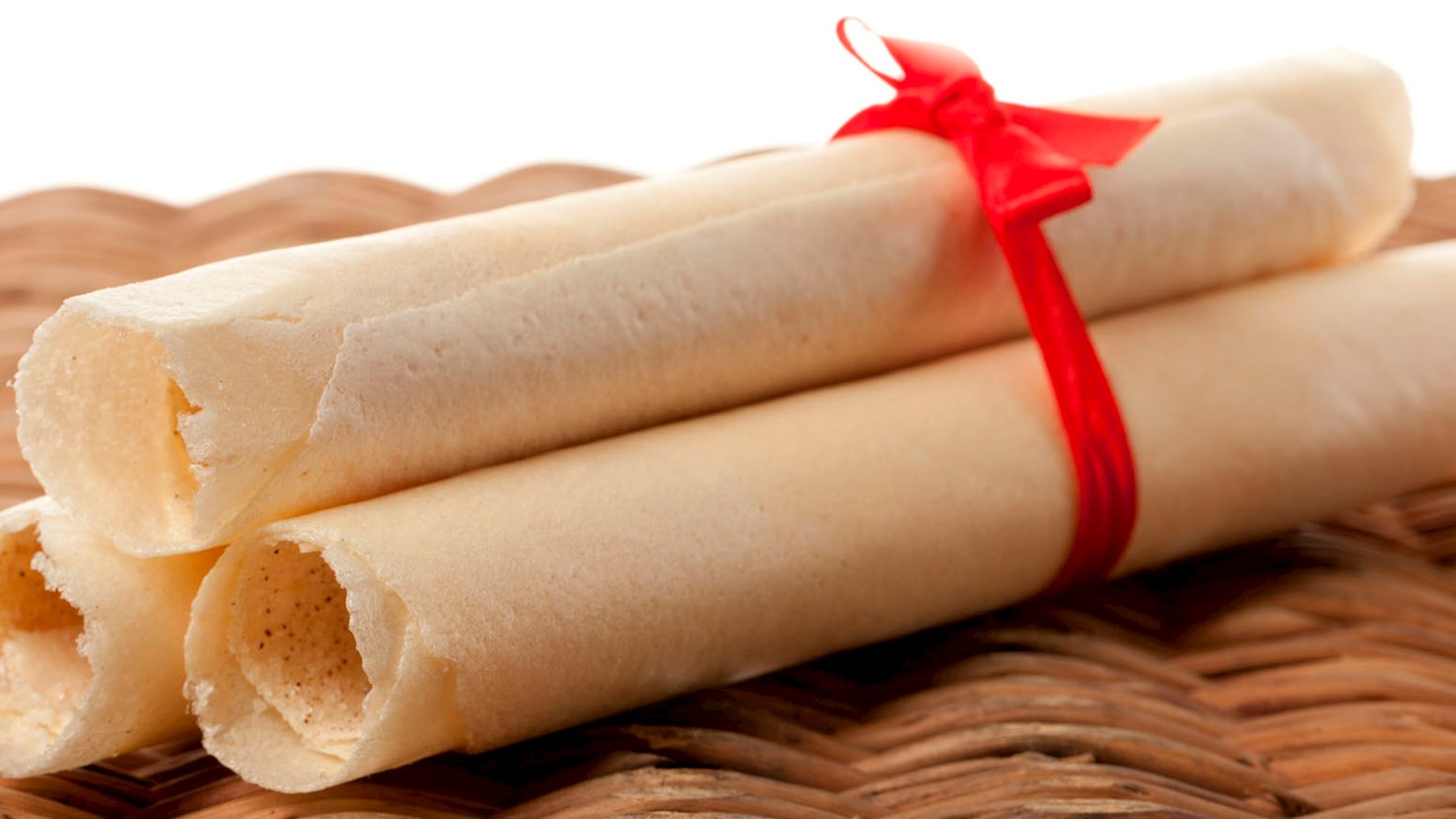
Hořické trubičky are rolled wafers produced in the town of Hořice and neighbouring municipalities in the Czech Republic. The rolls are from 5 to 19 centimetres long and light beige in colour. They have the scent and taste of a wafer, with a crunchy, smooth and porous texture. The wafers are made from only six ingredients - wheat flour, powdered milk, sugar, water, egg yolks and vegetable oil. They come in different varieties, so the rolls can be filled, half-coated, coated and sprinkled. When filled, the filling consists of whipped butter cream with cocoa powder and vanilla. When sprinkled, they are coated with melted butter mixed with honey and sprinkled with sugar or hazelnuts, almonds, cinnamon, raisins, cocoa powder and vanilla. The recipe for this delicacy exists since 1812 when Napoleon's wounded general and chef gave it to a local woman as a reward for healing his wounds. To eat them as the locals do, dip them in a cup of warm, melted chocolate.

02

Mariánskolázeňské oplatky

3.9 ·

Mariánskolázeňské oplatky are wafers with an unusually large and round shape, produced in the municipalities of Mariánské Lázně and Velka Hled'sebe in the Czech Republic since 1856. The final product consists of two thin wafers glued together by a layer of filling, which can be made with hazelnuts or cocoa. The edge is crumbled, and the wafers break with a characteristical crack once they are bitten into. The wafers are either light brown or cream in color, consisting of wheat flour, sugar, egg yolks, salt, starch, and flavorings. The fillings have a texture that is granular, while the flavor is delicately sweet. The wafers are sold in aluminum foil or carton packages and are mostly eaten as a tasty snack.

03

Karlovarské oplatky

3.9 ·

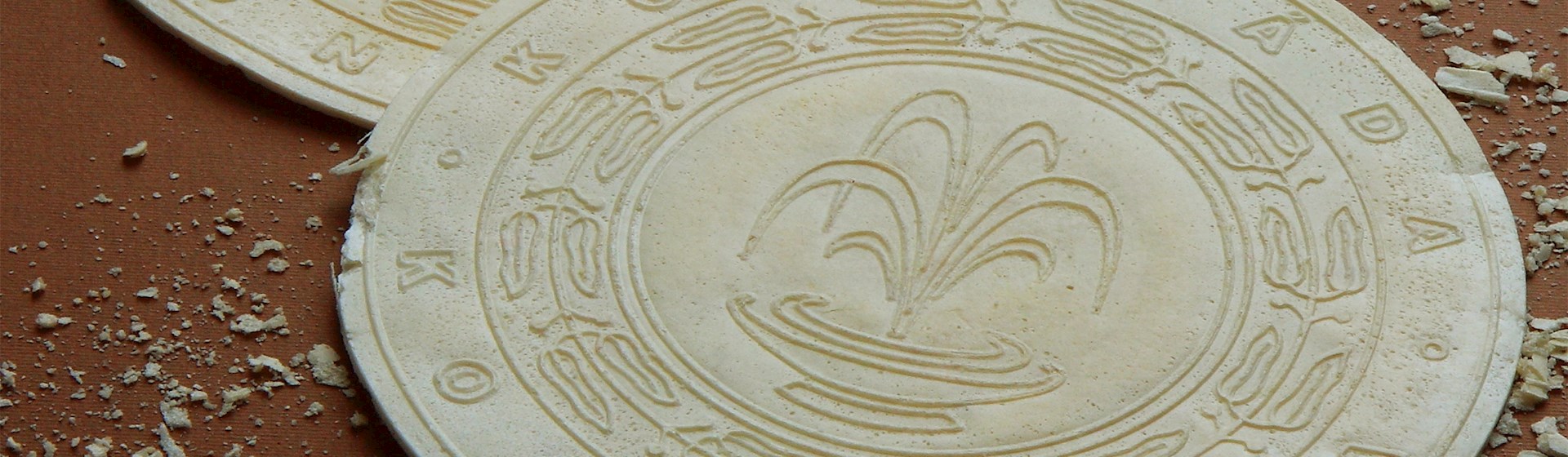
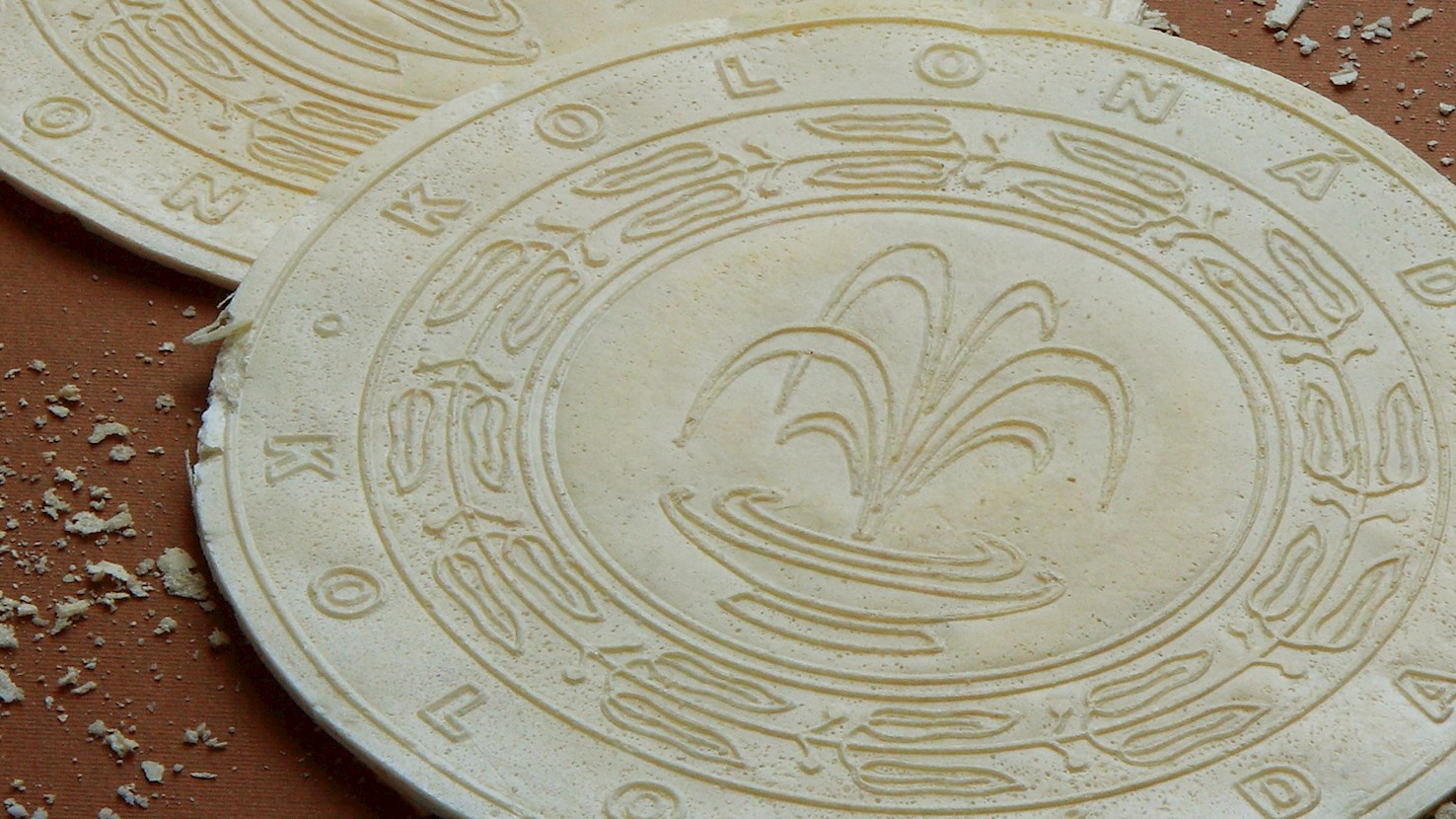
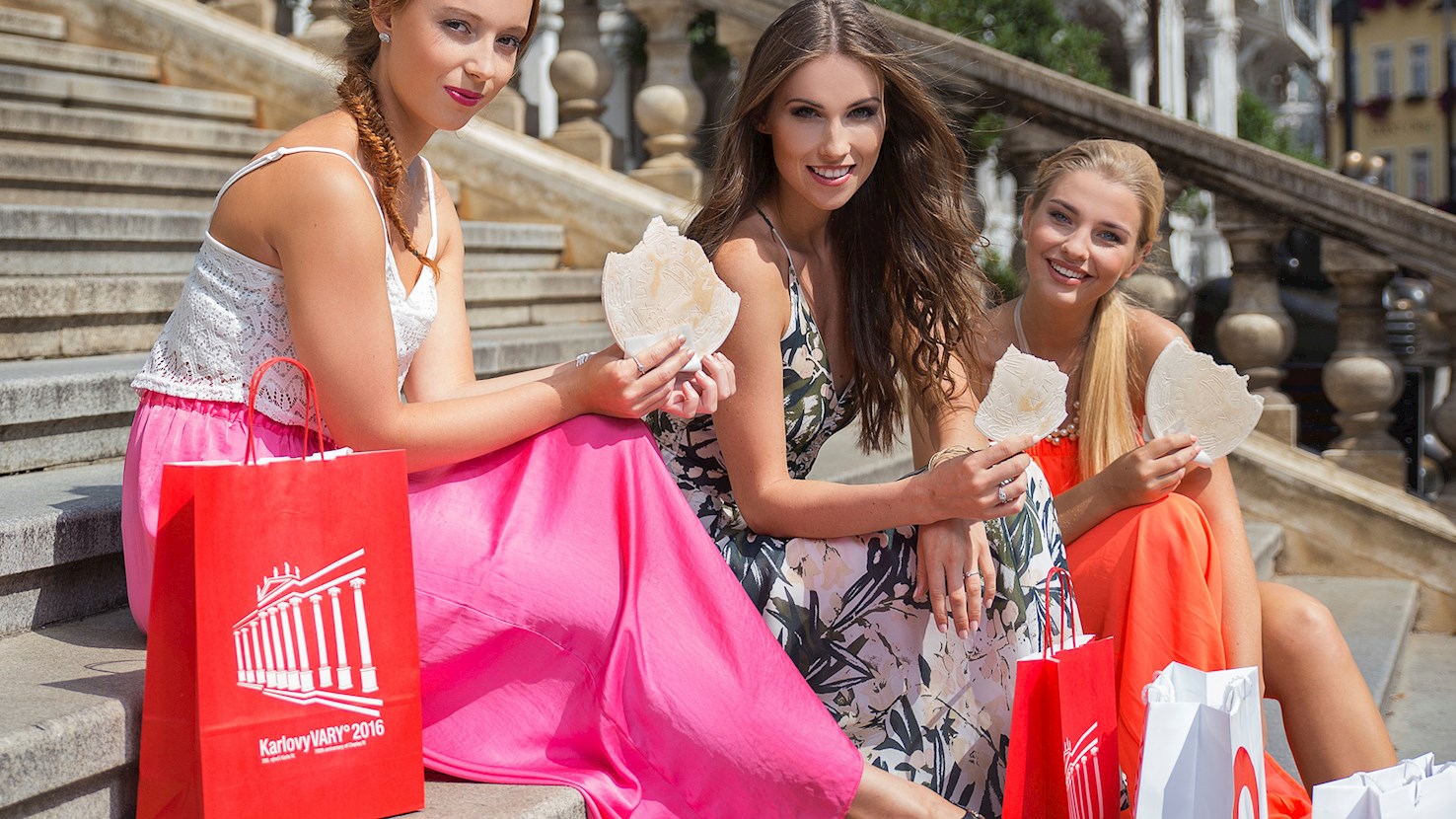
Karlovarské oplatky are flat wafers made according to an old, traditional recipe in the area of Karlovy Vary in the Czech Republic since the mid-18th century when they were originally homebaked. As evidence, today there are the oldest wafer-making irons in the Karlovy Vary Museum. In the past, cooks would make wafers sprinkled with sugar for the guests of the Karlovy Vary spa. The wafers have a diameter of 19 centimeters and, in the middle, there is a water fountain or a chamois, a symbol of the spa town. The thermal spring water is used in the production process, acting as a moisturizer for the wafers. They are sprinkled with sugar, hazelnuts, almonds, cocoa, vanilla or cinnamon, and then baked until they are crisp, thin and develop their characteristical flavor and scent. The wafers are extremely popular in the area, eaten as a snack or bought as a souvenir from Karlovy Vary.

04

Karlovarské trojhránky

3.9 ·

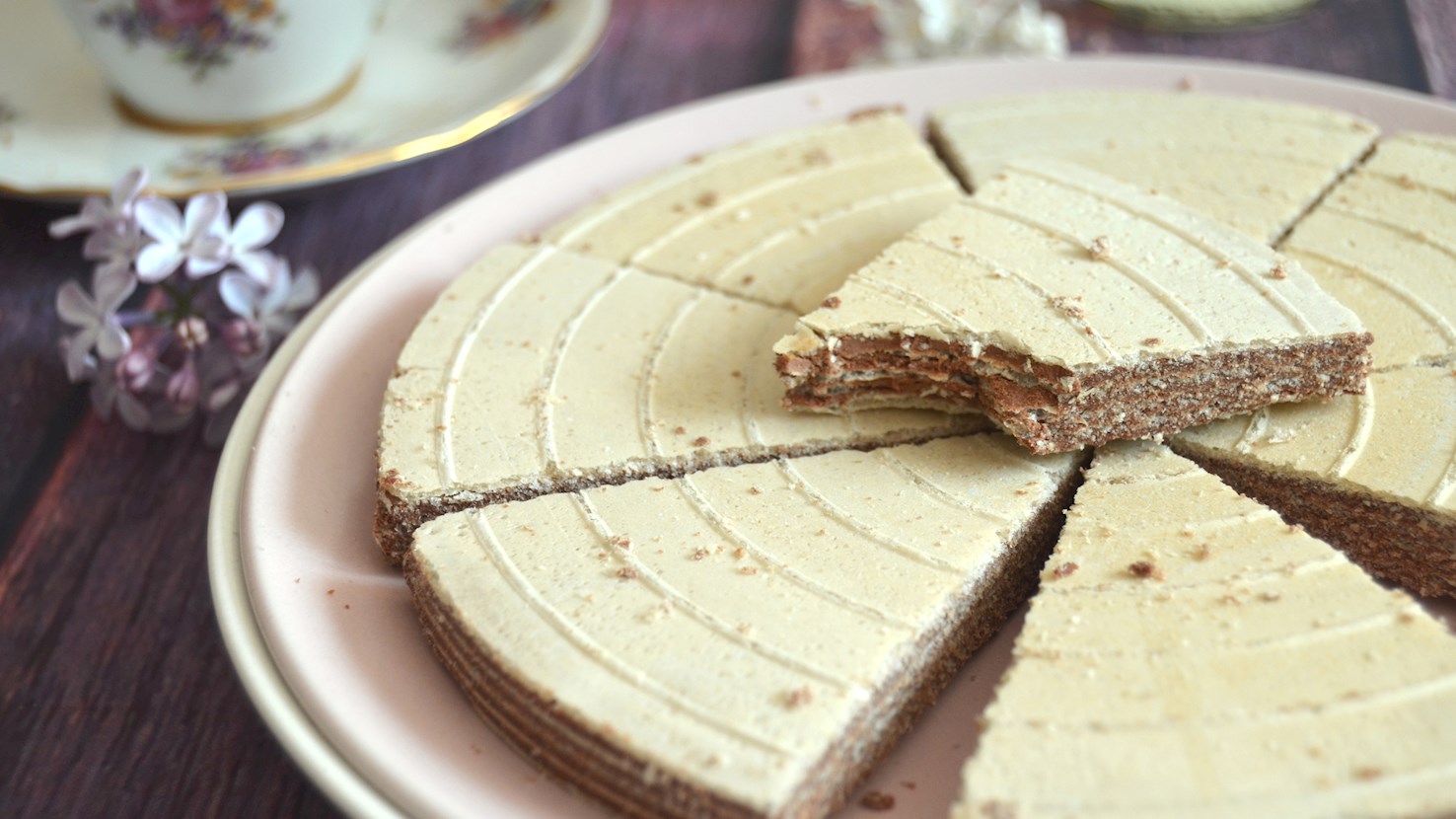
Karlovarské trojhránky are traditionally made wafers, produced from the Karlové oplatky wafers when they are cut in eight pieces, forming small triangles and can be sold either individually or in batches of several pieces. They are produced in the area of Karlovy Vary in the Czech Republic since the mid-18th century, when they were originally home-baked. The whole wafers have a diameter of 19 centimeters and, in the middle, there is a water fountain or a chamois, a symbol of the spa town. Thermal spring water is used in the production, acting as a moisturizer for the wafers. They are sprinkled with sugar, hazelnuts, almonds, cocoa, vanilla or cinnamon, and then baked until they are crisp, thin and develop their characteristical flavor and scent. Whether whole or cut into triangles, the wafers are extremely popular in the area, eaten as a snack or bought as a souvenir from Karlovy Vary.

Read more
View all
View map
About this ranking

TasteAtlas food rankings are based on the ratings of the TasteAtlas audience, with a series of mechanisms that recognize real users and that ignore bot, nationalist or local patriotic ratings, and give additional value to the ratings of users that the system recognizes as knowledgeable. For the “4 Worst Rated Czech Wafers” list until June 16, 2026, 229 ratings were recorded, of which 207 were recognized by the system as legitimate. TasteAtlas Rankings should not be seen as the final global conclusion about food. Their purpose is to promote excellent local foods, instill pride in traditional dishes, and arouse curiosity about dishes you haven’t tried.

Similar lists