


49 Worst Rated Washed Rind Cheeses
in the World

Last updated on May 21, 2026
01

Ridder

2.9 ·

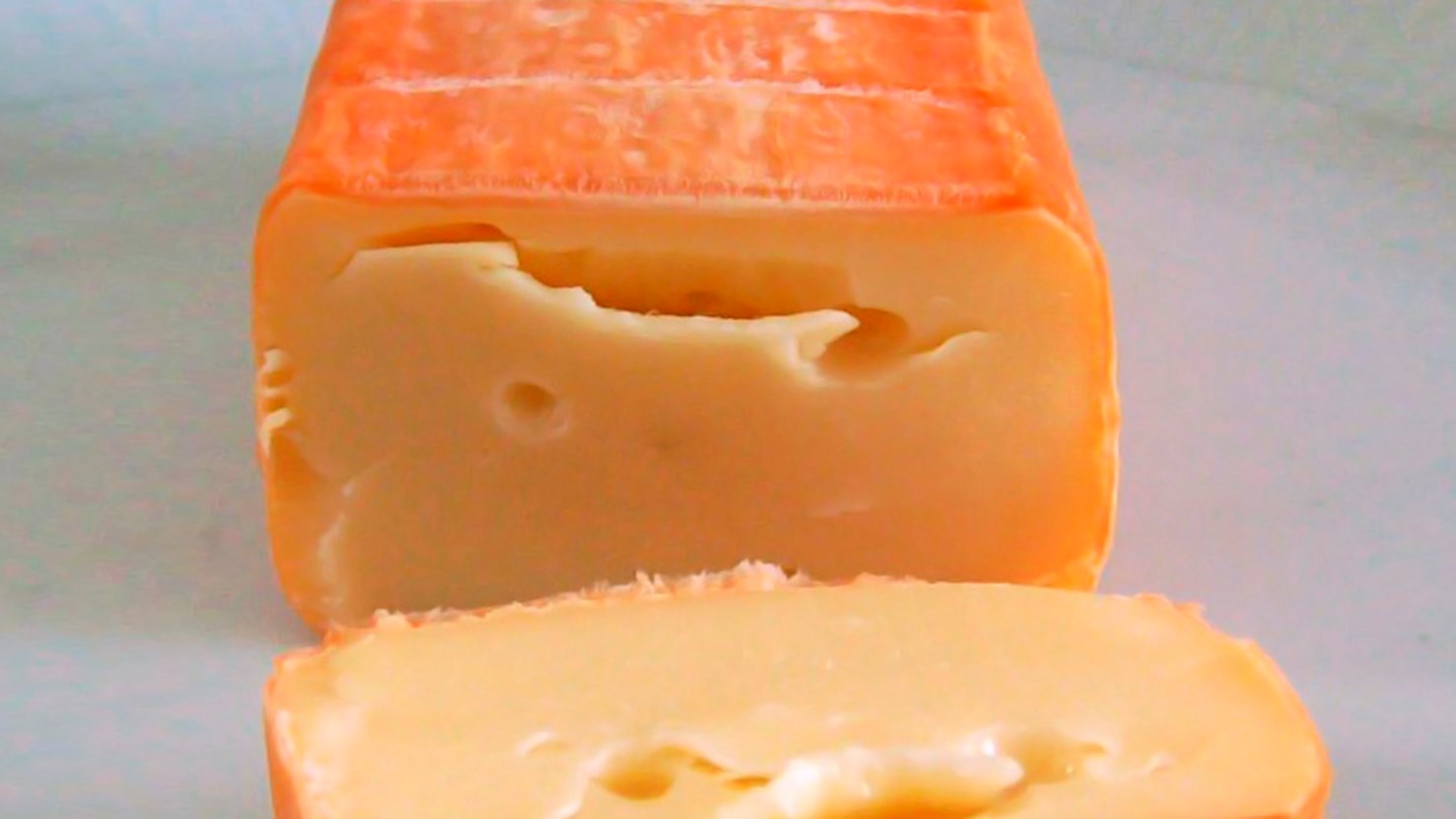
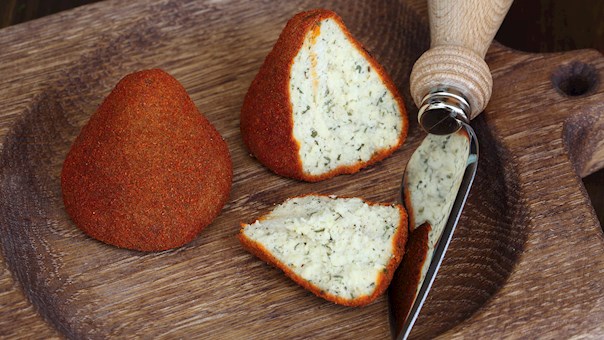
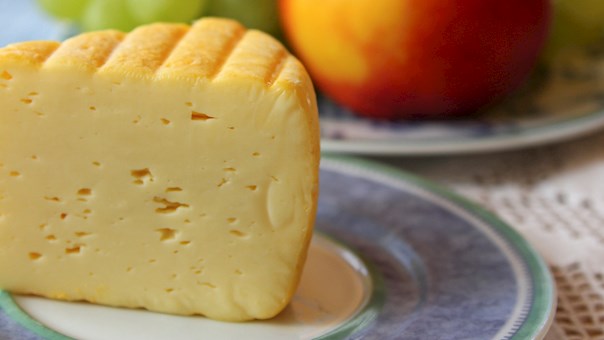
Ridder is a traditional cheese made from cow's milk. It was invented by a Swedish cheesemaker, Sven Fenelius. The cheese has a pliable and creamy texture and its rind is washed and sticky. Ridder matures for almost 3 months, during which it develops sweet, buttery, and slightly nutty flavors. It's recommended to pair it with light and fruity wines and serve it with fruit or crackers. Interestingly, the name Ridder means knight in Norwegian.

02

Willoughby

3.1 ·

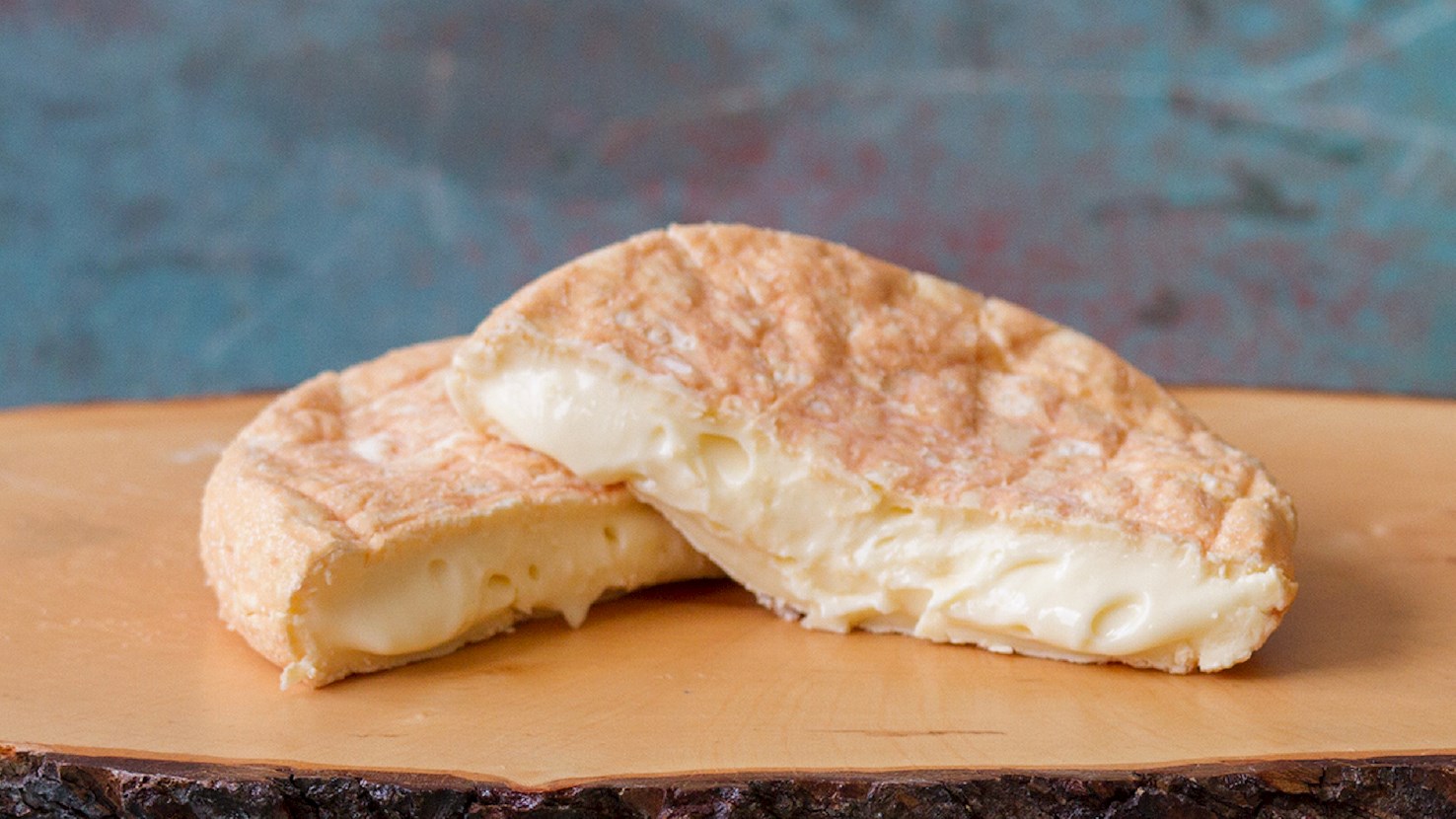
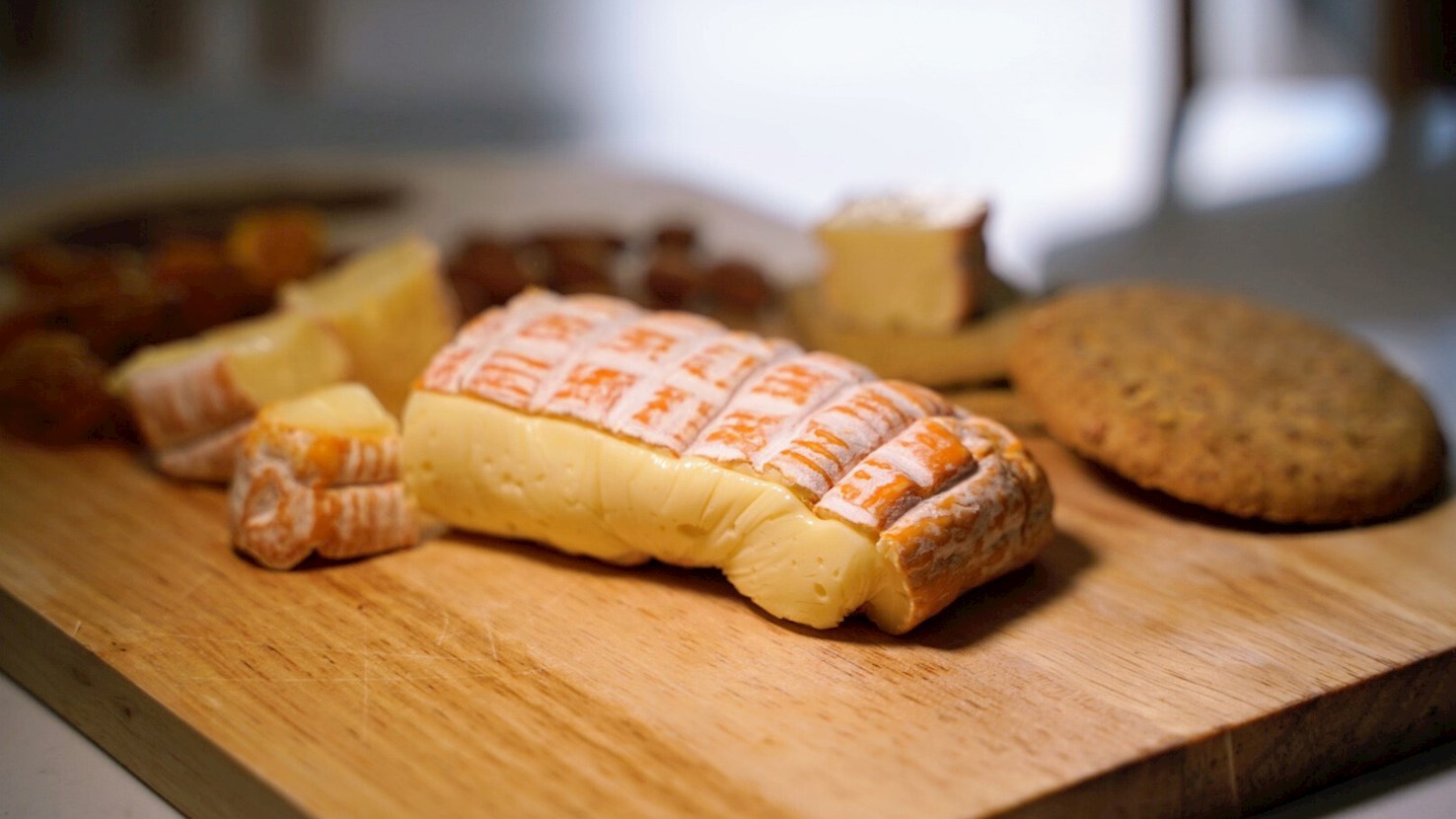
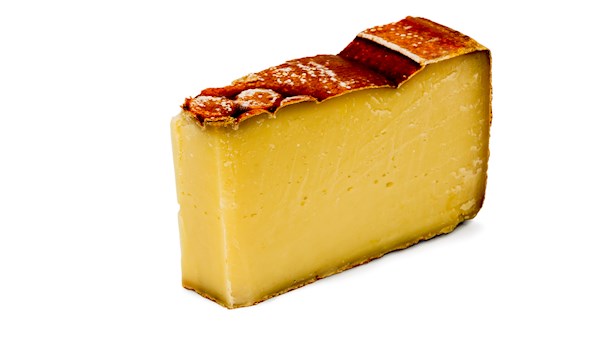
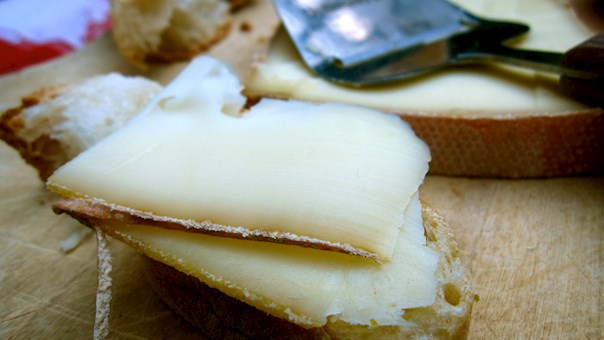
Willoughby is an American semi-soft cheese produced in Vermont by Jasper Hill Farm. The cheese is made from pasteurized cow's milk and it has a washed rind. Underneath it, the texture is open, creamy, gooey, and buttery. The aromas are milky and herbal with hints of onions and roasted beef, and the flavors are fruity, milky, herbaceous, pungent, and savory. It's recommended to use it in a tartiflette – broil the cheese over roasted potatoes, lardons, and leeks, then pair it with a glass of Mondeuse. Other pairings include potato chips, pickles, and walnut Dijon mustard.

03

Sternenberger Mutschli

3.1 ·

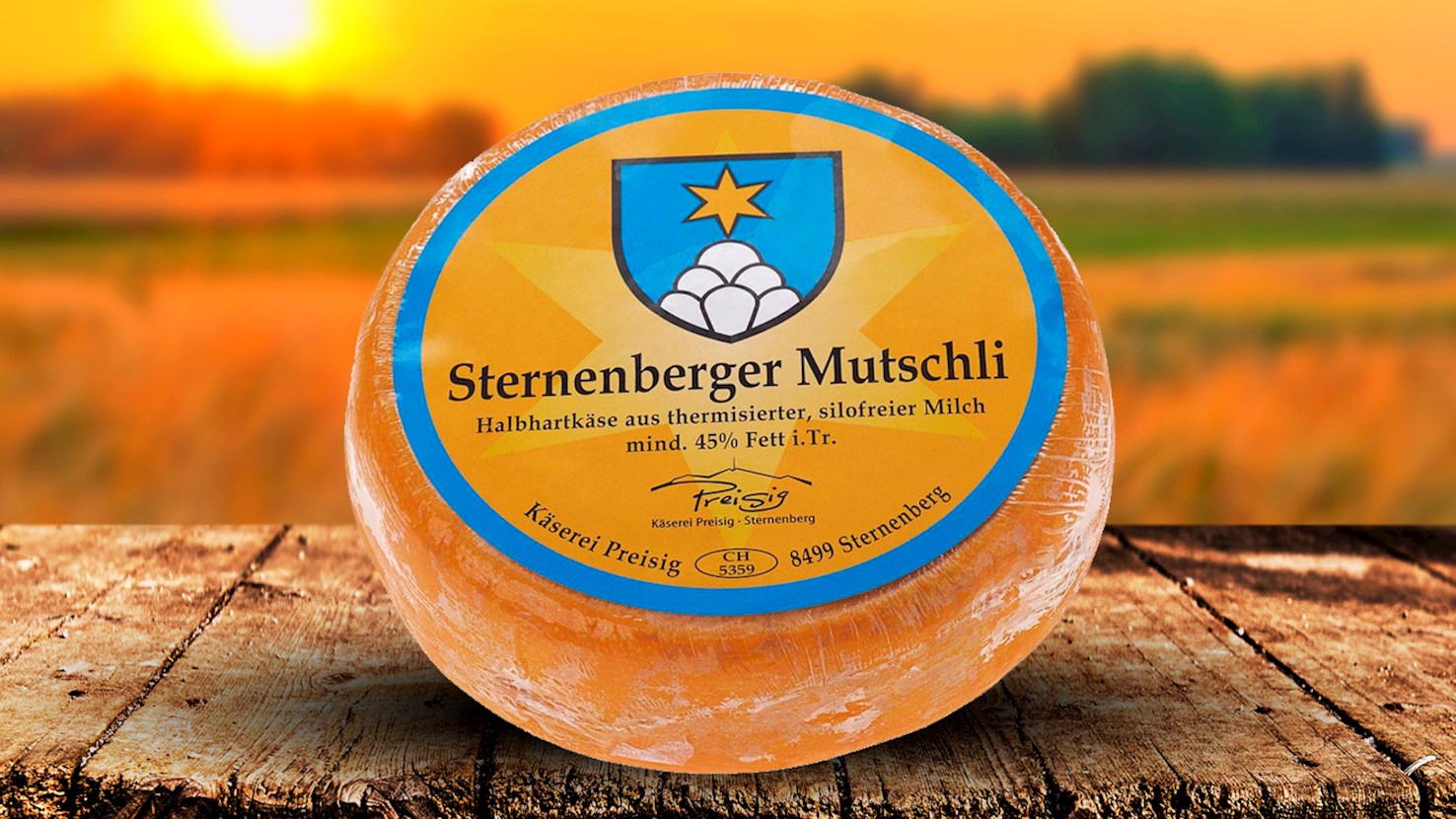
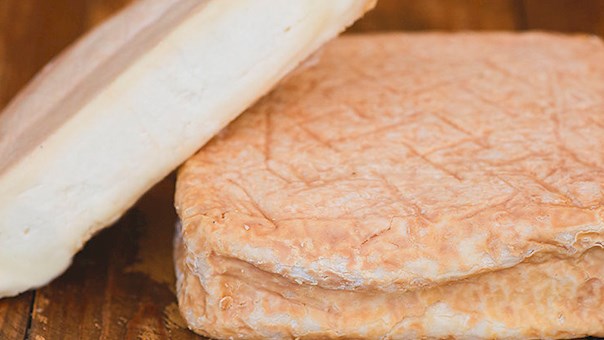
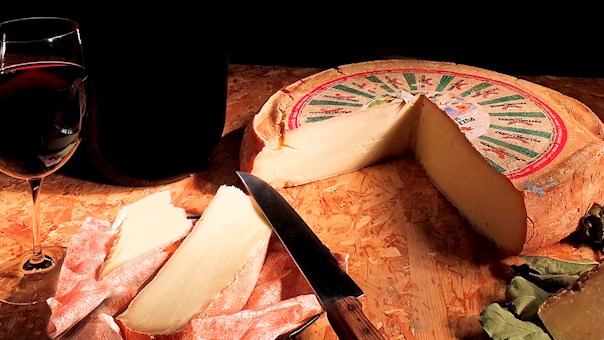
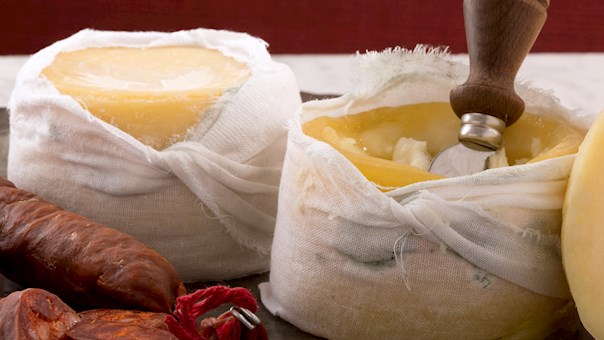
Sternenberger Mutschli is a Swiss cheese produced in Zurich by Urs Preisig. The cheese is made from the milk of two local cow herds – the larger wheel is called Sternenberg, while the smaller one is called Mutschli, meaning little cheese. During the two months of aging, these cheeses are washed with annato and brine, resulting in an orange or reddish rind. The texture is semi-soft, the aromas are vegetal and savory, while the flavors are mild, nutty, and grassy, with slight barnyardy hints. It's recommended to eat it as a table cheese for breakfast or serve it with fruit jams.

04

Lajta

3.1 ·

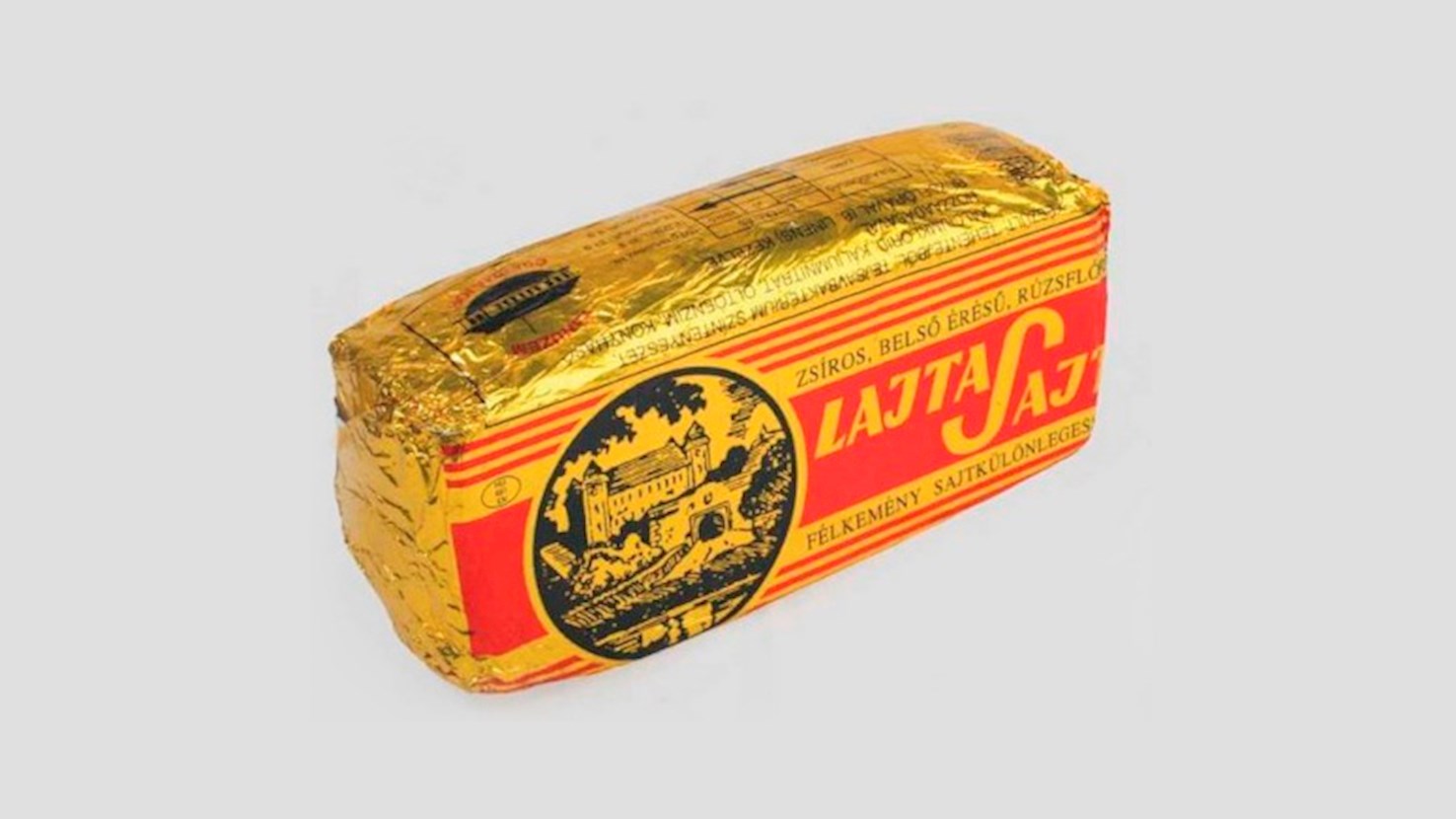
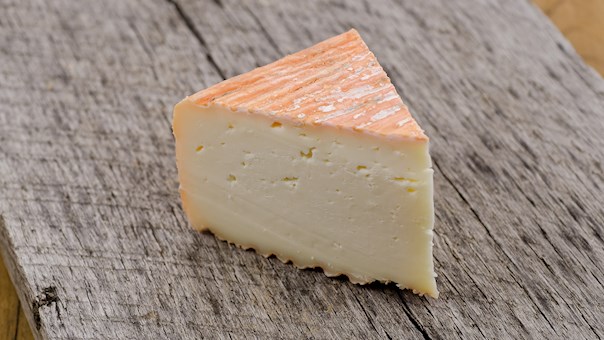
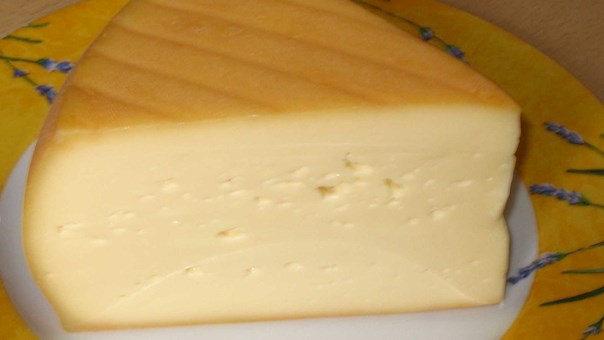
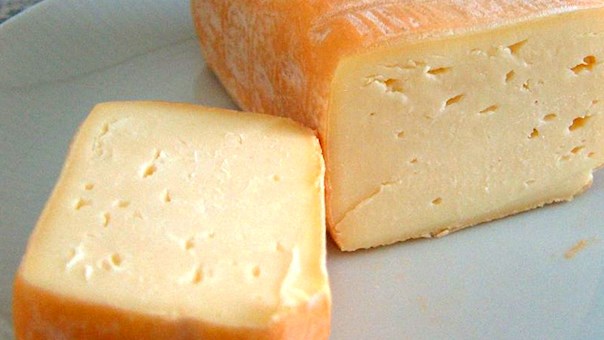
Lajta is a traditional cheese made from cow's milk. It is rectangular in shape and usually comes wrapped in gold foil. The cheese has a washed rind with a reddish mold appearing on the surface. Its texture is creamy, with small eyes dispersed throughout it. Lajta's aromas are strong and pungent, while the flavors are piquant. As the cheese matures (4-6 weeks), the aromas become reminiscent of animal odors. It's recommended to pair it with full-bodied red wines such as Pinot Noir, Zweigelt, and Cabernet Franc.

05

Curé Nantais

3.1 ·

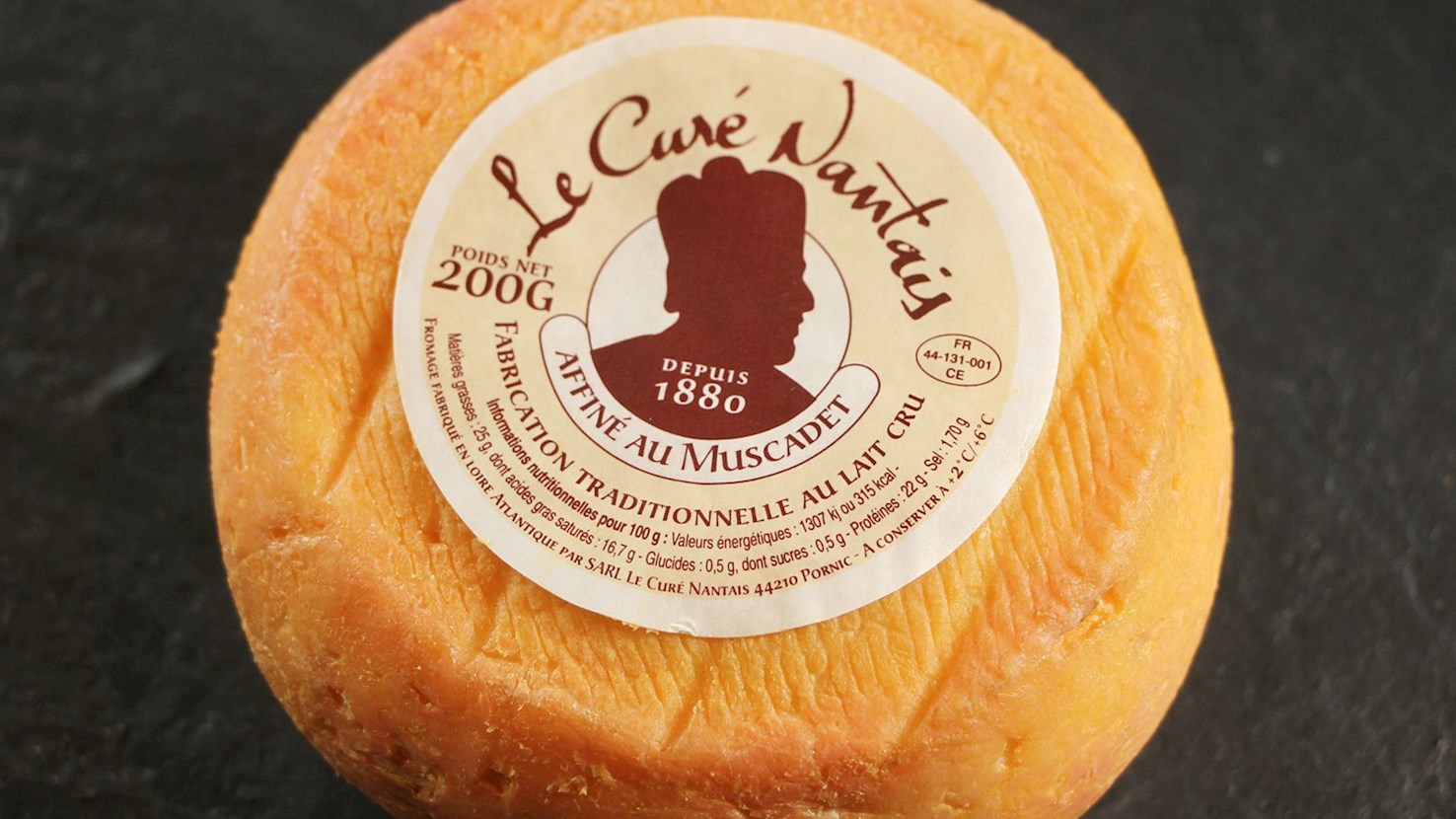
Curé Nantais is a French cheese that was first produced in the village of Saint-Julien de Concelles, but ever since 1985, it's been produced in a nearby town called Pornic. The straw-colored cheese is made from cow's milk and has an open, soft, sticky, and supple texture. Its flavor is smoky and slightly spicy. Curé Nantais is aged on spruce boards, and it is regularly washed with salted water. Interestingly, there are 3 types of this cheese – the first is square-shaped with rounded edges, the second is round, and the third one is washed with Muscadet instead of brine. It is recommended to pair it with fresh fruit (pears and apples) and fish dishes. The cheese can also be used in dishes such as tarts or gratins. For the best experience, pair it with a glass of Muscadet or Alsatian Gewurztraminer on the side.

06

Hooligan

3.2 ·

Hooligan is an American cheese produced in Connecticut by Cato Corner Farm. The cheese is made from raw milk of Brown Swiss and Jersey cows. Its rind is washed in brine, and underneath it, there is a chalky, soft, creamy, and slightly runny texture of the body. The aromas are pungent and stinky due to the washed orange rind which contains surface-ripening bacteria and yeasts. Hooligan is aged for 2 months, resulting in flavors that are grassy, vegetal, intense, mushroomy, and savory. The cheese melts very well, so it can be used in (fabulously stinky, in this case) grilled cheese sandwiches. It's recommended to serve Hooligan with hot pepper jelly, caramelized pecans, cranberry walnut bread, and honey. Pair it with sweet white wines and Belgian-style ales.

07

Brick

3.2 ·

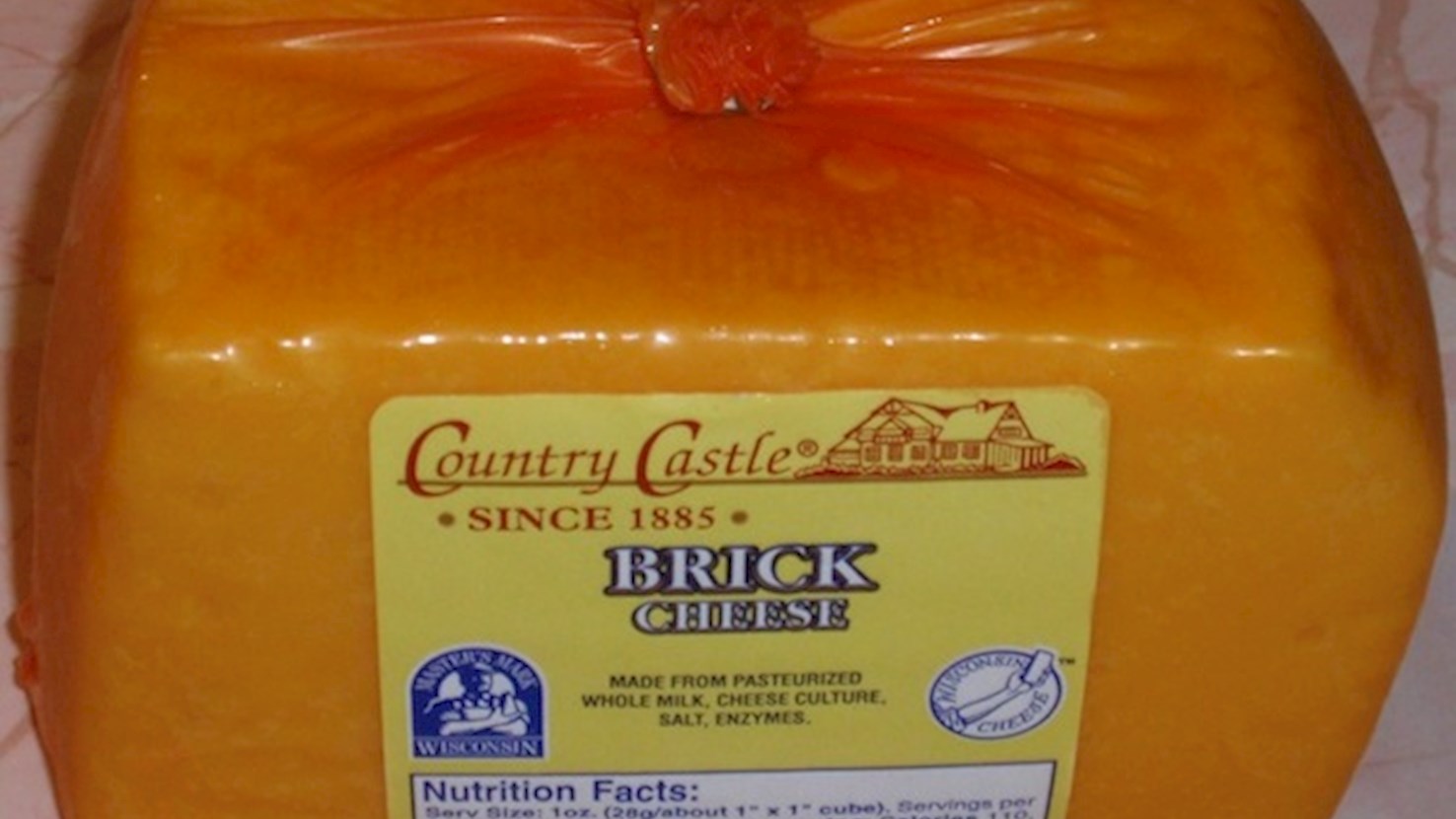
Brick is an American cheese hailing from Wisconsin. When pressed with coal-fired bricks to let the moisture out, it is also shaped into a brick, hence the unusual name. The cheese is made from pasteurized cow's milk and it's smear-ripened with bacteria. Underneath the washed rind, the texture is smooth and open with small eyes throughout the body. The aromas are rich and pungent, while the flavors range from mild and sweet when young to tangy and intense with nutty hints when aged. It's recommended to serve Brick with pickled vegetables and au gratin dishes. The young one pairs well with light red wines while the aged versions go well with hard cider and robust beer.

08

Esrom

3.2 ·

Esrom is a semi-hard to hard drained cheese produced from cow's milk in Denmark. Depending on the minimum fat content (20+, 30+, 45+ and 60+), it is available in four varieties. Esrom is named after an abbey where monks first started making it in the 12th century, and it became popular after the recipe was rediscovered in the 1930s. Although it is quite mild when young, as it matures for 10 to 12 weeks it develops a pungent aroma. The rind is washed, hard, thin and greasy on the exterior, while on the interior Esrom is pale yellow with small holes dispersed throughout its body. The texture is supple, making it easily sliceable. The flavor is rich, aromatic and slightly acidic, ranging from mild to strong, so it goes especially well with bold red wines and strong beer, and it is also good on sandwiches due to its good melting properties.

09

Romadur

3.2 ·

Although romadur is nowadays considered a German cheese, some believe that it originated in Belgium and was brought over to Germany in the 1830s. Regardless of the origin, today it is considered a specialty of Bavaria. This soft cheese is made from raw cow’s milk, and it is usually shaped into small, rectangular logs. During the aging period (anywhere from 8-10 days) it is regularly washed in salt water, a process that gives the cheese its characteristical reddish-brown rind. Romadur also has a strong, spicy aroma and a distinctive flavor that ranges from mild to slightly tangy. Its texture is soft and creamy, making it great for slicing or spreading on bread. It is recommended to pair it with crusty bread, strong beer, or a glass of full-bodied red wine.

10

Le Vieux Pane

3.2 ·

Le Vieux Pane is an industrial French cheese that's been produced since 1928 in the region of Mayenne. The cheese is made from pasteurized cow's milk. Underneath its thin, pungent, moist, and sticky washed rind, the texture is soft, springy, and melting in the mouth. The cheese usually ages for about 3 months before consumption. The aromas are intense and pungent, while the flavors are creamy, mild, and smooth, with a slightly bitter aftertaste. Due to the fact that it's industrially-produced, it doesn't have a season and remains the same throughout the year. It's recommended to spread the cheese on crusty bread and pair it with a glass of white wine on the side. For the best eating experience, take the cheese out of the fridge and let it get to room temperature before serving.

About this ranking

TasteAtlas food rankings are based on the ratings of the TasteAtlas audience, with a series of mechanisms that recognize real users and that ignore bot, nationalist or local patriotic ratings, and give additional value to the ratings of users that the system recognizes as knowledgeable. For the “49 Worst Rated Washed Rind Cheeses in the World” list until May 21, 2026, 3,087 ratings were recorded, of which 2,458 were recognized by the system as legitimate. TasteAtlas Rankings should not be seen as the final global conclusion about food. Their purpose is to promote excellent local foods, instill pride in traditional dishes, and arouse curiosity about dishes you haven’t tried.

Similar lists