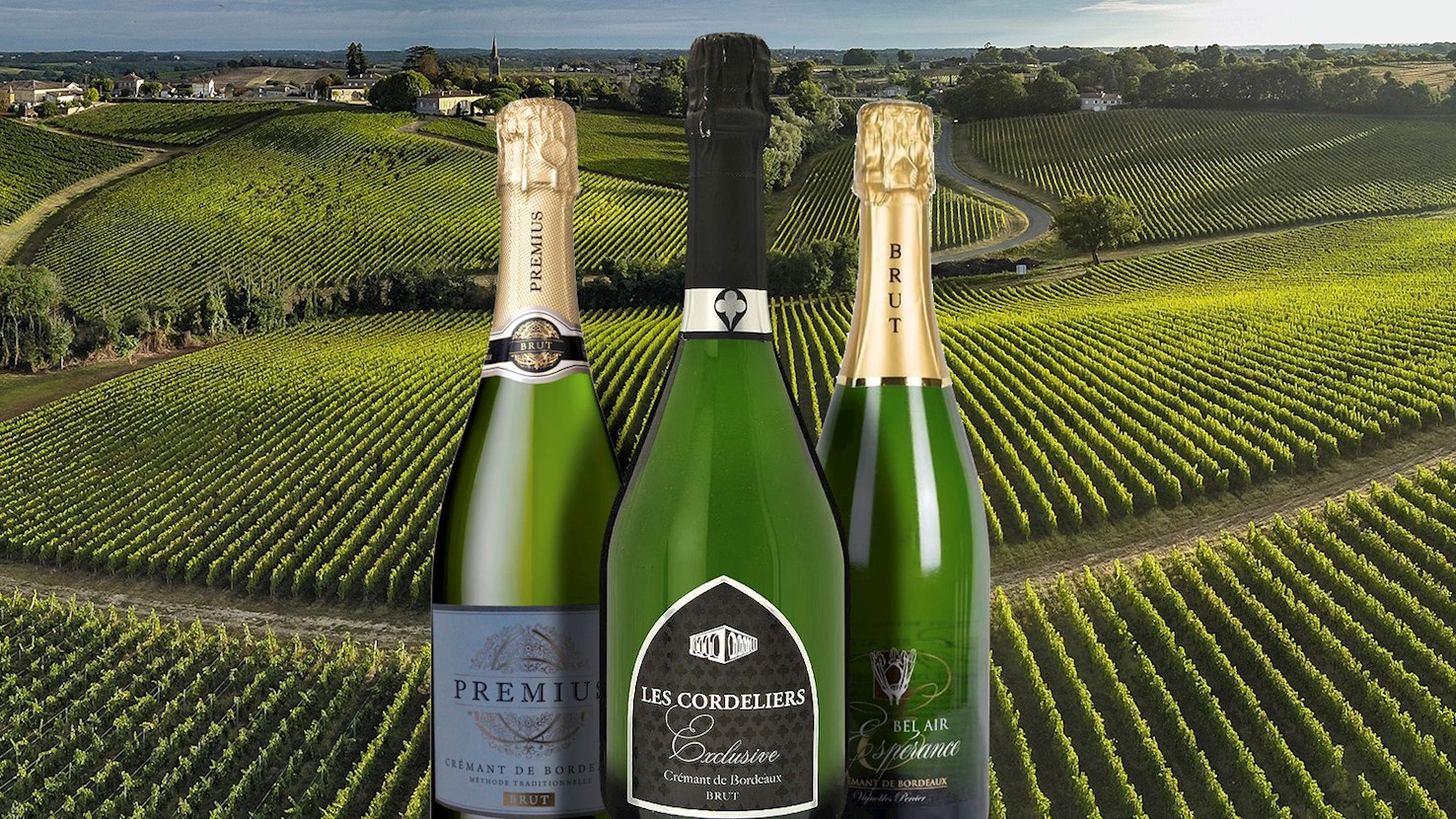
Crémant de Bordeaux is a French appellation for white and rosé sparkling wines that are made from typical Bordeaux grapes such as Ugni Blanc, Sauvignon Blanc, Sémillon, Cabernet Franc, Malbec, or Merlot. The wines are produced with traditional method (méthode traditionelle) in which the second fermentation takes place in the bottle. White crémants usually have aromas of hazelnuts, white flowers, citrus, and dried fruits, while rosés tend to display aromas of red berries. These fresh wines make a great aperitif, but they can also match desserts and cheese, while white wines may pair well with seafood.
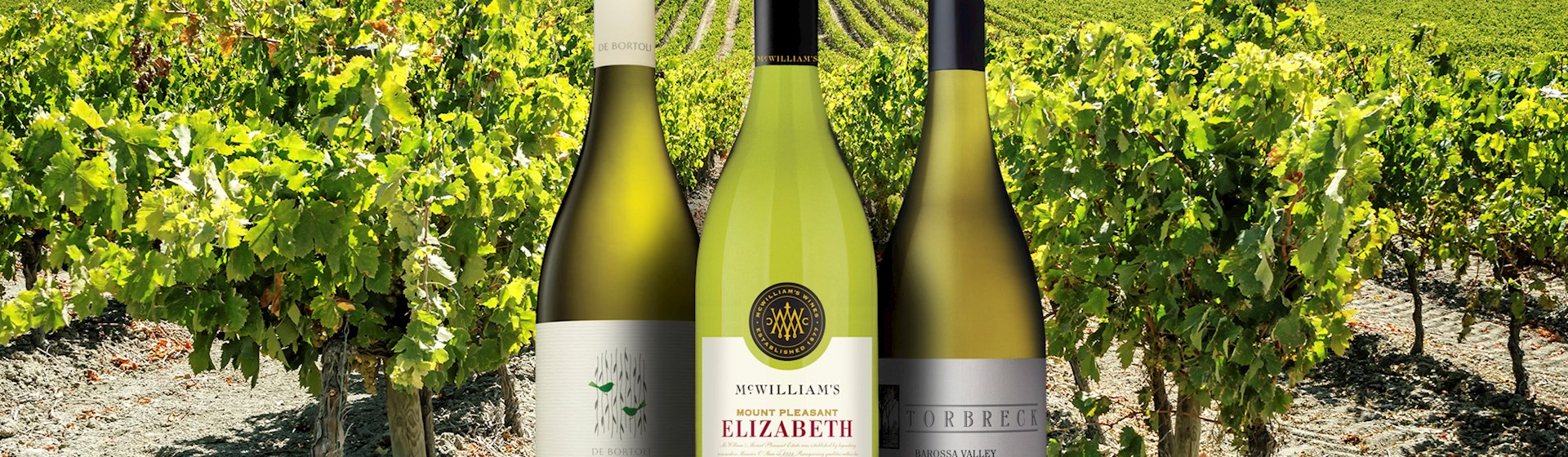
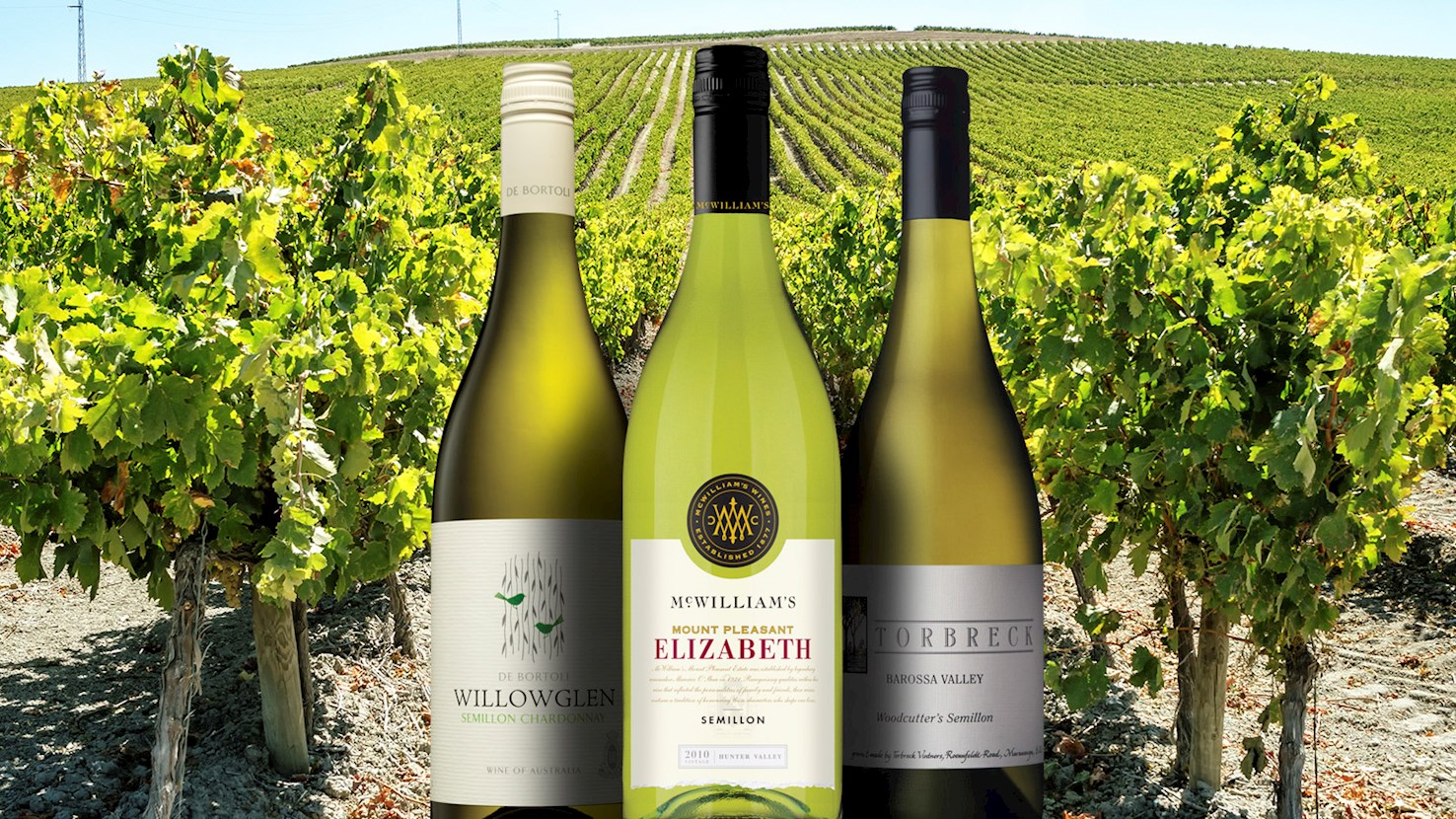
Sémillon is a dry white wine made from Sémillon grapes. Although native to Bordeaux, the grapes are widely grown in Australia in the Hunter Valley, and to a lesser extent in South Africa, Chile, California, Canada, and New Zealand. After Sauvignon Blanc and Chardonnay, Sémillon is the 3rd most planted white wine variety in France. The wine is characterized by its fruity flavors of apple, lemon, green papaya, and pear. The flavor is also waxy, which is often described as lanolin. Due to its moderate body and fresh flavors, it is recommended to pair Sémillon with bold and aromatic dishes of Indian and Asian cuisine, as well as sushi and foie gras.
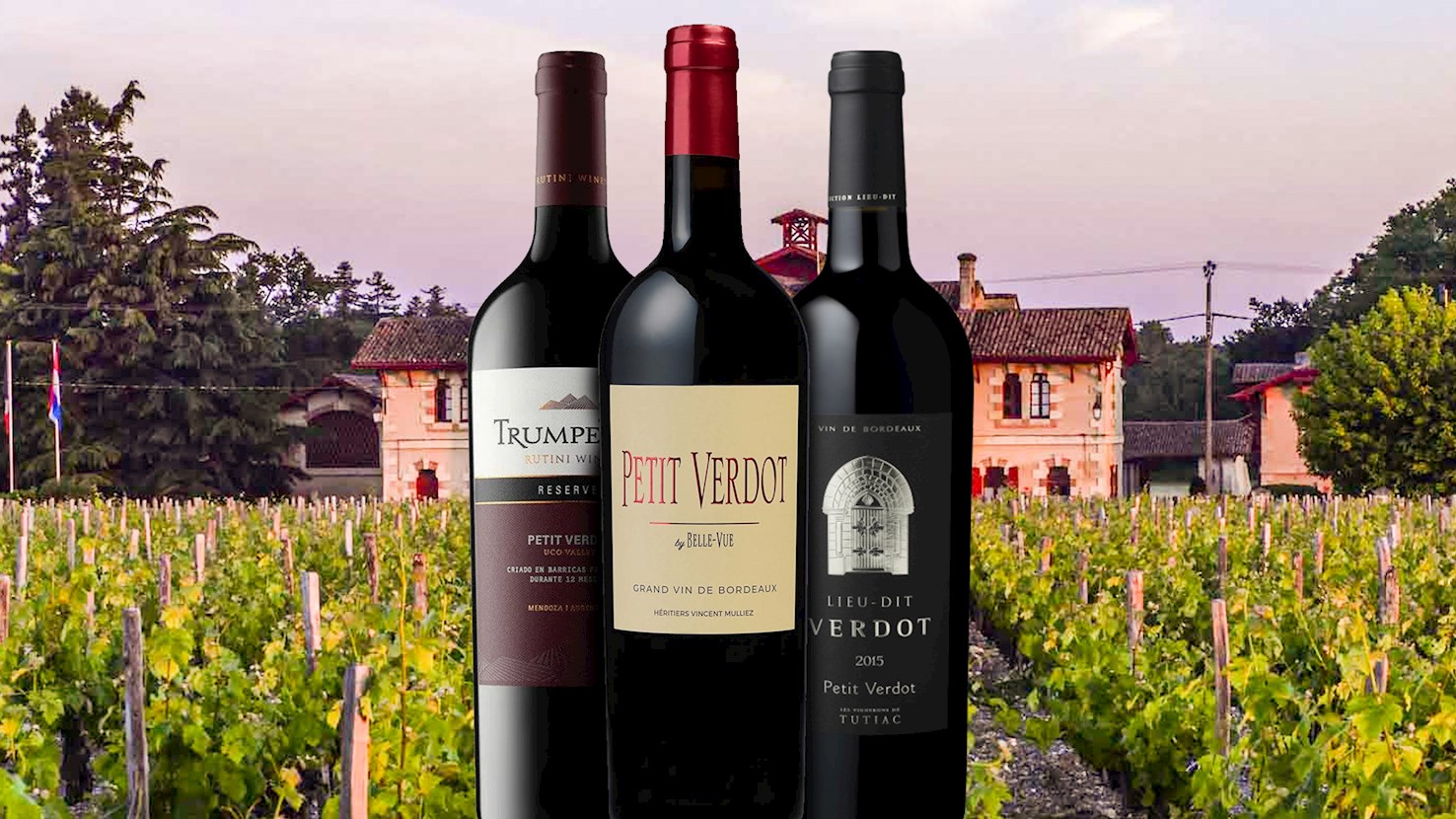
Petit Verdot is a red wine grape variety known for its deep color, robust tannins, and rich flavors. Originating from the Bordeaux region of France, Petit Verdot is traditionally used as a blending grape in Bordeaux wines, particularly in the Médoc and Graves appellations. Due to its late ripening, it was often challenging to fully mature in Bordeaux's cooler climate, leading to its limited use. However, it has gained popularity in other wine regions with warmer climates, such as California, Australia, and South America, where it can ripen more consistently. Petit Verdot wines are characterized by their intense color and strong tannic structure. The flavor profile typically includes dark fruit notes such as blackberry, black cherry, and plum, along with complex aromas of violet, sage, and leather. As the wine ages, it can develop additional flavors of spice, chocolate, and earthy undertones. In Bordeaux, Petit Verdot is primarily used in small quantities to add color, tannins, and aromatic complexity to blends dominated by Cabernet Sauvignon, Merlot, and Cabernet Franc. Its contribution helps enhance the overall structure and aging potential of the wine. In regions outside of Bordeaux, Petit Verdot is increasingly being produced as a single-varietal wine, showcasing its unique characteristics. These wines tend to be full-bodied with high tannins and acidity, making them suitable for aging. They often require some time in the bottle to soften and develop their full range of flavors. Petit Verdot wines pair well with rich and hearty dishes due to their bold structure and intense flavors. They are an excellent match for grilled or roasted meats, such as beef, lamb, and game, as well as dishes with robust sauces and strong cheeses.
Cabernet Franc is a black grape variety that is one of the major red grape varieties worldwide. It is often overshadowed by its more famous offspring, Cabernet Sauvignon, but it has its own distinct characteristics and merits. Cabernet Franc is known for producing medium-bodied red wines with a high level of acidity and moderate tannins, making it a versatile grape that can be enjoyed both on its own and as part of a blend. The grape is grown in many wine regions around the world, but it is most famously associated with the Loire Valley in France and the Bordeaux region. In the Loire Valley, it is the dominant grape in appellations such as Chinon, Bourgueil, and Saumur-Champigny, where it produces wines that are lighter and more aromatic than those from Bordeaux. In Bordeaux, Cabernet Franc is an important blending grape in both the Left and Right Bank wines, contributing finesse, aromatic complexity, and structure to blends dominated by Merlot and Cabernet Sauvignon. Cabernet Franc wines are typically characterized by their bright, red fruit flavors, such as raspberry, strawberry, and plum, along with herbal and vegetal notes like bell pepper, green peppercorn, and sometimes a hint of violet or graphite. The grape's natural acidity makes it a good candidate for cooler climates, where it can ripen fully and develop a balanced flavor profile. In addition to France, Cabernet Franc is grown in other regions, including Italy (where it is often used in Super Tuscan blends), the United States (particularly in California and Washington State), Canada, and Hungary. The grape is appreciated for its ability to express terroir and its adaptability to different growing conditions. Cabernet Franc wines pair well with a variety of foods, particularly those with earthy and savory flavors. It complements dishes such as roasted or grilled meats, poultry, pork, and even vegetarian dishes with mushrooms or bell peppers. Its bright acidity and moderate tannins also make it a good match for tomato-based sauces and lighter pasta dishes.
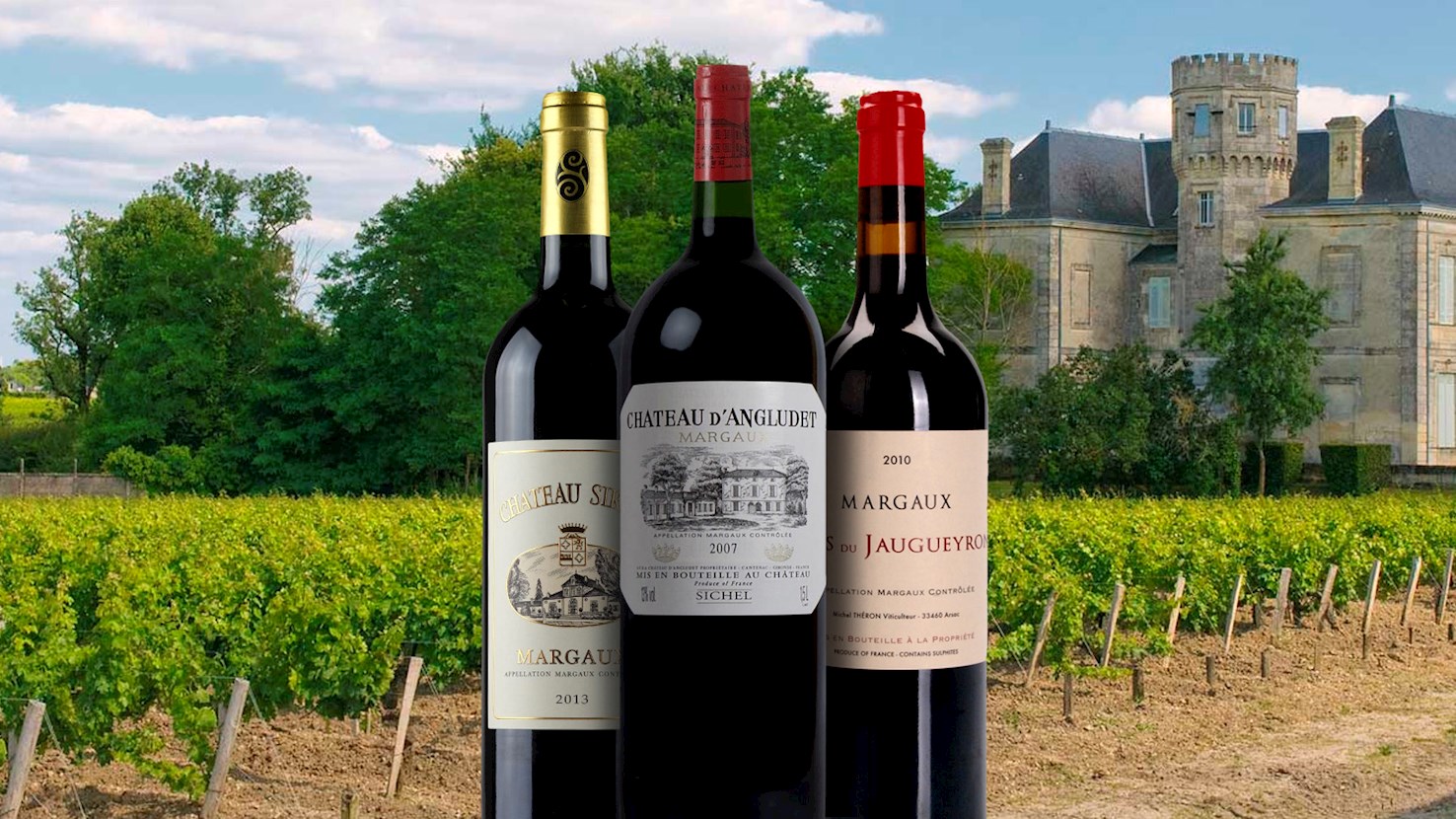
Margaux is a French appellation located in Médoc region of Bordeaux. The wines produced in the region are mainly based on Cabernet Sauvignon with the addition of Merlot, Cabernet Franc, or Petit Verdot. Margaux wines are often dubbed as the most elegant and perfumed in the entire Bordeaux, while their aromatic profile tends to display a combination of floral and red fruit aromas that are complemented by nuances of spices, tobacco, and truffles. Although full-bodied, these wines tend to be lighter, smoother, and mellower than other Bordeaux appellations. They naturally pair with lamb, but they can also match other roasted or braised meat dishes, as well as roasted game. The most famous estates from the area are Château Margaux and Château Palmer.
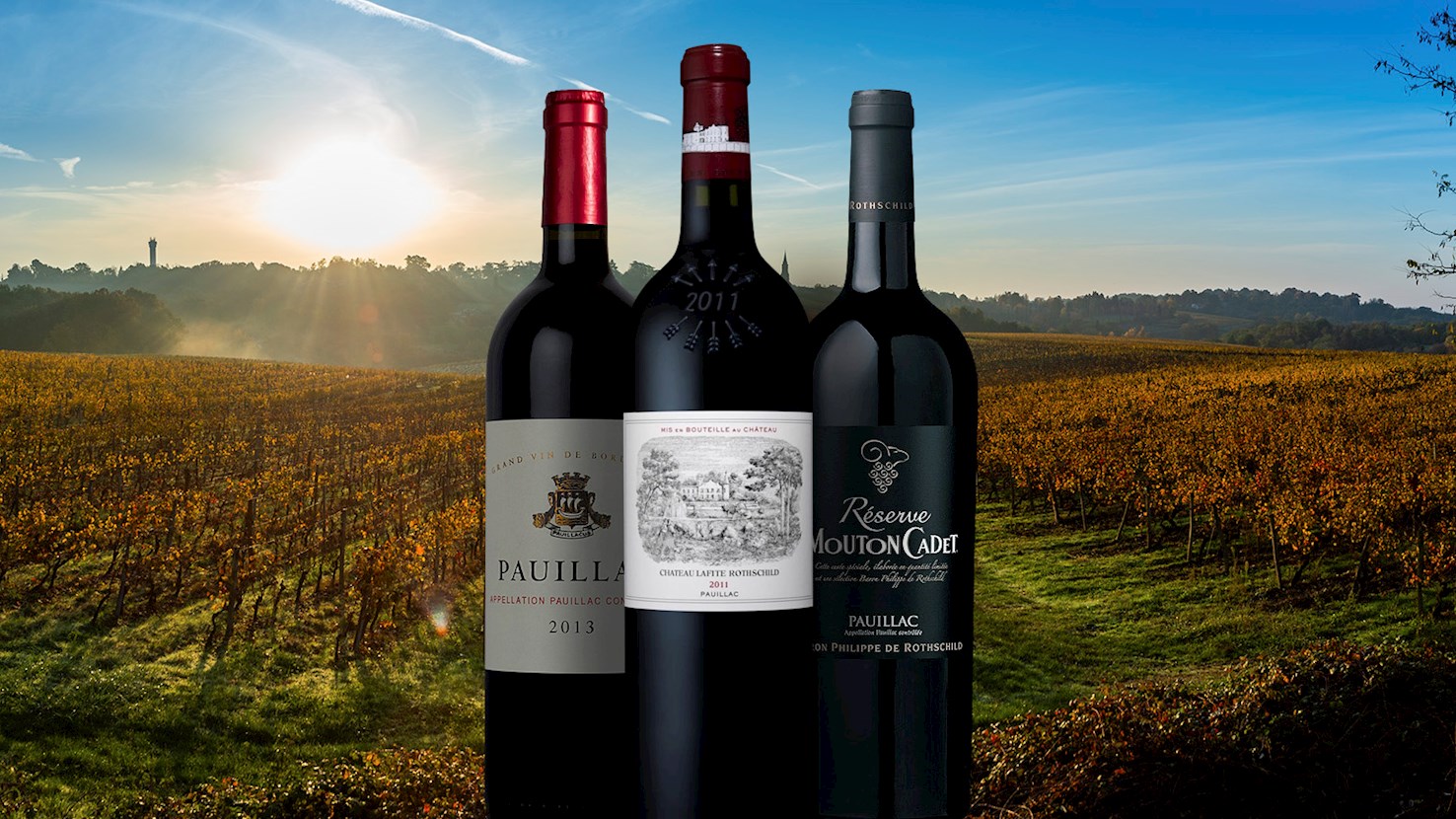
Pauillac is a French appellation located in the Médoc wine region of Bordeaux. The area is renowned for great-quality red wines that are primarily based on Cabernet Sauvignon with the addition of Merlot, Cabernet Franc, or Petit Verdot. The wines are deep ruby red, robust, and dense with bright notes of red and black fruit that develop into aromas of cassis, oak, vanilla, licorice, and leather. Pauillac wines are full-bodied, with firm but elegant tannins that age exceptionally well. They are a perfect match to grilled beef, as well as other types of roasted or braised meat dishes, and they perfectly complement mushrooms and truffles. The appellation is home to one of the best wineries in the world that include Château Lafite, Château Latour, and Château Mouton-Rothschild.
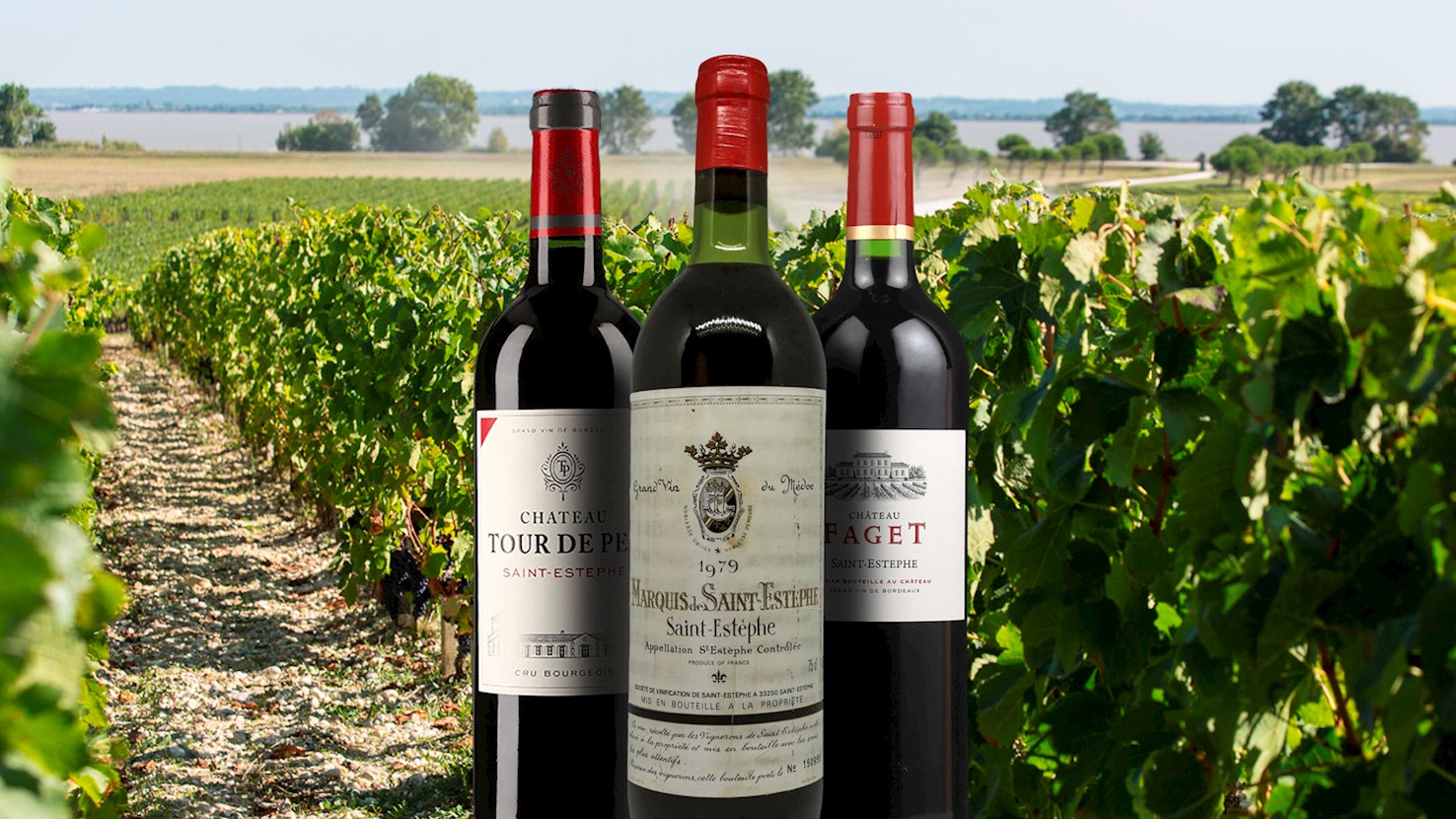
Saint-Estèphe is a French appellation located in the Médoc subregion of Bordeaux. The main grape varieties used in the region are Cabernet Sauvignon and Merlot with the rare addition of Cabernet Franc and Petit Verdot. Saint-Estèphe wines are intense, full-bodied, deep ruby, rich, and mineral, while the primary notes include red and black fruits which are complemented by aromas of violets, spices, and licorice. They are powerful and well-structured wines with amazing aging potential, firm and rounded tannins, and an incredibly long finish. These wines are a perfect match to grilled, braised, or roasted beef, lamb pork, or game. They can also match hard or soft cheese varieties.
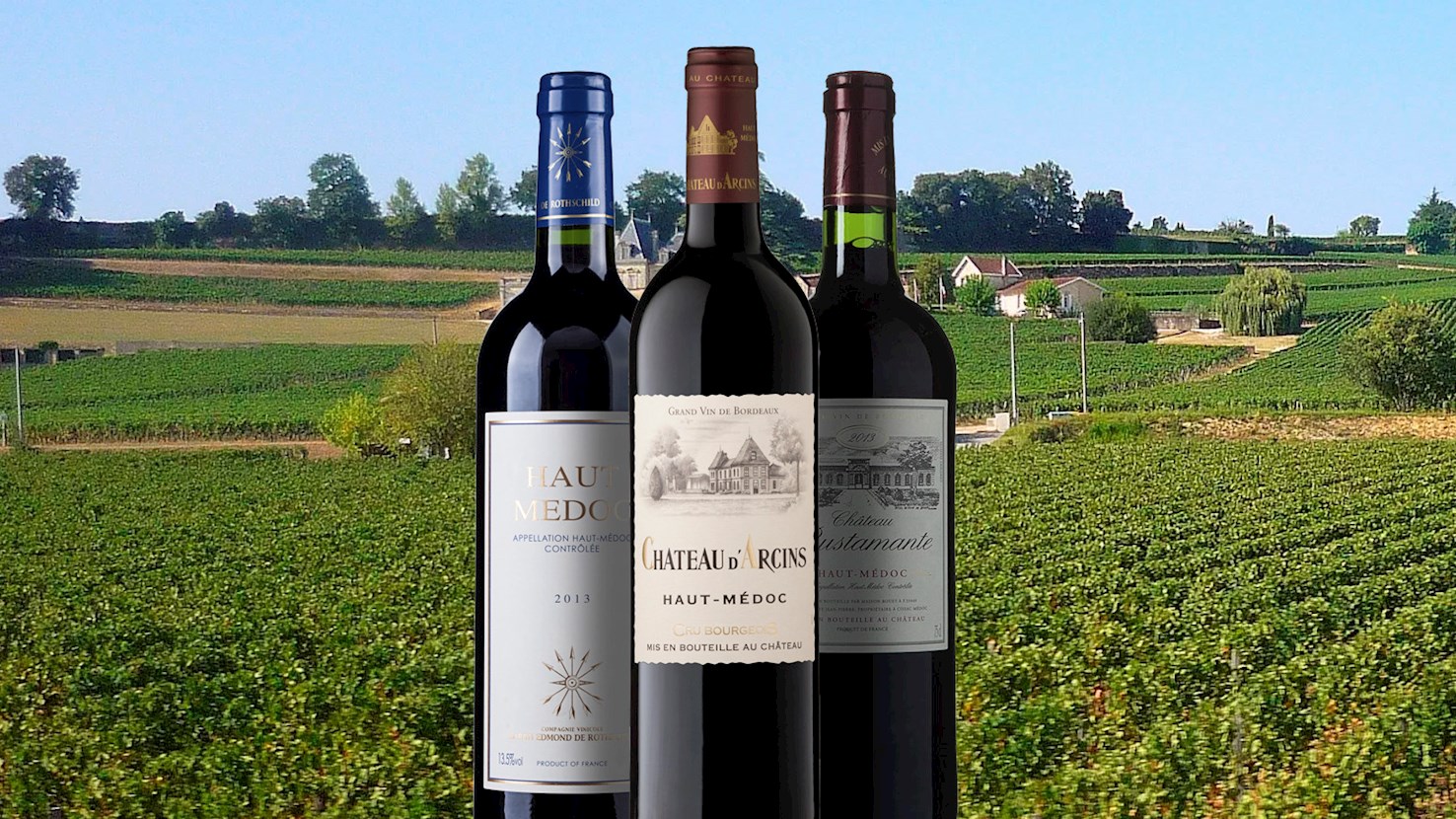
Haut-Médoc is a French appellation located in the renowned Médoc wine region. Cabernet Sauvignon, Merlot, and Cabernet Franc are the signature grapes in the region, but some percentages of Malbec, Carménère and Petit Verdot are also used. The whole appellation includes twenty-nine communes, out which six (Margaux, Saint-Julien, Pauillac, Saint-Estèphe, Moulis and Listrac) have their separate appellations, and are considered to produce some of the best wines in the world. The wines produced under the general Haut-Médoc label are elegant, complex and not overpowering. They usually display notes of blackberries and blackcurrant that are often accompanied by nuances of spices and wood. Haut-Médoc wines can age quite well, becoming less tannic and silkier with notes of prunes, undergrowth, or truffles. These wines are best paired with grilled or roasted meat, especially game, red meat, pork, or lamb. They can also be a good match to roasted poultry, mushrooms, terrines, foie gras, charcuterie, and hard or soft cheese.
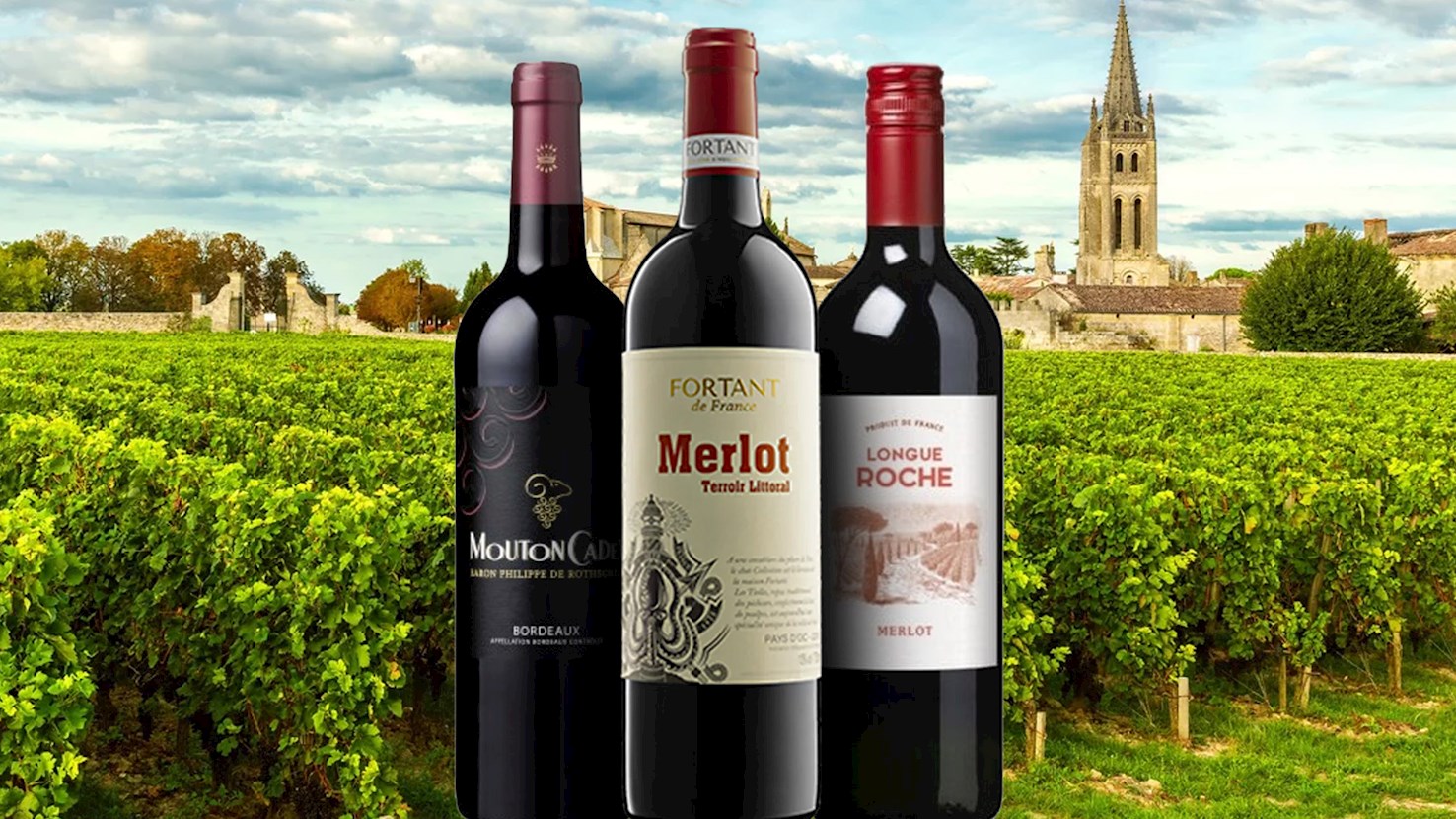
Merlot is one of the most widely planted and popular red wine grape varieties in the world. Originating from the Bordeaux region of France, Merlot is known for producing soft, elegant, and fruit-forward wines. It is often used both as a single varietal wine and as a blending grape, particularly in Bordeaux blends where it is typically paired with Cabernet Sauvignon and Cabernet France. Merlot wines are generally medium to full-bodied with moderate tannins and acidity. They are known for their smooth, velvety texture and approachable style. The flavor profile of Merlot often includes dark fruit notes such as black cherry, plum, and blackberry, along with hints of chocolate, vanilla, and spices. Depending on the terroir and winemaking techniques, Merlot can also exhibit earthy, herbal, and sometimes smoky characteristics. In Bordeaux, Merlot is a dominant grape on the Right Bank, particularly in the prestigious appellations of Pomerol and Saint-Émilion. Wines from these regions are renowned for their richness and complexity, often capable of aging gracefully for many years. Notable examples include Château Pétrus and Château Cheval Blanc. Outside of France, Merlot is widely cultivated in other major wine regions including California, Washington State, Italy (where it is often blended in Super Tuscans), Chile, and Australia. In these regions, Merlot can vary in style from lighter, fruit-driven wines to more robust and structured examples. Merlot is also favored for its versatility in food pairings. Its fruit-forward nature and balanced acidity make it an excellent match for a wide range of dishes including roasted meats, poultry, pasta, and mild cheeses. Its softer tannins allow it to pair well with foods that might be overpowered by more tannic wines like Cabernet Sauvignon.
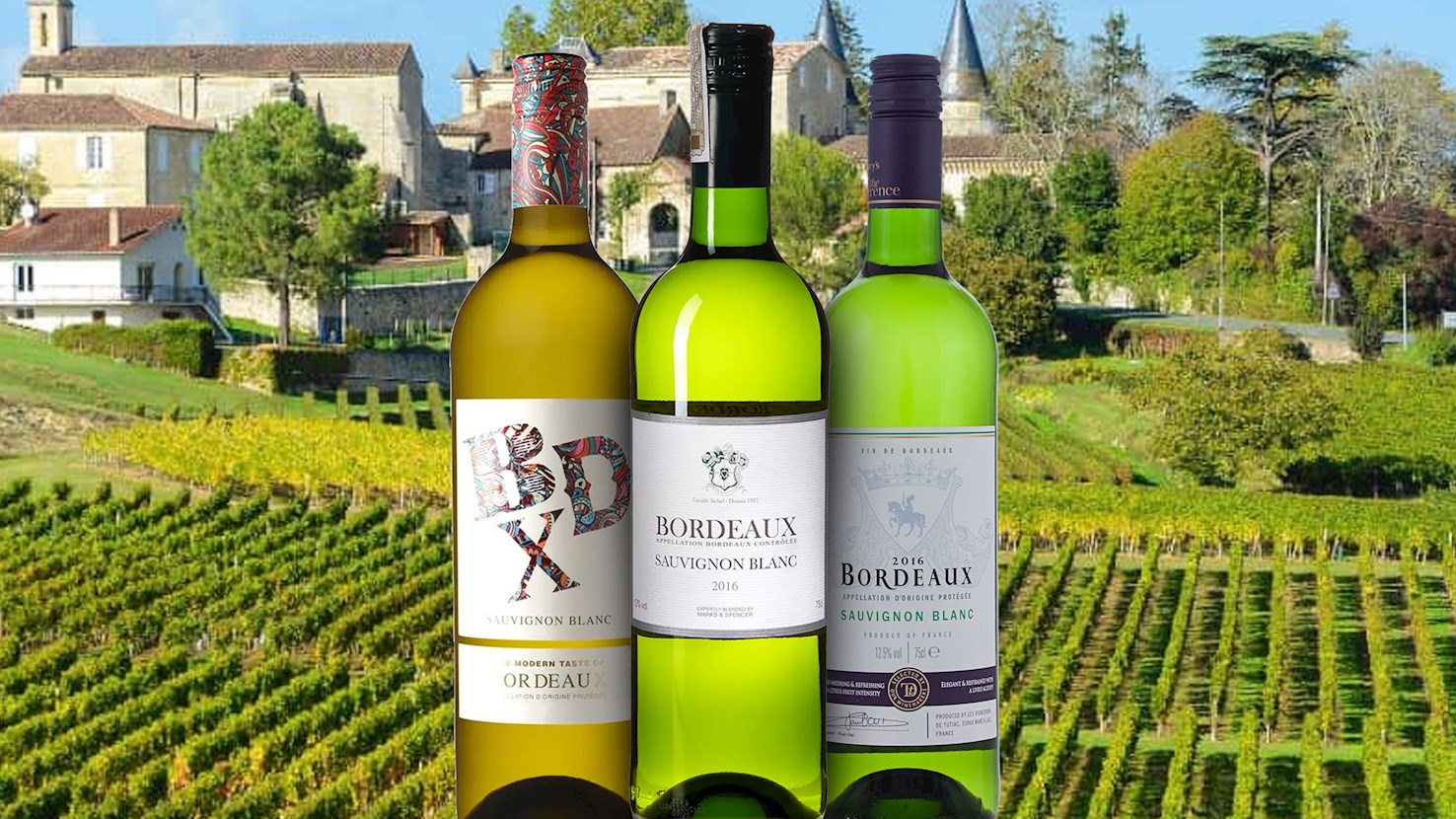
Sauvignon Blanc is a widely cultivated white grape variety known for producing crisp, aromatic, and refreshing wines. Originating from the Bordeaux region of France, Sauvignon Blanc is now grown in many wine regions worldwide, including New Zealand, California, Chile, South Africa, and Australia. Sauvignon Blanc wines are typically light to medium-bodied and are renowned for their high acidity and vibrant flavor profile. The grape's aromatic qualities often lead to distinctive aromas of green apple, lime, gooseberry, and passion fruit, with herbal notes such as freshly cut grass, green bell pepper, and nettles. The wines can also exhibit mineral undertones, especially when grown in specific terroirs. In France, Sauvignon Blanc is a key component of white Bordeaux wines, often blended with Sémillon, and is the primary grape in the Loire Valley's Sancerre and Pouilly-Fumé wines. These French expressions are usually more restrained, with a focus on minerality and subtle fruit flavors. New Zealand, particularly the Marlborough region, has become famous for its Sauvignon Blanc, producing wines with intense, pungent aromas and flavors of tropical fruits, citrus, and green herbs. These wines are typically more exuberant and fruit-forward compared to their Old World counterparts. Sauvignon Blanc can be made in a range of styles, from bone-dry to sweet. Dry versions are the most common and are often fermented in stainless steel tanks to preserve their fresh, fruity character. Some producers also use oak barrels for fermentation or aging, which can add complexity and a creamy texture to the wine. This versatile grape pairs well with a variety of foods. Its high acidity makes it an excellent match for seafood, shellfish, salads, goat cheese, and dishes with fresh herbs or citrus elements.
TasteAtlas food rankings are based on the ratings of the TasteAtlas audience, with a series of mechanisms that recognize real users and that ignore bot,
nationalist or local patriotic ratings, and give additional value to the ratings of users that the system recognizes as knowledgeable.
For the “16 Worst Rated Wines in Gironde” list until June 16, 2026, 627 ratings were recorded, of which 573 were recognized by the system as legitimate.
TasteAtlas Rankings should not be seen as the final global conclusion about food. Their purpose is to promote excellent local foods,
instill pride in traditional dishes, and arouse curiosity about dishes you haven’t tried.