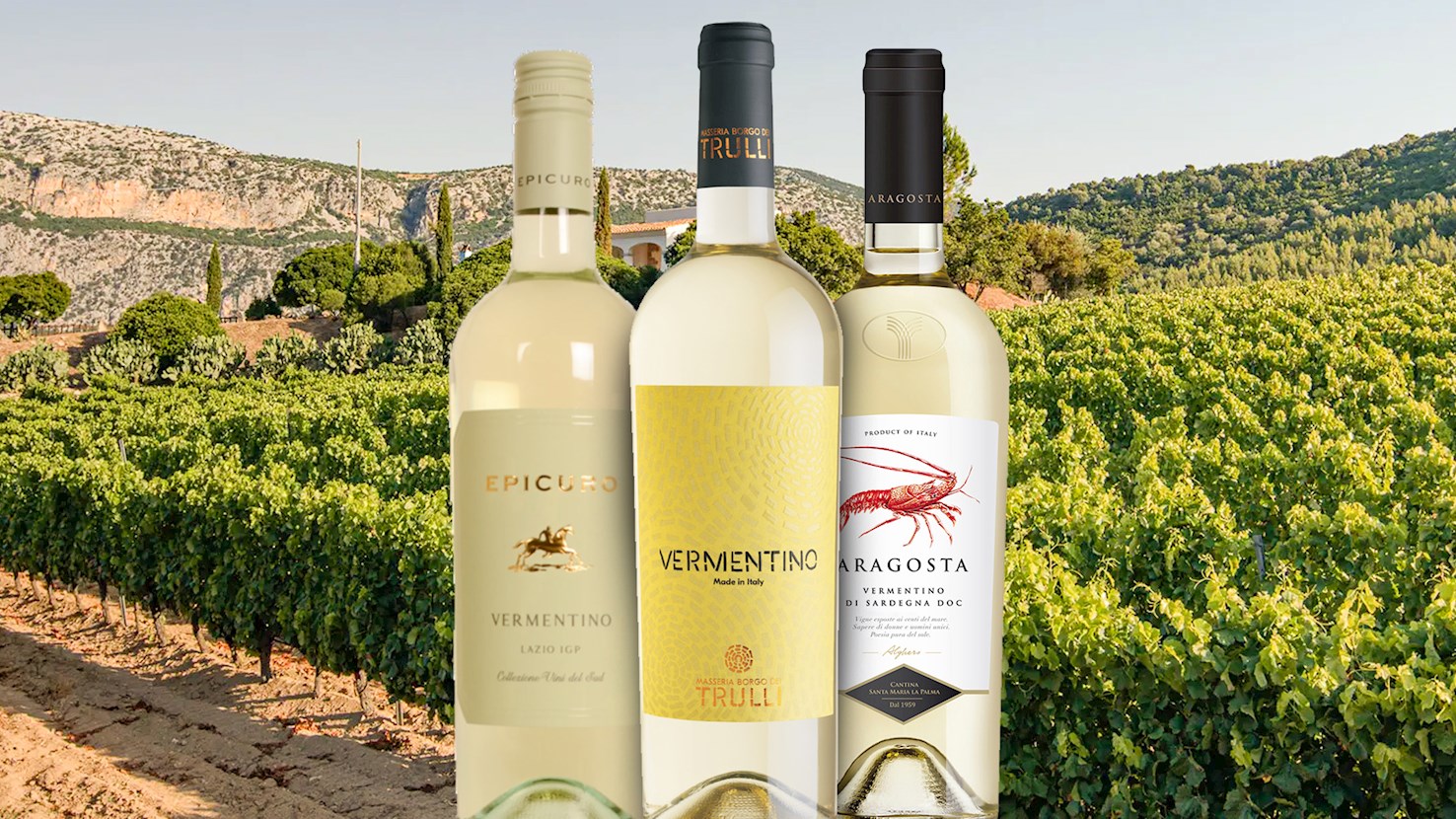
Vermentino is a white grape variety predominantly grown in several Mediterranean wine regions, especially in Northern Italy and Sardinia. It is particularly known for producing crisp, aromatic white wines. Vermentino wines are known for their vibrant acidity and crispness. They often exhibit aromatic notes of citrus (lemon, lime), green apple, pear, and stone fruits. Floral notes and hints of Mediterranean herbs are also common. The wines typically have a mineral character, sometimes with a saline quality reflecting the coastal vineyards where they are often grown. Vermentino is widely cultivated in Sardinia, Liguria, and Tuscany in Italy. In Sardinia, it is known as Vermentino di Sardegna and Vermentino di Gallura, the latter being a DOCG designation. In Liguria, it is referred to as Pigato, while in Tuscany, it is found in DOCs such as Bolgheri and Maremma Toscana. In France, it is known as Rolle and is used in both still and sparkling wines in Provence. Vermentino thrives in warm, maritime climates which help in developing its aromatic profile and maintaining good acidity levels. It is often grown in sandy, rocky, and granite soils, contributing to its minerality and complexity. The grape can be made in a variety of styles, from fresh and young wines meant to be consumed early to more complex and structured wines that can age for a few years. Some winemakers experiment with oak aging to add complexity, though this is less common. Vermentino's bright acidity and aromatic qualities make it versatile for food pairing. It pairs well with seafood dishes like grilled fish, shellfish, and seafood pasta, as well as salads, light appetizers, and Mediterranean cuisine. Its acidity can cut through richer dishes, making it a good match for creamy sauces and cheeses.
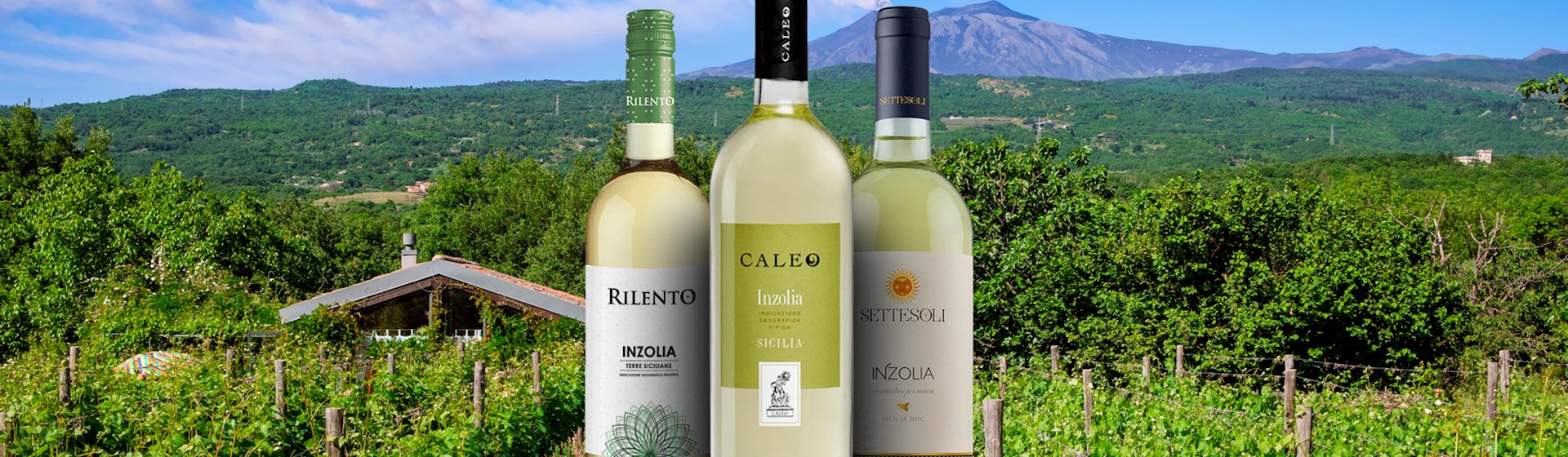
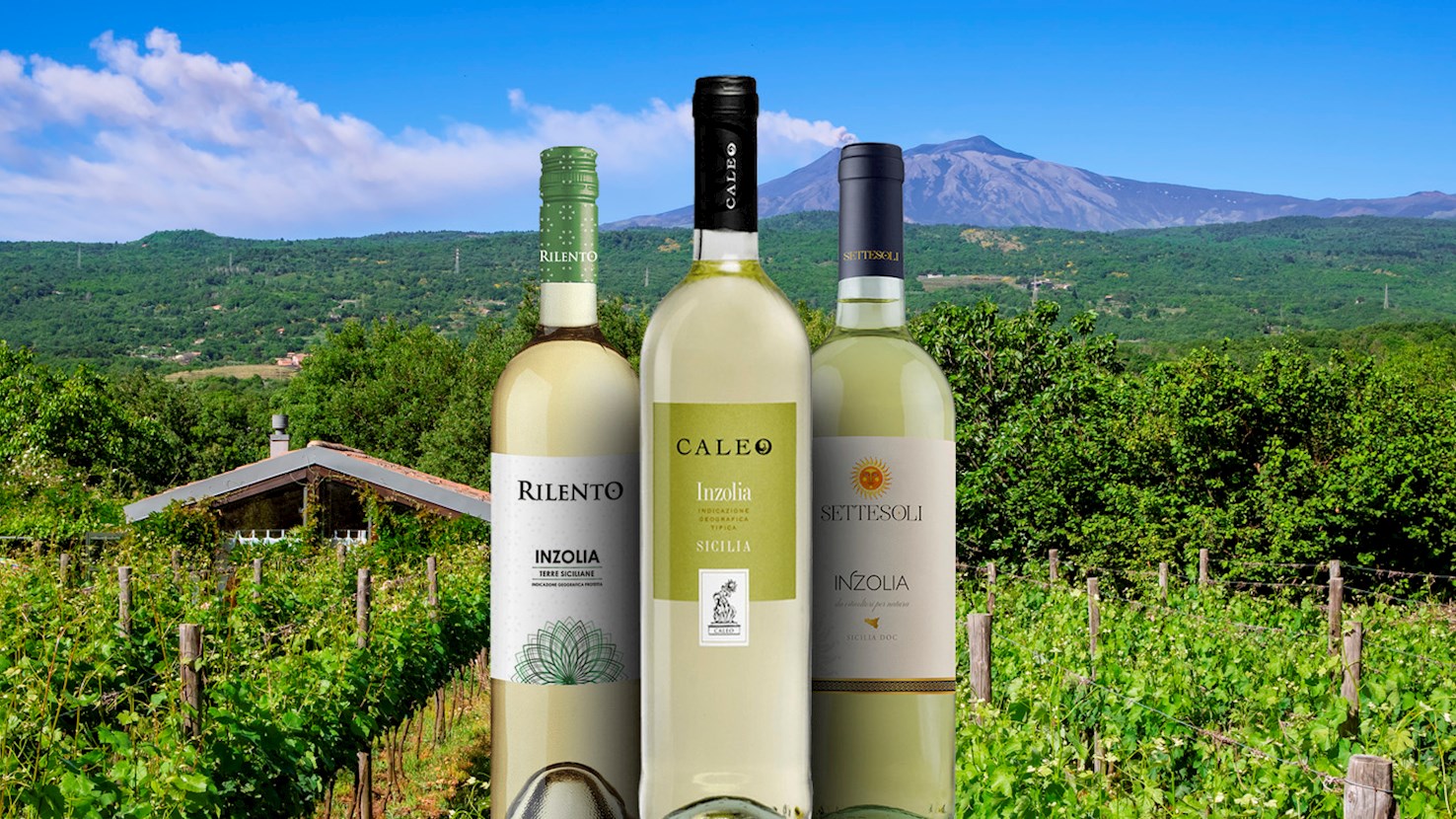
Inzolia is an Italian grape variety mainly associated with Sicily, though small amounts are also found in Tuscany (Ansonica Bianca). The grape was best known for its use in Marsala wine, but it is now often blended with the local Catarratto, and it can also produce good quality varietals. The wines produced from Inzolia are straw-colored, floral, and usually have a distinct nutty character. The aroma is typically reminiscent of mimosa, apricots, peaches, and citrus fruit. The wines are soft and round, with low to medium acidity and a subtle mineral finish. Sicilian terroir will produce fruitier wines with more structure. These wines pair with pasta dishes, fish, and white meat. They can also work as an aperitif.
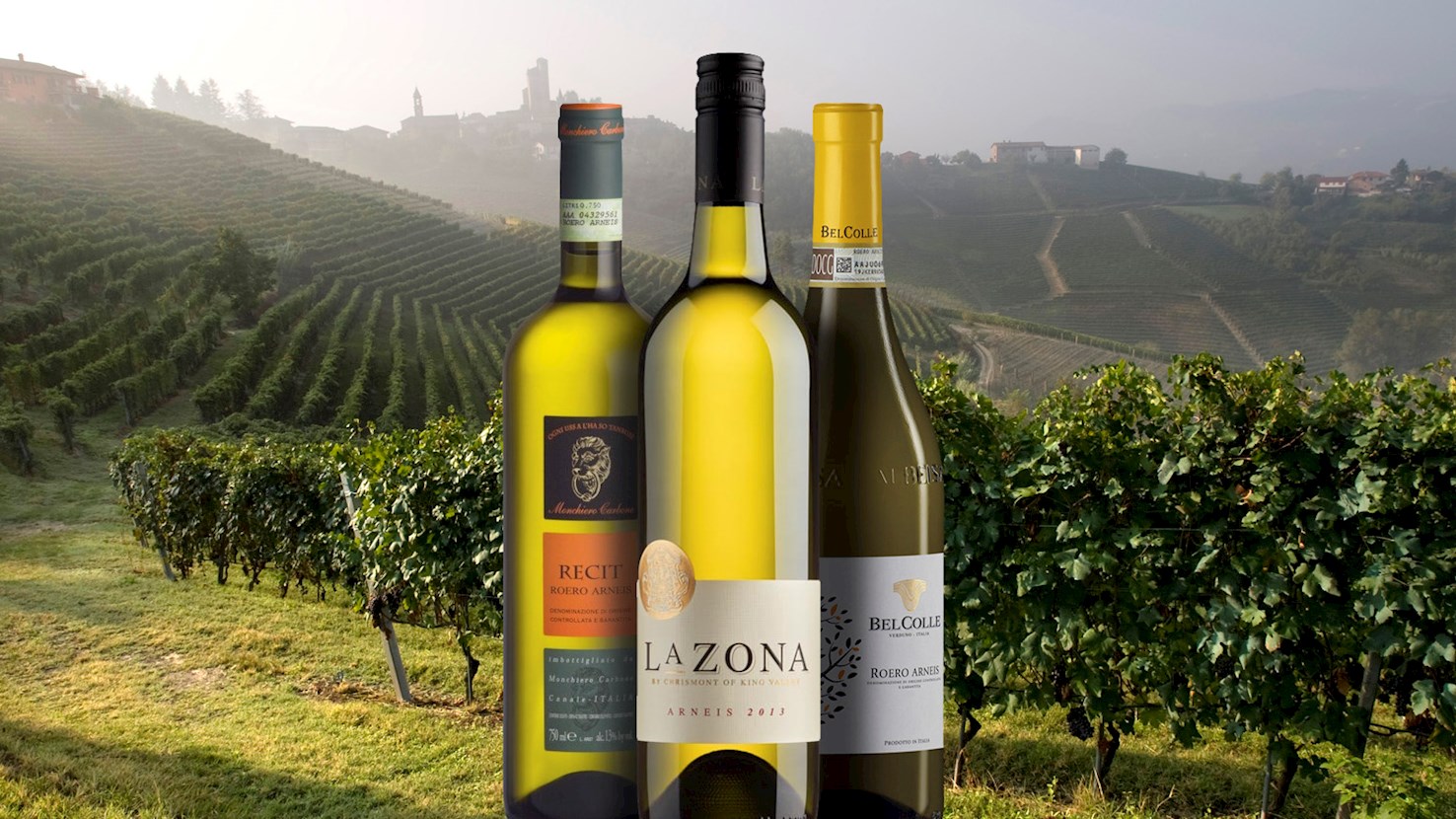
Arneis is a native grape from Piedmont that gives the best results in Roero—where it is used in the production of the famed Roero Arneis DOCG. Its exact origin is not known, but it is assumed that it has been cultivated in the area since the Roman times. Between two world wars, it was on the verge of extinction, but in the 1960s, it was reintroduced to the region as a variety that has excellent potential to produce refined dry wines of great character. The grape is also used in the production of dessert and sparkling wines. Arneis-based wines are fresh and fruity with typical notes and flavors of apples, pears, and citrus fruit, as well as herbaceous and floral nuances. They are usually medium-bodied and have well-balanced and not overpowering acidity. Arneis is best paired with lighter dishes such as risottos, pasta dishes, or seafood. It also works well as an aperitif or an accompaniment to appetizers.
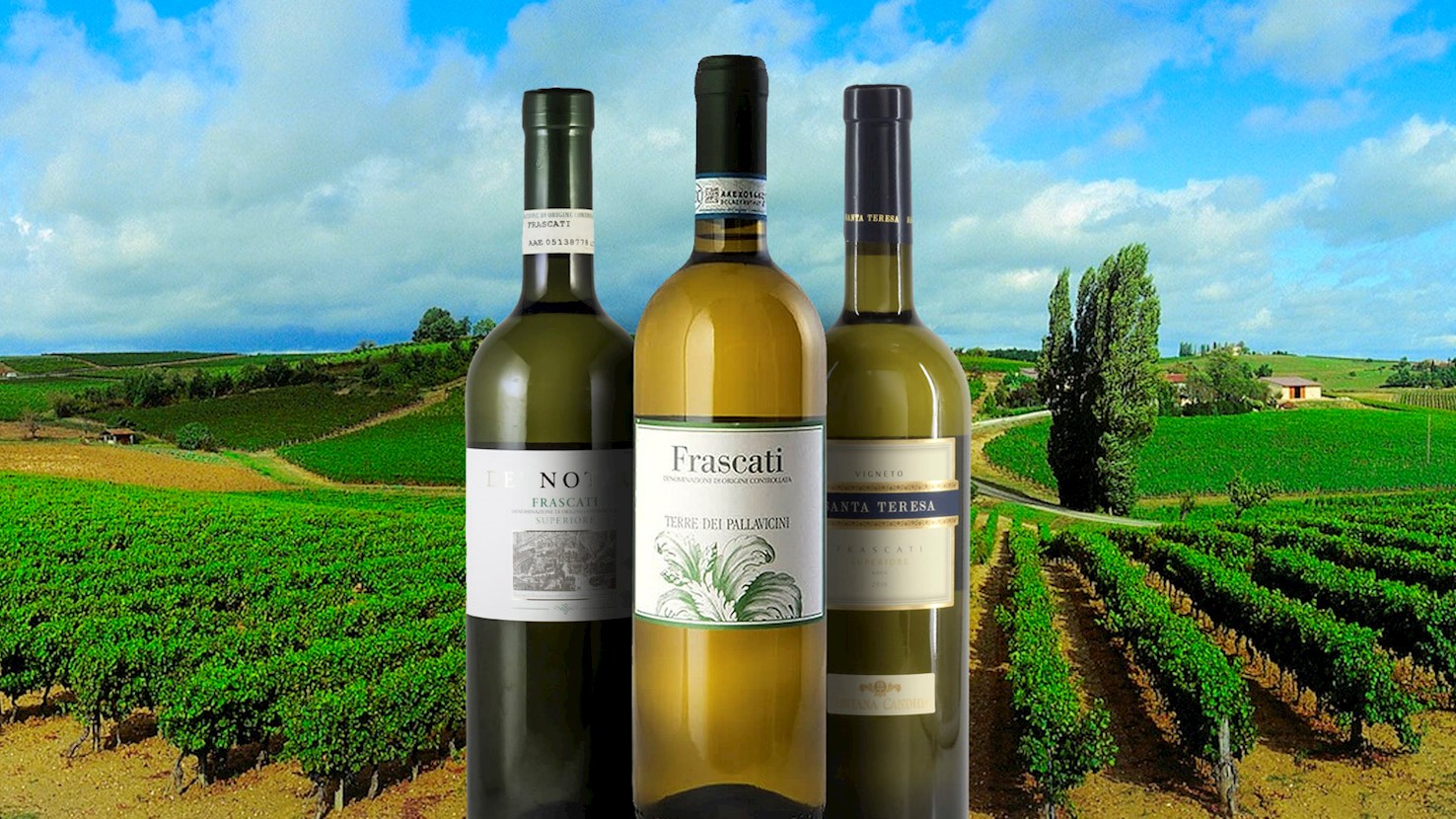
This white Italian wine is produced in Rome Lazio region with Malvasia Bianca di Candia and Malvasia del Lazio as principal grape varieties. The wine is usually crisp and fresh, with typical notes of white flowers, fruit, and citrus, while it can also display subtle herbaceous aromas. Because of its good acidity and minerality, Frascati Superiore pairs with fish or poultry-based dishes, as well as seafood and fresh cheese, but it is an ideal accompaniment to light pasta dishes such as cacio e pepe, fettuccine Alfredo, or spaghetti aglio e olio. Although it is rarely aged, shorter maturation periods may help to produce more balanced wine, while the Riserva label must be matured for a minimum of twelve months.
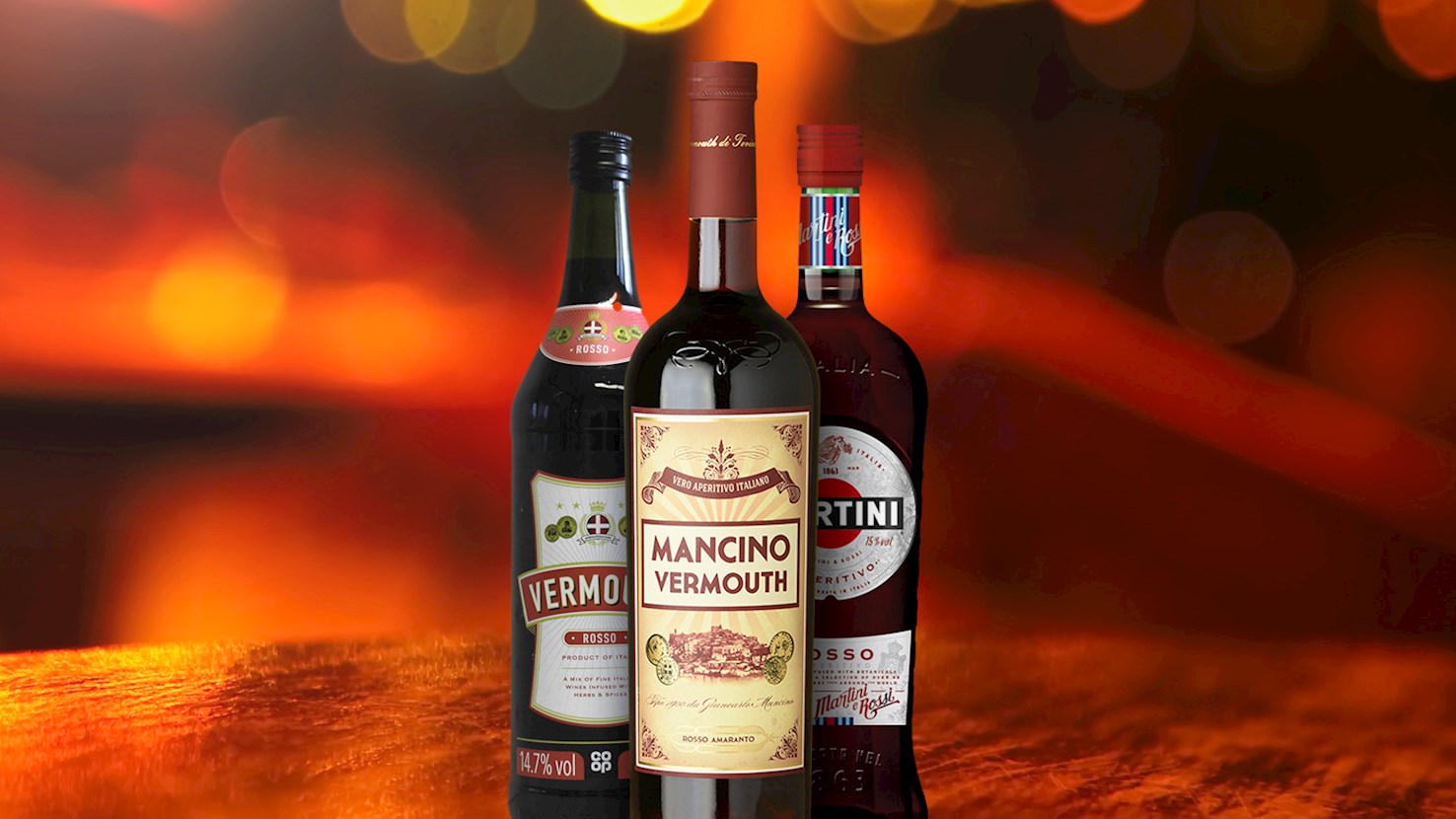
The term sweet vermouth is generally associated with red Italian-style vermouth. Their red color is mostly gained with caramel-coloring, and the examples of the style are typically subtly bitter and usually sweeter than dry vermouth, while the aromas and the final taste profile are usually reminiscent of spices and stewed fruit. Sweet vermouth is best known for its use in cocktails, and it makes the bases of some the classics, including Manhattan and Negroni. Some of the most popular brands include Martini Rosso, Carpano, and Cinzano Rosso. Officially, sweet vermouth can have a maximum of 15% sugar.
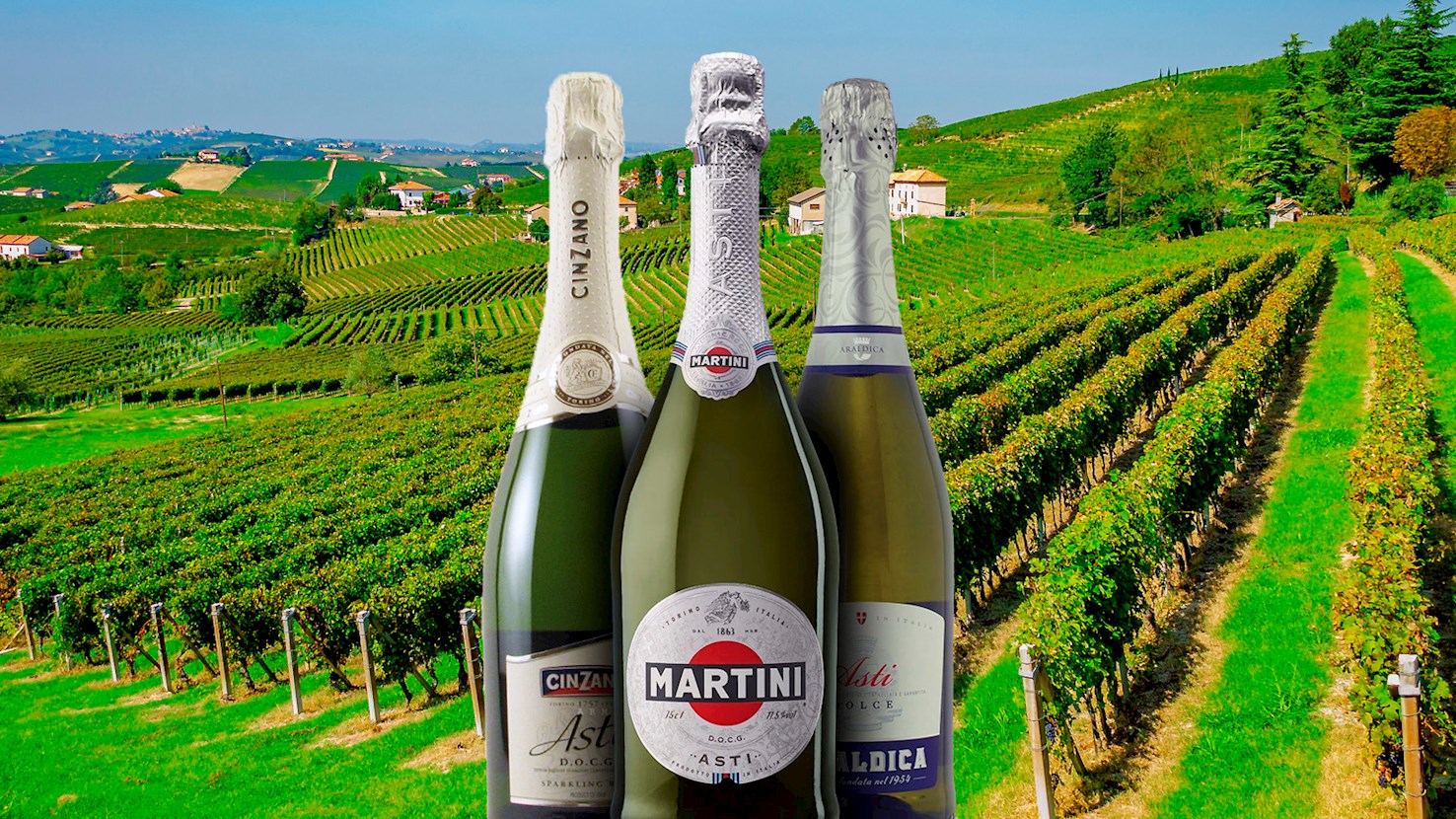
Asti Spumante is a fully sparkling wine produced under Asti DOCG appellation. It is made from Moscato Bianco grapes and most commonly by Charmat method, in which fermentation takes place in pressurized tanks. If it is made using the traditional method, where the wine undergoes a second fermentation in the bottle, it is labeled Asti Spumante metodo classico. The best examples of Asti Spumante are light, fresh, and sweet, without being cloying. Flavors and aromas are floral and fruity, reminiscent of peaches, pears, oranges, acacia, and honeysuckle. Asti Spumante wines are traditionally paired with desserts, but they also make a great aperitif and go well with charcuterie. The same appellation also includes the more prestigious Moscato d'Asti. Though the wines are often mixed up, Asti Spumante has more bubbles, slightly higher alcohol content (between 7 and 9% ABV), and less aromatic complexity than Moscato d'Asti. Asti Spumante is usually more affordable.
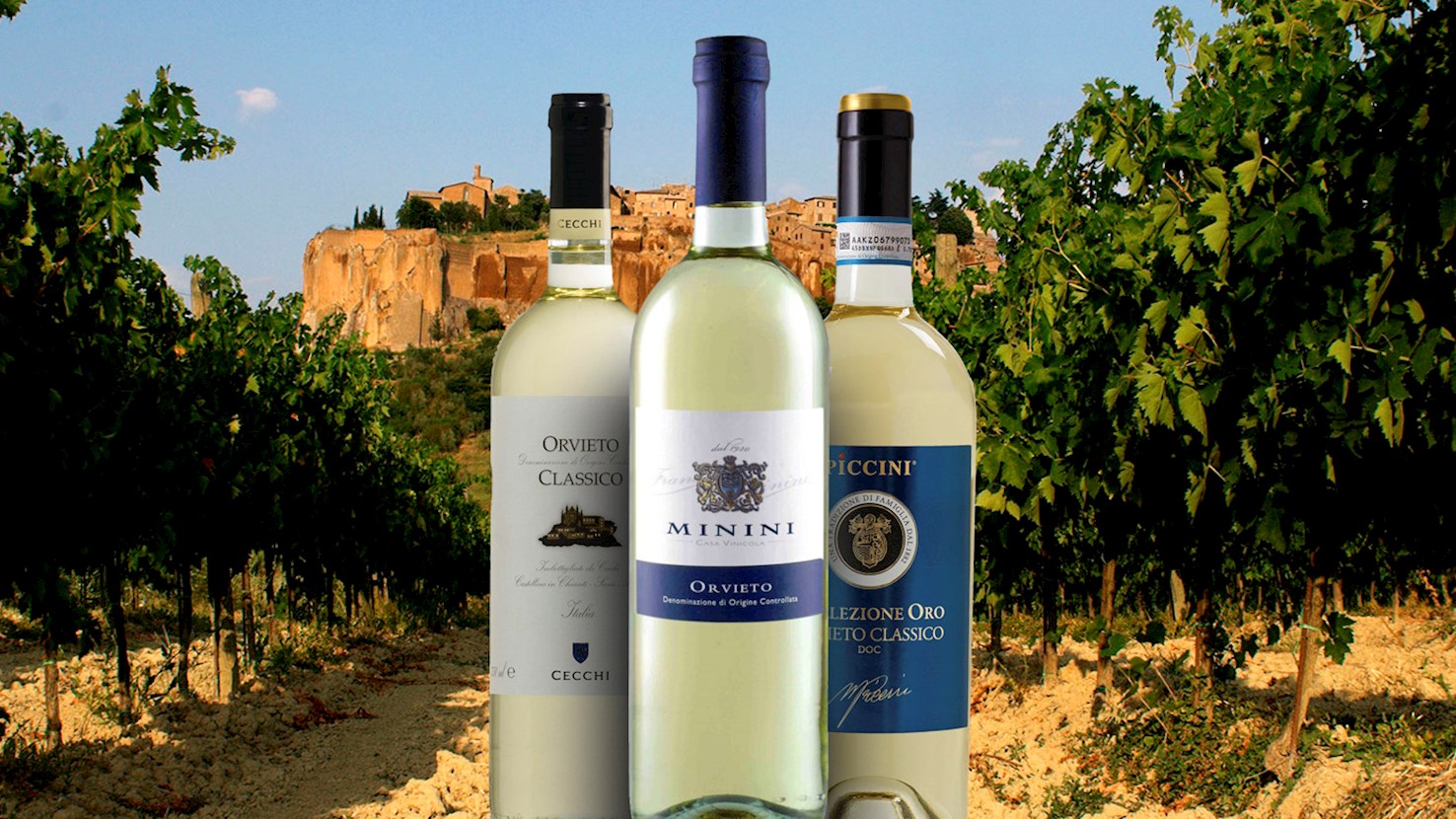
Orvieto is the most important wine appellation for white wine in Umbria. The wines produced in the region are based on Grechetto (minimum 60%), while the blends often also include Trebbiano Toscano (locally known as Procanico) or other permitted white varieties. Although the appellation also covers sweet wines—including noble rot style Muffa Nobile and late harvest Vendemmia Tardiva—which were once flagship styles, modern production is mostly oriented towards light and approachable dry white wines. Dry styles are easy-drinking, straw-colored wines that usually have a clean and crisp character and moderate acidity. The aromas are reminiscent of white fruit, white flowers, and hazelnuts, while the best examples, mainly those from the Classico subzone, often have a mineral profile. They can also have a slightly bitter aftertaste. The appellation covers the Classico label produced from the grapes cultivated in the oldest and best locations around Orvieto and the Superiore label that has to be aged for at least four months and reach 12% ABV. Dry Orvieto wines pair well with vegetables of fish soups, seafood, pasta dishes, pizza, appetizers, and light meat dishes. They can also make an excellent aperitif. Most of the appellation is located in Umbria, with only a small part in the neighboring Lazio.
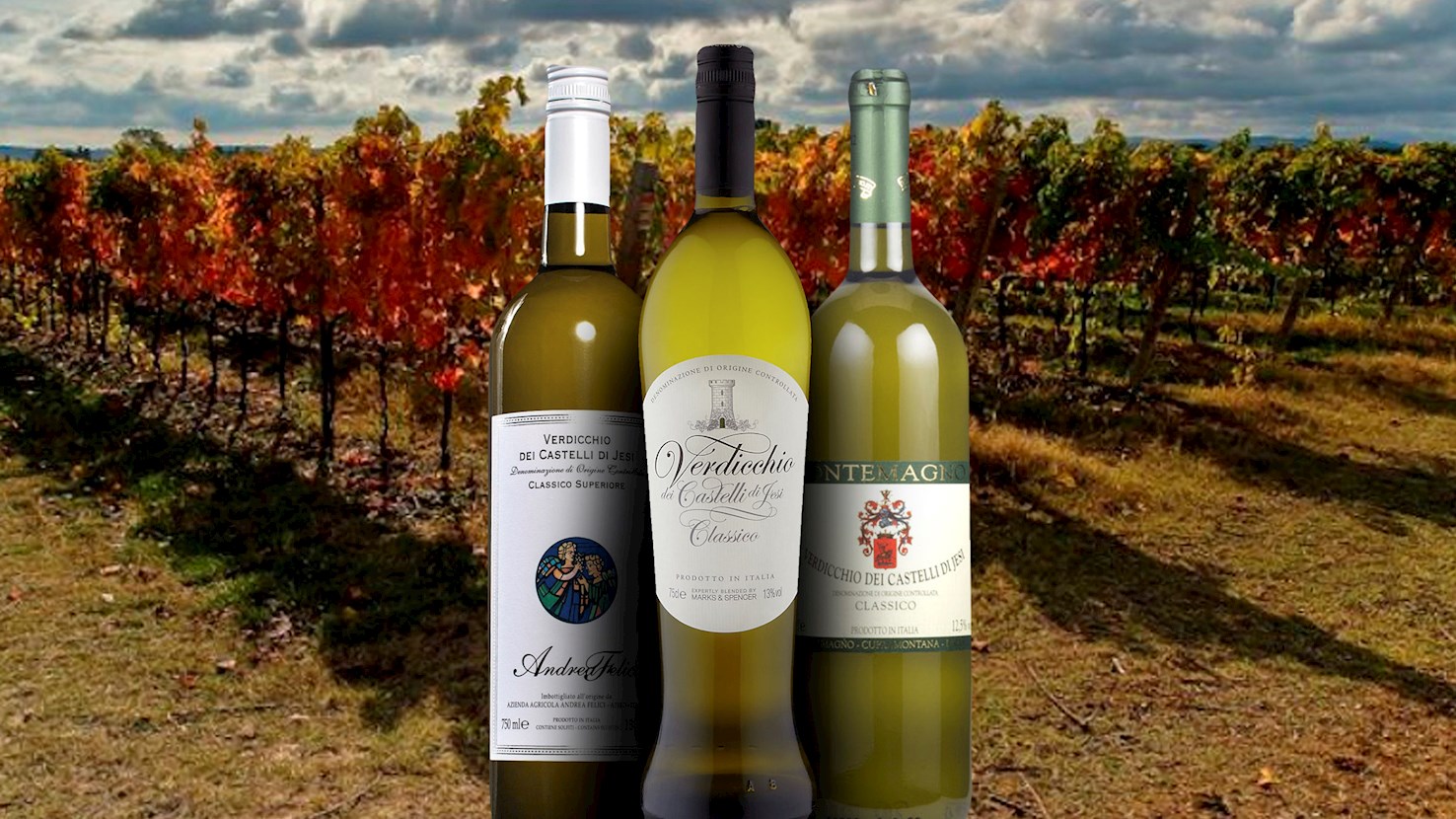
Verdicchio dei Castelli di Jesi is a dry white wine from Marche that is produced from 85% Verdicchio grapes. Although both are made with the same blend of grapes, the lesser-known Verdicchio di Matelica is considered superior to the more widespread Castelli di Jesi. Both wines can also come as a spumante (sparkling) and passito (sweet) wine, but the predominant style is a still dry wine that has a crispy, lemony taste, with intense and fragrant aromas and high acidity. Castelli di Jesi can be consumed young, but it can also benefit from aging, which gives it a great balance of taste. Its citrusy nature pairs well with fish, seafood, light appetizers, or poultry.
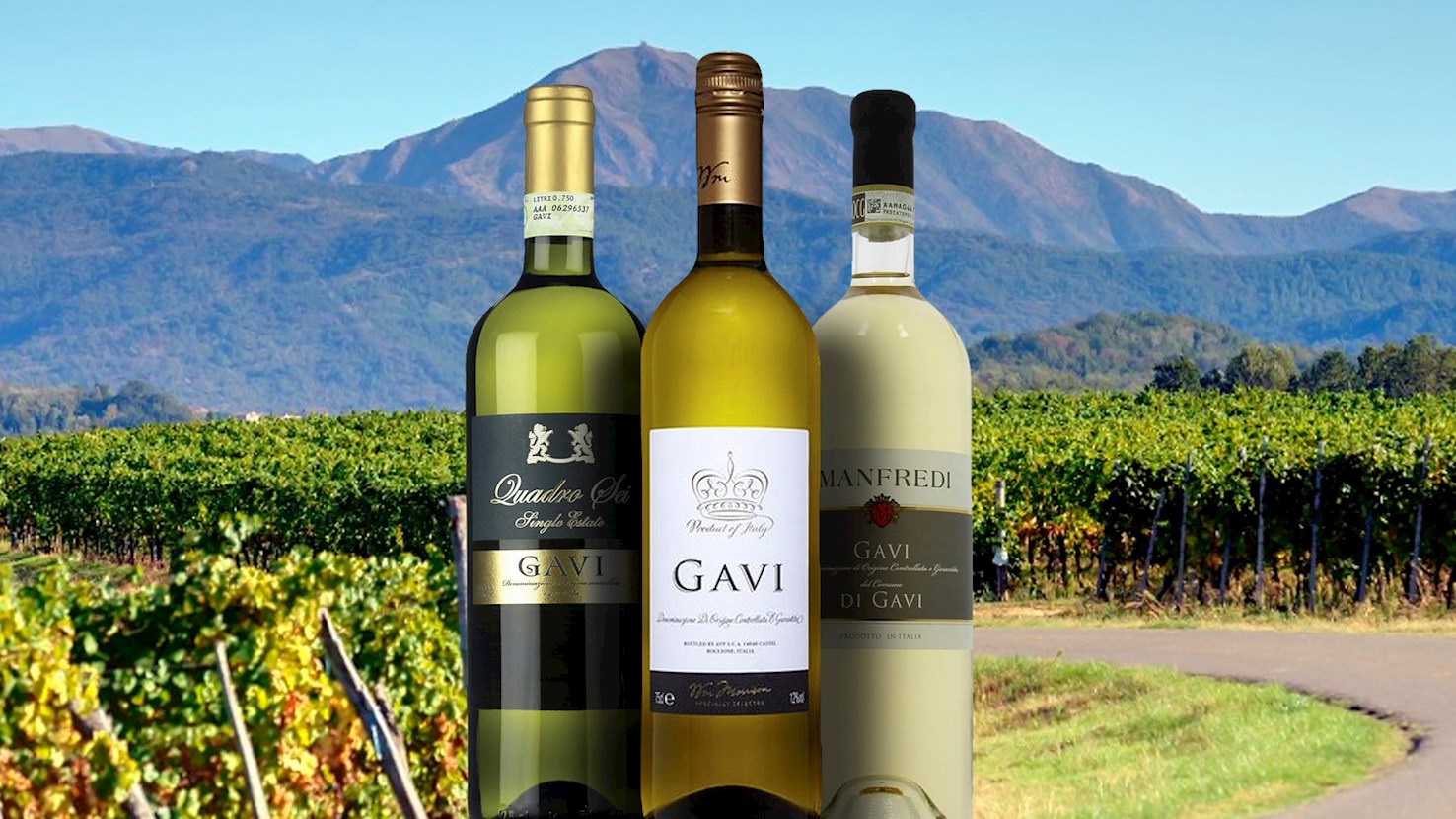
This prized Italian wine is produced exclusively from the Cortese grape variety in the Province of Alessandria. The unique climate conditions and mineral-rich soil where the grapes are grown contribute to the exceptional quality of Cortese di Gavi wines. The best examples are fresh and crisp with typical notes of white flowers and fruits such as citrus, green apples, pears, peaches, or honeydew, as well as a characteristic almond finish. The wines are well known for their balanced and moderate acidity, which makes them a perfect accompaniment to seafood and vegetable antipasti. Pair it with a Piedmont classic called bagna càuda—an olive oil based dip that is flavored with garlic cloves and anchovies, or with seafood dishes from the neighboring Liguria such as buridda stew, stuffed cuttlefish (seppie ripiene), or cappon magro. The wine can also match pasta dishes served with a flavorful butter and sage sauce or pesto.
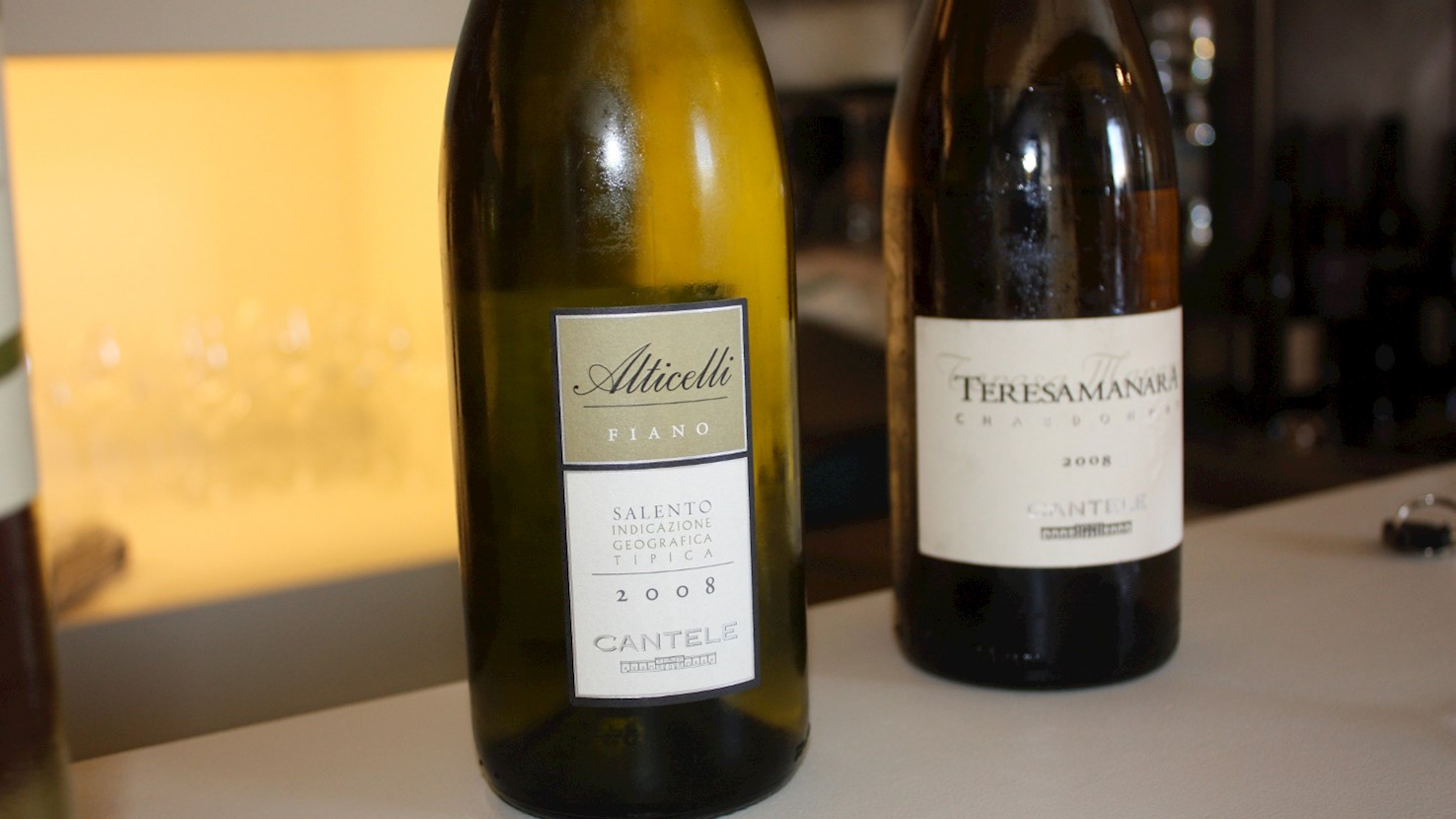
Mostly cultivated in Campania,Fiano is an old Italian variety that has seen a significant revival since the 1980s. This low-yielding, early-ripening grape is praised for its ability to produce crisp and aromatic wines with a lot of character and herbaceous and fruity notes. These wines are typically medium-bodied and intensely flavored. Young Fiano wines often display aromatic honey notes, and as they age, they tend to develop smoky and spicy notes dominated by hazelnut. The aromas are perfectly balanced with bright acidity. Fiano is used in varietal and blends, and it can also be used in the production of sparkling and dessert wines. They can be enjoyed young, and it is generally recommended to age them for up to five years. The most important appellation for Fiano is Fiano di Avellino, which holds a DOCG status. Fiano-based wines can be enjoyed as an aperitif. They can be a good match with seafood and white meat. Apart from Campania, the grape is cultivated in Puglia (Apulia) and Sicily. Small amounts of Fiano can also be found in Australia.
TasteAtlas food rankings are based on the ratings of the TasteAtlas audience, with a series of mechanisms that recognize real users and that ignore bot,
nationalist or local patriotic ratings, and give additional value to the ratings of users that the system recognizes as knowledgeable.
For the “50 Worst Rated Italian Wines” list until October 16, 2026, 2,900 ratings were recorded, of which 2,140 were recognized by the system as legitimate.
TasteAtlas Rankings should not be seen as the final global conclusion about food. Their purpose is to promote excellent local foods,
instill pride in traditional dishes, and arouse curiosity about dishes you haven’t tried.



What People Say