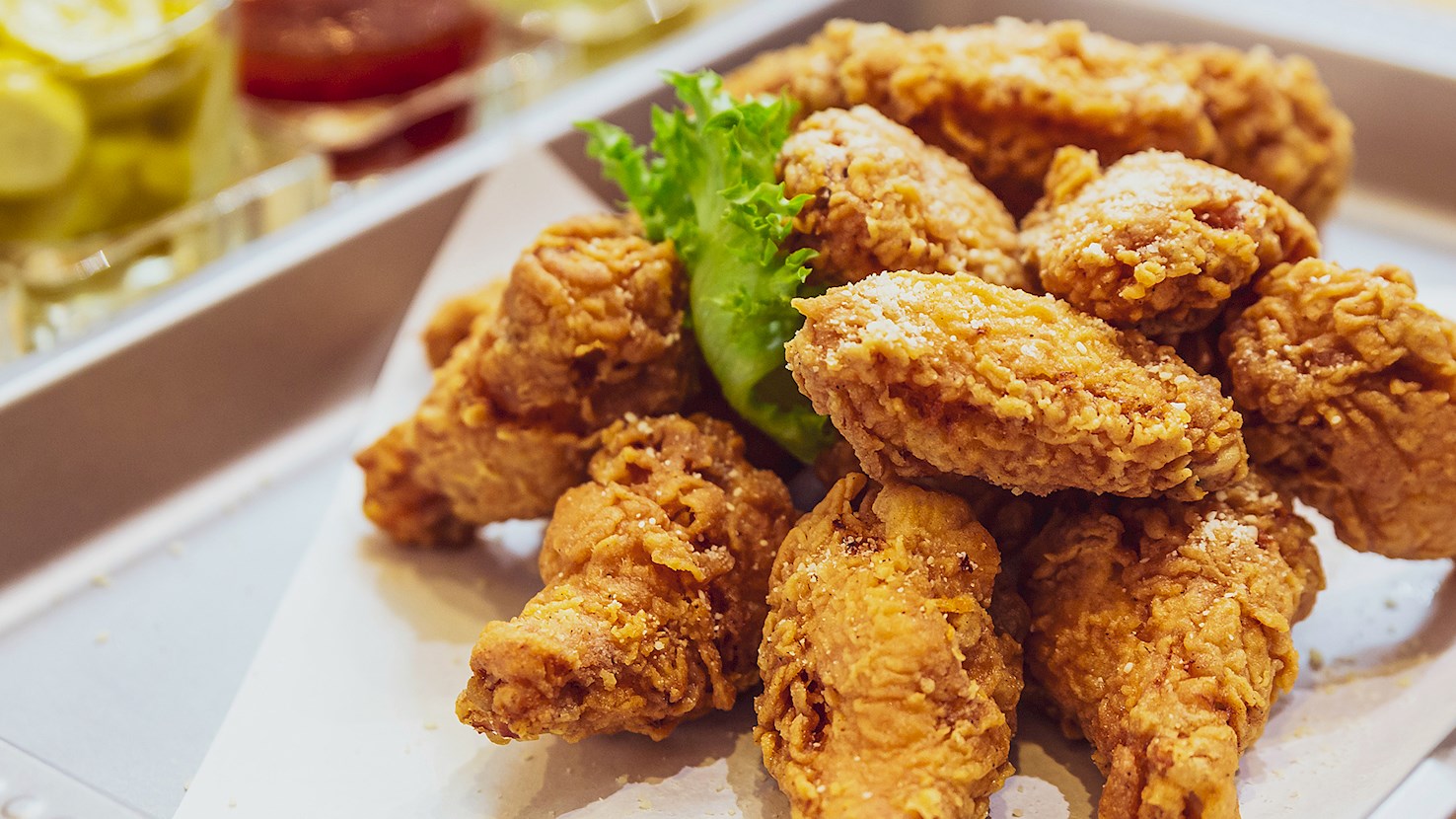
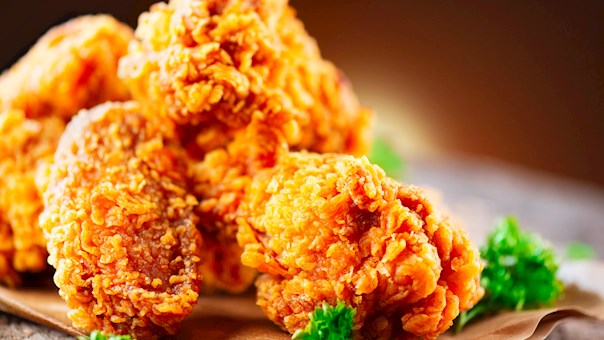
Chikin, or Korean fried chicken (KFC), is a popular dish in Korean cuisine that consists of battered and deep-fried chicken pieces. Fried chicken was introduced to South Korea by the American military during the Korean War in the 1950s. American soldiers brought the concept of fried chicken to the country, and it quickly gained popularity among Koreans. In the 1970s and 1980s, the fried chicken industry in South Korea expanded with the emergence of various fried chicken restaurant chains. These chains started experimenting with different flavors and sauces, moving beyond the original, stripped-down version of fried chicken. Finally, at the beginning of the 21st century, Korean fried chicken gained international popularity, mostly because of its unique preparation methods, distinct flavors, and crunchy texture. A few key characteristics differentiate Korean fried chicken from other types of fried chicken. One of the defining features of Korean fried chicken is the double frying technique. The chicken is first fried at a lower temperature to cook the meat thoroughly, then fried at a higher temperature to achieve a crispy and crunchy outer layer. Korean fried chicken is often served with various flavorful sauces and seasonings. Some popular sauce options include spicy gochujang (Korean red pepper paste), soy garlic, honey butter, sweet and tangy, and more. These sauces can be applied to the fried chicken either by tossing the chicken in the sauce or by drizzling the sauce over the chicken. Korean fried chicken is served with various side dishes, such as pickled radishes, coleslaw, and even refreshing slices of watermelon, and is often accompanied by beer (this combination is known as chimaek).
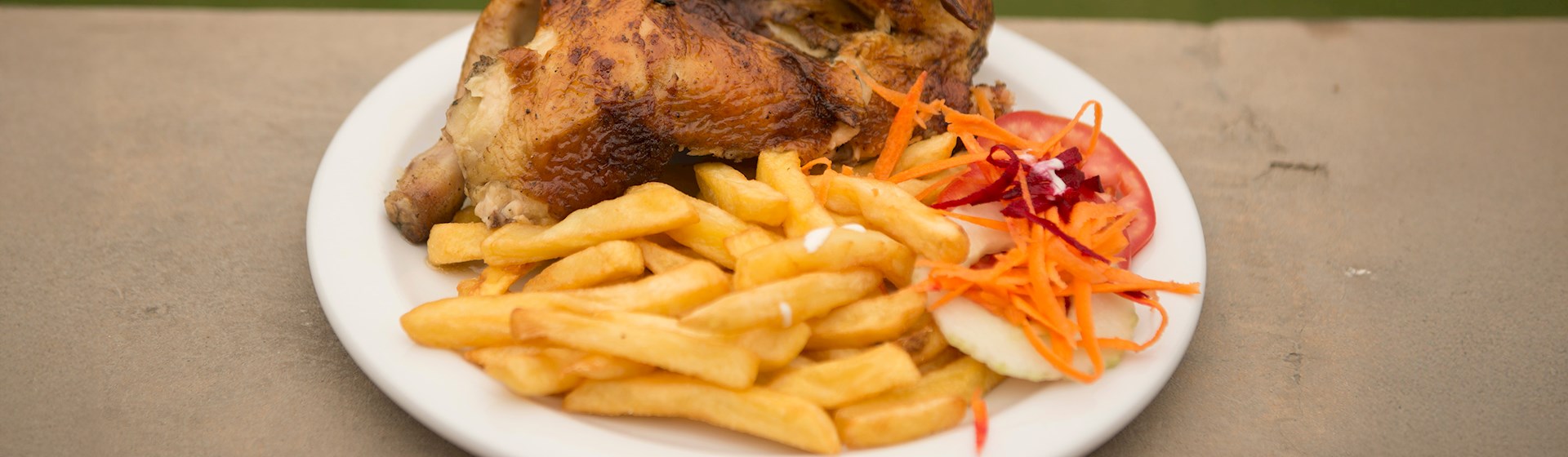
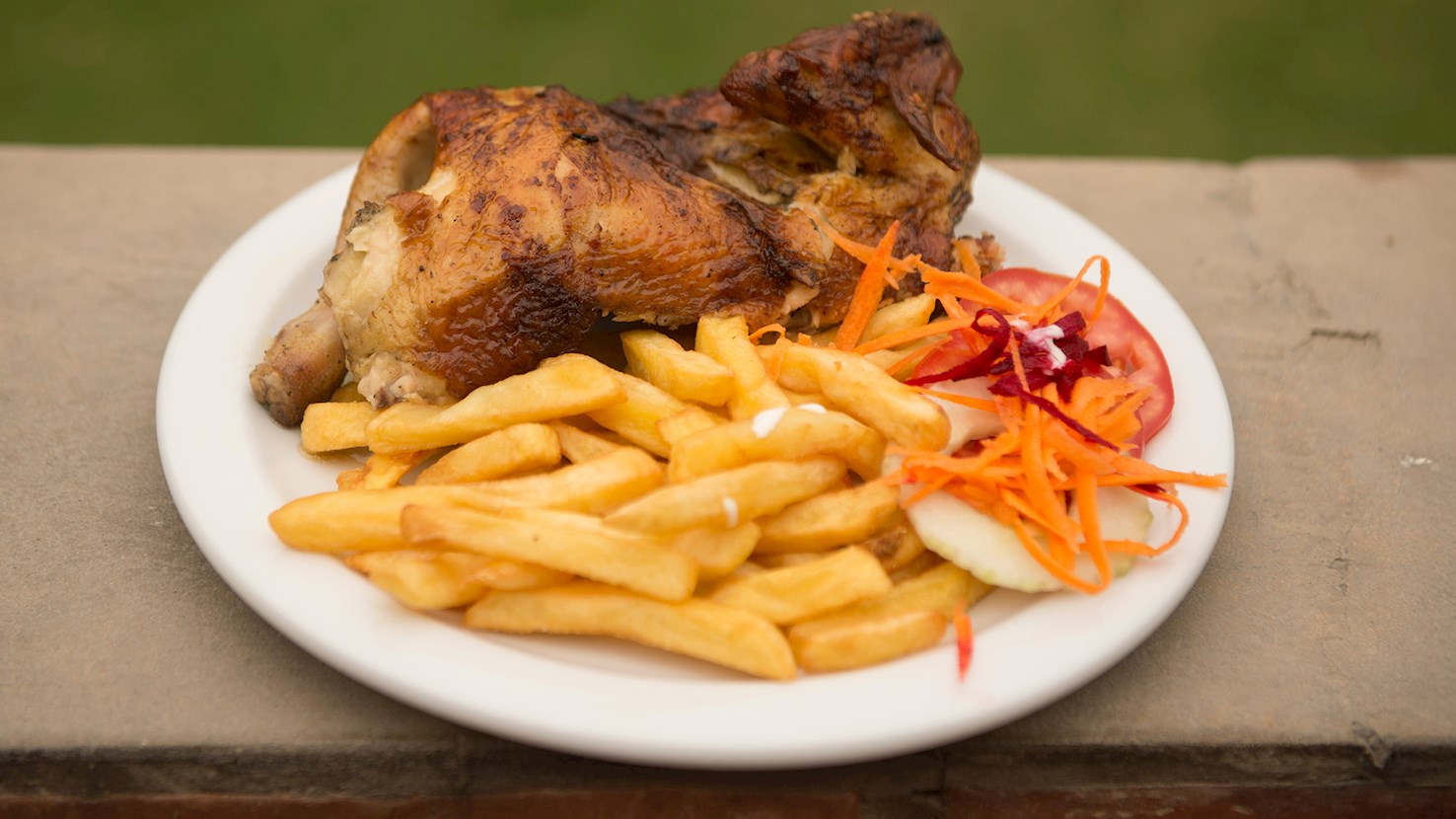
Pollo a la brasa is a popular Peruvian dish consisting of crunchy and juicy charcoal-grilled chicken that is traditionally served with French fries and salads. Today, it is one of the most consumed meals in Peru, so much that 27 million Peruvians eat it daily. The dish was first invented in Lima in the 1950s, when it was seasoned only with salt, but nowadays the chicken is often marinated in a special combination of ingredients, usually consisting of vinegar, salt, pepper, rosemary, chili, and dark beer.
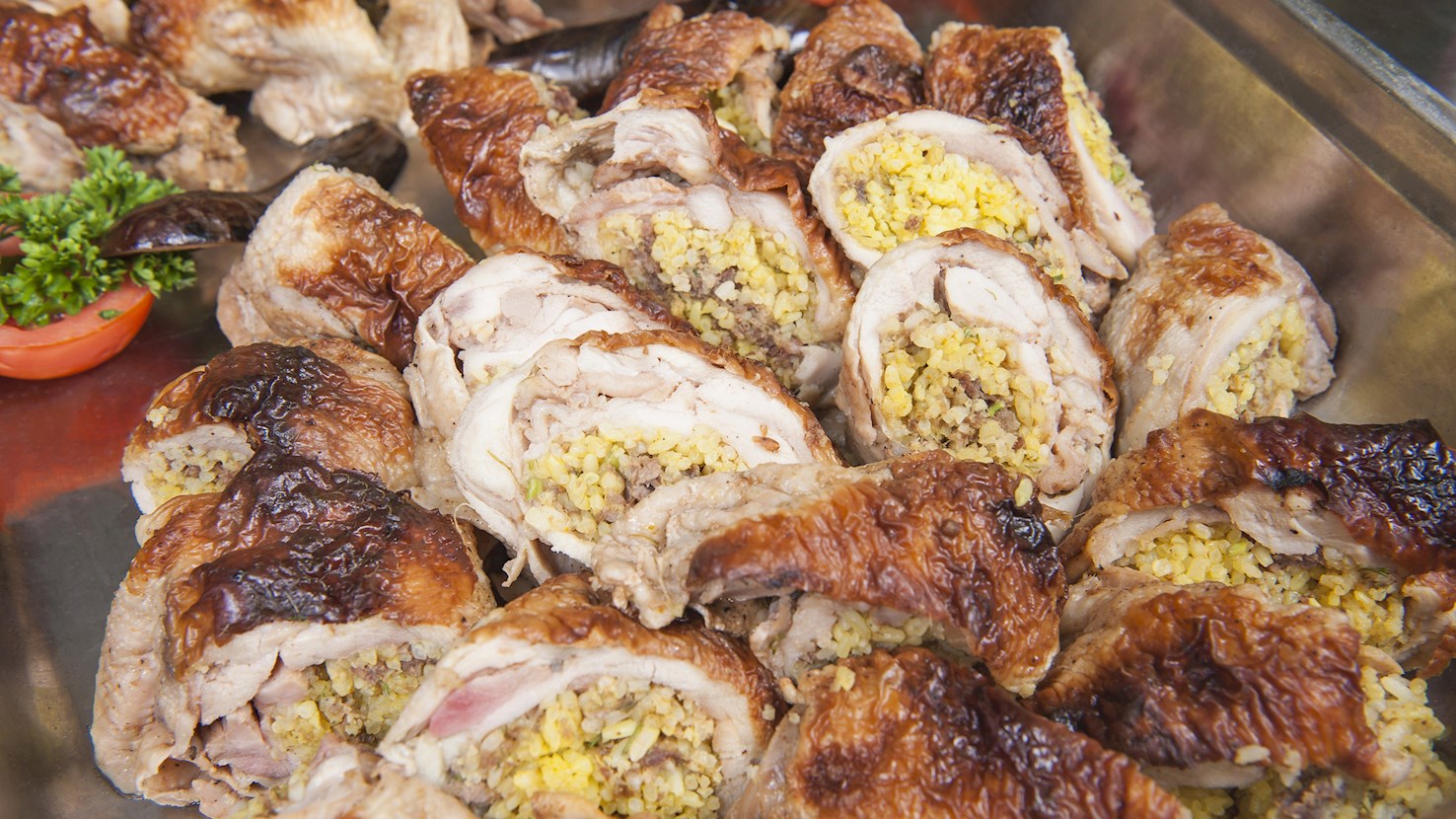
Piliç Topkapı is a classic Turkish chicken dish rooted in Ottoman culinary traditions, named after the Topkapı Palace in Istanbul. It features chicken, typically boneless pieces like thighs, stuffed with a savory rice pilaf. The stuffing is a flavorful mix of pine nuts, currants, onions, and spices such as cinnamon, allspice, and black pepper, creating a balance of savory and subtly sweet flavors. The stuffed chicken is secured with toothpicks, brushed with tomato paste and yogurt, and baked until golden and tender. It is usually served with rice pilaf on the side, accompanied by roasted vegetables or a simple salad.
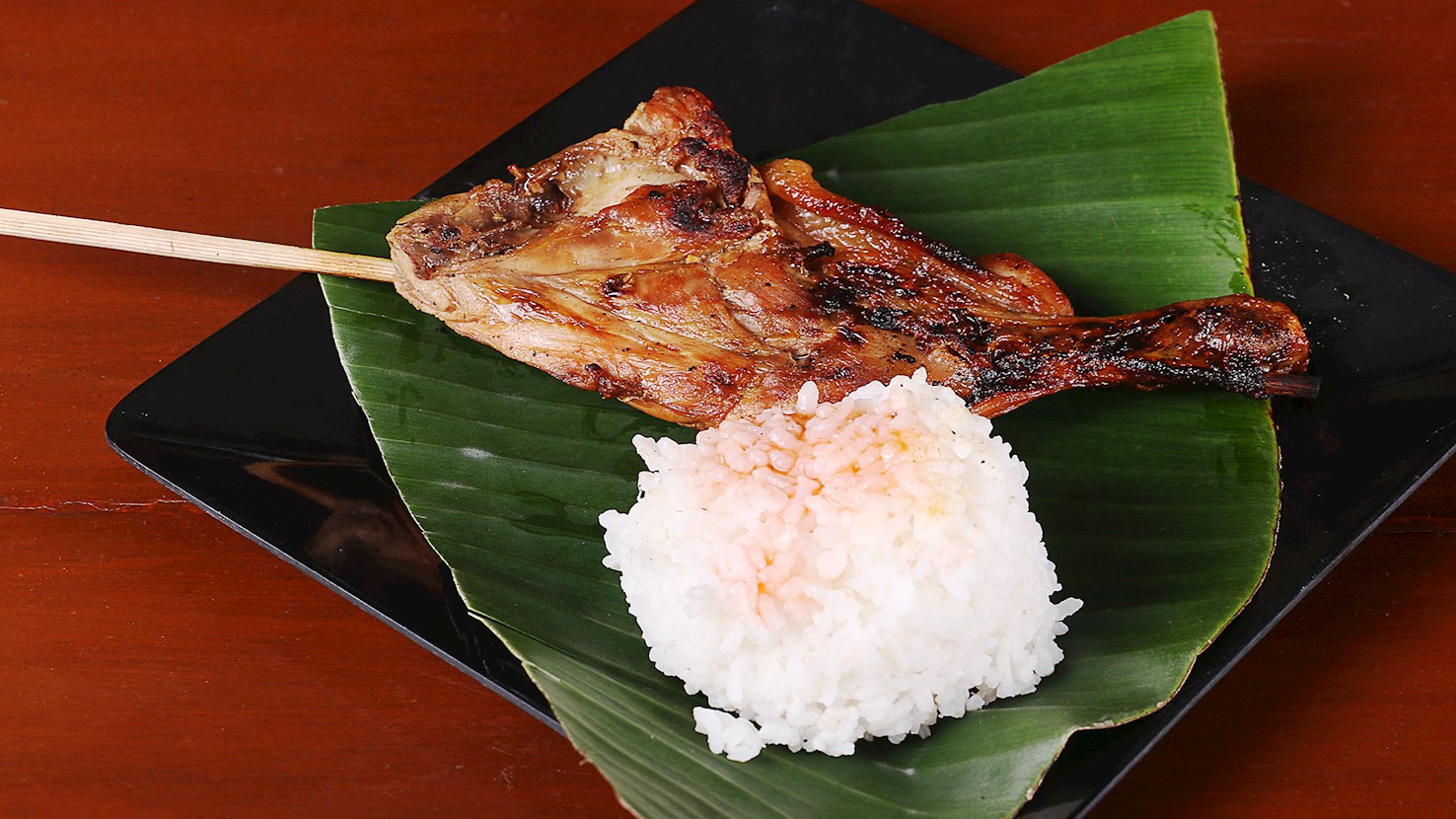
Inasal na manok is a unique Filipino grilled chicken dish which originated in Western Visayas and became the signature dish of the entire region. It employs various chicken cuts marinated in a mixture of vinegar and numerous spices such as lemongrass, garlic, and ginger. During grilling, the meat is brushed with the annatto-infused oil which provides the chicken with an appetizing golden color and a unique peppery flavor. The dish is usually served alongside annatto-flavored garlic rice and spiced vinegar. In 2022, the city of Bacolod declared the dish an important cultural property.
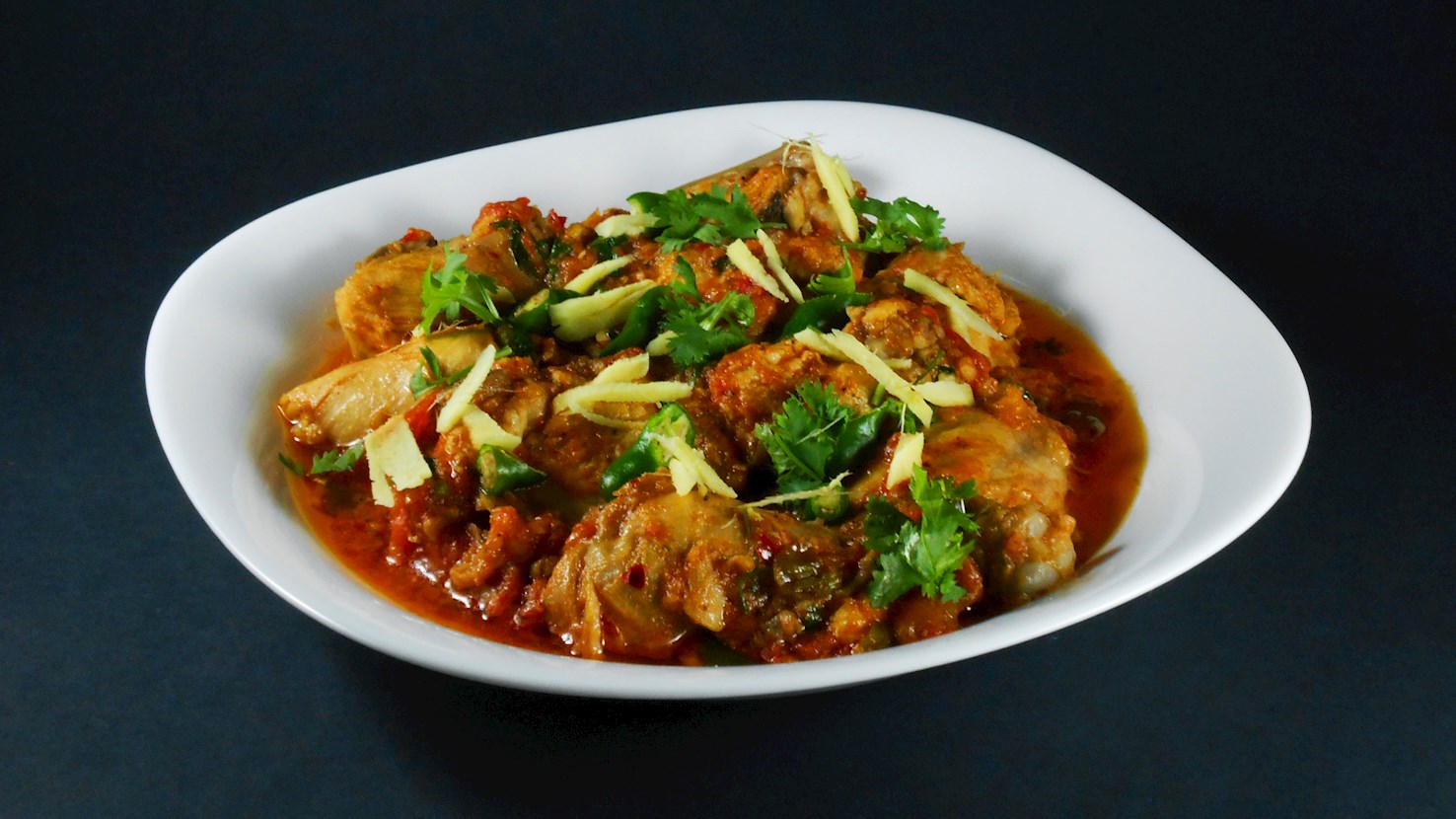
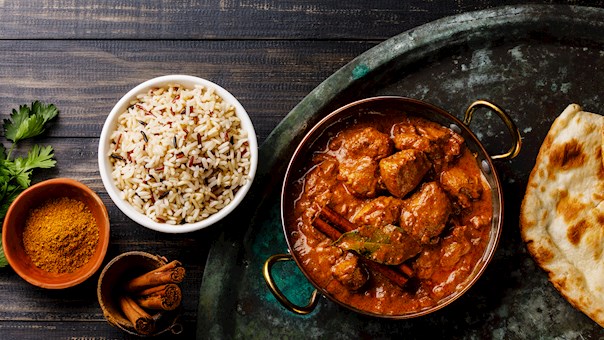
Chicken karahi is a poultry dish that is popular in Pakistan and North India. The word karahi in its name refers to a thick and deep cooking-pot similar to a wok in which the dish is prepared. Apart from chicken, the dish is made with red chili powder, cumin, garam masala, ginger, allspice, cardamom, tomatoes, and garlic. When prepared with mutton, the dish is known as gosht karahi. It is traditionally served with rice, roti, or naan.
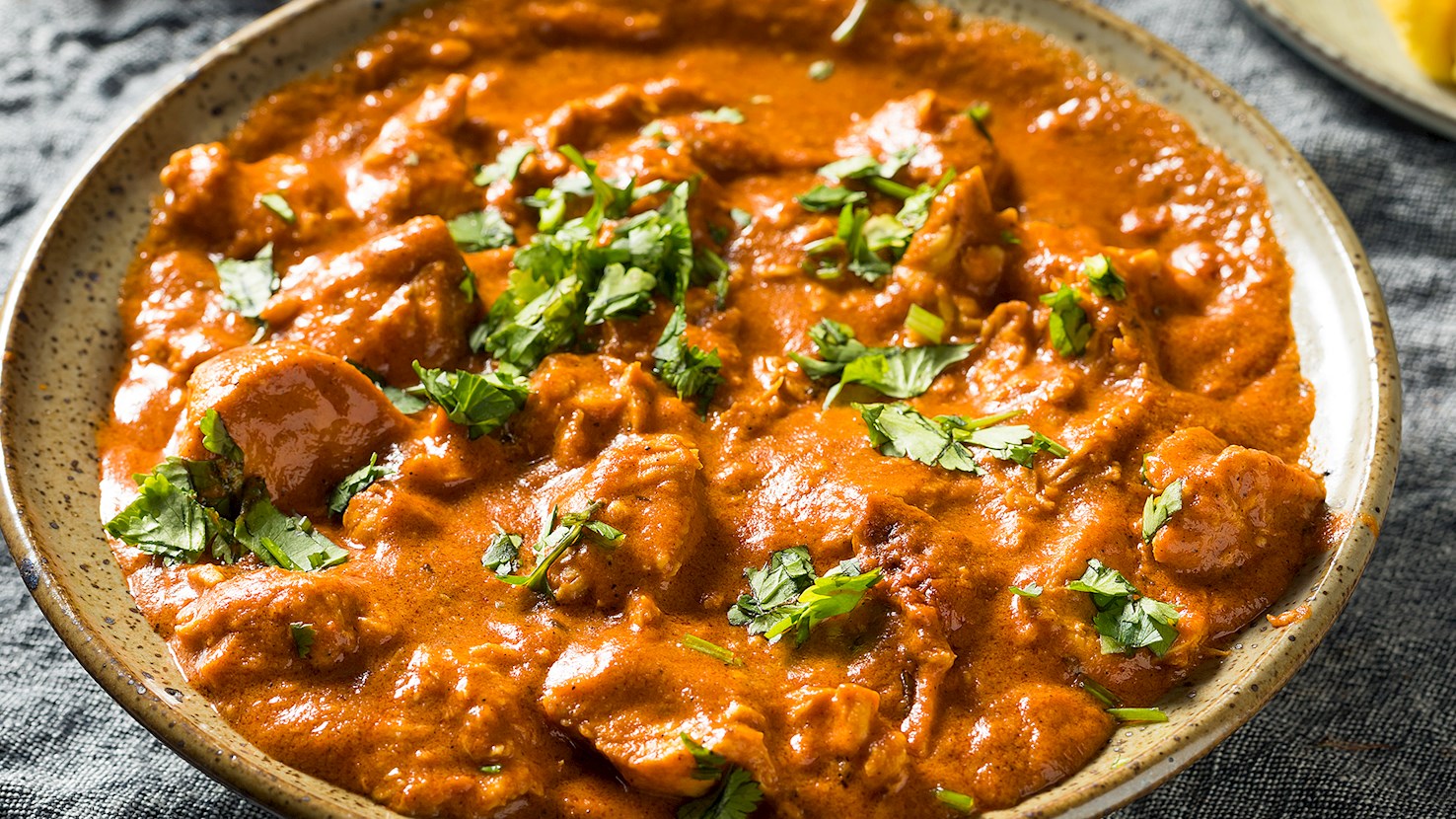
Probably the best known of all Indian dishes, murgh makhani, internationally referred to as butter chicken, is a staple dish at most Indian restaurants. The dish originated in Delhi during the 1950s, when a man named Kundan Lal Gujral opened his restaurant called Moti Mahal. The restaurant's cooks combined leftover marinade juices with tomatoes and butter, and then stewed the tandoor-cooked chicken in it, without even knowing that they have accidentally stumbled upon one of the most loved dishes ever and a future international delicacy. Moti Mahal became one of Delhi's attractions, and soon after, butter chicken spread throughout the world. With a combination of roasted meat, plenty of spices, a rich gravy made with cream, tomatoes, and butter, this dish is best accompanied by naan bread and garnished with even more butter, coriander, or green chilis.
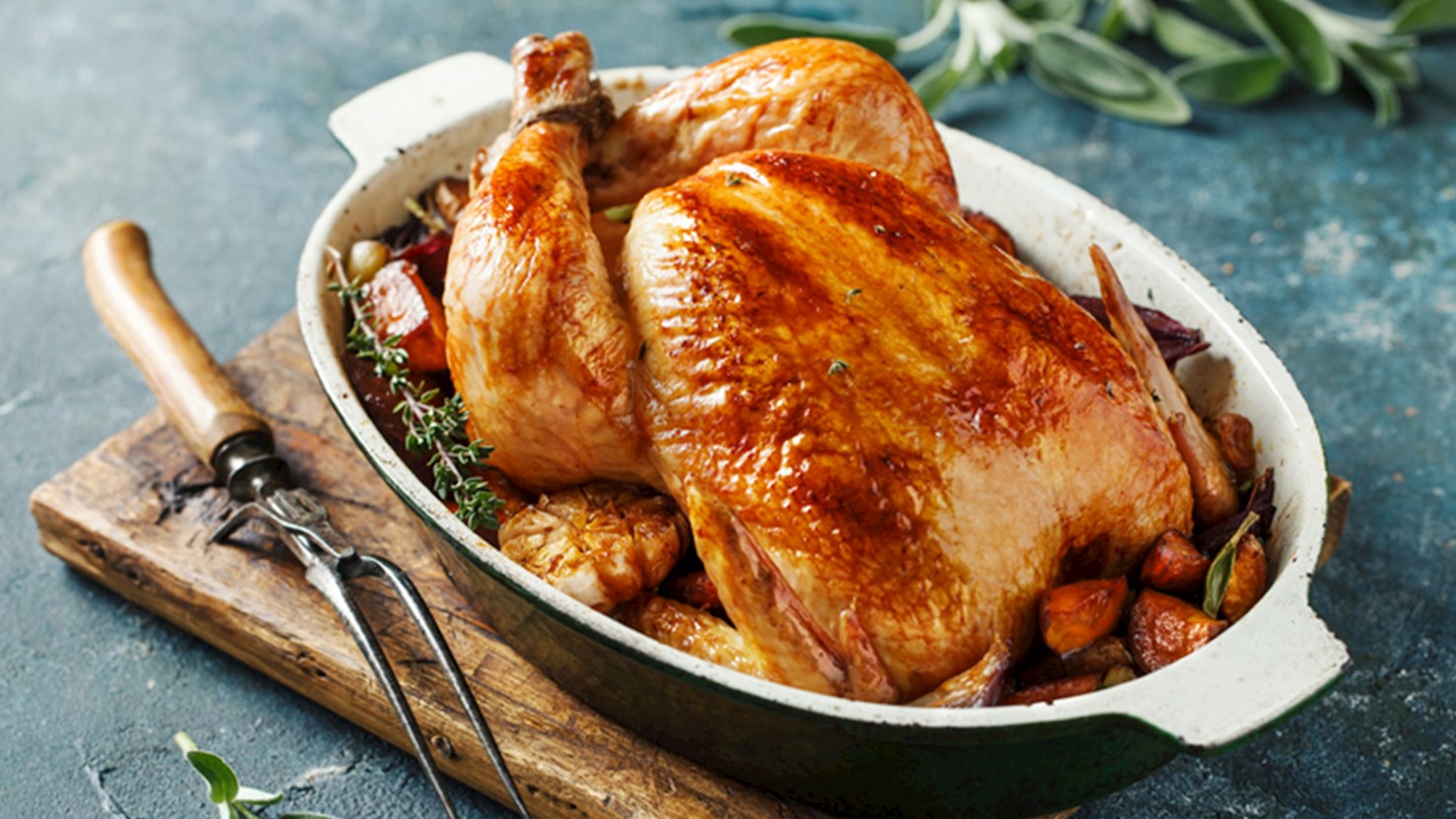
Poulet rôti is a classic French dish that translates to "roast chicken." The preparation involves seasoning a whole chicken with herbs, garlic, and butter before roasting it to perfection. The result is a flavorful, golden-brown chicken with a crispy skin and juicy, tender meat. This dish is often served with roasted vegetables and potatoes, making it a comforting and satisfying meal. Poulet rôti is a staple in French cuisine, showcasing simple yet exquisite flavors, and very popular Sunday dish.
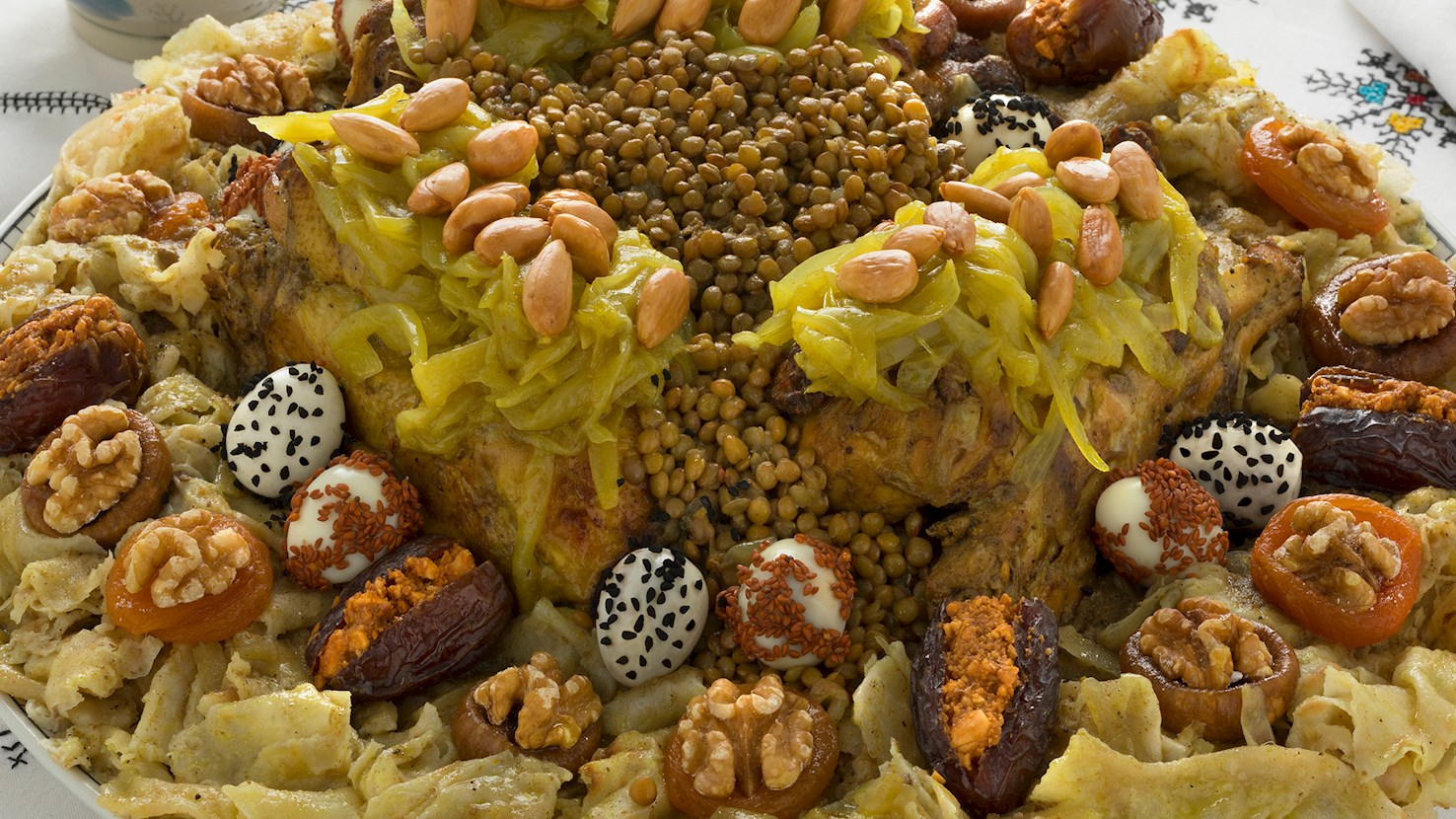
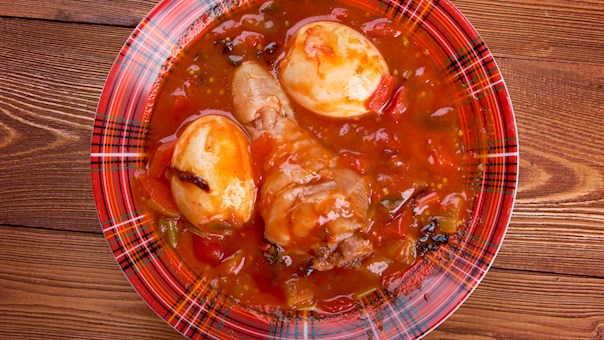
Rfissa is a traditional dish of stewed chicken pieces, onions, and lentils served over shredded msemmen, old bread, or trid pastry. The full list of ingredients is as follows: chicken, onions, saffron, ginger, lentils, msemmen, fenugreek seeds, and ras el hanout. The dish is traditionally served on the third day after the birth of a child or for similar festive occasions. It's typically consumed by a group of people gathering around the large dish, and each person then eats from his side of the platter.
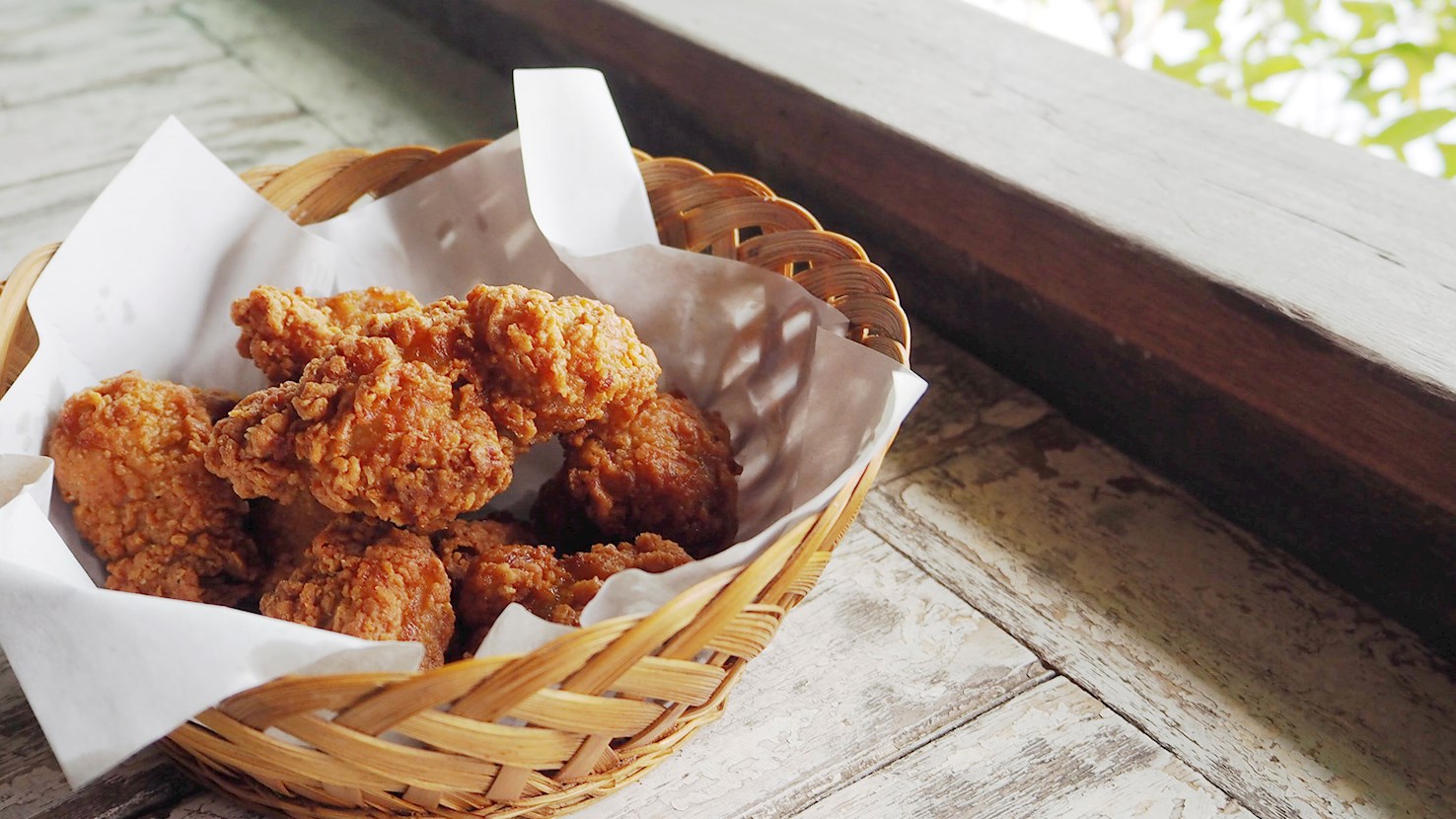
Also known as dry-frying, karaage is a Japanese cooking technique in which various foods are first lightly coated in arrowroot starch, then deep-fried. The use of arrowroot starch preserves the natural water content of fried foods and produces a crispy outer surface, but alternatively, other coating ingredients such as wheat flour, tapioca, or potato starch can also be used. Karaage can be used for frying various meats and fish, but it is most often associated with chicken, and involves a special variant called tatsutaage, where pieces of chicken are first marinated in a mixture of sake, soy sauce, and sugar which are then lightly covered with arrowroot starch and deep-fried. This method makes the meat succulent on the inside and particularly crispy on the outside. If not specified otherwise, karaage usually refers to fried chicken, but apart from chicken, the technique is sometimes used with other ingredients such as askarei (flounder), ika (bits of squid), and gobo (burdock root). Japanese karaage dishes are usually seasoned with garlic and ginger, and served with soy sauce on the side. They are a staple of informal Japanese gastropubs called izakayas, casual places for after-work drinks and snacks, but they are also available freshly fried as take-out food in numerous supermarkets and convenience stores.
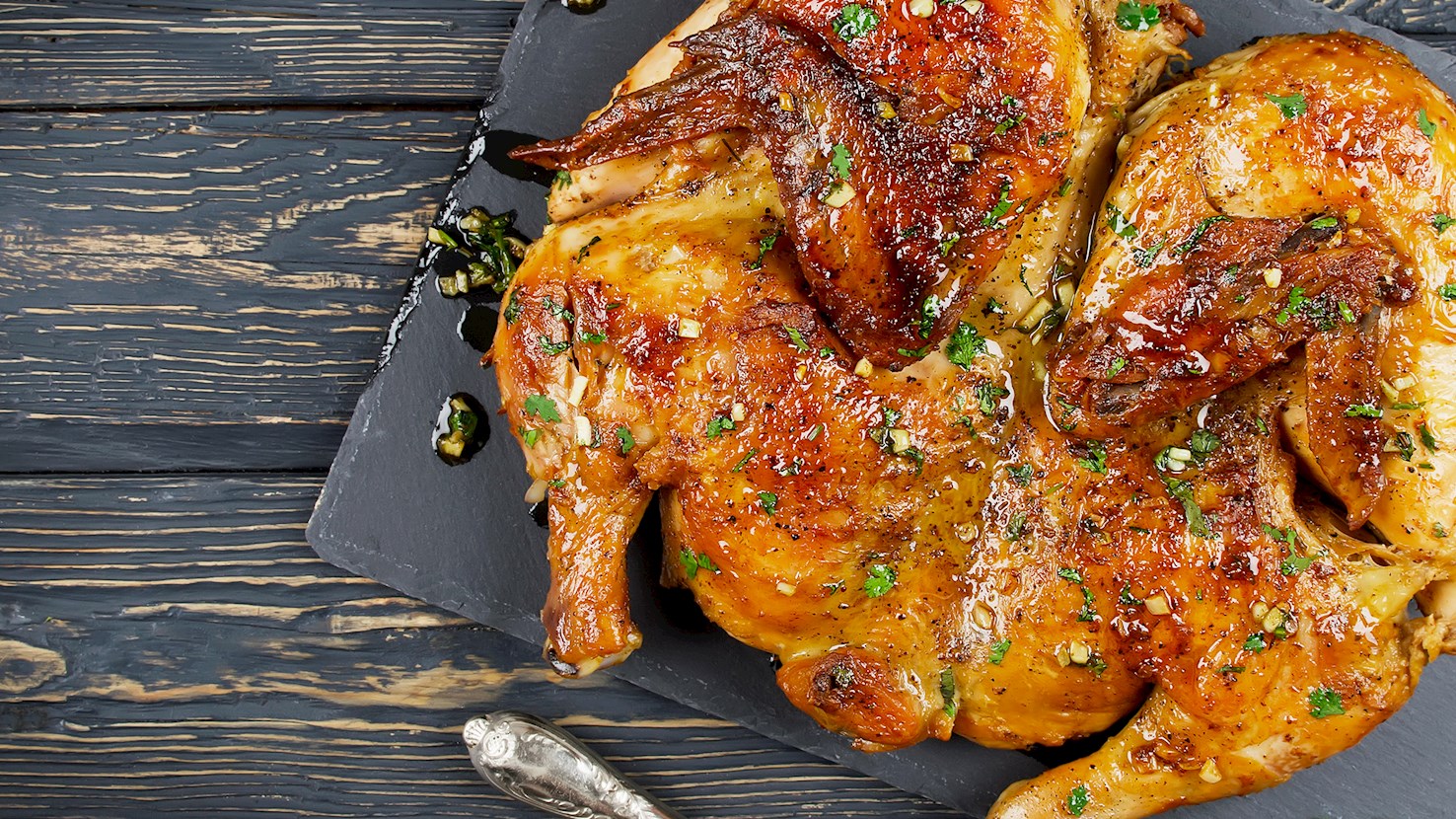
Chicken tabaka is a popular Georgian dish consisting of a chicken that is fried in a special way in a traditional pan called tapa. One should flatten the chicken on a pan by pressing it down with a weight. When it is properly prepared, the chicken should be crispy on the outside, while retaining its tenderness and moistness on the inside. The dish is often consumed with tkemali plum sauce on the side.
TasteAtlas food rankings are based on the ratings of the TasteAtlas audience, with a series of mechanisms that recognize real users and that ignore bot,
nationalist or local patriotic ratings, and give additional value to the ratings of users that the system recognizes as knowledgeable.
For the “Top 100 Chicken Dishes in the World” list until October 15, 2026, 21,746 ratings were recorded, of which 15,259 were recognized by the system as legitimate.
TasteAtlas Rankings should not be seen as the final global conclusion about food. Their purpose is to promote excellent local foods,
instill pride in traditional dishes, and arouse curiosity about dishes you haven’t tried.



















What People Say